On this page
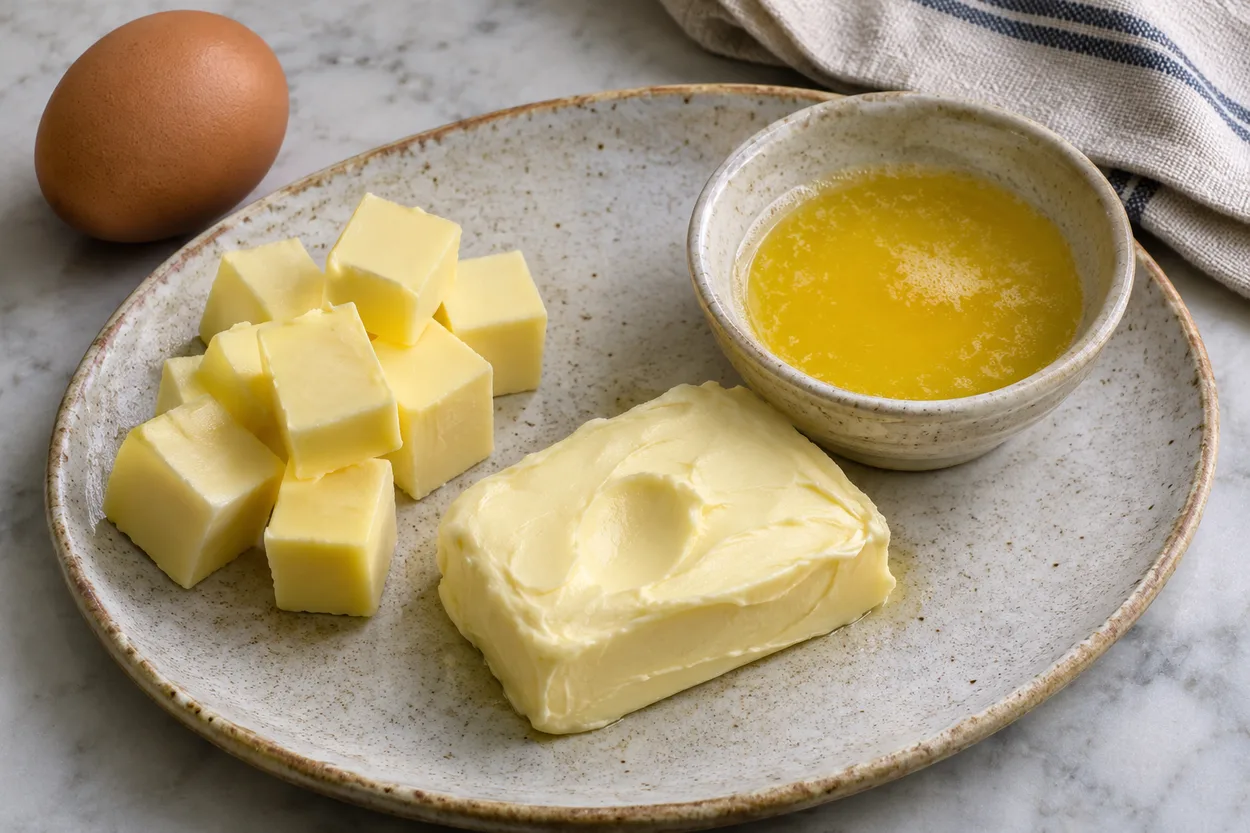
Press the butter with a fingertip before turning on the mixer. For creaming, it should take a shallow dent while holding its shape. For a flaky scone, aim for distinct cold pieces that survive the first mixing stage.
What does room temperature mean in baking?
For many creamed cake methods, the goal is ingredients that combine smoothly while the butter remains pliable and cool, rather than greasy or melting. A room’s thermostat does not establish the right butter texture. Use any temperature range specified by the recipe and check the ingredient itself.
Why ingredient temperature changes mixing
Butter, eggs and dairy don't all mix the same way when cold. Fat firmness, liquid viscosity and protein behaviour can change how ingredients combine. If a recipe relies on a delicate butter-and-sugar aeration or a stable emulsion, adding a very cold ingredient may undo some of that structure. In a simple stir-together recipe, the effect can be much smaller.
Butter is the ingredient most affected
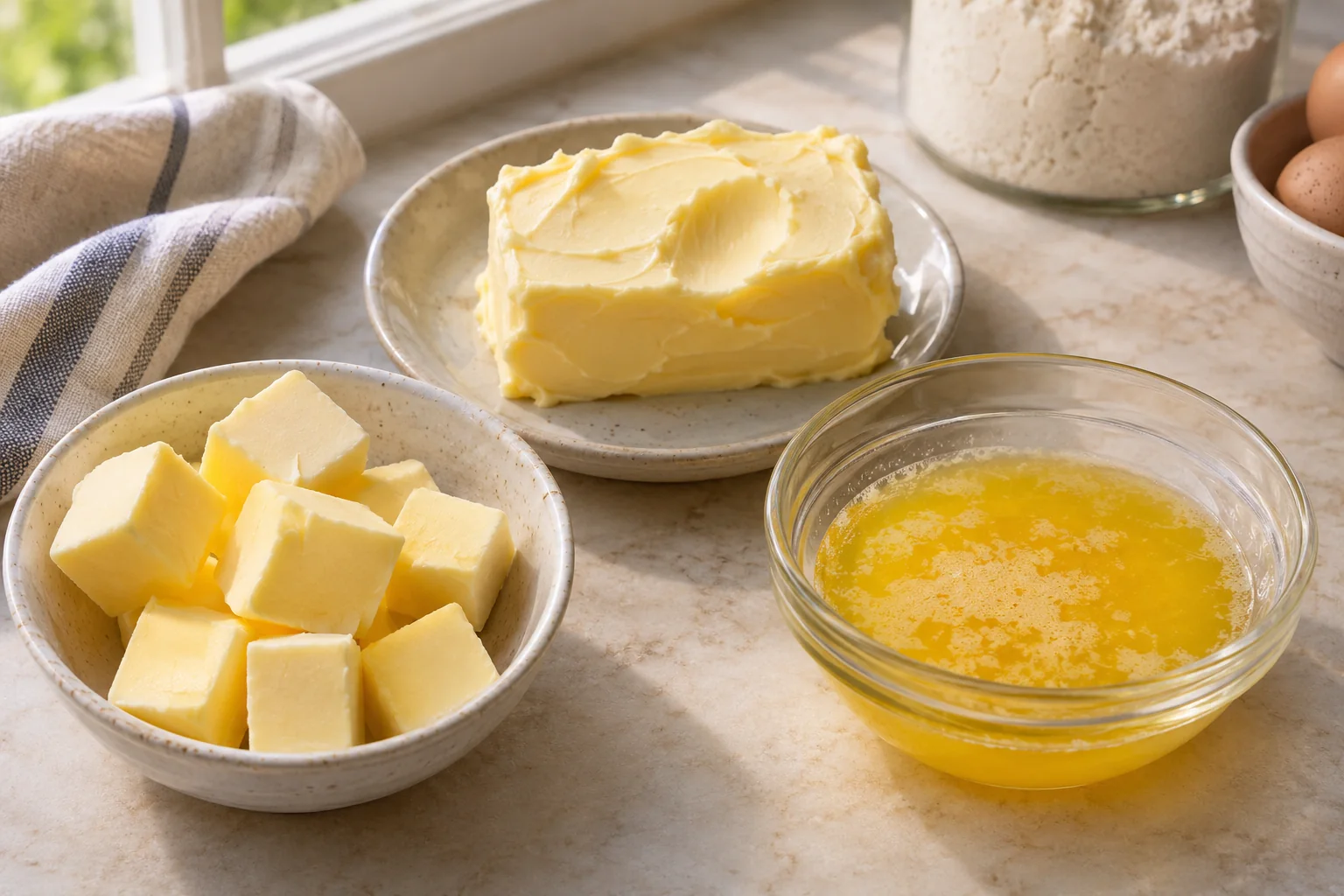
Butter changes from hard and crystalline to pliable and eventually melted as it warms. A traditional butter cake needs it soft enough to cream with sugar while remaining firm enough to hold air pockets. Hard butter resists mixing; almost melted butter may be too loose to hold the intended bubbles.
How to tell butter is softened correctly
Press gently with a fingertip. Properly softened butter should leave an indentation but still hold its shape. It should not look oily or collapse into a shiny puddle. For a precision-sensitive cake, use the specific temperature in the recipe or a reliable thermometer rather than guessing from how long the butter has sat on the counter.
Why creaming needs pliable butter
When softened butter and sugar are beaten together, the sugar helps create tiny pockets in the fat. Those bubbles expand during baking and contribute to a fine, even crumb. If the butter is too cold, it may form lumps; if it is too warm, the aerated structure can become less effective. Creaming time and mixer speed matter too.
Use the creaming cues in Classic Vanilla Layer Cake to check whether the butter can hold air.

Why eggs are sometimes warmed
Very cold eggs can firm softened butter into small pieces during mixing and make a creamed batter look curdled. When the recipe calls for less-cold eggs, bringing them to the specified condition can help the fat and liquid combine more evenly. Add them in the stated sequence and scrape the bowl as needed.
Are room-temperature eggs always necessary?
No. Some brownies, muffins, cookies and one-bowl cakes are designed to work without warming the eggs. Their structure and mixing method differ from a carefully creamed butter cake. Follow the complete recipe rather than adding a warming step to every bake.
Egg temperature in foam cakes
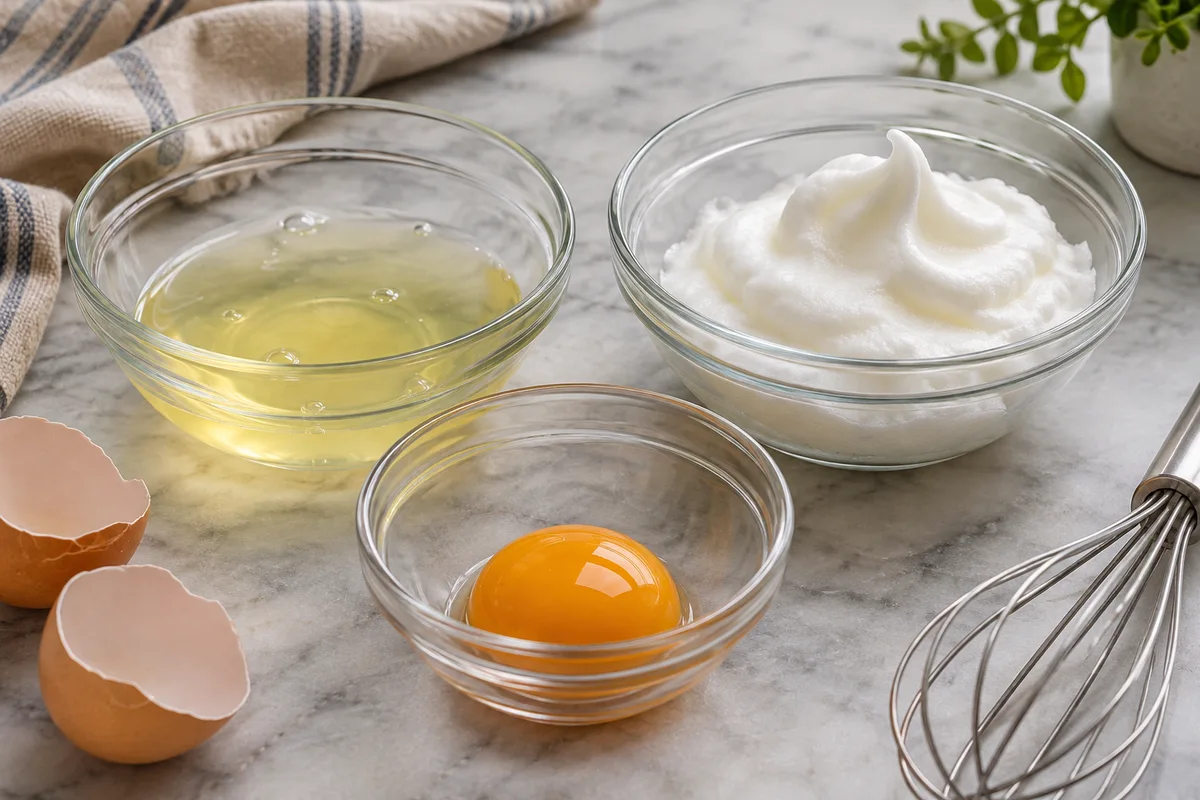
Some sponge cakes, meringues and buttercreams depend on aerating eggs or egg whites. The intended temperature may influence how quickly the eggs whip and how they support the mixture. A recipe may specify separating cold eggs then warming the whites before whipping; follow its method rather than using a general cake rule.
Milk and cream can affect emulsification
Adding cold milk to a creamed butter mixture can firm some of the butter and create an uneven batter. Recipes that specify room-temperature dairy are often designed to minimize this problem. On the other hand, whipped cream usually needs to be cold to whip effectively. The correct temperature depends on what you're making.
Why cold yogurt or sour cream may matter
Some butter-based cake batters mix more smoothly when yogurt or sour cream isn't refrigerator-cold. Thick cultured dairy can also be difficult to incorporate uniformly when very cold. But many muffin-method recipes use refrigerated yogurt without difficulty. Follow the developer's instructions and consider whether the recipe relies on creaming.
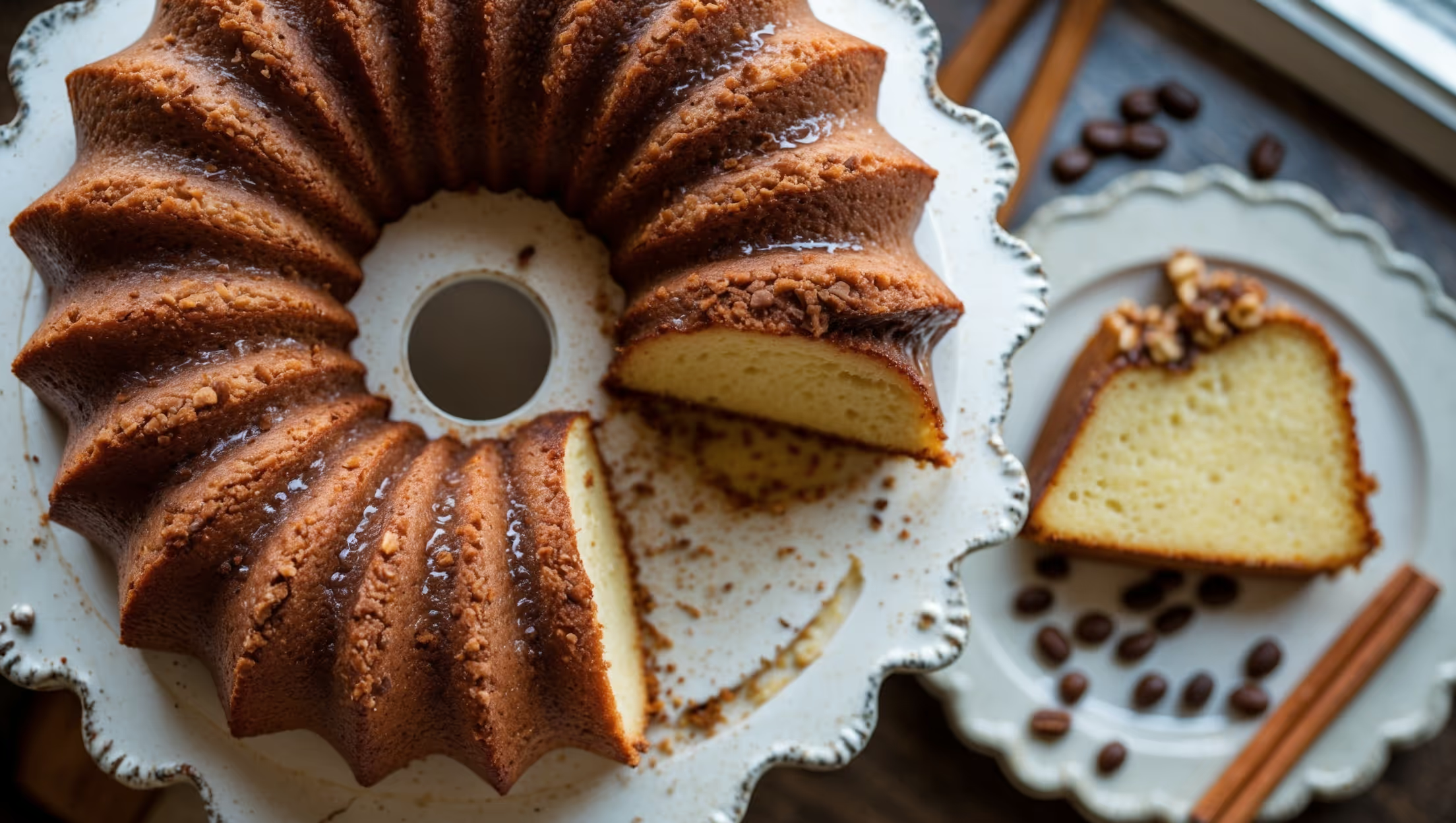
For Sour Cream Coffee Cake Bundt, prepare the dairy before you begin mixing the batter.
What about cream cheese?
For a smooth cheesecake or cream cheese frosting, softened cream cheese may incorporate with sugar and eggs more evenly, helping avoid visible lumps. Excessively warm cream cheese can become too loose for certain frostings. The ideal state is the one specified by the particular cheesecake or frosting formula, including any chilling requirements.
Room temperature for melted butter recipes
A recipe that calls for melted butter may not need the butter to be 'room temperature' at all, but often requires it to cool enough before mixing with eggs. Very hot butter can heat eggs or cause an unstable mixture. Very cold milk can make melted butter solidify into flecks. Use the recipe's order and temperatures.

What happens when cold eggs hit creamed butter?
The butter can become firmer in small patches, while liquid is held less evenly through the mixture. A slightly grainy appearance does not guarantee failure, but severe separation can affect the finished crumb. Check ingredient temperature and the recipe’s mixing sequence before trying a correction.
Can you fix a curdled cake batter?
Sometimes. Some tested cake methods incorporate a small quantity of the recipe's measured flour while adding eggs to help stabilize the emulsion. Others advise gradual additions or adjusting ingredient temperatures. Don't pour in extra flour beyond the recipe's total or subject the bowl to strong heat. The appropriate fix depends on the formula.
A fast way to warm whole eggs
If the recipe requires less-cold eggs, place intact eggs briefly in warm, not hot, water—about ten minutes is often sufficient—then dry, crack and use them promptly. Keep this a short preparation step rather than leaving raw eggs in warm conditions while other tasks wait. Do not use cracked or damaged eggs for this method.
Separating eggs at the right time
Some bakers find cold eggs easier to separate because the yolks are firmer. A meringue recipe may therefore direct you to separate while cold and then bring the whites to a suitable whipping temperature. Keep all equipment clean, follow the recipe and avoid unnecessary long periods at room temperature.
Softening butter without melting it
Cutting a stick into small pieces can help it warm more evenly. Some tested techniques use indirect warmth, such as a warmed empty bowl placed over butter. Microwave softening can create melted edges around a hard centre, which is particularly inconvenient for creaming. Check the butter's texture frequently and avoid overheating.
Why microwave shortcuts can be risky
Microwaves heat foods unevenly. Butter can be liquid on one side and hard on the other. Cream cheese can develop warm spots while remaining lumpy elsewhere. When ingredient temperature is important for a cake emulsion, slow, gentle methods often give more predictable results. Follow equipment and food-safety guidance.
How to handle room-temperature ingredients safely
Plan ahead only for the ingredients you need and the limited period required by the recipe. Eggs, milk, cream cheese and other perishable foods should not be left at room temperature for many hours. In Canada, follow applicable food-safety guidance and keep perishables refrigerated when not actively preparing the recipe.
What about butter that feels too warm?
If softened butter has become greasy or nearly melted before creaming, it may be unsuitable for the intended technique. Gently chill it toward the correct working consistency as the recipe allows, checking frequently. Don't add flour to compensate for overheated butter unless a tested method specifically instructs it.
Do cookies need room-temperature ingredients?
Some conventional chocolate chip cookies cream softened butter and sugar and may specify room-temperature eggs. Others use melted butter and are designed for a different mixing sequence. Chilled dough may be part of the recipe even when the butter started soft. Follow the full method rather than a universal cookie rule.
Read the butter instructions in Classic Chocolate Chip Cookies before setting it out.

Do muffins need room-temperature ingredients?
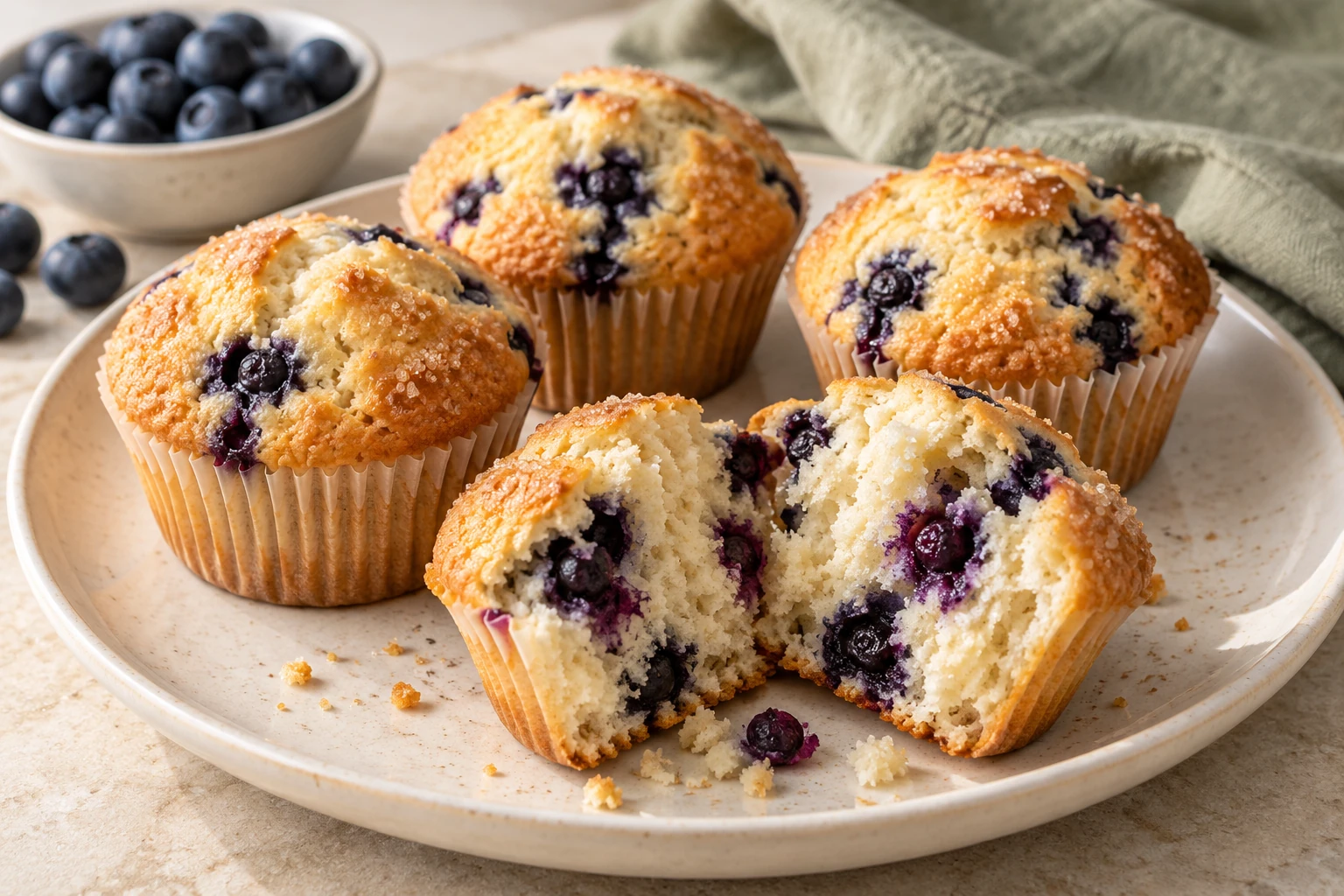
Not always. Many muffin-method recipes combine wet and dry ingredients briefly and tolerate cold eggs or milk. But a muffin batter that creams butter like a cake may be more temperature-sensitive. If the formula specifies an ingredient temperature, use it; otherwise don't add unnecessary warming steps.
Follow the mixing method in Blueberry Muffins before deciding which ingredients need warming.
Do brownies need room-temperature ingredients?
Some fudgy brownies rely on melted butter or chocolate and use eggs at a particular stage. The important issue may be avoiding very hot fat when eggs are added rather than warming eggs to an exact room temperature. Other brownie methods whip eggs and sugar deliberately. Use the recipe's temperature and timing instructions.
What about pie dough and scones?
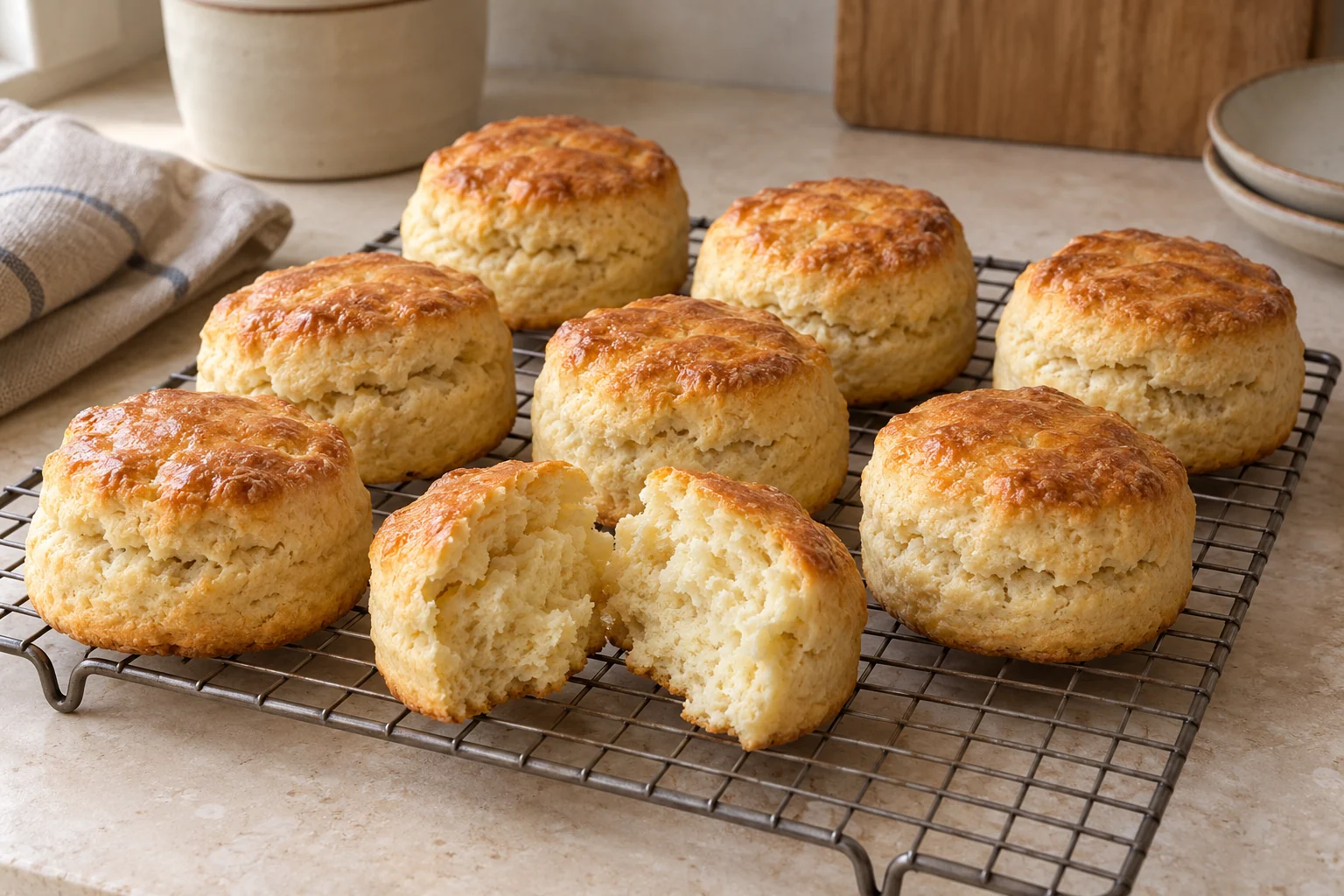
These are important exceptions. Many flaky pie doughs, biscuits and scones intentionally use cold butter to retain distinct pieces or layers. Warming everything to room temperature would work against that technique. Room temperature is not inherently better; the physical structure the recipe needs determines the answer.
For Basic Scones, prepare the butter as directed so distinct pieces survive mixing.
Yeast dough and ingredient temperatures
Yeast fermentation responds to dough temperature, and some bread recipes specify lukewarm water, cool milk or even cold ingredients to control fermentation. Those requirements differ from creamed-cake techniques. Do not warm every liquid based on cake-baking advice; follow the dough's stated target and fermentation schedule.
With Brioche Buns, account for the dough temperature as you judge the rise.

Temperature and kitchen conditions
A warm summer kitchen can soften butter far faster than expected, while a cool winter kitchen can leave it hard even after a long wait. Instead of using a fixed time such as thirty minutes for every household, check softness, use a thermometer if the recipe warrants it and prepare other ingredients while you wait.
How to organize your ingredients
Read the full recipe, identify which ingredients need to be cold, softened, melted or warm, and group them accordingly. Preheat the oven and prepare the pan before combining leavened batter. This prevents the finished mixture from sitting unnecessarily while you wait for the last cold ingredient.
A helpful temperature checklist
Creamed butter cake: follow the specified softness for butter and often eggs and dairy. One-bowl oil cake: room temperature may be less critical. Whipped cream: usually keep it cold. Flaky pastry: protect butter's cold, workable state. Meringue: use the recipe's egg-white temperature. Yeast dough: respect the intended dough temperature.
IN PICTURES
From the baking notebook
FROM THE RECIPE BOX


