
On this page
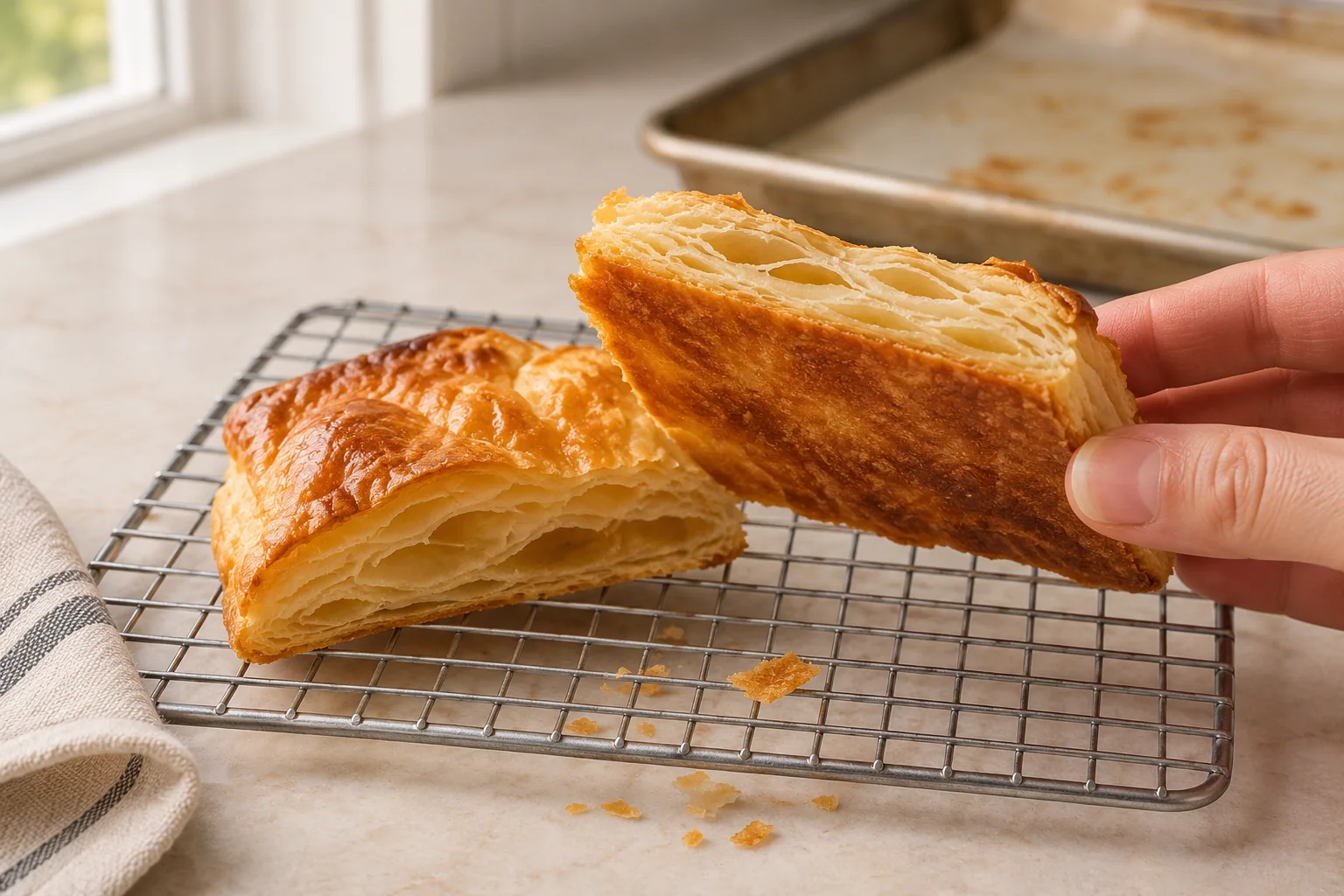
Lift a fully cooled piece and inspect its underside. A pale, doughy patch points to a base that never set. A golden base that softened after filling suggests a different problem. When you notice the change is as useful as what the crust feels like.
Start by identifying the pastry
A fully baked tart shell later filled with pastry cream has different moisture needs from a raw puff pastry turnover or a savory quiche. Shortcrust depends on proper fat distribution and bottom heat. Puff pastry needs steam to lift laminated layers, which wet fillings can inhibit. Follow the specific method for your pastry category rather than treating every soggy base as a fruit-pie problem.
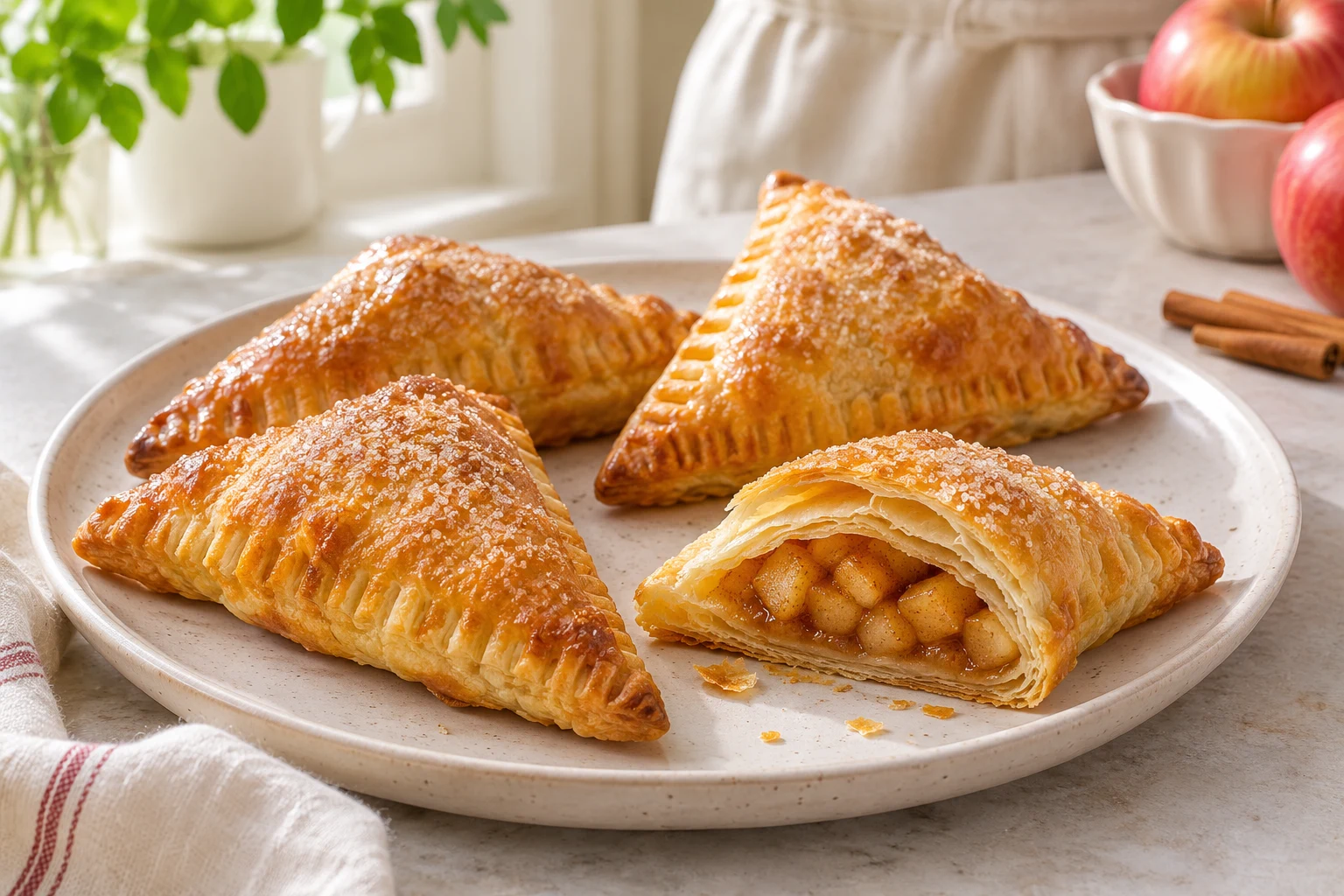
Lift one of the Apple Turnovers to inspect the base as well as the top.
What a soggy bottom really feels like
Underbaked pastry may be pale, doughy and floury, while fully baked pastry that absorbed liquid may be browned but soft or gummy. A raw or undercooked flour center is a cooking problem, not simply a texture preference. Cut and inspect a fully cooled sample when safe, checking layer definition and underside color. This observation tells you whether to improve baking heat or control moisture.
Filling moisture can overwhelm the base
A juicy berry tart, wet spinach filling or loose cream mixture may release liquid as it bakes. If the filling formula doesn't thicken or drain that moisture, it can soak into pastry before the bottom has set. Use recipes that specify draining, precooking or thickening for the intended filling. A damp ingredient doesn't become dry merely because it's enclosed in butter pastry.
Mushrooms and spinach require attention
For savory pastries, cook mushrooms until unwanted moisture evaporates and drain or squeeze cooked spinach if the recipe requires. Allow hot mixtures to cool safely before touching butter-rich pastry. An overly warm filling softens fat before the oven and may cause greasiness as well as sogginess. Perishable cooked fillings need prompt safe refrigeration, not a long counter cooling period.
For Mushroom Quiche, watch how much moisture the mushrooms release before they meet the pastry.

Pastry cream goes into a baked shell
Many custard tarts and fruit tartlets use fully blind-baked shells cooled before adding prepared pastry cream. The custard filling often isn't baked in the shell, so the crust must already be fully cooked. A partially baked shell may soften further after assembly and taste doughy. Refrigerate cream-filled pastries promptly and expect some texture softening over time.
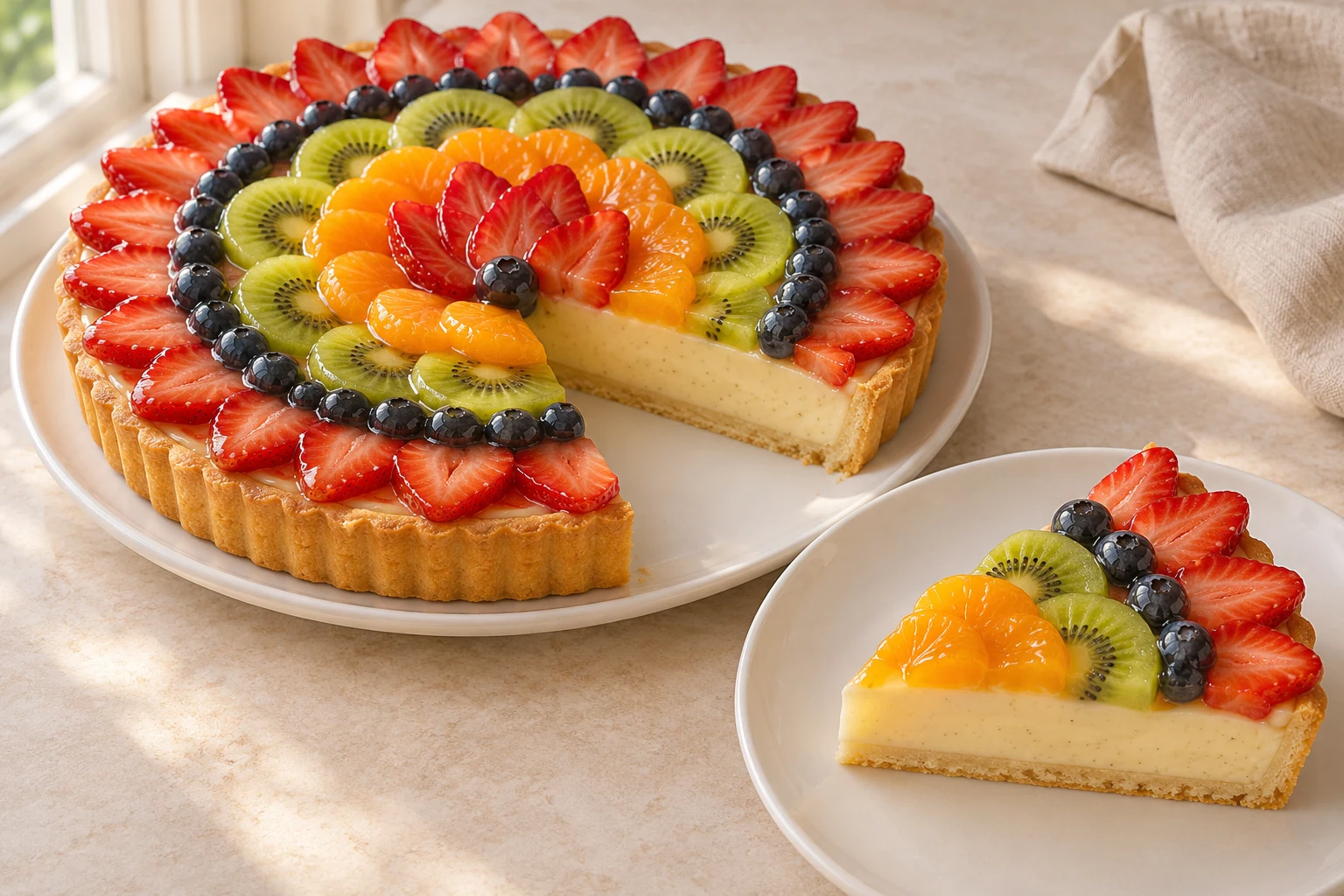
The shell for Classic Fruit Tart needs to hold its shape before the filling and fruit go in.
What blind baking accomplishes
Blind baking gives an empty shell time to set and brown before it meets wet filling. The method may use parchment and pie weights to prevent bubbling and collapsing sides. Some recipes need a partial bake for later oven cooking; others need a fully golden dry shell for a no-bake filling. Follow the specified endpoint rather than treating ten minutes of weighted baking as sufficient for every tart.
Follow the crust and filling sequence for Classic Quiche Lorraine when planning the two stages of the bake.

Why weights alone aren't enough
Weights support pastry while it initially sets but can shield the base from direct heat. Many methods remove weights and continue baking uncovered to dry and brown the bottom. If you stop as soon as the sides look set, the center may remain pale. Handle hot weights carefully on a heat-safe surface; they are not edible and shouldn't spill into the filling.
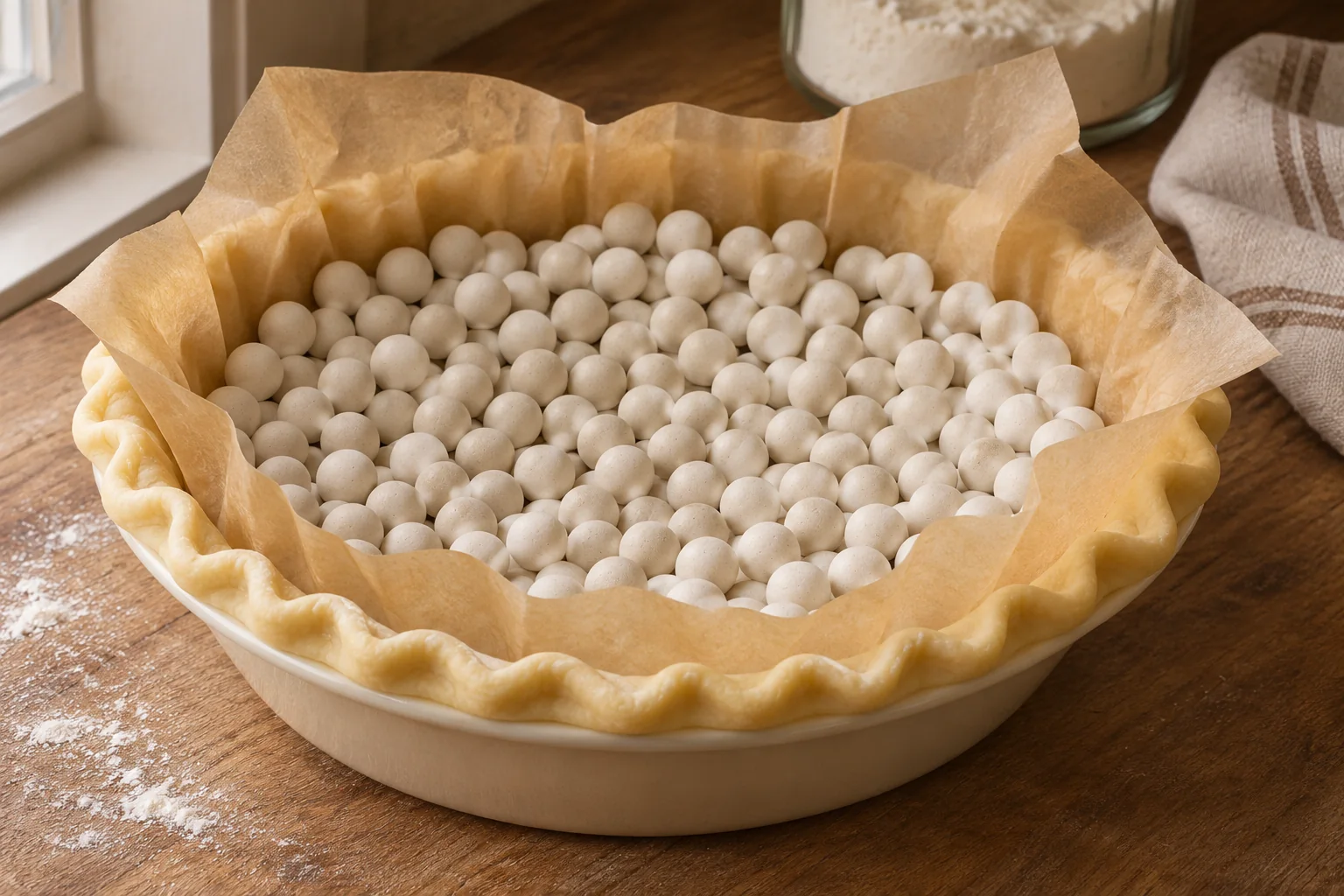
Docking can create leaks
Docking means pricking holes to release steam under flat pastry. It helps some empty tart shells, but holes in a crust that will hold thin uncooked custard may provide a pathway for leakage. Follow the recipe on whether to dock, use weights or apply a protective layer. Poking more holes is not a universal remedy for a soggy fruit or custard base.

Puff pastry needs a hot start
Laminated puff pastry rises as moisture becomes steam between dough and fat layers. If the oven is inadequately preheated, butter can leak before those layers set. Wet heavy filling also weighs down the pastry. Use a tested puff pastry recipe with the intended bake temperature, thickness and filling amount. A low oven isn't safer merely because a topping contains cheese.
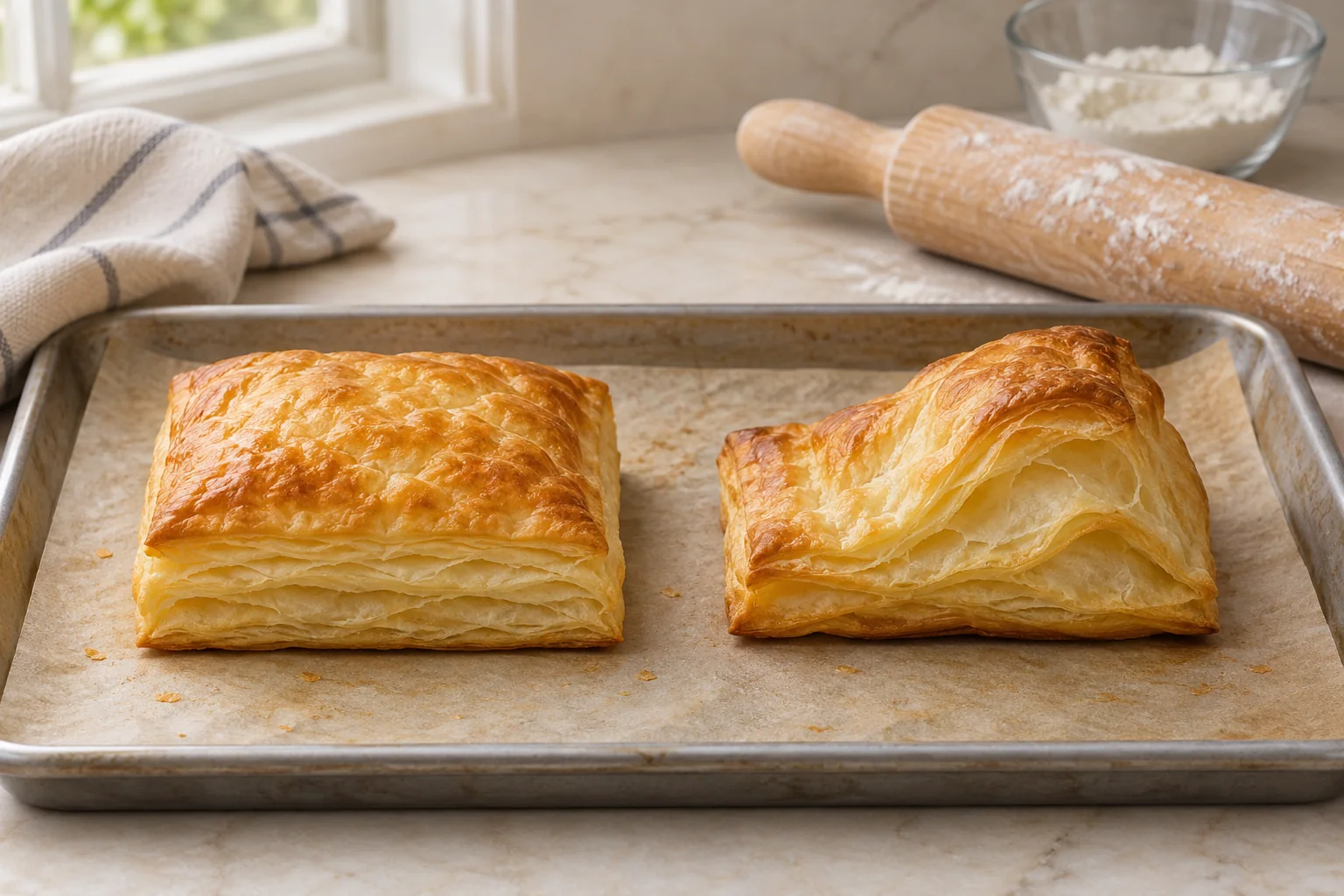
Use the right baking sheet
A dark metal baking sheet may brown undersides quickly, while a thick insulated surface can change the heat delivered to the bottom. The appropriate choice depends on the pastry and the recipe. If a turnover bottom is soft but top looks ready, evaluate actual rack position and pan material. Don't solve a wet filling issue solely by switching to an aggressively dark tray.
Why deep ceramic is different
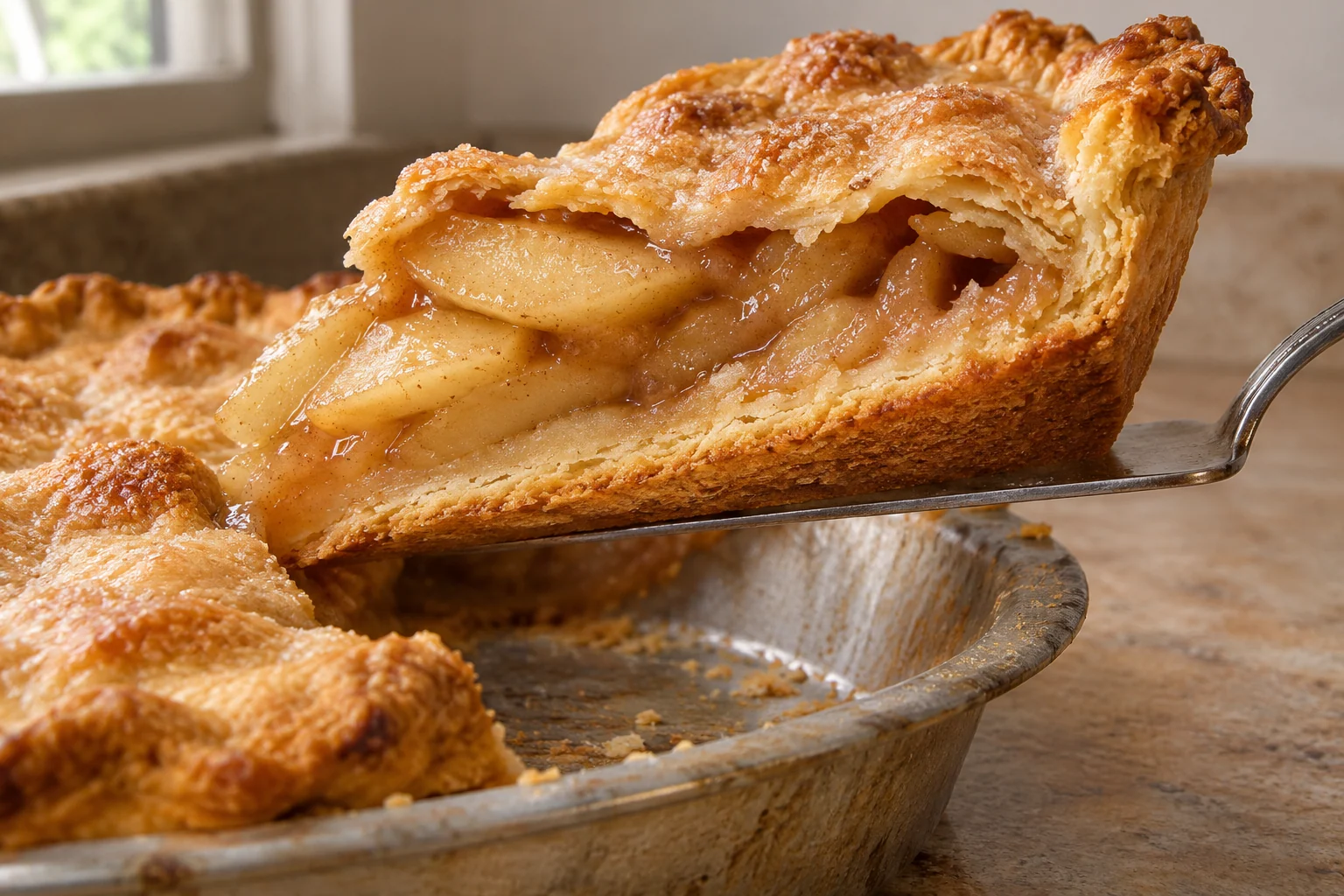
A ceramic pie dish or heavy tart dish heats differently from a thin metal pan. A deep wet filling in thick ceramic may need a longer tested bake than a shallow metal tart. Use equipment recommended for the recipe. Avoid exposing glass or ceramic to severe temperature shocks, especially when transferring frozen pastry to a hot baking surface.

A barrier can slow moisture migration
Some filled tarts use a thin layer of tempered chocolate or cocoa butter on a fully baked cooled shell before adding ganache or pastry cream. Others use egg-based sealing steps during blind baking. The barrier should be appropriate to the flavor and cooking method, and it doesn't render a perishable filling shelf-stable. An excessive chocolate coating can change taste more than it improves crispness.
With Classic Custard Tart, use the shell preparation specified for that custard.

Why a hot filling is risky
Hot pastry cream or precooked fruit can soften the butter and structure of a waiting shell, and steam may condense under a lid. Follow recipe instructions for cooling and assembly. Don't leave egg-and-dairy fillings at room temperature for hours in the name of protecting pastry; chill promptly under food-safety guidance. Timing should protect both texture and safety.
The wet fruit tart problem
Fresh strawberries and other cut fruit may release juice onto a baked tart shell. Choose fruit that is properly dried, add glazing only as directed and assemble close to serving when possible. A pre-baked shell can lose its crunch after hours beside wet fruit even if it was originally perfectly crisp. More oven heat won't fix moisture migration that happens after baking.
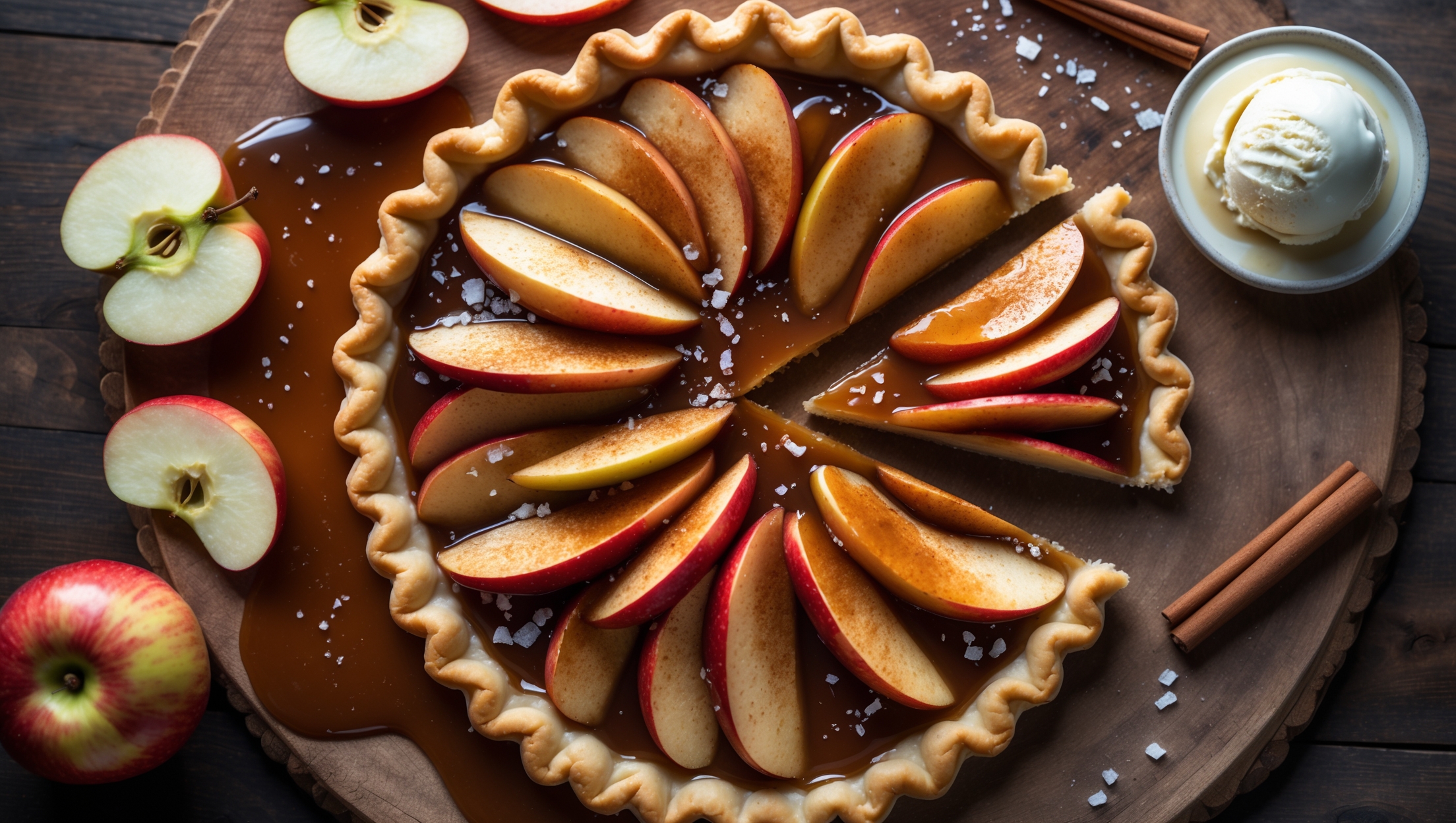
Compare how the fruit is prepared in Caramel Apple Tart before adding extra liquid to a tart.
Why puff pastry bottoms remain dense
If filling blankets the entire sheet before it bakes, some laminated layers may not receive enough heat to puff and dry. Recipes for flat puff tarts often specify docking a central area and leaving a border free to rise. Use an appropriate filling thickness and don't overload the center. A soggy middle beneath many wet vegetables suggests filling and assembly design may need to change.

How steam gets trapped in storage
Sealing a hot tart or turnover in an airtight container traps moisture, which can condense against crisp pastry. Cool baked goods as directed on a rack before packaging. Some filled pastries need refrigeration despite the effect on crust. Food safety takes priority when the filling contains cream, custard, cooked meat or other perishable ingredients.
Reheating isn't for every pastry
A plain cheese straw or suitable fruit turnover may regain crispness under a tested oven reheating method. A filled pastry cream tart cannot simply be reheated without ruining the custard or creating a food-safety issue. Choose refresh methods for the actual filling. A soggy base due to underbaking may also be impossible to repair after the pastry is assembled.
Diagnose before the next batch
If the bottom is pale and doughy, verify the oven temperature, pan, depth and bake completion. If it is browned but wet, inspect filling liquid and storage timing. If only the center under filling is dense, consider how much weight and moisture covered the puff pastry. One clear observation is more useful than adding flour, increasing heat and changing the pastry fat simultaneously.
A miniature test bake
Prepare two small pastries with the same dough but use a tested dry filling in one and your original wetter filling in the other. Keep thickness, sheet and oven consistent. Compare underside color and layer definition after cooling. This helps distinguish moisture issues from pastry preparation. Avoid testing raw meat or egg fillings without approved safe cooking directions.
IN PICTURES
From the baking notebook
FROM THE RECIPE BOX


