On this page
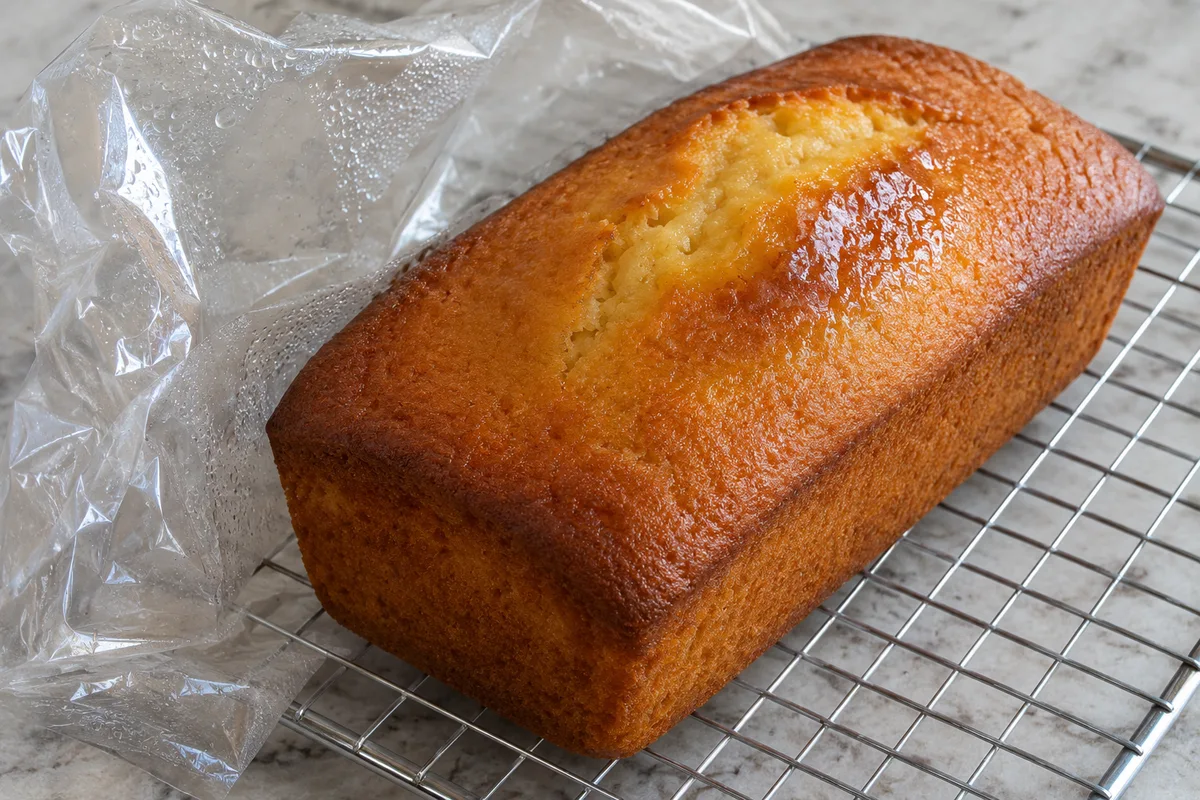
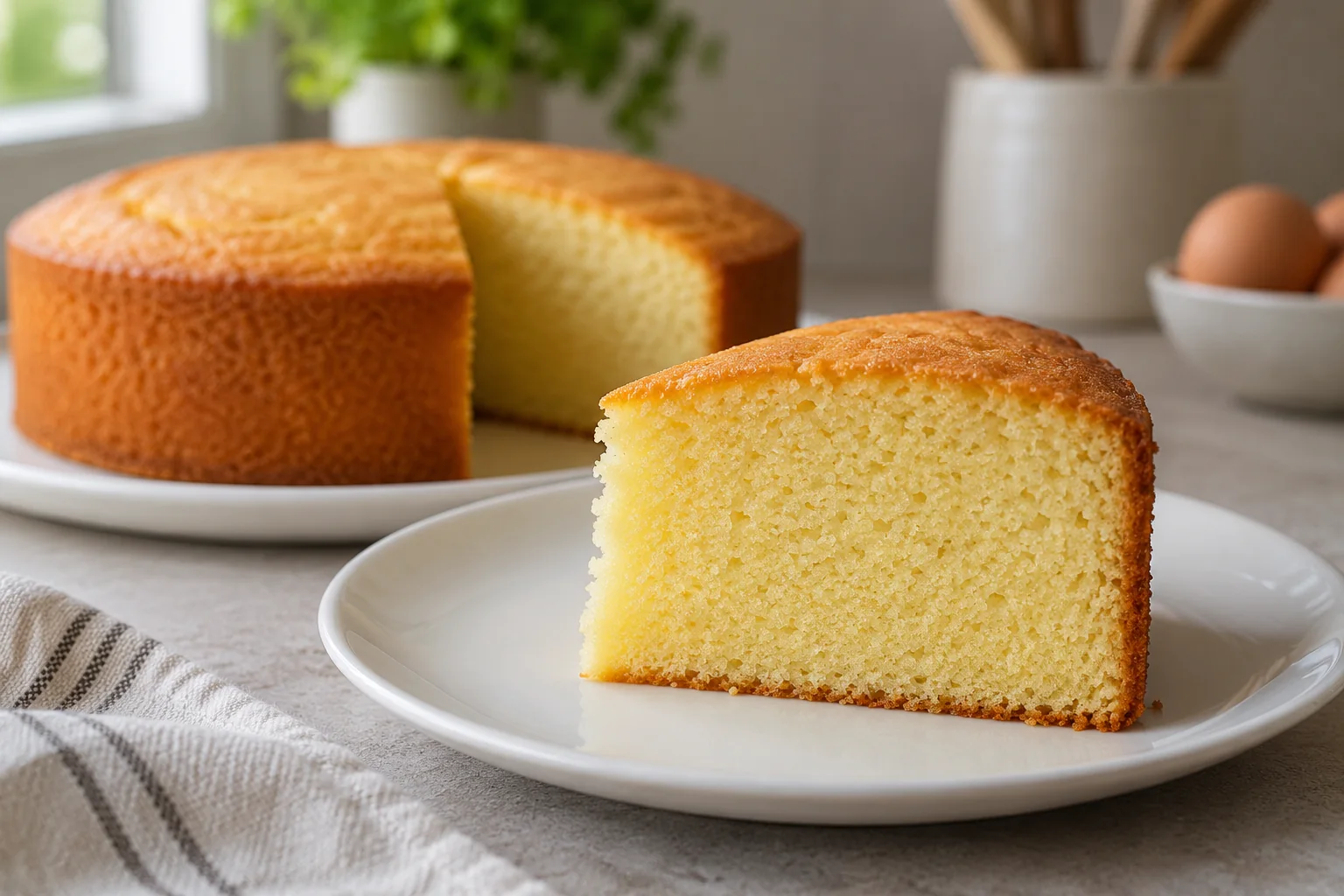
Touch the top before covering the cake and check it again when you unwrap it. If it was dry on the rack and tacky later, trapped moisture is a strong clue. If a strip below the surface looks like wet batter, investigate the bake before thinking about storage.
Distinguish tacky from raw
A slightly sticky sugary surface can occur on certain moist cakes without the interior being uncooked. Raw cake batter, however, may look glossy, sink under pressure or cling to a tester as wet paste. Use the recipe's validated doneness cues and allow appropriate cooling before deciding the cake failed. Do not serve raw flour-and-egg batter disguised beneath icing.
What condensation does
Warm cake releases water vapor as it cools. If it is sealed tightly while still hot, that vapor can condense against the container or wrap and fall back onto the surface. The result may be a damp sticky top that wasn't present initially. Cool on a suitable rack for the prescribed time before sealing, while following safe storage rules for the particular cake and its fillings.
Humidity can change the surface
In humid air, hygroscopic sugars can absorb moisture, making a previously dry surface feel tacky. This may be especially noticeable on high-sugar cake tops or glazes. A cake left uncovered in a steamy kitchen may behave differently from one stored in a dry room. Humidity is a quality factor, not permission to leave cream-filled cake outside refrigeration.
The role of sugar
Sugar holds moisture and influences how starch and proteins set. A cake with a very high sugar ratio may have a more tender, tacky surface than a lean sponge. This can be intended. Adding extra sugar to a cake or reducing flour without a balanced formula may increase stickiness or create a weak center. Use the recipe's weights and assess the finished crumb before changing sweetness.
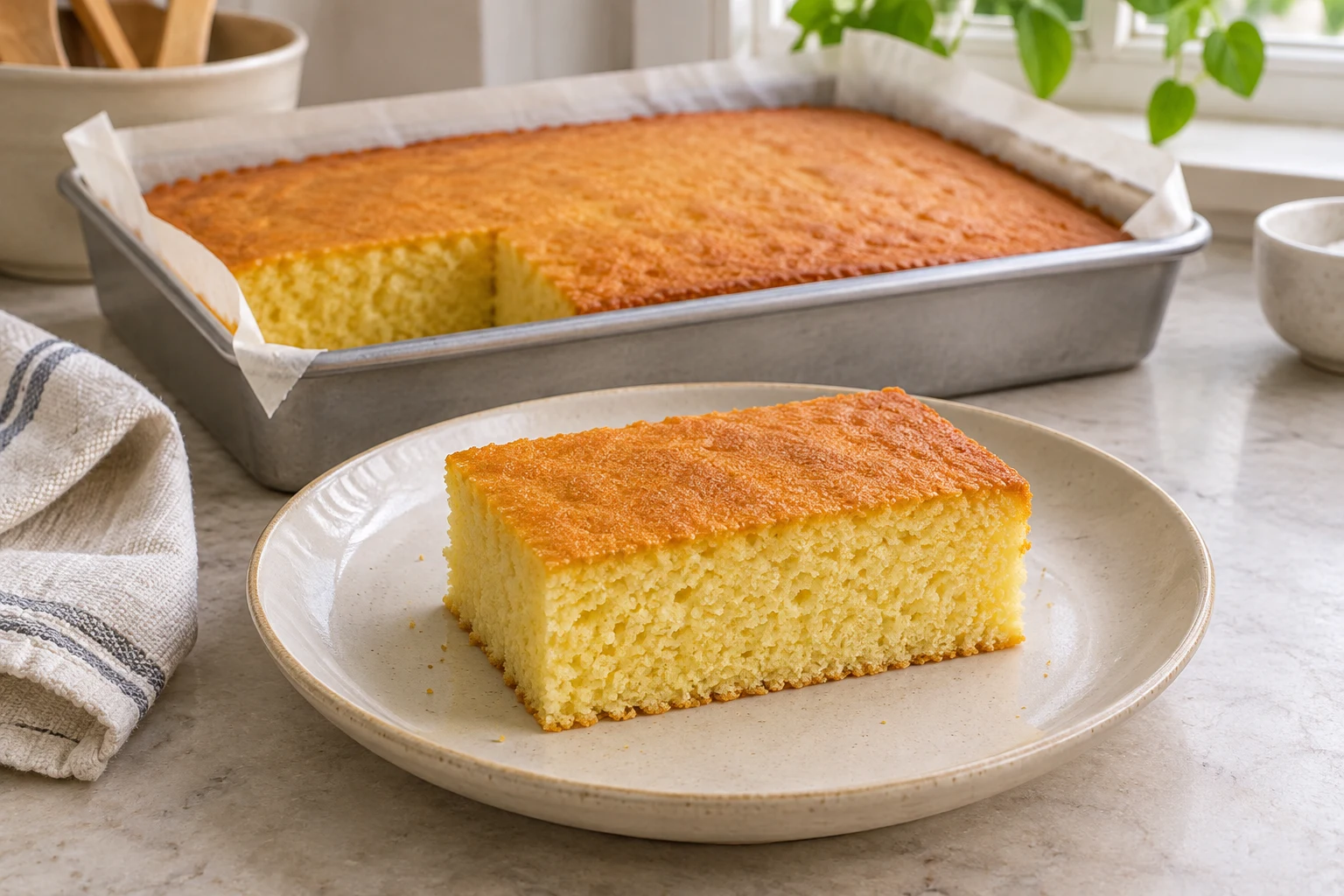
Check a plain patch of Classic Yellow Sheet Cake before adding any frosting to isolate the baked surface.
Brown sugar and syrups
Brown sugar, honey and maple syrup have their own moisture and sugar compositions. Sticky gingerbread or syrup cake may intentionally develop a moist surface. But excessive syrup added beyond the recipe can saturate the top and make it gummy. A cake developed for honey isn't equivalent to a white-sugar sponge with a large amount of extra maple syrup poured in.
The glossy coating on Caramel Apple Bundt Cake is a useful contrast to stickiness on an unglazed cake.

Underbaking causes another kind of wetness
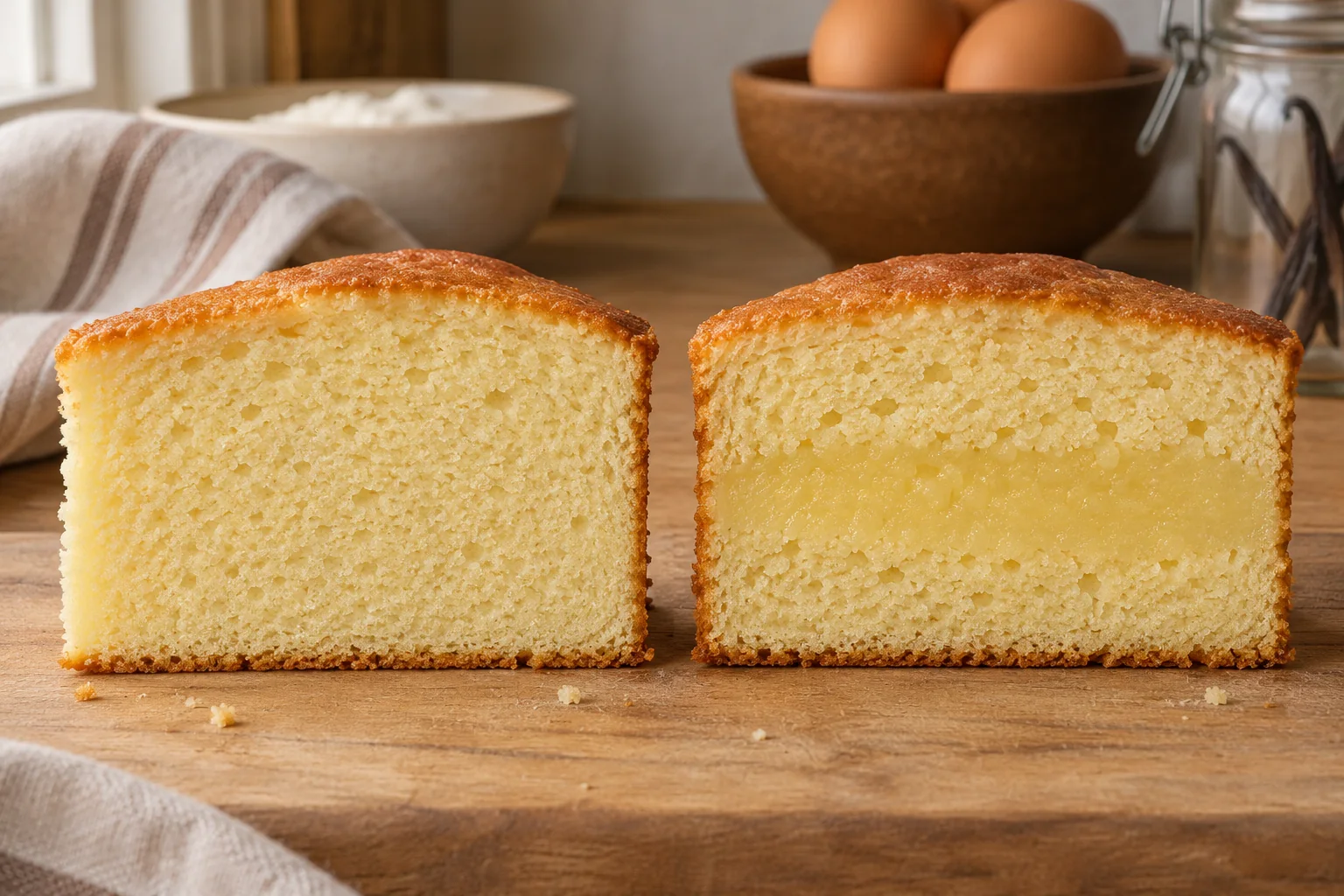
If the cake's surface seems sticky and its center is damp or sinking, incomplete baking may be involved. The exterior can brown before heat fully sets the middle, especially in a deep pan. Follow an appropriate center test and the source's cooling method. A shiny top alone is insufficient evidence that every part of the cake has reached its intended endpoint.
Pan size matters
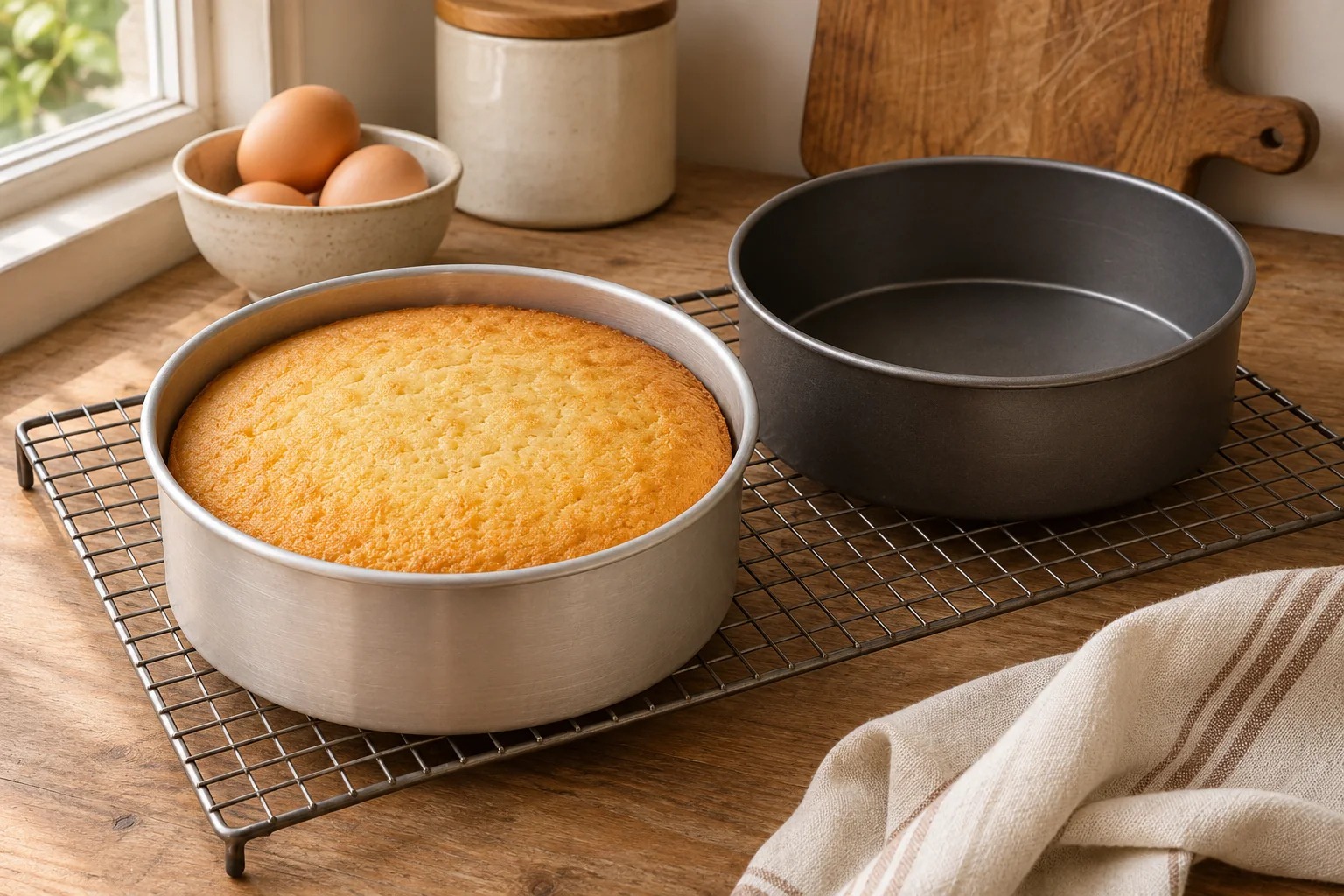
A cake recipe transferred into a smaller pan produces greater batter depth and may need a different bake. It can look browned on top while the center remains underdone. A very large pan creates a shallow layer that bakes quickly. Use the intended dimensions and batter quantity. Avoid overfilling a deep tin because the outside may set long before the middle.
Use the specified pan dimensions for Classic Vanilla Layer Cake to keep the centre from baking too slowly.

Oven temperature accuracy
An oven running cooler than its setting may extend the time needed for the center to cook, leaving tackiness. An oven running excessively hot may brown the surface early and create a false sense of doneness. Use an oven thermometer if repeated results suggest inconsistent heat. Convection settings and rack placement affect baking differently across appliances.
Oil-based cakes can feel moister
Cakes made with oil may feel especially soft after cooling because the fat remains liquid. That doesn't automatically make the top unsafe or underbaked. A butter cake may firm more in the refrigerator. Compare the cake with its intended texture before judging. Sticky surface moisture is a separate observation from tender crumb texture.
Sponge cakes and sugar crust
Some foam cakes develop a delicate slightly tacky top because of sugar and egg behavior. A pavlova-style meringue is a different dessert with its own humidity sensitivity. Don't apply a vanilla layer-cake rule to every aerated egg-based bake. Follow the recipe's cooling and storage guidance, especially when the structure is fragile.
Fruit cakes and moisture
Fresh berries, applesauce, banana or pumpkin contribute water and sugars, influencing the surface and crumb. Adding more fruit purée than the formula specifies may cause a wet dense band that seems sticky after cooling. Some fruit cakes are intentionally moist and need an extended cooling period before slicing. A liquid center is not the same as a tender fruit-rich crumb.
On Vegan Lemon Blueberry Loaf, compare the crumb near a berry with a section of plain crumb.

Glazes can create stickiness intentionally
A lemon drizzle cake is often soaked with measured syrup after baking. Its top may remain tacky by design, particularly before a sugar crust sets. A poured icing may also absorb atmospheric moisture. Follow the glazing stage and allow the specified setting time. Don't assume a deliberately glazed top should feel exactly like plain unfrosted butter cake.
Look at the finished glaze on Classic Vanilla Bundt Cake before attributing a shiny surface to trapped steam.

Cooling rack position
A cake cooled on a rack allows air around its underside, reducing trapped steam. Leaving it sealed inside a hot pan with a lid can encourage condensation. But some cakes require a defined rest in the pan before unmolding to protect structure. Follow the original cooling sequence rather than immediately inverting every cake onto a rack.
Why cling film sticks
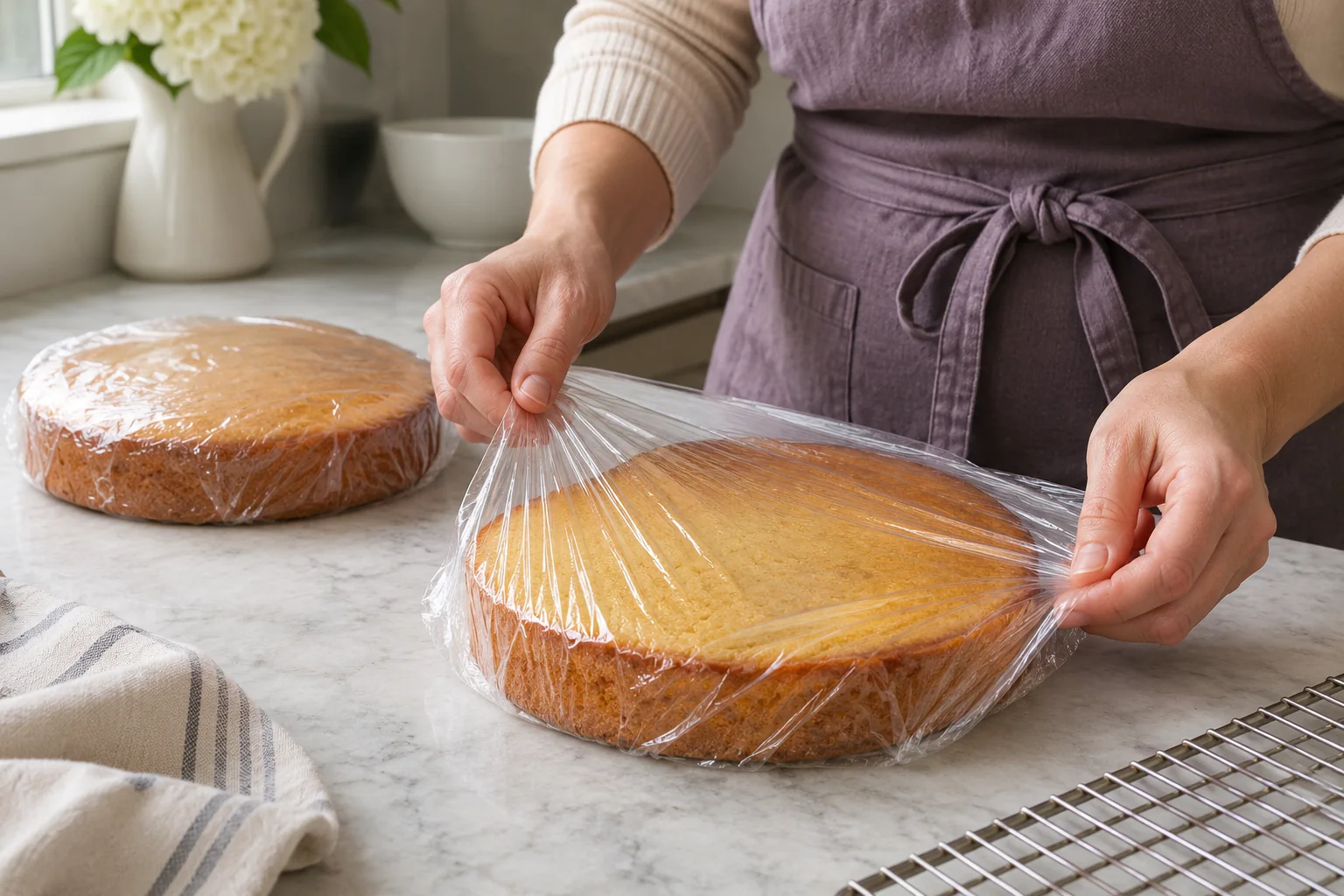
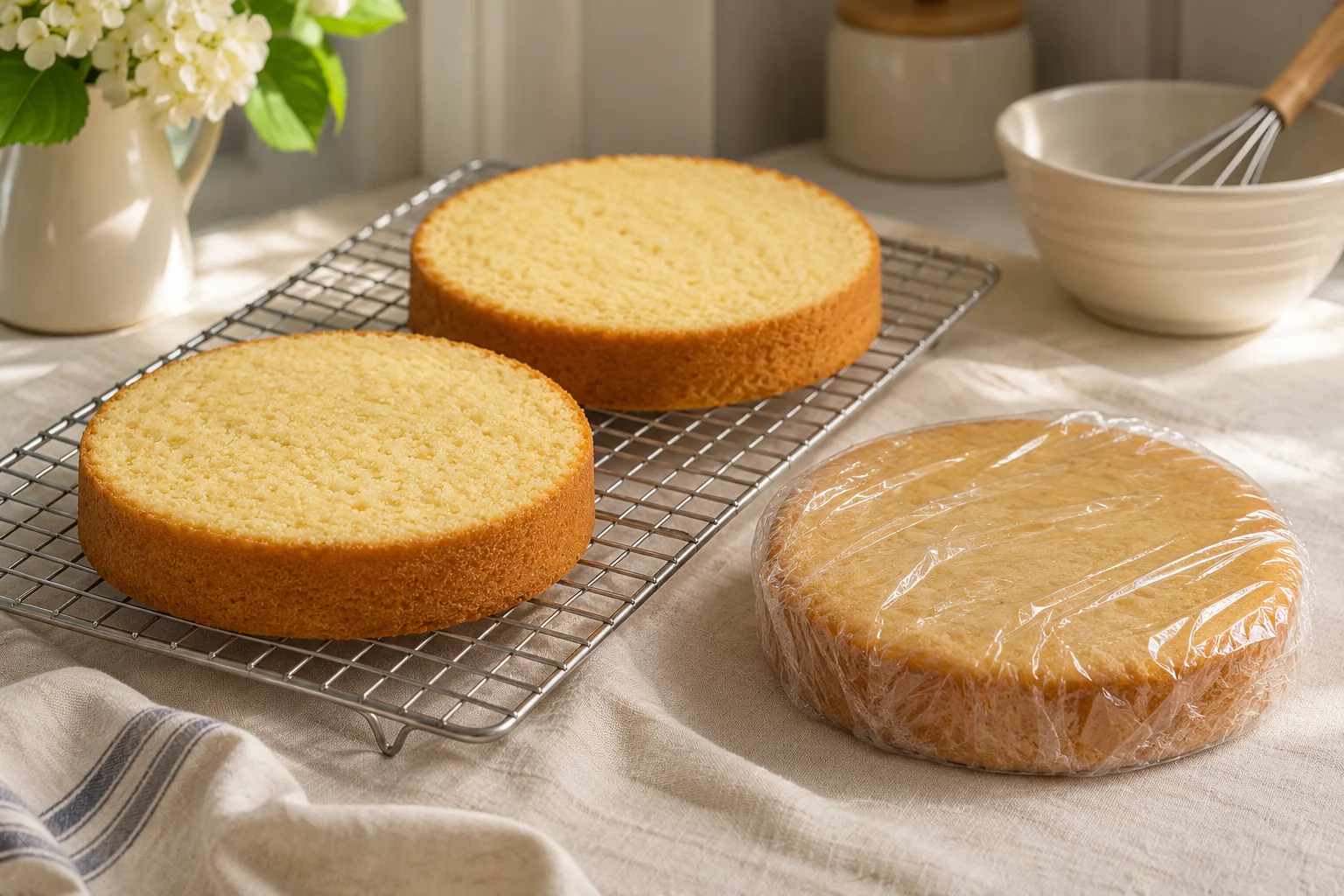
Plastic wrap applied directly to a warm or very moist cake may adhere to the top and pull off a thin layer when removed. Cool sufficiently and use packaging that doesn't press against delicate decorations. A loose protective cover or cake dome can be appropriate for certain plain cakes. Use refrigeration when required by cream or custard fillings.

Refrigeration and condensation
Cold cake brought into a warm humid kitchen can collect condensation on its surface. This may make buttercream decorations or a naked sponge appear shiny and wet. Allow safe temperature adjustment according to the cake's perishable ingredients and avoid repeated moves between warm and cold spaces. Condensation is a physical moisture process, not necessarily an ingredient defect.
Buttercream versus fondant surfaces
A sticky sponge top underneath frosting is different from sweating fondant or a glossy ganache finish. Sugar-rich decorations can absorb moisture when chilled cakes enter humid air. If the cake is properly baked, solve the decorating environment separately from the sponge formula. Never sacrifice food-safe cold holding simply to keep a smooth exterior looking dry.
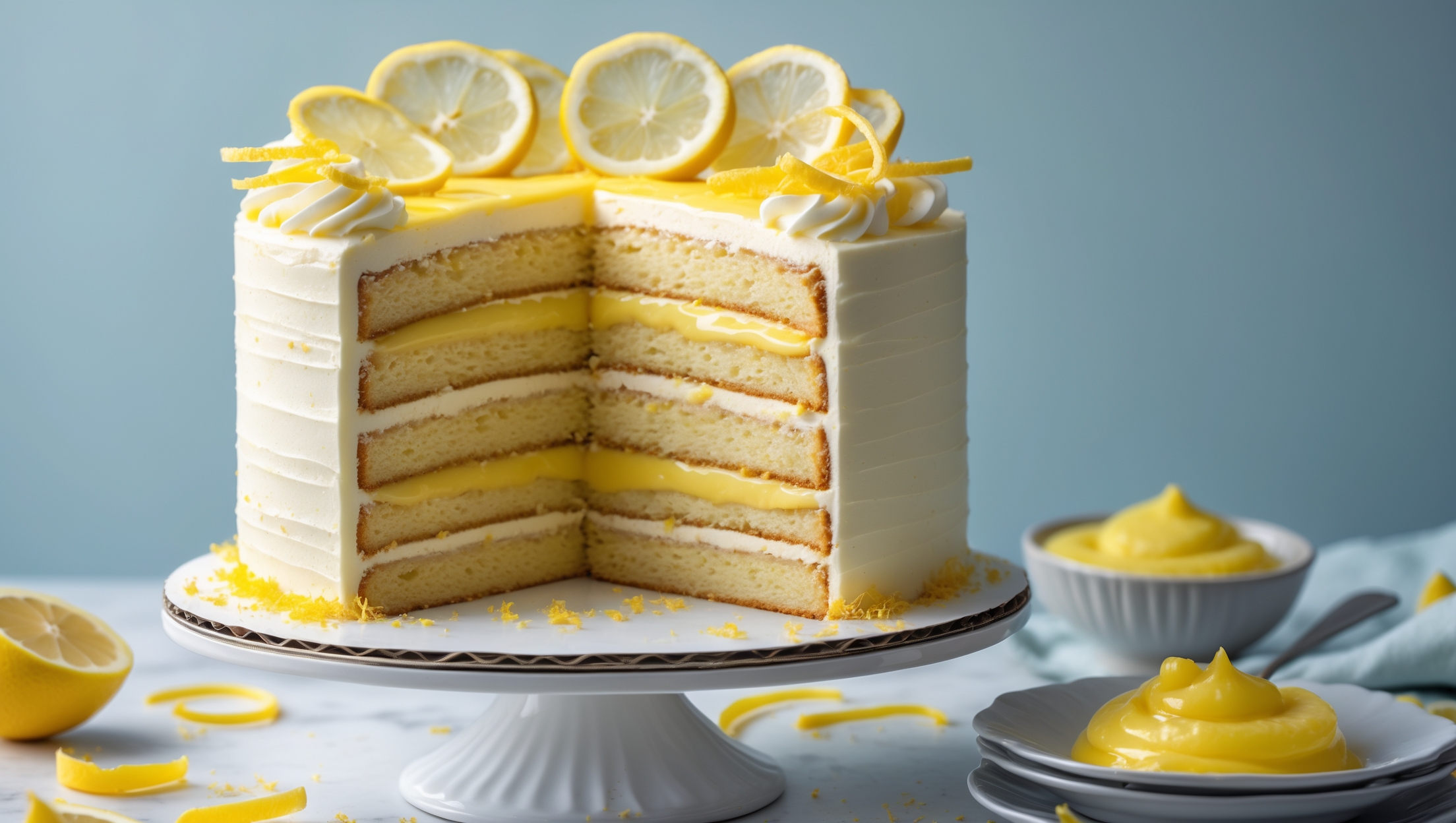
When checking Lemon Layer Cake, examine the exposed crumb separately from its frosting.
What a dense sticky band means
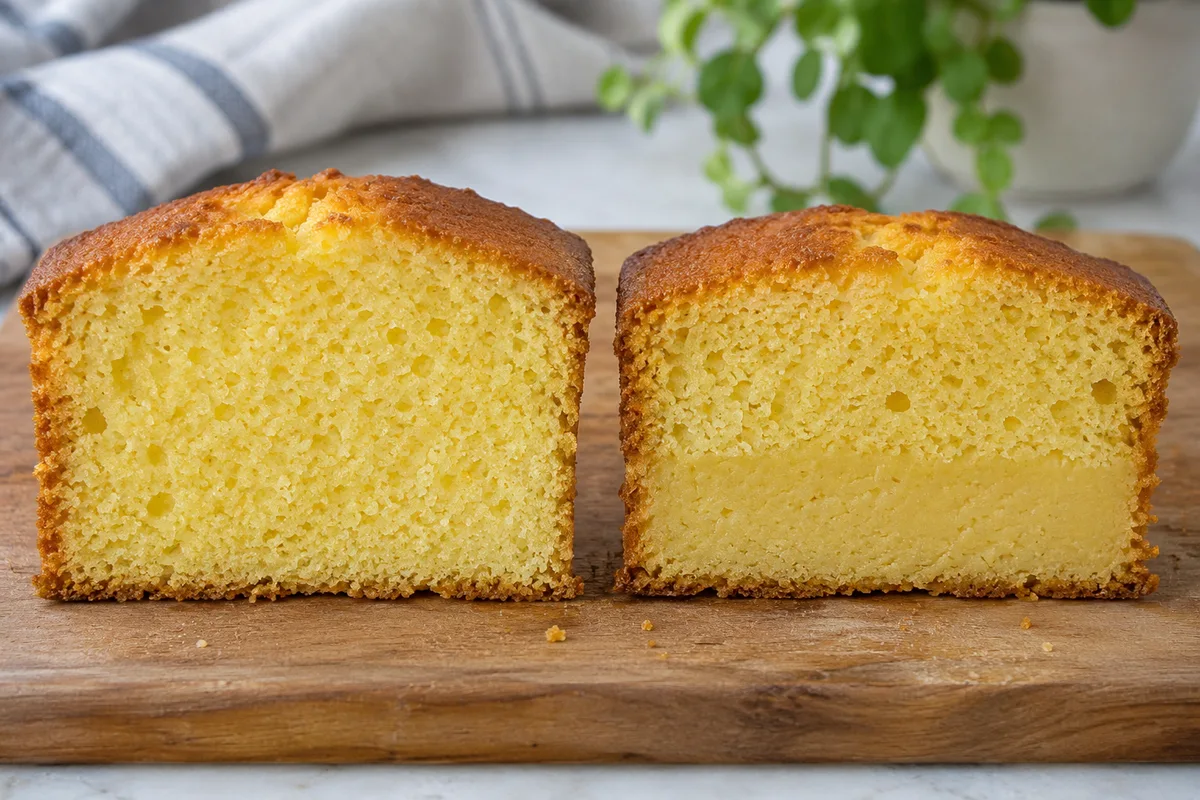
A gummy band near the bottom or center may indicate underbaking, unbalanced liquid, incorrect mixing or excessive sugar. It is not usually explained by ordinary condensation on the surface. Slice after full cooling and examine where the wetness lies. If a central portion appears raw, do not rely on a dry-looking edge as proof the cake is ready to serve.
How to prevent steam trapping
Plan a cooling station before baking. Use a clean rack, follow the pan-release timing, and avoid sealing the cake while heat and steam are still escaping. For plain unfilled cakes, appropriate wrapping after full cooling helps maintain moisture without condensation. Perishable finished cakes require prompt cold storage within safe cooling guidance.
What not to do
Do not dust raw flour over a sticky cake top to dry it, and don't rebake a cake that has been held at unsafe temperatures as a safety remedy. If the cake is fully baked and its topping simply feels tacky, a compatible glaze or frosting may be a cosmetic option. If the center is truly uncooked, it needs proper cooking or disposal depending on handling history.
A practical test batch
Bake the original recipe with accurate weights, correct pan and verified oven temperature. Inspect the top after the scheduled bake and again after cooling. Store according to the recommended method, then check whether stickiness develops only after packaging. This timing separates condensation from underbaking far better than immediately reducing sugar.
IN PICTURES
From the baking notebook
FROM THE RECIPE BOX


