On this page
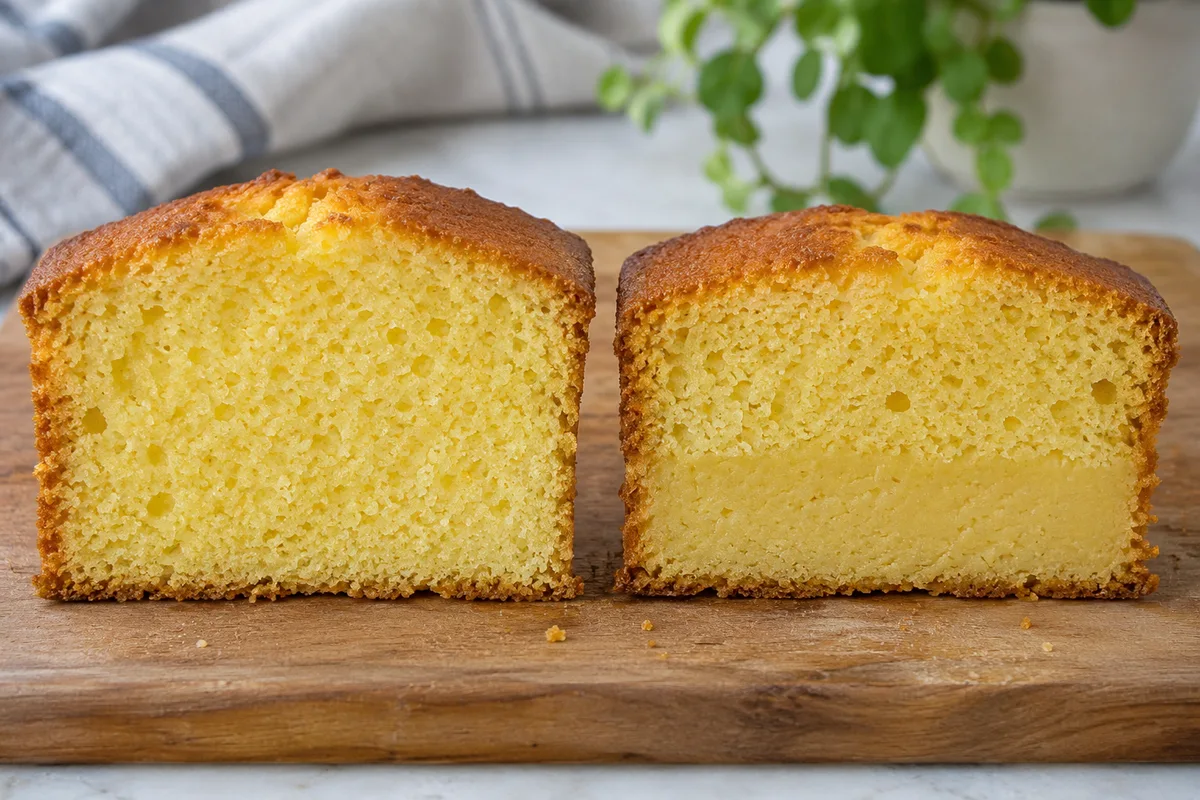
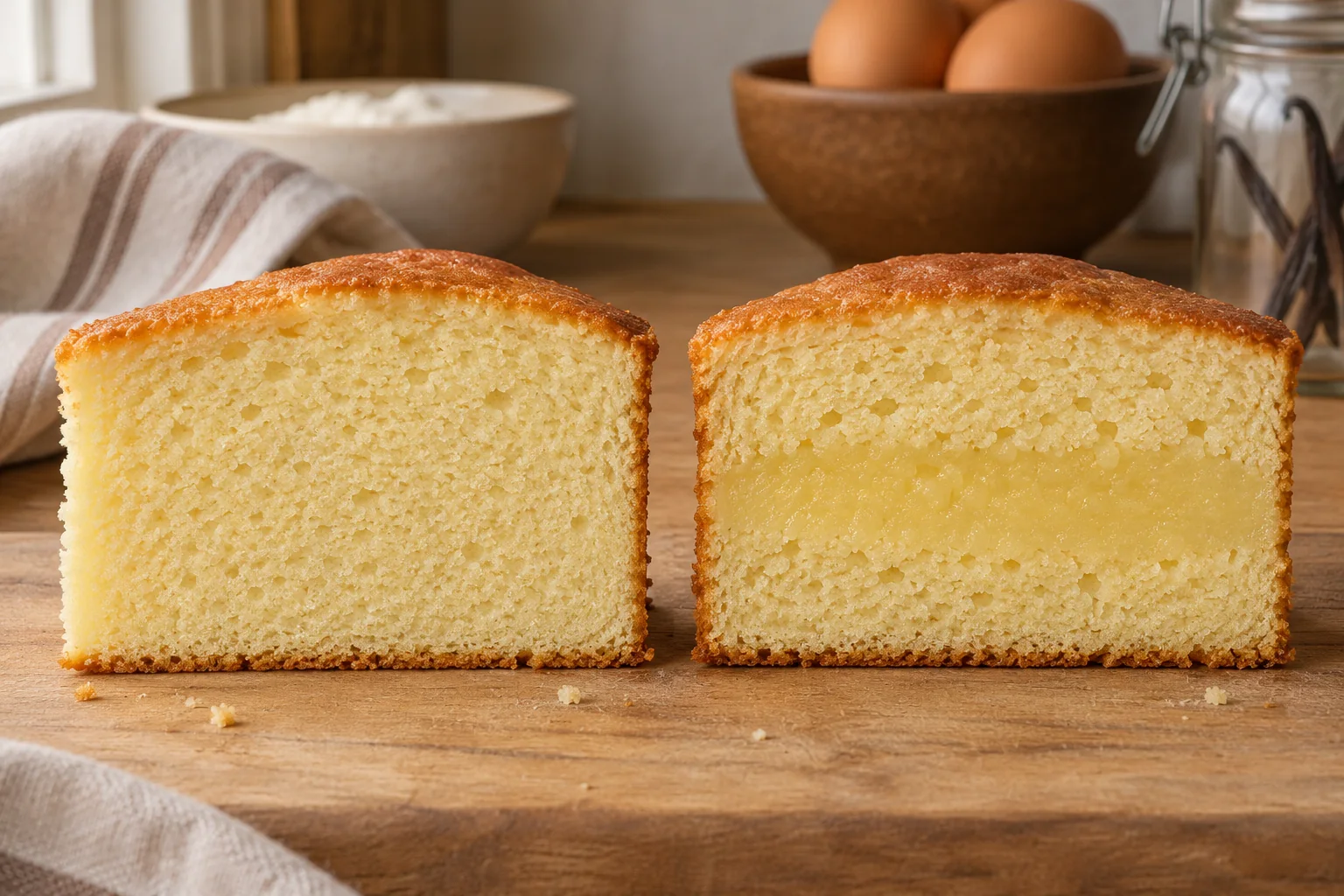
Cut through the centre and look from crust to crust. A uniformly fine, close crumb may be exactly right for pound cake. A translucent band at the bottom of a sponge, or a single heavy patch near a pocket of flour, gives you something more specific to investigate.
Decide what texture the recipe intends
Pound cake, flourless chocolate torte and certain dense celebration cakes are designed for a substantial crumb. A delicate vanilla sponge or chiffon has a different target. Compare the baked texture with its original recipe rather than an unrelated lofty cake photograph. A compact but moist pound cake isn't a failure, while a tight chewy sponge that should be airy may indicate a genuine problem.
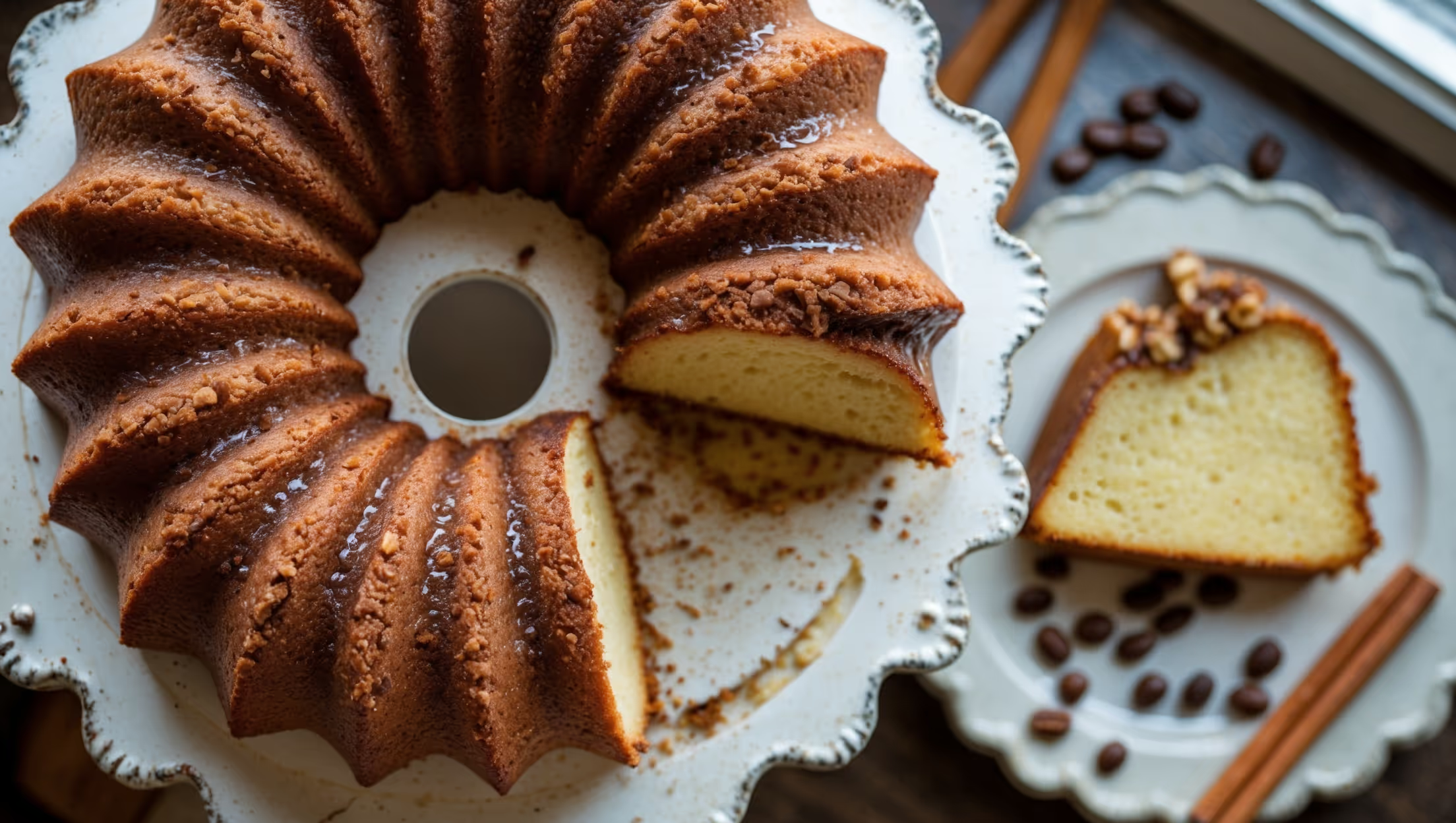
The close crumb in Pound Cake Bundt gives a useful reference for a deliberately substantial cake.

Too much flour makes batter stiff
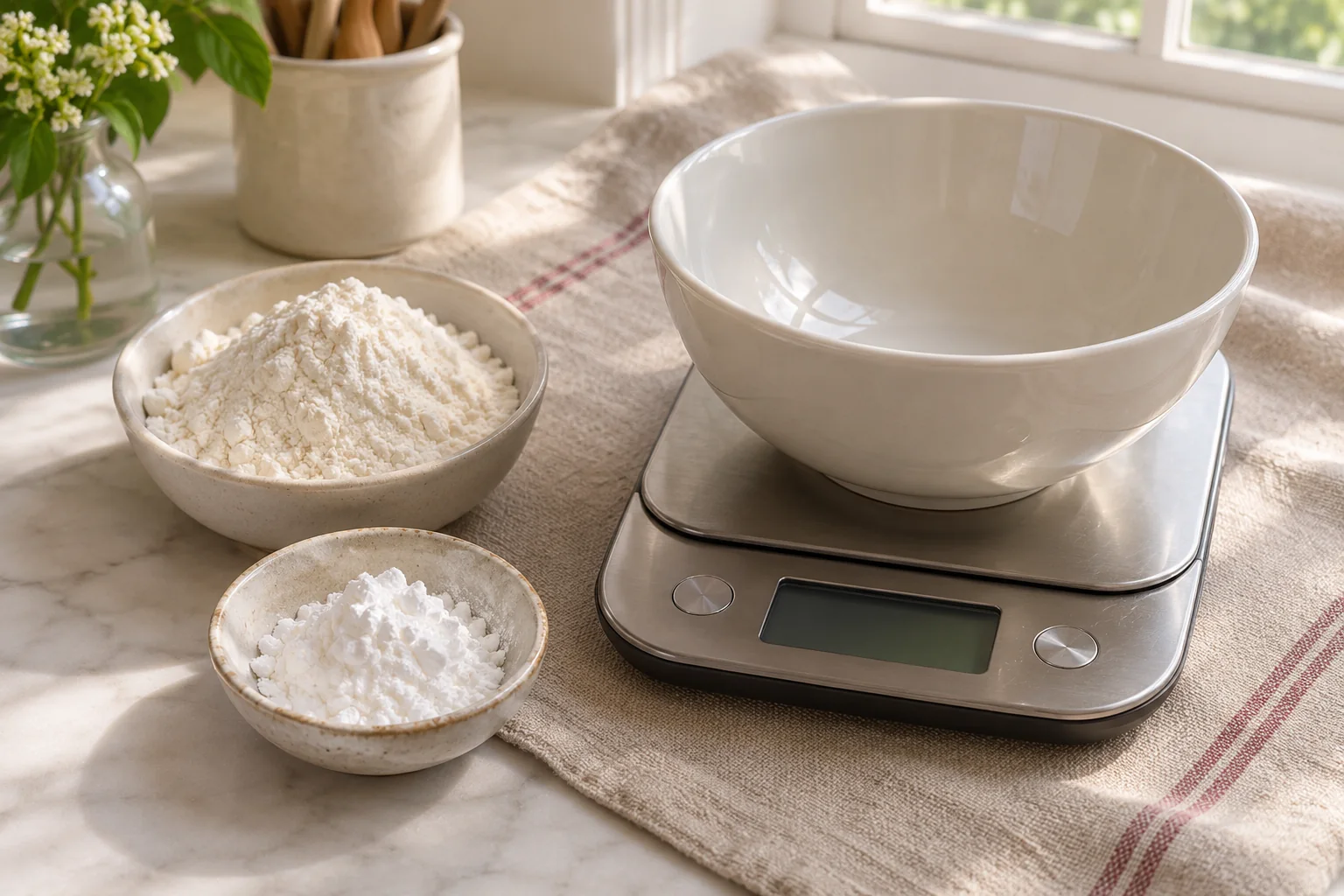
An extra amount of flour absorbs more liquid and changes the ratio of sugar, fat and eggs. Cake batter can become heavy and bake into a dry dense crumb. Flour cups packed by scooping from a bag are a common source of accidental excess. Weigh flour in grams when available and use the flour type specified; cake flour and strong bread flour don't behave identically.
Overmixing after flour addition
Hydrated wheat flour can develop gluten as it is worked. Beating a cake batter vigorously after flour is incorporated may create toughness, particularly in formulas intended for gentle mixing. Follow the method's stages and stop at its endpoint. But don't assume every dense cake is overmixed: a cake with insufficient aeration or incorrect leavening may be heavy even after minimal mixing.
Use the flour-addition sequence in Classic Vanilla Layer Cake to avoid needless extra mixing.

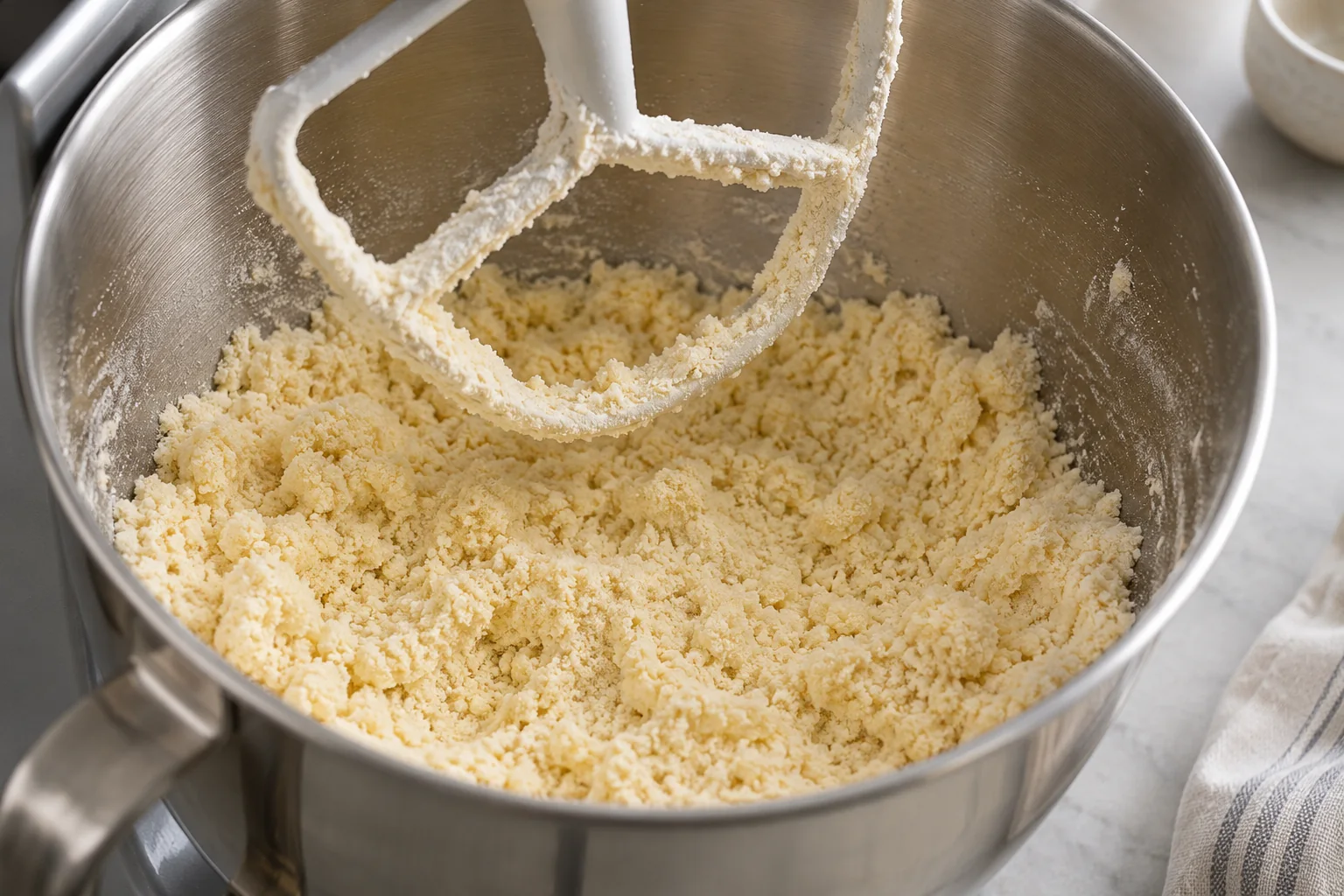
Insufficient creaming
Traditional butter cakes rely partly on beating pliable butter and sugar to incorporate tiny air pockets. Butter that's rock-hard or melted won't cream appropriately, and very brief mixing may leave a compact base. Follow the recipe's pale fluffy texture cue while avoiding excess warming. A reverse-creamed cake uses a different method and shouldn't be judged by ordinary creaming instructions.
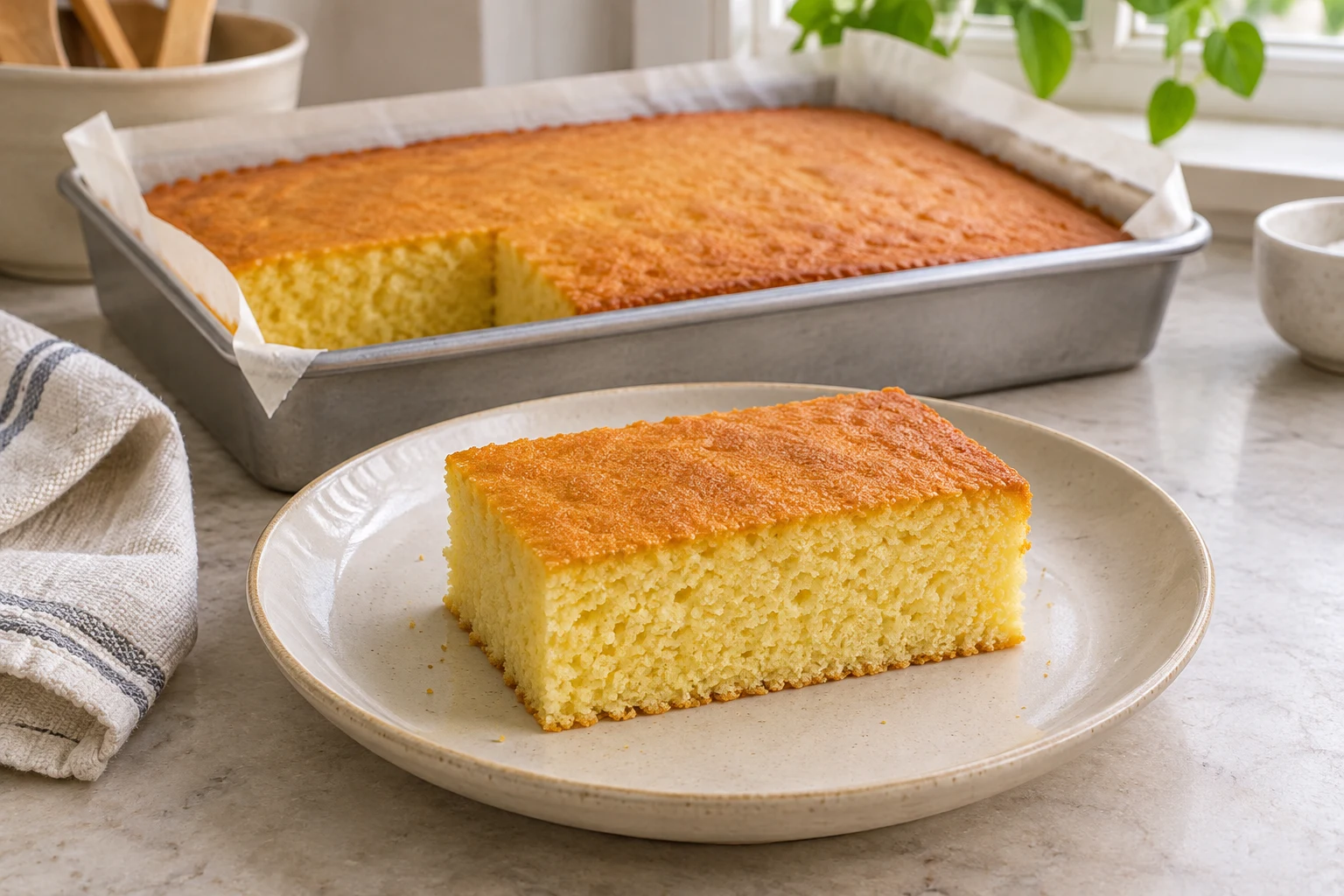
Follow the mixing method in Classic Yellow Sheet Cake when testing a light, evenly textured sheet.
Butter temperature
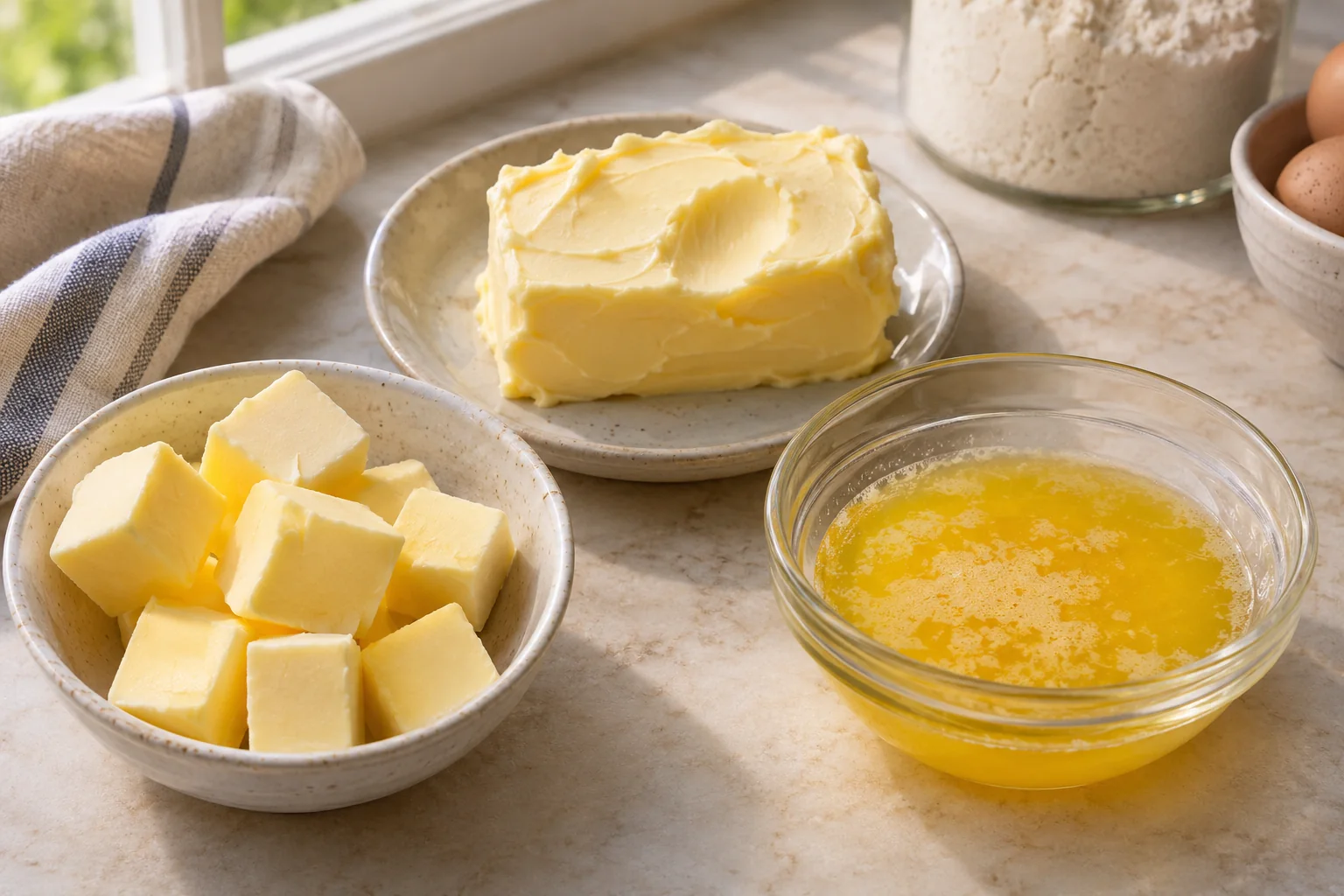
Softened butter should generally yield to pressure while remaining solid for a creamed cake. Very cold butter may stay in lumps; overheated greasy butter may lose its ability to trap air. A microwave can create hidden melted spots. Plan butter temperature before mixing rather than forcing speed to compensate for an ingredient in the wrong physical state.
Egg temperature and emulsion
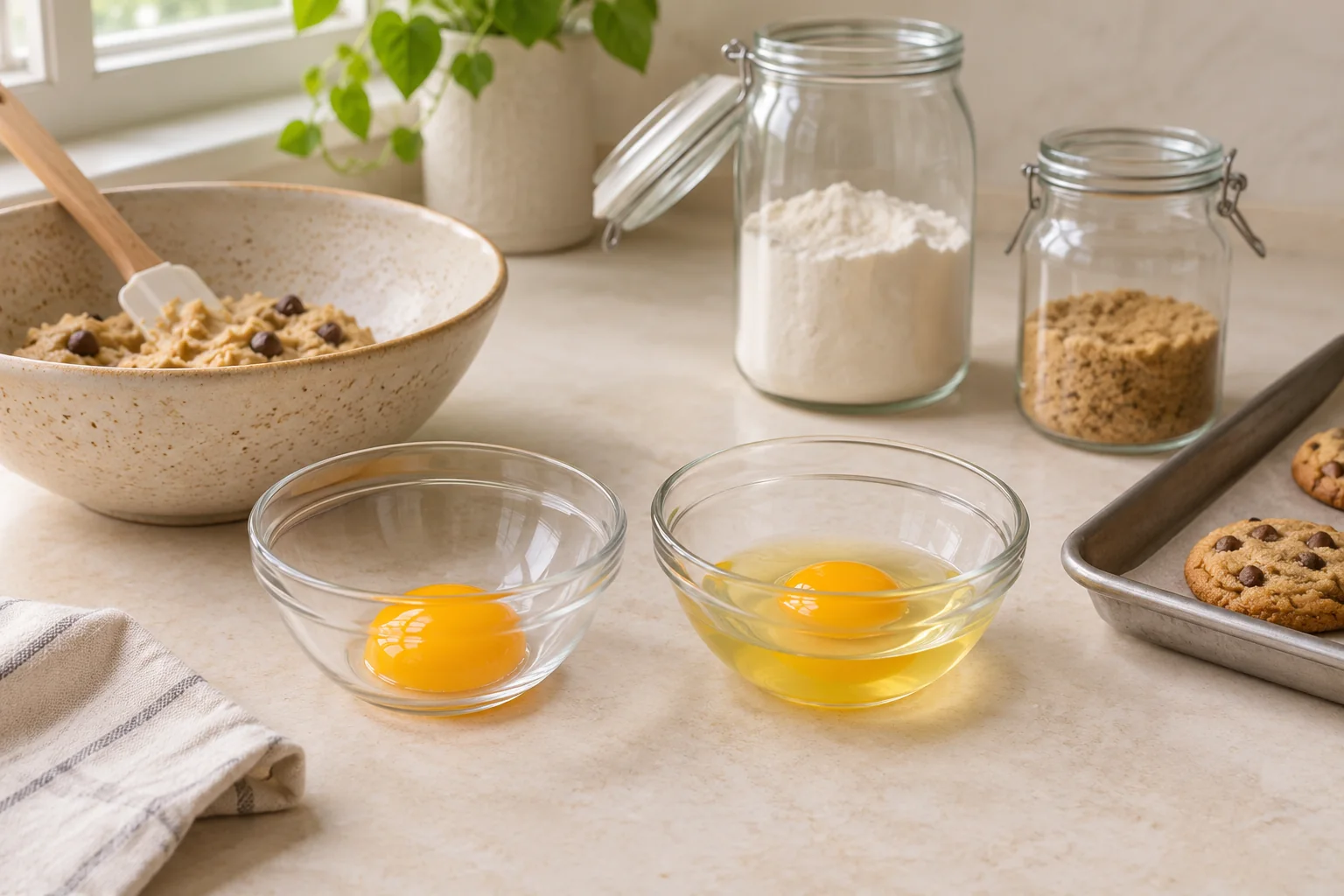
Eggs added too quickly or too cold to creamed butter may cause the mixture to split. Some batters recover during later mixing, but a severely broken emulsion can affect volume and texture. Add eggs as the recipe directs, scrape the bowl and avoid lengthy unnecessary beating. An oil-based cake has a different emulsion method and ingredient temperature requirements.
Old or incorrect leavener
Baking powder or soda that has lost activity may fail to generate the expected gas. Inaccurate measuring can also leave too little leavener, while too much may create rapid rise followed by collapse. Check the formula, ingredient freshness and acid balance. Do not add extra soda simply because a cake was dense; an alkaline taste and odd color can follow.
Baking soda needs suitable acidity
Some cakes use soda with buttermilk, yogurt, natural cocoa or another acidic ingredient. Substituting neutral milk or Dutch-process cocoa without checking the recipe may alter the reaction. Baking powder generally includes its own acid salts, though exact formulations differ. Keep the author's balanced ingredients together rather than mixing leavening rules from unrelated cakes.
Too little sugar can toughen
Sugar helps tenderize cakes and influences protein and starch setting, moisture and aeration. Removing a large percentage may produce a less tender crumb and change rise. Choose a tested lower-sugar cake if that is the goal. Adding extra water or fat to a dramatically reduced-sugar formula without a full redesign doesn't guarantee a light texture.
Too much liquid
A watery batter may rise and then sink if its structure can't support the moisture load, or it may bake into a gummy dense band. Extra milk, fruit purée or syrup beyond the recipe changes the balance. A cake that seems unusually wet may not need more flour—it may need the correct liquid quantity in the first place. Follow measured ratios.
Yogurt and sour cream substitutions
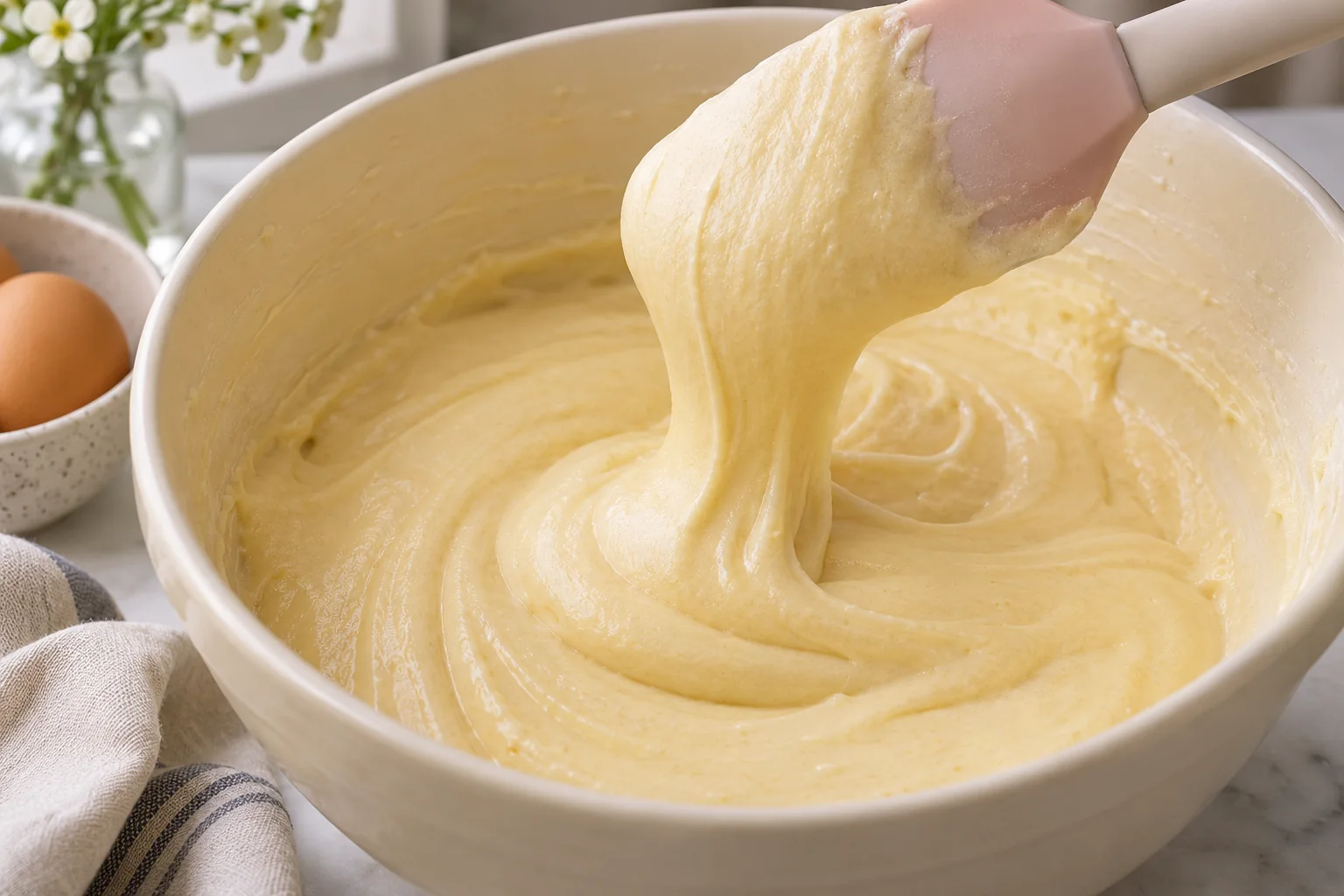
These cultured dairy products contribute acid, protein, water and varying fat levels. Thick Greek yogurt can make a batter firmer than regular yogurt, while buttermilk is much thinner than sour cream. Replacing one without guidance may change both aeration and final moisture. Use a tested substitution rather than assuming tangy dairy ingredients are equivalent.
For Sour Cream Coffee Cake Bundt, measure the cultured dairy as written before testing a substitution.
Heavy fruit or nuts
Large amounts of berries, banana chunks, nuts or chocolate can weigh down a delicate batter and interfere with gas retention. Some recipes toss inclusions in flour or fold them at a particular stage, but the technique depends on ingredient and cake style. Doubling mix-ins may produce a dense base. Choose a fruit cake designed for the intended quantity instead of loading a sponge beyond its structure.
For a cake with inclusions such as Carrot Layer Cake, check their distribution when inspecting a cut slice.

Wrong pan size
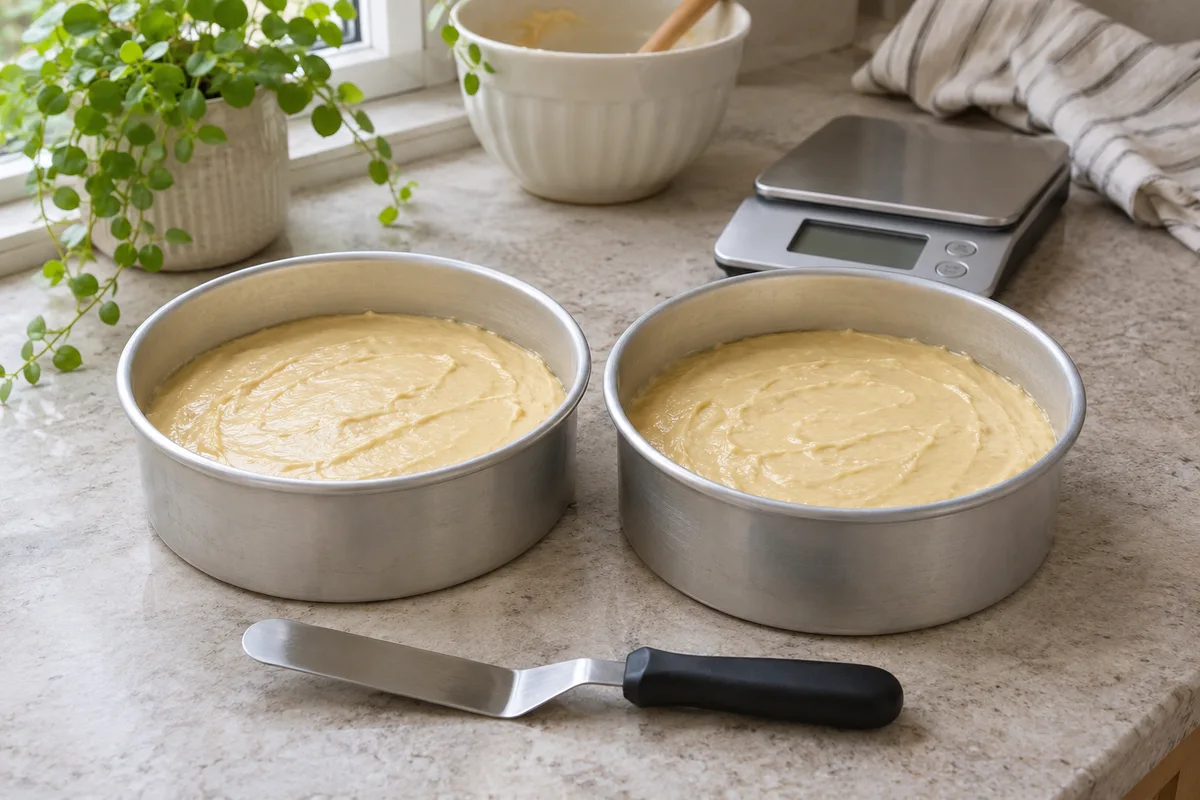
A deeper-than-intended layer takes longer for heat to reach the center. The sides may brown while the interior remains heavy or gummy. A very wide pan creates a shallow cake and changes baking time. Use the dimensions, material and fill level specified by the recipe. A pan that holds all the batter isn't necessarily the pan in which it will bake properly.
Oven temperature inaccuracies
If the oven runs cool, the cake may set slowly and fail to develop the intended rise; if too hot, the outside may set early and constrain center expansion. Use an independent oven thermometer when recurring problems suggest poor calibration. Convection mode and rack position can also affect heat. A golden surface doesn't prove the center was cooked adequately.
Opening the oven too soon
Delicate cake batters need time to set. Repeated door openings early in the bake can reduce heat and contribute to sinking or dense patches. Use the window and oven light until the recipe's check window approaches. Rotate pans only when structure is sufficiently stable and the method allows it. Avoid slamming the door next to a fragile foam cake.
Foam cakes need careful folding
Sponge, chiffon and angel food formulas may rely heavily on whipped egg foam. Aggressive folding can deflate the bubbles that create lightness. Undermixing, however, leaves streaks and weak areas. Follow the method's folding sequence and peak stage. Foam cakes can also require special pan and cooling procedures that don't apply to ordinary butter cakes.
Reverse creaming is another system
Reverse creaming distributes fat among flour particles before some liquids are added, often producing a fine tender crumb. It doesn't need the same initial pale butter-and-sugar mixture as classic creaming. A dense result may arise from incorrect mixing stages or ingredient quantities. Don't improvise the order; follow the complete formula designed for reverse creaming.
Underbaking versus dense texture
A tightly textured but fully baked cake is different from a cake with a wet raw middle. Check the recipe's appropriate tester or internal doneness guidance. If the center is raw, additional frosting or refrigerator time won't cook it. Cooling can firm a properly baked cake but cannot make uncooked flour and eggs safe to eat.
On Chocolate Layer Cake, examine the centre under good light so deep colour does not hide a sticky band.

Cooling affects the crumb
The cake's structure continues stabilizing during cooling. Slicing very hot cake can compress it and make it seem gummy. Follow the pan-rest and rack instructions and avoid wrapping steaming cake too tightly. A cake that appears dense after refrigeration may feel softer at its recommended serving temperature, especially when made with butter.
How to diagnose the crumb
Look for uniform small bubbles, collapsed tunnels, gummy bands and dryness. A uniformly tight dry cake suggests different causes from a cake that rises then sinks into a wet center. Note whether the batter appeared fluffy during mixing and whether the rise was strong early in baking. Photographs of batter and cooled slices can help identify which stage failed.
A controlled next attempt
Bake the same tested formula with accurately weighed ingredients, appropriate temperatures, a fully preheated oven and the specified pan. Change only one identified issue from the last attempt. If flour was previously scooped densely, fix measuring first. If batter never aerated, correct creaming rather than adding leavener. If the center was raw, focus on pan and doneness.
IN PICTURES
From the baking notebook
FROM THE RECIPE BOX


