
On this page
Look at the shape before trimming it away. A gentle central rise, a deep split and a cake that slopes to one side point to different parts of the bake.
Why heat reaches the sides first
Cake pan walls transfer heat to adjacent batter, helping it set while the center remains cooler. Gases continue expanding in the middle as proteins and starches become structured. This difference can create a dome. Pan conductivity, batter depth and oven temperature all influence the pattern. A small gentle dome is normal for many recipes and can be trimmed after cooling if necessary.
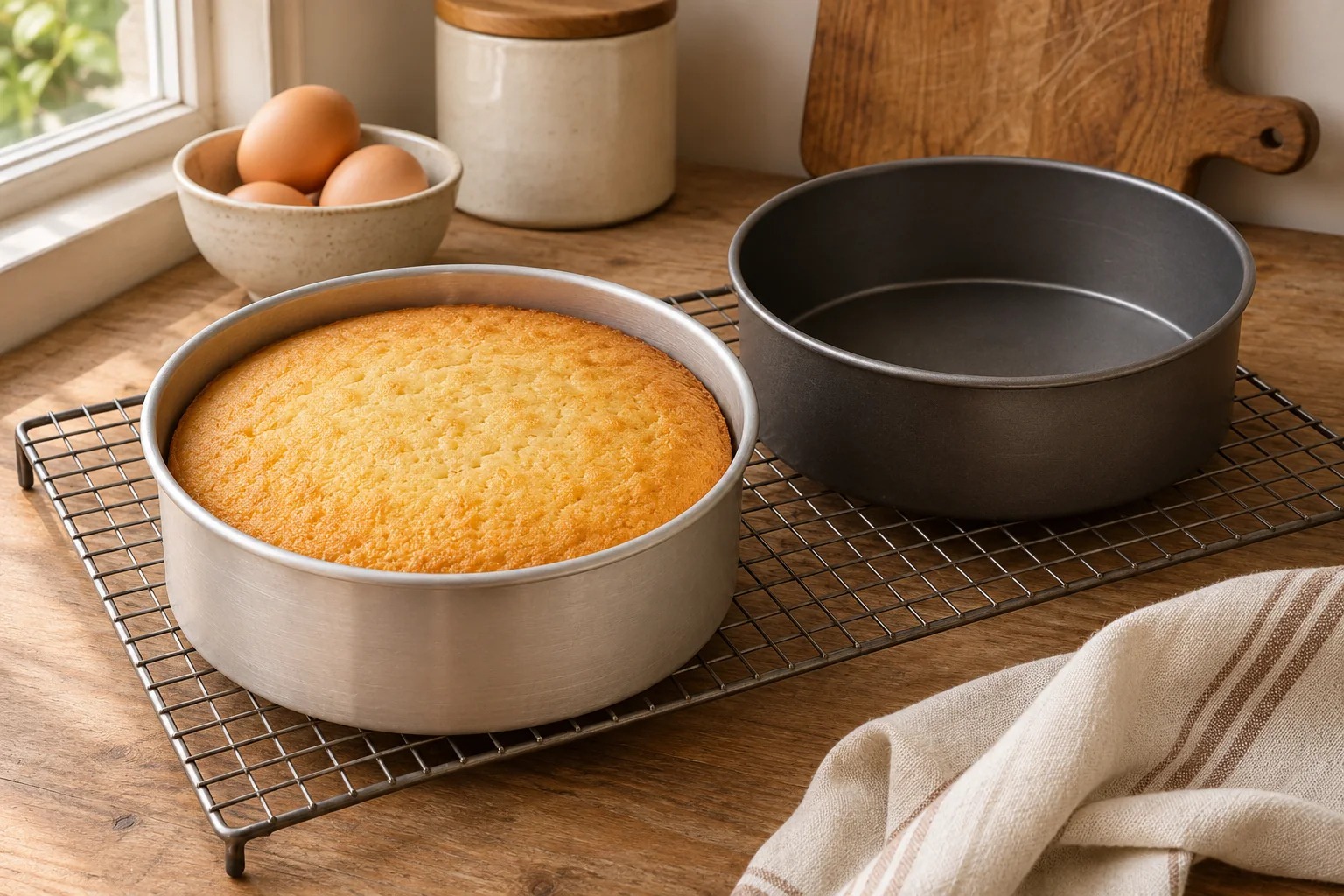
Why the top cracks
A surface that has formed a firm skin may split as the interior continues rising. High heat, a deep batter layer or a stiff dough can exaggerate this effect. In pound cake and banana bread, the crack may be expected and attractive. In a delicate celebration layer, it can make frosting harder. Diagnose with the recipe style before reducing heat or leavener.
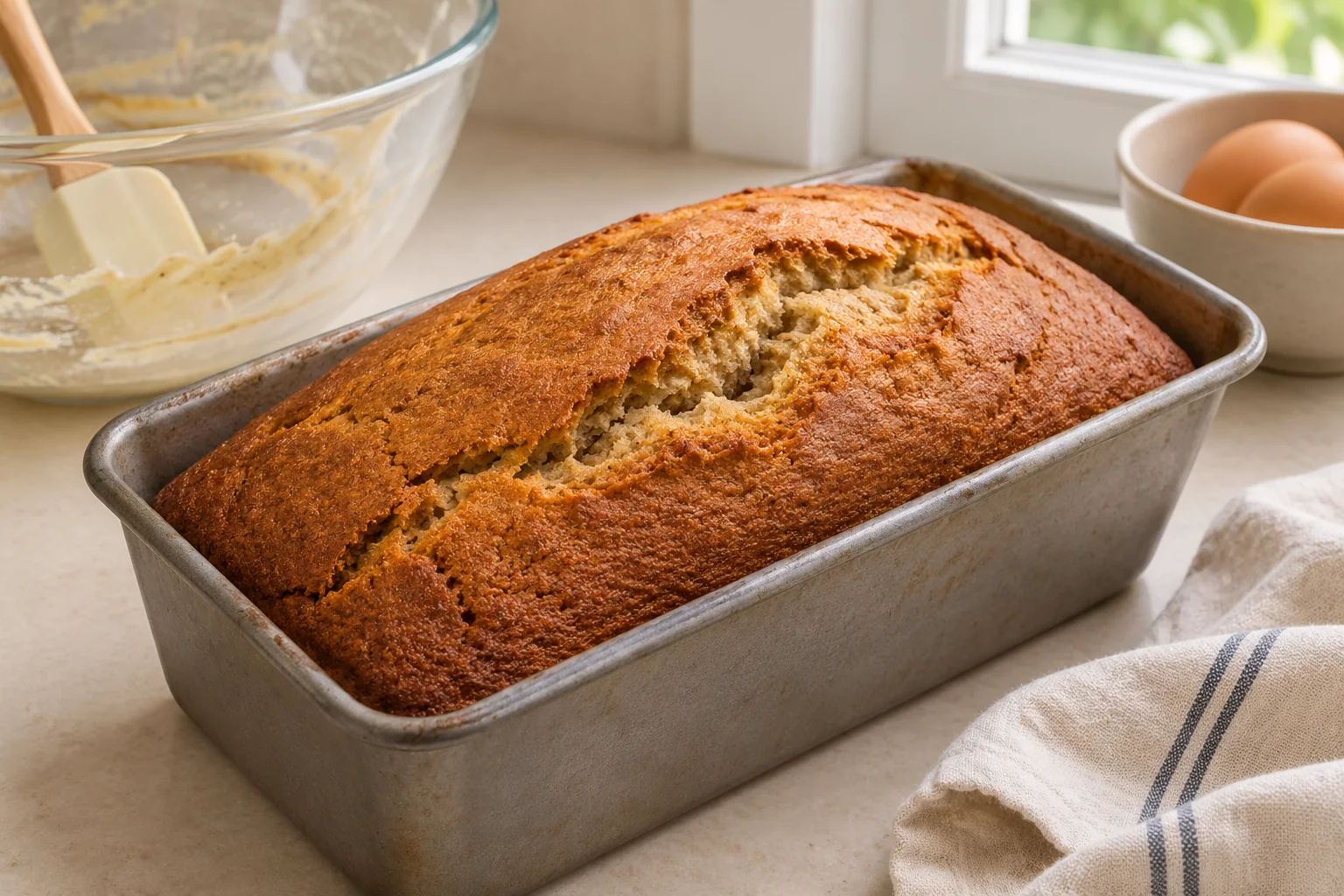
Excessively hot ovens
An oven hotter than the recipe intends may set the surface and edges rapidly, forcing the center upward or splitting the top. Use a reliable oven thermometer when results repeatedly differ from a tested recipe. Don't assume the digital display is exact. Lowering heat indiscriminately can create a gummy underbaked center, so follow published adjustments rather than guessing.
The risk of a cool oven
Too little heat can delay setting and alter rise, sometimes resulting in sinking rather than a clean level cake. A cake that rises then falls may have an underbaked middle or an imbalanced leavener system. Dome reduction isn't simply a quest for the lowest temperature. Use the full bake method and verify center doneness.
Pan diameter changes depth
Pouring a recipe meant for a nine-inch round into an eight-inch round produces a deeper batter layer. The center takes longer to heat and may dome or crack more dramatically. It can also overflow or remain raw while the edges brown. Compare actual pan areas and use a validated conversion; don't merely squeeze the same batter into whatever pan is available.
Start with the round tins specified for Classic Vanilla Layer Cake before trying a different diameter.

Overfilling creates problems
Cake batter needs headroom to rise. If a pan is filled too high, the cake may bulge above the rim or crack because its structure and heat path differ from the intended bake. Use the recipe's batter quantity and safe fill guidance. A taller pan isn't automatic permission to make a single layer twice as deep without adjusting the recipe.
Compare the depth of batter in Classic Yellow Sheet Cake with a deeper round layer.
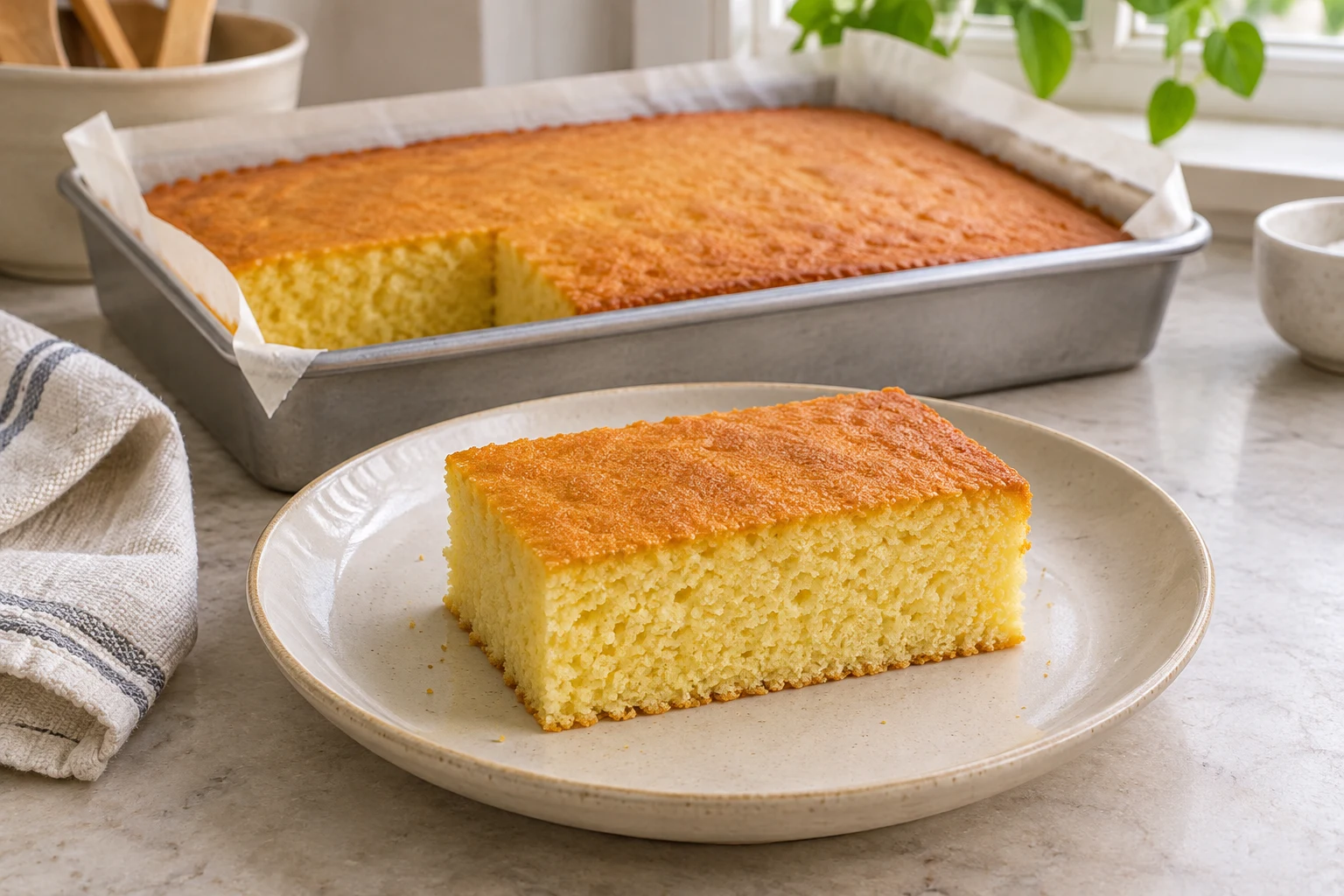
Pan material and color
Dark metal pans may brown edges more strongly than light aluminum, while glass, ceramic and silicone transfer heat differently. If a cake domes heavily and has dark sides, examine the pan before changing ingredients. A heavy ceramic dish may leave a wet middle despite a browned top. Choose the cookware recommended by the source whenever possible.
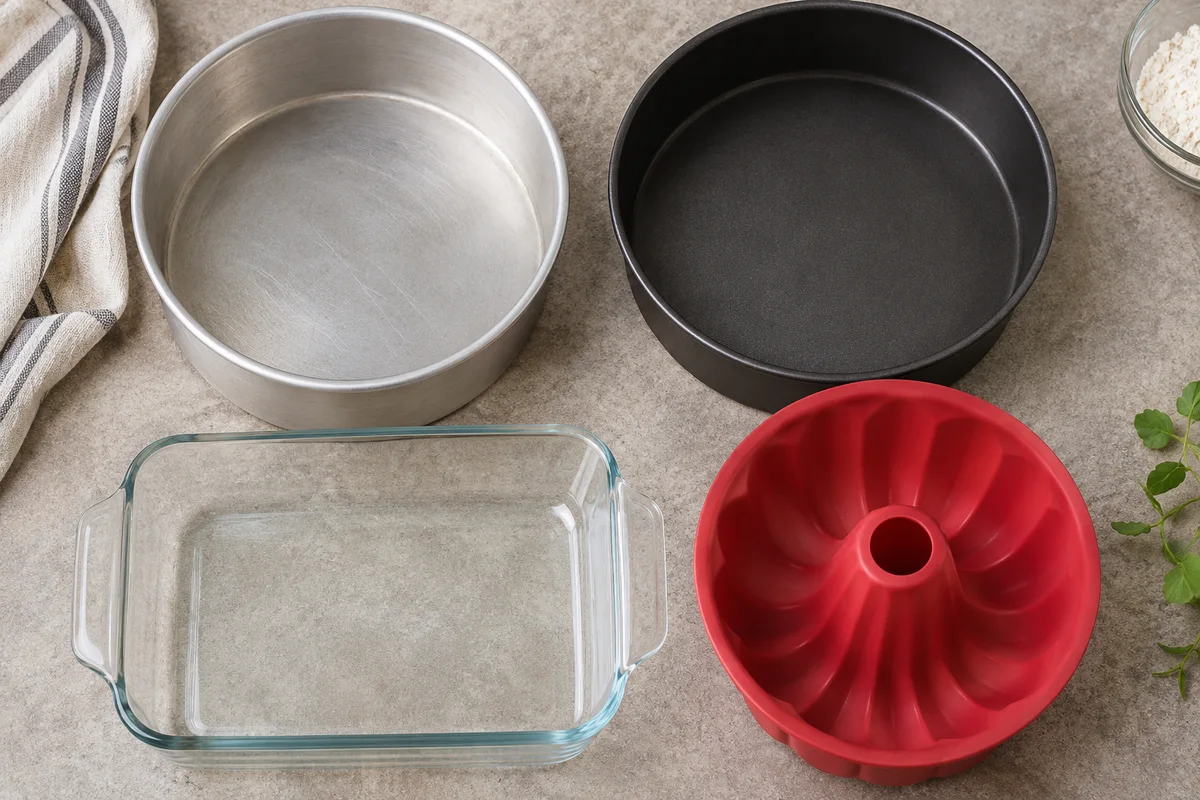
Cake strips as a tool
Oven-rated insulating cake strips are designed to slow heating at the outer pan walls, allowing edges and center to rise more evenly in some round layer cakes. Follow the product's wetting, placement and temperature directions. Don't improvise loose cloth or unsafe insulation near oven elements. Cake strips are useful for selected recipes, not a universal requirement for every loaf or Bundt.
Why higher flour content matters
Too much flour can create stiff batter that resists flowing evenly and may develop a pronounced crack. It can also make cake dry. Scoop-and-pack measuring can produce more flour than expected. Weigh it accurately, using the correct type. Don't remove arbitrary flour to flatten a cake; too little structure can cause sinking instead.
Strong flour and mixing
Bread flour has higher gluten potential than many cake flours and can make delicate batters tougher. Overmixing after flour addition may develop additional gluten. However, a dense dome can also result from insufficient aeration or improper heat. Follow the flour and mixing method designed for the cake before diagnosing a single visible crack.
How leavening affects expansion
Baking powder and soda generate gas that contributes lift. Excess leavener can produce rapid expansion followed by collapse, while too little may yield a dense cake. Changing soda is especially risky when acidity from cocoa or buttermilk matters. Use the specified quantities and check ingredient freshness rather than doubling or halving leavener based on the shape alone.
Creaming and batter aeration
A traditional butter cake builds tiny air pockets as softened butter and sugar are creamed. The resulting rise depends on that initial aeration as well as leavener. Extremely cold or melted butter changes the process. Undercreaming may produce a dense cake, while overheating the mixture can disrupt its structure. Follow the recipe's texture cue for pale pliable creamed butter.
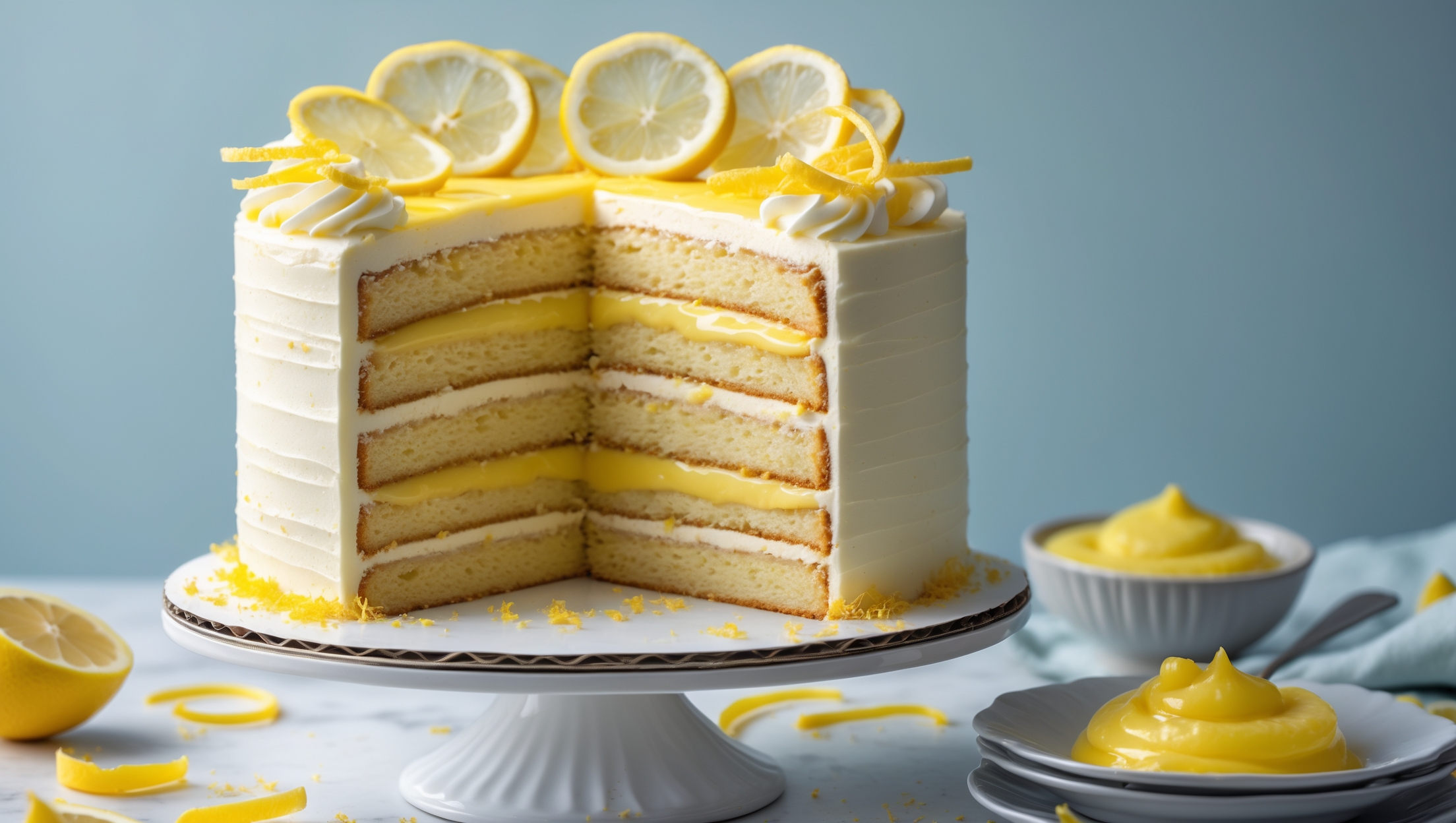
Follow the mixing cues for Lemon Layer Cake when testing how aeration affects the top.
Egg temperature and emulsion
Cold eggs added rapidly to softened butter may cause the mixture to separate, while warm ingredients can combine more smoothly in formulas that request them. A broken batter may bake with inconsistent structure. Follow the egg addition and mixing stages. Do not beat indefinitely to fix every curdled appearance; some mixtures recover as dry ingredients are added.
Batter distribution in the pan
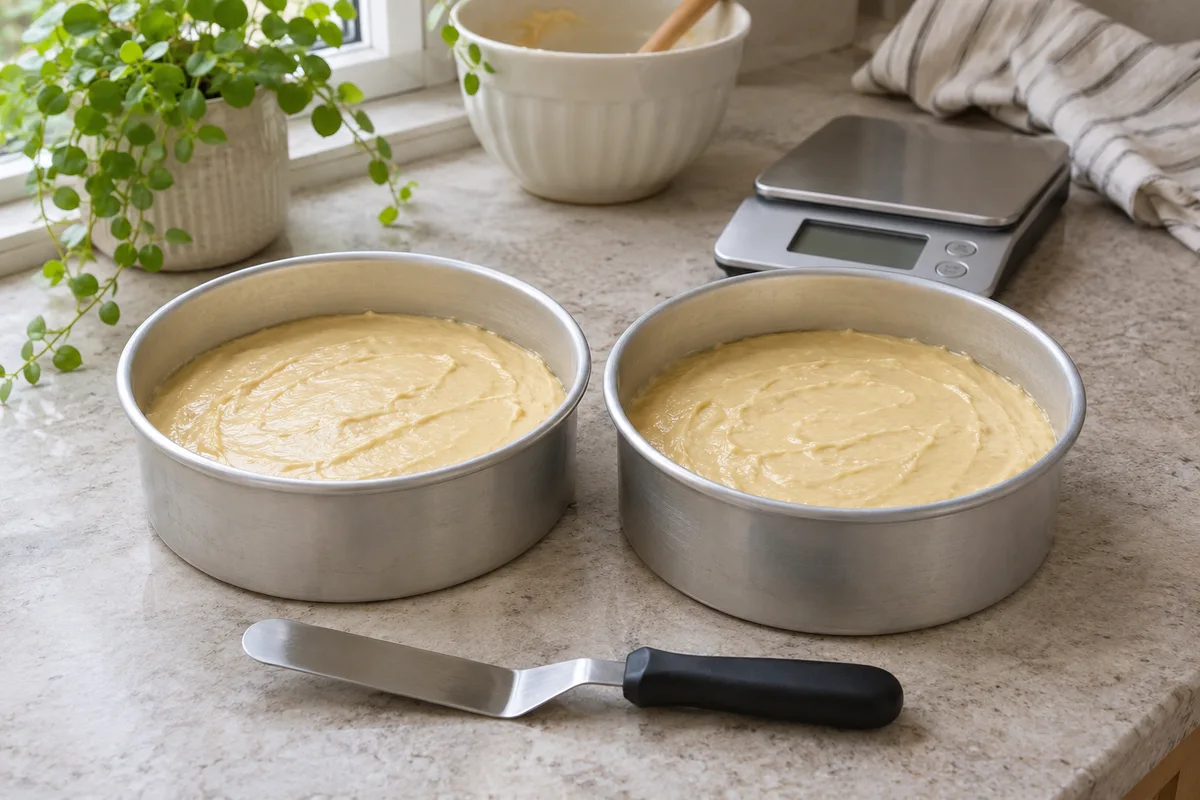
A thick butter cake batter should be spread reasonably evenly before baking. Large mounds at the center can exaggerate the initial shape. Use an offset spatula and avoid aggressive tapping that deflates delicate foam. Some recipes recommend a slight central depression, while others don't. Follow the intended method rather than scooping all batter into a tall pile.
Rack placement matters
A top rack near a heating element may brown the surface before the center sets. A very low rack can darken the base. Most conventional layer cakes use a particular central position, but follow the recipe and oven instructions. Crowding multiple pans together can also create uneven hot spots. Keep adequate space for air circulation.
Why one side is taller
An asymmetric cake may indicate an unlevel oven rack, uneven batter distribution, a warped pan or a heating hot spot. A centered dome is a different pattern. Rotate only when the cake has enough structure and the recipe permits it. Record pan placement and compare results before changing ingredients.
Why the cake sinks after doming
A dramatic rise followed by collapse can signal underbaking, excess leavening or unstable aeration. The center may not develop sufficient structure before cooling. A domed cake that remains tall and fully baked is different. If the center is wet or raw, do not conceal it with frosting. Verify proper baking and ingredient ratios next time.
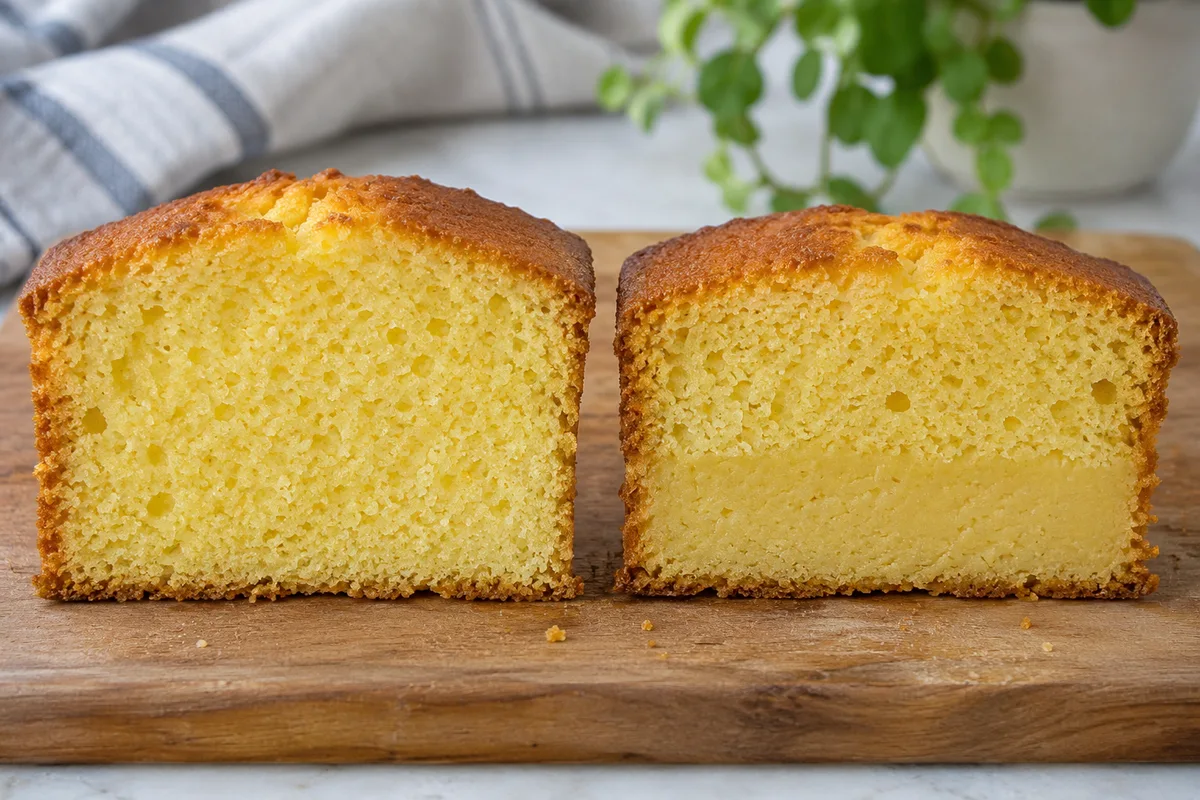
How loaf cakes differ
A long central crack is often characteristic of pound cake, banana bread and other loaf styles. Their relatively deep narrow pans encourage a specific expansion pattern. Trying to eliminate the split through excessive temperature reduction can harm the center. Use the formula's intended appearance as the standard. A well-baked loaf with a crack can be excellent.
Compare the dense crumb of Pound Cake Bundt with a lighter layer cake before judging a central split.

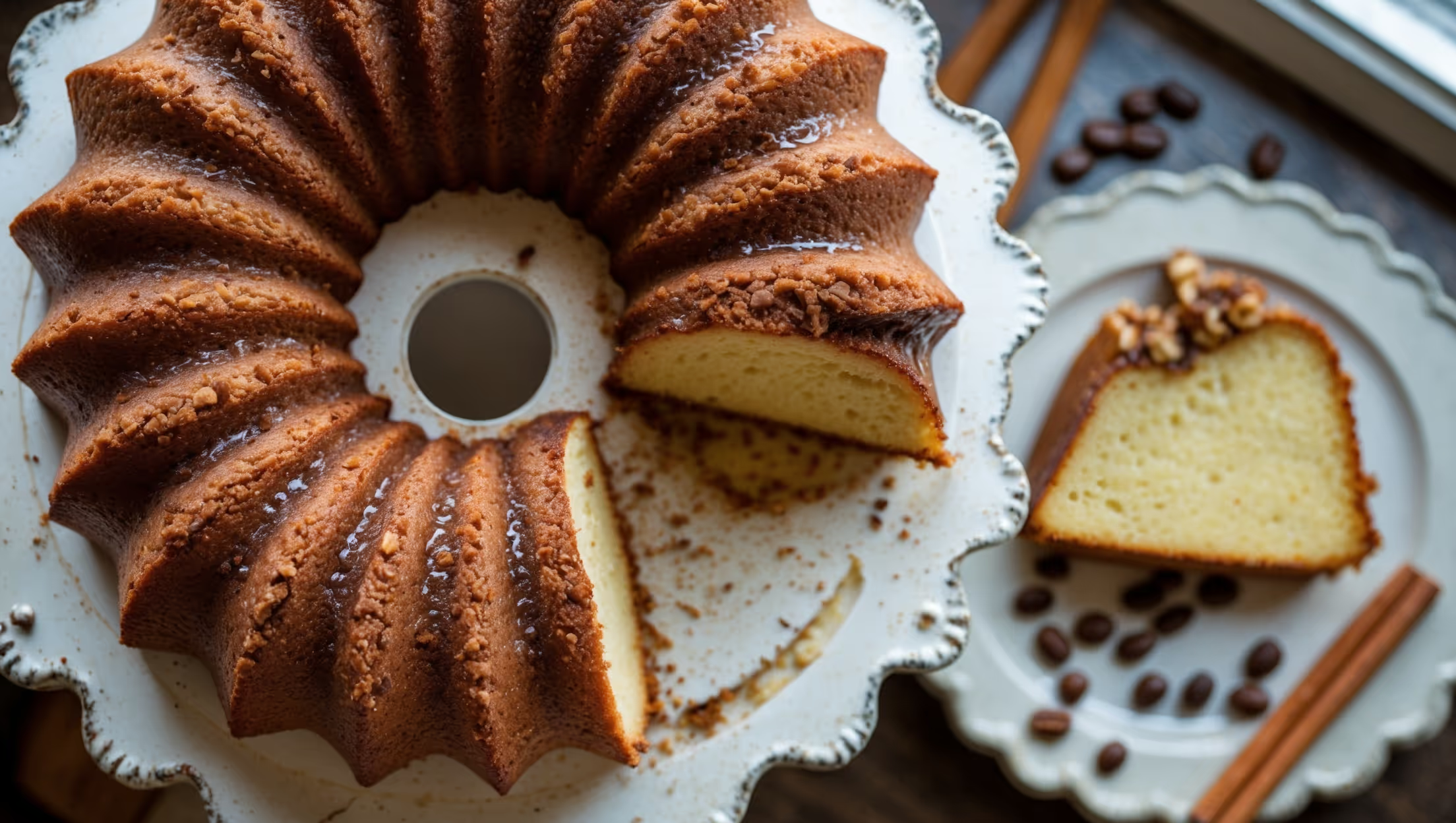
How Bundt cakes differ
Bundt pans have fluted walls and a central tube that affect heat transfer. Their tops may dome or crack but often become the bottom when the cake is inverted. Pan preparation and full center doneness matter more than perfect top geometry. Use a recipe developed for the mold capacity and allow the specified cooling time before release.
The centre tube in Sour Cream Coffee Cake Bundt changes the route that heat takes through the batter.
Leveling after cooling
For stacked layer cakes, a modest dome can be trimmed with a long serrated knife once the sponge cools sufficiently. Cut slowly and support the cake. Don't remove so much height that layers become fragile. Cake scraps can become a safe trifle or crumbs for another dessert. A little leveling is often preferable to radically altering a reliable cake formula.
Level the layers of Chocolate Layer Cake only after they have cooled and firmed.

A comparison test with cake strips
Bake identical portions of a well-tested cake in matching pans, following a product-approved cake-strip method on one and the original method on the other when appropriate. Evaluate final height, edge color and crumb after cooling. Keep oven and ingredient variables stable. A single comparison tells you whether the equipment improves your particular recipe.
IN PICTURES
From the baking notebook
FROM THE RECIPE BOX


