On this page
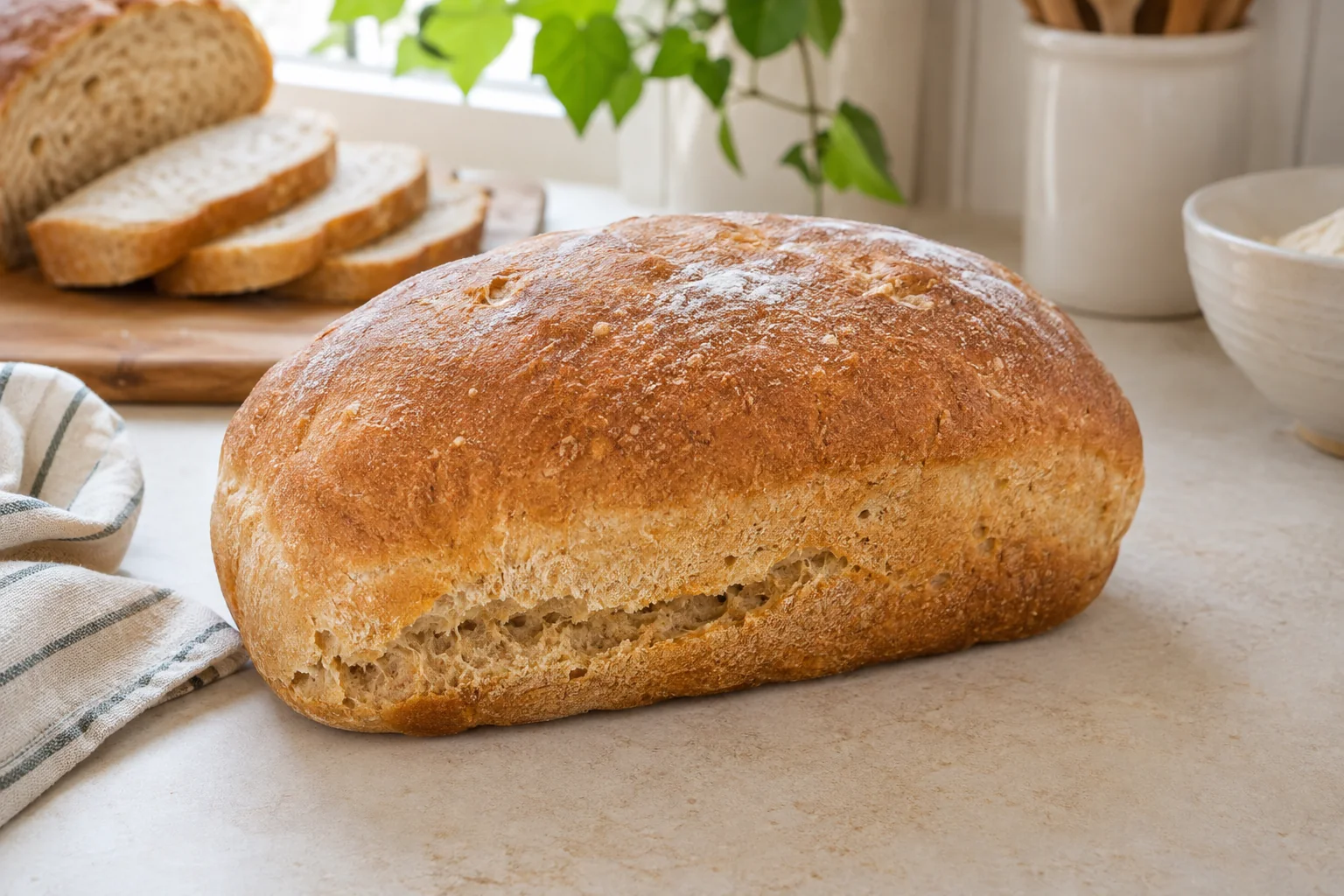
A beautiful loaf can emerge from the oven with a long tear down one side rather than an elegant opening on top. This side split is usually a sign that the dough kept expanding after its outer skin had begun to set and found a weaker route through the crust. The challenge is identifying why pressure built at that particular place. Proofing, shaping, scoring and baking conditions all play a role.
What a side split actually means
As yeast-fermented dough enters a hot oven, gas expands and oven spring begins. If the dough's exterior becomes rigid before the loaf finishes growing, pressure may open an uncontrolled tear. A side split is therefore an expansion problem, not proof that the oven was simply too hot or that the bread is unsafe.
Under-proofing is a frequent cause
Dough that hasn't completed final proof may have considerable expansion potential remaining. In the oven it tries to grow quickly, sometimes bursting along a seam or sidewall. Check the recipe's volume and gentle poke-test cues rather than baking strictly when a timer rings.
Why scoring matters
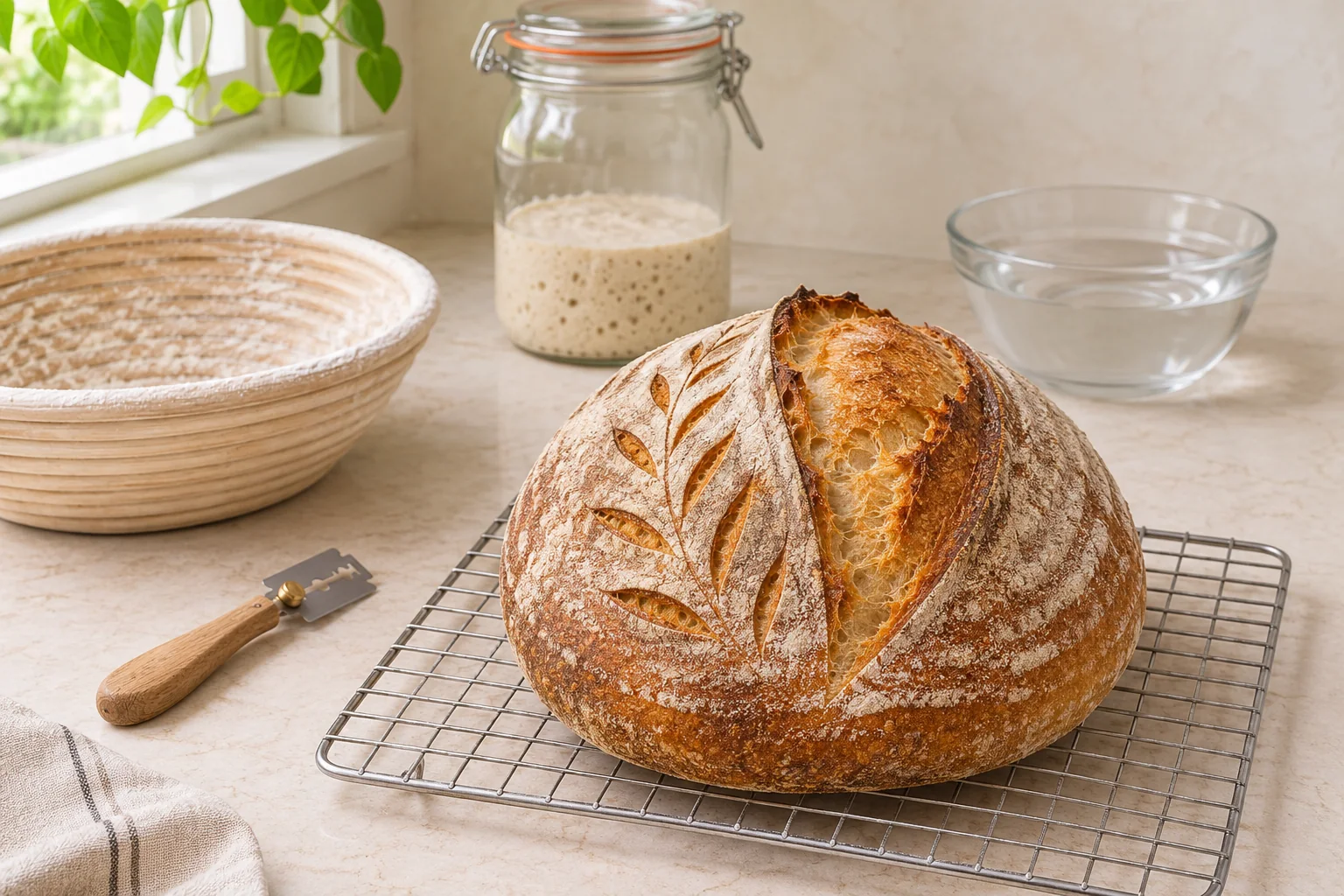
A deliberate cut on the top of many artisan loaves guides expansion into a planned opening. If the score is too shallow, badly positioned or seals shut, the dough may burst elsewhere. Use a sharp lame or suitable blade and follow the formula's angle and depth recommendations.
Different breads need different scores
A baguette uses overlapping slashes, a boule may use a single opening or cross, and a pan loaf may require no score at all. Don't copy an elaborate scoring design from a high-hydration sourdough onto a soft sandwich bread and assume the same result.
Recipe to try: Sourdough Country Loaf. A rustic, tangy loaf with a crackling crust and tender, open crumb structure that showcases the complex flavors developed through slow fermentation.

A seam can become the weak point
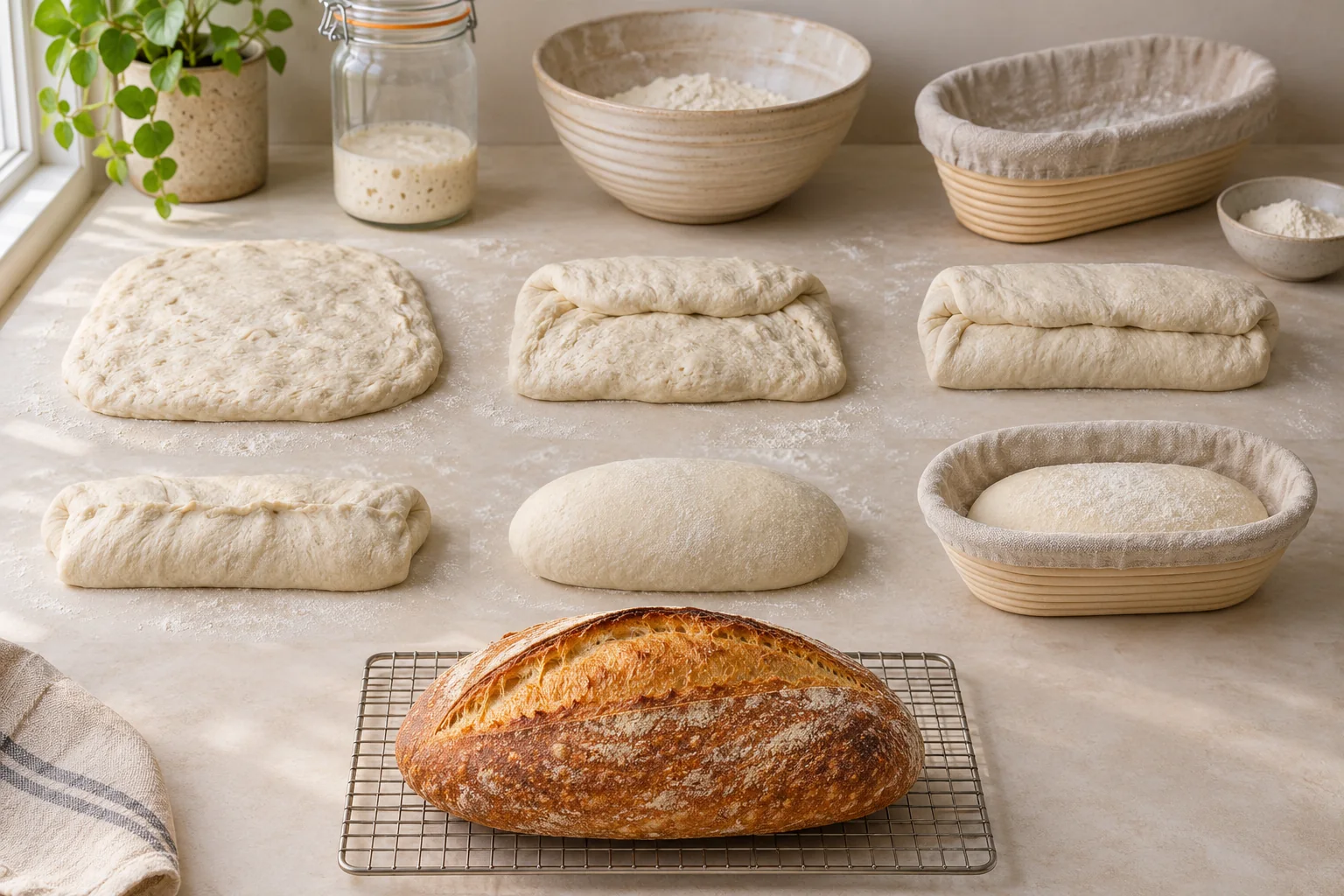
During shaping, folded dough forms a seam. If the seam is poorly sealed or oriented incorrectly for the proofing and baking method, it may open along the side. A rustic seam-side-up loaf may intentionally split naturally, but most pan and scored loaves benefit from controlled seam placement.
Too-tight shaping can work against you
Surface tension helps a loaf stand tall, but excessive tightening can tear the skin or leave a weak area that opens during oven spring. Shape firmly yet gently and stop before the dough's exterior begins splitting on the bench.
Bread pans influence expansion
A pan that's too small for the dough quantity can restrict the sides and force dramatic growth above the rim. The loaf may tear where dough meets the pan wall. Use a recipe with a matching pan size and weigh the dough instead of packing extra into the tin.
Recipe to try: Soft Milk Bread. Pillowy-soft, subtly sweet milk bread with a tender, pull-apart texture and golden crust that makes for perfect sandwiches, toast, or enjoying warm with butter.

How an overfilled tin behaves
When dough rises beyond the pan's intended capacity, it can form a mushroom shape and split along the shoulder. A soft sandwich loaf formula may specify exactly how high it should rise before baking. Respect the upper limit rather than assuming more proof always yields a bigger better loaf.
Why a loaf can split underneath
If the seam is not fully sealed or the loaf is placed seam-side-down without enough cohesion, expanding gas may push through the base. A very dry bench flour layer between folds can also prevent proper adhesion. Revisit shaping rather than only changing the oven temperature.
Crust forming too early
Insufficient steam in a crusty artisan bread can allow the outer surface to harden before expansion finishes. A covered Dutch oven creates local steam early in baking; open baking may require a separate recipe-approved method. This does not mean every bread should be baked with steam.
The oven heat factor
An oven much hotter than the recipe expects can set the surface quickly, while a cool oven changes expansion and crust development. Check an independent oven thermometer if side splits recur. Avoid throwing water onto hot oven glass or unsuitable surfaces to improvise steam.
Is the starter or yeast to blame?
Weak leavening more often causes insufficient rise than a dramatic side burst, though fermentation timing can become unpredictable. A strong starter and proper bulk fermentation make final proof easier to judge. An overactive dough that is shaped early may reach the oven under-proofed.
Whole-grain dough behaves differently
Higher bran content can weaken or interrupt gluten structure compared with white bread flour, changing the loaf's shape and expansion. Use a formula designed for the grain blend instead of expecting a whole-wheat pan loaf to handle like a white baguette.
Recipe to try: Honey Whole Wheat Sandwich Bread. Tender, slightly sweet whole wheat sandwich bread enriched with golden honey that offers the perfect balance of nutrition and flavor in every soft, chewy slice.

What if the bread is still delicious?
A side split is often primarily a cosmetic issue. If the loaf is fully baked and the crumb is pleasant, it can be eaten normally. Use the tear as feedback for the next bake, especially when the interior is otherwise tight or under-fermented.
Read the crumb as evidence
A dense tight interior combined with a violent crust tear may point toward insufficient proofing. A fairly open crumb with a side seam tear may implicate scoring or shaping instead. Slice only after proper cooling so the crumb isn't compressed and misread.
A controlled next-batch experiment
Keep the recipe, flour, pan and oven setup unchanged. Extend final proof only within the dough's proper maturity cues, and score according to the formula. Record the loaf's growth and where it opened. Changing proof time and hydration and pan size together makes diagnosis harder.
When it's not under-proofing
A fully proofed loaf can still split due to a weak seam, a restrictive pan or inadequate score. Over-proofed bread more often spreads or collapses, but symptoms overlap. Avoid treating any single crust tear as a perfect diagnostic test.
Common scoring mistakes
A dull blade drags dough, shallow decorative scratches don't create enough expansion space, and scores made too early can close before baking. Handle sharp blades safely and score at the stage the recipe requires.
Frequently asked questions
Can bread split because it needs more proof? Yes, frequently. Does the split mean raw bread? Not by itself. Should I bake cooler? Only if your oven is actually above the recipe target. Will more flour stop tearing? It can make dough stiff without solving expansion.
Give oven spring a planned path
Proof to the intended stage, shape and seal correctly, use a compatible pan, and score where the formula expects expansion. Side splits are useful clues once you examine the whole loaf rather than the tear alone.
Related recipe: Classic White Sandwich Bread.
IN PICTURES
From the baking notebook
FROM THE RECIPE BOX


