
On this page
Notice where the crack starts and when it appears. A split that opens at a heavily browned edge while the cake is baking gives you a different clue from one that pulls away from the tin during cooling. Write down the oven setting and cooling sequence before changing the filling.
How a cheesecake sets
Classic baked cheesecake is an egg-and-dairy custard supported by cream cheese and sometimes starch. Heat gradually firms its proteins. As the cake bakes, it may expand and then contract while cooling. A surface that becomes dry and rigid before the center finishes changing can split. The objective is a gently set creamy structure, not maximum rise like sponge cake.
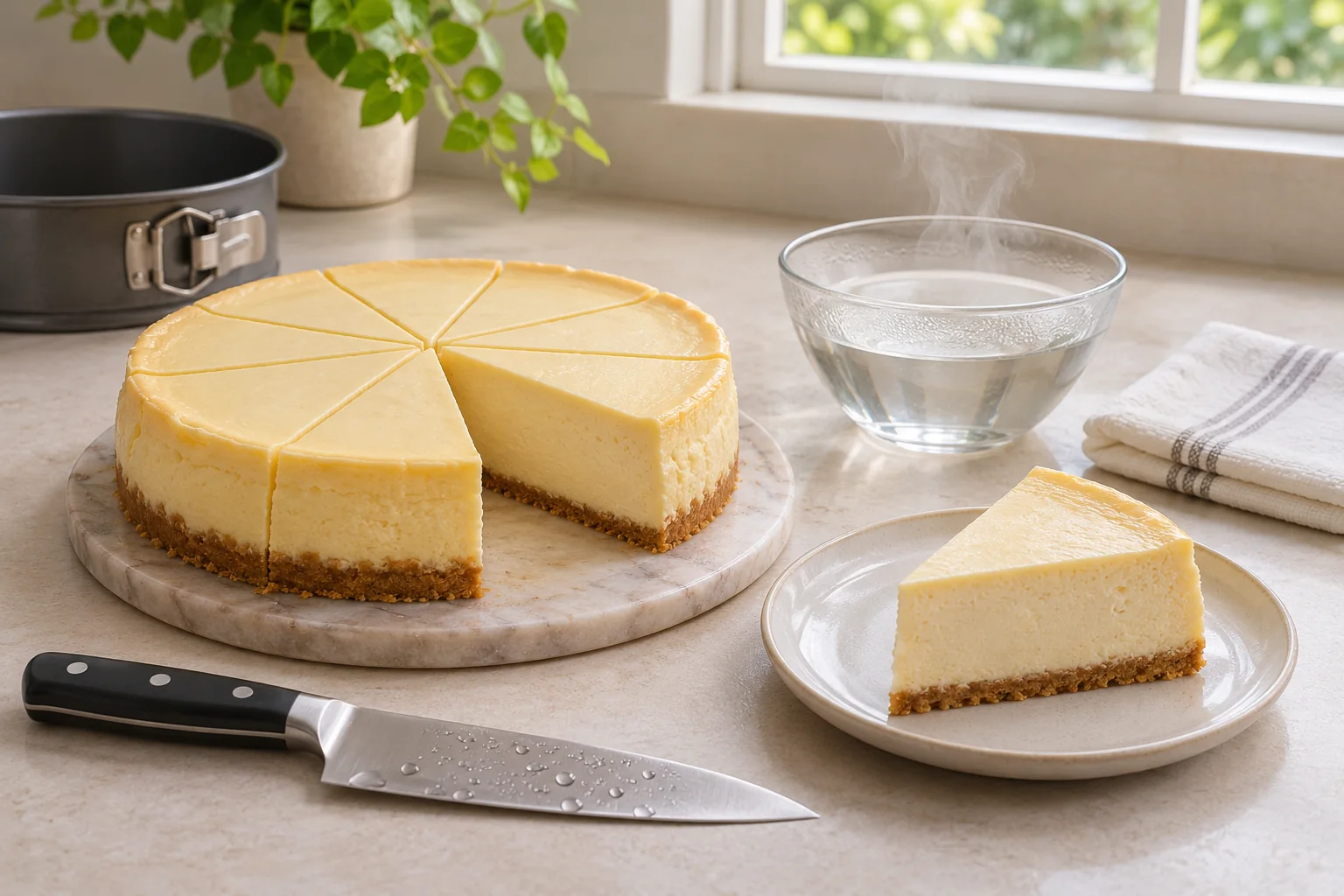
The plain top on Classic New York Cheesecake makes it easy to see where a split began.

Overmixing incorporates air
A cheesecake batter doesn't generally need the enormous aeration of a butter cake. Beating cream cheese, sugar and especially eggs at high speed can trap excess air. The mixture may puff in the oven and then fall, stressing the top. Mix according to the recipe's speed and duration, scraping the bowl so ingredients combine smoothly without unnecessary whipping.
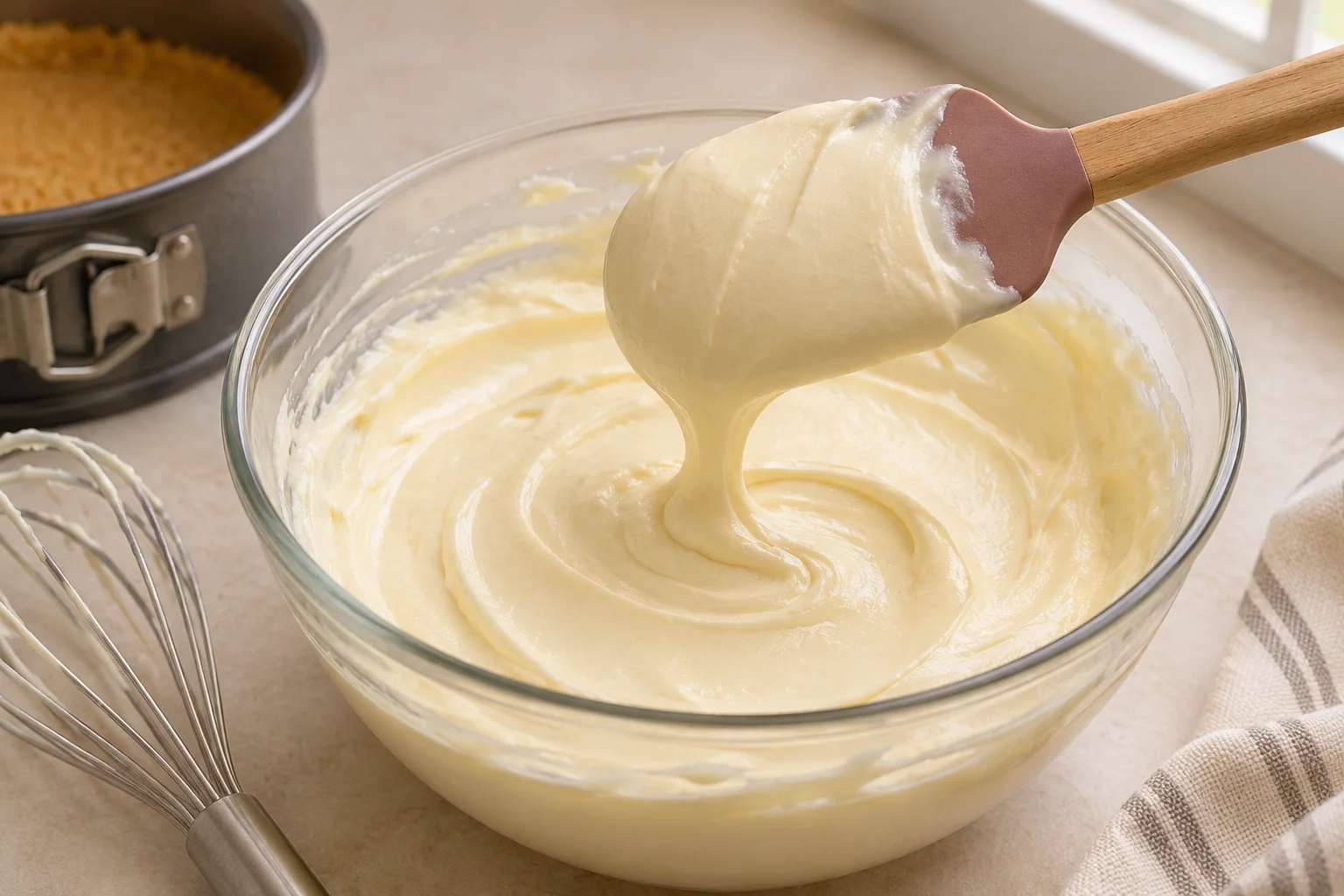
Ingredient temperature matters
Room-temperature cream cheese and appropriately tempered eggs can combine more smoothly with less mixing. Cold blocks may leave lumps and tempt you to beat the mixture excessively. Follow the recipe's warming guidance without leaving dairy or eggs at unsafe temperatures. Smooth mixing is the goal; hot ingredients aren't needed.
Too much heat around the edges
High oven temperatures can set the outer ring rapidly while the center remains soft. Continued expansion may then tear the hardened surface. Some formulas bake gently at a relatively low temperature, while others use a staged schedule or a high-heat style. Follow one complete method rather than applying a low-temperature rule to a recipe specifically designed for another style.
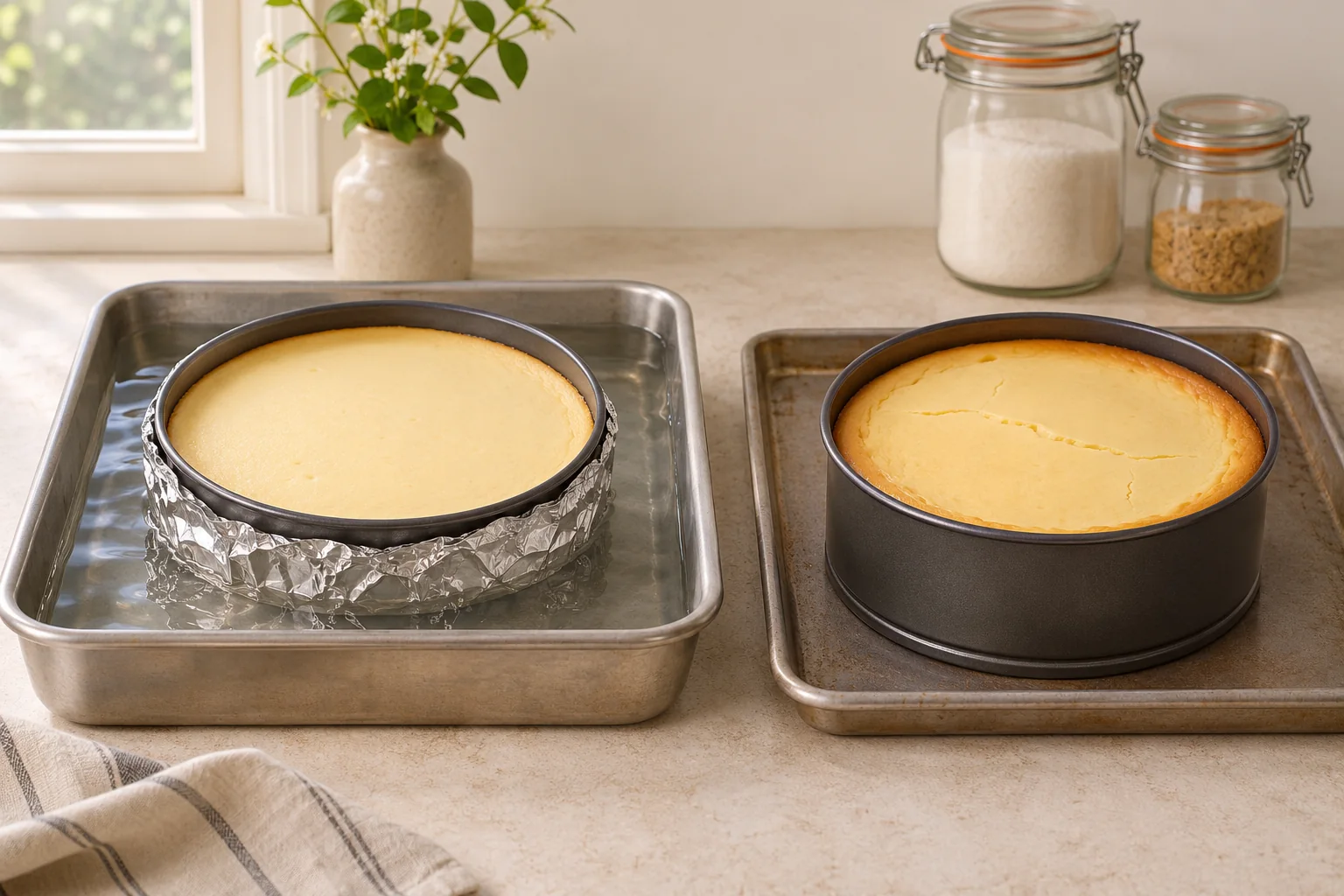
Baking too long
As egg proteins become overly firm, the cheesecake may lose its creamy texture and pull apart during contraction. A cracked top with a dry, grainy center often suggests overbaking. Follow the published doneness cues, which may include a small wobbling center or recipe-specific thermometer guidance. Don't wait until the whole cake becomes rigid in the oven if the formula is intended to finish setting during chilling.
Use the baking cues for Pumpkin Cheesecake before adding extra oven time to firm a warm centre.
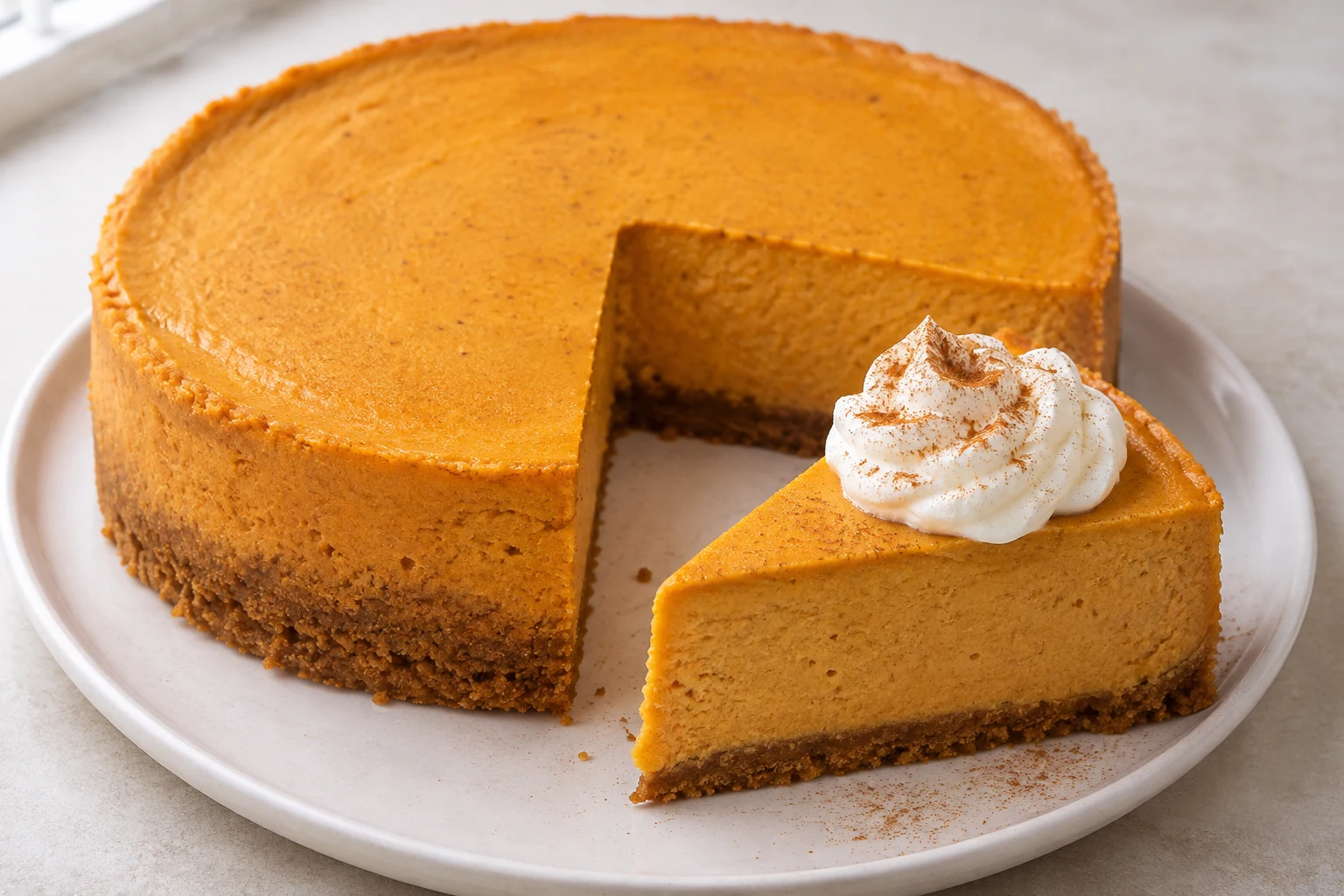
Why a slight wobble is normal
Many baked cheesecakes are removed when the edges are set and a relatively small center jiggles gently as a unit. The filling continues changing with residual heat and refrigeration. A broad liquid wave across the whole cake may indicate underbaking, however. Use the visual endpoint of the actual formula rather than applying one wobble description to all pans and filling depths.
Water baths and gentle heat
A water bath can moderate heating and reduce extremes in certain cheesecake methods. The surrounding water buffers heat near the pan and may create a more humid environment. But not every cheesecake requires one; some intentionally develop a dark surface. Choose the method the recipe specifies and avoid improvising water pans without considering cookware and oven safety.
Follow the heat and moisture setup for Chocolate Cheesecake instead of changing the oven and pan at once.

Protect the pan from water
A springform's removable seam can admit water, producing a soggy crust. Some tested methods use a larger outer pan or other approved barrier. Foil is not guaranteed to be perfectly watertight. If the base becomes wet, distinguish water leakage from custard-setting issues. Hot water and pans are burn hazards, so load and remove them with appropriate protection.
Abrupt temperature change
Sudden cooling can encourage uneven contraction and cracking, especially if the surface has already set firmly. Certain cheesecake recipes call for a gradual oven cool-down or a rest with the door slightly open. Others have different instructions. Follow the formula's cooling plan rather than turning the oven off, opening the door and immediately placing a hot cake into the refrigerator by habit.
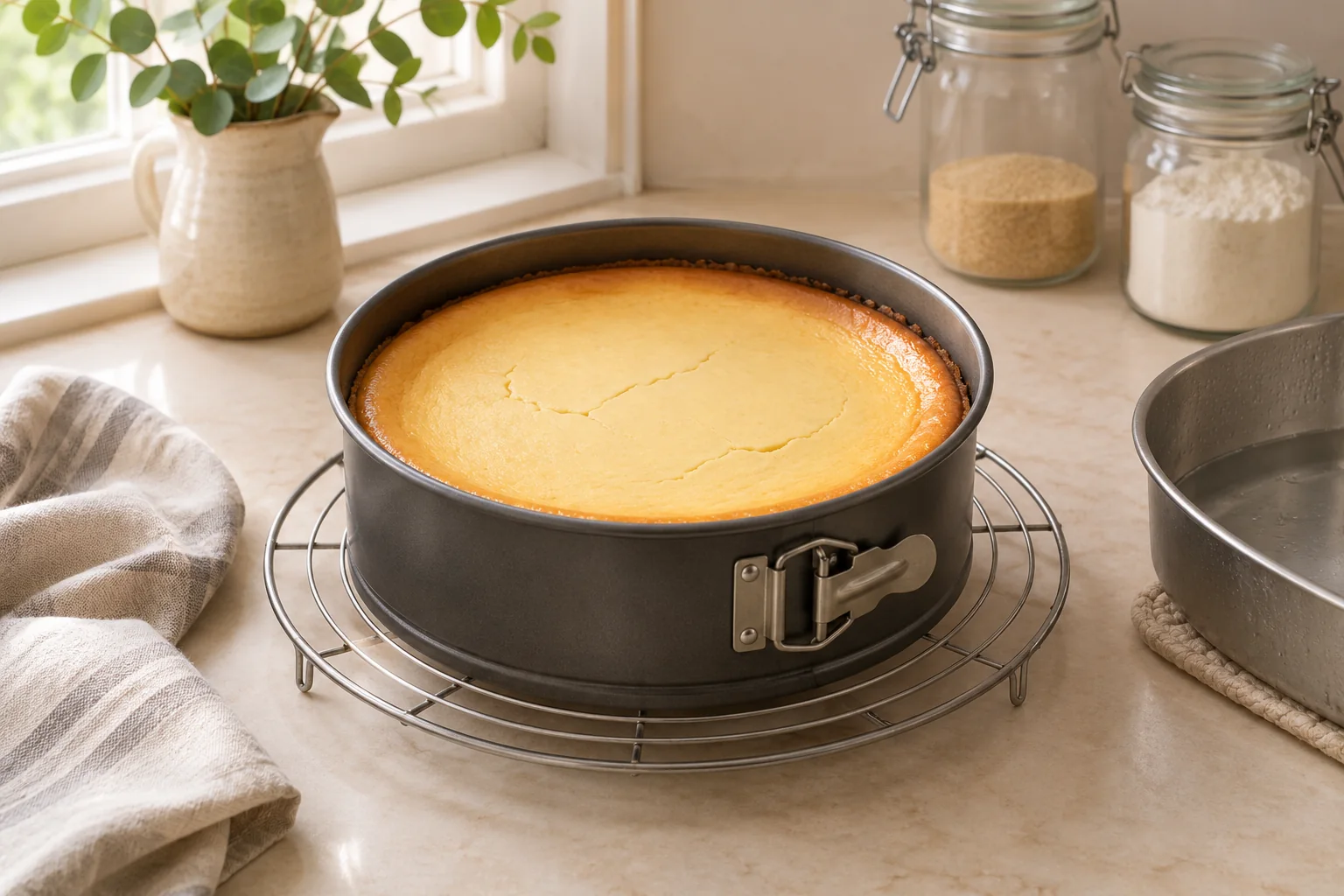
Sticking to the pan sides
As a cheesecake cools, its custard contracts. If the edges cling tightly to the pan, the center may pull inward while the sides resist, increasing surface tension. Some recipes recommend carefully releasing the perimeter at a particular stage. Use a thin suitable tool only if directed, keeping your hands clear of hot metal. Don't blindly run a knife around a delicate cake while it's still liquid.
Pan size and filling depth
A smaller pan creates a deeper filling if the batter quantity remains unchanged, requiring different heating time. The outer ring may overcook before the center finishes. A very large shallow pan can set too quickly. Use the intended dimensions and avoid overfilling springforms. Capacity matters as much as diameter when transferring a recipe.
Cream cheese composition
Full-fat block cream cheese and soft whipped tub products have different moisture and stabilizer content. A formula developed for one may set differently with another, affecting shrinkage and cracking. Low-fat substitutions can alter structure. Check the ingredient format before adjusting oven heat to fix a filling that was changed substantially.
Too much egg
Adding extra eggs increases proteins and can create a firmer custard that shrinks or feels rubbery. An egg-heavy cheesecake isn't automatically stronger or better. Use the specified size and quantity, weighing when precision is important. If a recipe deliberately uses many eggs, its oven and cooling schedule should be designed around that composition.
Starch in cheesecake
Some baked cheesecake formulas contain a little flour or cornstarch to change the custard's stability and texture. This may influence how the filling tolerates heat, but a thickener isn't an automatic cure for every crack. Adding several tablespoons to a recipe designed without starch can make the filling pasty. Choose a tested formula suited to your preferred texture.
Swirls and fruit toppings
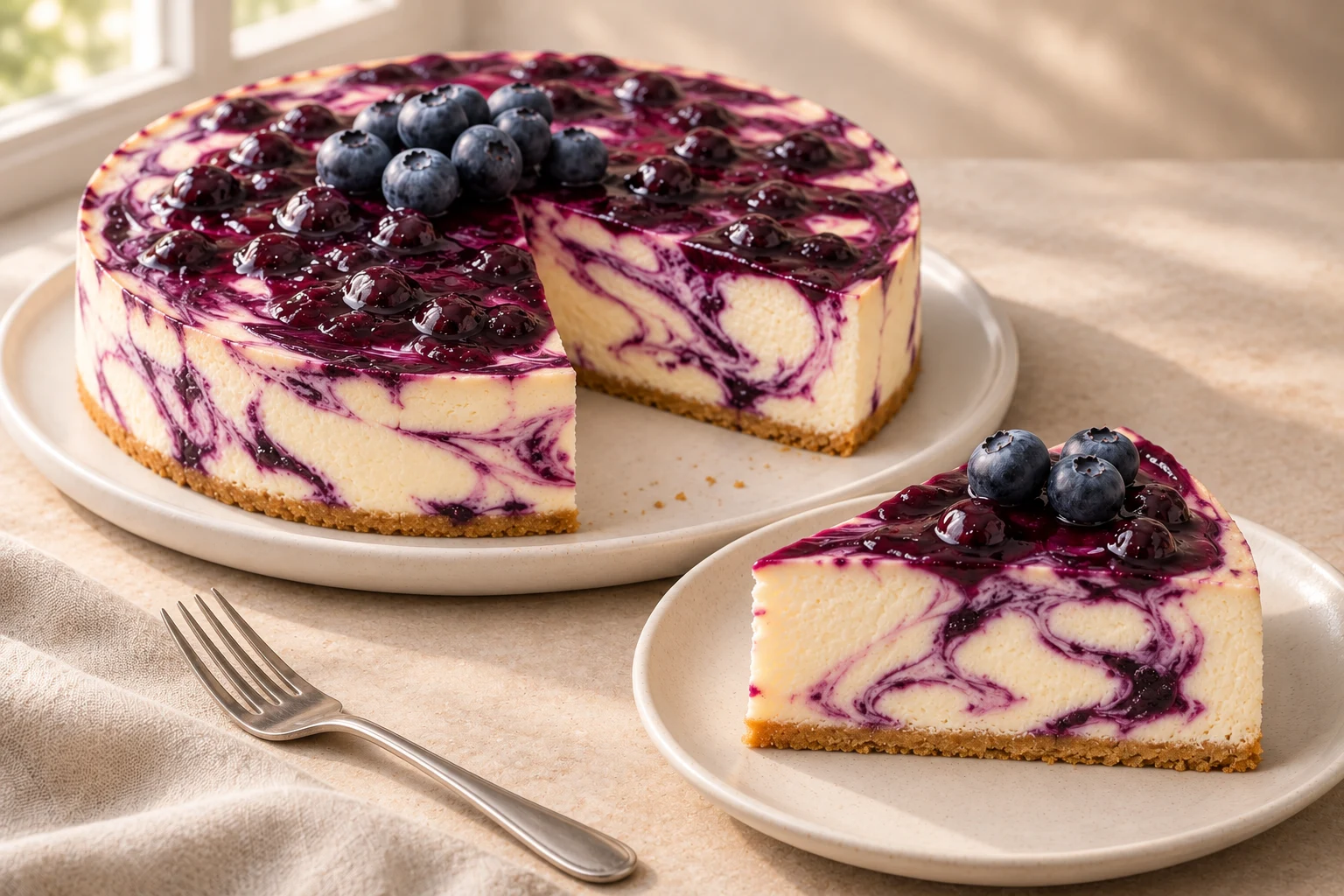
A fruit swirl can introduce localized moisture or acidity, influencing how a cheesecake sets. Overly thick jam may sink into the batter, and aggressive swirling can disturb the top. Follow the recipe's swirl quantity and technique. Fresh fruit added after cooling may be a simpler alternative when the aim is decorative contrast without changing the custard structure.
For a fruit variation, use the berry preparation in Blueberry Cheesecake to control added moisture.
How a crack begins
A small split may appear as the center rises while the outer ring is already firm. It can widen during cooling as the cake contracts. Watching through the oven window can help identify the timing without opening the door repeatedly. If the cake puffed substantially then fell, review mixing and heat before trying another water-bath technique.
What a surface crack can tell you
A deep central canyon with a dry filling suggests a different issue from small superficial lines in an otherwise creamy cake. Cracks around the perimeter may involve uneven edge heating or pan adhesion. A wet underbaked center may settle dramatically. Record the pattern and texture after full chilling so the next adjustment targets the actual cause.
Can the crack be repaired?
A cosmetic crack can often be covered with a compatible chilled topping, such as a thin sour cream layer or fruit sauce, using a tested decorating method. But frosting doesn't repair a truly undercooked custard or make unsafe handling acceptable. If the filling is otherwise set, a cracked cheesecake may still be excellent. Present it confidently rather than treating a superficial flaw as a disaster.
The finish on Caramel Cheesecake offers a serving idea for an otherwise sound cake with a cosmetic crack.

Storage and food safety
Cheesecake contains perishable dairy and often eggs and needs prompt refrigeration under safe cooling guidance. Keep it at or below 4°C (40°F), cover appropriately after cooling, and limit warm service time. Don't leave the cake on the counter overnight to avoid a cooling crack. Appearance and safety are separate priorities.
Freezing cheesecake
Some baked cheesecakes freeze well when fully cooled and wrapped under recipe directions. Freezing won't repair a cracked top or an underbaked center, and thawing may create condensation. If the recipe supports freezing, plan the thaw in the refrigerator and add delicate toppings at service. A smooth-looking frozen filling can slump if its original structure was wrong.
A small controlled test
Bake the same tested cheesecake twice using proper pan size, ingredient temperature and mixing. If the first cracks, note oven accuracy and doneness; adjust only within trusted guidance for the second. Comparing cooling methods can also be useful when the recipe offers alternatives. Avoid changing eggs, water bath and bake temperature simultaneously.
Baked Basque-style cheesecake is different
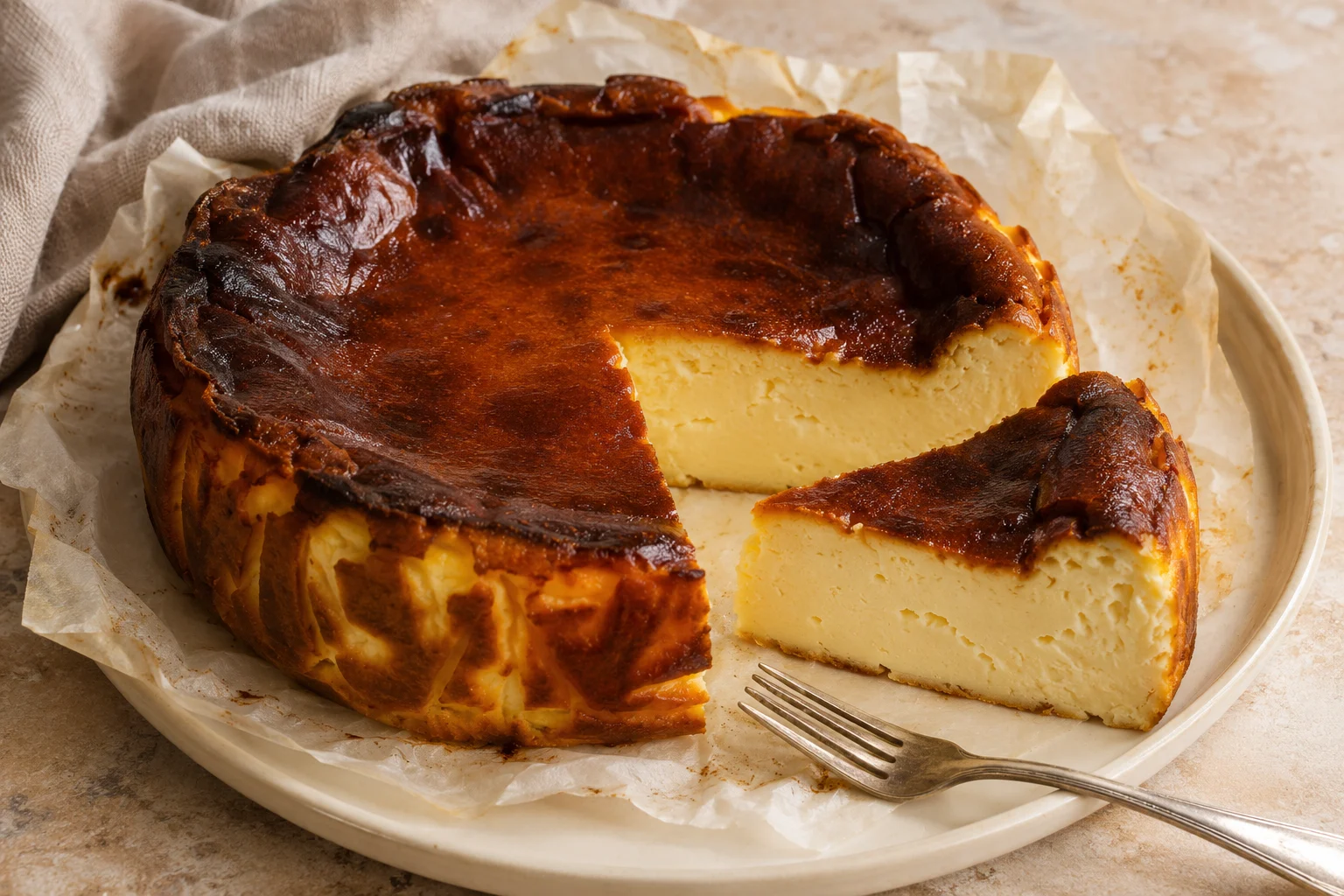
A Basque-style cheesecake deliberately uses high heat for a dark top and often has a rustic cracked or uneven surface. Judging it by the flawless pale surface expected of a classic New York cheesecake misunderstands the style. Follow the specific temperature and cooling method for the cake you intended, rather than trying to remove every natural fissure.
Compare the deeply coloured, rustic top of Basque Burnt Cheesecake with a pale New York-style cheesecake.
IN PICTURES
From the baking notebook
FROM THE RECIPE BOX


