On this page
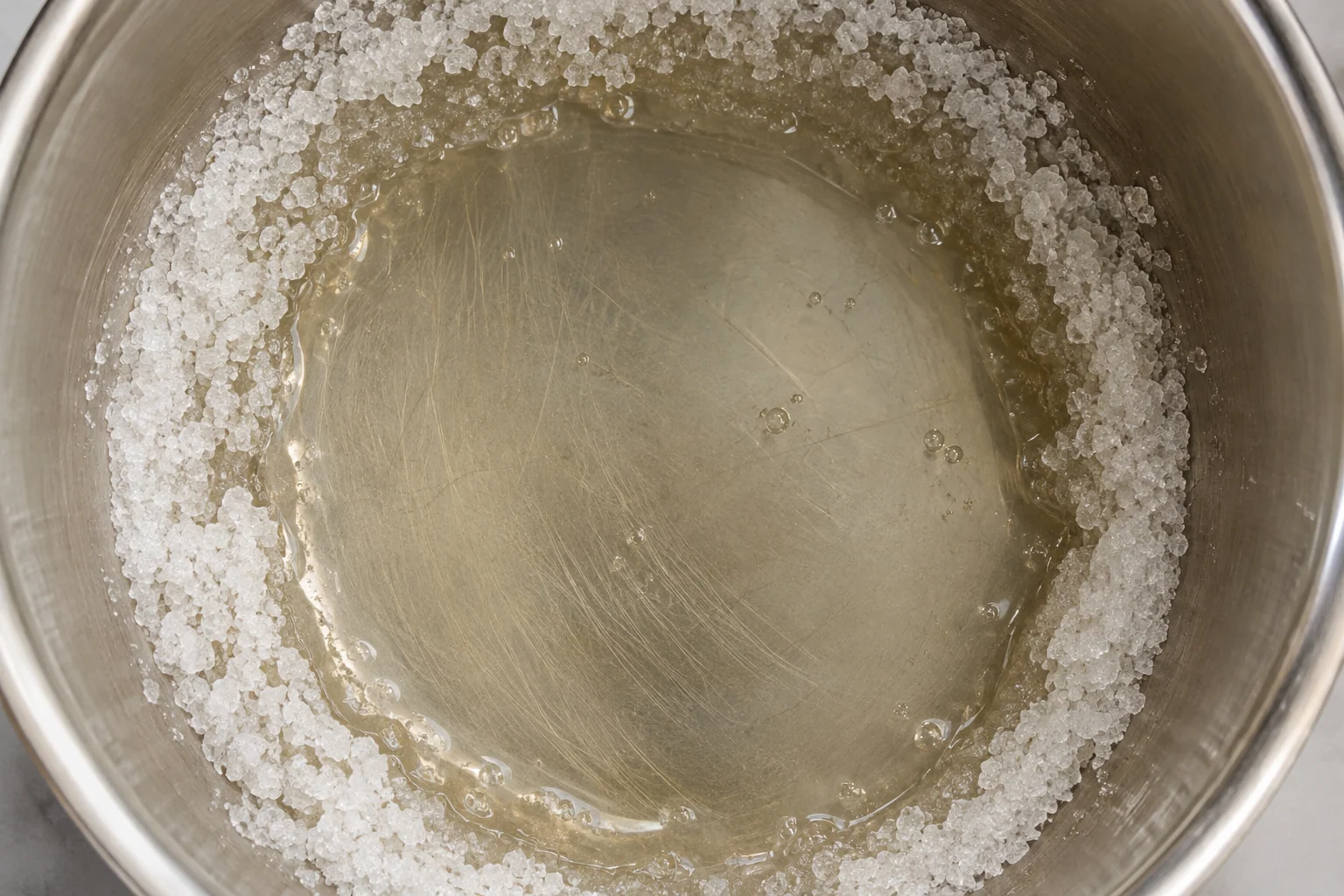
Look at where the first grains appeared. A white rim on the pan points to a sugar crystal that has survived above the syrup. A whole pan that suddenly resembles wet sand suggests crystallization has spread. A shiny pool of butter around a finished sauce calls for a different diagnosis. Those observations matter more than how many minutes the pan has been on the stove.
Understanding dissolved sugar
In wet caramel, sugar dissolves in added water as the mixture heats. As water evaporates, the syrup becomes increasingly concentrated. It can hold more dissolved sugar at high temperature, but loose undissolved grains or agitation may encourage crystals to grow. Once a few crystals form, other sucrose molecules can join them. This chain reaction can quickly transform glossy syrup into a pale grainy mass.
The caramel in Caramel Apple Hand Pies begins with sugar and water. Watch the grains disappear while the syrup is still easy to see through.
Why crystals on the pan matter
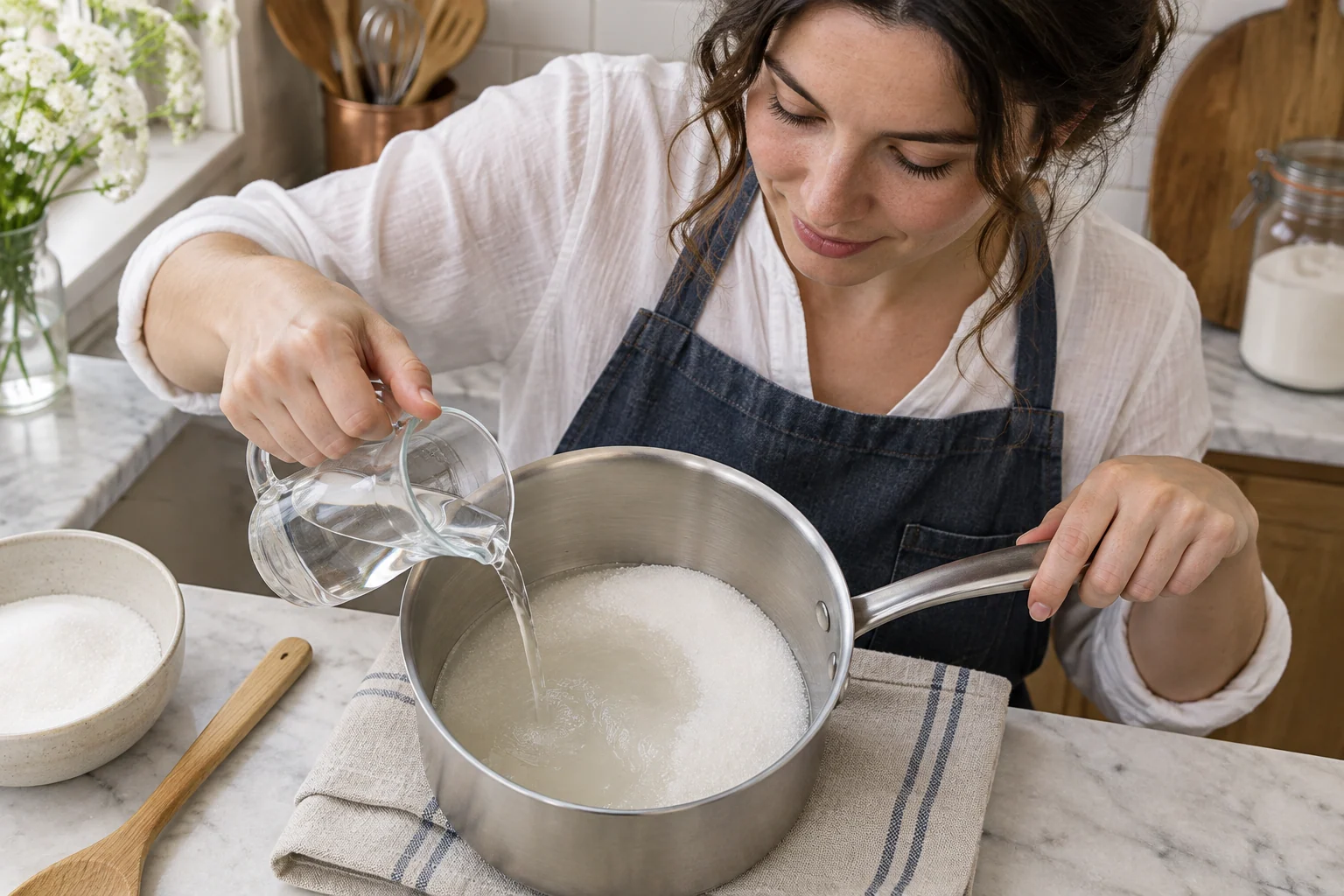
At the start of a wet caramel, look along the inside wall just above the liquid. A ring of undissolved sugar there can fall back into the syrup and give new crystals somewhere to grow. Use the side-cleaning method in the recipe while the syrup is still clear. Keep the spoon used for the dry sugar away from the boiling pan.
With the wet caramel in Caramel Apple Danish, keep the sides of the pan clear and give the boiling syrup room to rise.

The stirring rule changes during cooking
For a wet caramel that directs you to stir at the start, use that step to moisten and dissolve the sugar. Once it boils, set the spoon down unless the recipe specifically calls for further stirring. When the first amber patch appears, a gentle swirl can even the colour. A dry caramel has a different start, so read the method before reaching for the spatula.
The filling for Salted Caramel Macarons is a good place to practise the change from mixing the cold ingredients to leaving the boiling syrup alone.

Wet caramel versus dry caramel
Wet caramel begins with water and sugar, offering more time for the granules to dissolve evenly before browning. Dry caramel heats sugar alone and can darken rapidly if some parts melt before others. Either method can produce fine caramel, but their handling differs. Don't apply the rule 'never stir caramel' indiscriminately: a dry method may call for gentle movement with a heatproof spatula while the sugar melts.
The dry caramel for Caramel Apple Bundt Cake begins melting around the edges. With no initial water, those first liquid patches look different from a pan of wet syrup.

Why high heat can cause trouble
If the base of the pan overheats while sugar remains undissolved, some patches may brown or burn before the rest is ready. In a dry caramel, moderate heat and a shallow even sugar layer help. In a wet caramel, begin gently to dissolve crystals, then cook according to the recipe. High heat does not automatically cause crystallization, but it can make the process harder to control.
The topping for Caramel Cheesecake gives you a clear view of the first golden patches. If one side colours quickly, lower the heat before the sugar darkens further.

A pan with an appropriate shape
A heavy-bottomed light-coloured pan makes it easier to spot amber colour and distribute heat evenly. A very dark interior can conceal the difference between golden caramel and burnt sugar. Leave enough room for vigorous bubbling. Do not use an overly small vessel, especially if the recipe later adds cream, because hot sugar mixtures can foam dramatically and splash.
For Banana Caramel Layer Cake, choose a saucepan with headroom for the cream. A pan that barely holds the plain syrup will feel very small at the next step.
The role of corn syrup or glucose
Some candy formulas include a modest amount of glucose syrup or corn syrup to interfere with sucrose crystallization. These ingredients contain different sugars that can reduce the tendency of sucrose molecules to line up into crystals. They are not a magic substitute for correct technique, and they change sweetness and composition. Use the amount prescribed in a tested recipe instead of dumping in random syrup once the caramel is nearly burnt.
Read the separate sugar-cage ingredient list in Maple-Smoked Cream Pie with Crystallized Sugar Cage to see how a decoration is formulated. Keep any syrup or acid in a wet caramel to the amount its own recipe gives.

Can acid help prevent crystallization?
A measured acid can break some sucrose into simple sugars and make unwanted crystals less likely. The amount is small and depends on the formula. If the recipe specifies cream of tartar or lemon juice, measure it at the start. Adding acid after a pan has turned sandy is unlikely to produce the same result.
The cage mixture for Tea-Smoked Chocolate Custard Tarts with Sugar Cage lists cream of tartar. Measure the amount written for that batch instead of adding an arbitrary squeeze of lemon.
Why agitation matters after cooling
Caramel sauces and candies may crystallize while cooling or in storage if their formula and handling encourage crystal growth. Vigorous scraping, temperature fluctuations and insufficient interference from other ingredients can influence the result. Some sweets, such as fondant, intentionally use controlled crystallization. A grainy caramel sauce, however, usually means the recipe wasn't meant to form those crystals.
Let the caramel-coated nuts in Almond Praline Macarons set on their lined surface. Moving them around during cooling just makes a sticky job harder.
Don't confuse crystallization and seized chocolate
Sugar syrup crystallization creates a sandy sucrose mass. Chocolate seizing happens when small amounts of water cause sugar and cocoa particles in molten chocolate to clump. The textures can seem similar but the fixes are not interchangeable. Adding more cream to seized chocolate may create a sauce, while a grainy sugar syrup may be re-dissolved under suitable conditions before browning.
Can crystallized wet caramel be rescued?
If a plain mixture of only sugar and water turns sandy while still pale, remove it from the heat. Leave the pan undisturbed until it is completely cold. Only then, if the recipe allows a restart, add enough water to dissolve the sugar and begin again gently. Never pour water into hot caramel. Start fresh if the sugar has darkened, smells burnt or already contains cream or butter.
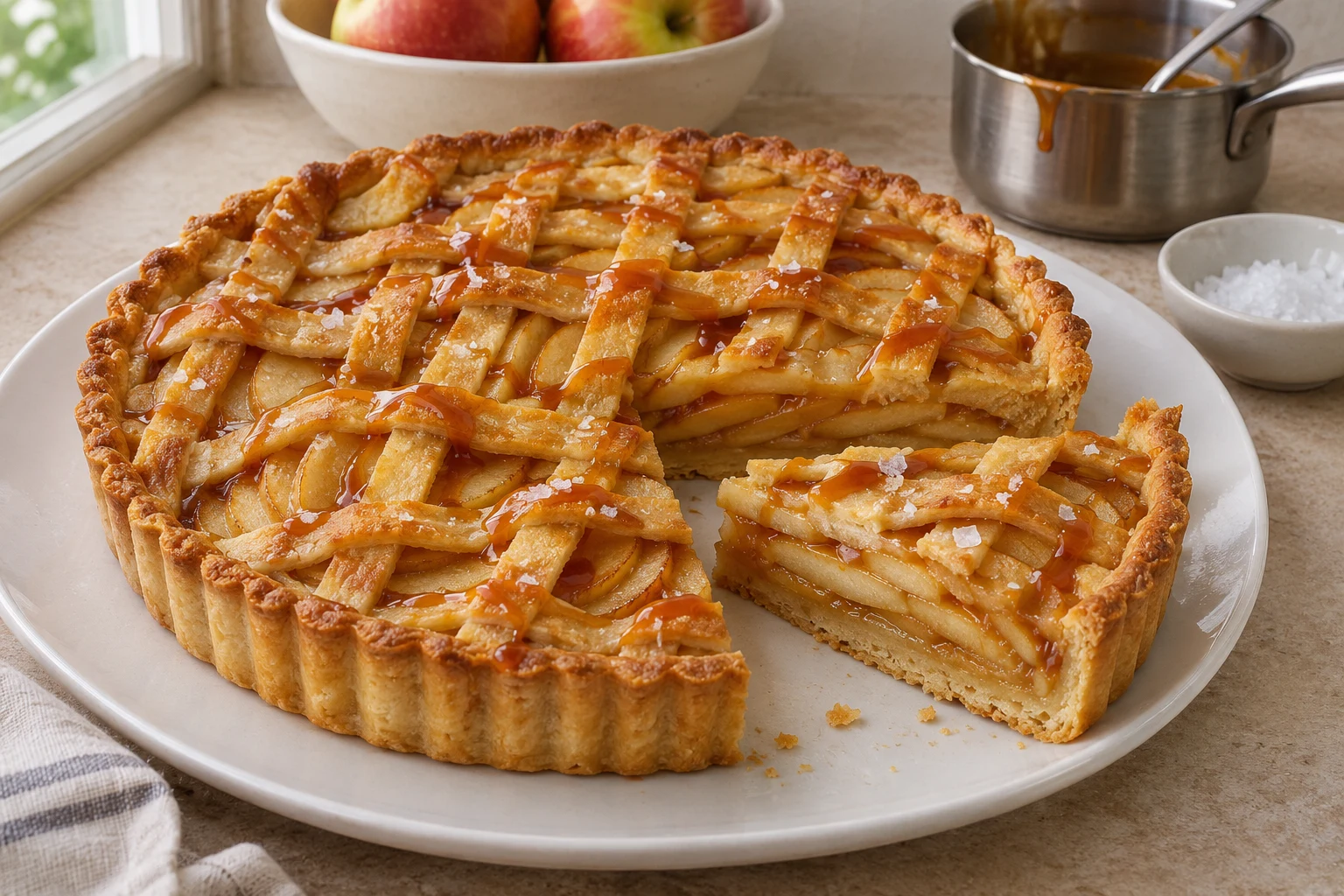
In Caramel Apple Tart, the apples and shell are separate from the sauce. A failed plain-sugar batch can be restarted without risking the baked tart.

When the batch is already dark
Once caramel is significantly overcooked, adding water or cream does not restore the sweet flavour of an earlier amber stage. A burnt syrup can stay bitter and acrid. Do not keep cooking a crystalline batch hoping the sugar will somehow become smooth and golden. Turn off the heat and decide whether a carefully controlled restart is still appropriate. With burnt sugar, discard and try again.
Make the topping for Salted Caramel Apple Tart with fresh sugar if the first pan smells acrid. A clean apple flavour leaves nowhere for burnt bitterness to hide.
Avoid tasting molten sugar
Use a long-handled spoon to place a drop on a heatproof saucer set well away from the burner. Leave it until completely cool before tasting or touching it. A glossy skin can form while the centre is still hot enough to burn. Set out the saucer before heating the pan so you never have to carry a spoonful of molten sugar across the kitchen.
Dissolve thoroughly at the beginning
If making wet caramel, start with a clean pan and mix sugar with the water amount specified. Heat gently until no visible granules remain. Only then allow the syrup to move toward the boiling, concentrating stage without unnecessary stirring. A lid briefly applied early in some recipes can let steam wash the sides, but follow the author’s method and handle escaping steam with care.
Read the full caramel layer in Chocolate Caramel Tart before starting. Have the next ingredients measured so you can keep your attention on the pan.

Watch colour rather than a fixed clock
Pan thickness, burner output and batch size change how quickly syrup colours. An amber caramel may darken significantly in seconds once it starts. For sauce, use the recipe's visual cues and remove the pan when appropriate, remembering that residual heat continues cooking. For chewy candy, final concentration and temperature after dairy is added are separate targets, not merely colour choices.
For Whiskey Caramel Tart, assess the sugar’s colour before the whiskey and cream go in; the finished filling has a different appearance.
The best way to learn without waste
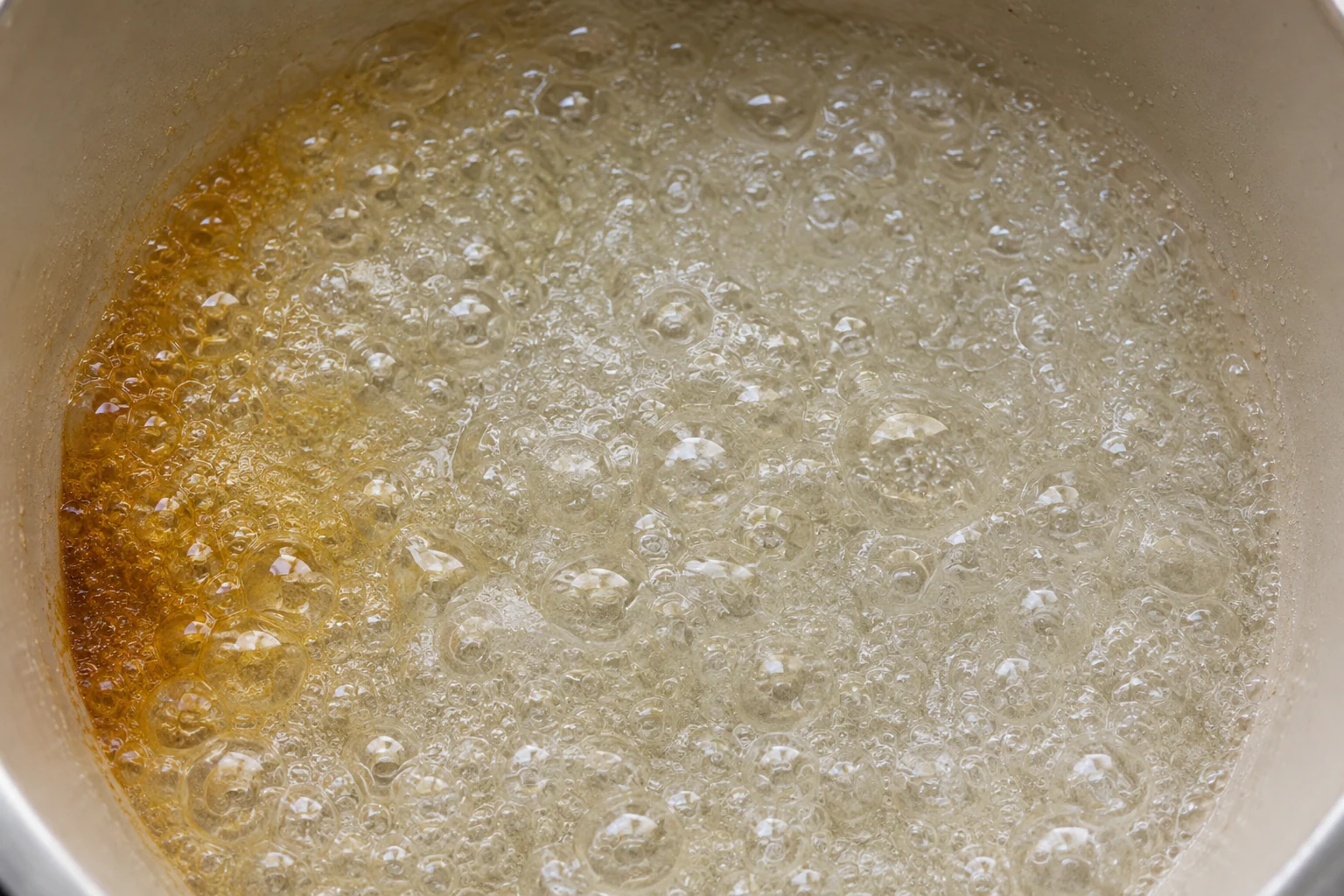
Practice on a small tested wet caramel recipe, using a light-coloured heavy pan and measuring ingredients in advance. Keep cream or butter ready only if the method calls for them. Note at what point the syrup changes from clear to pale straw, amber and dark amber. The observations will improve your control more than increasing heat or stirring frequently out of impatience.
Troubleshooting: sandy edges but clear centre
If the centre is clear and only the rim is sandy, keep that rim out of the syrup. Do not use a spatula to scrape the pan wall into the boil. If the whole batch turns sandy before it browns, remove it from the heat and let it get completely cold before considering the plain-sugar restart above.
The nut topping in Caramel Chocolate Cheesecake with Praline Pecans is easier to pour cleanly if you leave any crust of sugar stuck to the saucepan.

Troubleshooting: grainy caramel sauce
Let a small sample of the finished sauce cool on a plate. Hard, gritty particles point towards sugar crystals. A smooth-looking sauce with a separate oily ring suggests the fat has separated instead. The two problems call for different remedies. Follow the sauce recipe’s emulsion instructions for separated fat, and choose a fresh batch for an important filling if the diagnosis is uncertain.
Cool a spoonful of the filling for Salted Caramel Sandwich Cookies on a plate before judging graininess. A visible slick of butter points to a different problem from hard sugar grains.

Frequently asked questions
Does adding water ruin caramel? Water is part of wet caramel and usually evaporates before browning; careless addition to molten sugar is dangerous. Should I stir a wet caramel after boiling? Usually not unless its recipe says otherwise. Is a teaspoon of corn syrup always necessary? No. Can I save burnt caramel? Not its flavour. Why did graininess appear overnight? Cooling and storage can encourage sucrose crystals to grow if the formulation is unstable.
The principle to remember
A smooth caramel depends on completely dissolving initial grains, avoiding unwanted crystal seeds, following the right stirring technique for the chosen method and stopping before the sugar burns. Work calmly and safely: molten sugar moves quickly and does not forgive distracted last-minute fixes.
One-batch troubleshooting experiment
Make the next batch small enough to see the bottom of the pan through the syrup. Note when the sugar dissolved, when the first amber patch appeared and whether any sugar remained on the wall. Change one thing on the following attempt, such as the heat level or pan size. Keeping the rest the same makes the result easier to explain.
Why cream changes the diagnosis
A pale gritty sugar syrup, a separated buttery sauce and crystallized cooled caramels may all be called 'grainy caramel,' but they require different decisions. Determine whether the recipe contains only sugar and water or has already received dairy and other ingredients. A safe re-dissolving approach may apply to the former while the latter requires recipe-specific guidance and appropriate refrigeration.

IN PICTURES
From the baking notebook
FROM THE RECIPE BOX


