Directions
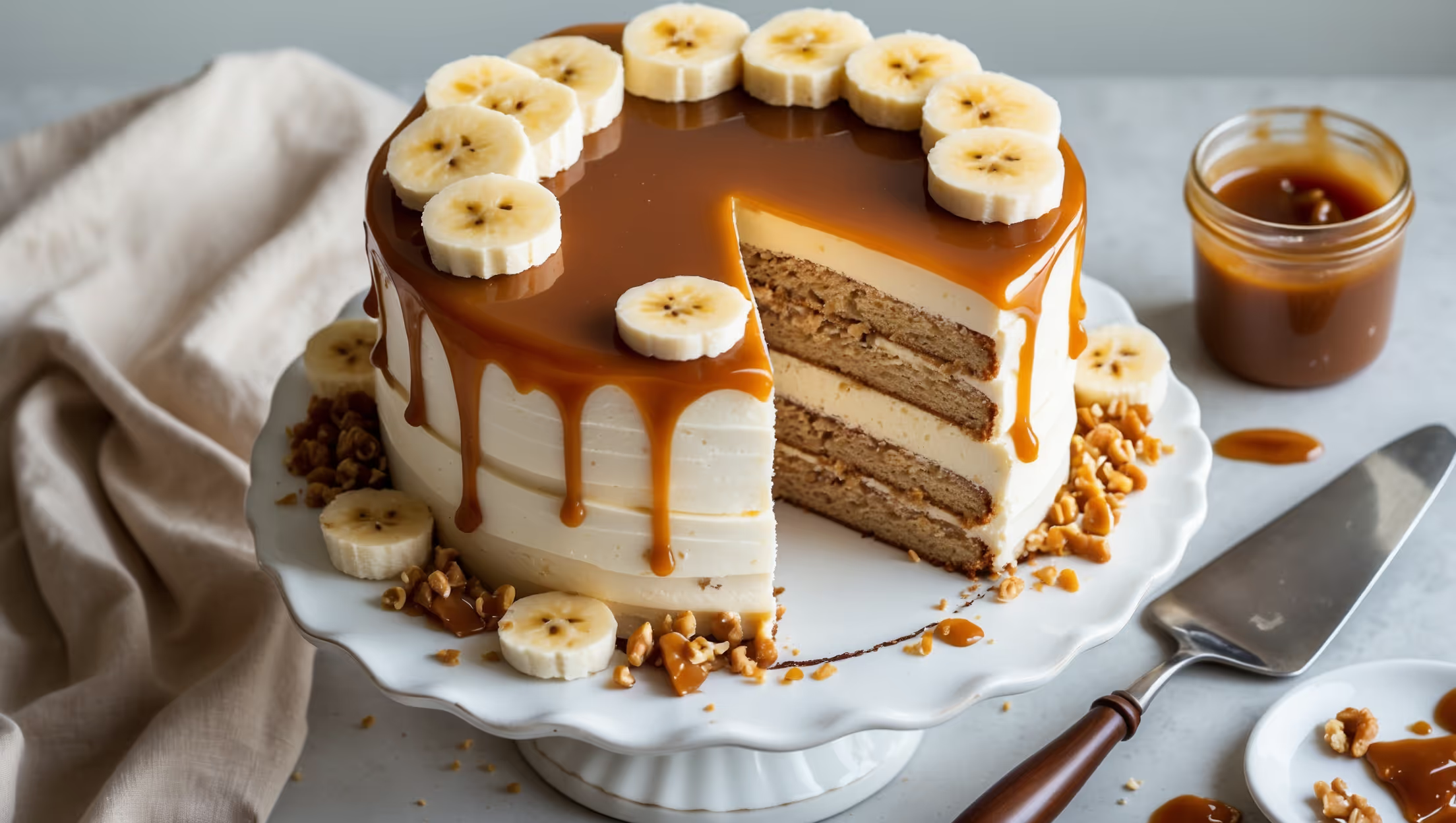
<ol class="no-list-style"><li class="MethodStepper"><h4 class="step-title">Step 1</h4>Preheat your oven to 180°C (350°F). Grease three 20cm (8-inch) round cake pans and line them with parchment paper. This prevents the cake from sticking and makes removal easier.</li><li class="MethodStepper"><h4 class="step-title">Step 2</h4>In a medium bowl, whisk together the flour, baking powder, baking soda, cinnamon, nutmeg, and salt. Setting these dry ingredients aside ensures they'll be evenly distributed throughout your batter later.</li><li class="MethodStepper"><h4 class="step-title">Step 3</h4>In a large mixing bowl or stand mixer, cream the butter and sugar on medium-high speed for 4-5 minutes until pale and fluffy. This extended creaming creates air pockets in the butter that help your cake rise and achieve a light texture.</li><li class="MethodStepper"><h4 class="step-title">Step 4</h4>Add the eggs one at a time to the butter mixture, beating well after each addition. Then mix in the vanilla extract and mashed bananas until just combined. The riper your bananas, the more natural sweetness and banana flavor they'll impart to your cake.</li><li class="MethodStepper"><h4 class="step-title">Step 5</h4>Gradually add the dry ingredients to the banana mixture in three additions, alternating with the buttermilk (beginning and ending with dry ingredients). Mix on low speed just until combined after each addition. Overmixing at this stage can develop gluten and result in a tough cake.</li><li class="MethodStepper"><h4 class="step-title">Step 6</h4>Divide the batter evenly between the prepared cake pans, using a kitchen scale if available to ensure layers bake evenly. Smooth the tops with an offset spatula. Bake for 25-30 minutes, or until a toothpick inserted into the center comes out clean or with a few moist crumbs.</li><li class="MethodStepper"><h4 class="step-title">Step 7</h4>Allow the cakes to cool in the pans for 10 minutes before inverting onto wire racks to cool completely. While cakes are cooling, prepare the caramel sauce.</li><li class="MethodStepper"><h4 class="step-title">Step 8</h4>For the caramel sauce, combine sugar and water in a heavy-bottomed saucepan over medium heat. Without stirring, allow the mixture to cook until it turns a deep amber color, about 8-10 minutes. Swirl the pan occasionally to ensure even caramelization. This process requires patience—resist the urge to stir as it can cause crystallization.</li><li class="MethodStepper"><h4 class="step-title">Step 9</h4>Once the caramel reaches the right color (like a copper penny), carefully and slowly add the room temperature cream while whisking constantly—the mixture will bubble vigorously, so be cautious. Continue whisking until smooth, then add butter and salt. Remove from heat and let cool completely. The sauce will thicken as it cools.</li><li class="MethodStepper"><h4 class="step-title">Step 10</h4>For the caramel cream cheese frosting, beat the cream cheese and butter in a large bowl until smooth and creamy, about 3 minutes. The temperature of these ingredients matters—too cold and they won't blend properly, too warm and your frosting will be runny.</li><li class="MethodStepper"><h4 class="step-title">Step 11</h4>Gradually add the sifted powdered sugar to the cream cheese mixture, beating on low speed until incorporated. Add 120ml of the cooled caramel sauce (reserve the rest for drizzling), vanilla extract, and salt. Beat until light and fluffy, about 2 minutes.</li><li class="MethodStepper"><h4 class="step-title">Step 12</h4>Once the cakes are completely cool, level them if needed using a serrated knife or cake leveler. Place the first layer on a cake board or serving plate. Spread about 1/4 of the frosting evenly over the top, then place the second cake layer on top.</li><li class="MethodStepper"><h4 class="step-title">Step 13</h4>Repeat with another 1/4 of the frosting and the final cake layer. Apply a thin crumb coat over the entire cake and refrigerate for 20 minutes to set. This initial thin layer traps cake crumbs and provides a clean base for your final frosting layer.</li><li class="MethodStepper"><h4 class="step-title">Step 14</h4>Spread the remaining frosting over the chilled cake, creating smooth sides and top. If using a cake turntable, hold your offset spatula at a slight angle against the side of the cake while turning the table for a professional finish.</li><li class="MethodStepper"><h4 class="step-title">Step 15</h4>Warm the reserved caramel sauce slightly if it has thickened too much. Using a spoon, drizzle the caramel around the edge of the cake, allowing it to run down the sides in decorative drips. Then fill in the top with more caramel, spreading gently if needed.</li><li class="MethodStepper"><h4 class="step-title">Step 16</h4>If desired, garnish the cake with chopped nuts and banana slices around the top edge. For the best flavor development, refrigerate the cake for at least 1 hour then bring to room temperature 30 minutes before serving. This cake tastes even better the next day as the flavors have time to meld.</li></ol>