
On this page
Pause the mixer and scrape a little butter and sugar against the side of the bowl. A pale, ridged mixture that holds its shape gives you a better clue than the timer alone. Notice whether the butter still has body or has started to leave a shiny, greasy film.
What happens during creaming
Softened butter is a plastic fat that can hold small air pockets. As crystals of sugar move through it during mixing, the mixture incorporates air and becomes lighter in color and texture. During baking those bubbles can expand with heat and leavening gases. Creaming doesn't replace baking powder or eggs; it establishes part of the structure that the remaining ingredients stabilize.
Follow the mixing sequence in Classic Vanilla Layer Cake to see where the creaming stage fits.

Why butter must be pliable
Very cold butter resists mixing and won't readily incorporate air, while melted butter can't hold the same small air pockets. Recipes often describe butter that yields to a gentle press but remains cool and solid. Room temperature is not one fixed number: a summer kitchen and winter kitchen differ considerably. Follow texture guidance, not a rule to leave butter on the counter for precisely thirty minutes.
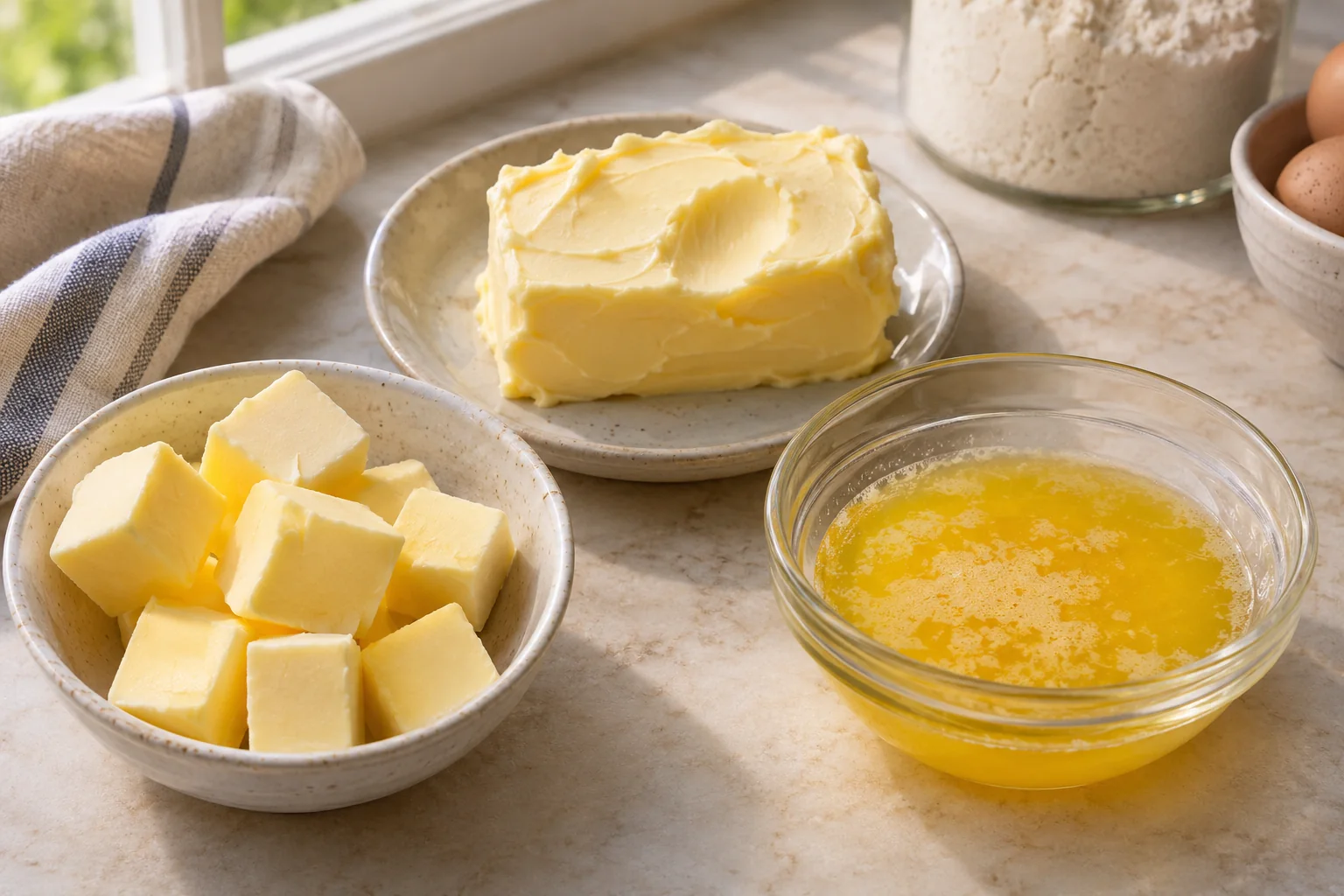
Why melted butter changes the result
Melted butter blends smoothly with sugar but lacks the solid plastic structure needed for conventional creaming. Some brownie and chewy cookie recipes deliberately use melted butter, producing desirable denser textures. A cake built around creaming may lose volume if its butter is melted accidentally. Choose the method intended for that dessert instead of assuming all butter should be heated for easier mixing.

Sugar crystals matter
Granulated sugar generally offers crystals capable of helping incorporate air during creaming. Powdered sugar is much finer and often contains starch, affecting the process and final texture. Brown sugar includes molasses and moisture, which can change aeration and flavor. Swapping types without a tested formula may alter cookie spread or cake crumb even when the sweetness seems similar.
Keep the sugar types specified in Classic Chocolate Chip Cookies when learning to judge the mixture.

What 'light and fluffy' should look like
A properly creamed mixture may become paler, slightly increased in volume and visibly airy. It should not look like melted grease or remain a compact yellow paste. The actual color depends on butter and brown sugar; dark brown sugar mixtures won't turn white. Observe texture as well as elapsed time and scrape the bowl so all ingredients receive even mixing.
How long should you cream?
There is no universal three-minute rule across stand mixers, hand mixers and batch sizes. A powerful mixer may incorporate air faster than hand mixing, while cold butter can take longer to become pliable. Follow the recipe's description and mixer guidance. Excessive high-speed mixing can warm butter, particularly in a small batch, and reduce the quality of the emulsion.
Mixer speed and bowl scraping
Moderate mixing may provide controlled aeration without heating the fat as aggressively as prolonged high speed. Scrape the bowl and beater as instructed to prevent dense uncreamed patches. A small amount stuck to the bowl's bottom can become a streak in the batter. The goal is an even airy mixture, not the highest mixer speed your machine allows.
Stop the mixer and lift the paddle. Scrape underneath it as well as around the bowl. A firm yellow streak at the bottom means some butter has missed the beaters, even if the mixture looks pale at the surface.
Adding eggs after creaming
Many butter cakes add eggs gradually to the aerated fat-and-sugar mixture. Eggs bring water, emulsifiers and proteins, so sudden addition of very cold eggs can make the mixture appear curdled or separated. A slightly broken appearance may recover as flour is added in some methods, but extreme separation can affect texture. Follow the recipe's egg temperature and mixing stages.
For Pound Cake Bundt, add the eggs in the order the method gives so the batter stays even.

Why alternating dry and liquid ingredients helps
A common butter-cake method adds flour and milk in several portions after creaming and eggs. This manages batter consistency and reduces excessive flour mixing. Beating vigorously after all flour is added can develop more gluten and toughen the cake. Stop at the stated endpoint, scraping the bowl gently. Creaming is about building initial air; the final mixing stage is often about preserving it.
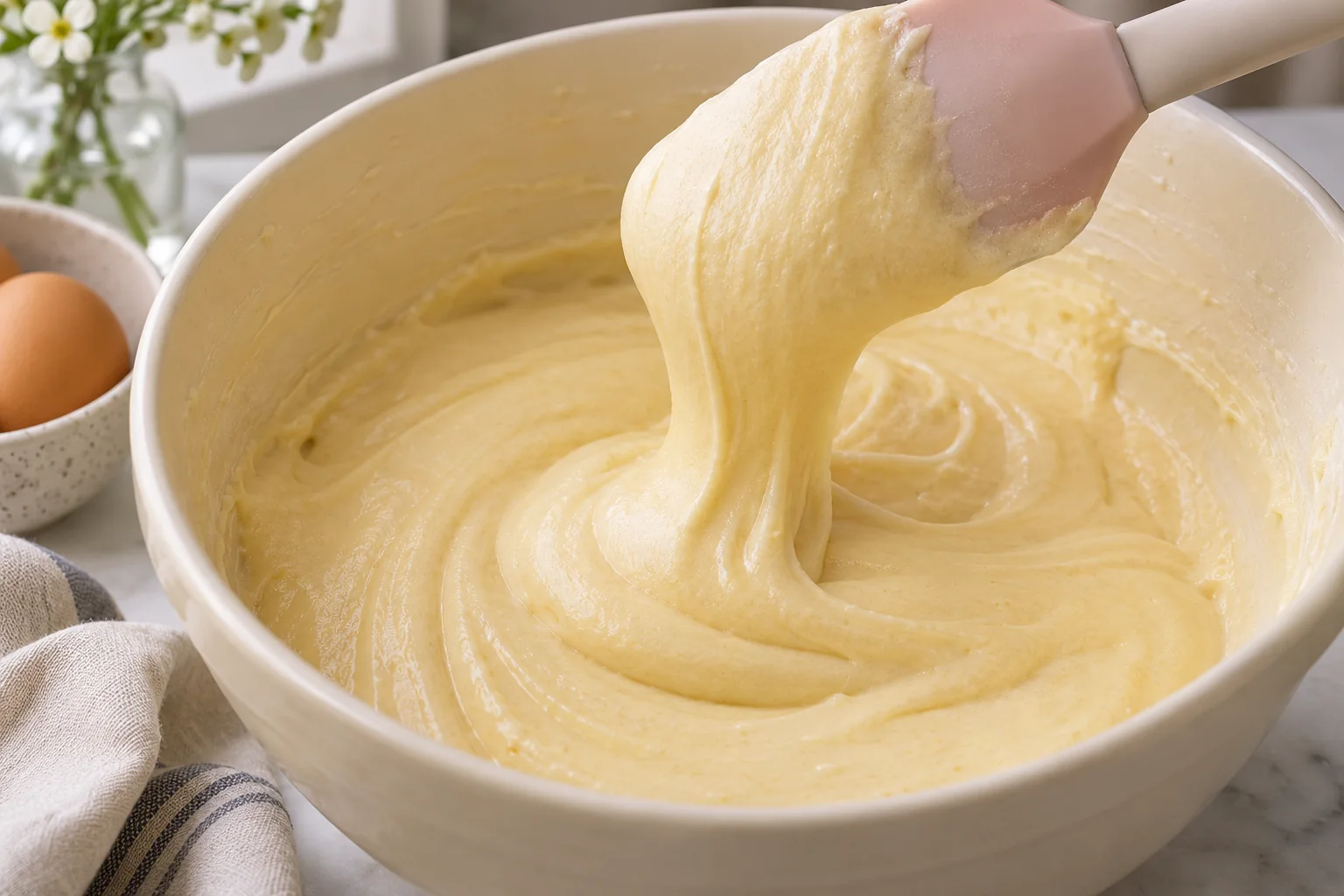
Cookies use creaming differently
In drop cookies, creaming influences air incorporation, spread and texture. A shorter mixing period may produce a denser chewy cookie in some formulas, while extensive creaming can create a cakier outcome. But the result also depends on sugar ratio, leavener and butter temperature. Follow cookie-specific instructions instead of using a cake's fluffy creaming endpoint indiscriminately.
Watch how portion size and creaming work together in Chocolate Chunk Cookies.

Brown sugar during creaming
Brown sugar contains molasses and tends to form moist clumps. Break them up and distribute evenly as the butter is beaten. The mixture may remain dark and look less dramatically pale than with white sugar. That doesn't mean it has failed. Evaluate smoothness, volume and mixing guidance rather than waiting for brown sugar to turn ivory.

Powdered sugar and shortbread
Some tender shortbread and frosting recipes use powdered sugar rather than granulated. Their method and final texture differ from classic creamed butter cakes. A recipe may mix only until smooth rather than aerating for a long time. Overbeating a delicate shortbread dough can change the intended sandy texture, so don't import a layer-cake creaming instruction automatically.
Compare the mixing instructions for Vegan Shortbread Cookies before expecting every butter-rich cookie dough to become equally fluffy.
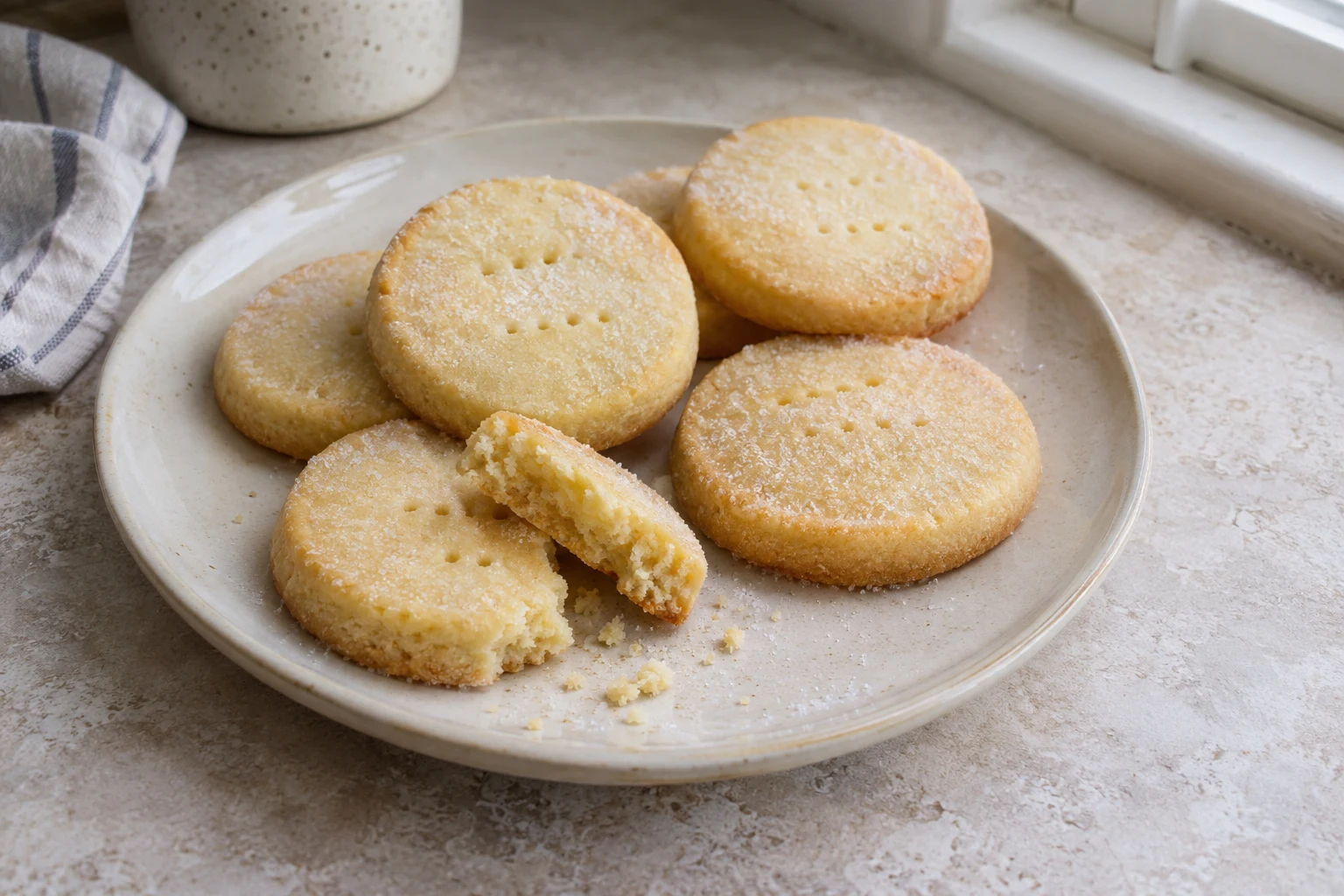
The role of butter temperature in spreading
Butter that's too warm during mixing can make cookie dough loose, encouraging excessive spread. A proper refrigerator rest may help some recipes, but it cannot undo every mixing or measurement problem. If a cake batter was made with partly melted butter, the original air structure may be lost. Check the starting temperature before blaming the oven.
Why the mixture looks grainy
Before sugar fully dissolves in the cake batter, creamed butter can retain a fine granular feel from sugar crystals. This is not automatically a defect; the crystals helped incorporate air. Buttercream frosting made with powdered sugar has a separate graininess issue. Judge texture in the context of the step rather than expecting a perfectly dissolved syrup.
What reverse creaming does instead
Reverse-creamed cakes generally mix some fat into flour before adding liquids, limiting gluten development and creating a fine tender crumb. They don't rely on the same initial butter-sugar aeration sequence. Both methods can produce excellent layer cakes. Choose one complete formula and follow its mixing order; swapping the order of an ordinary creamed cake is not a harmless shortcut.
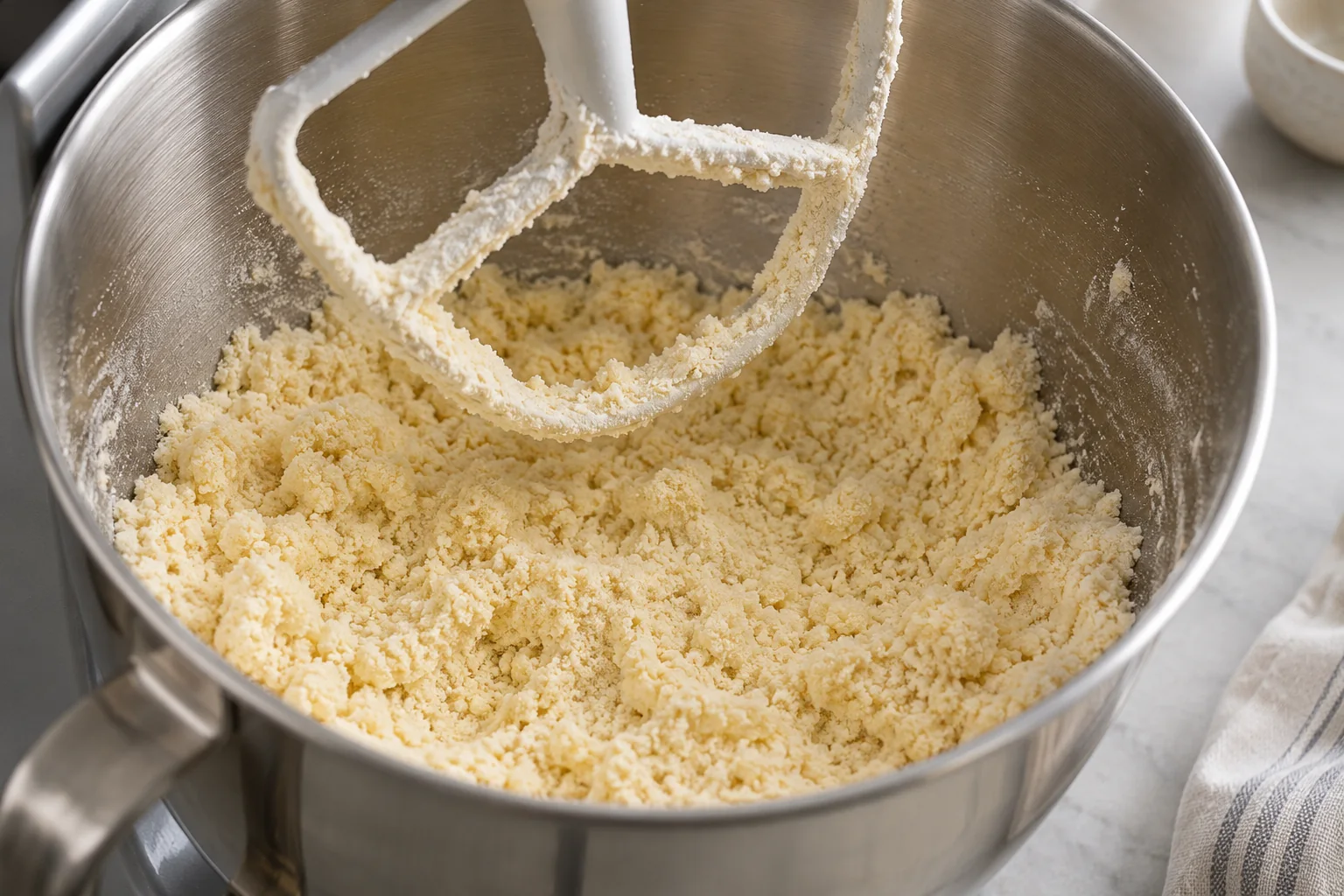
Troubleshooting a dense cake
Check whether butter was too cold or melted, whether enough air was incorporated, and whether eggs were added appropriately. Then review flour measurement, leavener and oven temperature. Dense cake can have multiple causes. Creaming longer isn't a universal cure if the problem was excessive flour or underbaking.
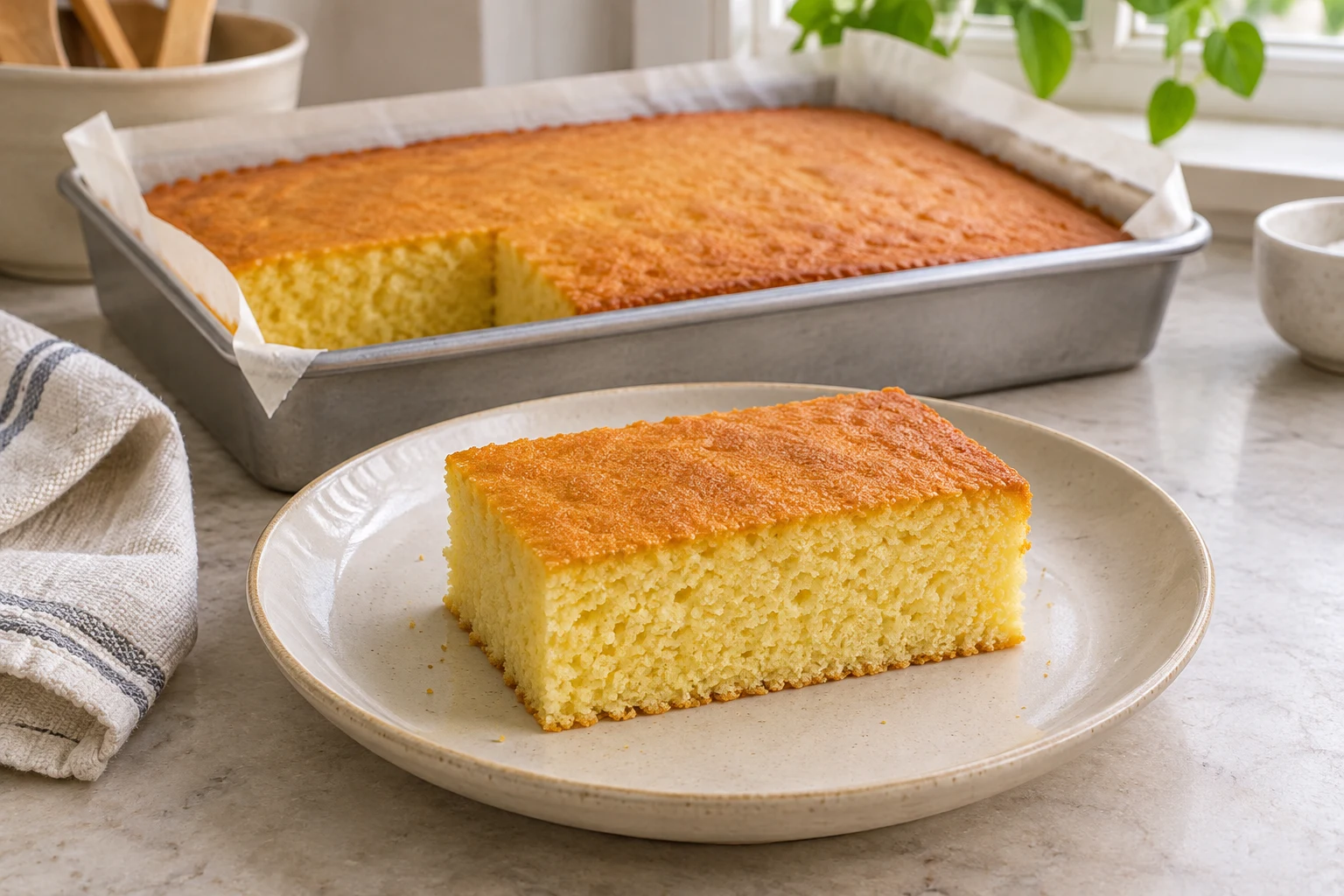
Compare the cooled crumb of Classic Yellow Sheet Cake with the texture of your trial cake.
Troubleshooting uneven cookie texture
If some cookies are cakey while others are dense, verify that the butter and sugar were mixed evenly and that portions were consistent. Pan temperature, dough chilling and sugar ratio also matter. A very long creaming stage may be unsuitable for a cookie intended to spread thinly. Record the original mixing time and change one variable for the next batch.
What if you have no electric mixer?
A sturdy spoon and patience can cream appropriately softened butter and sugar for some small-batch recipes. It may be harder to incorporate the same amount of air as a machine, and some elaborate cakes depend on precise aeration. Use a hand-mixing recipe when practical rather than increasing leavener to compensate. Avoid microwaving butter until liquid simply to make stirring easy.
A controlled creaming experiment
Prepare two small batches of a tested creamed-cookie dough, following the author's minimum and maximum mixing cues only if the formula provides them. Compare height, spread and crumb after cooling. Keep butter temperature and sugar identical. This reveals how your mixer behaves without turning a special celebration cake into an uncontrolled experiment.
IN PICTURES
From the baking notebook
FROM THE RECIPE BOX


