On this page
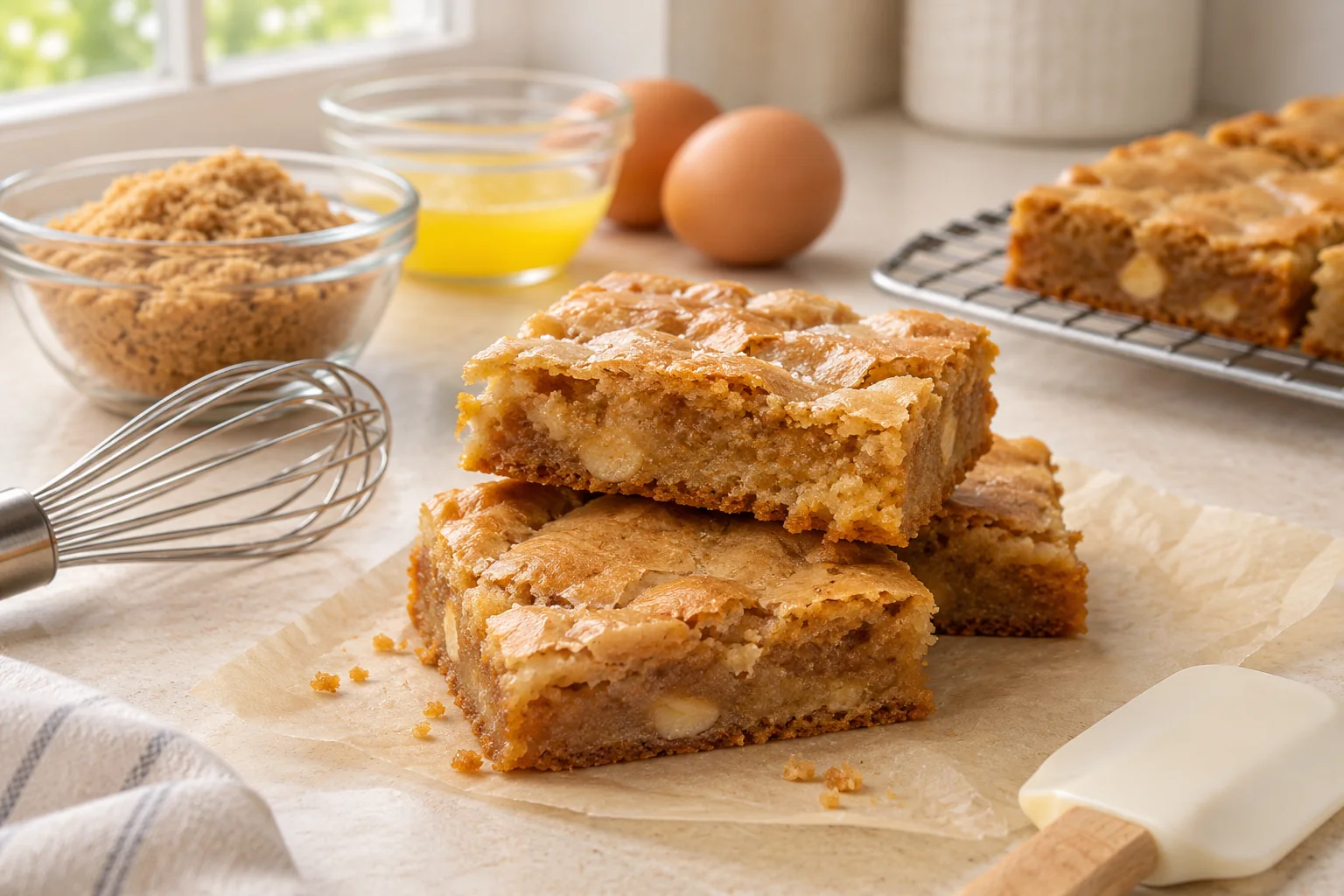
A good blondie bends slightly before yielding to a buttery, brown-sugar-rich bite. It should feel chewy and tender, not airy like vanilla cake and not wet with raw batter. That balance comes from the proportions of sugar, butter, eggs and flour, plus how the batter is mixed and baked. If your blondies are cakey, greasy or crumbly, the fix is usually in the formula rather than a secret ingredient.
What gives blondies their characteristic chew?
Blondies are bar desserts commonly built on butter, sugar, flour and eggs without the large amount of cocoa that defines most brownies. Brown sugar often gives them a caramel-like flavour. Their texture ranges from dense and chewy to more cake-like depending on the recipe.
Brown sugar and butter: flavour and texture
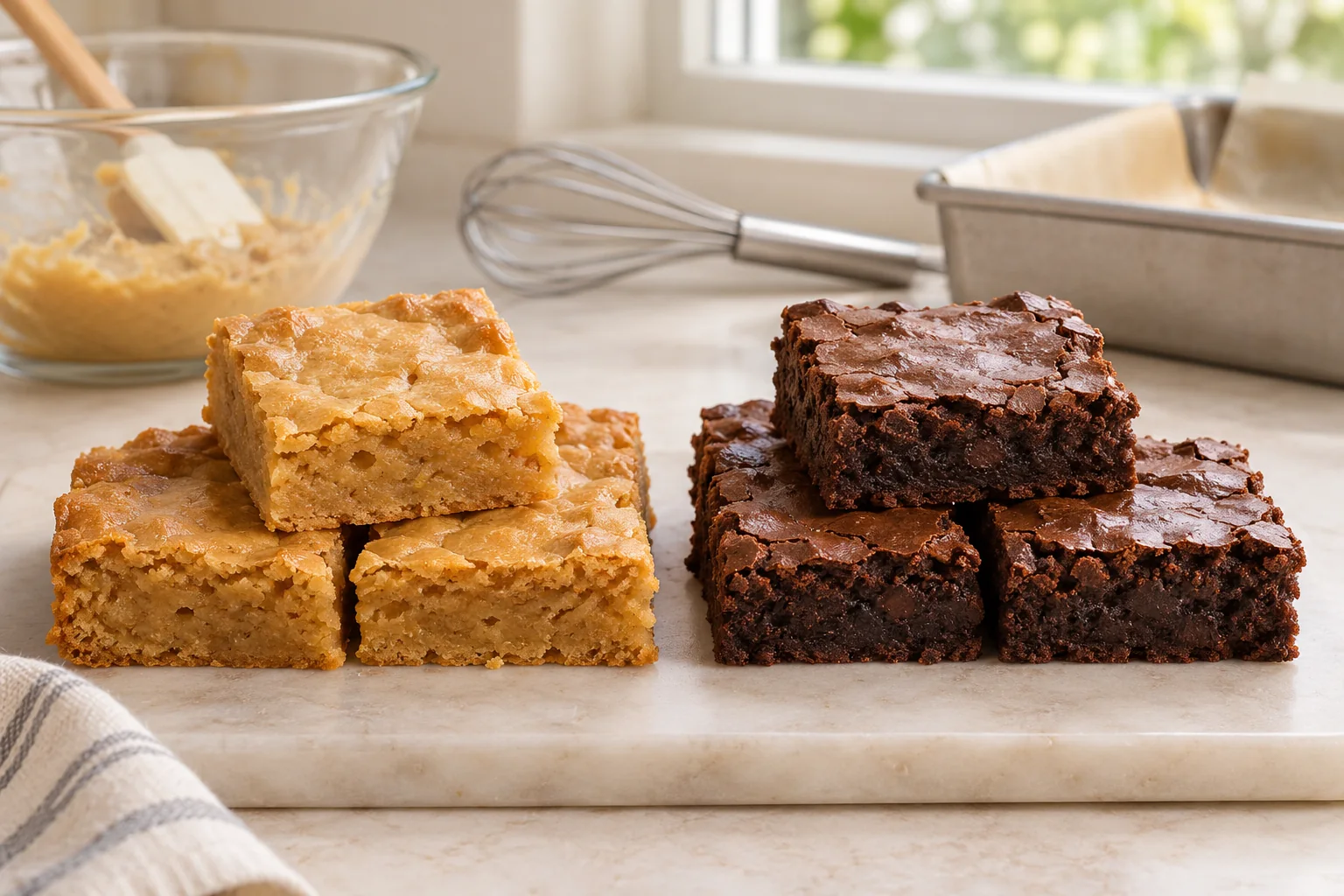
Brown sugar contains molasses and adds depth alongside sweetness. In suitable formulas, its moisture behaviour contributes to a dense, chewy impression. But simply increasing brown sugar without accounting for flour and eggs can cause a sticky or understructured centre.
White sugar and brown sugar differ in flavour and moisture characteristics. A blend can balance crisp edges, sweetness and chew. Replacing all the sugar in a tested blondie recipe without adjusting other variables may change spread and browning.
Melted butter is common in chewy blondie formulas because it disperses easily and doesn't require the aeration of creaming. Browned butter brings toasted dairy flavours and loses some moisture during cooking; use a recipe developed for it rather than making an unmeasured replacement.
Creaming softened butter with sugar incorporates air and can support a lighter, cake-like structure in some batters. Melting and stirring tends to produce less initial aeration and often a denser result. The final texture also depends on eggs, flour and leavening.
Flour, eggs, leavening and mixing
Too much flour can make bars bready, dry or dull. Too little can create a sticky centre that never forms a clean slice. Weigh flour when the recipe provides grams and avoid packing a measuring cup.
Eggs provide moisture, proteins and emulsifiers that help bars hold together. More egg isn't always chewier: depending on the rest of the formula, it may contribute a firmer or more cake-like structure. Follow the specified egg size and number.
Some blondies use a little baking powder for lift; others rely mainly on eggs. Increasing leavener to make high bars can encourage a cakier crumb or a rise that later sinks. For dense chewy bars, use a tested formula designed for that style.
Stir only as directed so flour is incorporated without unnecessary beating. Excessive gluten development may make blondies tough rather than pleasantly chewy. Undermixing, meanwhile, can leave dry pockets of flour that spoil the texture.
Recipe to try: Gluten-Free Blondies. These blondies use their own gluten-free flour combination. Avoid substituting ordinary flour by volume without a suitable conversion.

Pan depth, cakey bars, greasy edges and wet centres
An 8-inch pan makes a deeper slab than a 9-inch one when filled with the same batter. Deeper blondies may stay softer in the centre, but they need an appropriate baking time. An oversized pan can dry them out before the intended chew develops.
Possible reasons include too much flour, excessive chemical leavening, a formula rich in egg or air introduced by prolonged mixing. Compare the recipe's proportions with a chewy blondie formula before changing oven temperature.
An incorrect fat-to-flour ratio, poor emulsification or a recipe that uses too much added chocolate or nut butter can create a greasy surface. Browned butter substitutions can also change composition. Correct the measured ingredients rather than blotting the top and assuming the batter is fixed.
Underbaking, excessive pan depth or too much sugar and fat can produce a liquid-looking centre. A chewy blondie may feel soft while hot, but raw glossy batter should not remain. Follow the recipe's edge and centre cues.
Chocolate, nuts and a little salt
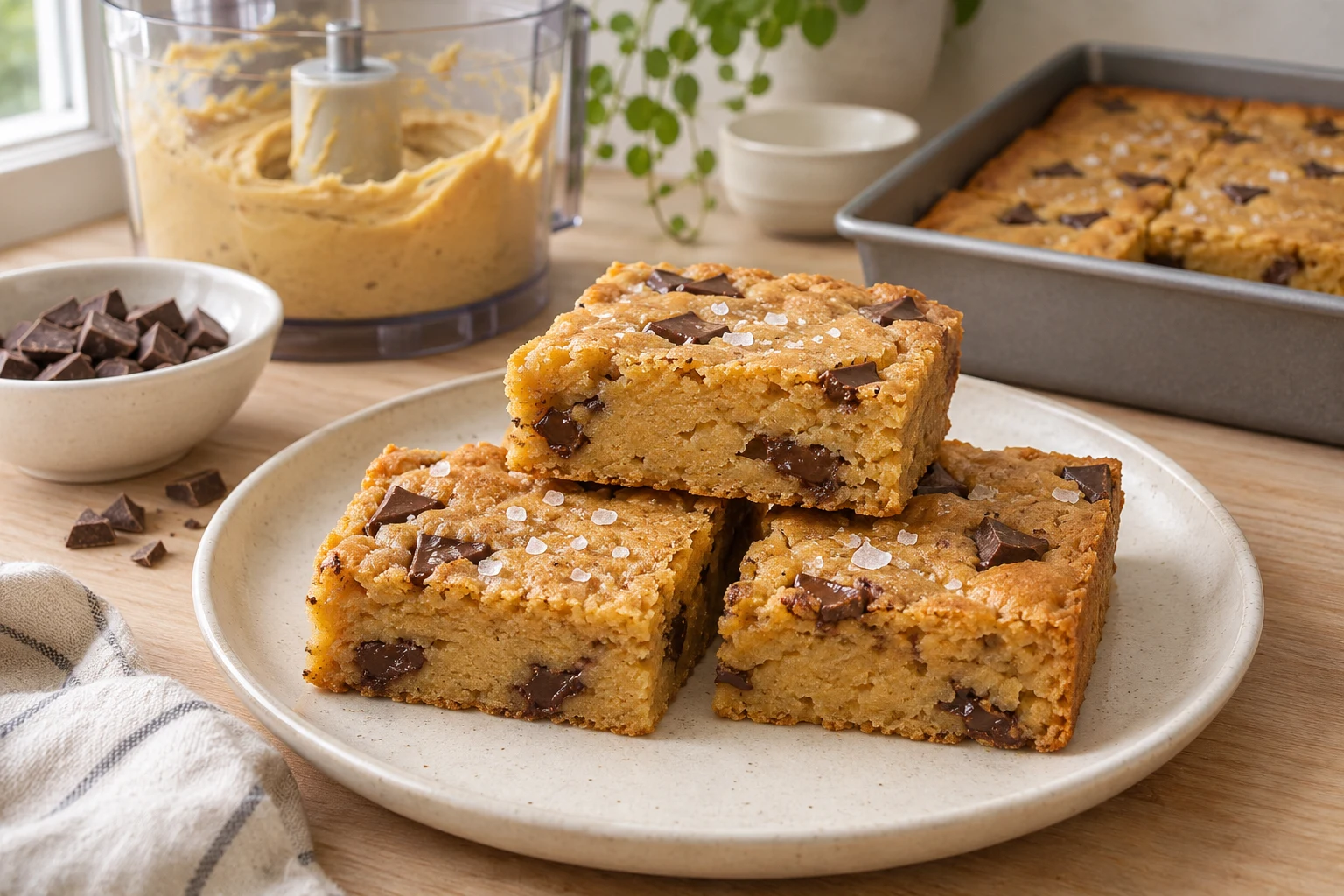
Mix-ins add flavour and texture but also interrupt a clean slice. Keep to the recipe's total suggested quantity. White chocolate chips, pecans and walnuts can complement brown sugar, while too many heavy pieces may make a thin bar crumble.
A measured amount of salt enhances the buttery caramel notes. Flaky salt on top can add contrast if the formula permits, but don't guess extra salt when using salted butter or salty mix-ins.
Cooling and storing chewy blondies
A hot blondie is fragile; as it cools, butter and sugars settle and the bar becomes more sliceable. Allow it to cool as directed before judging the final chewiness. Chilling may make cutting easier but also firms the fat, changing how the bite feels until it warms again.
Keep fully cooled bars protected from drying according to the recipe. A tight container can preserve softness, though humidity may soften crisp edges. Perishable frosting or fillings have separate refrigeration requirements.
A useful troubleshooting experiment
Bake the original recipe exactly, weighing flour and using the specified pan. Check the centre before removing and cool completely. If it's still cakey, choose a different chewy-style formula before making multiple experimental substitutions.
For practical examples of how different ingredients can influence a bar cookie, compare our gluten-free blondies with our chickpea blondies. They are separate tested-style recipes, not instructions for making direct substitutions within one batter.
Recipe to try: Chickpea Blondies. Chickpeas and nut butter give these bars a different structure. Follow the complete ingredient list rather than treating them as a flour swap.
Frequently asked questions
Does more brown sugar mean more chew? It can influence texture, but balance matters. Can I use oil? Only if the formula supports it. Why are my blondies hard? Overbaking or excess flour may contribute. Are chewy bars underbaked? No, they should be fully cooked.
The ideal blondie bite
A measured brown-sugar-and-butter formula, correctly mixed and baked in the intended pan, yields a dense tender square with clean flavour and enough structure to slice. Chewiness is an engineered texture, not a justification for leaving batter raw.
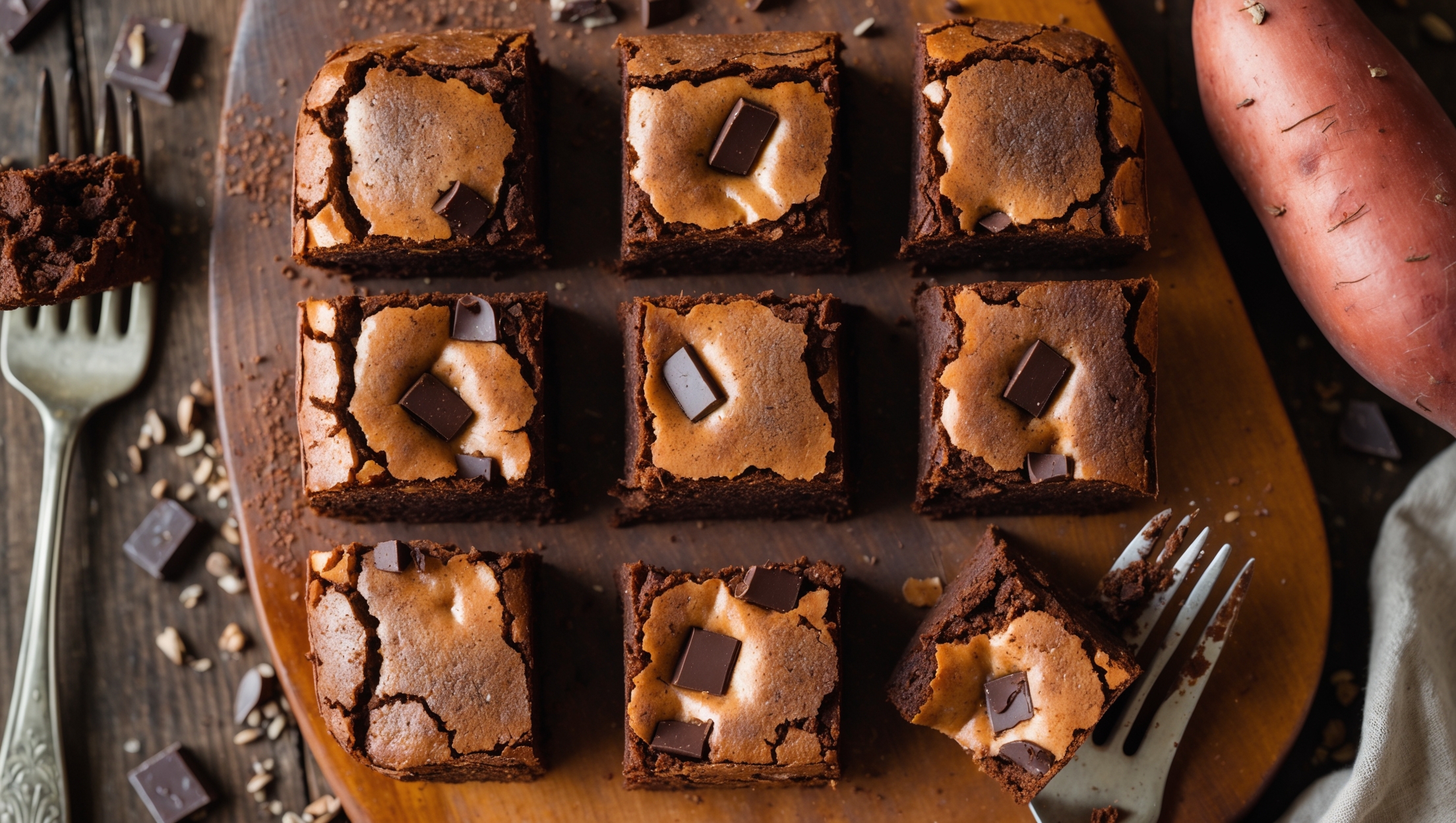
Recipe to try: Sweet Potato Brownies. These brownies use sweet potato in their own formula. Treat them as a separate option, not a direct conversion of a conventional brownie batter.
IN PICTURES
From the baking notebook
FROM THE RECIPE BOX


