On this page
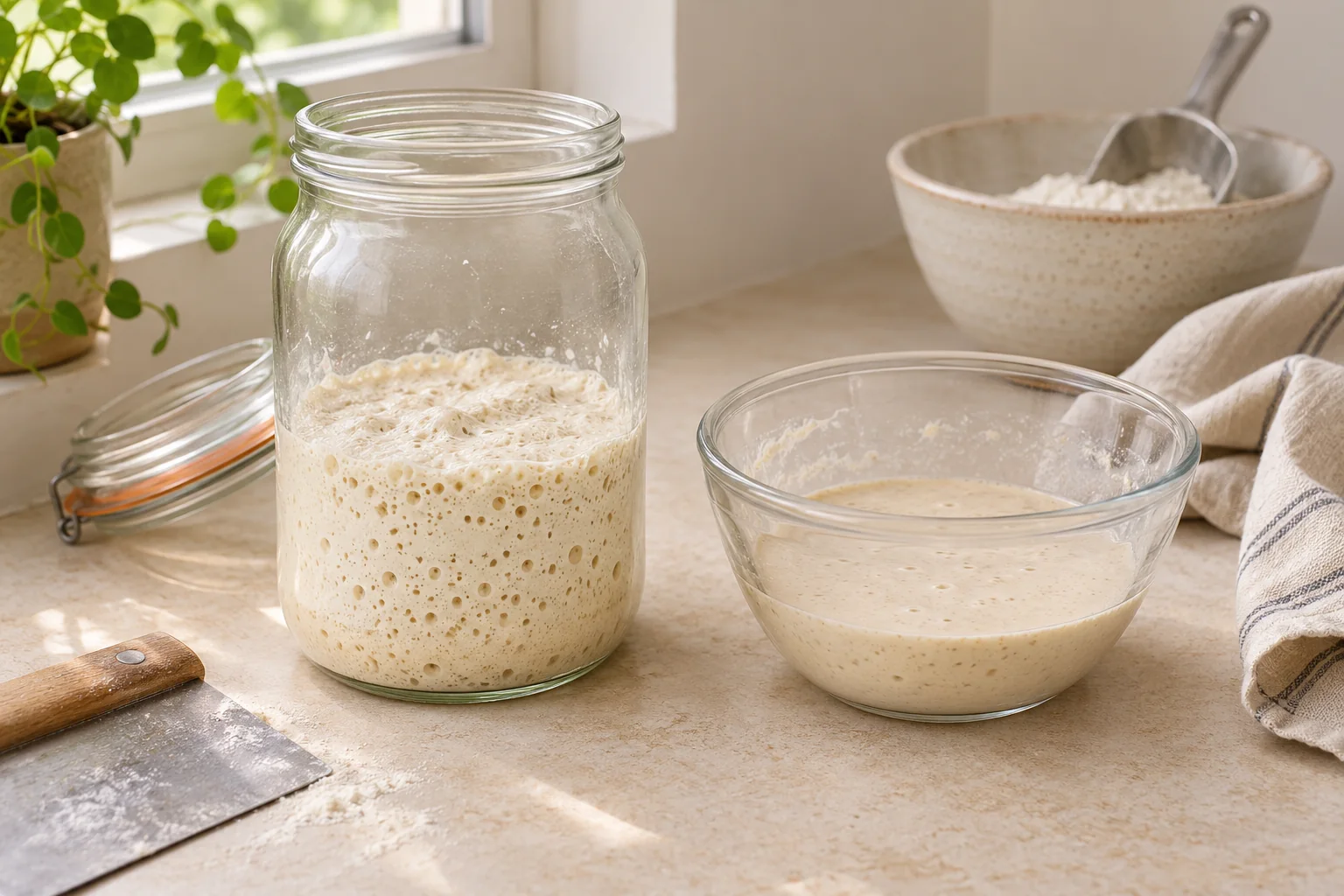
If you maintain a sourdough starter, you will probably hear the instruction to discard some before feeding. For beginners, throwing away part of a living culture can feel wasteful. The name is misleading, though: sourdough discard simply means a portion removed from the maintenance jar rather than immediately refreshed for bread. With a healthy established starter and proper handling, that portion can be useful in recipes designed around its flour, water and acidity.
What exactly is sourdough discard?
Discard is existing starter removed before a feeding to keep the culture at a manageable size. It often contains flour, water, yeast and lactic-acid bacteria, but its activity depends on when it was last fed. It is not automatically spoiled or useless; it is simply starter not retained as the seed for the next refreshment.
Why bakers discard before feeding
Without removing any starter, giving equal-weight fresh flour and water at each feeding makes the jar grow quickly. Discard controls quantity and keeps the proportion of old fermented starter to new food suitable for your maintenance schedule.
Discard versus ripe starter
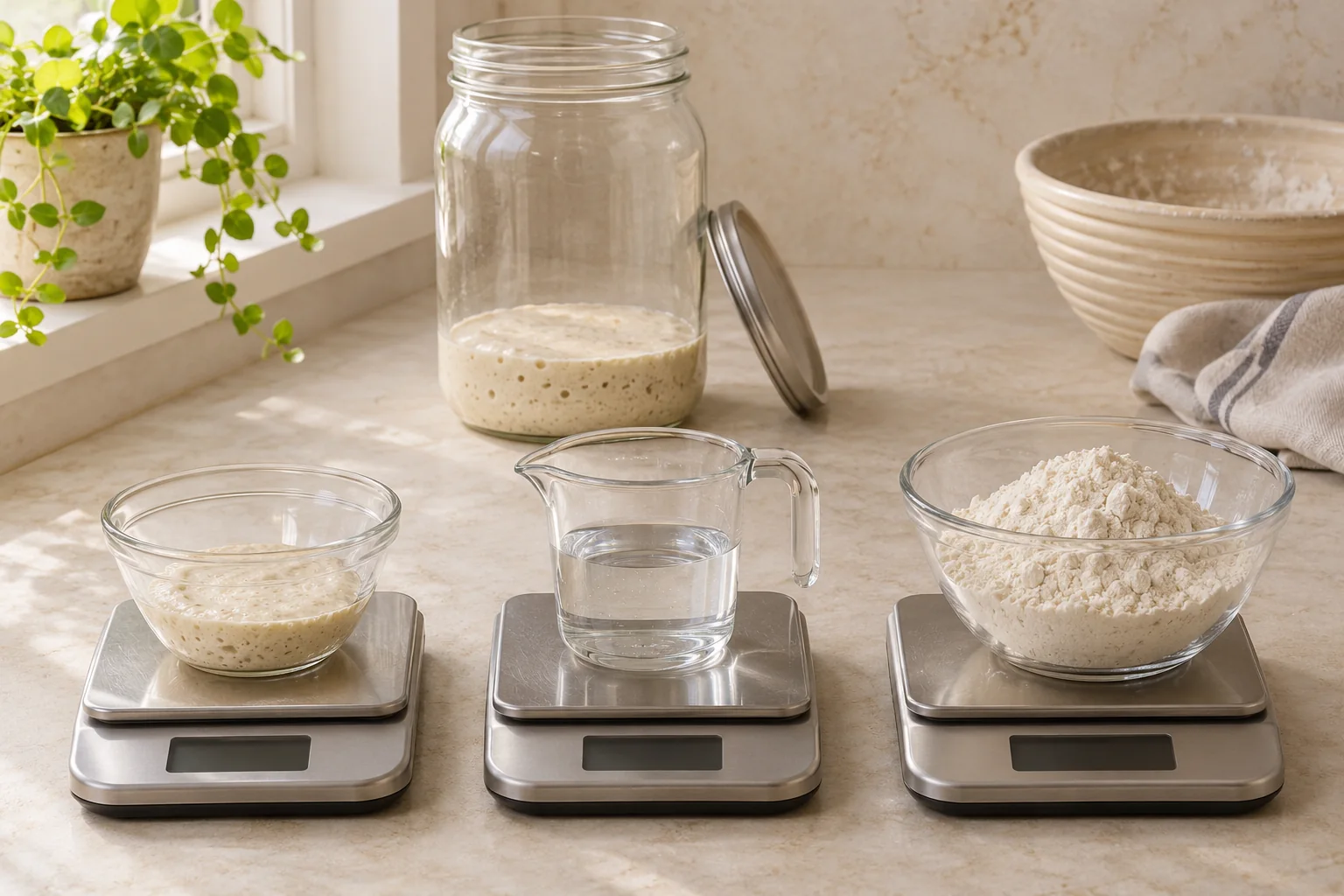
Ripe starter is usually used near the stage when its leavening activity suits the bread recipe. Discard may be past peak and can have less predictable rising power. You generally should not replace ripe starter with old discard in a naturally leavened lean loaf unless the recipe explicitly accounts for its condition.
Recipe to try: Sourdough Country Loaf. The loaf calls for active starter. Check its maturity and the dough’s fermentation cues before moving on to shaping.

Why discard adds flavour
Because it has been fermented, discard can contribute tang, mild complexity and acidity to batters. Its flavour depends on the starter's flour, hydration, feeding schedule and age. A very sour discard may dominate delicate vanilla cakes; a recently removed portion may taste milder.
What discard adds to a recipe
At 100% hydration, discard contains equal weights of flour and water. For instance, 100 g of such discard contributes approximately 50 g flour and 50 g water, excluding minor fermentation losses. A purpose-built discard recipe accounts for those contributions. Pouring it into an ordinary muffin formula without adjustment can alter moisture and texture.
Can discard leaven baked goods?
It may contain live yeast, but its leavening strength is variable. Many discard pancakes, waffles and crackers use baking powder or baking soda and do not depend entirely on discard activity. Some long-fermented recipes use discard differently, with sufficient time and appropriate microbiological activity. Use the specified method.
Best use: discard pancakes
Pancakes are a forgiving way to use established discard, giving a tangy flavour and tender texture when formulated correctly. A tested recipe balances the discard with eggs, milk, flour and chemical leavening as needed. Don't assume all sourdough pancakes require overnight fermentation.
Best use: crackers
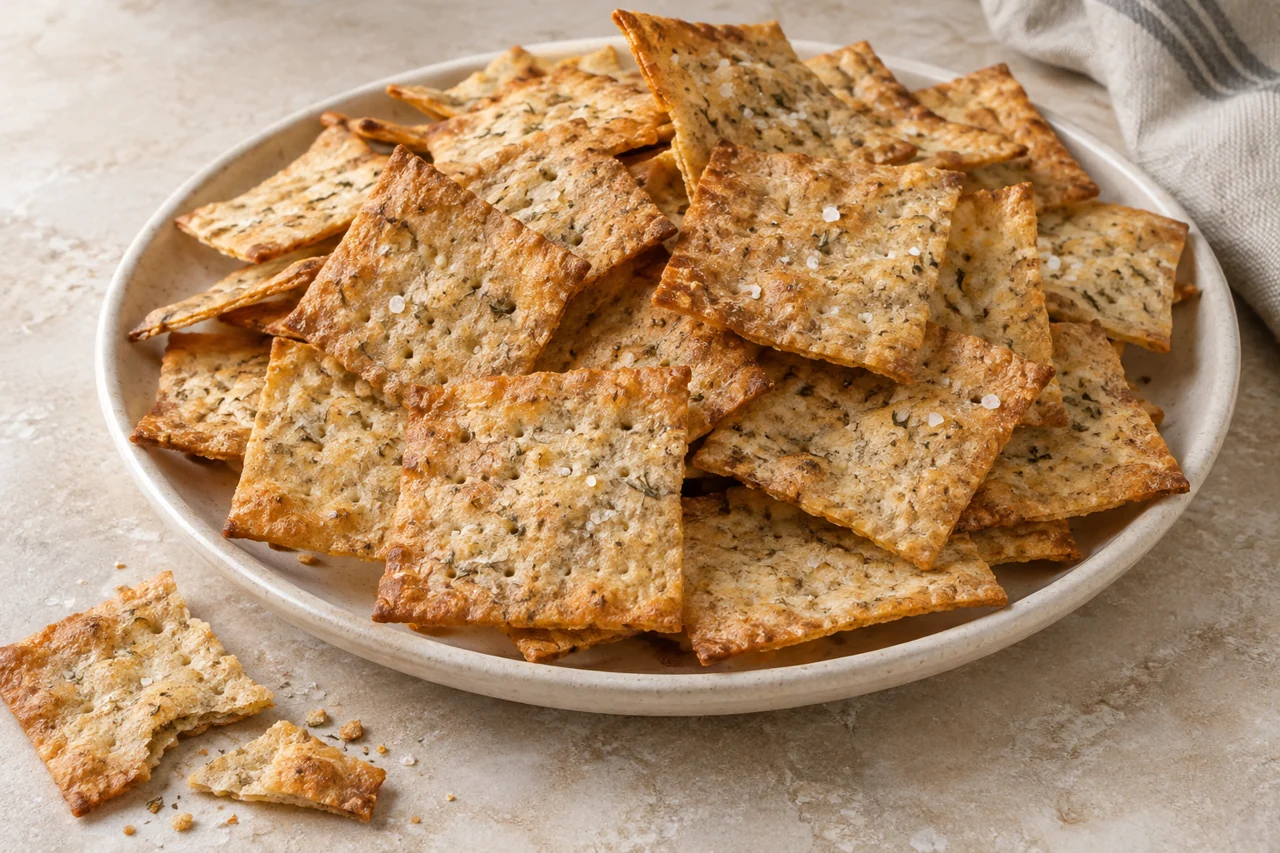
Discard crackers often combine the starter with fat, salt and seasonings before being rolled thin and baked crisp. The goal is flavour and an easy way to use extra fermented flour, not a large yeasted rise. Thickness and baking time control crunch, so follow a purpose-built cracker recipe.
Recipe to try: Sourdough Crackers. These crackers use sourdough discard. Use discard from a healthy established starter and bake it fully; this is not a raw-starter snack.
Best use: waffles
Discard waffles can have a pleasantly tangy interior and crisp exterior when the batter is correctly formulated. Some recipes mix a portion the night before; others are quicker. Use safe handling for egg- and dairy-containing batters and observe the recipe's permitted resting temperature and duration.
Best use: muffins or quick bread
Some muffins and loaf cakes are written to incorporate discard as a measured ingredient. These formulas account for its water, flour and acidity. If the recipe calls for 120 g discard, weigh it rather than adding a random half-jar to leftover cake batter.
Can you use it in cookies?
Yes, in recipes specifically developed for sourdough discard. The additional liquid can affect cookie spread and chew, so an ordinary cookie recipe might require reformulation. Don't assume the fermented flour improves every cookie flavour equally; chocolate and spice may pair more naturally than a delicate shortbread.
Can discard replace buttermilk?
Not directly. Discard contains substantial flour as well as water and acid, while buttermilk is a dairy liquid. Both may contribute tang but have very different composition. Choose a tested conversion that accounts for the flour and water already present in the discard.
How much discard should you save?
Save only an amount that you'll realistically use under the recipe's storage guidance. A smaller maintenance starter produces less discard in the first place. If you want enough for a specific batch of waffles, plan the build rather than storing an ever-growing container of old starter.
Storing healthy discard
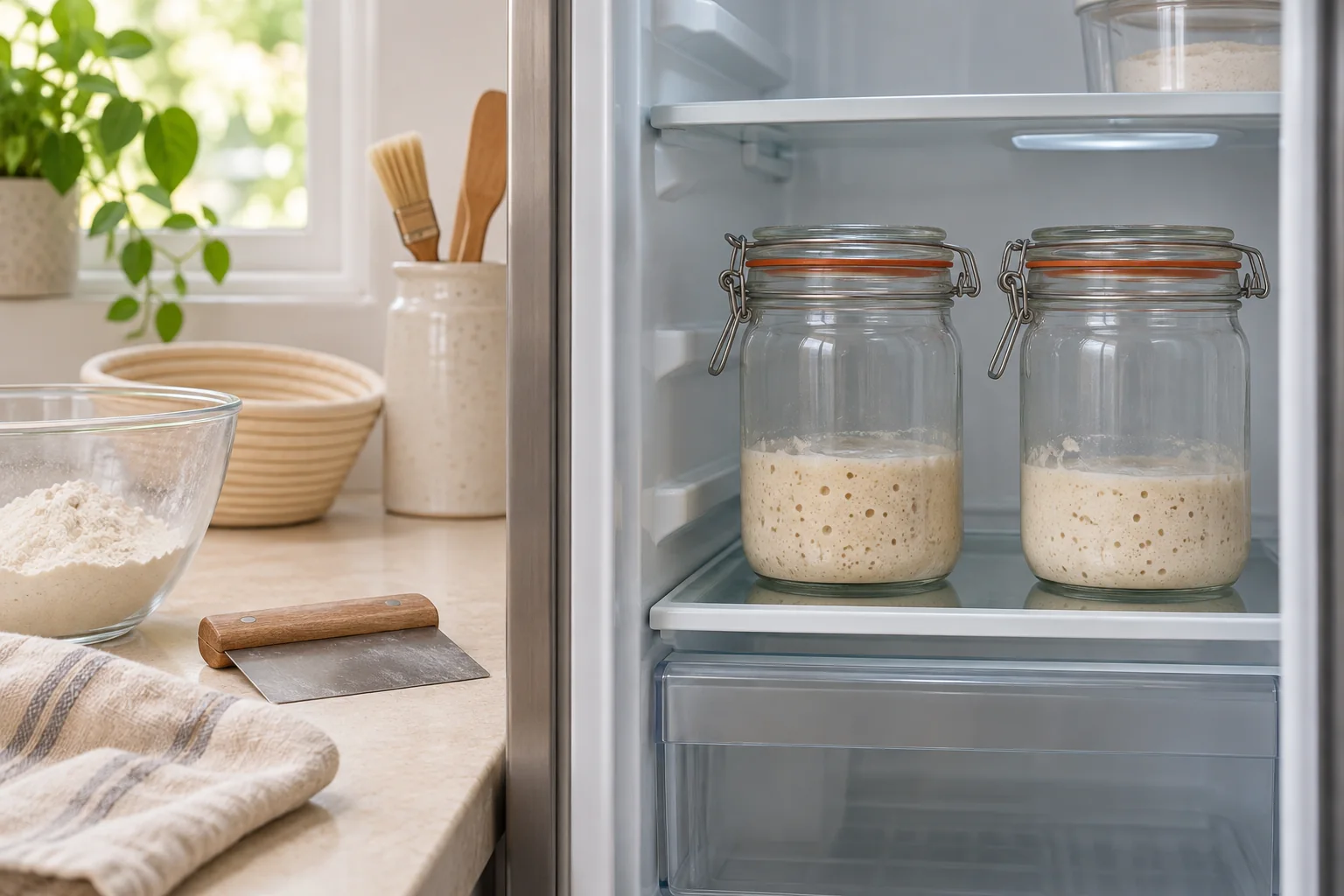
An established starter's discard may be refrigerated in a clean covered food-safe container for the period allowed by the intended recipe or an authoritative starter guide. Label the date and avoid contamination from utensils. Refrigeration slows fermentation but doesn't make any mixture safe indefinitely.
Don't save very young starter discard for food
In the early days of developing a new culture, the microbial community can be unstable. For food-safety prudence, do not use discard from a brand-new immature starter in recipes until the culture is well established and following reliable guidance. Baked products still require proper time and temperature controls.
Signs to discard the discard
Visible mold, pink or orange streaks, rotten odours or a contaminated container mean it should be thrown away. Never scrape off mold and use the lower portion. Distinguish ordinary sour smell from genuinely suspicious spoilage, and err on the side of safety if uncertain.
What is dark liquid on top?
An established hungry starter can develop a greyish or brownish alcoholic liquid, often called hooch. This usually indicates feeding is overdue. But unusual coloured growth or contamination should not be dismissed as hooch. Follow starter-care guidance and discard anything showing mold or other suspicious changes.
Do you need to bring discard to room temperature?
Some formulas use cold discard directly while others prescribe a particular temperature or rest. The method depends on batter mixing and the leavening system. Use the recipe's instructions rather than warming old discard on the counter for an arbitrary amount of time.
Recipe to try: Sourdough Ciabatta. Ciabatta provides a different dough and loaf shape to practise with. Keep its hydration and handling instructions together.

Can you freeze discard?
Some bakers freeze portions for later recipe-specific use. Freezing may change microbial activity and texture, so it shouldn't be assumed equivalent to a fresh ripe starter for leavening bread. For a discard recipe, follow its freezing and thawing guidance and label portions accurately.
Reducing waste with a tiny starter
Maintain a small seed culture and build more only before baking. For example, keeping 20 g starter with proportionate feeds can make less routine excess than keeping several hundred grams.
Can you bake discard raw?
No. Sourdough discard contains raw flour, which can carry harmful microorganisms. Do not taste raw discard batter or treat fermentation as a substitute for cooking. Follow the recipe's proper baking or cooking instructions and safe handling of eggs and dairy.
Frequently asked questions
Is discard the same as unfed starter? It often is a removed portion that hasn't just been refreshed. Can it make bread rise? Sometimes, but not reliably as a ripe starter substitute. Can you eat it raw? No. Is it waste? Not necessarily. Can you keep adding new discard to one jar? Only with controlled safe handling and storage; smaller fresh batches are often simpler.
Less waste, more useful baking
Treat discard as a measured fermented ingredient, not a mysterious free extra. Keep a manageable mother starter, save healthy established discard only when you have a plan to use it, and select recipes developed for its moisture and acidity. You can enjoy pancakes, crackers and muffins without compromising the starter you need for bread.
IN PICTURES
From the baking notebook
FROM THE RECIPE BOX


