
On this page
Weekends create space for baking projects that feel a little more special than a quick weekday muffin. Children can knead soft dough, cut shapes, layer fillings and watch ingredients change in the oven. The most successful projects aren't necessarily the most elaborate; they're the ones with enough hands-on steps for everyone, a manageable schedule and a result the family enjoys sharing.
Choose by time rather than appearance
A fancy photograph may conceal overnight proofing, repeated chilling and delicate decorating. Read the full recipe before promising fresh cinnamon rolls in an hour. For a relaxed Saturday, choose a project with an achievable hands-on period and an oven or resting stage that fits your family's other plans.
Set up a safe workspace
Keep hot trays, ovens, electric mixers and sharp knives under adult control. Use a stable work surface for children and offer suitable blunt tools. Wash hands before food preparation and after handling raw flour or eggs. Raw batter and cookie dough should not be tasted because untreated flour may contain harmful microorganisms.
Project one: oversized chocolate chip cookies
A reliable drop-cookie recipe lets children weigh chocolate, scoop dough and compare how shape affects spread. Older children can use a scale to portion equal dough balls, while younger children add chips from a measured bowl. Bake completely and cool before eating; the dough itself is not a safe snack.
Recipe to try: Classic Chocolate Chip Cookies. Follow this recipe’s ingredient amounts and complete method.

Project two: decorated sugar cookies
Prepare a tested cutout dough that can be rolled and chilled. Children can use large food-safe cutters, while adults handle hot sheets and any sharp tools. Decorate only after cookies cool. A few coloured glazes often work better than dozens of tiny decorations that create clutter and potential choking issues.
Project three: blueberry muffins
Muffins offer fast results and a pleasant chance to measure wet and dry ingredients separately. Let children place liners, add measured berries and observe how batter rises. Avoid overloading fruit, which may release water and create gummy centres. Mini muffins require their own bake time.
Recipe to try: Blueberry Muffins. Follow this recipe’s ingredient amounts and complete method.

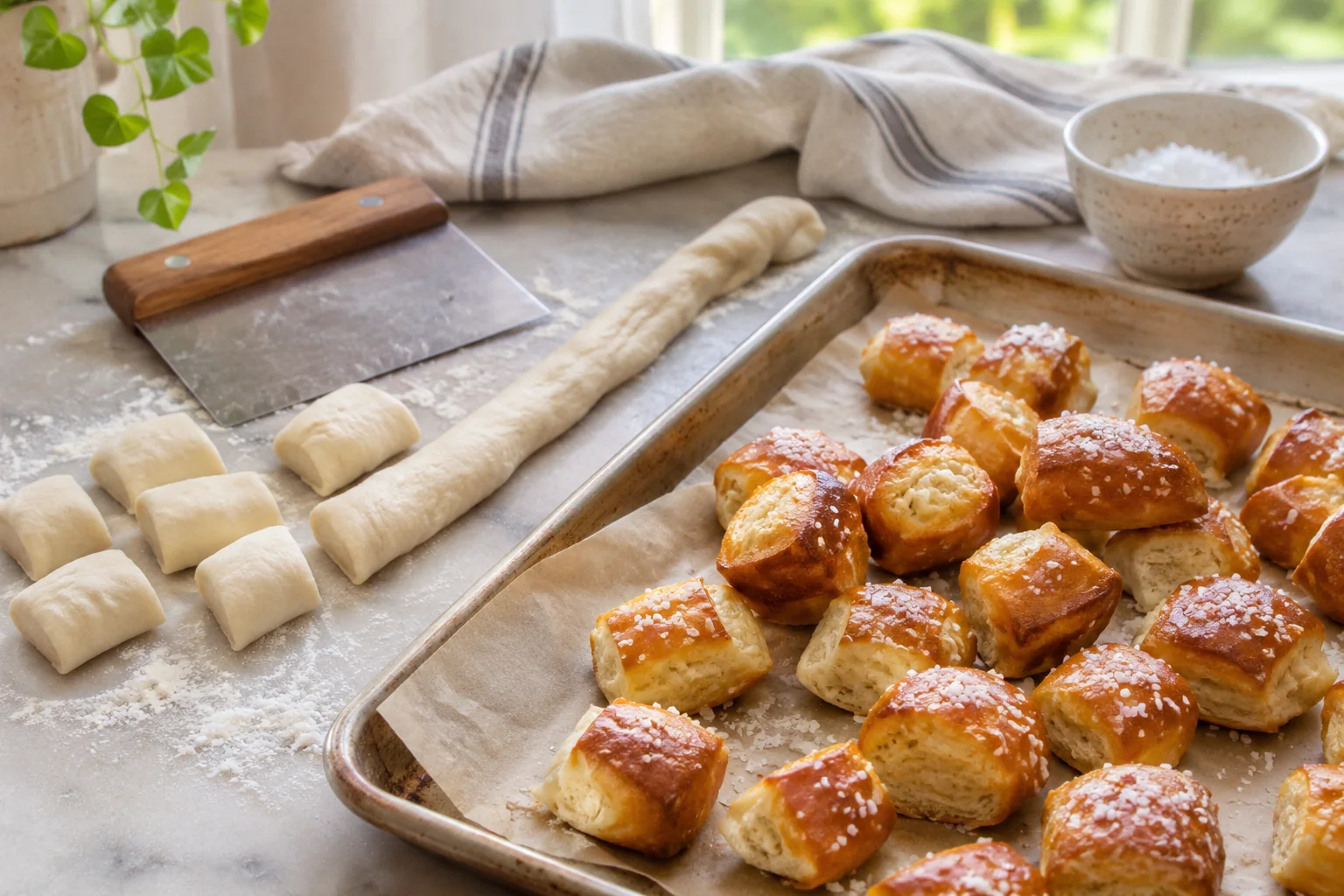
Project four: soft pretzels
A yeast dough can introduce proofing and shaping without the complexity of laminated pastry. Older children may enjoy rolling ropes and forming loops. Any boiling alkaline dip, hot water or other hazardous stage belongs to the adult, and some pretzel methods need particular precautions.
Recipe to try: Soft Pretzel Bites. Follow this recipe’s ingredient amounts and complete method.
Project five: cinnamon rolls
Cinnamon rolls are suited to a longer weekend because the dough may need kneading, proofing, rolling, filling and a second rise. Children can spread cooled softened butter or sprinkle measured cinnamon sugar. Adults should handle sharp slicing tools and the hot oven. Choose a tangzhong or traditional recipe whose timeline suits your day.
Recipe to try: Cinnamon Rolls. Follow this recipe’s ingredient amounts and complete method.

Project six: homemade pizza dough
Savoury baking counts too. A simple pizza dough helps children experience flour hydration, kneading and yeast growth. Divide dough into manageable portions and add toppings that can cook safely. Any raw meat toppings need recipe-appropriate handling and cooking; vegetables and cheese make a simpler family activity.
Project seven: focaccia art
A tested focaccia dough can become a canvas for sliced peppers, herbs and tomatoes. Older children can arrange an edible pattern before baking. Keep decoration modest so wet vegetables don't overwhelm the dough, and avoid leaving raw dough at unsafe temperatures beyond the recipe's fermentation plan.
Recipe to try: Rosemary Focaccia. Follow this recipe’s ingredient amounts and complete method.

Project eight: apple crumble
An apple crumble lets children wash fruit, mix an oat topping and distribute it over prepared fruit. Adults handle cutting and the oven. The fruit must be cooked to the recipe's tenderness and the topping fully baked. Serve after cooling enough to avoid burns from hot bubbling fruit.
Project nine: a simple layer cake
Bake a small cake and allow it to cool fully, then let children help spread frosting. A two-layer cake is more manageable than a very tall decorated stack. Use a stable filling and keep perishable cream or fruit components refrigerated until appropriate service.
Project ten: homemade bread rolls
Small bread rolls can teach dough division, shaping and the patience needed for fermentation. Portion dough using a scale for older children, then let everyone form one roll. Expect imperfect shapes and compare how even-sized portions bake. The adults supervise proofing conditions and hot pans.
How to choose for preschoolers
Younger children benefit from short tasks such as pouring, mixing, lining muffin tins and pressing shapes with blunt cutters. Complex scoring or hot sugar stages are inappropriate. Prepare measured ingredients ahead so a few minutes of participation feels productive.
How to choose for school-aged kids
Children who read confidently may follow a checklist, use a digital scale and help portion dough. An adult still controls sharp tools, ovens and raw-ingredient hygiene. Make skill progression visible by letting the child lead one safe step at a time.
How to choose for teenagers
Older, experienced children can take more responsibility for planning, measuring and understanding dough temperature with appropriate supervision. Encourage them to read the entire recipe and manage a timer. Match freedom to demonstrated judgement rather than a rigid birthday rule.
Turn waiting time into a useful activity
When dough proofs, children can label gift bags, write a recipe card or prepare a cool decorating station. Don't repeatedly poke or warm fermenting dough simply to accelerate the process. Some rests are essential to texture and structure.
A weekend family challenge
Let each participant select one approved flavour or shape within the same base recipe. For example, portioned muffins can use a tested choice of blueberry or cinnamon topping. Avoid making major untested liquid changes, which can distort the recipe and lead to unfair comparisons.
Avoid competitive pressure
A younger child's crooked pretzel and an older child's neat one can both be celebrated. Talk about aroma, texture and what each baker learned, rather than ranking the results. The activity should build confidence and willingness to try again.
Plan food safety for sharing
Check ingredient restrictions before baking for neighbours, friends or school. Home equipment may have allergen cross-contact that matters to a recipient. Label ingredients accurately and don't promise that a homemade treat is universally allergy-safe.
Make cleanup part of the project
Assign tasks that match age and skill: sorting clean cutters, wiping a cool table or washing suitable bowls. Adults handle hot trays, knives and any equipment exposed to raw eggs. End with a clean work surface and a properly stored baked treat.
A balanced weekend schedule
Choose one substantial project for Saturday, such as pretzels or cinnamon rolls, and a shorter bake for Sunday if desired. This keeps baking a pleasure rather than turning two days into a production schedule. Freeze appropriate extras according to the recipe.
Enjoy the finished results together
Share warm rolls with soup, present cookies on a family plate or package a few cooled muffins as gifts. The meaningful part is seeing ingredients become food together. A well-chosen project gives children confidence, familiarity and the pleasure of making something real.
Related recipe: Mini Muffins (Banana, Zucchini, or Apple – nut-free versions).
IN PICTURES
From the baking notebook
FROM THE RECIPE BOX


