
On this page
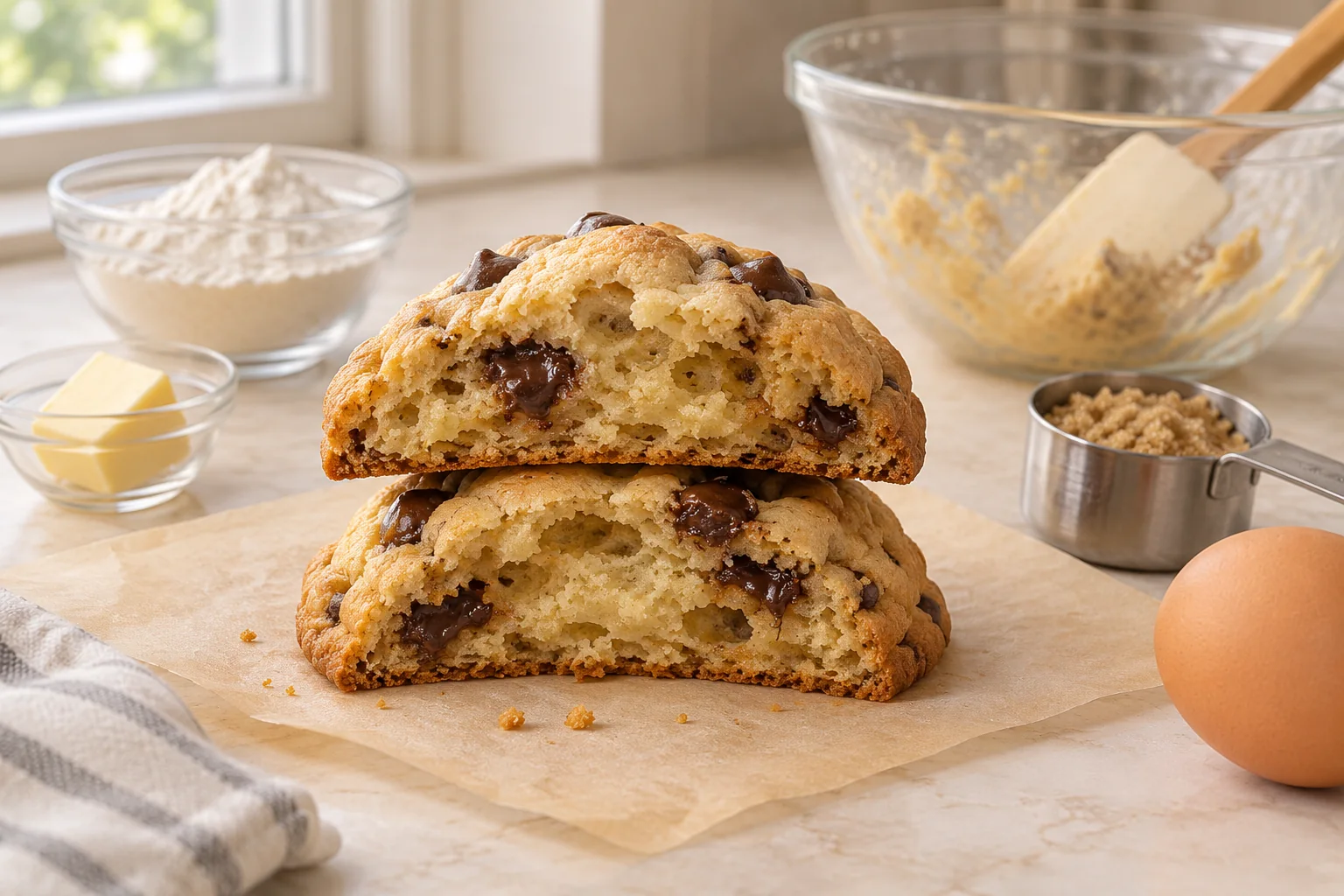
Let the cookie cool, then break it and take a bite. A soft cookie gives way readily. A chewy one offers some resistance before it breaks. Both can have crisp edges, so judge the centre separately.
What a soft cookie feels like
A soft sugar cookie or frosted bakery-style round often has a fine tender crumb that breaks with little force. It may be thicker and lighter than a dense chewy cookie. The tenderness comes from the full ingredient balance and method, including flour type, fat and leavening. A cookie that is soft because it remains raw inside is not the same as a properly baked tender cookie.
Break open Soft Ginger Cookies after cooling and look at the fine crumb.

What a chewy cookie feels like
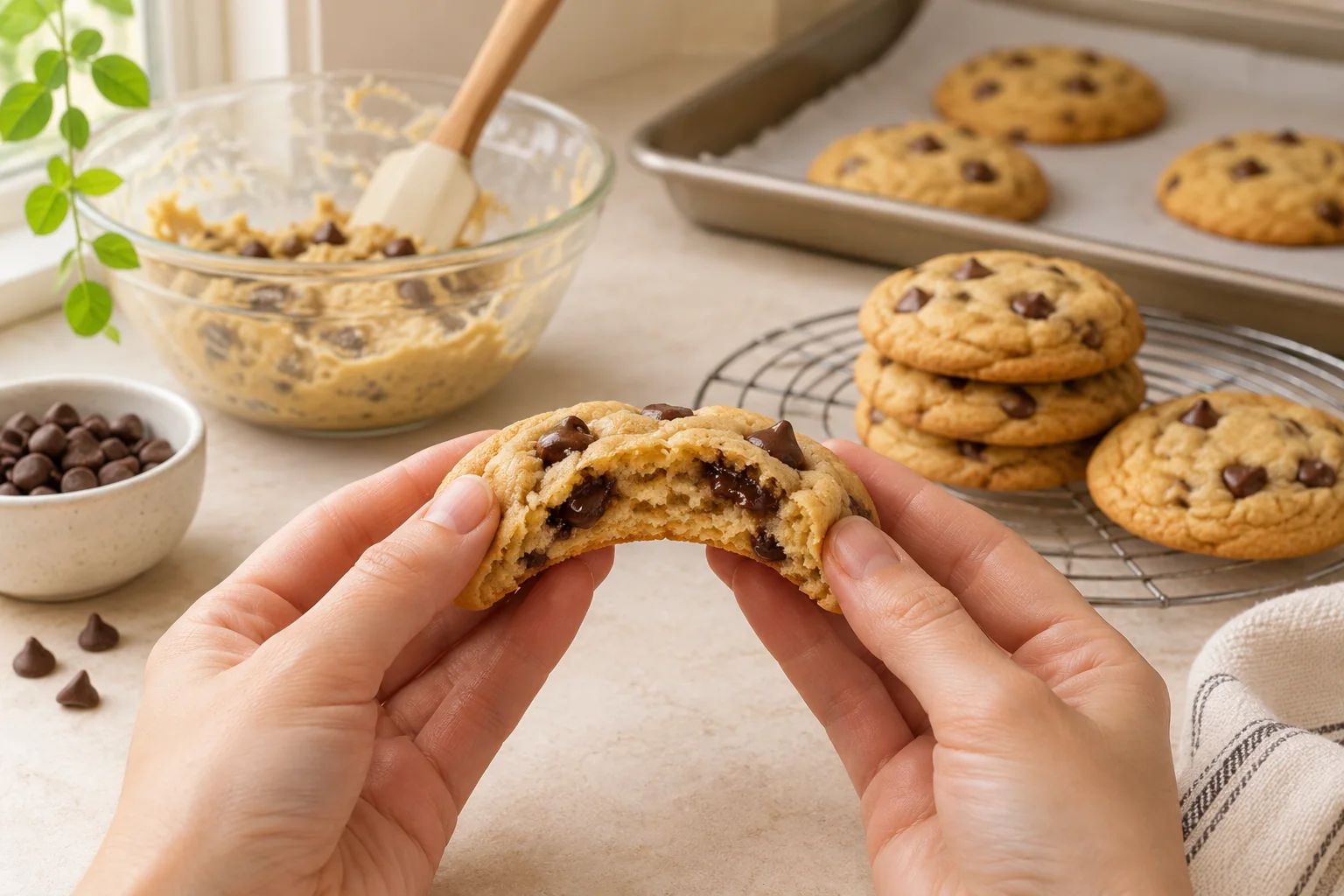
Chewy chocolate chip or oatmeal cookies usually have a cohesive interior that bends slightly before breaking. Some resistance comes from the structure created by flour proteins and starch, while sugars and moisture affect flexibility. A chewy center need not be gummy or undercooked. The outer rim may be lightly crisp, producing a pleasant contrast that a uniformly cakey cookie doesn't have.
Compare that bite with the resistance of Chewy Ginger Cookies.

Sugar changes texture
Granulated sugar and molasses-containing brown sugar contribute different moisture and texture effects. A higher proportion of brown sugar often encourages chew in certain doughs, while white sugar can help some cookies become crisper. But these are tendencies within complete formulas, not guarantees. Changing sugar ratio can also influence spread, pH and browning, so avoid altering it without considering the leavener.
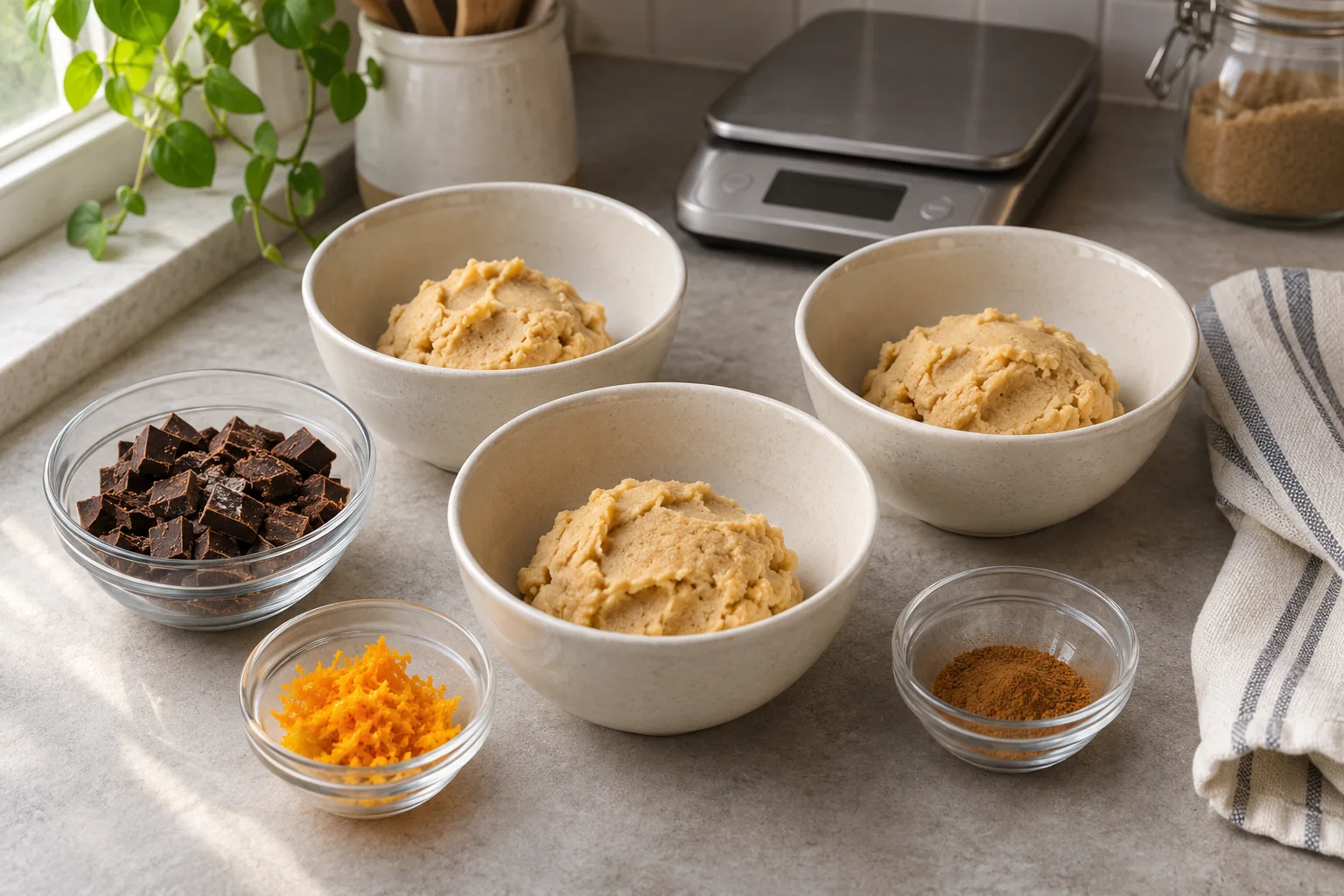
How fat state matters
Creamed softened butter can incorporate air, while melted butter doesn't trap the same bubbles. Some chewy cookie recipes deliberately use melted butter and a refrigerated rest. Soft cakey cookies may use a creaming process or another tenderizing method. Butter also contains water and milk solids; oil does not behave identically. The recipe's specified fat state should be treated as structural guidance.
For an example that starts with browned butter, try Brown Butter Ginger Cookies.
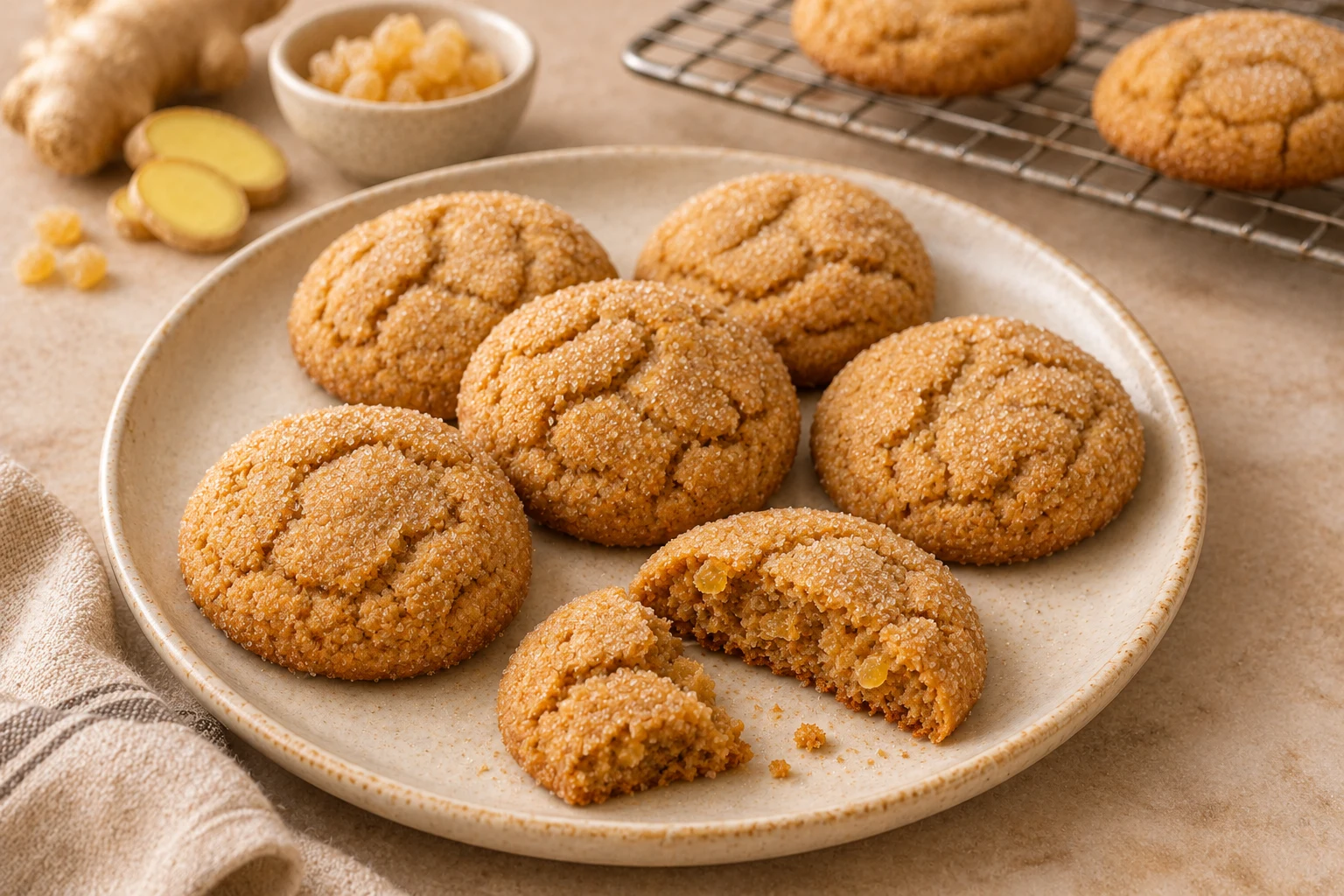
Egg whites and yolks
Yolks bring fat and emulsifying components, while whites contain substantial water and proteins. Some chewy-cookie formulas use an extra yolk to enrich the center, but simply adding one to any dough may change spread and thickness. More whole egg can move a formula toward cakier texture in some circumstances. Use a tested variation rather than treating egg parts as universal texture switches.
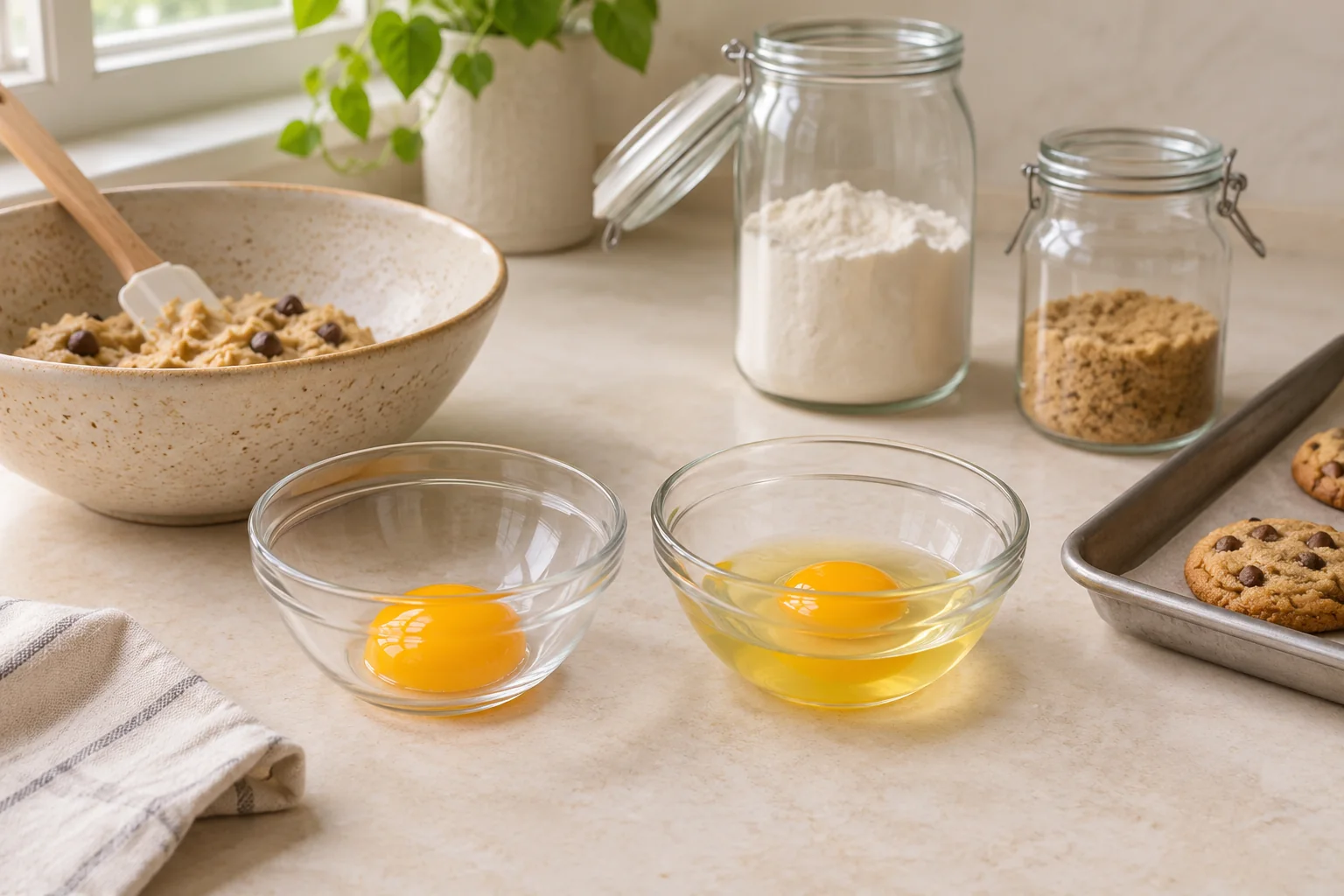
Flour proteins and chew
Hydrated wheat proteins can develop gluten, providing elasticity and some chew. Strong flour may be used in certain chewy bakery cookies, while lower-protein flour can encourage tenderness in other formulas. However, more mixing isn't automatically better: overworking a tender sugar cookie may make it tough. Choose flour and mixing for the intended bite.
Cornstarch and tenderness
Some soft-cookie recipes include a measured amount of cornstarch to modify flour balance and encourage a delicate crumb. Adding large quantities to a chocolate chip recipe can create a powdery texture and weaken structure. It doesn't guarantee softness after prolonged storage. Select a recipe developed with starch if that is the texture you prefer.
Leavening changes the crumb
Baking powder and baking soda affect gas production and pH differently. Some soft thick cookies use a formula with lift, while a chewy cookie may rely more on spread and compact structure. Excess leavener can create a cake-like or collapsed cookie with unpleasant flavor. Don't swap powder for soda by equal volume just to pursue chewiness.
Cookie size and shape
A thick large cookie takes longer to bake through than a small flattened portion. The same formula may feel softer in a larger center and crispier in a thin mini cookie. Scoop weight and starting shape therefore influence texture. If you want a consistent comparison, weigh portions and follow tested bake times for that size.

Chilling the dough
Resting dough can help flour hydrate and butter firm, changing spread and sometimes flavor. Some chewy-cookie recipes use a long refrigerated rest, while certain soft sugar cookies are meant to bake immediately. Chilling isn't an automatic texture upgrade. A warm dough may spread too thin; an extremely cold one may stay tall and need a different bake endpoint.
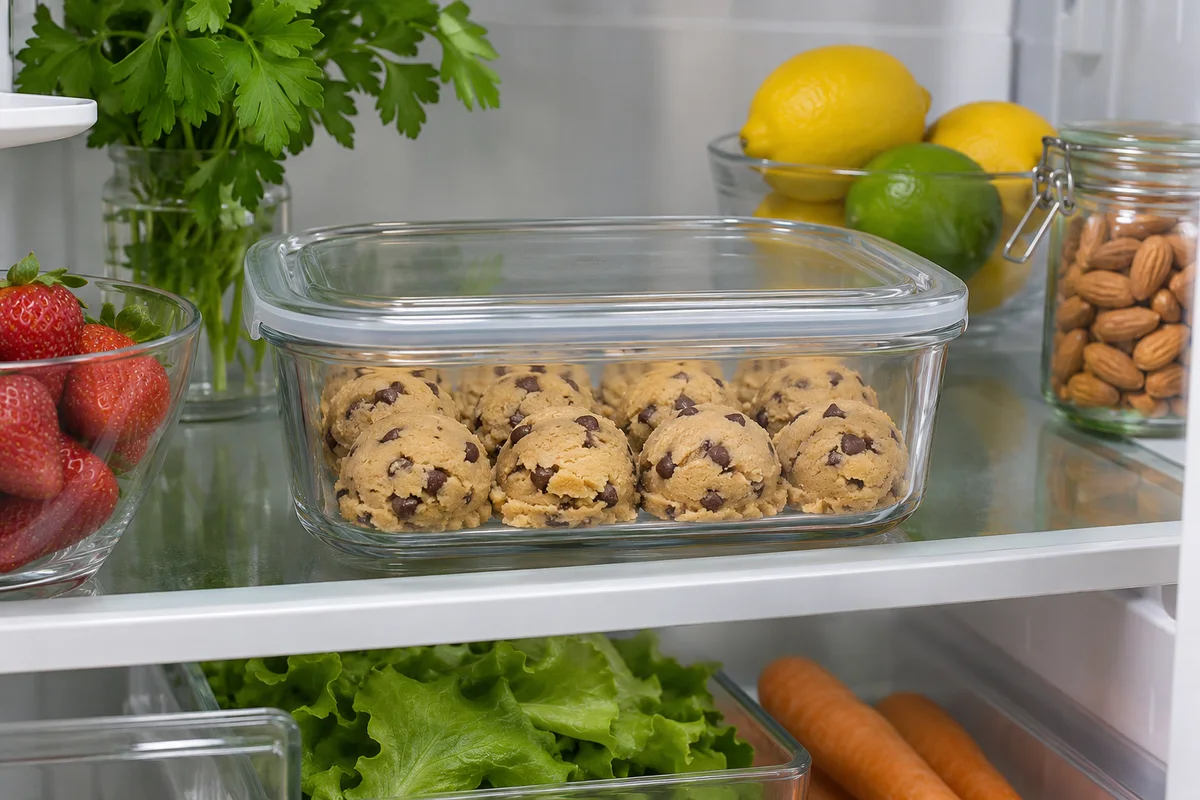
What underbaking looks like
A soft center may be desirable, but liquid raw batter is not an acceptable shortcut to tenderness. Many drop cookies continue setting as they rest on a hot baking sheet. Follow edge and center cues in a tested recipe, then evaluate after full cooling. Untreated raw flour and raw eggs can carry pathogens.
Carryover cooking
Cookies retain heat after removal from the oven, and the baking sheet can continue firming the bottom. Some recipes instruct leaving cookies on the tray for a few minutes before transfer. Moving too early can break a soft cookie, while leaving too long may dry it. The correct rest depends on size and pan material.
Why softness changes overnight
Moisture migrates between crumb, surface and surrounding air. A cookie with a tender center can harden if left exposed, while a crisp cookie stored with softer ones may lose its snap. Brown sugar may influence moisture retention in some recipes but cannot defeat poor storage. Cool completely and separate textures when packaging.

The difference between soft and cakey
Cakey cookies are relatively aerated and light, sometimes with a muffin-like crumb. Soft cookies can also be dense and tender without being cakey. A cookie with too much flour or baking powder may become puffy yet dry. Define whether you want a light cake-like bite or a rich tender center before changing ingredients.
The difference between chewy and gummy
Chewy dough has a cohesive structure that gives resistance. Gummy or paste-like centers may reflect underbaking, excess liquid or unsuitable flour ratios. A dramatic tall cookie can conceal raw batter beneath a browned exterior. Choose recipe-tested portion sizes and fully bake the center to the intended endpoint.
Chocolate chip examples
A classic chewy chocolate chip formula may combine brown and white sugars, melted or softened butter according to method, and enough structure to hold chocolate pieces. A thick soft chocolate chip cookie can use a different flour and leavening balance. Neither style should be improvised solely through removing two minutes of baking time.
Use Classic Chocolate Chip Cookies as a baseline before testing a change to the sugar or fat.

Sugar-cookie examples
A soft frosted sugar cookie may be designed to rise slightly and remain tender under buttercream. A chewy sugar cookie may spread more and offer a denser buttery bite. A crisp cutout sugar cookie has yet another structure. The term sugar cookie describes flavor more than one universal texture, so read the recipe's visual and bite descriptions.
For Sugar Cookie with Buttercream Sandwich Cookies, taste the cookie separately from the filling to judge its texture.

Oatmeal-cookie examples
Rolled oats provide chew and absorb moisture, while quick oats distribute differently through dough. The ratio of flour, sugar and oats determines whether a cookie feels hearty and chewy or soft and cake-like. Dried fruit also influences moisture. Use the oat type the author intended instead of treating all oatmeal cookies as naturally chewy.
In Oatmeal Chocolate Chip Cookies, the oats add a second kind of chew to the dough.

Freezing dough and baked cookies
Some cookie doughs freeze well as portioned balls, with recipe-specific baking adjustments. Finished cookies may also freeze if properly cooled and wrapped. Freezing won't fix an already dry batch, and thawing can create surface moisture. Label dough weights and baking instructions so the intended texture is reproducible later.
A controlled tasting test
Find two well-tested recipes, one specifically soft and one specifically chewy. Use consistent scoop sizes and allow cookies to cool fully before comparing. Note resistance, crumb fineness, edge crispness and sweetness. Avoid comparing a hot cookie from one recipe with a day-old cookie from another; serving temperature can alter the impression dramatically.
Troubleshooting a too-cakey cookie
Check if the dough contains excess flour, substantial leavener or an extra egg relative to its intended formulation. Review creaming time and scoop size. Rather than removing powder at random, look for a tested chewy version of the same cookie type. A dough cannot always be converted simply by shortening bake time.
Troubleshooting a hard cookie
If a cookie is hard rather than pleasantly chewy, it may have been overbaked, made too small or stored poorly. A high-sugar crisp formula may also be intentional. Check the center once cool and compare with the recipe. Adding more water to a finished cookie won't rebuild its structure.
IN PICTURES
From the baking notebook
FROM THE RECIPE BOX


