On this page
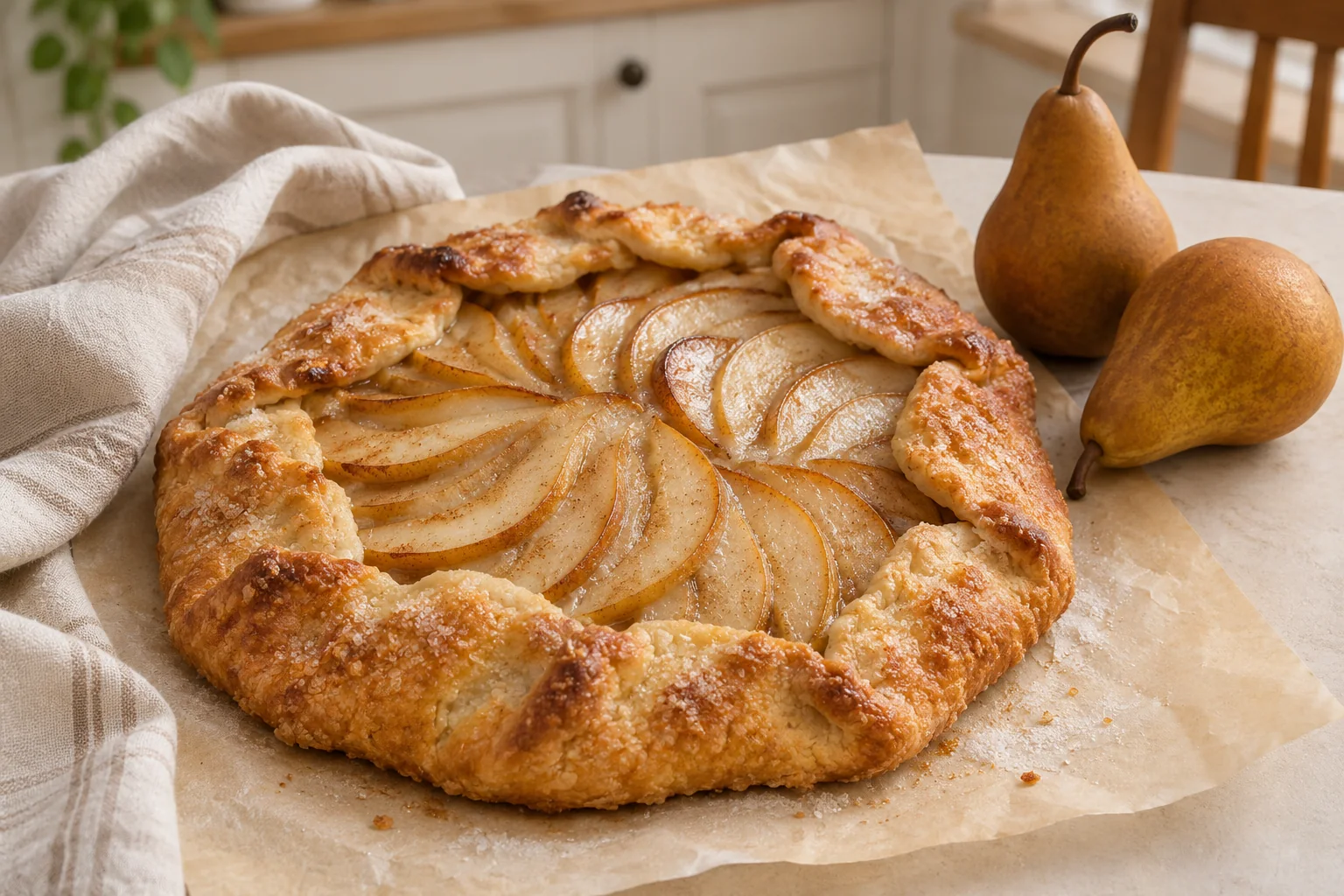
Pears can be wonderfully understated in baking. Their gentle sweetness and floral aroma work with vanilla, chocolate, maple, almonds and warm spices, giving you the comfort of a fall dessert without making everything taste like apple pie. Choose the right pear and it becomes a tender, juicy centerpiece; choose one that's too ripe for your method and the filling may turn watery.
Choose a pear crisp for an informal dessert, a pear and almond tart when you want neat slices, or ginger hand pies for individual portions. A ripe, still-firm pear gives you a little more control over shape and moisture in pastry.
Some technique and serving photographs are AI-generated editorial illustrations. Other photographs are from the linked recipes.
This guide covers pear desserts for fall, from simple weeknight bakes to elegant pastries, plus how to judge ripeness, prevent soggy crusts and choose flavours that let the fruit shine.
Which Pears Are Best for Baking?
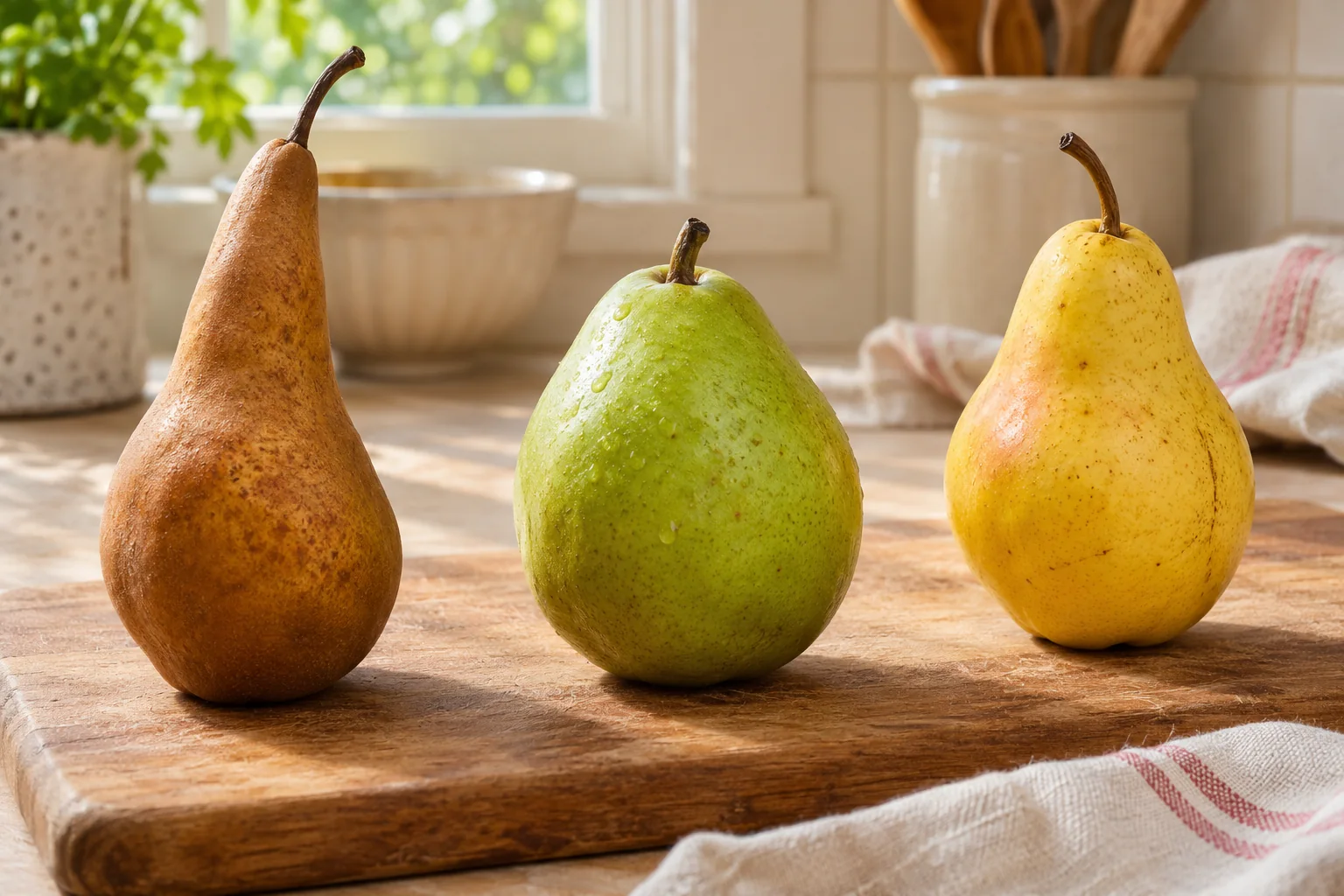
Bosc pears are often chosen for baking because their relatively firm flesh can hold its shape, particularly when they are ripe but not mushy. Anjou pears can also work in many cooked desserts. Bartlett pears are fragrant and may soften readily, which can be an advantage in a compote but less helpful for precise slices in a tart.
Use the variety and ripeness level specified by the recipe. Pears generally ripen off the tree; assess the neck near the stem with gentle pressure rather than squeezing the entire fruit. For recipes that require neat slices, choose pears that yield slightly but are not collapsing. A very hard pear may need more cooking than an overripe one.
To check ripeness, gently press near the stem. A pear that yields a little is ready to use.
1. Pear and Almond Tart
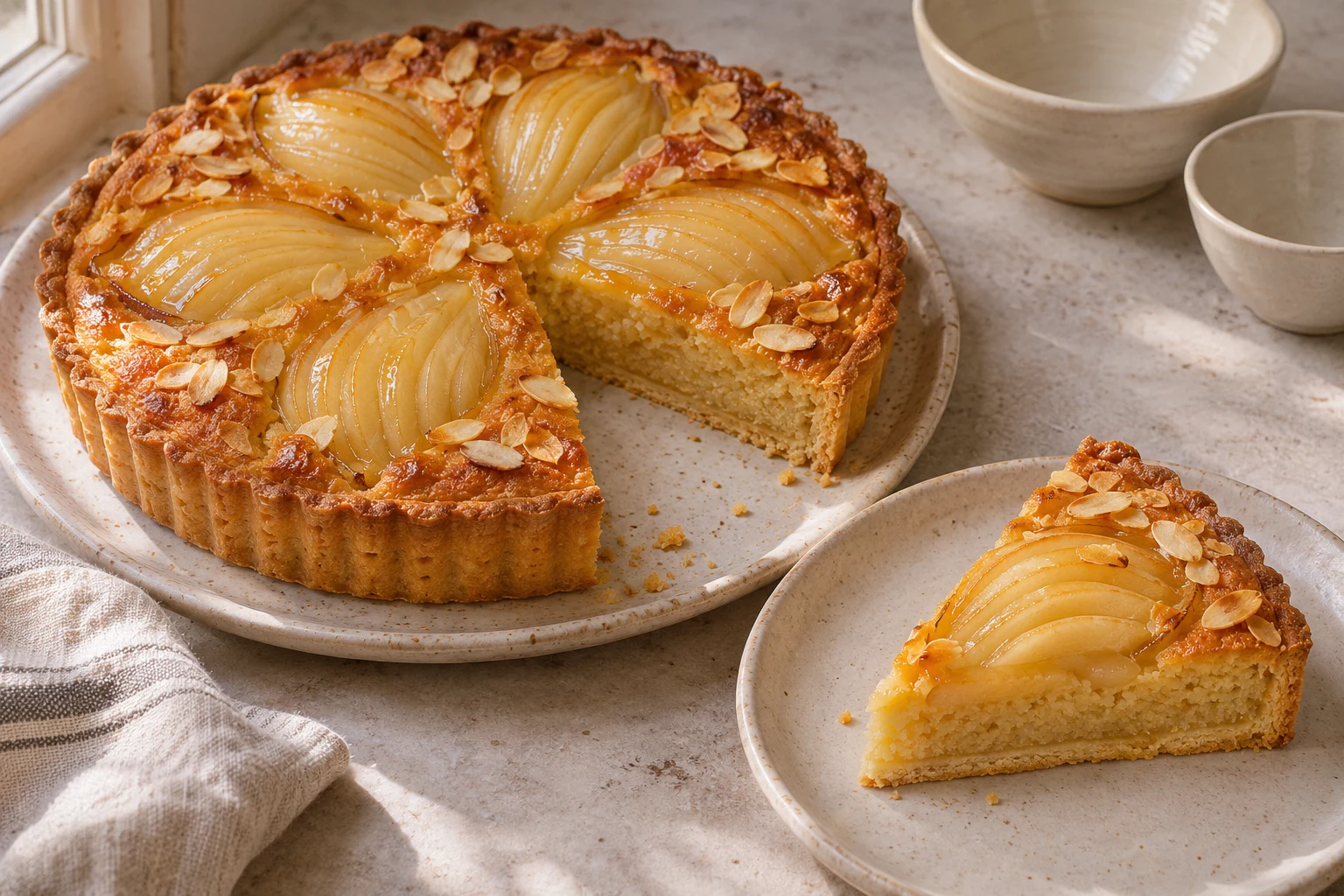
A pear-and-almond tart pairs delicate fruit with an almond-based filling, often frangipane. The contrast between flaky or sweet pastry and tender fruit is especially attractive on a holiday table. Select a recipe that specifies whether pears should be raw or poached and how thinly to slice them.
Frangipane is not simply chopped nuts; it is a formulated filling with ingredients that must bake through properly. Avoid overfilling the shell, and keep the tart level while baking. Clearly identify the almonds for guests with nut allergies.
Our Pear and Almond Tart uses firm ripe pears over frangipane. Bake the filling through before serving and keep raw egg-and-flour mixture away from ready-to-eat food.
2. Rustic Pear Galette
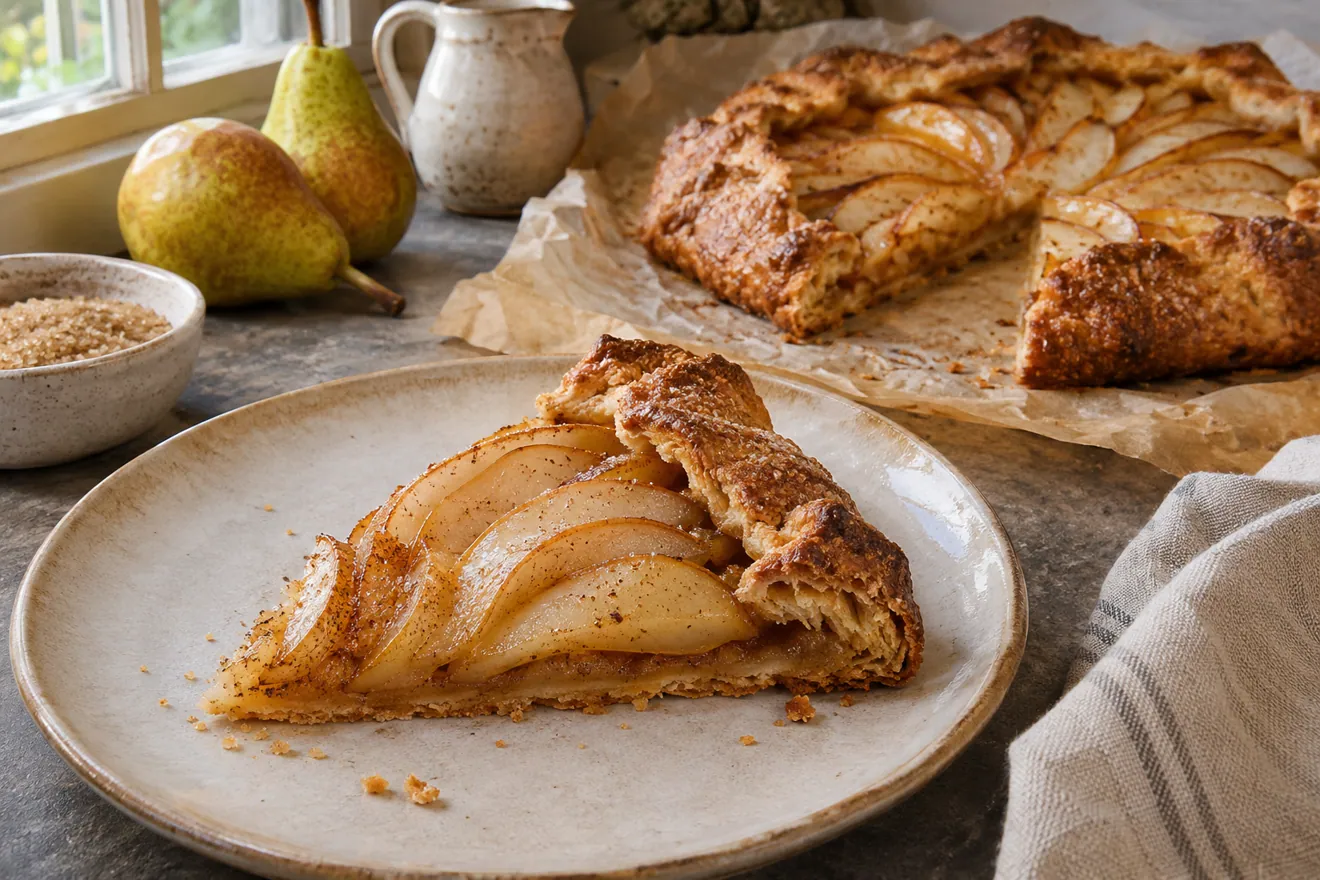
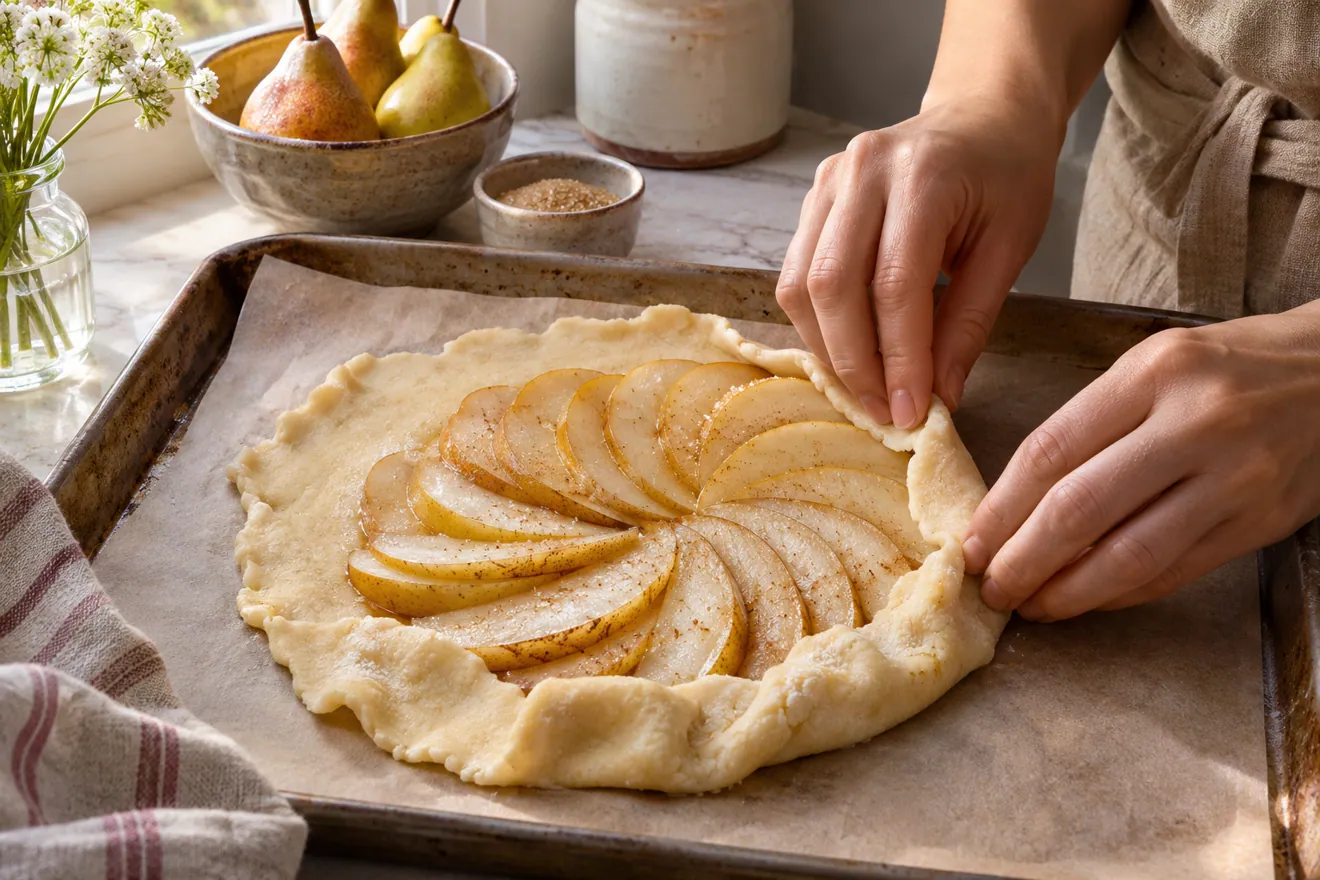
A galette offers much of a fruit tart's appeal without the precise fitting and trimming of a tart pan. Arrange pear slices on a pastry round, leaving a margin to fold over. The relaxed shape is part of the charm, but pastry temperature and moisture still matter.
Work with chilled dough and a pear filling whose thickener and sugar are measured according to the recipe. Too much juice can pool in the center and soften the bottom; the answer is a tested filling formula rather than arbitrarily adding flour.
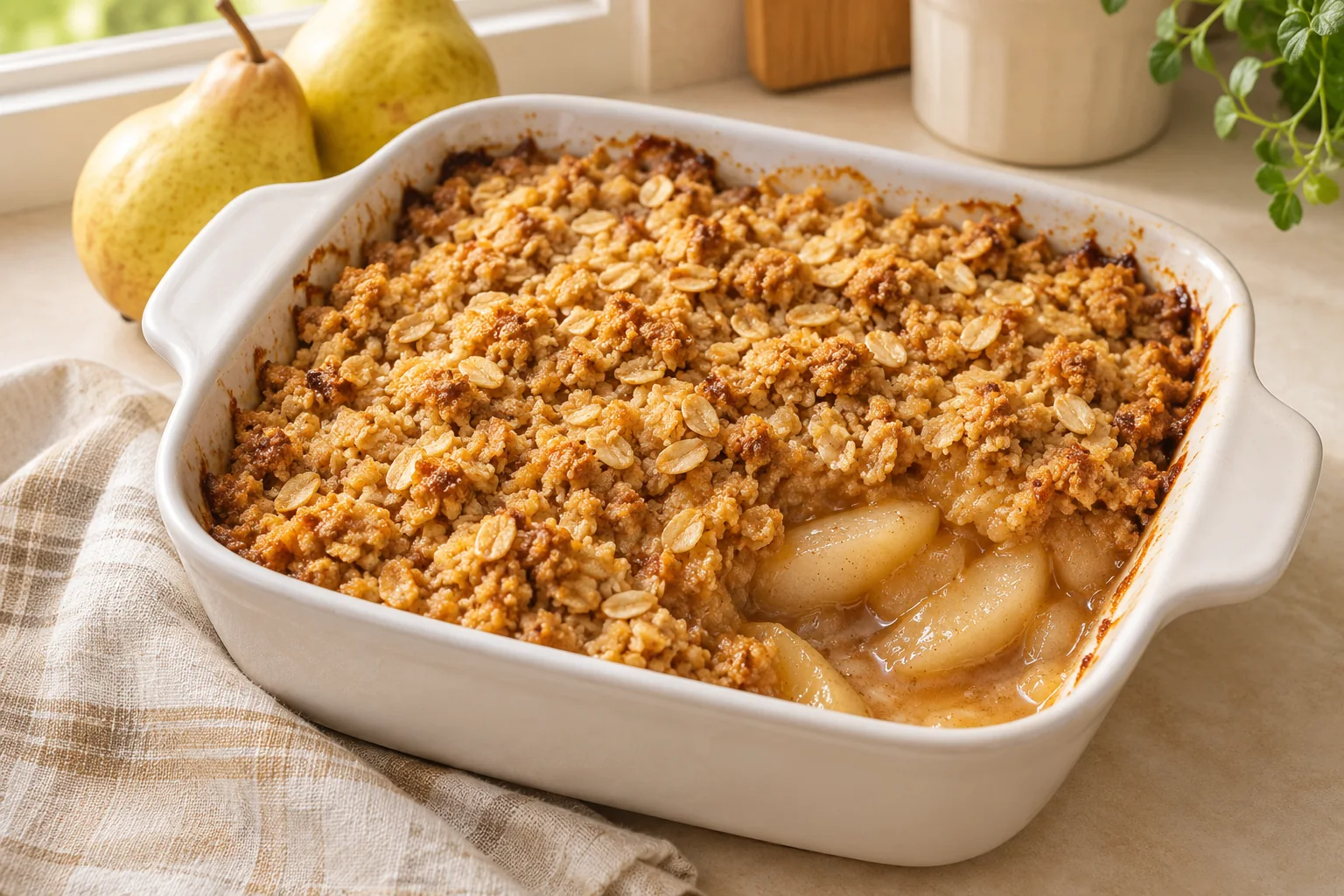
3. Maple Pear Crisp
Pear crisp is a cozy alternative to apple crisp, with a crumbly topping over soft fruit. Maple syrup and oats are good partners, but syrup contributes liquid. Use a recipe developed for that combination so the filling isn't watery and the topping bakes crisp.
Cut pears into similar-sized pieces. Bake until the fruit meets the recipe's tenderness cues and the crumb is properly coloured. Serve with plain yogurt, cream or ice cream as desired, keeping dairy accompaniments appropriately chilled.
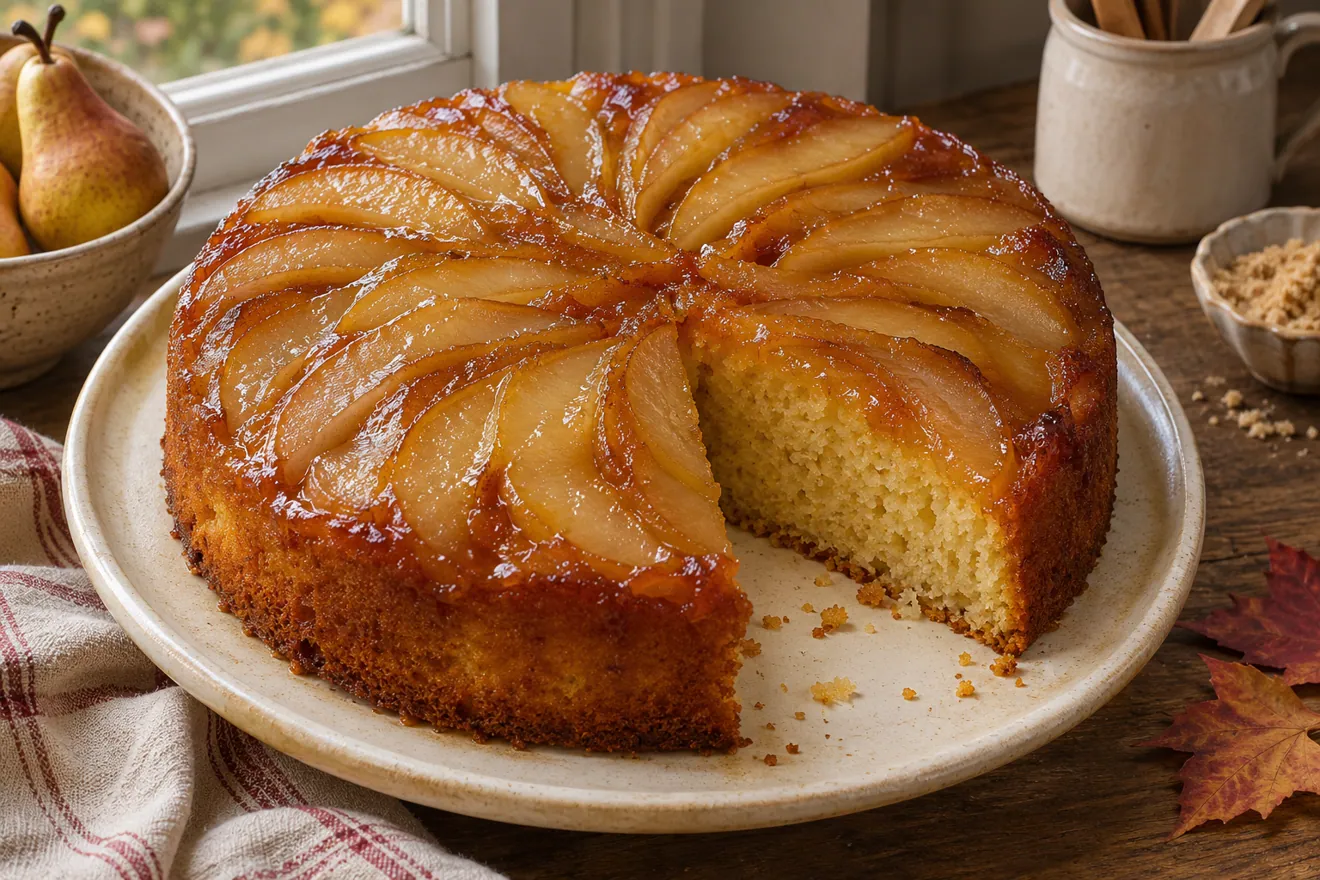
4. Pear Upside-Down Cake
Arrange thin slices or wedges of pear in a carefully prepared pan before adding cake batter. When the cake is inverted, the fruit becomes the decoration. A little caramel or brown sugar makes the surface glossy and helps the pears feel celebratory.
Follow the recipe's cooling and inversion timing. Hot sugar can burn, so handle the pan carefully. Pears that are extremely soft may fall apart when turned out; firmness and slice thickness are important for a clean presentation.
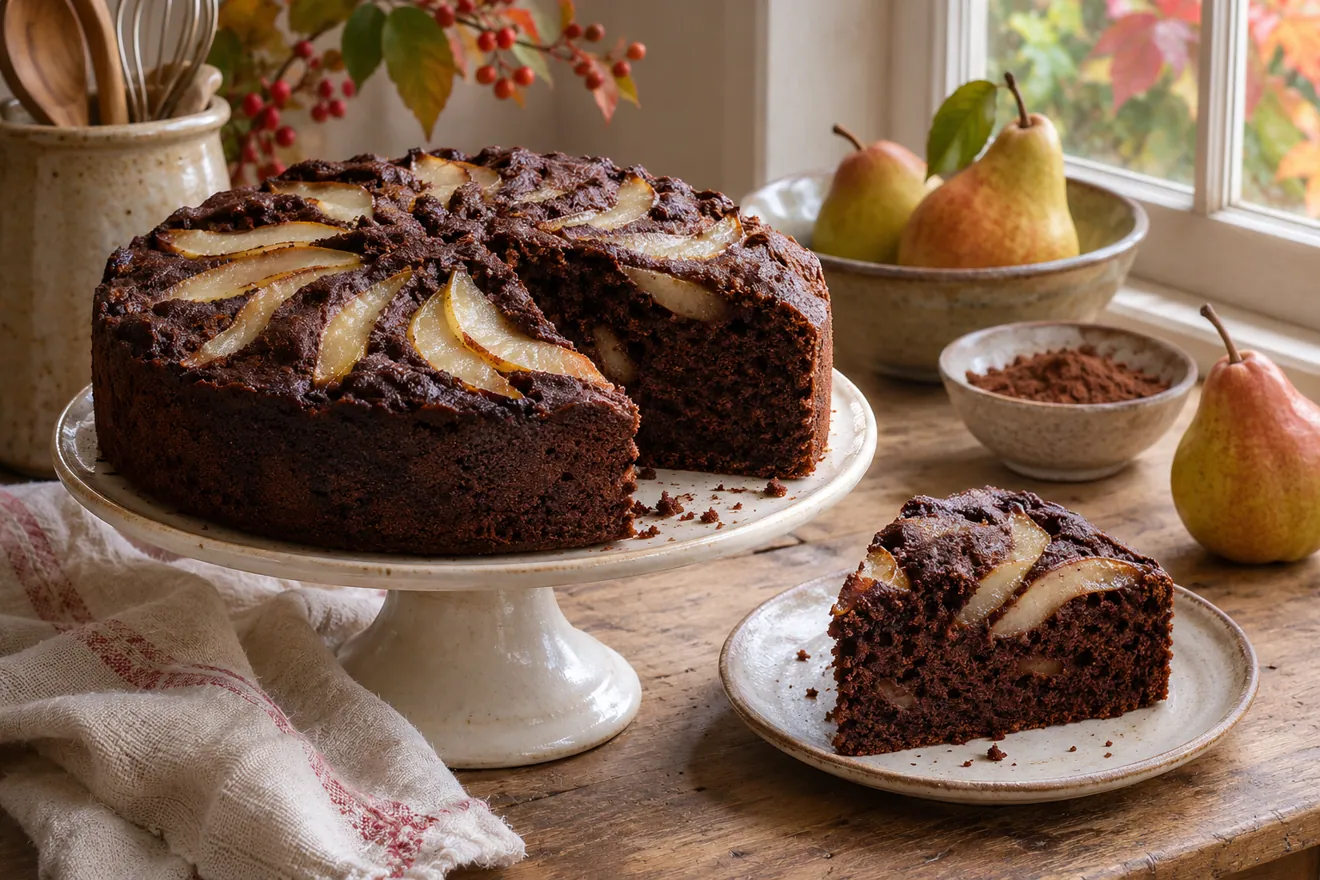
5. Chocolate and Pear Cake
Dark chocolate provides a pleasant contrast to the sweet, delicate fruit. In some cakes, pear slices sit on top of a rich cocoa batter; in others, chunks are folded through. These methods need different batters, so choose a recipe designed for the presentation you prefer.
Too much chopped pear can add moisture and weigh down a cake. If you want a pronounced chocolate flavour, use a deep cocoa base with a moderate amount of fruit, and follow the recipe's baking and cooling cues.
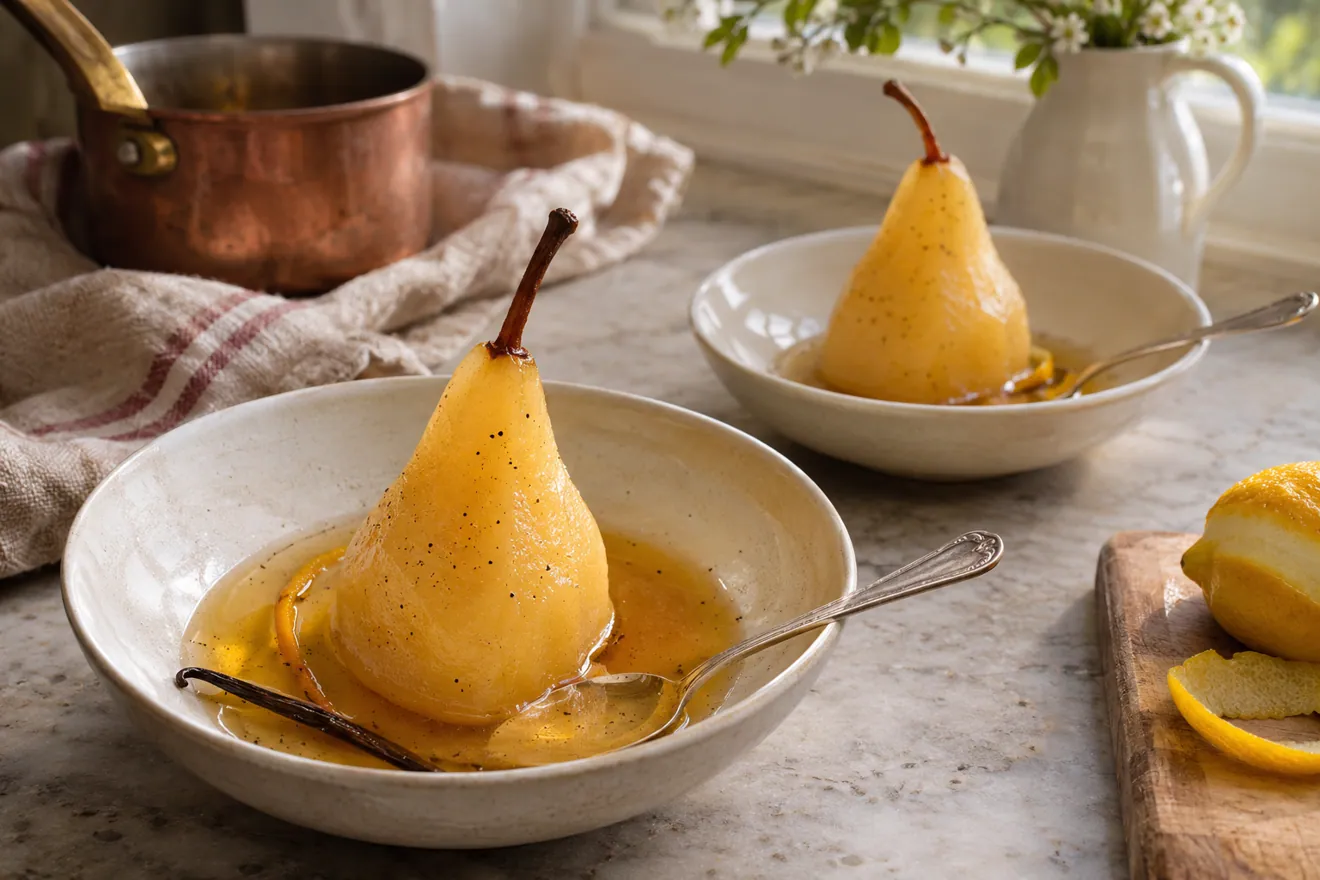
6. Poached Pears
Poached pears are elegant without a complicated dough. The fruit simmers gently in a flavoured liquid until tender, then can be served with a little of its syrup or a suitable dessert sauce. Vanilla, citrus and cinnamon are classic directions; choose a flavour blend rather than adding everything at once.
Keep heat gentle so pears hold their shape and cook evenly. The liquid may be hot and sugary; allow safe cooling and follow the recipe's storage instructions before chilling or serving.
7. Pear Cardamom Pie
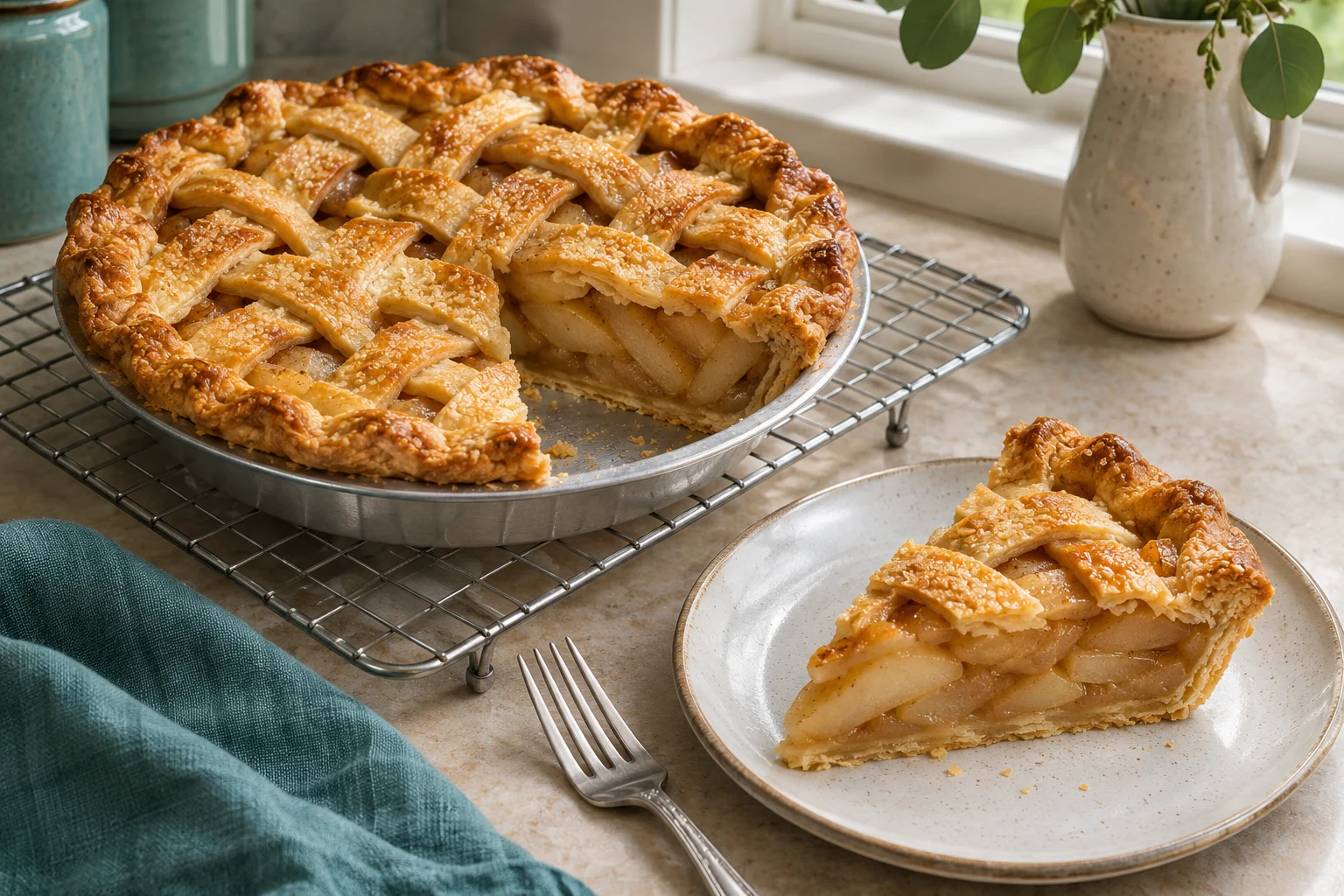
Cardamom gives the fruit a floral warmth. The Pear Cardamom Pie is a good choice when you want a sliceable pear dessert with pastry. Measure the filling and thickener as written and keep the pastry cool during assembly. Let the pie cool as directed before cutting so the slices hold their shape.
8. Pear Muffins with Streusel
Diced pears can make moist, tender muffins with pockets of fruit. A cinnamon or vanilla streusel provides a little crunch. Chop the pears according to the recipe, since oversized pieces can create wet areas around them.
Don't overmix after flour is incorporated if the recipe follows the muffin method. Check doneness in the cake portion, not directly through a piece of soft pear. Let muffins cool on a rack so steam doesn't leave the bottoms damp.

9. Pear Strudel
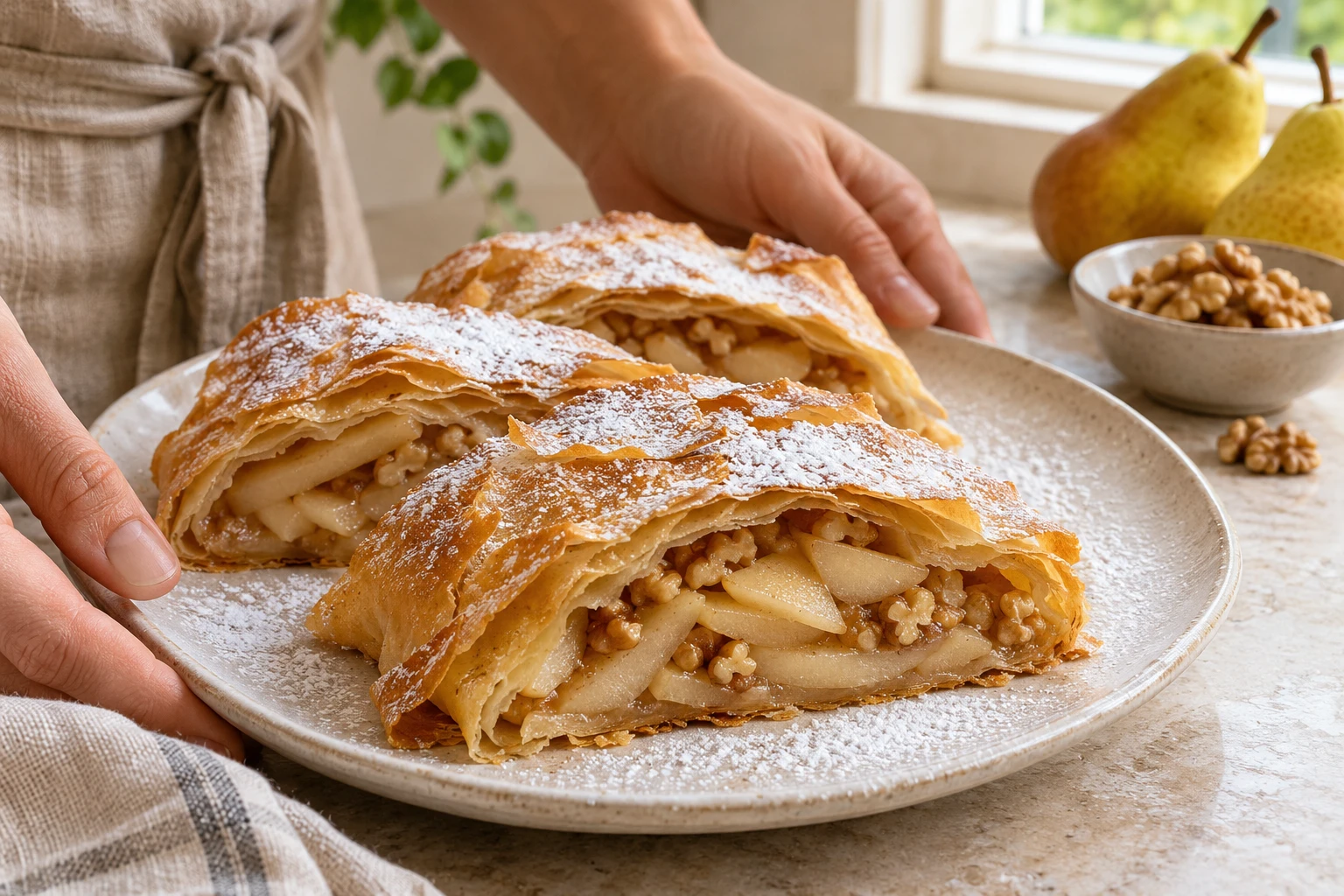
For crisp layers around spiced fruit, try the Pear Strudel. Follow the recipe for preparing the fruit, shaping the roll and venting the pastry. Leave space at the edges for sealing and let the baked roll rest as directed before slicing. The recipe uses walnuts or almonds. If you serve it with cream, keep that accompaniment chilled until serving.
10. Pear Hand Pies
Small hand pies are easier to portion than a large tart. They work best with a thick, not-too-wet pear filling, properly chilled pastry and secure seals. Pears can release a surprising amount of juice, so follow a hand-pie recipe rather than simply stuffing diced fruit into pastry squares.
Vent and seal the pies as directed. Allow the filling to cool before eating; fruit inside pastry can stay scalding hot.
Our Pear Ginger Hand Pies make individual servings with a ginger-spiced filling. Follow the recipe’s instructions for cooling the filling before assembly and avoid overfilling the pastry.

11. Spiced Pear Loaf Cake
A pear loaf is lovely with tea and can be less elaborate than a frosted cake. The fruit's subtle flavour benefits from vanilla, cardamom or a little ginger. The chosen recipe should balance chopped fruit against batter so the loaf rises and cooks evenly.
Use the specified loaf pan size. A deep center can remain wet even when the top has browned; cool and test doneness as directed.

12. Pear and Cranberry Crumble
Tart cranberries brighten soft, sweet pears and add a vivid colour contrast. Because both fruits release liquid, choose a recipe with an appropriate thickener and fruit ratio. Fresh and frozen cranberries may behave differently from sweetened cranberry sauce.
For a festive table, bake in a wide dish that exposes more topping to the oven's heat. Serve soon after baking or refresh according to the recipe, rather than sealing the hot dish and letting steam soften the crumbs.

How to Keep Pear Desserts from Turning Watery
Start with fruit in the condition specified. Overripe pears can break down before pastry fully cooks, while very firm pears may remain underdone. Slice evenly, measure the fruit and thickener, and don't add unnecessary liquid. If a recipe calls for poaching or sautéing, that may be part of its moisture-control strategy.
A soggy tart bottom can also result from pastry that was too warm, underbaked or filled too far in advance. Separate pastry preparation from final assembly when the recipe allows it.
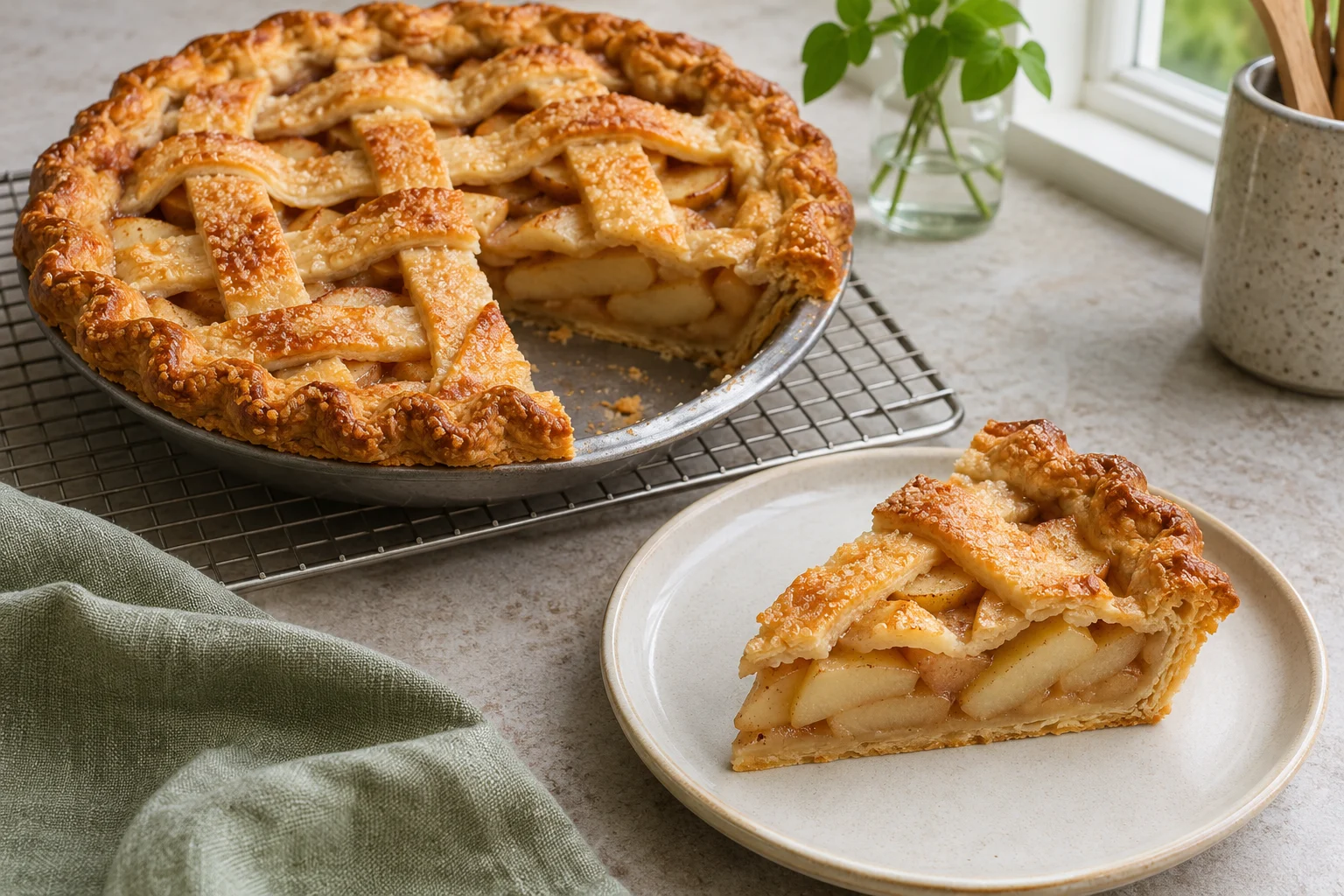
If you have a few apples and only a few pears, the Apple Pear Pie already accounts for both fruits in the filling. Follow its quantities and cooling instructions so the juices have time to set before slicing.
Best Flavour Pairings for Pears
Pear and vanilla feels light and elegant; pear and almond adds nutty richness; pear and maple tastes warmly seasonal; pear and chocolate brings contrast; and pear and ginger makes a gently spicy dessert. A little lemon can sharpen sweet fruit, but too much will dominate its softer aroma.
Storage and Make-Ahead Planning
Pastry-heavy pear desserts are often best eaten when the shell is crisp. Cakes and bars may store better, depending on their recipe. Refrigerate custards, dairy-rich toppings and other perishable components promptly at 4°C (40°F) or lower. Follow the recipe’s freezing method when one is given. For a dinner party, make components ahead and assemble delicate fruit pastries near serving.
For a crisp pastry at serving time, make only the components your recipe allows you to prepare in advance. Keep the chilled components separate and plan enough time for the dessert to cool or set before slicing.
Frequently Asked Questions
Do pears need to be peeled for baking?
Not always. Some rustic desserts welcome their skins; smooth poached or precisely arranged desserts may call for peeling. Follow the recipe and consider the variety's skin texture.
Can I use canned pears?
Only when the recipe allows them. Canned pears are usually softer and packed in liquid, so substituting them for firm fresh pears can change moisture and structure.
Can I freeze pears for baking?
Some preparations can be frozen, but thawed pears may soften and release liquid. Choose a recipe intended for frozen fruit and follow safe handling instructions.
Are pears sweeter than apples in desserts?
It depends on the varieties and ripeness. Pears often taste more floral and gentle, while tart apples can provide sharper acidity.
Let Pears Have Their Moment
Fall baking doesn't have to revolve around apples and pumpkin. Pears bring a softer sweetness and a beautiful texture to cakes, galettes, crisps and elegant tarts. Match ripeness to the method, give their moisture some thought and let a handful of complementary flavours do the rest.
IN PICTURES
From the baking notebook
FROM THE RECIPE BOX


