On this page
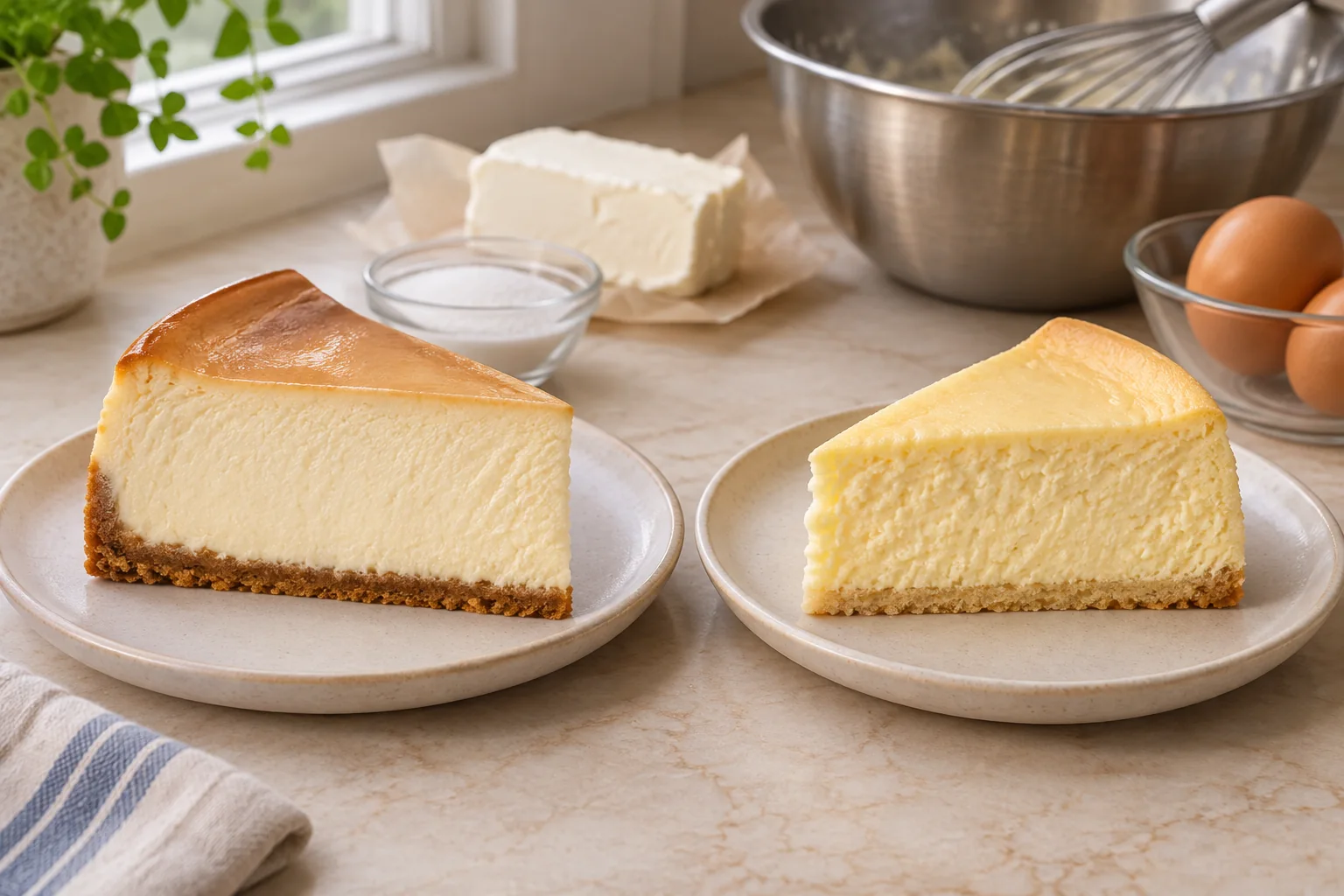
Two slices of cheesecake can look almost identical, yet one is dense, tangy and unapologetically rich while the other feels lighter on the fork. The first is often called New York-style cheesecake; the second might be described simply as classic or regular cheesecake. There is no single universally enforced recipe separating them, but their typical proportions, mixing and serving styles offer useful clues. Rather than relying on the label, consider what each formula asks of the cream cheese, eggs and dairy.
The short answer
New York-style cheesecake is generally known for a dense, rich cream-cheese-forward filling. A regular or classic cheesecake can be lighter, fluffier or more custard-like, depending on the recipe. These are culinary conventions, not strict legal definitions. A carefully made classic cheesecake can be rich, and a New York recipe may contain sour cream or heavy cream.
What makes New York cheesecake distinctive?
New York cheesecake often relies on a high proportion of full-fat cream cheese, along with sugar and eggs, for a substantial silky structure. Some versions add sour cream, heavy cream or a little starch.
Recipe to try: Classic New York Cheesecake. Follow this cheesecake’s complete mixing, baking, cooling and chilling sequence. A slice is easiest to assess after the required chill.
What does 'regular cheesecake' mean?
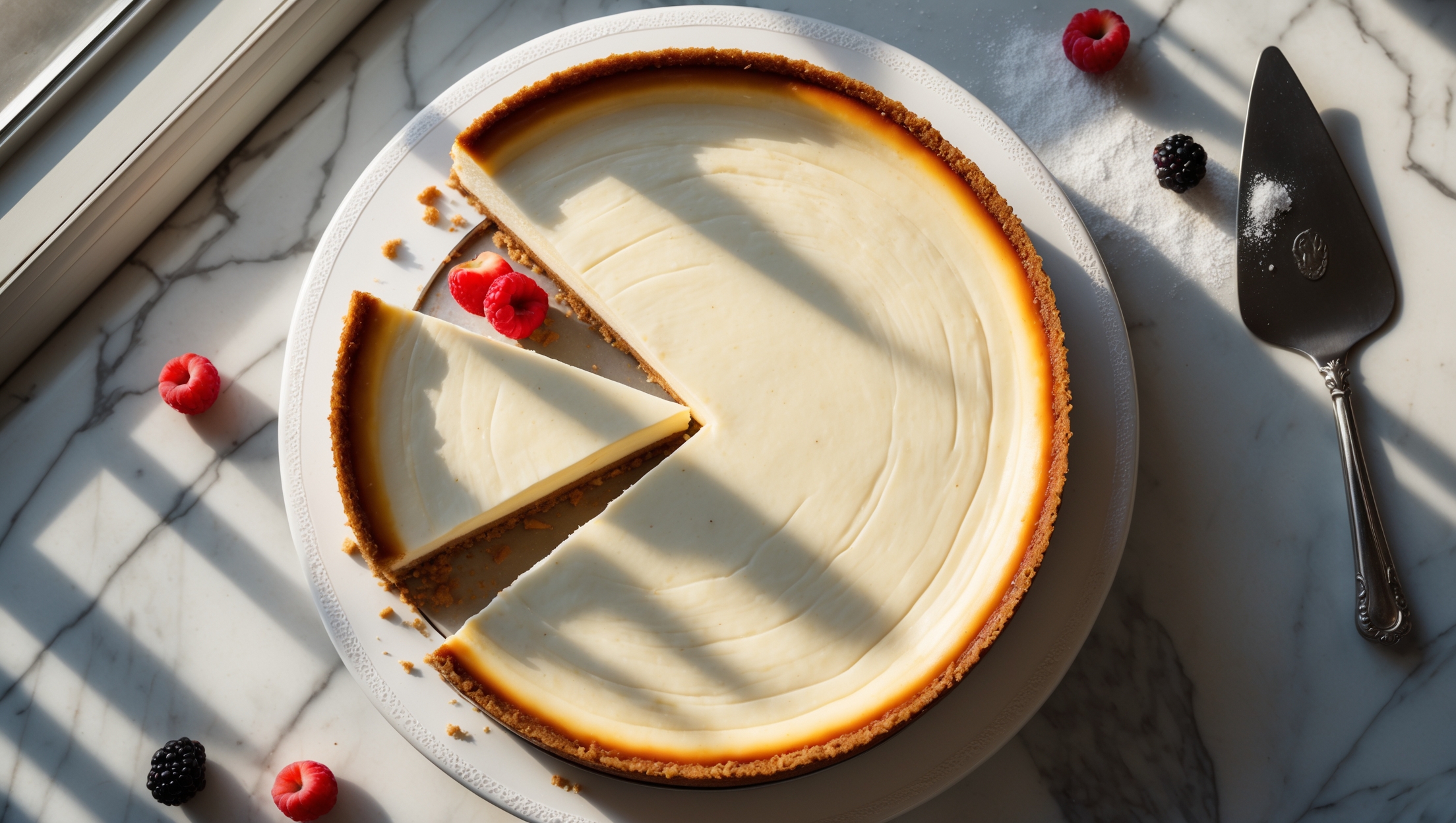
Regular is an imprecise category. It may refer to a classic baked cream-cheese cheesecake, a light Japanese-inspired style, a ricotta-based cheesecake or another local tradition. When comparing recipes, look at the ingredient list and technique rather than assuming every non-New-York cheesecake contains less cream cheese.
Texture: dense versus delicate
A New York-style filling typically feels firm enough for clean, substantial wedges yet smooth enough to melt pleasantly on the tongue. Lighter baked cheesecakes may be more aerated or contain a relatively larger proportion of eggs, cream or other ingredients. Texture also depends on baking temperature, doneness and how the cake cools.
Is New York cheesecake always taller?
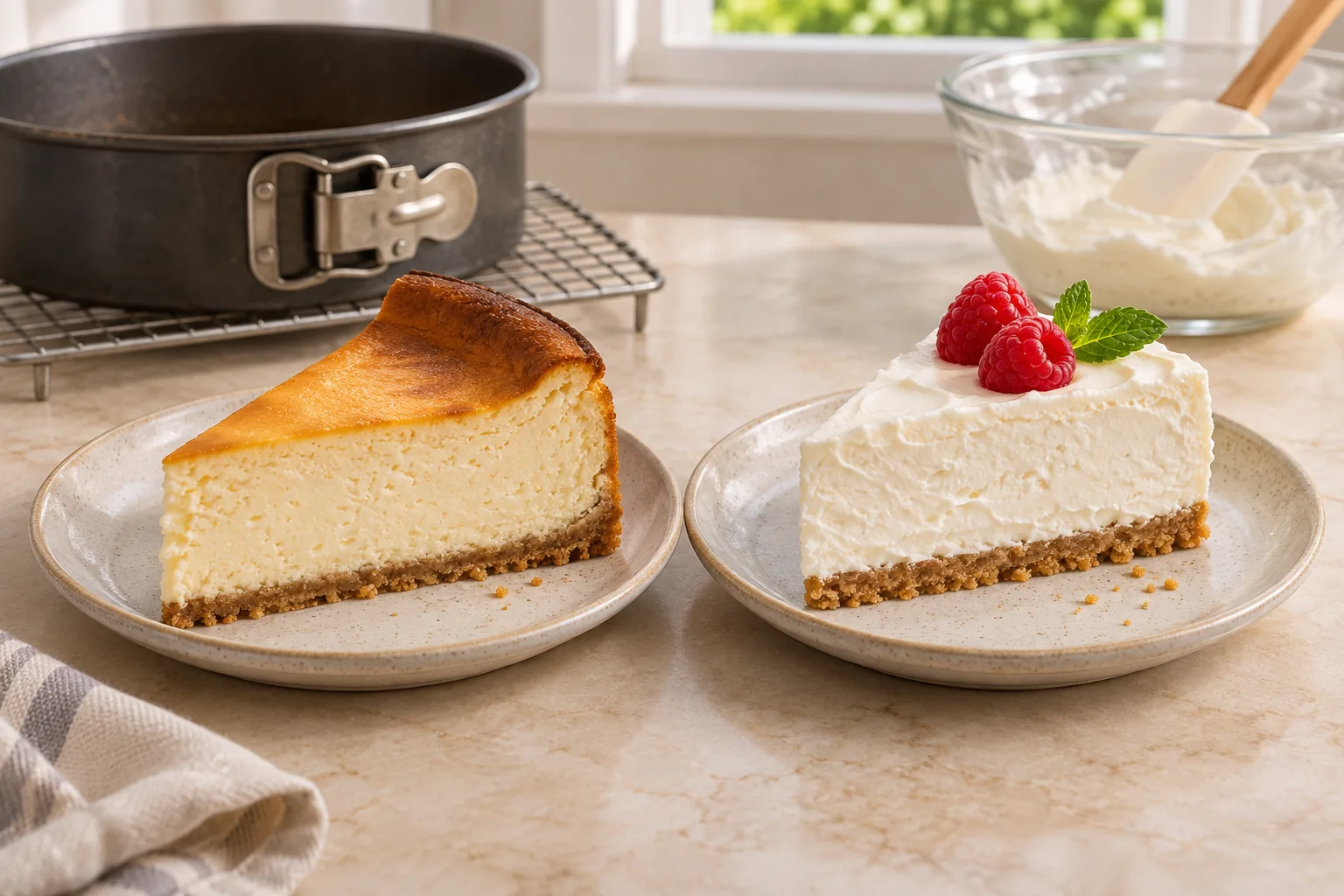
Many New York cakes are made as impressive deep rounds, but height depends on batter quantity and pan dimensions. A shallow New York recipe can still have the characteristic dense taste. A taller ordinary cheesecake doesn't become New York-style solely because it reaches the top of a springform pan.
The role of cream cheese
Cream cheese provides the dominant tang, fat and body in many New York formulas. Full-fat brick-style cream cheese and spreadable tub products do not always have identical composition. Use the precise type specified by the recipe, and avoid replacing part with low-fat spread without a tested substitution.
Sour cream and tang
Sour cream adds acidity and dairy flavour while affecting the batter's water and fat balance. Yogurt and crème fraîche are not automatically equivalent substitutes even when they taste similarly tangy.
Heavy cream and other dairy
Some recipes use heavy cream for a rich but slightly different mouthfeel; others omit it entirely. Dairy choices affect both the batter's consistency and how the eggs set in the oven. If a cheesecake calls for sour cream, don't exchange it for an equal volume of cream without considering the formula.
What eggs contribute
Egg proteins set the filling as the cheesecake bakes. More eggs can change firmness, but the result depends on their ratio to cream cheese, sugar and other liquids. Excessive baking can over-set those proteins, producing a dry or grainy centre regardless of the cheesecake style.
Does cornstarch belong in New York cheesecake?
Some formulas add a little flour or starch to help stabilize the custard.
What about the crust?
A graham cracker crumb crust is familiar in North America, but short pastry, cookie crusts and sponge-style bases all appear beneath cream cheese fillings. New York cheesecake is not limited to one crust. Choose the shell the recipe specifies, particularly when the batter is tall and requires a stable base.
Why mixing gently matters
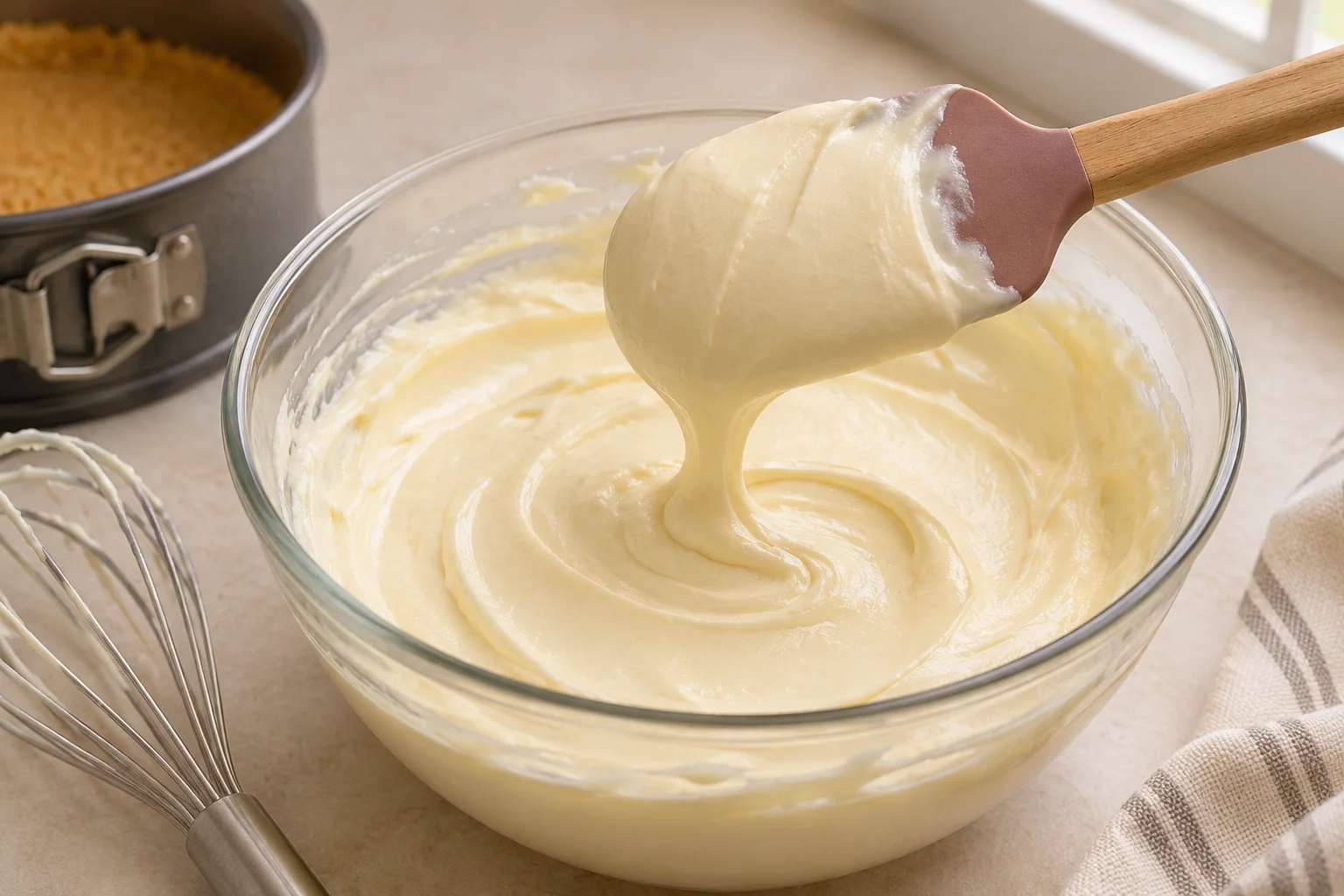
New York-style cheesecakes typically aim for a dense, silky filling rather than a heavily aerated cake. Excess beating after adding eggs can incorporate air, encouraging rising and subsequent sinking or cracking.
Ingredient temperature
Soft, appropriately room-temperature cream cheese combines more smoothly and helps avoid white lumps in the finished cake. Cold cream cheese is difficult to beat evenly without prolonged mixing. Warm ingredients only as instructed and avoid leaving dairy out beyond safe handling limits.
Low, controlled baking
Baked cheesecake is an egg-and-dairy custard. A gentle baking approach helps the perimeter set without overcooking the centre. Follow the exact formula rather than imposing one universal baking time.
Why a slight wobble can be correct
Many baked cheesecakes are removed when their edges are set but the centre still jiggles gently. Residual heat continues moving inward during cooling, firming the centre. That stage differs from loose raw batter sloshing across the pan. Follow the recipe's temperature or texture cues to distinguish them.
Cracks do not identify cheesecake style
Both New York and other baked cheesecakes can crack from overbaking, excessive aeration or rapid temperature changes. An uncracked top is attractive, but the absence of cracks isn't the defining feature. A correctly baked cake with a small crack can still taste wonderful.
Cooling makes a big difference
A gradual cool-down can reduce abrupt contraction in a hot filling. Other formulas use different cooling procedures; follow whichever was developed for that cake.
Chilling completes the serving texture
Baked cheesecake generally needs refrigerator time to become thoroughly cold and neatly sliceable. Rich New York cheesecake can taste especially dense directly from the refrigerator; a recipe may recommend a brief tempering period before serving. Keep the cake within safe refrigerated handling rules.
Which style is sweeter?
There is no universal winner. Sugar quantity, the tartness of cream cheese or sour cream, fruit toppings and crust all shape perceived sweetness. Compare complete ingredient ratios and serving sizes, not just the New York label.
Which is better with fruit?
The tangy richness of New York cheesecake pairs beautifully with cherries, strawberries and raspberry sauce. Lighter cheesecake can also support citrus, berries or a delicate whipped topping. Choose fruit with enough acidity to balance the dessert and add juicy toppings close to serving where appropriate.
Which is easier for beginners?
A straightforward shallow baked cheesecake with a tested no-water-bath method can be approachable. A deep New York cake may require longer, more careful baking and cooling. A no-bake cheesecake is a different style again, set through chilling rather than egg proteins cooking in an oven.
Choosing a pan
A ten-inch New York formula cannot simply be poured into a shallow nine-inch pan. The batter volume, depth and springform-wall height influence baking and overflow. Follow the recipe's pan dimensions and never assume a different diameter is a harmless substitution.
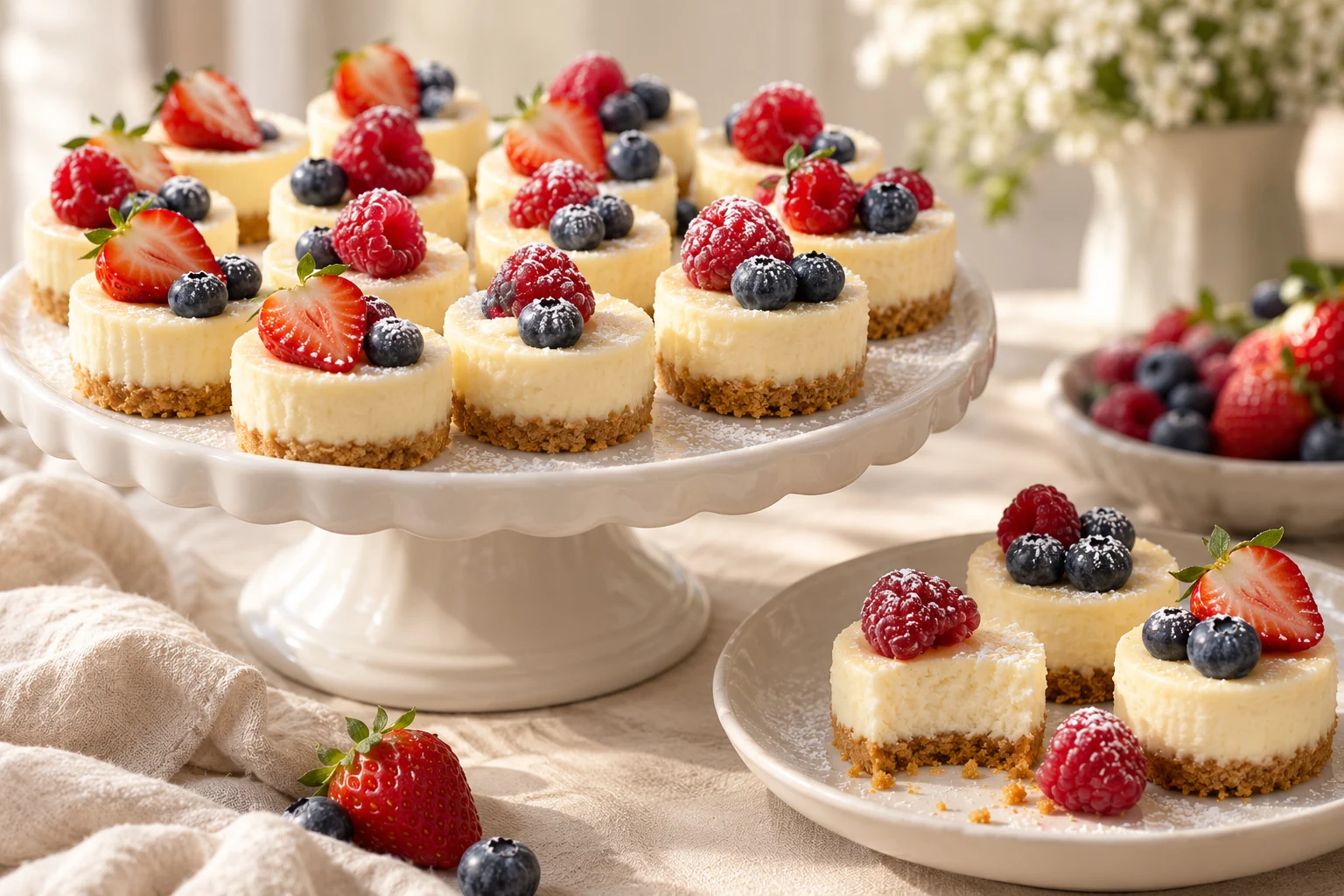
Recipe to try: Mini Cheesecake Bites. Mini cheesecakes have their own portion size and baking schedule. Do not use a whole cheesecake’s bake time for these small cups.
Storage and serving safety
Cream-cheese desserts are perishable. Keep refrigerated at 4°C (40°F) or colder and follow the particular formula's storage period. For buffet service, limit time out of refrigeration according to safe-food-handling rules rather than assuming a dense cake can sit on a table all afternoon.
Frequently asked questions
Is New York cheesecake always made with sour cream? No, although many recipes use it. Is it always baked? Traditional New York style is typically baked. Does regular cheesecake have less fat? Not necessarily. Can I turn a classic recipe into New York style by adding cheese? That changes the egg and moisture balance and needs a tested formula.
Choose texture over terminology
If you want a substantial, silky wedge with an unmistakable cream cheese flavour, look for a rich New York-style recipe. If you prefer something lighter or more delicate, choose a formula developed for that result. The clearest comparison is between specific tested recipes rather than vague labels.
Recipe to try: No-Bake Cheesecake. For a chilled alternative, choose this no-bake formula. Its setting method is separate from an egg-based baked cheesecake.

IN PICTURES
From the baking notebook
FROM THE RECIPE BOX


