On this page
Decide what you want the first bite to feel like. A baguette should crackle, a dinner roll should pull apart softly, and a sandwich slice may need no more than a quick toast. The portion size and the amount of crust exposed to the heat matter just as much as the appliance.
Understand staling versus drying
Bread becomes stale partly because its starches reorganize as it cools and ages. Moisture moves between crumb and crust, affecting texture. Simple dryness from exposure also matters, especially once a loaf is sliced. Heating can temporarily soften a stale crumb, but repeated heating and cooling eventually degrades quality. Plan to reheat only the amount you intend to serve.
Crusty artisan bread
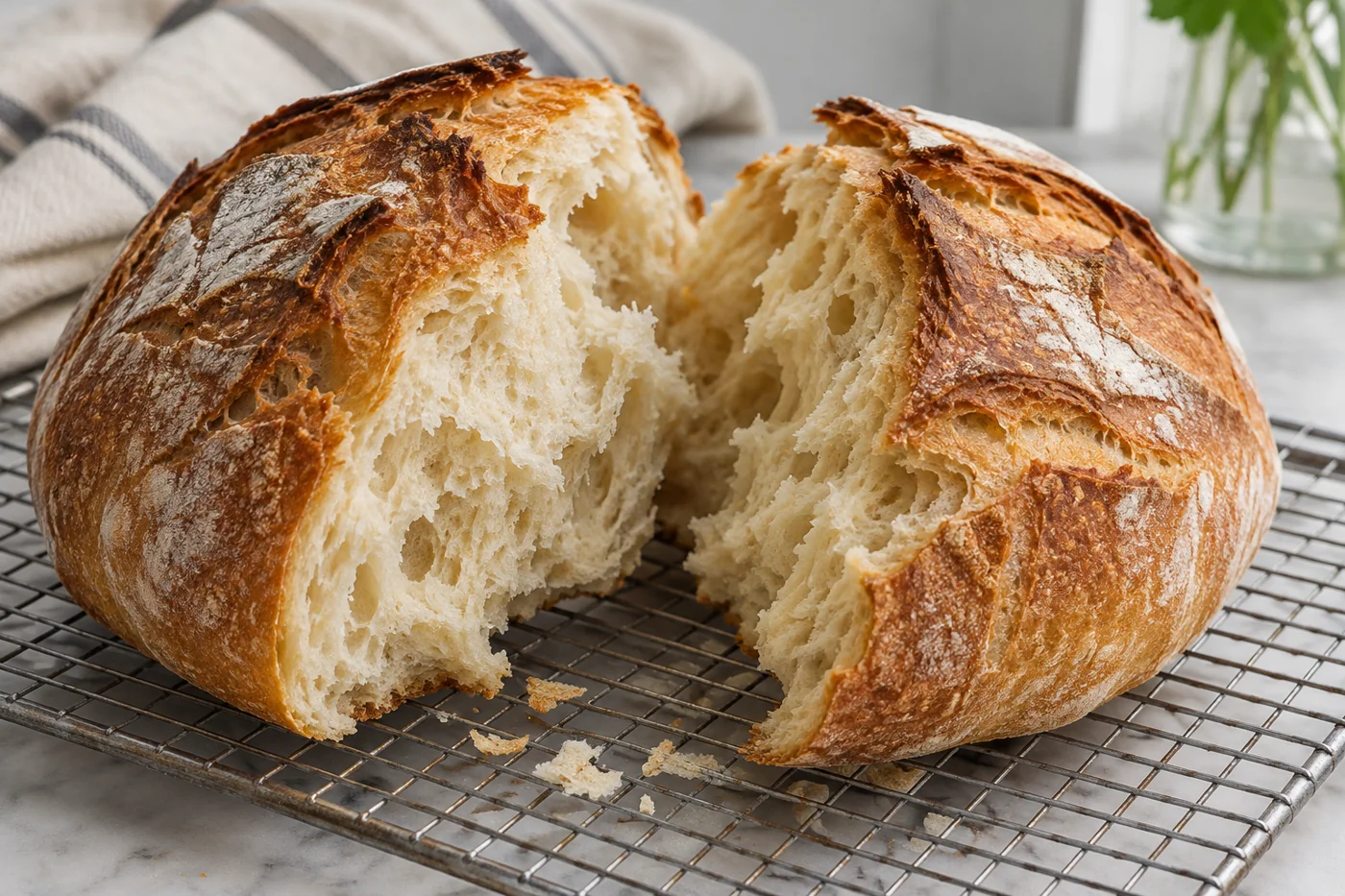
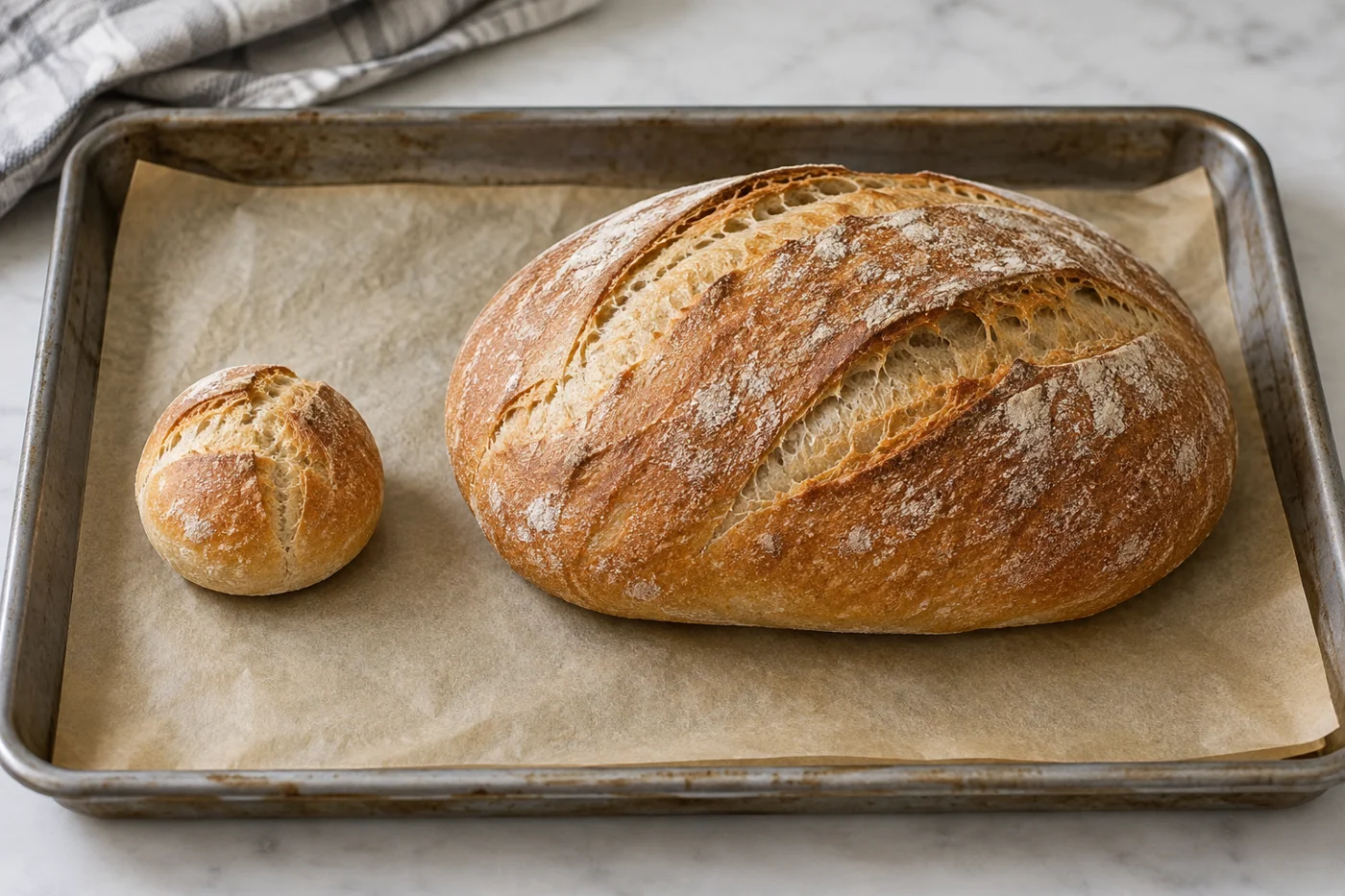
For a boule or baguette, a tested oven refresh method can help warm the centre and re-crisp the exterior. Depending on the loaf, some methods call for a little surface moisture and others use dry heat. Follow a trustworthy bread-specific method rather than soaking the entire loaf. Too long at high heat turns a crisp shell into a hard one and can dry the interior.
The substantial crust on Sourdough Country Loaf can take a brief spell of dry oven heat. Check a cut face before leaving the loaf in longer.

Use oven temperature deliberately
A moderate oven often heats a previously baked loaf through without scorching it, while a short hotter finish can encourage crispness in certain methods. Exact time depends on loaf size and whether it starts frozen. A tiny dinner roll warms much faster than a large dense whole-wheat boule. Check the centre and crust at the method's stated interval instead of setting one universal timer for every bread.
Wrapping a soft loaf
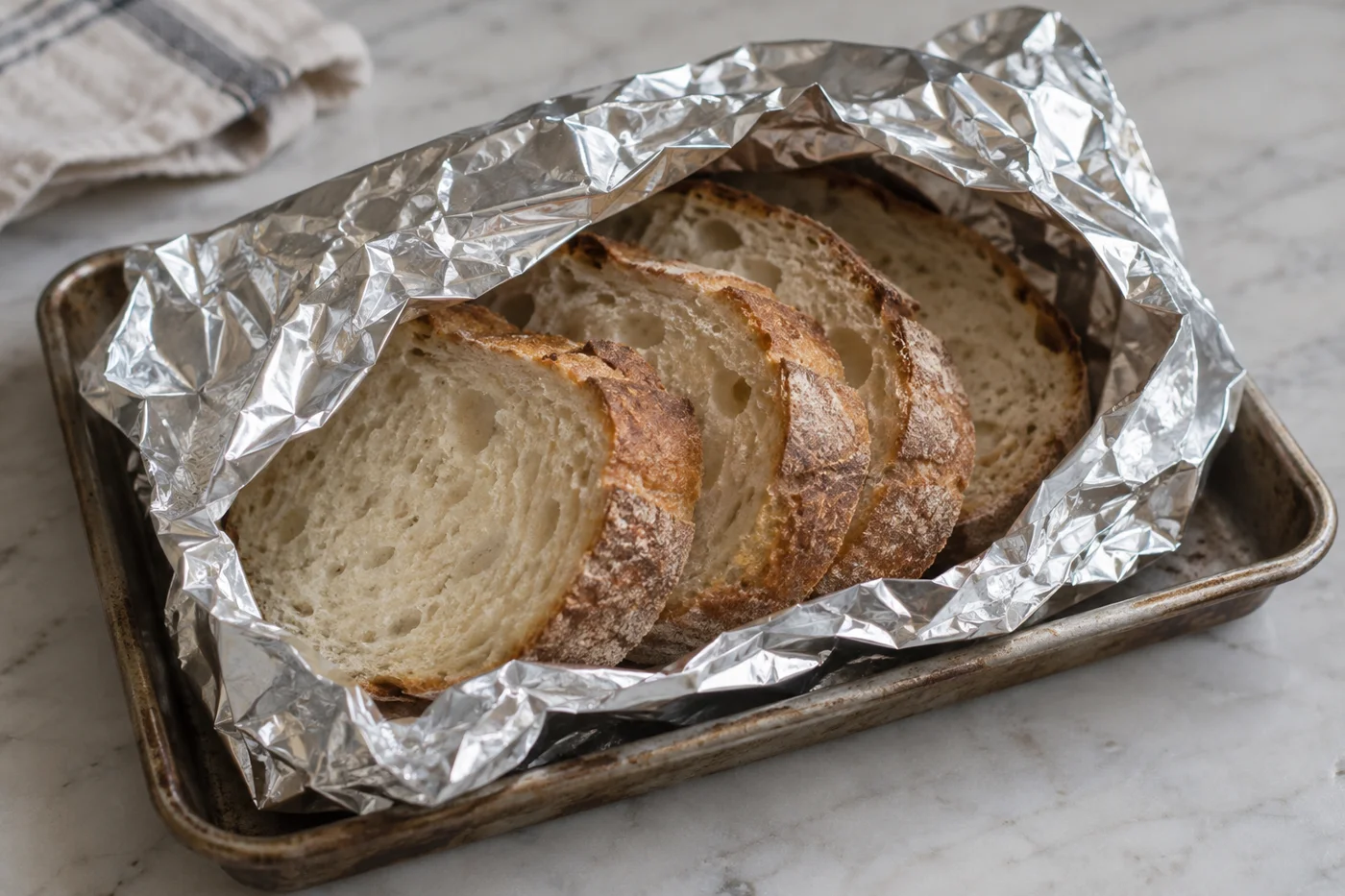
A soft enriched loaf or roll benefits from holding moisture while it warms. Some tested methods use foil to limit surface drying in the oven, then uncover only when needed. Foil keeps a crust soft, so it's less suitable if you want a crackly baguette. Always use oven-safe packaging and avoid placing plastic storage bags in hot appliances.
Protect the tender outside of Soft Milk Bread while warming it. Uncover only if you want a firmer crust.
Sandwich slices in a toaster
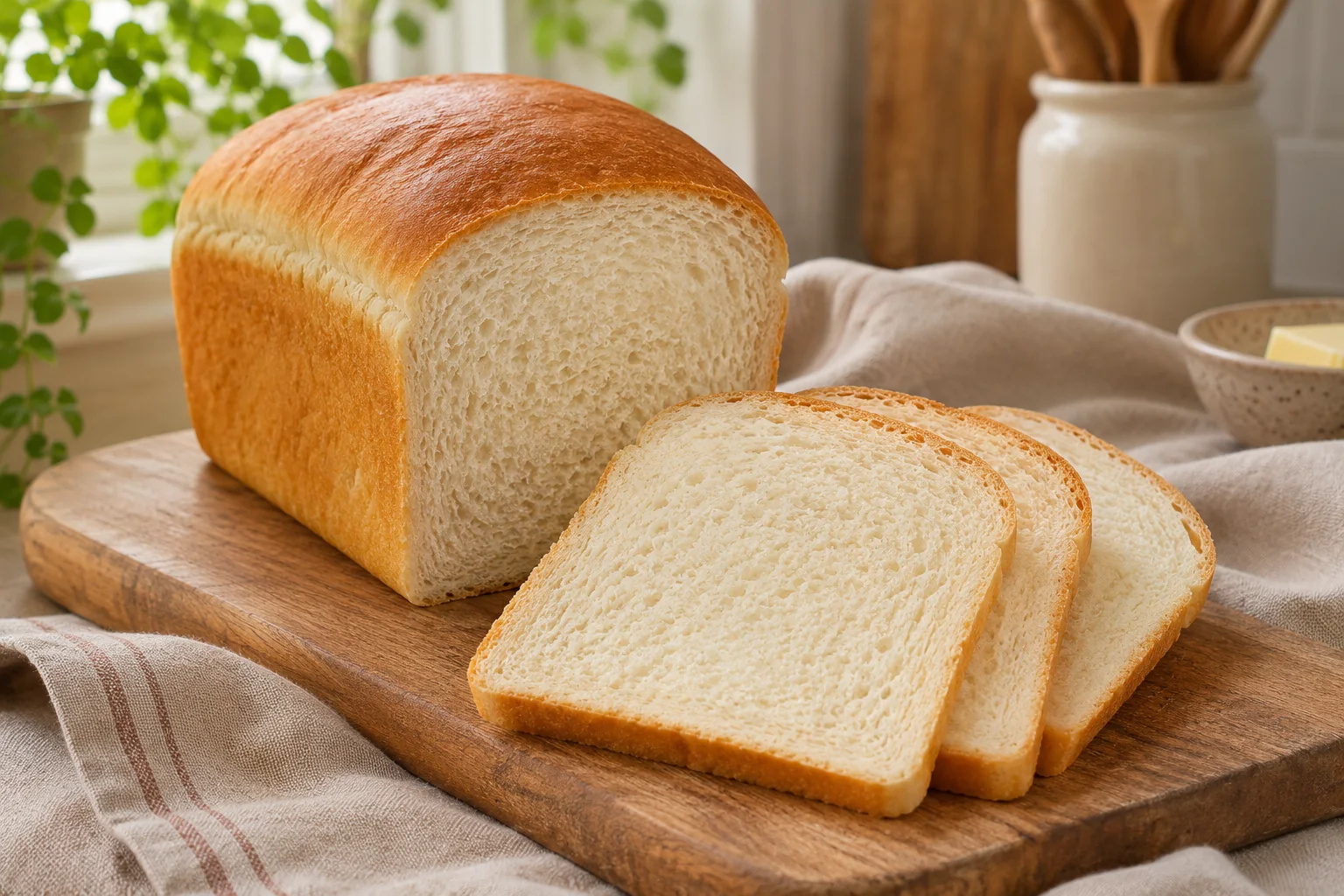
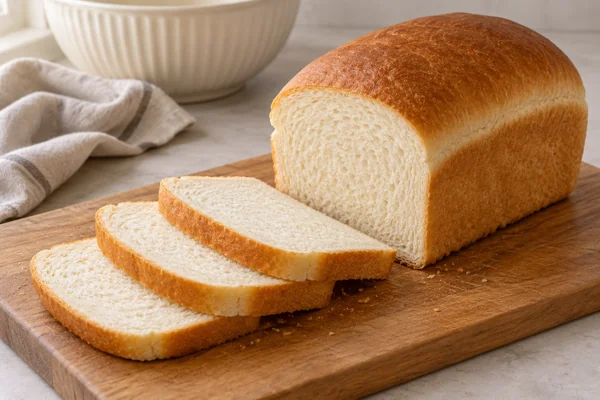
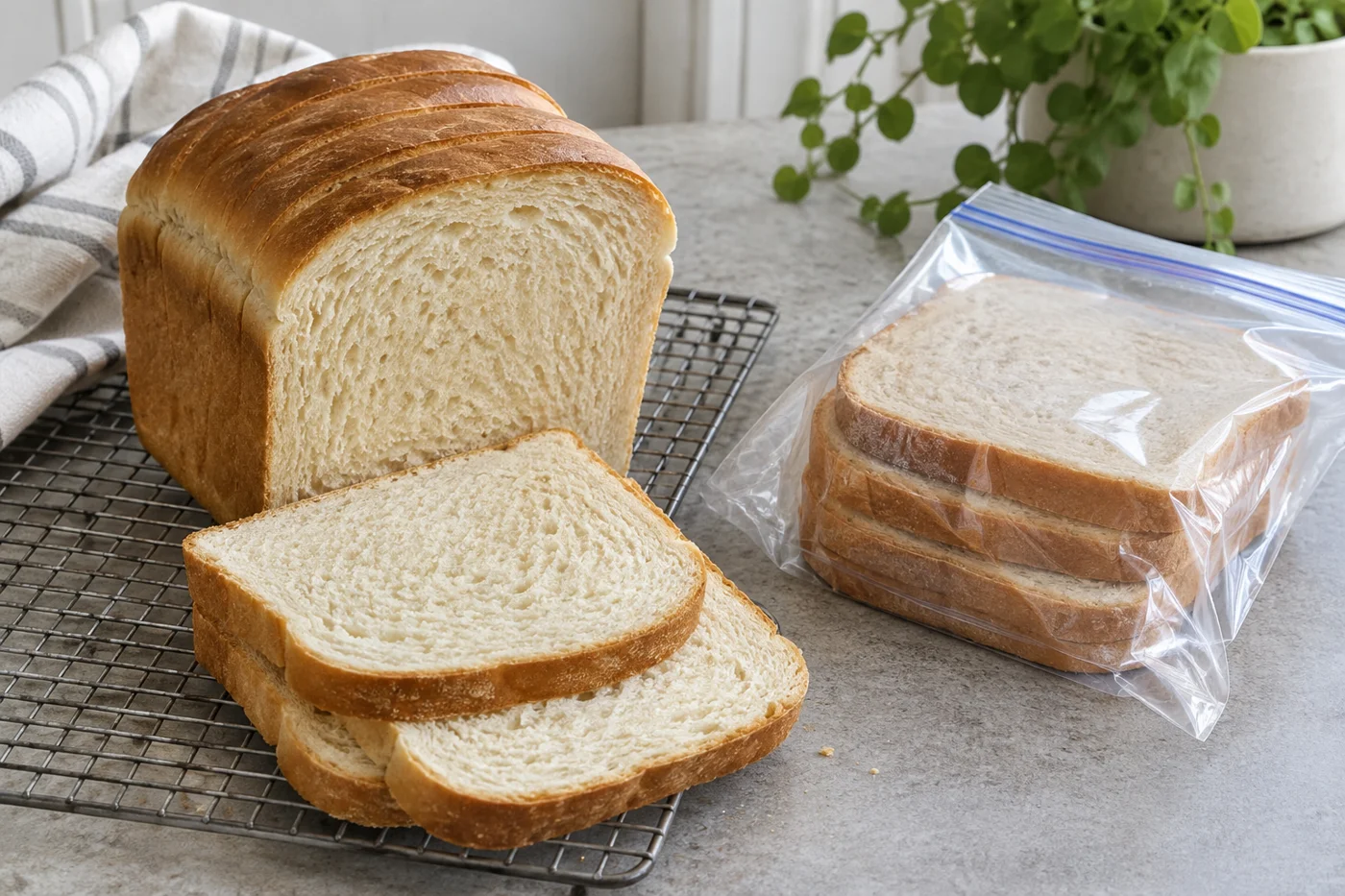
Thin slices of Classic White Sandwich Bread go from warm to toasted quickly. Match the toaster setting to the thickness of the slice.
Toasting versus reheating
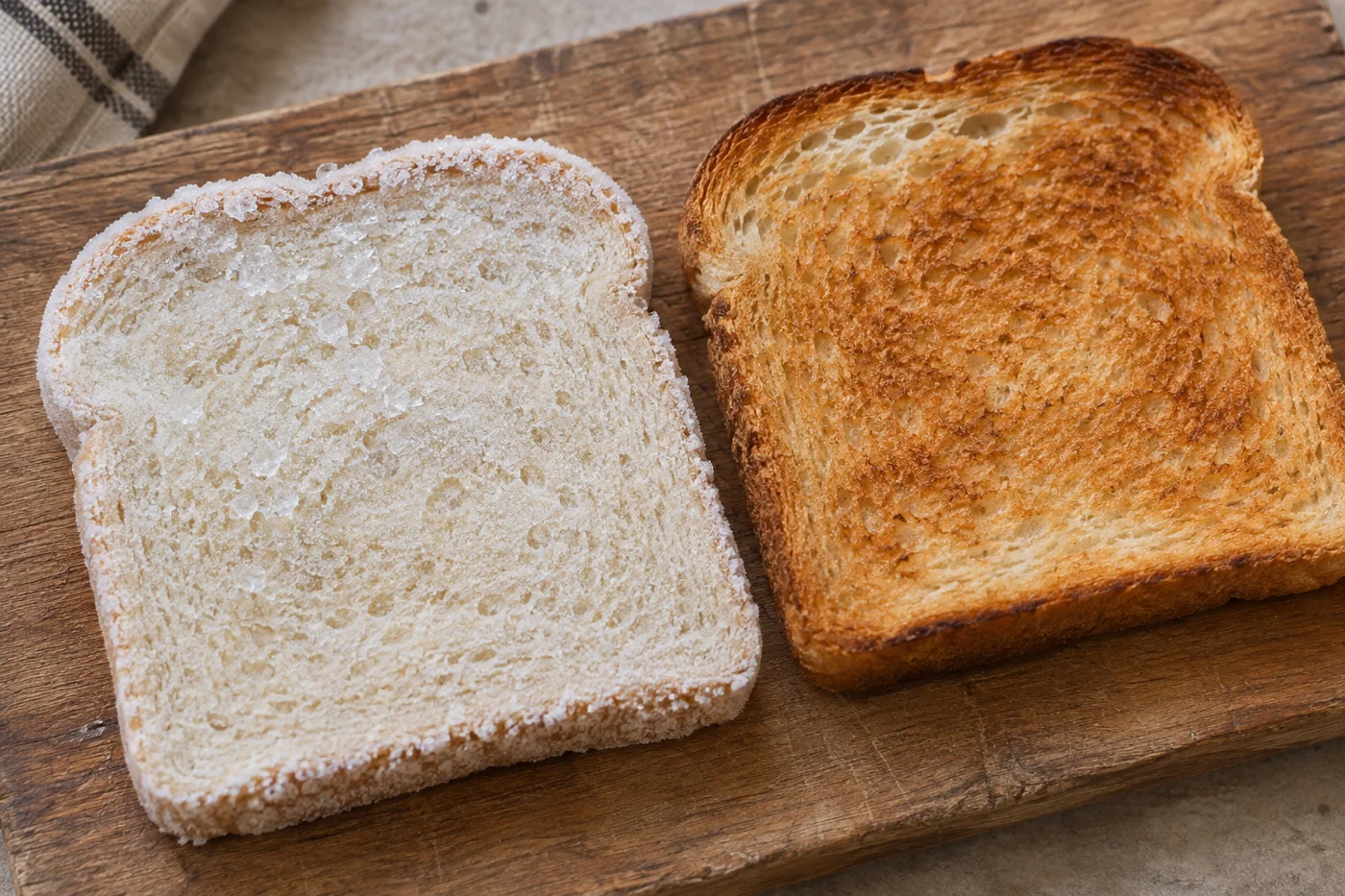
A slice can be warmed gently to become soft or toasted to a drier crisp finish. These are different goals. If making sandwiches with soft bread, don't overtoast just because it's convenient. If serving with soup and you want crunch, a controlled toast is desirable. Decide the texture first and stop at the correct point.
Microwave pros and limits
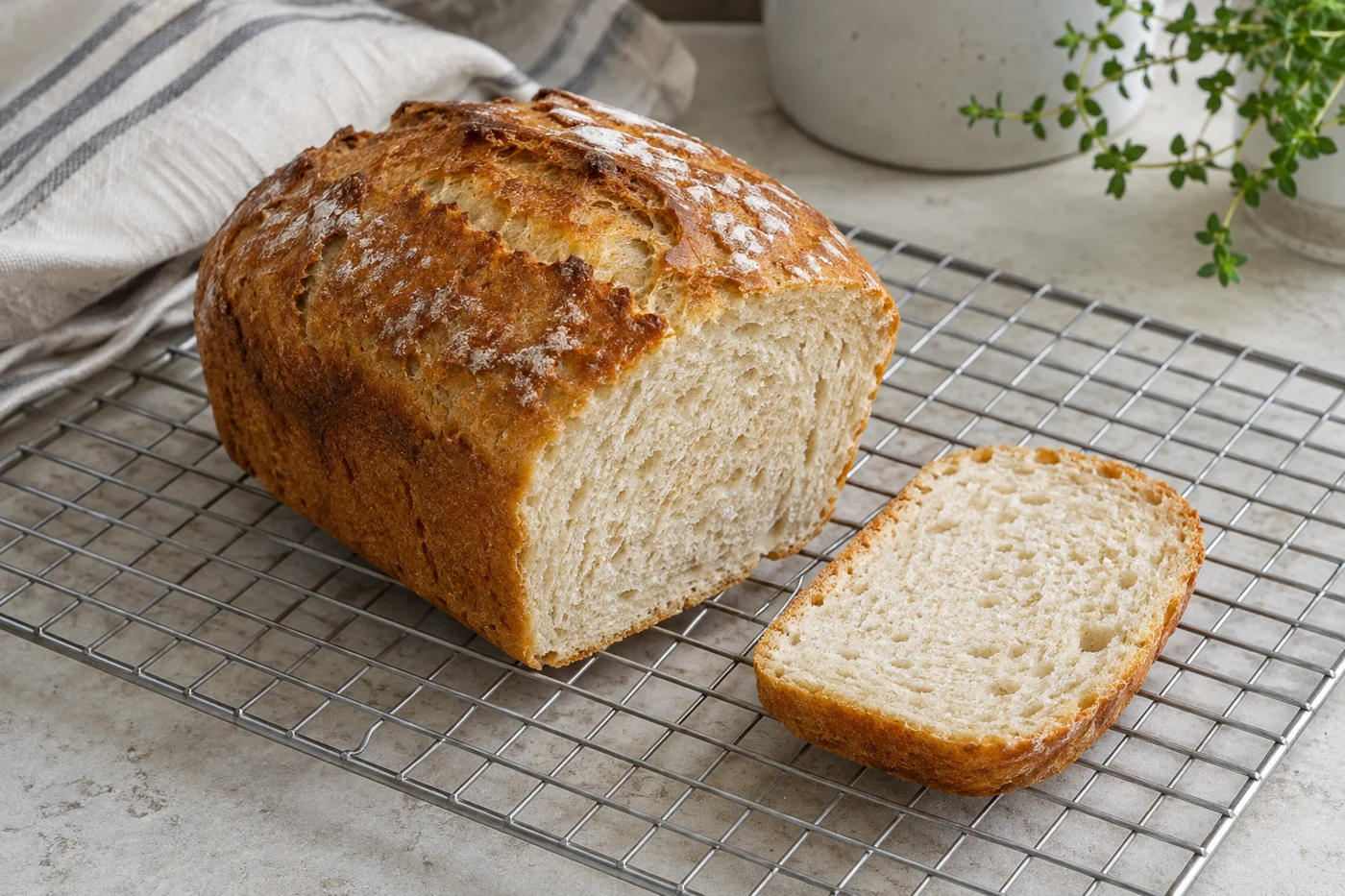
Microwaves can soften a small piece of bread briefly, but uneven heating and rapid moisture changes may make it chewy or tough as it cools. Use very short intervals and a suitable microwave-safe plate according to tested guidance. Never microwave bread in foil or packaging not approved for the appliance. A microwave is a convenience tool, not the best choice for restoring a crisp crust.
The role of moisture
Some bread-refresh methods use minimal water to create steam, but too much makes the crust leathery and can saturate the crumb. Don't assume splashing every loaf with water is safe or effective. An old dry baguette and a slightly stale soft brioche require different moisture treatment. Follow a tested method and compare results before altering it.
Frozen bread slices
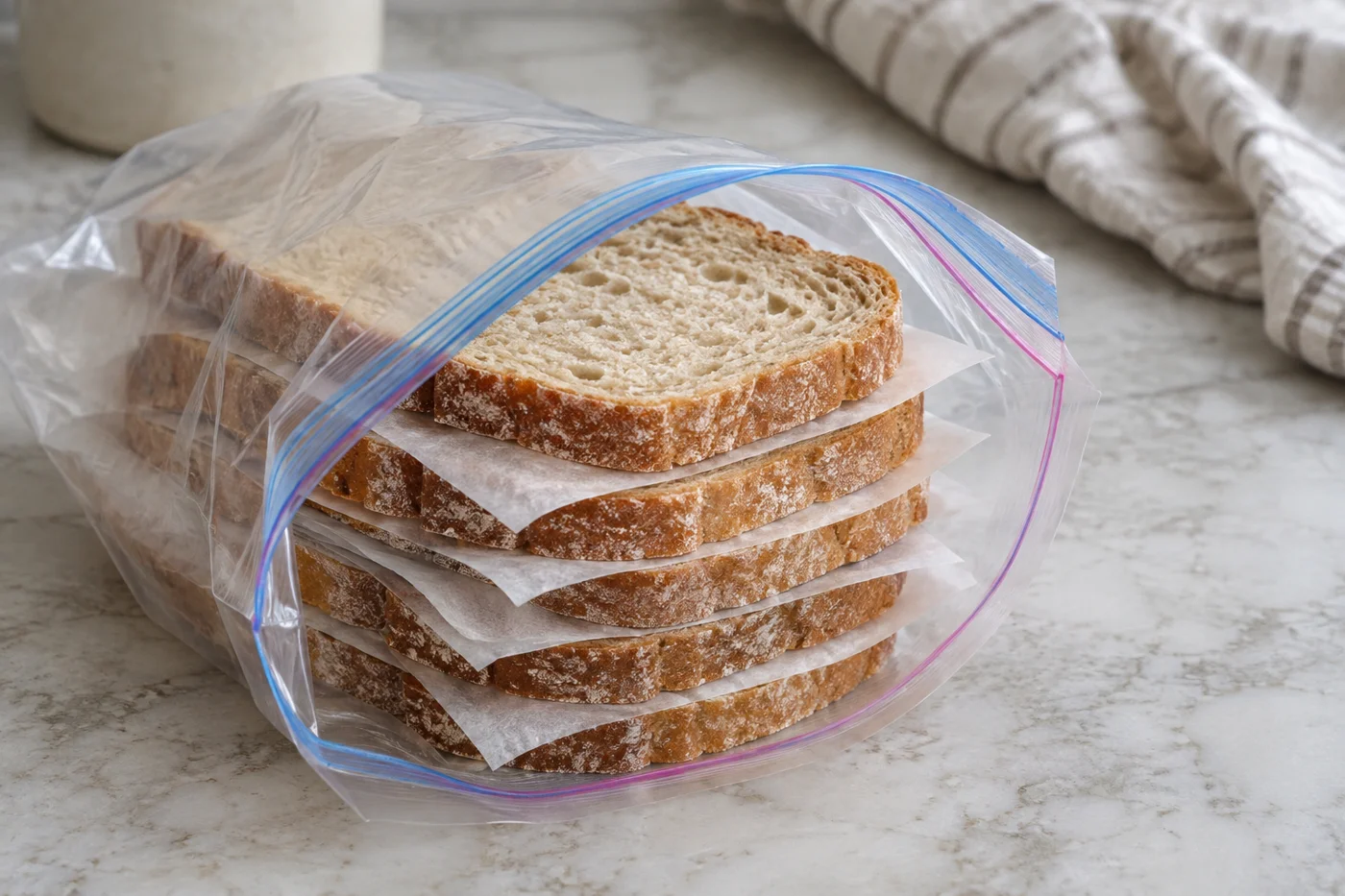
Bread frozen after complete cooling can often go straight to a toaster or approved oven method. Package slices separately or with dividers so you can remove only what you need. Slices reheat more quickly and predictably than an entire frozen loaf. If the bread contains a perishable filling, follow its storage and complete reheating requirements rather than treating it like plain bread.
Freeze slices of Honey Oat Sandwich Bread separately if you want to toast only one or two.
Frozen whole loaves
Thaw or bake from frozen according to a tested recipe. Large loaves heat unevenly, so rushing with a very hot oven may burn the exterior before the centre warms. A covered warming phase can help some soft loaves, while crusty bread may use a different sequence. Use a suitable tray and avoid placing frozen glass or ceramic cookware in a hot oven without manufacturer approval.
Refreshing dinner rolls
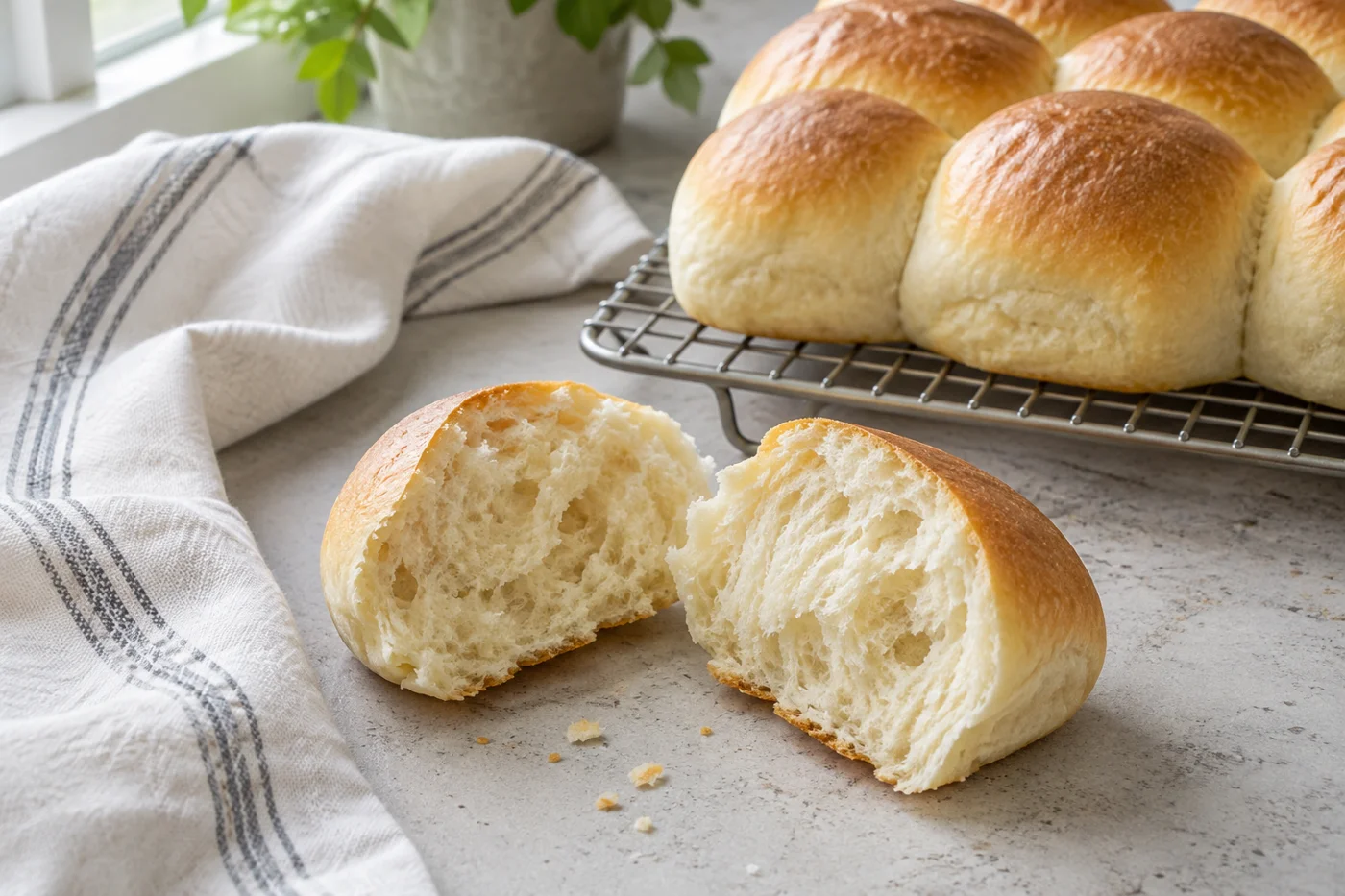
For fully baked, thawed plain dinner rolls, heat the oven to 150°C (300°F). Gather the rolls loosely in foil and start checking after 5 minutes. Small rolls often warm through in 5–10 minutes. Pull one apart to check the centre and serve promptly; a whole loaf takes longer.
When warming Classic Dinner Rolls, group rolls of similar size so the small ones stay soft.
Reheating enriched bread
Brioche, milk bread and sweet rolls contain fat, sugar or milk that affect browning and texture. They may scorch or dry faster than a lean white loaf if warmed aggressively. Choose gentle heating and monitor closely. Cinnamon rolls with cream cheese frosting have perishable dairy components that require safe storage and may need frosting handled separately rather than exposing everything to oven heat.
The tender crumb of Brioche Sandwich Loaf needs gentle heat. Toast a slice if browning both faces is the finish you want.

Baguettes and thin loaves
A narrow baguette has much more surface relative to its crumb than a large round loaf. It can become hard quickly when heated too long. A short oven refresh often suits a day-old baguette, but the exact technique depends on its initial dryness. For very dry bread, use a recipe designed to repurpose it into croutons, breadcrumbs or bread pudding instead of repeatedly trying to make it newly baked.
Cut Baguette into lengths that fit the tray and warm just the portion you plan to serve.

Bread pudding as a salvage method
Stale plain bread can be transformed into baked bread pudding, strata or French toast under a tested recipe. These preparations add liquid and cook the bread with other ingredients. They are useful when refreshing can't restore pleasant texture. If the bread contains mold or shows spoilage, discard it rather than hiding it in a cooked dish; heating does not make spoiled bread a safe ingredient.
Use sound, slightly stale bread for Air Fryer Bread Pudding when you want a soft custard-soaked dessert.

French toast and grilled sandwiches
Slightly stale sandwich bread may actually handle egg mixture or a filled grilled sandwich well. Follow safe cooking guidelines for eggs and perishable fillings. A hot skillet can crisp the exterior while warming the centre, but extremely thick cold fillings may remain cool. Choose a filling size that can be heated safely rather than relying only on browned bread.
Storage before reheating
Cool homemade bread completely before wrapping to prevent condensation and damp surfaces. Freeze portions you won't use soon, especially sliced sandwich bread. Avoid storing plain bread in a humid open bag on the counter where mold can develop. Perishable meat, cheese, cream or custard fillings require refrigeration and their own food-safety rules.
Don't reheat repeatedly
Each warming cycle can drive off moisture and reduce freshness. Reheat only the amount people will eat. If you keep reheating the same loaf throughout a long dinner, consider slicing and warming portions instead. Leftover warmed bread can be repurposed safely if it remains suitable, but it won't regain the texture of a brand-new loaf indefinitely.
Serving bread with soup
For a crisp companion to soup, warm crusty bread so the outer shell remains pleasantly firm. For a soft sandwich-style slice, a brief covered warm-up may be more appropriate. Soup itself should be cooked and held safely. Avoid placing a hot wet bread basket directly on a polished table, and keep napkins available for warm loaves.
Troubleshooting a hard crust
The oven temperature may have been too high, the warming too long or the loaf already extremely dry. If the crumb is tender but crust feels sharp and tough, shorten the final uncovered phase next time. Don't keep adding moisture and rebaking the same loaf repeatedly. A different use such as breadcrumbs may be better for bread far past its best quality.
Troubleshooting a rubbery crumb
Microwave overheating can contribute to an unpleasant chewy texture. Uneven water distribution or over-wetting a previously dry loaf may also be involved. Use smaller portions and shorter heating intervals. For a crisp bread style, switch to a tested oven method. Bread texture is affected by starch and moisture, not only how warm the slice feels.
IN PICTURES
From the baking notebook
FROM THE RECIPE BOX


