On this page
First decide which bite tastes too sweet: the sponge, the frosting or the two together. A thinner coat of icing can solve the problem without altering the cake batter. If the crumb itself needs changing, keep one batch of the original as your reference.
Decide what you want to change
Less perceived sweetness isn't always the same as lower total sugar. You might choose a tart filling or a less sweet frosting without altering the cake batter. If reducing added sugar is a nutritional goal, inspect the complete dessert and serving size rather than focusing on a single component. Some lower-sugar substitutions change texture enough that a dedicated recipe is the better starting point.
Sugar and cake tenderness
Sugar interferes with some protein and starch setting processes, allowing cake crumb to remain tender when balanced with flour and liquid. Remove too much and the structure can set differently, sometimes becoming coarse or dry. Fat, egg and flour also influence tenderness. A low-sugar cake needs its own balanced method; simply adding more butter to a failed batch isn't automatically corrective.
Use the sponge in Classic Vanilla Layer Cake as your baseline before changing either the cake or its frosting.

Sugar retains moisture
Sucrose and other sweeteners interact with water, influencing moisture availability and perceived softness. A sweet rich cake may stay pleasant for a different period than a lean lower-sugar version. Reducing sugar can accelerate a dry impression even if water quantities remain unchanged. Proper baking time and storage matter too, so diagnose those before deciding the recipe needs more syrup.
Creaming with butter
In a classic creamed butter cake, sugar crystals help aerate pliable butter. A dramatic sugar reduction can change the mixture's ability to incorporate air. An oil cake or whipped-egg sponge depends on different processes, so the consequences vary. Choose a recipe developed for lower sugar instead of applying the same percentage reduction to every mixing method.

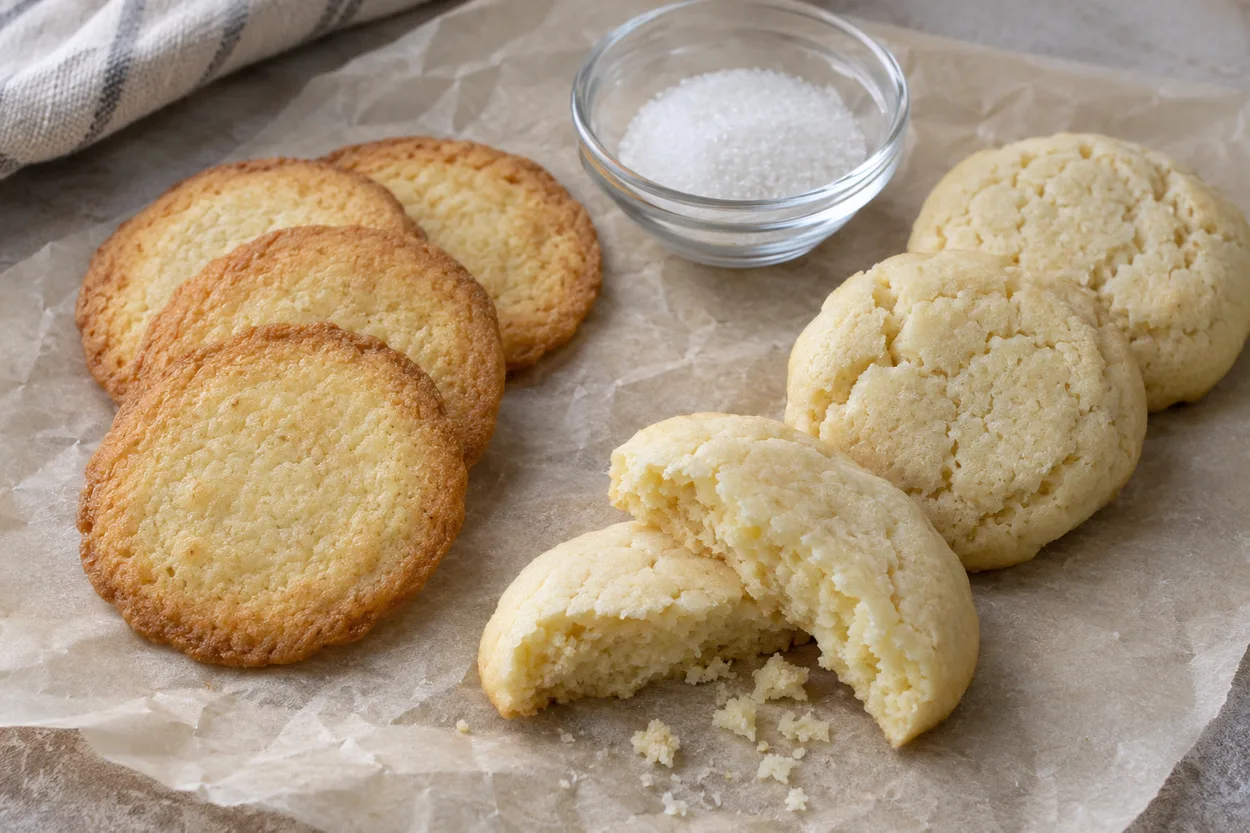
Cookies can spread differently
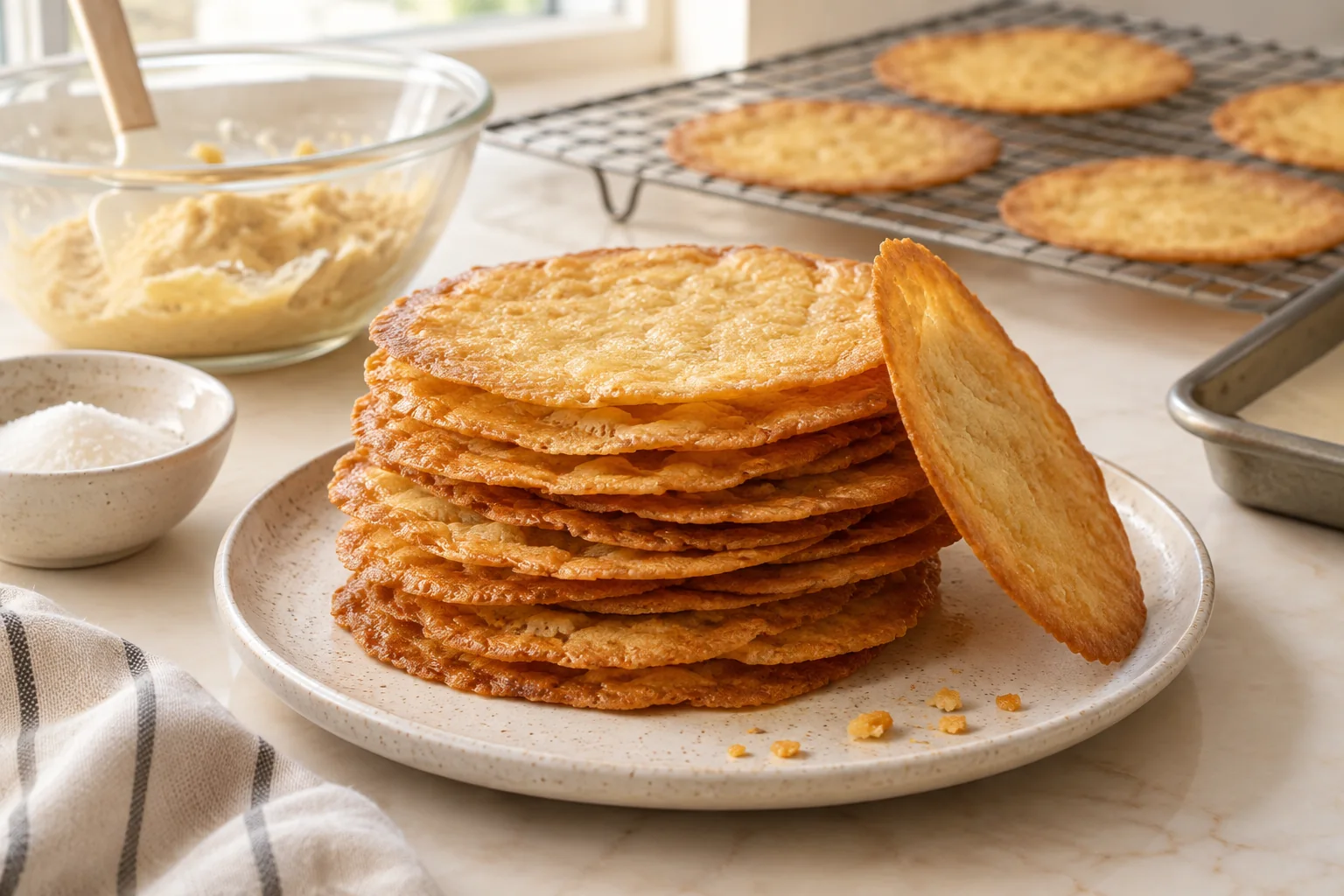
Sugar melts and dissolves as cookies bake, influencing flow and setting. Removing a large amount can make cookies spread less, become thick and dull, or taste bready. Some crisp-cookie formulas need a high sugar proportion for their intended snap. If your goal is a less sweet soft cookie, begin with a published reduced-sugar version rather than altering a thin lace cookie.
Record the diameter of a cooled cookie from Classic Chocolate Chip Cookies before testing a lower-sugar batch.

Brown and white sugar aren't identical
Brown sugar contains molasses-associated moisture, acidity and flavor, while white granulated sugar is mostly sucrose. Reducing one versus the other can change dough behavior differently. A cookie with baking soda may rely partly on acidity from brown sugar. Don't replace missing brown sugar with flour or an unrelated sweetener without considering pH and texture.

Browning and crust color
Sugar participates in caramelization and can influence browning in combination with proteins and heat. A reduced-sugar cake may appear paler even when baked through. Waiting for the original dark-gold surface may overbake it. Use doneness cues appropriate to the revised tested formula rather than relying only on color.
Muffins are often more flexible
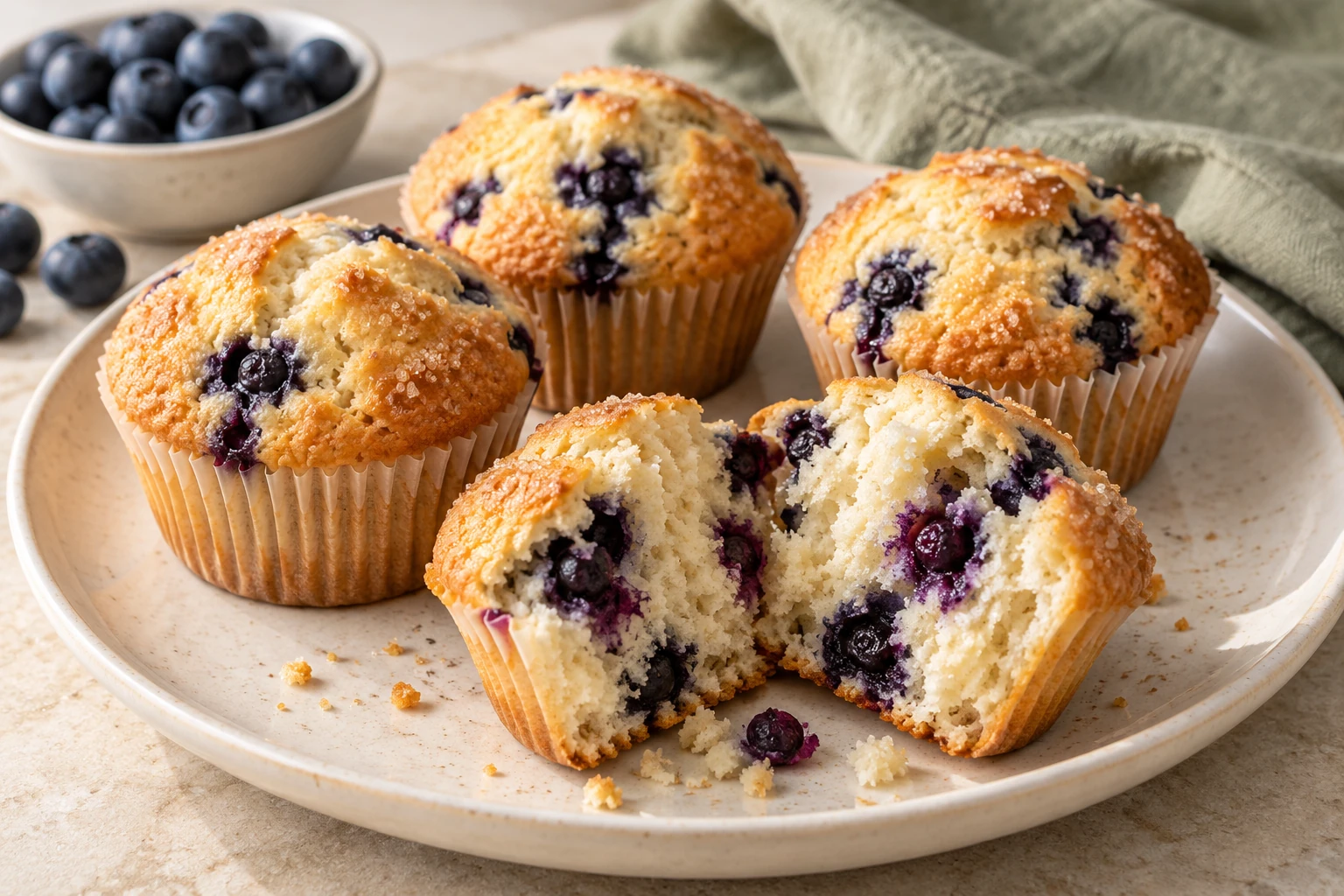
Some muffins and quick breads tolerate modest sugar reductions better than delicate foam cakes or crisp cookies, particularly when ripe fruit contributes sweetness. The allowable change still depends on the recipe. Banana bread with substantially less sugar may brown and keep differently. Start with a trustworthy low-sugar muffin formula and compare actual cooled texture.
Try a small sugar adjustment in Blueberry Muffins while keeping the berries and portion size the same.
Fruit can improve perceived sweetness
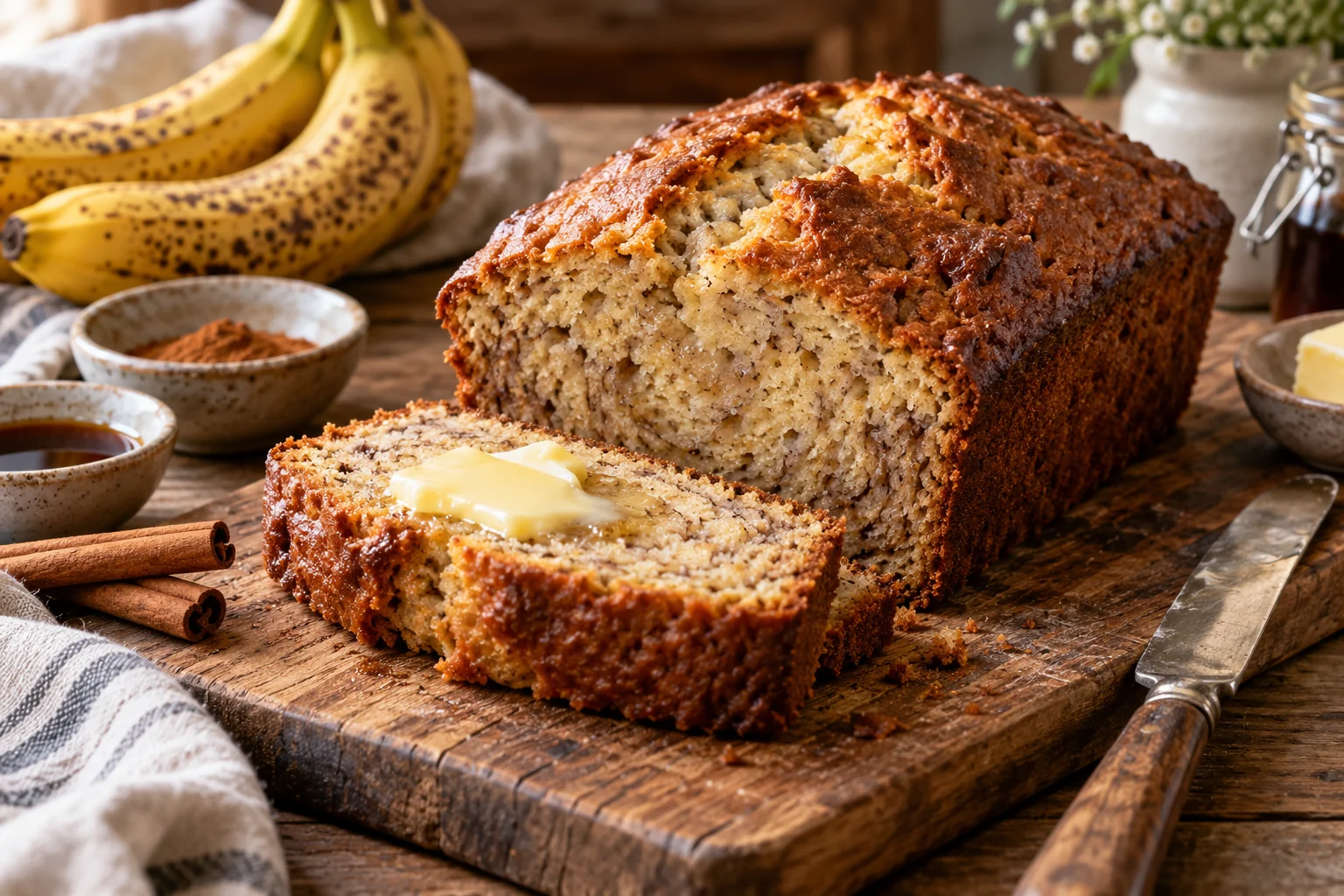
Ripe bananas, apples and berries bring flavor and sweetness, but also water, fiber and acidity. Replacing sugar with extra mashed fruit changes the batter composition. A banana bread recipe developed around ripe fruit is a smarter option than pouring a cup of applesauce into an arbitrary chocolate cake to eliminate sugar. Natural fruit sugars still count nutritionally.
For Classic Banana Bread, weigh the mashed banana so you can repeat the comparison.
Spices and aromatics
Vanilla, cinnamon, cardamom, citrus zest and toasted nuts can make a dessert feel flavorful without simply adding more sugar. They don't chemically replace sugar's structural functions. Use them to improve flavor within a tested reduced-sugar formula. A lemon glaze may taste bright with less sweetness, but added juice changes liquid balance in a cake batter.
Reduce frosting before sponge
For a layered celebration cake, adjusting the amount or style of frosting may reduce the overall sweetness while leaving the structural cake recipe intact. A thin buttercream coat and tart fruit filling can create balance. Cream cheese or whipped toppings have their own storage requirements and aren't guaranteed to be low-sugar simply because they taste tangy.

Choose darker chocolate carefully
Higher-cocoa chocolate may taste less sweet, but the percentage affects sugar and cocoa butter content. Replacing milk chocolate with very dark chocolate in a brownie may alter texture as well as flavor. Use a tested dark-chocolate formula. Cacao percentage alone does not tell you the dessert's total sugar content, especially when additional sugar is mixed into the batter.
Honey and maple syrup are not sugar-free
Honey, maple syrup and agave provide sugars and water, and they sweeten differently from granulated sucrose. Replacing white sugar with equal cups of liquid sweetener changes hydration, spread and browning. These sweeteners may offer distinctive flavors but aren't a simple method of eliminating added sugar. Use formulas developed for them.
High-intensity sweeteners
Stevia, monk fruit extracts and other intense sweeteners may provide sweetness at very small quantities but cannot automatically replace the physical bulk that sugar provides in cakes and cookies. Commercial blends sometimes include bulking agents and may have specific baking instructions. Product formulations differ. Choose recipes tested for the exact blend instead of applying a one-to-one scoop rule from another brand.
For a dough designed around an alternative sweetener, start with Keto Snickerdoodles.
Sugar alcohol blends
Erythritol, xylitol and similar ingredients behave differently from sucrose in dissolving, browning and moisture retention. They may produce cooling sensations or digestive effects for some people. Xylitol is highly toxic to dogs and must be kept away from pets. A product marketed for baking isn't necessarily an equivalent replacement in every recipe; follow the manufacturer's and recipe's guidance.
Jam, fillings and syrups
A lower-sugar fruit filling may set differently because sugar interacts with pectin and water. This matters especially for homemade preserves and shelf-stable products. Do not reduce sugar arbitrarily in a recipe intended for safe home canning; use tested low-sugar preservation procedures. For cakes, a fresh refrigerated fruit compote is a different product with its own storage limits.
For a filling formulated with a sugar replacement, follow Keto Lemon Bars (Sugar-free).

Meringues depend strongly on sugar
Sugar stabilizes many whipped egg-white foams and influences their texture. Removing a large amount can cause meringue to weep, collapse or become coarse. Some specialty recipes use other formulations, but an ordinary French meringue cannot necessarily be made with half the sugar while retaining the same crisp shell. Choose a tested reduced-sugar foam dessert if desired.
Yeast dough and sugar
Many lean breads contain little or no added sugar, since flour starch provides fermentable carbohydrates through enzymatic activity. Sweet enriched doughs, however, use sugar for flavor, browning and tenderness. Removing much of it changes the intended brioche or cinnamon-roll structure and taste. If you want a lower-sugar breakfast bread, consider a lean dough with a restrained topping.
Start with one small adjustment
If a reliable recipe source offers a modest permissible sugar reduction, follow that specific guidance and evaluate the result. Keep flour, fat, eggs, pan and oven constant. Record weight rather than loosely estimating spoonfuls. A small controlled experiment teaches more than replacing half the sugar, switching to oat flour and adding extra fruit at the same time.
For a first trial of a plain muffin that uses 150 g sugar, a 10% reduction means weighing 135 g. Keep the flour, milk, tin and portion size the same. Compare a muffin from each cooled batch again the following day. This trial is for muffins, not preserves or meringue.
Assess the cake after cooling
A reduced-sugar cake can feel different warm versus at room temperature. Examine tenderness, crumb, flavor and dryness after a consistent cooling period. Make sure it is fully baked even if the crust remains lighter than expected. Compare the same recipe's tested standard and reduced versions for a fair evaluation.
Storage may need reconsideration
A lower-sugar baked good may have different moisture and keeping qualities. Sugar reduction never makes a perishable cream-filled cake safe at room temperature, and lower-sugar preserves may require specialized processing. Freeze suitable plain baked goods in portions rather than assuming low-sugar cookies or loaves will remain fresh longer than standard versions.
A sensible menu approach
You might serve a smaller portion of an excellent traditional dessert with fresh fruit, or choose a tested lower-sugar muffin for everyday breakfasts. Both can be reasonable depending on goals. Don't make medical nutrition promises based on the label 'naturally sweetened.' For personal dietary needs such as diabetes, use individualized professional guidance when appropriate.
IN PICTURES
From the baking notebook
FROM THE RECIPE BOX


