On this page
A beautiful baked cheesecake should slice into an even, creamy layer without tiny cream cheese lumps, big air holes or a dry crumbly edge. Most texture problems begin before the pan reaches the oven. Cold cream cheese resists blending, too much beating incorporates air, and eggs added too quickly can create an uneven emulsion. A calm, measured mixing method helps the batter bake smoothly and set reliably.
Start with the right type of cheesecake
Classic baked cheesecake, New York-style cheesecake and no-bake gelatin-set cheesecake use different formulas. This guide focuses on smooth baked cream cheese filling. Follow a tested recipe for its ingredient ratios and baking method rather than transferring instructions between baked and no-bake desserts.
Use the cream cheese specified
Many North American baked cheesecakes use full-fat brick-style cream cheese. Spreadable tubs, whipped products and reduced-fat varieties may contain different amounts of water or stabilizers. Substituting them directly can change texture and set, even when the label uses the same broad name.
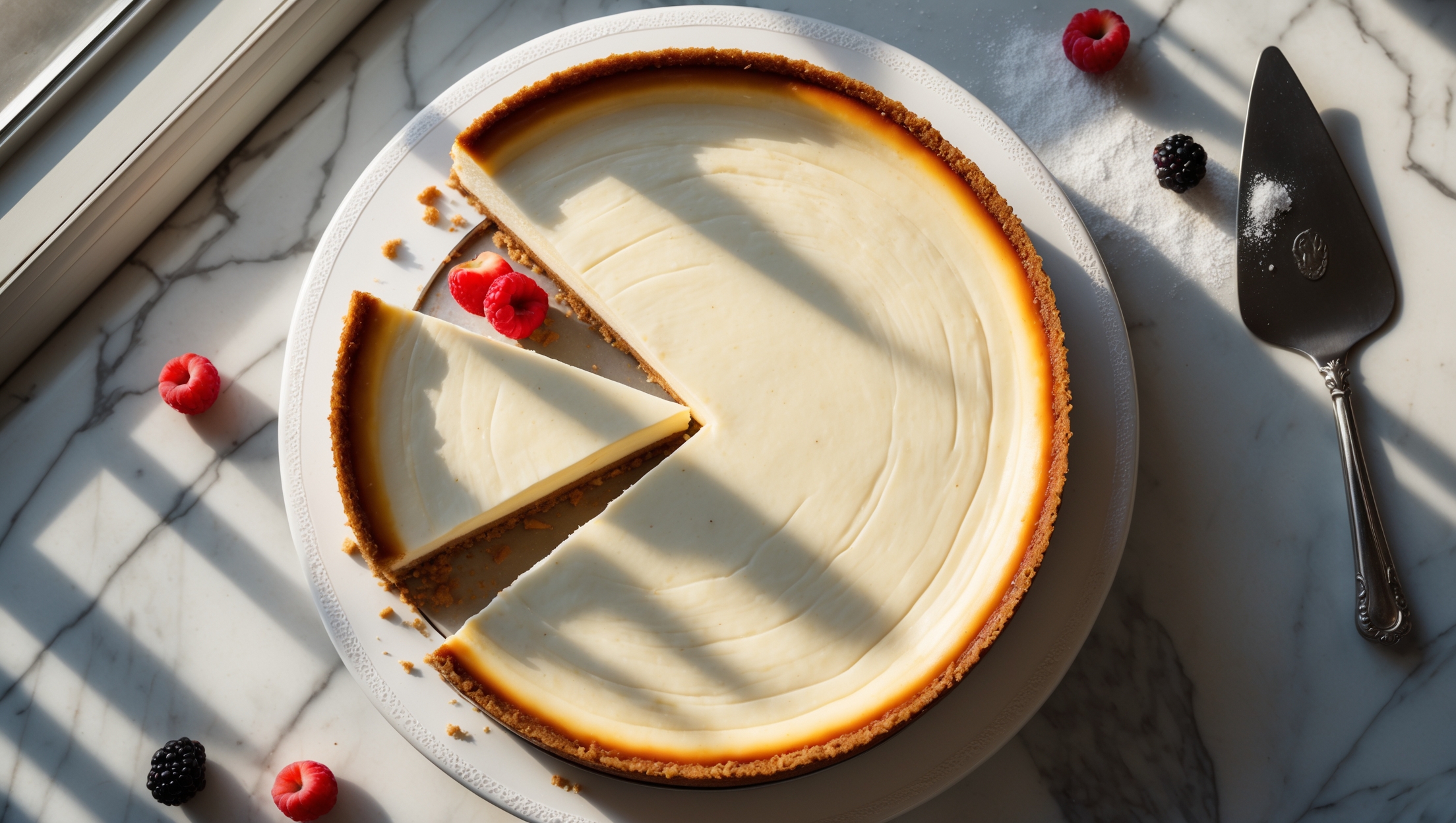
Recipe to try: Classic New York Cheesecake. Follow this cheesecake’s complete mixing, baking, cooling and chilling sequence. A slice is easiest to assess after the required chill.
Soften cream cheese properly
Very cold bricks form lumps that are hard to break once eggs and liquid are added. Let the cream cheese reach the texture specified by the recipe while observing safe handling limits. It should be pliable enough to beat smooth, not left warm on the counter for hours.
Why ingredient temperature matters
Cream cheese, eggs and sour cream combine most smoothly when their temperatures are compatible. Cold eggs added to very soft cheese can cause small firm pieces, while hot ingredients may thin the mixture too far. Prepare ingredients on the schedule specified by the formula.
Don't start with all the ingredients in one bowl
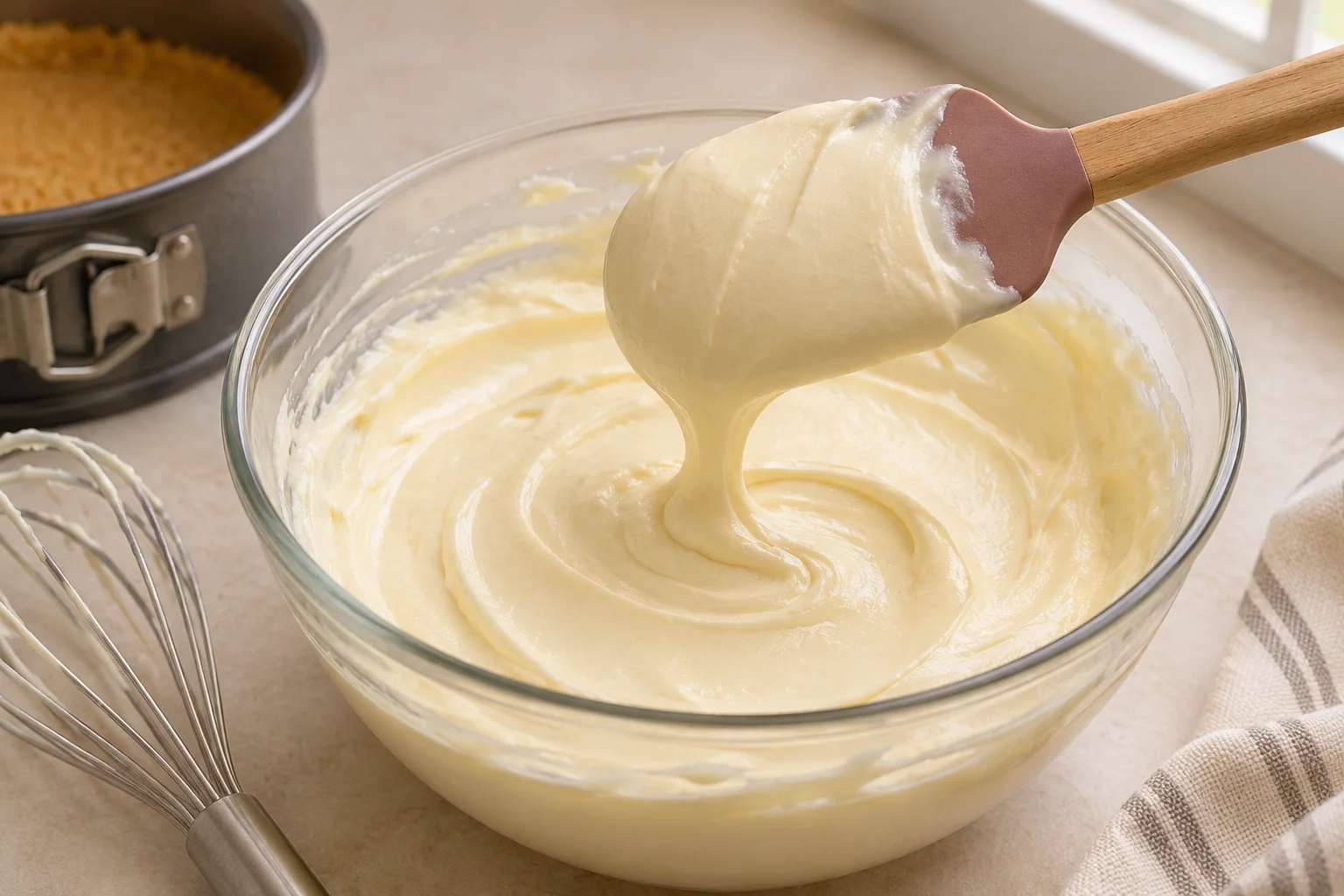
Many smooth cheesecake methods beat cream cheese on its own or with sugar first. Breaking up the dense cheese before adding thinner ingredients helps prevent lumps. Dumping eggs and cream into hard bricks often creates a grainy mixture that takes excessive beating to correct.
Scrape the bowl repeatedly
Even when the centre looks smooth, thick cream cheese can hide along the bottom and sides of the bowl. Pause the mixer and scrape with a flexible spatula, especially after adding sugar and before adding eggs. This is often more effective than increasing mixer speed.
Add sugar as directed
Sugar affects sweetness, moisture and how the cheese softens during mixing. A major reduction can alter texture and final set. Granulated sugar needs to disperse properly, while powdered sugar may contain starch and isn't a universal substitute.
How to incorporate sour cream
Some recipes use sour cream for tang and a softer mouthfeel. Add it at the specified stage and mix just enough to distribute it. A large unplanned extra quantity changes moisture and may produce a loose centre.
Eggs help the filling set
Egg proteins coagulate during baking and create structure within the cream cheese mixture. Adding too many eggs can make cheesecake firmer or more eggy, while too few can prevent a proper set. Use the exact size and number listed in the tested formula.
Why eggs are often mixed in last
Once eggs are added, prolonged high-speed beating incorporates air and can change how the cheesecake rises and settles. Many recipes recommend low speed and one egg at a time. Follow their order and stop when the batter is evenly combined.
Avoid excessive aeration
A cheesecake doesn't usually need a whipped, foamy batter like sponge cake. Trapped air may expand in the oven and contribute to puffing and later sinking or cracking. Lower mixer speed and fewer unnecessary minutes help keep the mixture dense and creamy.
What if the batter already has lumps?
First inspect whether unmixed cream cheese is stuck to the bowl. Gently work it into the batter using the method provided by the recipe. Forceful blending after eggs are incorporated can introduce more air. Starting with pliable cheese is far easier than rescuing a lumpy finished mixture.
Is straining necessary?
Some cheesecake styles and custards benefit from straining, but thick cheesecake batter may not pass easily through a fine sieve. Don't assume a strained batter will correct every cheese lump. Follow the recipe if it recommends a specific smoothing method.
Vanilla and other flavourings
Extract, zest or melted chocolate can flavour the filling, but their temperature and moisture matter. Very hot melted chocolate can create streaks or disturb the emulsion; excess lemon juice or purée changes liquid balance. Choose a cheesecake formula developed for the flavour you want.
Preparing the crust
A crumb crust should be pressed evenly into the specified pan and prebaked or chilled as the recipe directs. An excessively thick crumb base can make clean slices difficult, while a very crumbly one may shift when filling is poured. Smooth filling looks best above a level crust.
Prepare the pan correctly
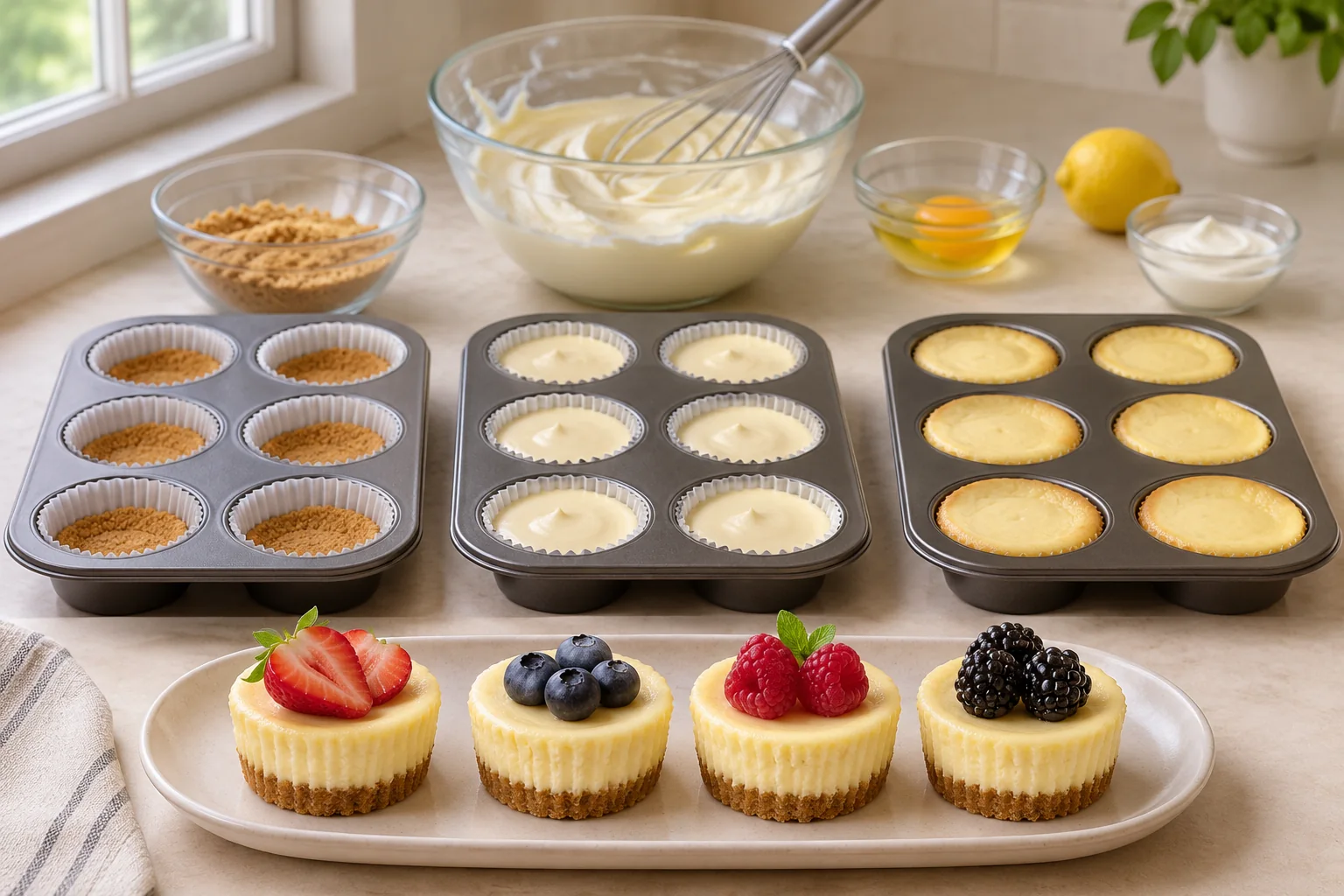
A springform pan is common for full-size baked cheesecakes, but other pans can work when the recipe supports them. Grease or line as instructed. If the method uses a water bath, protect the pan using a validated setup rather than assuming a thin foil layer prevents all leaks.
The water bath question
A water bath can moderate heating around cheesecake and help prevent overcooked edges. Some tested cheesecakes bake without one, relying on a lower oven temperature or other schedule. Neither method is interchangeable without considering the recipe's ingredients and pan.
Gentle baking is central
A very hot oven can set the outside rapidly while the middle remains soft, producing cracks or a grainy edge. Use the temperature and endpoint specified by the cheesecake formula. Baking longer merely to eliminate all wobble can overcook the filling.
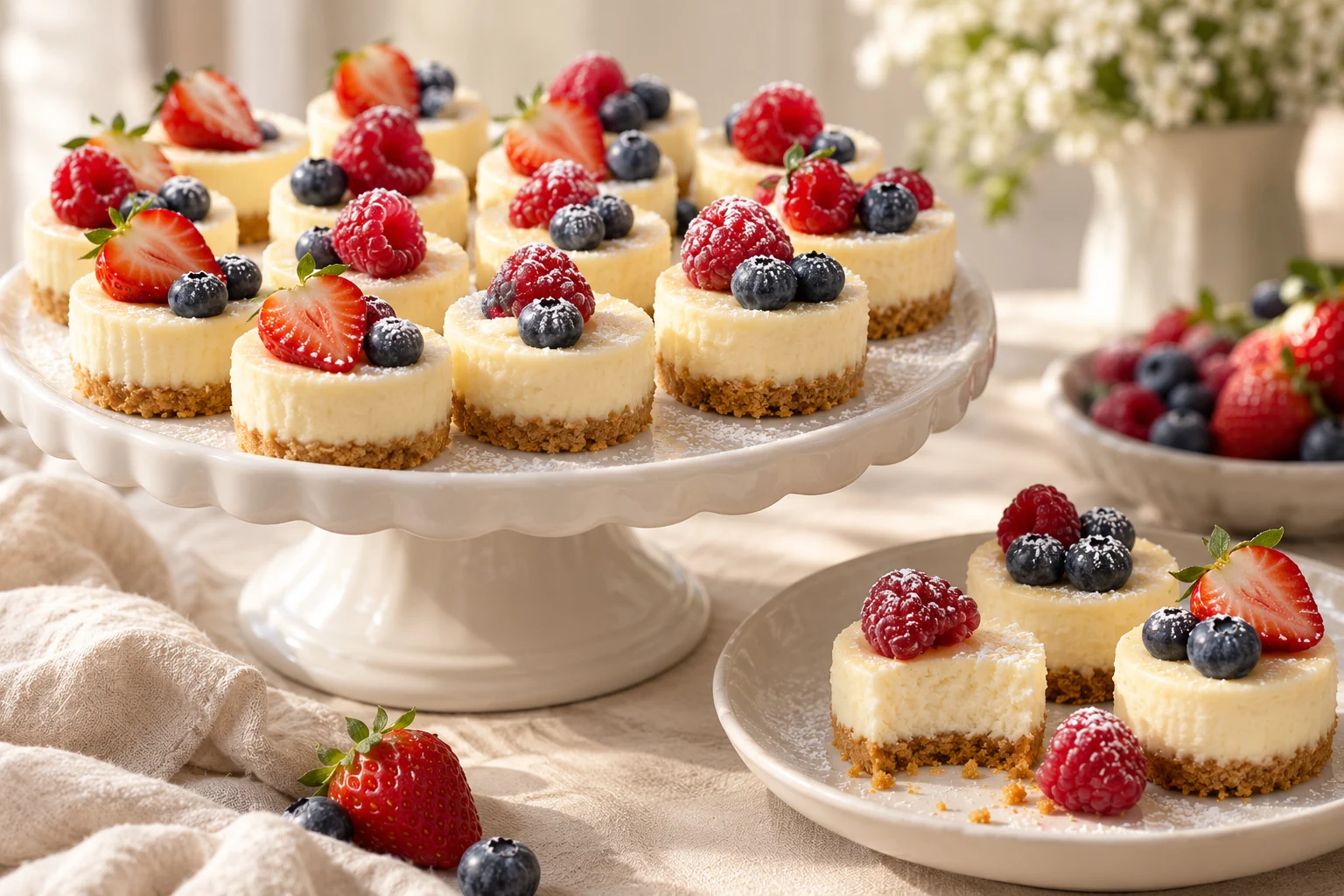
Recipe to try: Mini Cheesecake Bites. Mini cheesecakes have their own portion size and baking schedule. Do not use a whole cheesecake’s bake time for these small cups.
Check doneness safely
Look for the recipe's specified set around the edge and centre movement. Some recipes provide an internal temperature; ensure it is appropriate for the exact egg-based dessert and applicable safety guidance.
Cool gradually
Many cheesecakes are allowed to cool in stages to limit abrupt structural change. A too-hot outer edge and rapidly cooling centre can contribute to sinking or cracking. Follow the tested method rather than leaving a perishable cheesecake unrefrigerated overnight.
Refrigerate before slicing
Chilling is often necessary for the rich filling to firm enough for neat portions. Keep cheesecake at 4°C (40°F) or colder and follow its time limits. A shiny crust or fruit topping may need to be added after the cheesecake is fully cool.
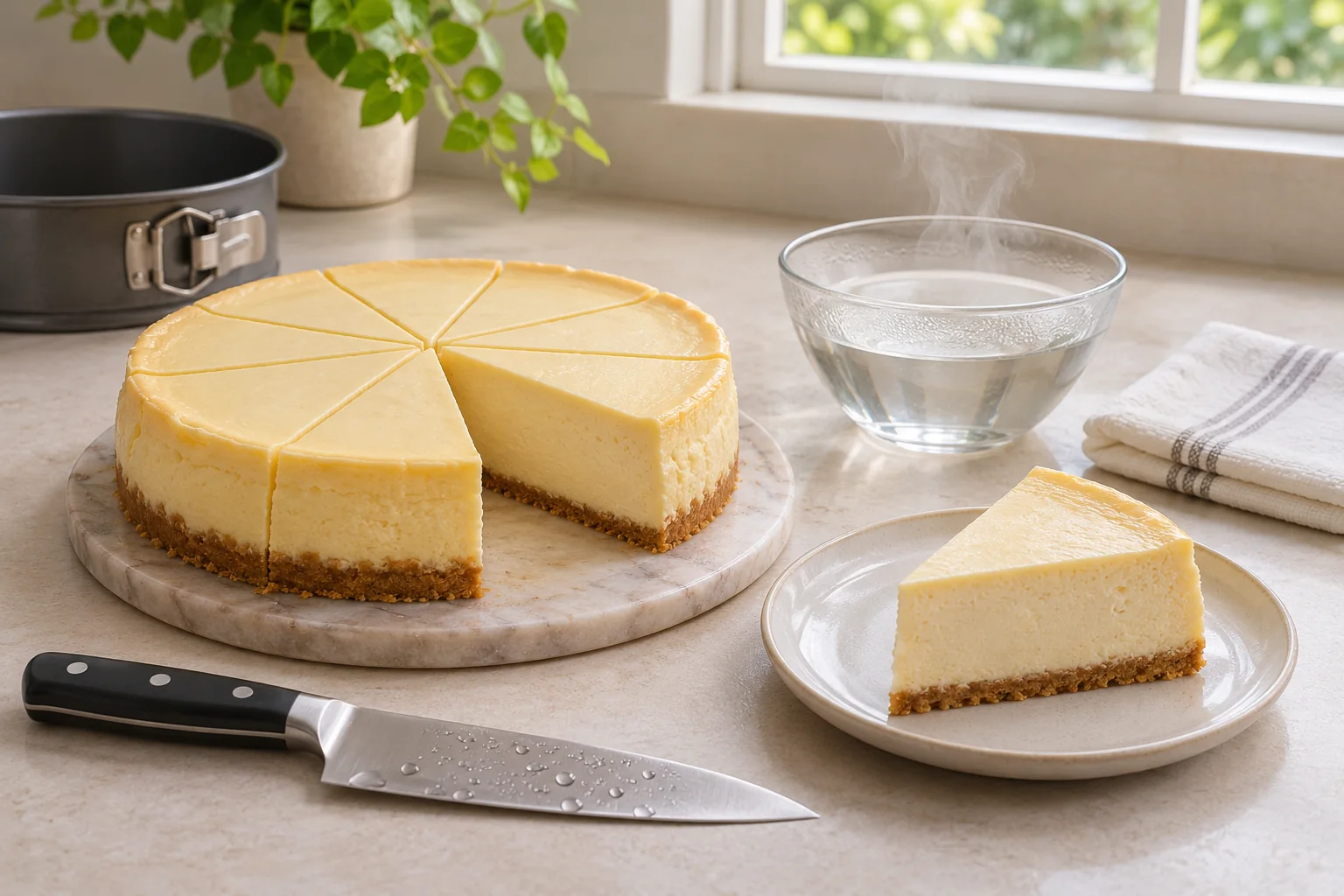
Why it cracks despite smooth mixing
Overbaking, excess aeration, pan adhesion and fast temperature changes are among possible factors. A crack is usually an appearance concern when the dessert was otherwise cooked and stored safely. It doesn't mean you must beat more cream cheese into the next batch.
Frequently asked questions
Should cream cheese be room temperature? Usually softened according to the recipe, within safe handling. Can I use tubs instead of bricks? Only if the formula supports them. Why is batter grainy? Cold cheese or poor mixing may contribute. Do I need a water bath? Follow the recipe. Can chilling fix raw filling? No.
The smooth cheesecake routine
Soften the correct cream cheese, beat it smooth before adding liquid ingredients, scrape the bowl, add eggs gently, then bake and cool by a tested method. Most silky cheesecakes are the result of restraint and consistency rather than prolonged high-speed mixing.
Recipe to try: No-Bake Cheesecake. For a chilled alternative, choose this no-bake formula. Its setting method is separate from an egg-based baked cheesecake.

IN PICTURES
From the baking notebook
FROM THE RECIPE BOX


