
On this page
Pick the flavour you want to notice first. Orange zest can brighten a ginger cookie; brown butter can give it a deeper finish. Test the combination in a spoonful of dough baked separately before seasoning the entire batch.
Choose a primary flavor
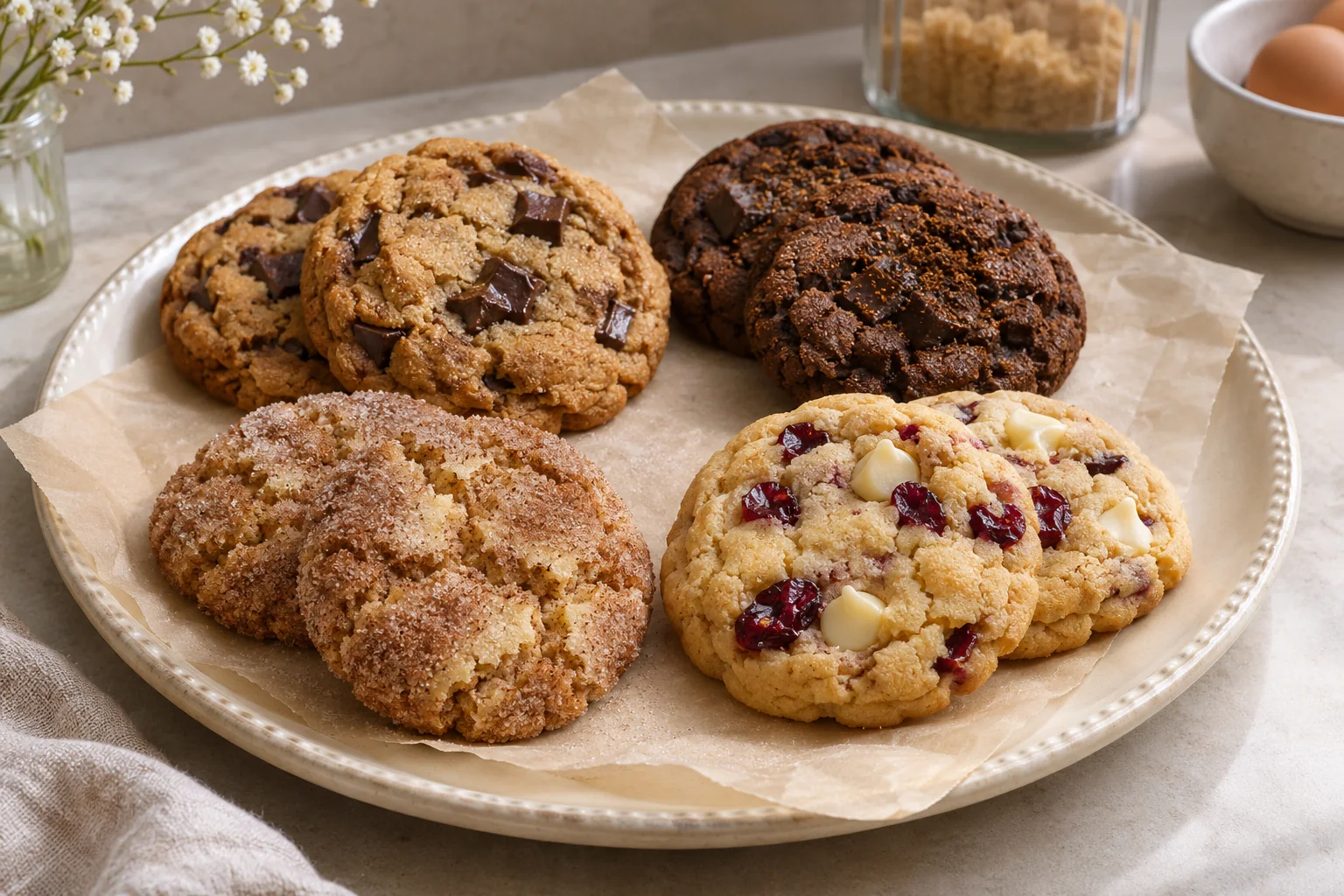
Before mixing, decide what a guest should notice first: brown butter, dark chocolate, lemon, cardamom, cinnamon or toasted sesame, for example. A sugar cookie can highlight vanilla and butter; a molasses cookie already has strong caramel and spice notes. When the base has a powerful flavor, secondary additions should be subtle. Write the desired flavor in one sentence before deciding what to add; this simple step prevents clutter.
Understand top, middle and base notes
Citrus zest and certain extracts provide bright aromatic impressions, while cinnamon and cardamom may sit in the middle and browned butter or cocoa give deeper background notes. These are tasting descriptions, not fixed scientific categories. Pairing a bright note with a rich base often creates contrast: orange with dark chocolate, lemon with shortbread, or ginger with molasses. Too many strong notes can cancel rather than complement each other.
Vanilla as a supporting ingredient
Vanilla often rounds out the flavor of chocolate, butter and warm spices even when the cookie isn't advertised as vanilla. Pure extracts, pastes and whole beans differ in concentration and added liquid. Follow the recipe's amount, particularly in a delicate dough where excess liquid can alter spread. A vanilla bean's visible flecks can be lovely, but they aren't a reliable measure of how much flavor reaches the finished cookie.
Almond and other potent extracts
Almond extract may dominate a small batch with only a few extra drops. Peppermint, rose and some concentrated extracts behave similarly. Start with a tested recipe designed for those ingredients, or make a tiny controlled trial instead of doubling a standard vanilla measure. Product concentration differs, and some flavorings contain alcohol, oil or other carriers that affect compatibility and dietary considerations.
The power of citrus zest
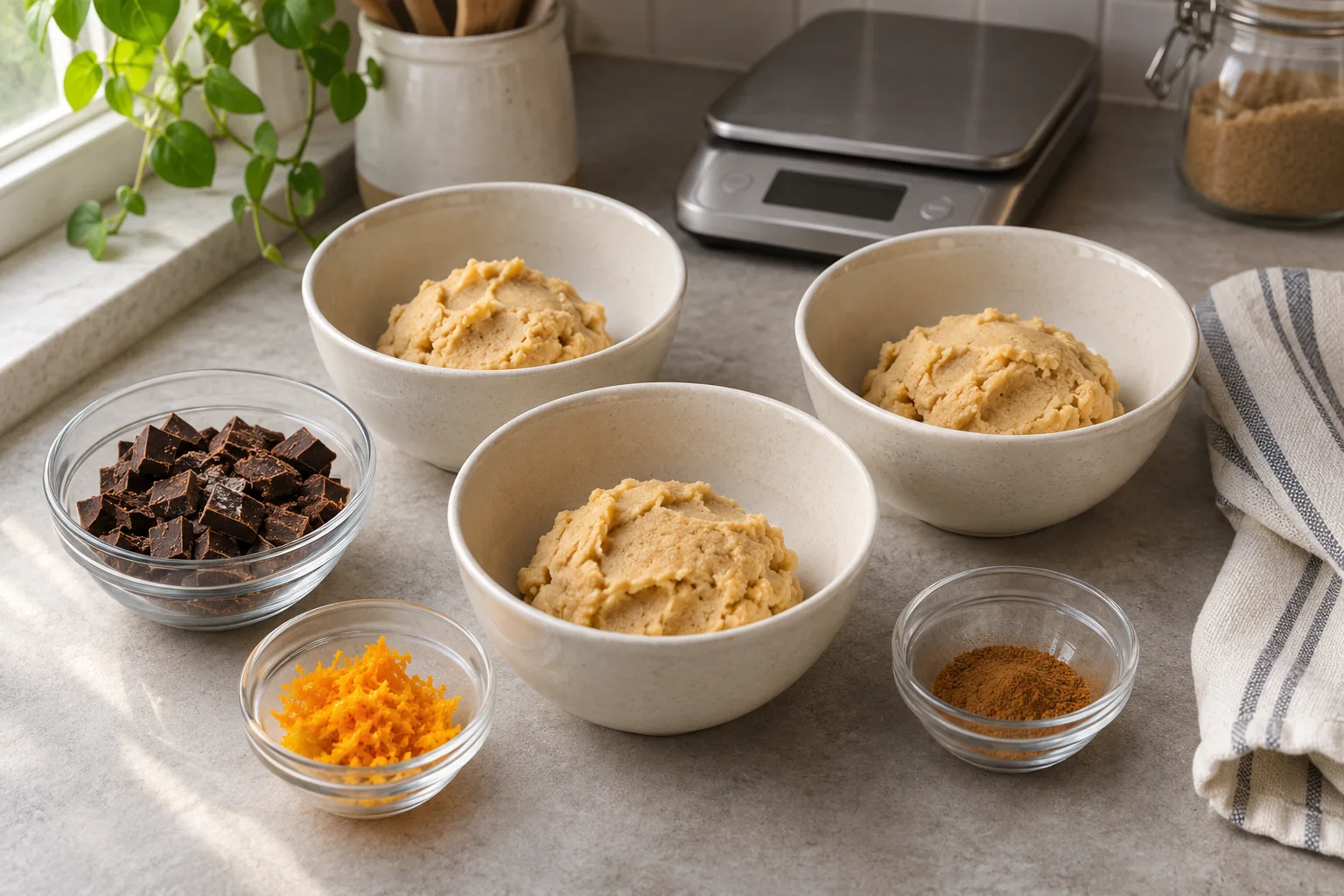
Zest carries aromatic oils near the colored surface of citrus peel without adding the same amount of water or acid as juice. Finely grate only the outer colored layer to avoid excessive bitter white pith. Lemon zest suits shortbread and sugar cookies, while orange complements chocolate and spice. Wash fruit and check whether waxed peels are appropriate for culinary zesting. Add the zest at the stage specified by the recipe.
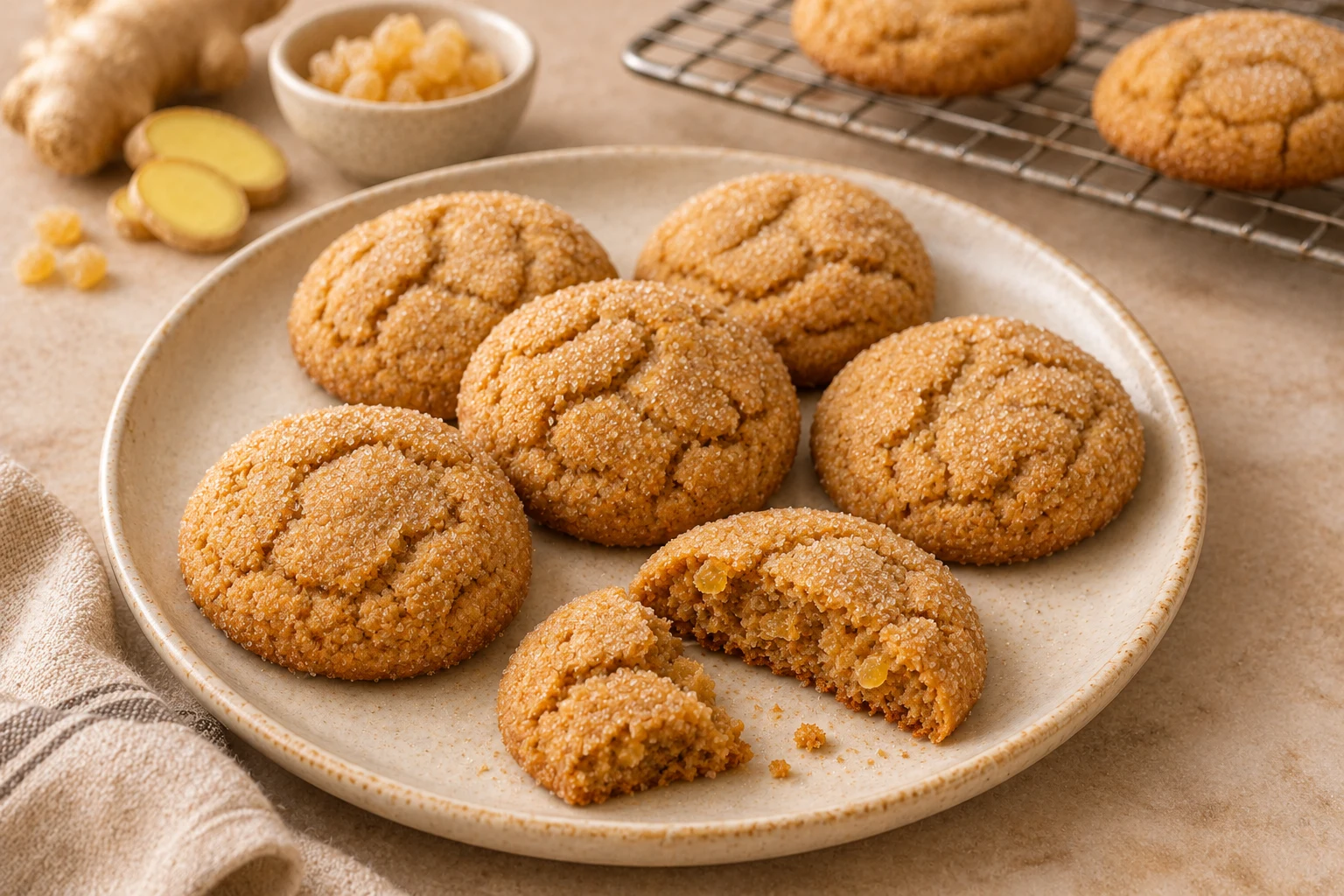
In Orange Ginger Cookies, citrus brightens the warm spice.

Why juice isn't a direct substitute for zest
Lemon juice contains water and acid, which can change dough hydration, leavening and texture. It offers sharpness but not exactly the fragrant oils of zest. A cookie that uses zest may spread differently if several tablespoons of juice are added. For a stronger citrus experience, combine a tested zested dough with a compatible cooled-cookie glaze rather than altering the batter without guidance.
Warm spices need restraint
Cinnamon, ginger, nutmeg, cloves and cardamom have very different intensity. Cinnamon can often be the main spice, while cloves are typically a supporting accent. Measure carefully and consider freshness: ground spices lose potency over time. A small batch containing several full teaspoons of strong spices may become bitter or medicinal. Balance the blend using a proven spiced-cookie formula.
Use Cardamom Ginger Cookies to explore how a fragrant second spice changes the first bite.

Blooming spices and toasting
Some recipes toast whole spices before grinding or gently bloom spices in warm fat, making aromas more noticeable. This is a technique-specific choice, not an instruction to heat every spice indiscriminately. Overtoasted spices can taste harsh. If adapting a baked cookie formula, use an established brown-butter or spice-blooming recipe because heating the fat also changes its water content and mixing behavior.
Compare the spice blend in Chai-Spiced Ginger Cookies with a single-spice dough.

Brown butter for depth
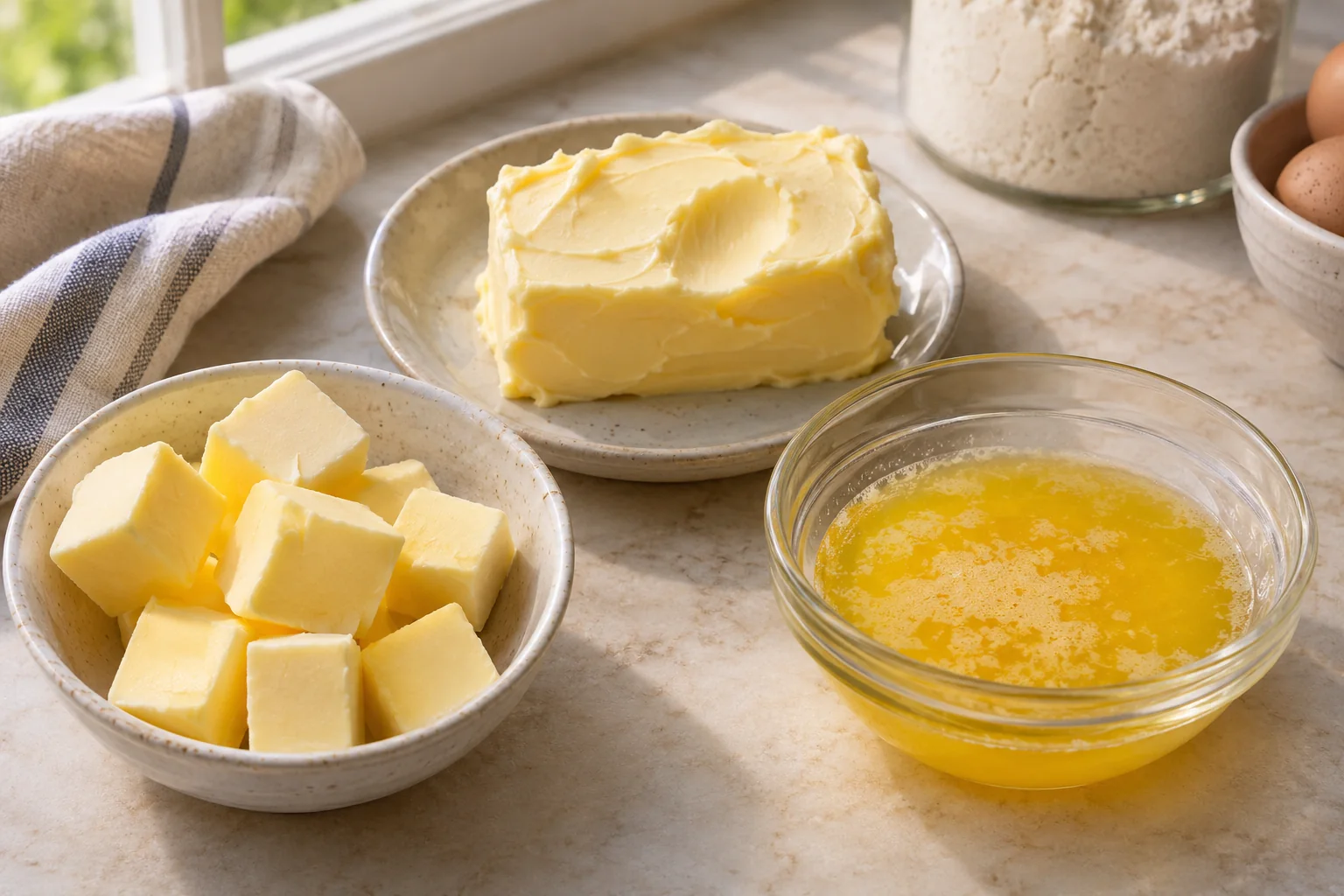
Brown butter develops toasted aromas as milk solids brown under controlled heat. It can add nutty caramel-like depth to chocolate chip and sugar cookies. But browning butter evaporates water, so a dough originally written for unbrowned butter may spread or hydrate differently. Use a recipe developed for brown butter or follow its measured water replacement and cooling directions. Avoid scorching the milk solids, which creates bitterness.
For a toasty base to the spice, bake Brown Butter Ginger Cookies.
Salt makes sweetness more interesting
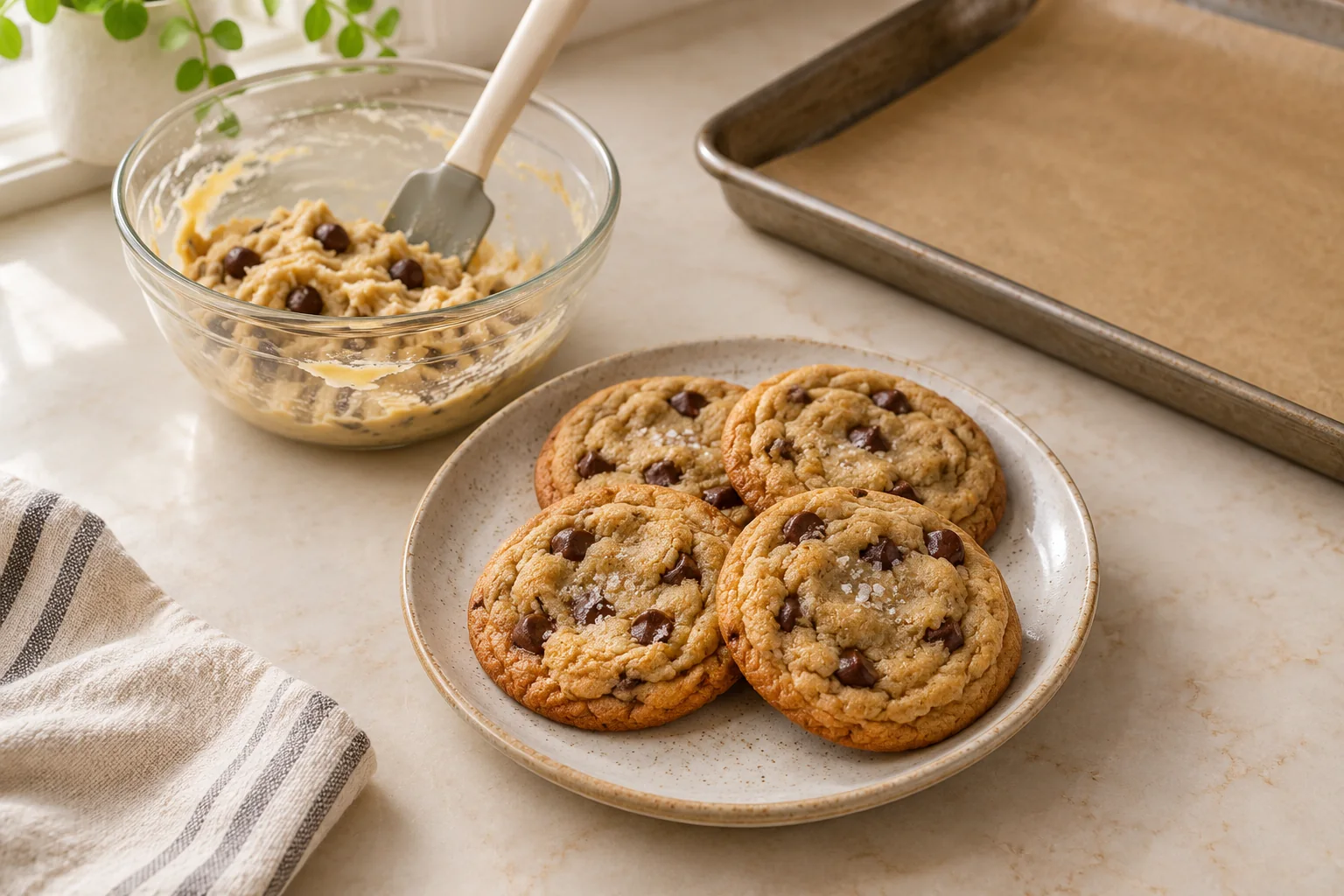
A measured amount of fine salt can sharpen butter, chocolate and caramel notes. Flaky salt on top offers a separate texture and concentrated finish. Salt brands vary by crystal size; one teaspoon of fine salt is not the same weight as a teaspoon of large flakes. Weigh where the recipe provides grams, and avoid adding heavy finishing salt to a dough that's already salty.
How sugar contributes flavor
White sugar gives relatively clean sweetness, while brown sugar contains molasses that adds caramel-like and slightly mineral notes. Dark brown sugar is usually more assertive than light brown. Both also change moisture and spread, so swapping proportions influences more than taste. A tested combination often balances crisp edges and a chewy center. Do not replace half the sugar with honey and expect unchanged cookie structure.
Toasted nuts and seeds
Toasted walnuts, pecans, almonds or sesame can bring flavor and crunch to a cookie. Toasting drives off some moisture and promotes aromatic compounds, but nuts can burn quickly. Allow them to cool before mixing into soft dough so they don't melt butter. Ask the guest which allergens they avoid. Check every ingredient label and use separate, thoroughly cleaned equipment and work surfaces. If you cannot prevent cross-contact, choose a different gift.

Chocolate as an ingredient and accent
A chopped bittersweet bar produces irregular pools of chocolate, while some chips hold their shape. Cocoa powder changes the entire dry-ingredient balance and isn't simply another mix-in. For chocolate cookies, consider pairing the base with a little espresso flavor or orange zest using a tested recipe. Adding too much liquid coffee can change cookie texture; an appropriate dry espresso ingredient may be easier to control.
Compare the chocolate-rich bites and plain crumb in Chocolate Chunk Cookies.

Coffee and espresso accents
Coffee can deepen perception of cocoa in certain desserts without creating a strong coffee cookie. Instant espresso powders vary by intensity, so the original recipe should guide amount. Brewed coffee introduces significant water, affecting spread and dough consistency. For a clear coffee-flavored cookie, a dedicated formulation is more predictable than pouring an extra shot into ordinary chocolate chip dough.
Fruit in cookie dough
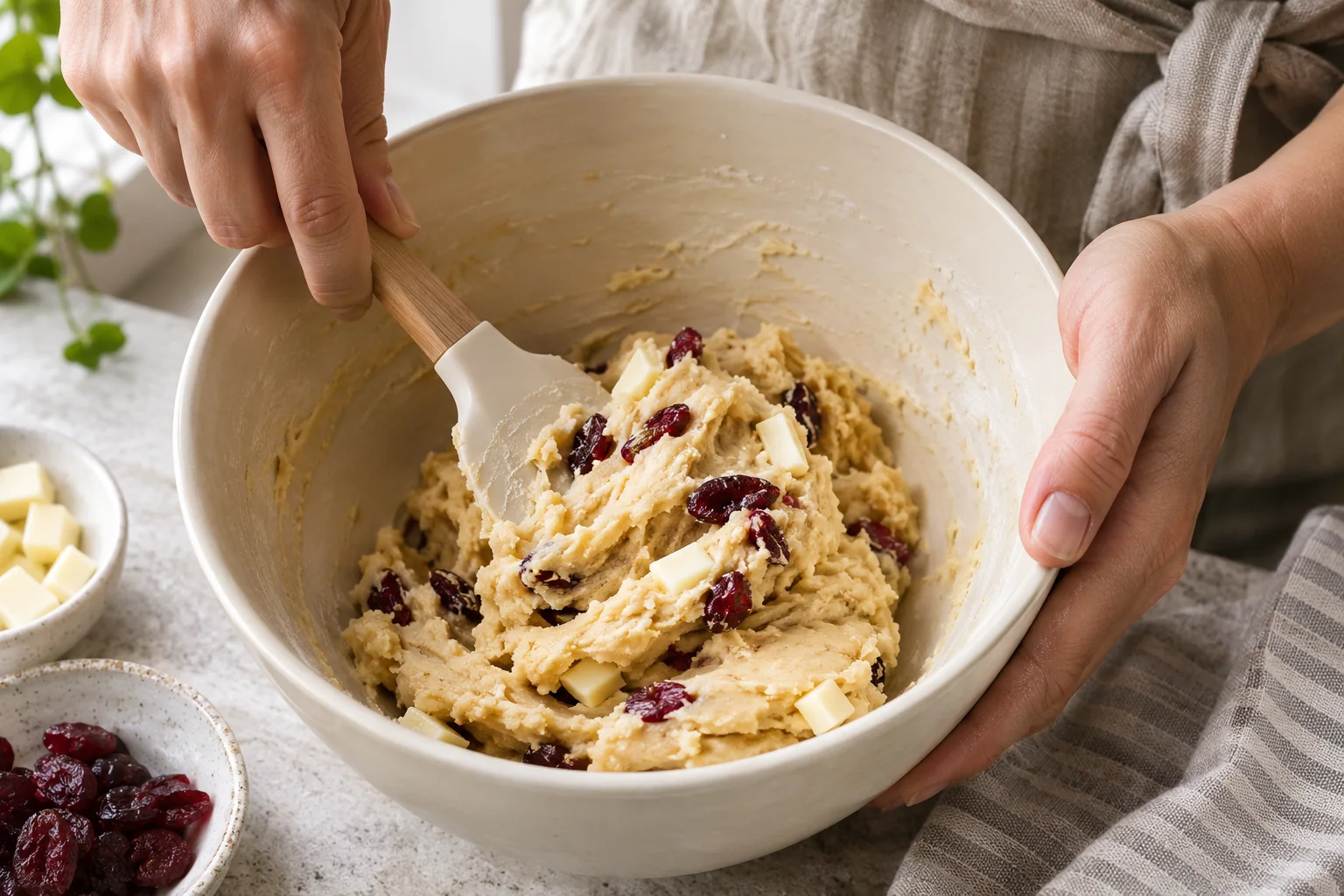
Dried cranberries, cherries and raisins give concentrated flavor without the free water of many fresh fruits. Freeze-dried berries can add vivid tartness but absorb moisture and may soften over storage. Fresh strawberries can release water during baking and make cookies cakier or wetter than intended. Choose a recipe designed for the fruit format rather than exchanging fresh and dried by equal volume.
Why texture is part of flavor
A crisp edge can make browned butter seem more pronounced, while a soft center carries warm spice differently. Crunch from nuts and chew from fruit give a cookie more interest without adding extra extracts. When flavor feels flat, consider whether the dough is underbaked, overly sweet or lacking salt before reaching for a fifth aromatic addition.

Testing one change at a time
Begin with a familiar cookie recipe and divide the dough into small portions only when the formula supports variations. Add measured orange zest to one, a modest spice blend to another and keep a plain control. Bake on identical sheets at the same size and temperature. Taste only the baked, cooled cookies. Compare their flavour and spread with the plain control.
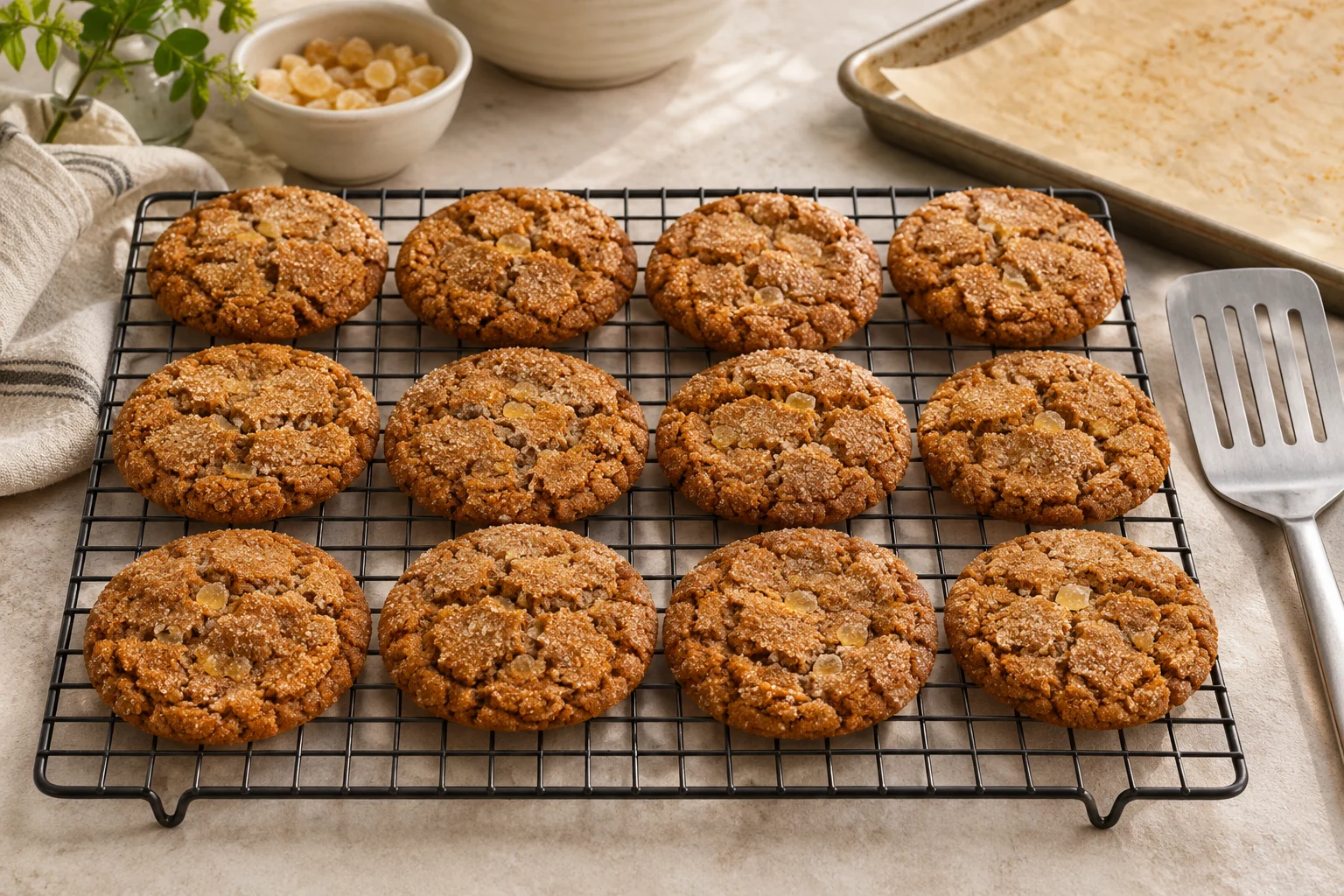
Taste Triple Ginger Cookies to compare several forms of the same spice.
Avoid overpowering the base
If a cookie has strong chocolate, molasses and cinnamon already, extra mint, orange and almond can make it taste confused. Instead, identify the primary flavor and remove weaker competing notes. Contrast can be as simple as dark chocolate and flaky salt or bright lemon and butter. A distinctive cookie is often one with a focused combination and well-controlled texture.
Storage changes aroma
Some fragrant oils dissipate during storage, while crisp cookies absorb moisture from softer neighbors. Store completely cooled cookies by texture and filling needs, using appropriate food-safe containers. Cream-filled or fresh-fruit cookies may require refrigeration. A recipe may taste strongest shortly after cooling, so plan baking and gifting around its best serving window.
IN PICTURES
From the baking notebook
FROM THE RECIPE BOX


