
On this page
Before choosing flavours, work out who will bake, who will label and who will count the money. A short menu with a known yield makes it easier to price each packet and keep the table stocked.
Start with One Clear Goal
Decide why you're holding the sale and what success will look like. Are you raising money for school supplies, supporting a local charity, or bringing neighbours together? Set a realistic financial target based on expected foot traffic, volunteer availability and how much food your group can prepare safely.
Keep the cause visible on a simple sign. People are more likely to understand the event when the purpose is clear. If proceeds are being donated, explain how the funds will be used and who is organising the fundraiser without making promises you cannot verify.
Check Permissions and Food-Sale Rules Before Baking
Requirements for selling homemade food vary by location and venue. Some places allow particular low-risk homemade baked goods under specific conditions, while others require permits, ingredient labels, approved kitchens, inspections or other safeguards. Schools, workplaces, markets and community centres may each have their own policies.
Before advertising, contact the relevant local public-health or food-safety authority and the venue organiser to confirm what is permitted. Ask specifically about home-prepared foods, allergens, packaging, labelling, temperature control, fundraising rules, sales taxes where applicable and whether the group needs event insurance or an approved vendor agreement.
Don't assume that calling an event a charity fundraiser exempts it from food-safety requirements. If homemade sales aren't permitted, consider a venue-approved alternative such as a prepackaged-food fundraiser.
Choose the Right Location and Date
A good site has suitable foot traffic, access to handwashing or hygiene facilities as required, enough room for an orderly queue and protection from weather. Confirm whether tables, chairs, electricity and a sheltered setup are included.
Think about the audience. A bake sale after a school concert may attract families looking for small treats, while a community market may work better with loaves, cookie packs and gift boxes. Check for competing events and choose a time volunteers can reliably attend.
Set a Budget Before Selecting Recipes
List likely expenses: flour, butter or alternatives, eggs, chocolate, packaging, napkins, signs, table materials, payment processing and any venue or permit costs. Include supplies volunteers may donate and ask whether those should count toward the fundraiser's true costs.
Choose recipes that share common ingredients. A brownie tray, vanilla cookie dough and simple loaf cake may use many of the same pantry staples. Buying ingredients around a planned menu is often less wasteful than collecting a long list of unrelated recipe requests.

Build a Small, Strong Bake-Sale Menu
Start with three to five treat categories instead of asking everyone to invent a new recipe. A useful balance is something chocolatey, something fruity or citrus-flavoured, something crisp and a clearly labelled option for a confirmed dietary need if it can be made safely.
Choose recipes that have reliable yields and tolerate the required packaging and venue conditions. Elaborate cream cakes may look attractive, but they create refrigeration, handling and serving challenges that can be difficult for a volunteer-run table.

1. Brownies and Blondies
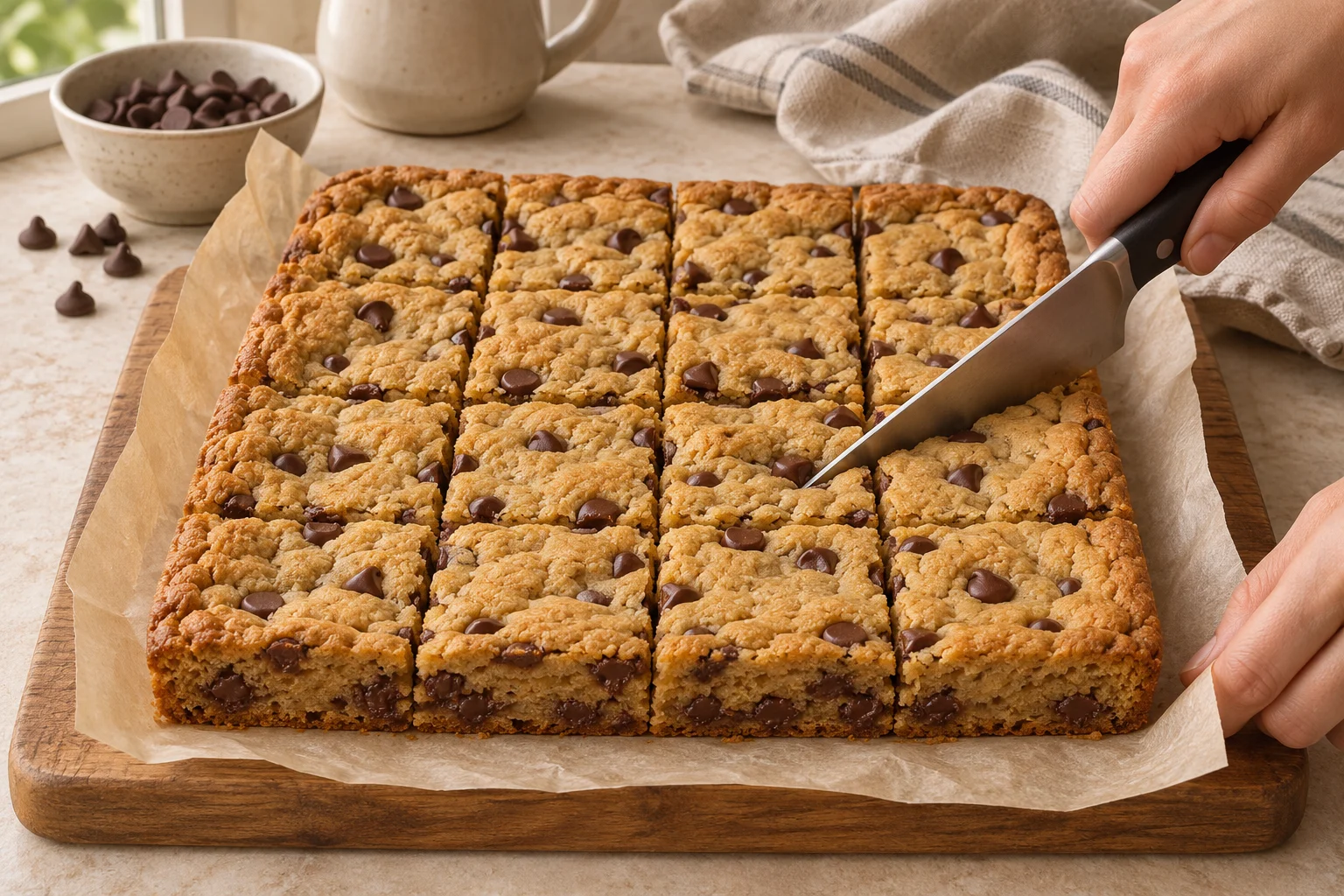
Brownies and blondies are natural bake-sale favourites because one pan can produce many pieces. Choose a tested recipe, allow complete cooling and cut a consistent grid so shoppers understand what they're buying.
Rich brownies often sell well in smaller portions. A brownie with cream-cheese swirls or another perishable filling may require cold storage, so check the complete recipe before selecting it for an unrefrigerated venue.
Calculate the cost per saleable piece of Air Fryer Brownies after trimming and portioning.

2. Chocolate Chip Cookies
Cookies are familiar, simple to portion and easy to package in pairs or small bags. Use a dependable recipe and weigh or scoop dough consistently. Allow the cookies to cool before wrapping to avoid condensation.
A small range of cookie flavours is usually enough: classic chocolate chip, perhaps oatmeal, and a crisp shortbread. Keep soft and crisp cookies separately packaged to preserve their textures.
Weigh a test portion of Classic Chocolate Chip Cookies before promising a fixed number per packet.

3. Lemon or Vanilla Loaf Slices
A plain loaf with a suitable glaze provides a lighter flavour alongside chocolate treats. Bake in the specified pan, cool thoroughly and cut slices of consistent thickness. For a more giftable offering, consider selling a whole small loaf where the recipe and packaging permit it.
A simple drizzle cake isn't the same as a lemon-curd-filled cake; perishable fillings change handling requirements. Choose only products that can be safely stored at the event.
Cool Vegan Lemon Blueberry Loaf fully before cutting slices for packaging.

4. Muffins and Mini Muffins
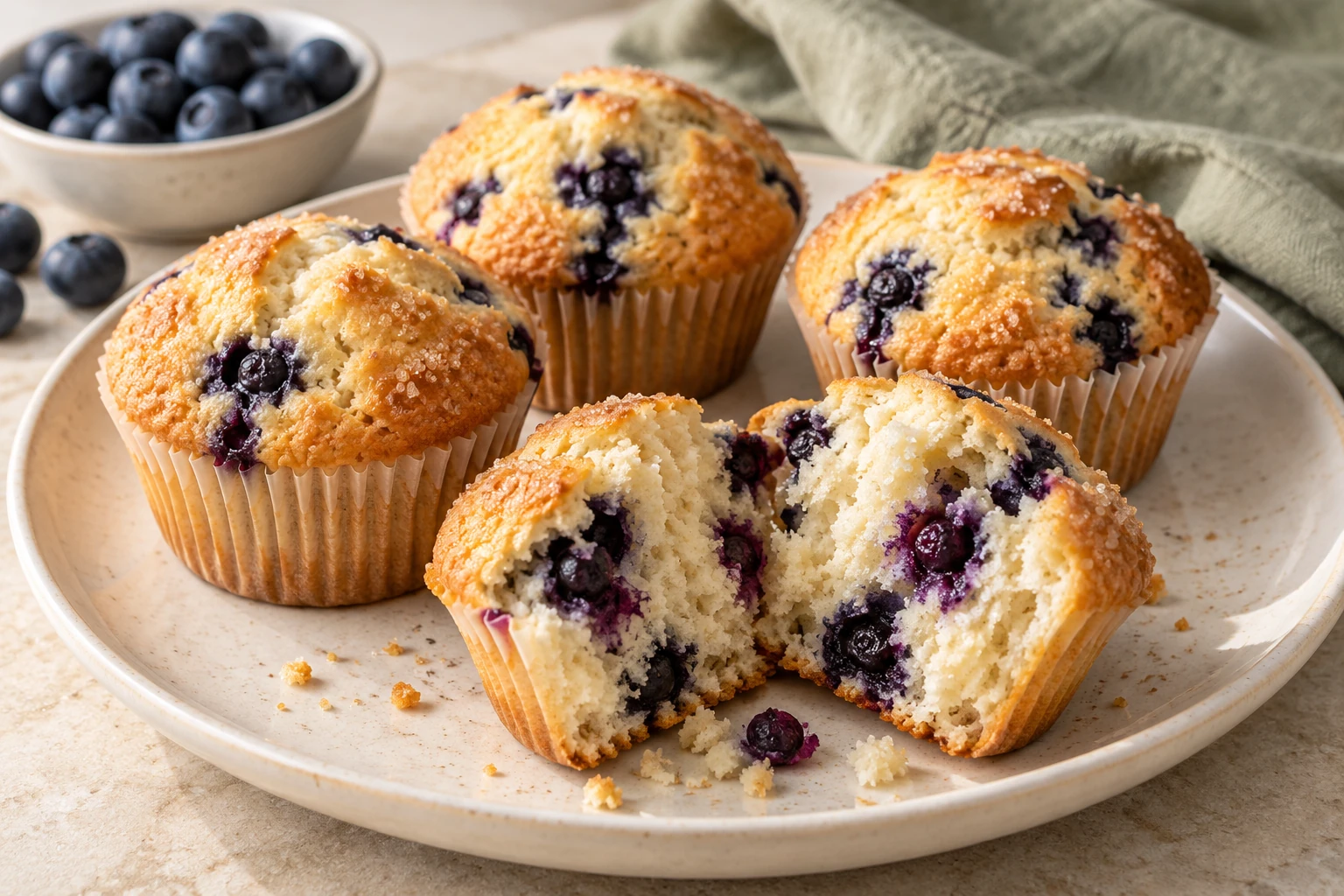
Muffins can be appealing in the morning or at family events. Banana, blueberry, apple and chocolate flavours are familiar, and paper liners make individual serving easier.
Use a recipe appropriate for the pan size, especially for mini muffins. Bake fully, cool on a rack and avoid packing while warm. A filled muffin may have different refrigeration requirements than a plain one.
Use the yield of Blueberry Muffins to assign one manageable batch to a volunteer.
5. Shortbread and Biscotti
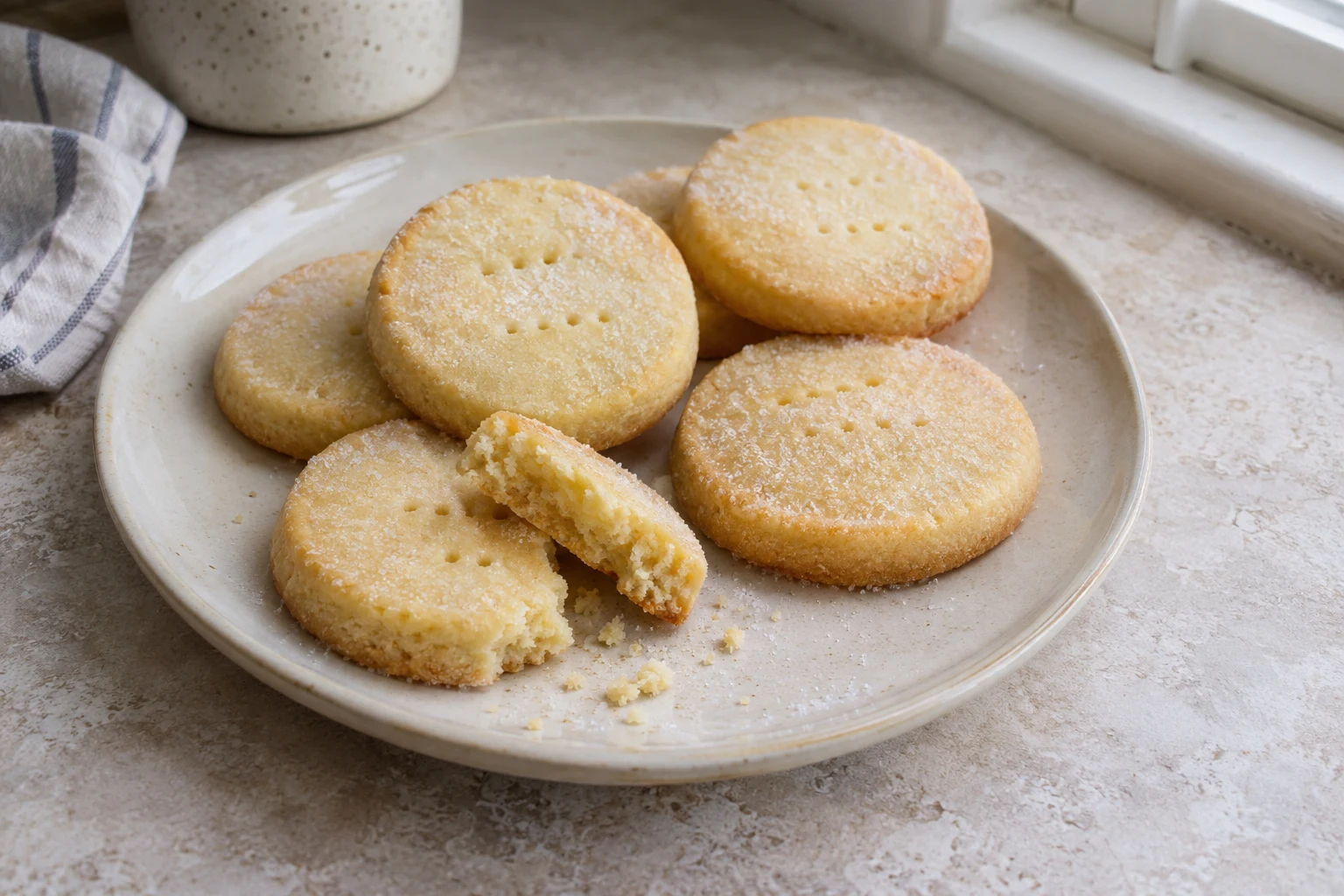
Sturdy cookies are useful for gift packs and coffee-focused sales. A plain shortbread recipe can be dressed up with shapes or a modest glaze, while biscotti can be packaged in small groups.
Don't overload a box with fragile pieces, and clearly label nuts in almond biscotti or pecan shortbread. If chocolate-dipped, consider the weather and whether the coating will remain attractive.
Allow Vegan Shortbread Cookies to cool before bagging them so the packaging stays dry.
6. Simple Seasonal Treats
Seasonal flavours can help the table feel special: pumpkin loaf in fall, cranberry-orange cookies in winter or lemon cake in spring. Keep the recipes practical and choose flavours that match the audience and ingredient budget.
Novelty decoration is optional. A familiar cookie with a thoughtful tag may be easier to sell than a complicated themed cupcake that gets damaged during transport.

Decide What Not to Sell
If refrigeration and appropriate handling cannot be provided, avoid foods such as homemade cheesecake, custard tarts, mousse, fresh cream pastries and other perishable desserts. Do not assume that fully baking a dessert makes every filling suitable for room-temperature sale.
Check local restrictions on home-prepared products. Products that require special processing, canning or unverified shelf-stable fillings aren't sensible experiments for a public fundraiser.
Recruit Volunteers with Specific Jobs
People help more easily when they know exactly what's needed. Assign a coordinator, bakers, packaging and labelling helpers, setup volunteers, cash or payment handlers, and cleanup support. Give each baker a confirmed recipe, target quantity, deadline and packaging instructions.
A shared sign-up sheet can prevent five people from bringing brownies while nobody makes cookies. Ask bakers to note the actual ingredients used rather than copying a generic label that may be inaccurate after substitutions.
Estimate How Much to Bake
Start from expected traffic and the typical number of pieces a shopper might purchase. For example, if you expect sixty customers and anticipate an average sale of two packaged items, a first-pass goal could be around 120 saleable items, adjusted for bundle packs, local demand and the event's duration.
That's a planning example, not a guaranteed purchasing pattern. If your event has little confirmed foot traffic, produce a conservative quantity and plan how any safe unsold food will be handled rather than baking an excessive amount.
Mark the cutting grid for Chocolate Chip Cookie Bars before estimating how many packets a pan will fill.
Price for the Actual Costs and Audience
Calculate the cost of ingredients plus packaging, any payment fees and the group’s other expenses, then decide on a price that leaves a meaningful margin for the fundraiser. A simple cost-per-item calculation is total batch cost divided by the number of saleable portions.
For example, a batch costing $18 in ingredients and packaging that produces 24 saleable pieces has a direct cost of $0.75 each. Selling those pieces for $2 would produce $48 in gross revenue and $30 above those direct batch costs, before allocating other event expenses. The example is illustrative; use actual local costs and sensible community pricing.
If a pan costs $12 in ingredients and $3 in packaging and yields 15 saleable bars, each bar costs $1 before other expenses. At $2 per bar, selling all 15 brings in $30, with $15 left to cover any additional costs and support the fundraiser.
Use Clear, Consistent Prices
Choose a small number of easy-to-read price points based on size and cost. You might offer individual cookies, two-cookie packs, brownie squares and small loaves at different prices, but avoid making volunteers remember a separate number for every flavour.
Bundles can encourage thoughtful purchases, such as a cookie pack and coffee where the venue permits beverage sales. Make sure the bundle still covers costs and doesn't create confusion at checkout.
Keep a Simple Inventory Sheet
Before opening, record each product, number of packs, selling price and the baker who supplied them. As items sell, note quantities remaining and any discounts or donations. At the end, reconcile cash and digital transactions with the recorded sales.
A basic inventory helps identify popular items for next year and gives organisers more confidence when reporting proceeds. It also reduces the chance of losing track of a donated batch.

Choose Packaging That Protects the Food
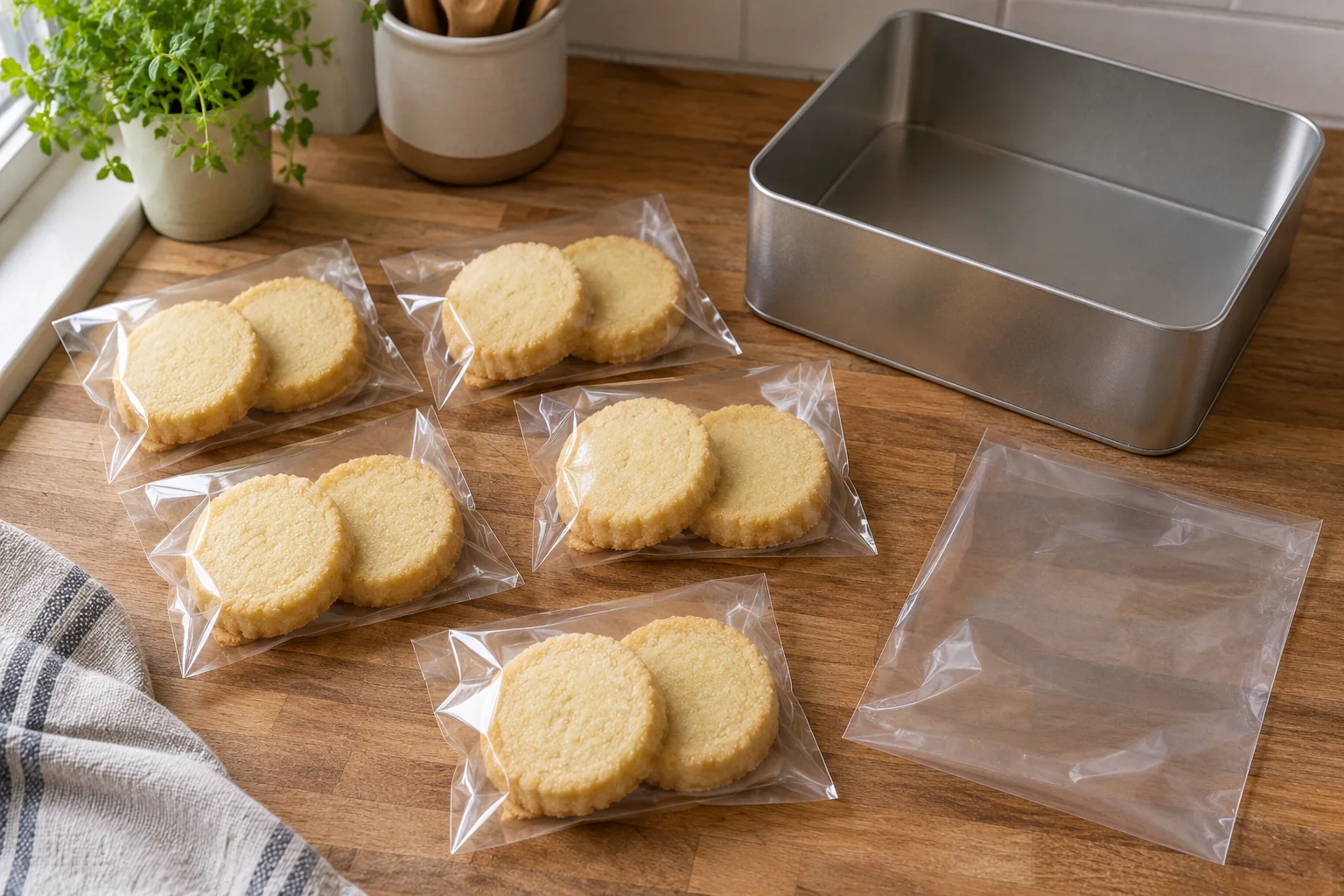
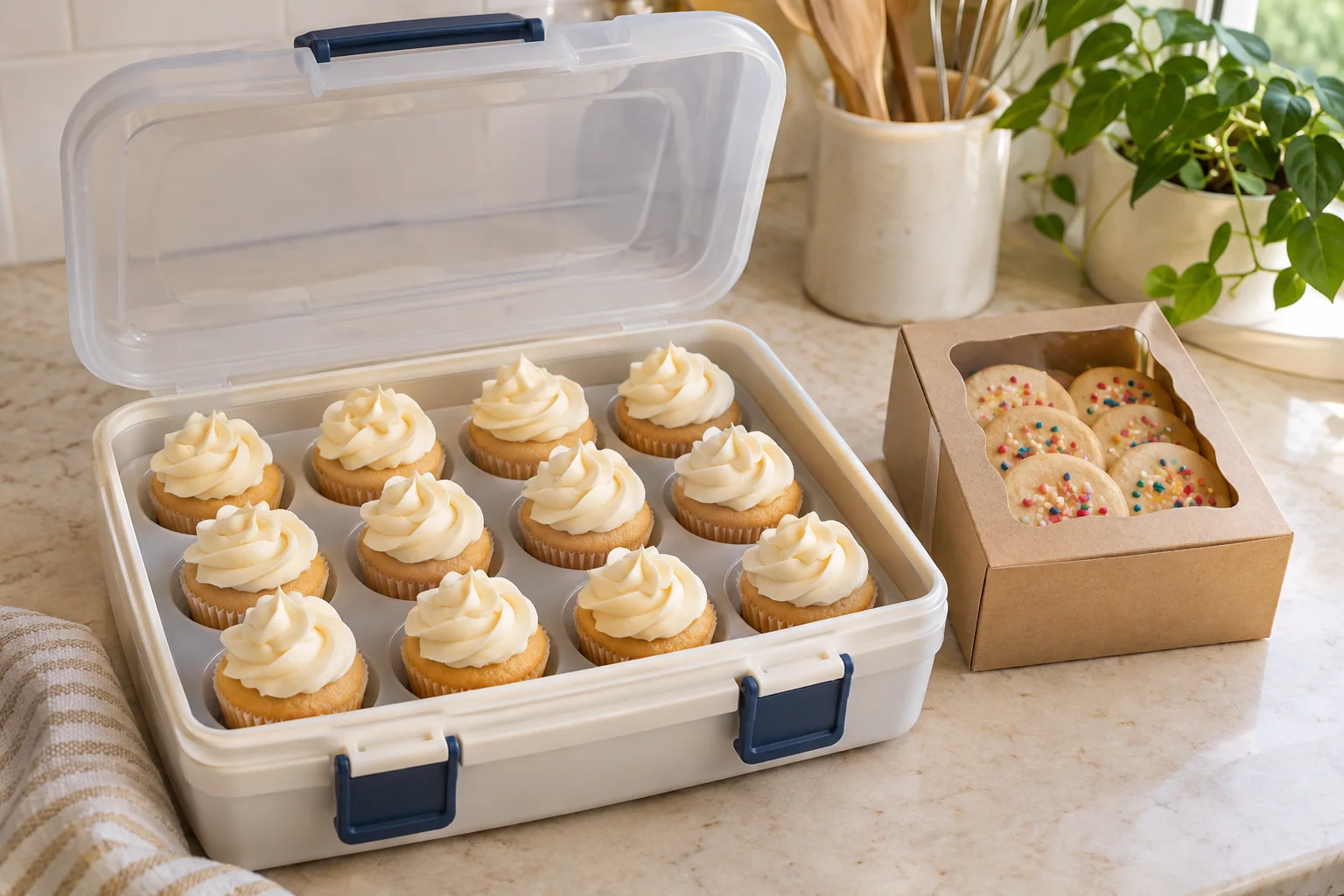
Use suitable food-safe bags, boxes or wrappers. Let bakes cool completely before packaging, and keep delicate icing from touching the lid. Rigid containers help protect brownies and crumb-topped bars during transport.
A package should make it easy for shoppers to see the item or at least understand what they're buying. Avoid decorative materials such as glitter or non-food-safe paper in direct contact with food.
Label Ingredients and Allergens Carefully
Ingredient and allergen labelling requirements vary by jurisdiction and the kind of sale, so confirm the rules in advance. As good practice, know the complete recipe and identify common allergens such as wheat, milk, eggs, peanuts, tree nuts, soy and sesame where present.
Shared home kitchens and utensils can cause cross-contact. Don't use claims such as “nut-free,” “gluten-free” or “allergy safe” unless the ingredients and preparation process genuinely support the claim and meet applicable requirements.
Plan the Table Layout
Place a clear sign with the bake sale's purpose, and put prices where shoppers can see them without asking. Group products by category: cookies together, bar packs together and loaves in their own section. Allow room for a short line and a safe place to pay.
Use stable trays and simple height changes if they help visibility, but never stack heavy items precariously. Keep food protected from direct sun, insects, handling and nearby sources of contamination.
Set Up an Easy Payment System
Confirm what payment methods the organiser and venue permit. If taking cash, prepare appropriate change, designate a cash box or secure drawer, and keep a record of opening cash separately from sales revenue.
If digital payments are offered, check account ownership, fees, connectivity and whether volunteers are authorised to operate the system. Avoid placing payment devices where food-handling hands constantly touch them without appropriate hygiene controls.
Promote the Bake Sale Clearly
Start with a concise announcement that answers what, when, where and why. Include the event date, location, start and end time, fundraising purpose and any venue entry conditions. If you share sample photos, make sure they represent the style of food you genuinely expect to sell.
School newsletters, community group posts, workplace notices and local event calendars may be useful with permission. Avoid promising specific items will remain available until closing time, because popular treats may sell out early.
A Two-Week Bake-Sale Timeline
Two Weeks Before
Confirm permission, venue and applicable food rules. Set a target, assign a coordinator, recruit volunteers and build the initial menu. Check whether permits, insurance, labels or approved facilities will be needed.
One Week Before
Finalise recipe quantities, order supplies, agree on prices and prepare signs. Collect volunteer contact details through an appropriate method and confirm transportation and any required cold storage.
One or Two Days Before
Bake products that can safely be prepared ahead under their recipes' instructions. Cool, package and label them correctly. Recheck the inventory list and have volunteers confirm when their items will arrive.
On Sale Day
Arrive early to clean and organise the space. Set out prices and labels, check packaging, verify payment arrangements and account for starting cash. Assign shifts so no one must handle the entire event alone.
After Closing
Count remaining items, reconcile money with the inventory, record any donations, clean the venue and thank volunteers. Report the actual funds raised after costs have been accounted for; gross sales are not the same as net proceeds.
Food Safety During the Event
Keep food protected from contamination and follow the applicable local authority's handling requirements. Items requiring refrigeration need maintained cold temperatures, typically 4°C (40°F) or colder, and an appropriate transport and holding plan. If a product cannot be held safely, don't offer it for sale.
Wash hands and use clean utensils as required. Volunteers who are sick or experiencing symptoms that could spread through food should not prepare or handle products. Designate food-handling and money-handling responsibilities to reduce unnecessary contamination.
How to Handle Unsold Items
Plan this before the event. Suitable unopened items may be offered to volunteers or donated where permitted and where storage and safety conditions can be verified. Perishable or temperature-abused products may need to be discarded.
Don't relabel or reuse food in a way that conceals its preparation date or ingredients. Record unsold inventory so the group can adjust quantities in future.
Common Bake-Sale Mistakes
No permission check: the event may violate venue or food rules. Too many complicated products: volunteers struggle to prepare and price them. Unclear labels: shoppers cannot assess allergens. Poor costing: the fundraiser earns far less than expected. No cash reconciliation: totals become difficult to explain. No cleanup plan: volunteers are left with unnecessary work after closing.
Frequently Asked Questions
What's the easiest thing to sell at a bake sale?
Sturdy cookies, brownies and simple loaf slices are common starting points because they have predictable recipe yields and can be packaged individually. Check local food-sale rules and recipe storage first.
How should I price homemade baked goods?
Start with actual ingredient and packaging costs per piece, account for event expenses, and choose a price appropriate to the audience and fundraising goal. Don't confuse gross revenue with net proceeds.
Can school bake sales sell homemade food?
Requirements depend on the school, jurisdiction and event. Confirm rules with school administrators and relevant local authorities before organising baking or sales.
Do I need ingredient labels?
Labelling requirements vary, but accurate ingredients and allergen information are important. Confirm the applicable legal rules and never make unsupported allergy-safe claims.
What if I expect very little foot traffic?
Keep the menu small, reduce the quantity of each bake and promote clearly to your intended community. A modest table that sells out can be more effective than a large one with excessive waste.
How can I make the event feel special without spending much?
Use neat food-safe packaging, coordinated handwritten signs, clear prices and a friendly welcome. The purpose of the fundraiser and the quality of the baking matter more than expensive decorative equipment.
IN PICTURES
From the baking notebook
FROM THE RECIPE BOX


