On this page
Cheesecake is a wonderful make-ahead dessert, but freezing a delicate cream-cheese filling requires a little planning. A fully baked and chilled cheesecake often freezes well enough for a future celebration. A no-bake cheesecake may also be freezer-friendly when its recipe allows it, though whipped cream, gelatin, fruit and toppings can behave differently after thawing. A good freezing plan protects texture as much as it protects flavour.
Can you freeze cheesecake?
Yes, many cheesecake recipes permit freezing for longer storage. But a recipe's approval applies to that particular filling and crust. A specialty no-bake, fruit-topped or mousse-style cheesecake may require different handling.
Why the recipe matters
The filling can contain cream cheese, sour cream, eggs, gelatin, whipped cream, starch, chocolate and added fruit in different proportions. Those ingredients react differently to freezing and thawing. A dense baked New York-style cheesecake may hold its slice structure better than a very delicate whipped-cream cheesecake, but you should always follow the tested formula.
Freeze baked cheesecake only after it is properly cooked
A cheesecake that remains raw or inadequately set in the middle won't become safely baked because it spends time in the freezer. Use the recipe's oven-doneness cues, controlled cooling procedure and full chilling period. Freezing is a storage technique, not a substitute for proper cooking.
Cool slowly when the formula requires it
Many baked cheesecakes are cooled gradually after the oven is switched off to reduce cracking and manage the custard texture. Follow the chosen recipe's specific plan before moving the cake to the refrigerator. Don't shortcut controlled cooling by transferring a steaming springform pan directly to a freezer.
Refrigerate until fully chilled first
A thoroughly chilled filling is firmer, making it easier to move, portion and wrap without dents. This stage also allows a baked custard to develop its intended finished texture. If the recipe says chill overnight, respect that schedule before planning the freezer step.
Whole cake versus individual slices
A whole cake presents fewer exposed cut surfaces and is convenient for a special event, but takes longer to thaw and can be harder to protect against crushing. Individual wedges are useful for occasional portions. Choose based on how you intend to serve the cheesecake, not simply what will fit in the freezer.
When to remove the springform ring
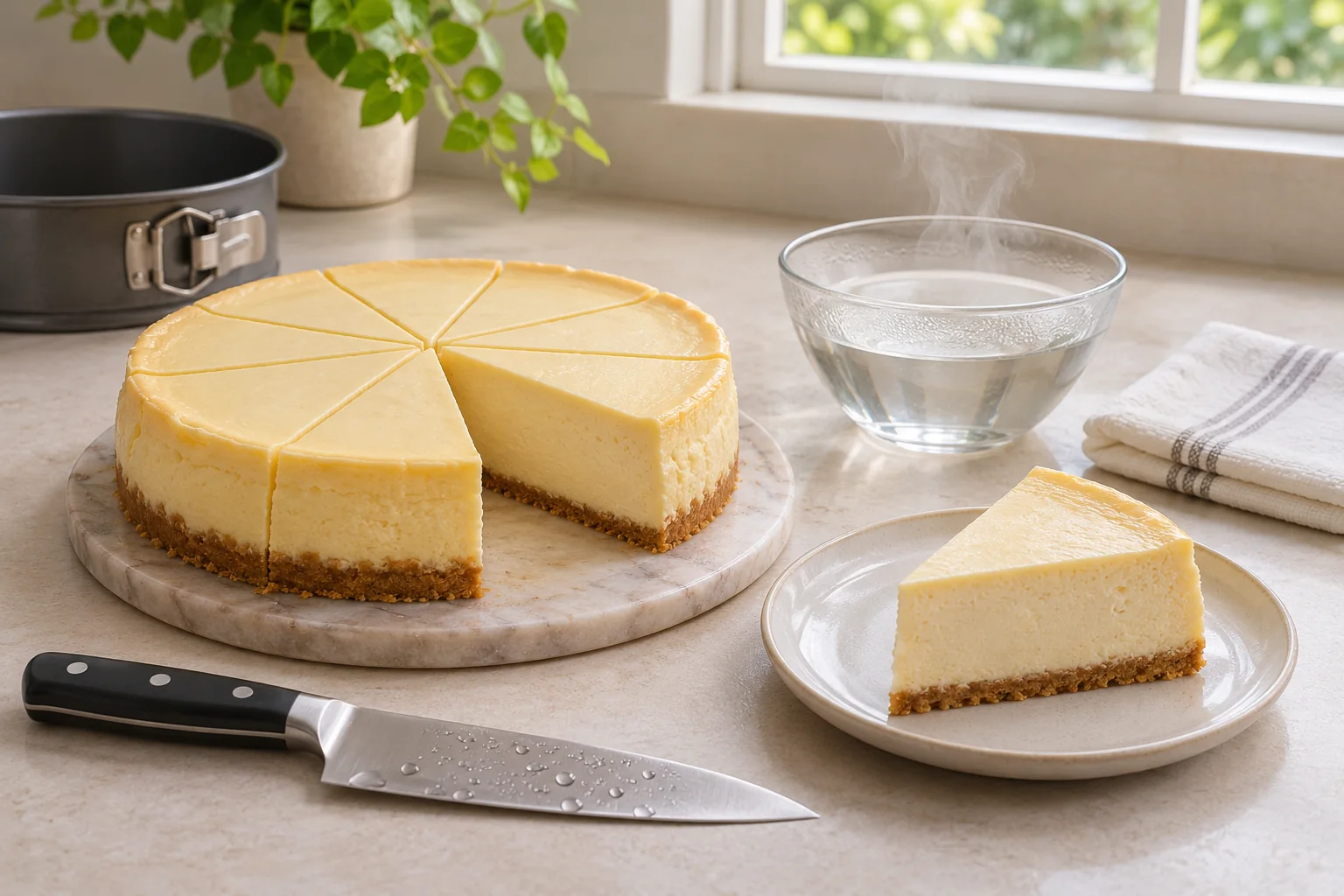
Follow the recipe's unmoulding instructions once the cake has chilled enough to hold its shape. The removable base can sometimes provide support during wrapping, though some freezer plans transfer the cake to a rigid board. Never force a still-soft cake out of the pan to save a little space.
Consider freezing without wet toppings
Fresh berries, whipped cream and loose fruit sauces can bleed or lose texture after thawing. For the cleanest presentation, freeze the plain cheesecake and add those garnishes after it has thawed, when the recipe permits. A baked sour-cream topping or stable chocolate layer may behave differently.
Prepare a rigid support
Place a whole cake on a freezer-safe board, plate or other level food-safe support. This prevents the base from bending while the filling is still relatively soft. Use a support that fits the storage container and can be removed safely without scraping the crust.
A short firming freeze can help wrapping
Some bakers briefly freeze an uncovered, properly chilled cheesecake until its surface is firm, then apply the final wrapping. This can prevent soft topping or crumb from sticking. Use an established freezing method and keep the cake protected from contamination; don't forget it unwrapped for days.
Wrap a whole cheesecake tightly
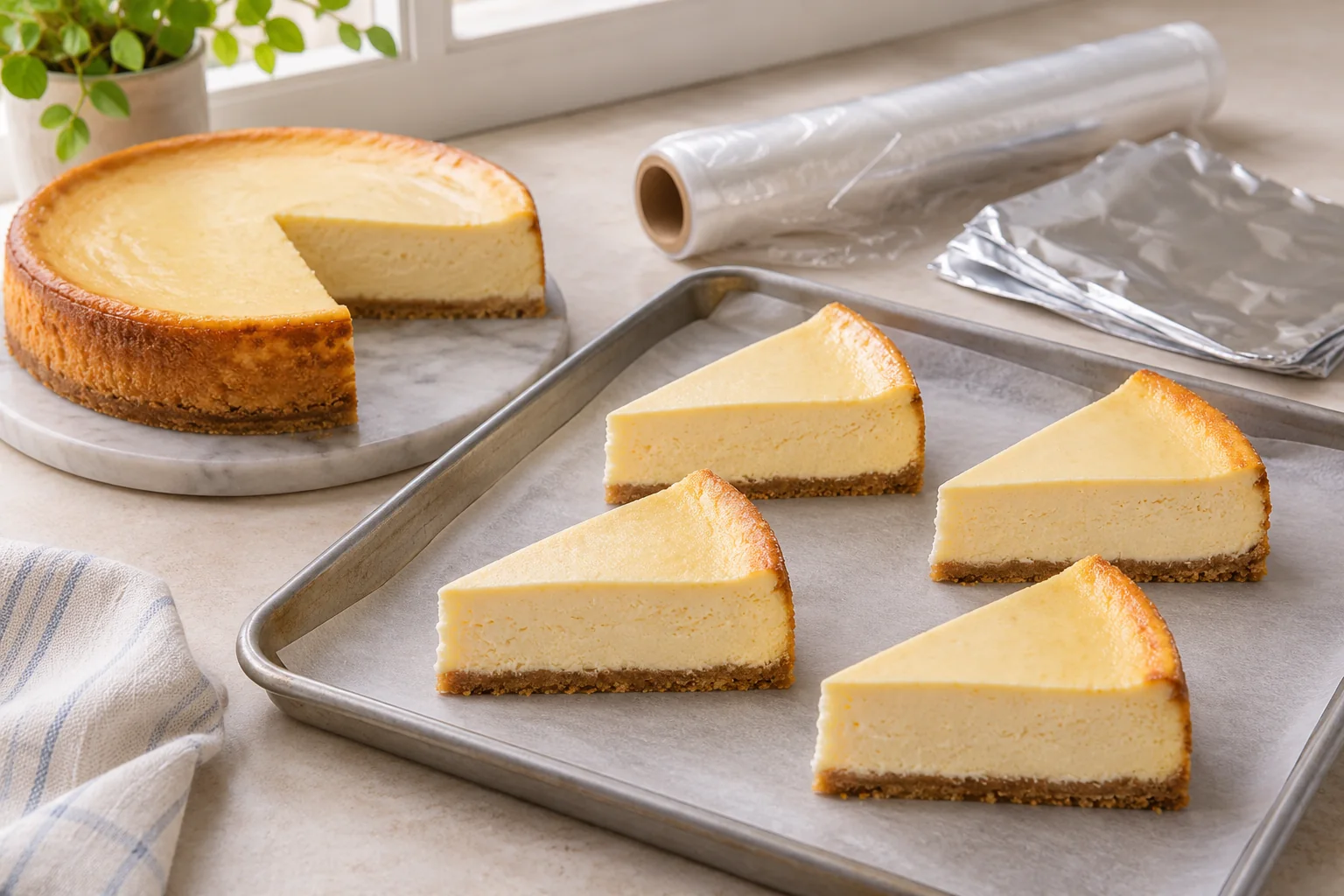
Once firm, protect the cake with close-fitting food-safe wrap and an outer freezer-rated covering or container. Minimize trapped air and avoid pressing heavily into the sides. A clean sheet of parchment can protect a delicate surface when appropriate, but the outer packaging still needs to prevent drying.
Wrap individual slices separately
Separate cut wedges with parchment or place each on a small rigid support before wrapping. Well-supported portions resist crushing and allow you to thaw one slice without exposing the rest. Pack them into a freezer-safe box or bag after wrapping rather than letting them slide around an open shelf.
Protect the crumb crust
Graham cracker and cookie bases can soften during thawing if they absorb condensation. Thorough chilling, adequate wrapping and a gradual thaw help limit the problem. A crumb crust may change slightly regardless, particularly if it contains a significant amount of butter or a very wet topping.
Label with recipe and date
Write the type of cheesecake, the freeze date and important toppings or allergens. A simple vanilla baked cake is easier to manage than an unlabelled frozen round whose flavour and filling are unknown. Consult that recipe's stated freezer duration for the best eating quality.
How long can cheesecake stay frozen?
There isn't one universal best-quality period. Other cheesecakes offer their own guidance. Food held continuously frozen safely may remain microbiologically safe longer, but texture and flavour can gradually deteriorate. Use the recipe's recommended period.
Freezing New York cheesecake
Rich baked cheesecake often tolerates freezing reasonably well when properly chilled and protected. Its dense filling may remain appealing after gradual thawing. However, the crust, fruit glaze and toppings may not return to their original texture, so consider storing those components separately.
Recipe to try: Classic New York Cheesecake. Follow this cheesecake’s complete mixing, baking, cooling and chilling sequence. A slice is easiest to assess after the required chill.
Freezing no-bake cheesecake
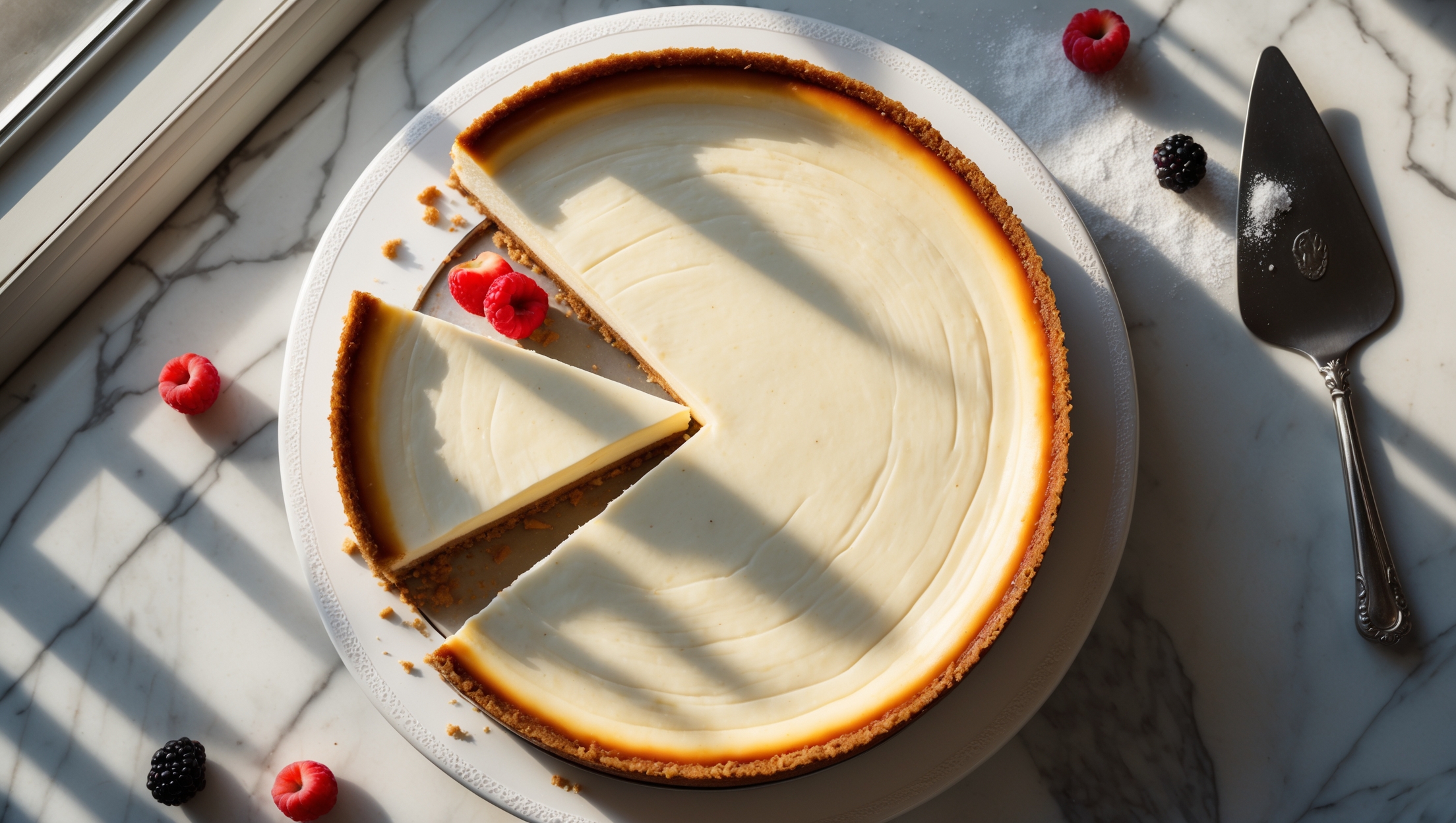
The result depends heavily on its setting system. Gelatin, whipped cream and dairy emulsions can sometimes separate or turn grainy after thawing. A no-bake recipe specifically formulated for freezing is a safer choice than assuming every refrigerator-set mousse can be frozen and thawed unchanged.
Recipe to try: No-Bake Cheesecake. For a chilled alternative, choose this no-bake formula. Its setting method is separate from an egg-based baked cheesecake.

What about cheesecake with fruit swirls?
Baked berry or pumpkin swirls contain extra liquid and can change the slice texture. A tested recipe may freeze successfully, but juicy surface toppings are more vulnerable. Keep fruit sauces separate if appearance matters, and avoid adding extra fruit to a formula you intend to freeze.
What about chocolate cheesecake?
Many chocolate cheesecakes can be frozen under recipe directions. Chocolate and cocoa butter firm at freezer temperatures, so a frozen slice may taste especially dense until thawed. Ganache toppings can experience surface condensation and lose some shine; add a fresh finishing drizzle after thawing if desired.
Thaw in the refrigerator
For a conventional cheesecake, refrigerated thawing is a dependable food-safe method. Leave it protected in a suitable container while it gradually returns to a sliceable condition. A whole deep cake may need longer than individual wedges.
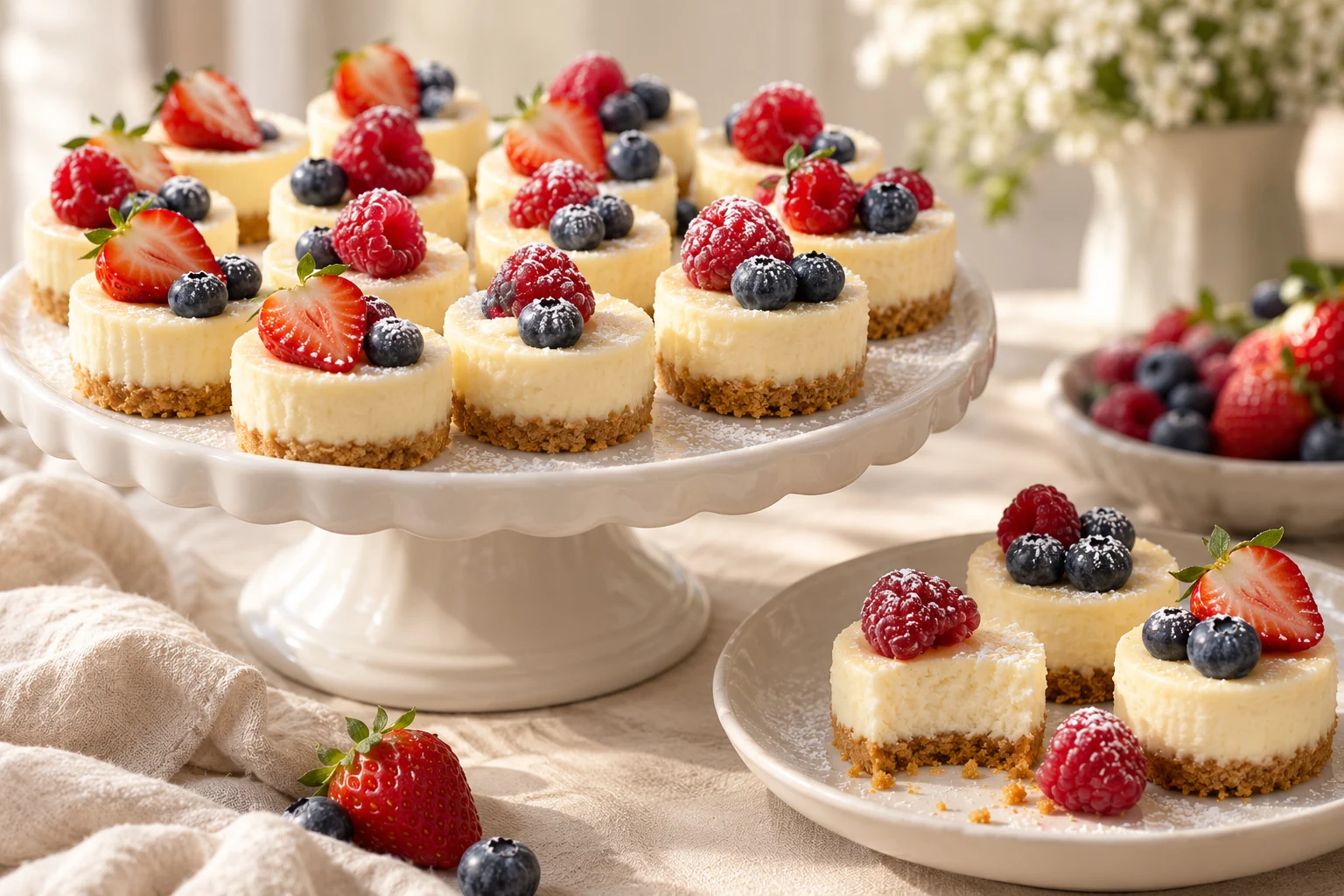
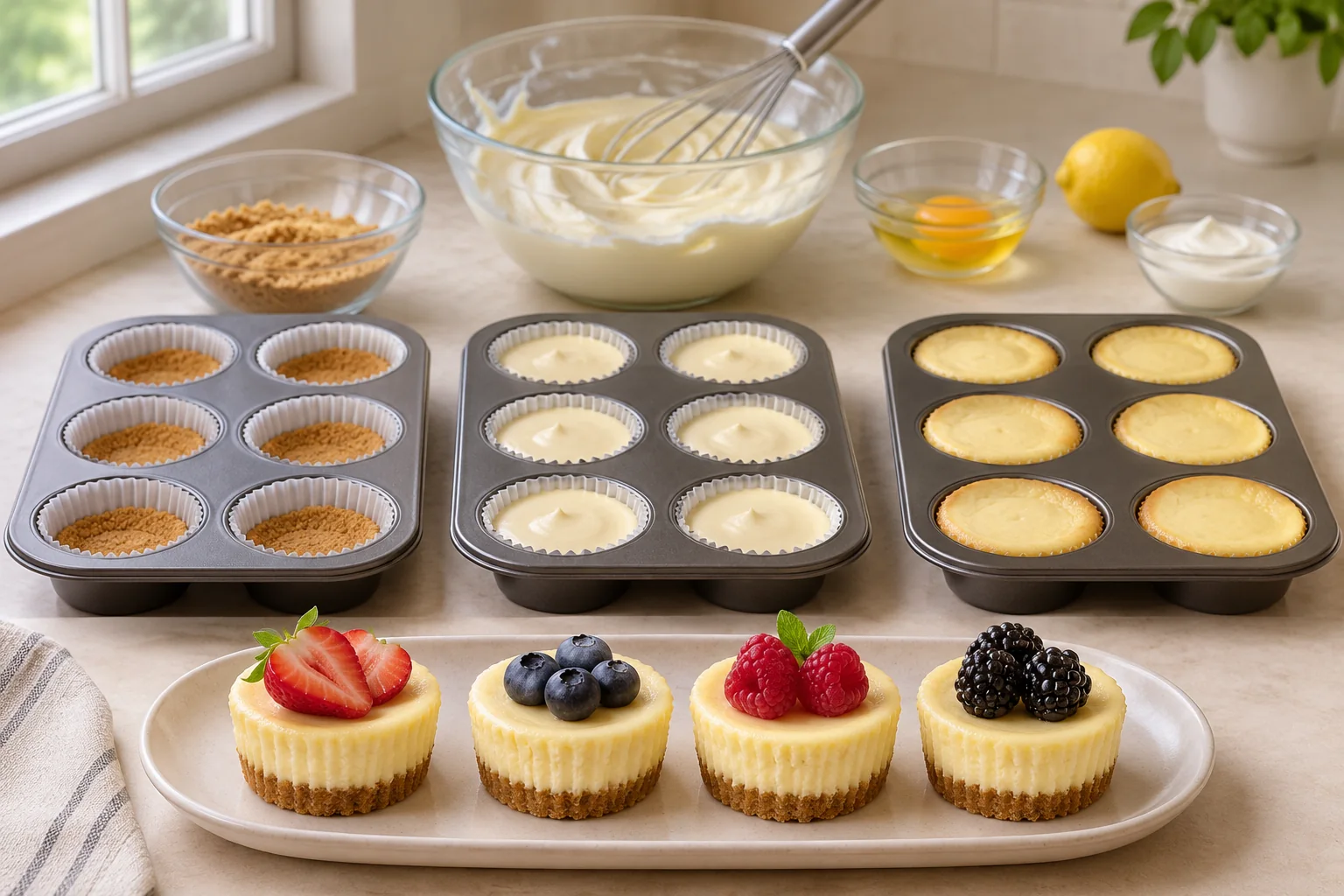
Recipe to try: Mini Cheesecake Bites. Mini cheesecakes have their own portion size and baking schedule. Do not use a whole cheesecake’s bake time for these small cups.
Avoid prolonged countertop thawing
Cheesecake contains perishable dairy and often eggs. Don't leave a frozen cake on the counter for many hours to speed thawing. Keep refrigeration at 4°C (40°F) or colder and follow the recipe's instructions. The fact that a cheesecake is still cold at its centre does not guarantee its outer layer has remained in a safe range.
Manage condensation after thawing
Water can collect on cold wrapping or a glossy surface as temperatures change. Remove packaging at the stage recommended by the freezing method, and gently blot exterior moisture only when appropriate. A heavily dusted or decorated top may look less attractive after thawing; fresh garnish is often the better finish.
Can you refreeze thawed cheesecake?
From a food-safety perspective, food thawed under consistently safe refrigeration may sometimes be refrozen, but every additional cycle can damage the filling and crust. When in doubt about temperatures or time out of refrigeration, don't refreeze. Portioning the cake before its first freeze avoids this problem.
Transporting a frozen cheesecake
A safely packaged frozen cake can be helpful for planned travel, but it must be protected from crushing and maintained at a suitable temperature during transport. Use an insulated cooler with adequate cold packs for perishable food, and refrigerate upon arrival. Do not assume a frozen centre protects a cheesecake left in a warm vehicle.
Freezer burn and off flavours
Dry patches, discolouration or a stale freezer aroma can indicate prolonged exposure to air. These are generally quality problems rather than an automatic sign of dangerous spoilage, but abnormal odours or evidence of mishandling deserve caution. Better wrapping and shorter storage improve consistency.
Serving after thawing
When the cake is fully thawed in the refrigerator, cut cleanly with a suitable sharp knife and add fresh fruit or whipped cream close to service. If the formula permits a short serving-temperature adjustment, observe safe time limits for perishable desserts.
Frequently asked questions
Can I freeze a whole cheesecake? Often, with a tested method and proper support. Should I freeze it warm? No. Do I need to freeze it with the pan? Not necessarily. Does no-bake cheesecake freeze well? Formula-dependent. Should it thaw on the counter? Refrigerated thawing is safer. Can I add fruit before freezing? It may affect appearance and texture.
Make-ahead cheesecake without compromise
Cook and chill properly, choose a whole cake or individual slices, protect the filling from air and crush damage, and thaw gradually in the refrigerator. Keep the decorations fresh where possible. That's the best route from freezer to an elegant cheesecake plate.
IN PICTURES
From the baking notebook
FROM THE RECIPE BOX


