
On this page
Weigh your filled piping bag before and after decorating one cupcake. The difference is a better starting point for a dozen than the word “swirl” in a yield estimate. You can apply the same principle to each part of a layer cake.
Start with cake geometry
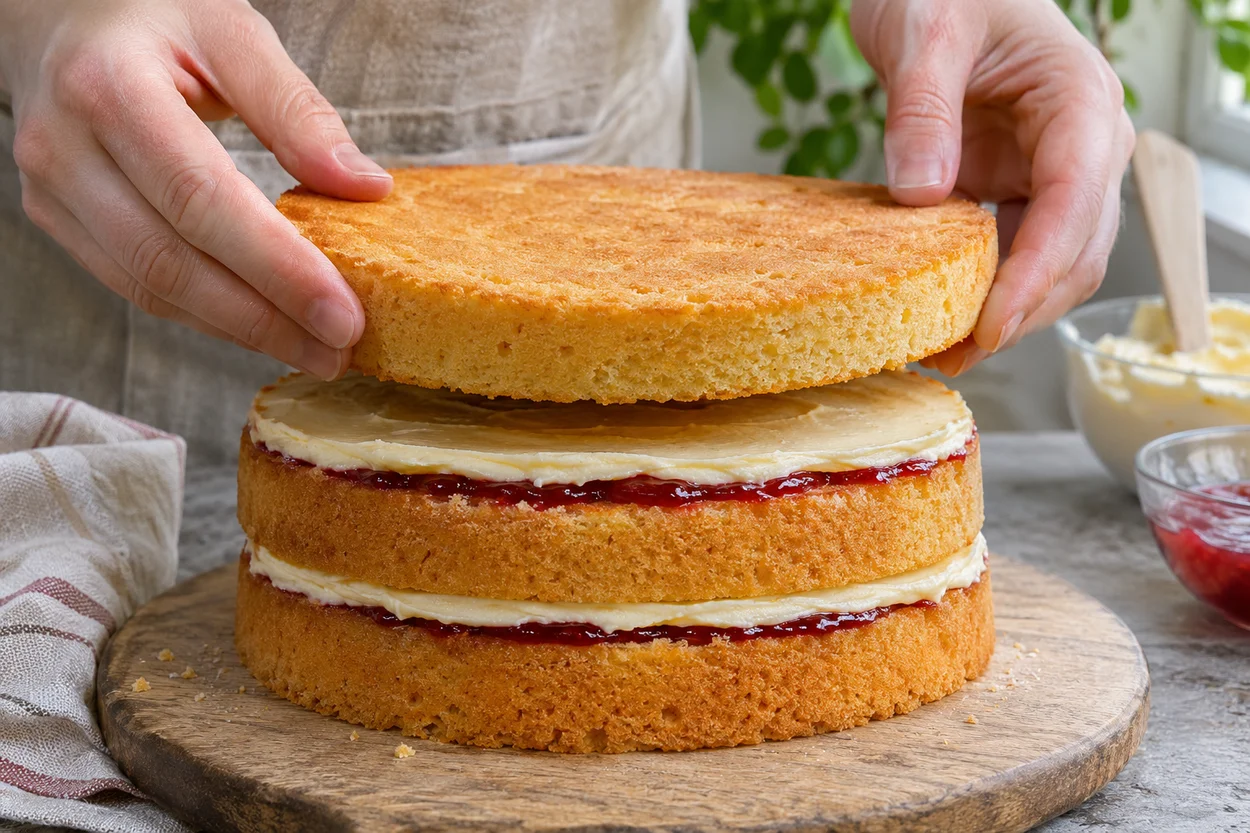
A taller cake has more side area to cover, while a wider cake has a larger top. An eight-inch cake with four layers may use much more frosting than a low eight-inch two-layer cake. Round, square and sheet cakes present different surface areas. Before mixing buttercream, write down the cake's actual diameter, finished height and intended number of filled seams.
Know the difference between frosting and filling
A frosting may serve as both filling and exterior coat, but a cake with lemon curd between layers may need less buttercream inside. A buttercream dam around soft filling still uses some frosting. Ganache filling has its own weight and thickness. Count all components and don't assume every seam needs a thick full buttercream layer.

The filling allowance
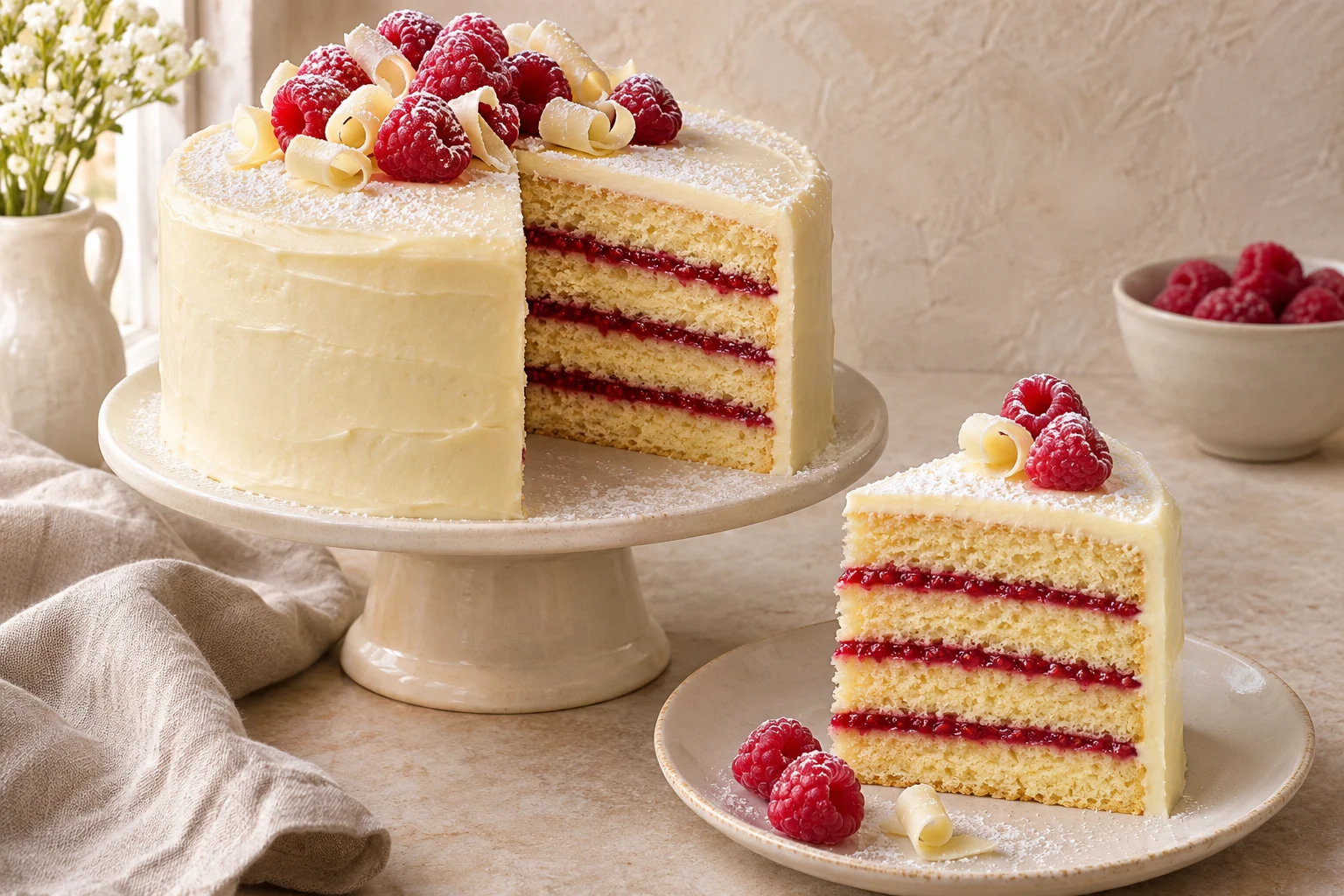
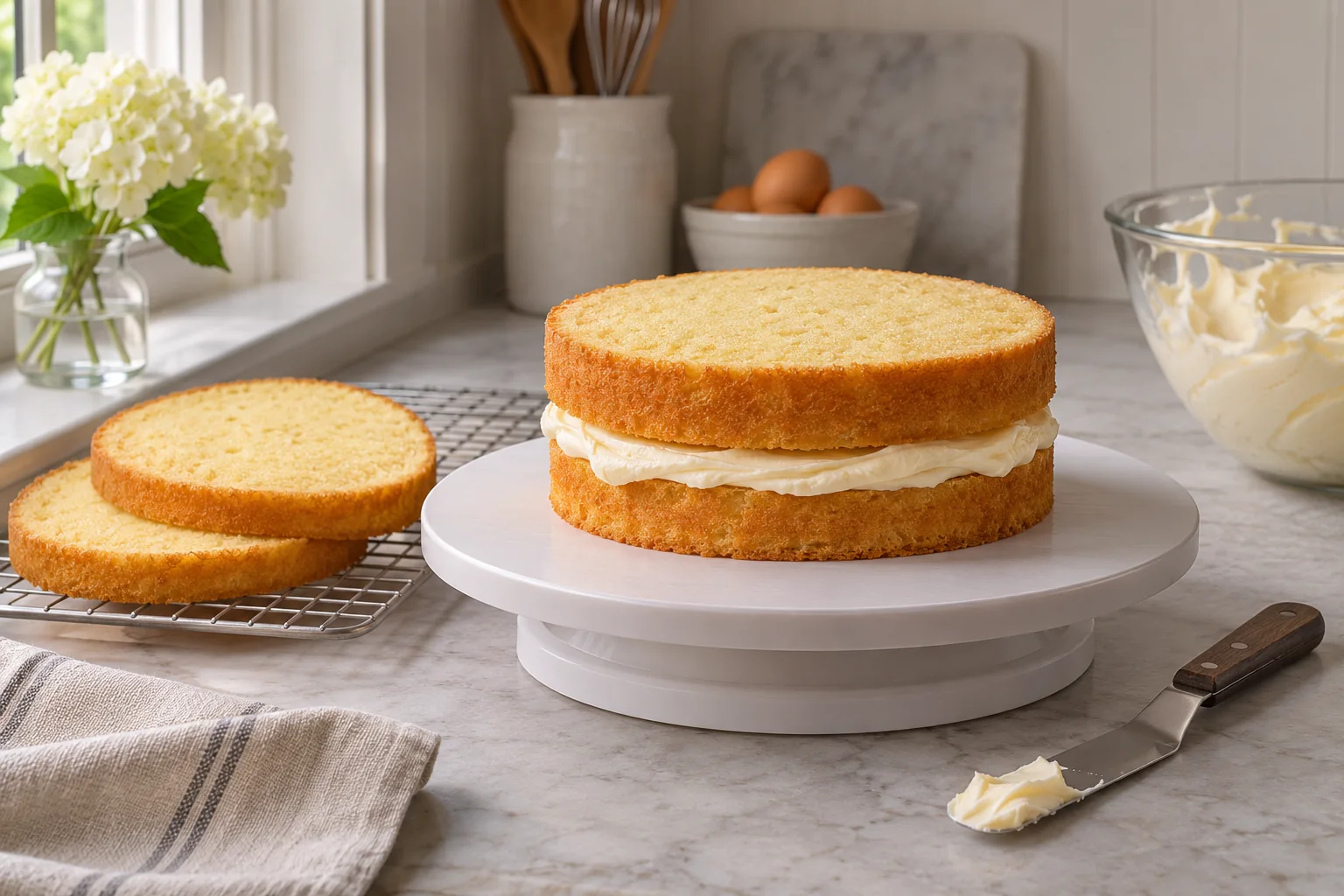
Between layers, aim for the thickness prescribed by the tested cake assembly method. A thin even coat may be enough for a delicate sponge, while a rich celebration cake may use more. Thick filling adds sweetness and can destabilize the stack. Estimate by spreading frosting across one actual layer and weighing what was used; this creates a much better guide than a universal tablespoon rule.
For Raspberry White Chocolate Layer Cake, count the buttercream ring separately from the fruit inside it.
A crumb coat is deliberately thin
A crumb coat traps loose crumbs before final frosting and should use only a modest portion of the total batch. Cake may show through. Reserve clean frosting separately for the visible finish. If you spread nearly all your buttercream in the first pass, the issue is quantity planning or overapplication rather than an inadequate recipe yield.
The final coat varies by style
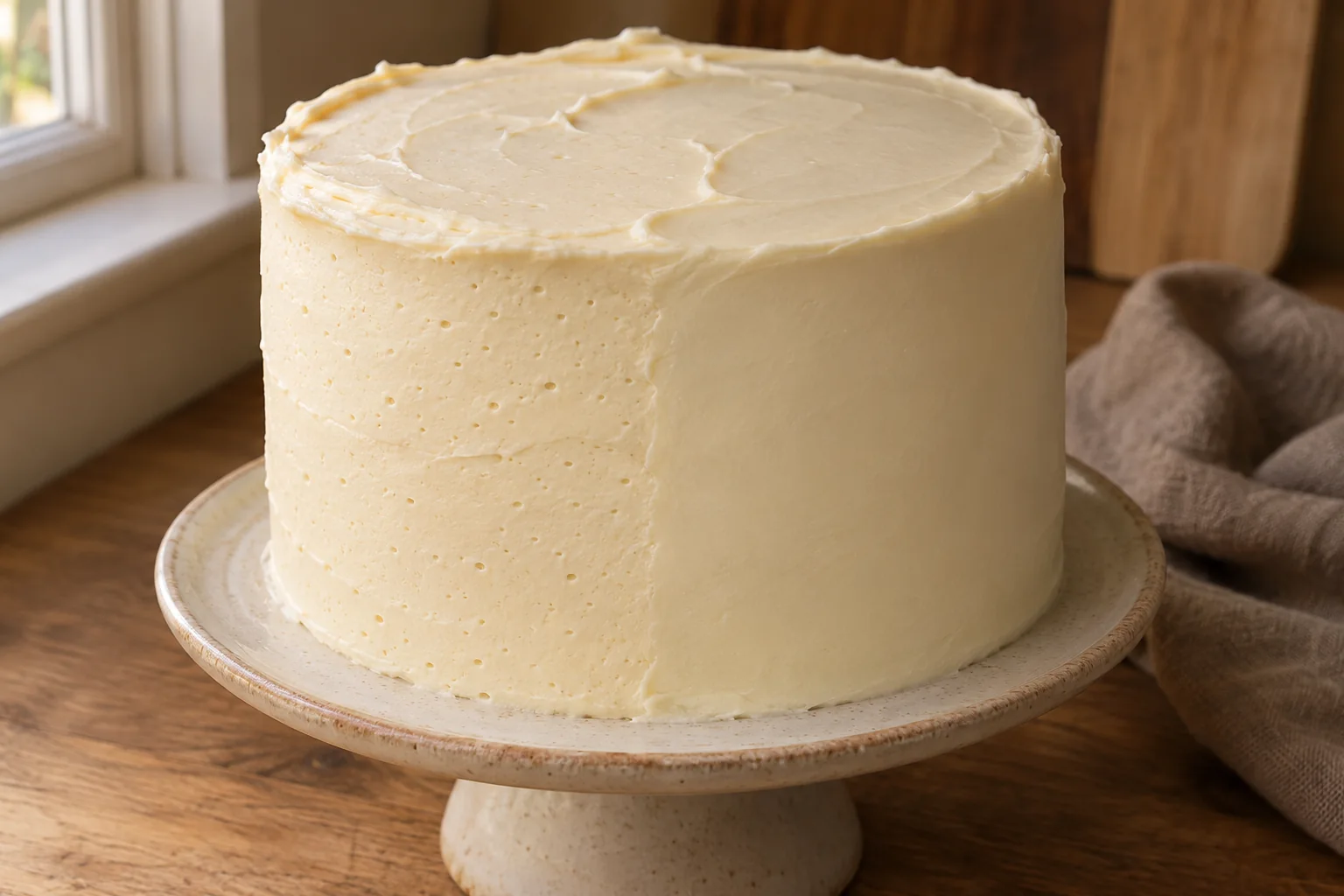
A smooth opaque exterior needs enough frosting to cover sides and top without exposing the crumb coat. A rustic thin finish may use less. A thick textured palette-knife coat uses more, as do large ridged surfaces. Decide on the finish before mixing, and don't assume the quantity needed for smooth sides will also support twenty large piped flowers.

Piping is a separate category
Rosettes, shells, swirls and borders have surprisingly variable frosting requirements depending on nozzle size and height. A row of small dots is not equivalent to a full crown of buttercream roses. Pipe one sample on parchment, weigh the frosting difference in a working bag if practical, and scale based on the actual number of decorations. This avoids mixing a second batch after half the cake is decorated.
Cupcake frosting needs its own estimate
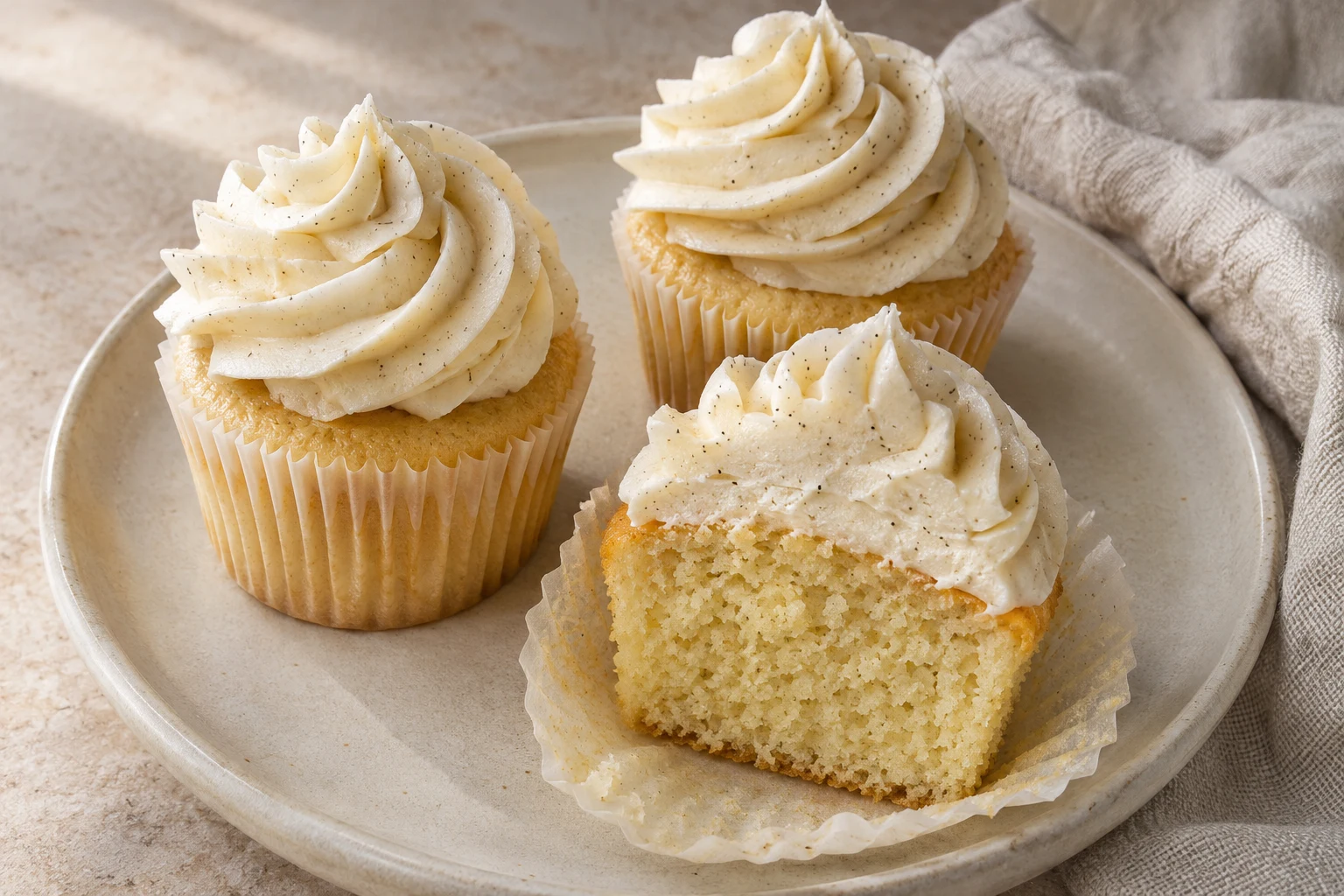
A low spread of frosting on a cupcake uses less than a tall spiral piped with a large star tip. Mini cupcakes need different amounts from jumbo cupcakes. Use the original recipe's frosting yield or perform one test swirl and weigh it. If a recipe says the frosting covers twelve cupcakes, check whether its photographed finish is a modest swipe or a tall tower.
Pipe one of the Vegan Vanilla Bean Cupcakes and weigh the piping bag before and after to estimate the rest.
Sheet cakes are simpler but wide
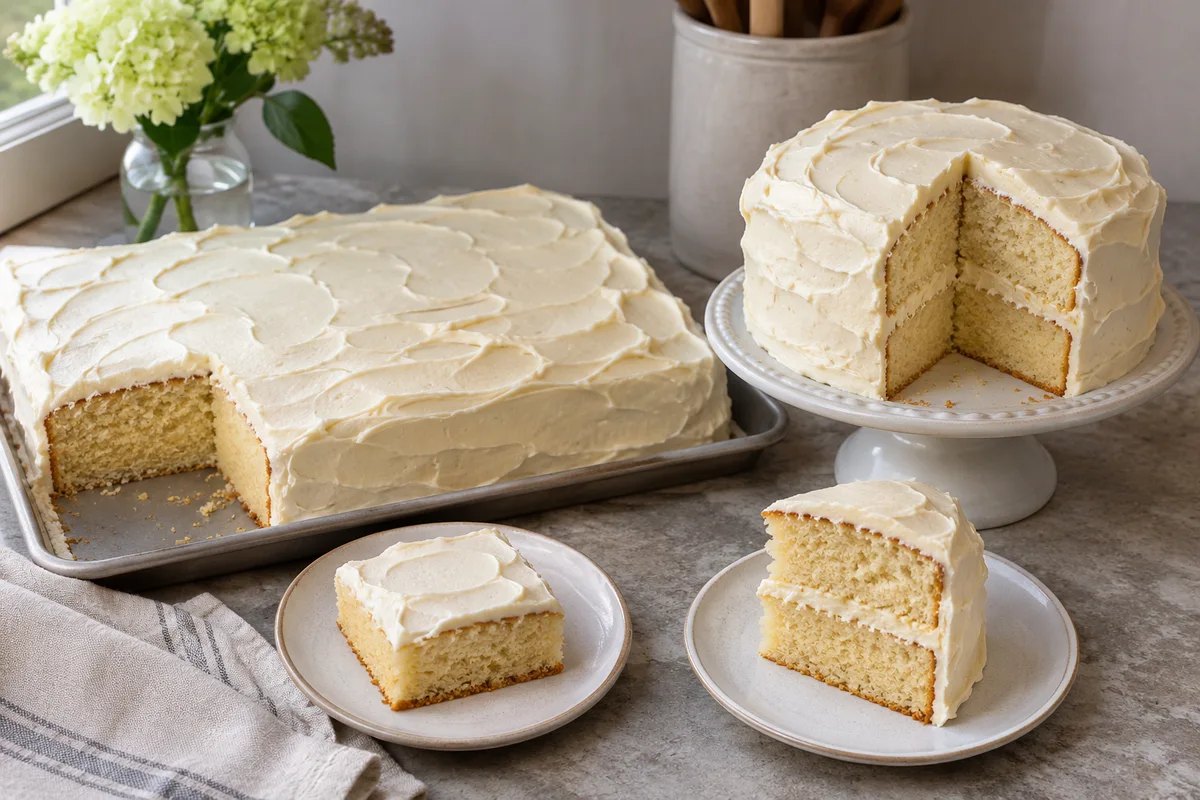
A sheet cake served from its pan often needs only top frosting, which may reduce labor and avoid side coverage. But a large rectangular surface still requires a substantial amount for an opaque finish. Measure length and width and compare with the recipe's pan. A deep sheet cake cut and stacked into layers changes the calculation dramatically.
For Vanilla Sheet Cake with Buttercream, decide whether you are covering just the top or also the four sides.

How to scale with surface area
For two geometrically similar cakes at the same height and layer count, the amount of top frosting tends to scale with top area, while side frosting also depends on perimeter. A nine-inch round has about 27% more top area than an eight-inch round. But it may require a different filling mass and height. Geometry is a planning tool, not a guaranteed conversion because frosting thickness and decorating choices vary.
An eight-inch cake example
Suppose a tested buttercream recipe explicitly frosts one standard two-layer eight-inch cake with a smooth finish. Use that yield as your baseline. If your cake adds an extra layer and two filled seams, make an additional filling allowance. If you plan large piping, add a decoration allowance. Avoid pretending there is one universal number of cups for every eight-inch cake regardless of layer height.
Use the pan size and number of layers in Classic Vanilla Layer Cake when making your first estimate.

A taller cake example
Four relatively thin layers may have three filled seams, compared with one seam in a two-layer cake. Even if the exterior height is similar, extra interior filling can increase required frosting. If the stack is taller, the side area also increases. Use a stable cake and reasonably thin filling layers rather than applying the extra frosting as giant unstable slabs.
Use grams for planning
Once you have made one cake successfully, weigh the buttercream batch and record approximate amounts used for filling, crumb coat, exterior and piping. This personal reference is more accurate than assuming a cup of very aerated Swiss meringue buttercream weighs the same as a cup of dense powdered-sugar frosting. Weight makes repeatable projects easier.
Frosting types differ in density
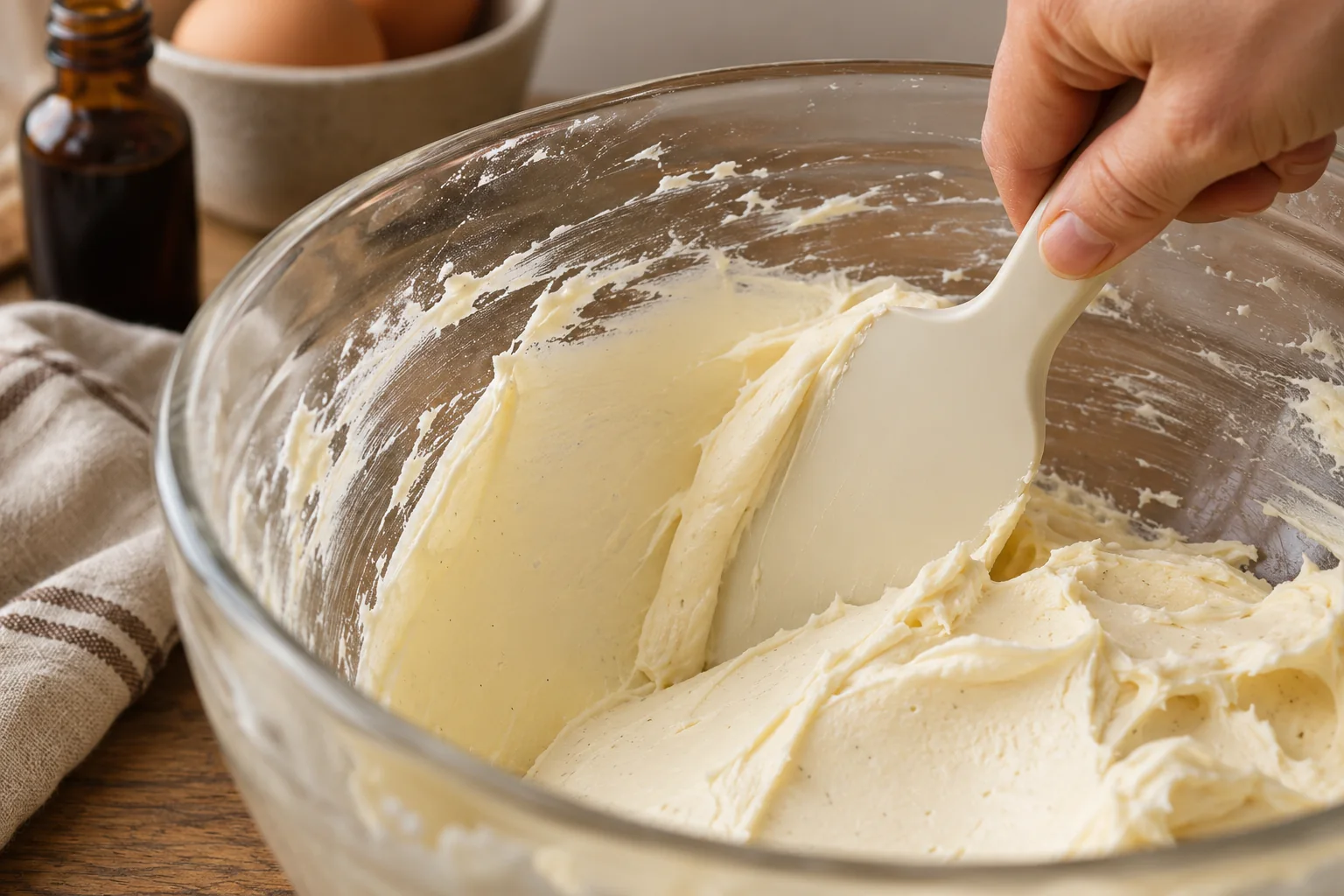
American buttercream, Swiss meringue buttercream, Italian buttercream, cream cheese frosting, whipped cream and ganache vary in air content and consistency. A cup measurement is therefore not reliably interchangeable by weight. Some coatings spread thinly, while others need more depth for opaque coverage. Use yields from compatible recipes rather than converting only by volume.
Ganache versus buttercream
A poured ganache glaze can coat a cake differently from a whipped ganache or spreadable buttercream. Chocolate type and cream ratio affect thickness and setting. A white-chocolate ganache may use different proportions from a dark-chocolate ganache. Choose a tested finish and prepare the correct quantity for the desired application rather than using a generic frosting calculator uncritically.
The chocolate finish in Chocolate Layer Cake is a useful reference for the coverage you want.

Cream cheese frosting behavior
Cream cheese frosting may soften with warmth or become difficult to pipe when formulated for spreading. A tall piped cake requires a suitably stable tested recipe. Don't add unlimited powdered sugar to solve temperature-related softness; it can become overly sweet and still slump. Its perishable dairy content generally requires refrigerated storage.
Budget separately for the filling and outside coat of Carrot Layer Cake.

What to do if frosting is too stiff
Cold buttercream can tear cake surfaces during spreading. Let it reach the recipe's working consistency and mix or adjust using the source's guidance. A very stiff frosting makes you use excessive force and can pull crumbs into the final coat. Increasing quantity won't solve a handling issue caused by the wrong temperature.
What to do if frosting is too soft
Warm frosting may droop or slide, and adding more of it can increase the mess. Check whether it needs cooling, re-emulsification or a formula intended for the chosen decoration. A tall summer wedding cake requires temperature and structural planning. Don't assume refrigeration alone makes every filling stable for hours in direct sun.
Plan a small reserve
Keeping a little extra clean frosting for last-minute touch-ups is sensible, particularly for a first smooth-finish attempt. The reserve should be modest and based on expected piping, not doubling every batch from fear. Excess buttercream may freeze under some recipes, but storage and texture vary by ingredients. Label and handle leftovers appropriately.
Avoid crumb contamination
Divide frosting before beginning so the crumb-coat bowl doesn't contaminate the final batch. Scrape tools clean between passes. A little extra reserved buttercream is useful only if it remains suitable for the visible coat. Returning crumb-filled or cake-contact frosting to a clean storage container can reduce visual quality and complicate hygiene.
Color planning
Strongly colored buttercream may require mixing the full intended quantity at once to maintain one shade. Adding a new batch halfway through a cake can produce slight color differences. If you intend multiple colors, weigh portions before tinting and reserve enough for final borders. Food coloring can also affect consistency, so use a suitable product and follow the frosting recipe.
Make-ahead strategy
Some buttercreams can be prepared and chilled or frozen in advance under tested instructions. Reconditioning them may require controlled warming and mixing. Whipped cream and fresh cream cheese frostings have different limits. Don't assume all frostings can sit on the counter overnight. A make-ahead plan should consider stability and safe storage.
A simple calculation worksheet
Write four headings: filling, crumb coat, final coverage and decorations. Estimate each from a tested cake of comparable diameter and height, then total by grams. Prepare a small sensible reserve. After decorating, record what actually remained so the next cake estimate improves. This approach works more reliably than choosing an arbitrary 'two batches for any cake' rule.
For example, if one filled seam took 120 g, two matching seams need 240 g. If your practice cake used 300 g on the outside and each of 12 swirls took 8 g, the working estimate is 240 + 300 + 96 = 636 g before a reserve. Replace these example weights with your own.
IN PICTURES
From the baking notebook
FROM THE RECIPE BOX


