On this page
Some cookies can go straight into the oven. Others need a short chill for shaping or a longer rest for flavour. Read the recipe before mixing, then decide whether to chill the whole batch or divide it into portions first.
What resting does to flour
Flour particles continue absorbing moisture after the dough is mixed. This can reduce dry spots and change viscosity, particularly in recipes with relatively high flour and limited liquid. A rested cookie may spread differently because water distribution is more uniform. The effect depends on the actual formula; a very dry shortbread won't develop exactly like a moist chewy chocolate chip dough.
What chilling does to butter
Butter firms when refrigerated. A cold dough ball may take longer to flatten in the oven, sometimes producing a thicker cookie. But this isn't guaranteed; sugar balance, leavening, scoop size and baking sheet material still matter. Oil-based doughs don't firm in the same way. Use chilling when the tested recipe benefits rather than treating it as a fix for every spreading problem.
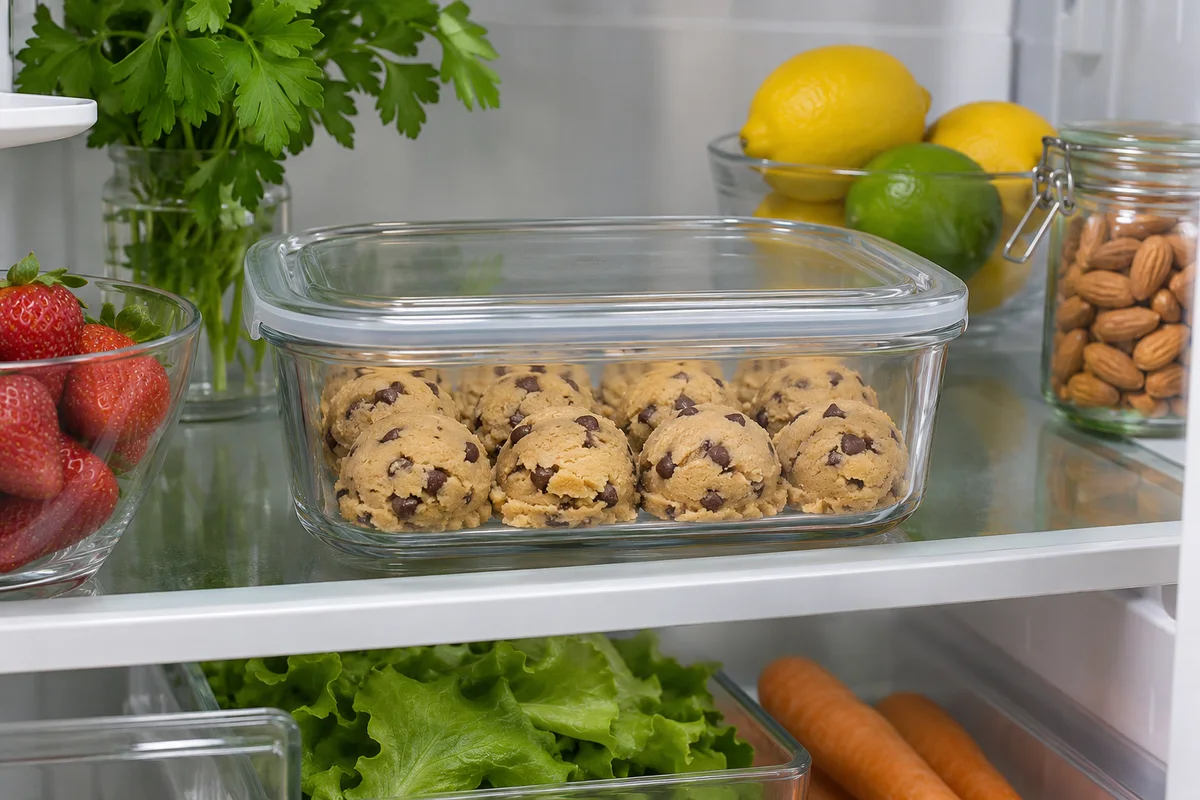
The method for Classic Chocolate Chip Cookies calls for at least 30 minutes in the refrigerator. That gives you a concrete first checkpoint.

Flavor changes during rest
Some bakers perceive richer or more rounded flavors after cookie dough rests, particularly in brown-sugar and chocolate-rich formulas. Hydration and ingredient interactions can play a role. The changes aren't unlimited: holding dough longer doesn't automatically make it better, and perishable raw dough has safe storage constraints. Compare controlled batches at different intended times instead of assuming seven days is superior to one day.
Freshly mixed drop dough
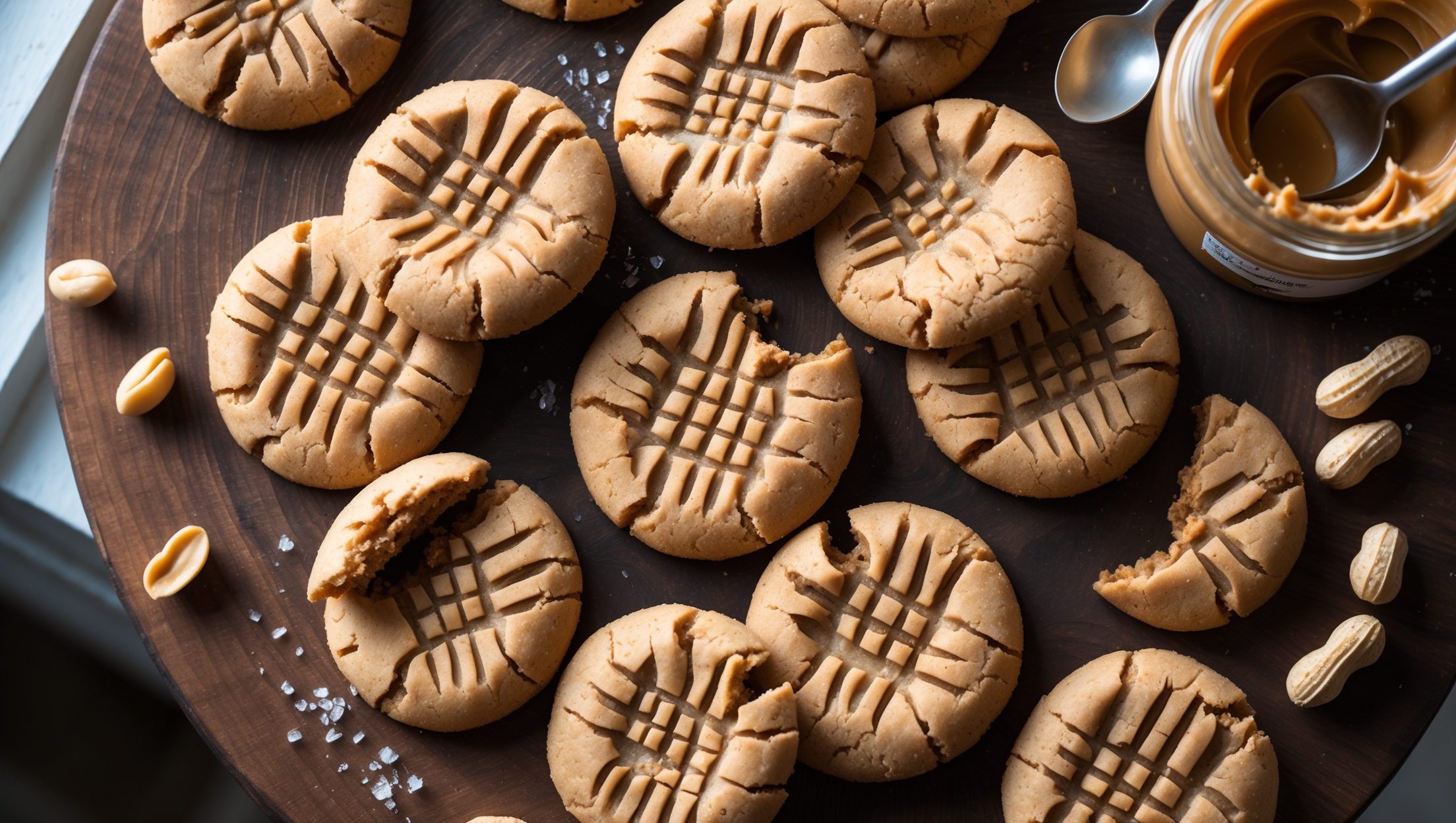
Certain drop cookies are designed to bake immediately. If you chill such a dough, it may become too firm to portion or produce a different height and texture. Read the full recipe before defaulting to the refrigerator. A no-chill sugar cookie or peanut butter cookie may already contain the right balance to resist excessive spreading.
For a dough that needs no wheat flour, try Flourless Peanut Butter Cookies.
An hour-long chill
A modest refrigerator rest can make sticky butter dough easier to scoop or roll. It may also reduce unwanted spreading at the initial oven stage. The precise effect varies by recipe and refrigerator temperature. If the dough remains soft, inspect flour weight and butter temperature rather than adding ever more chill time with no diagnosis.
Overnight chilling
Some tested chocolate chip cookie formulas specify a refrigerated rest of roughly one night or longer for flavor and texture. Cover dough properly and keep it at or below 4°C (40°F). Scoop before chilling if the dough will become difficult to handle later. Don't rely on a generic overnight rule for every egg-based or cream-containing dough; follow published storage guidance.
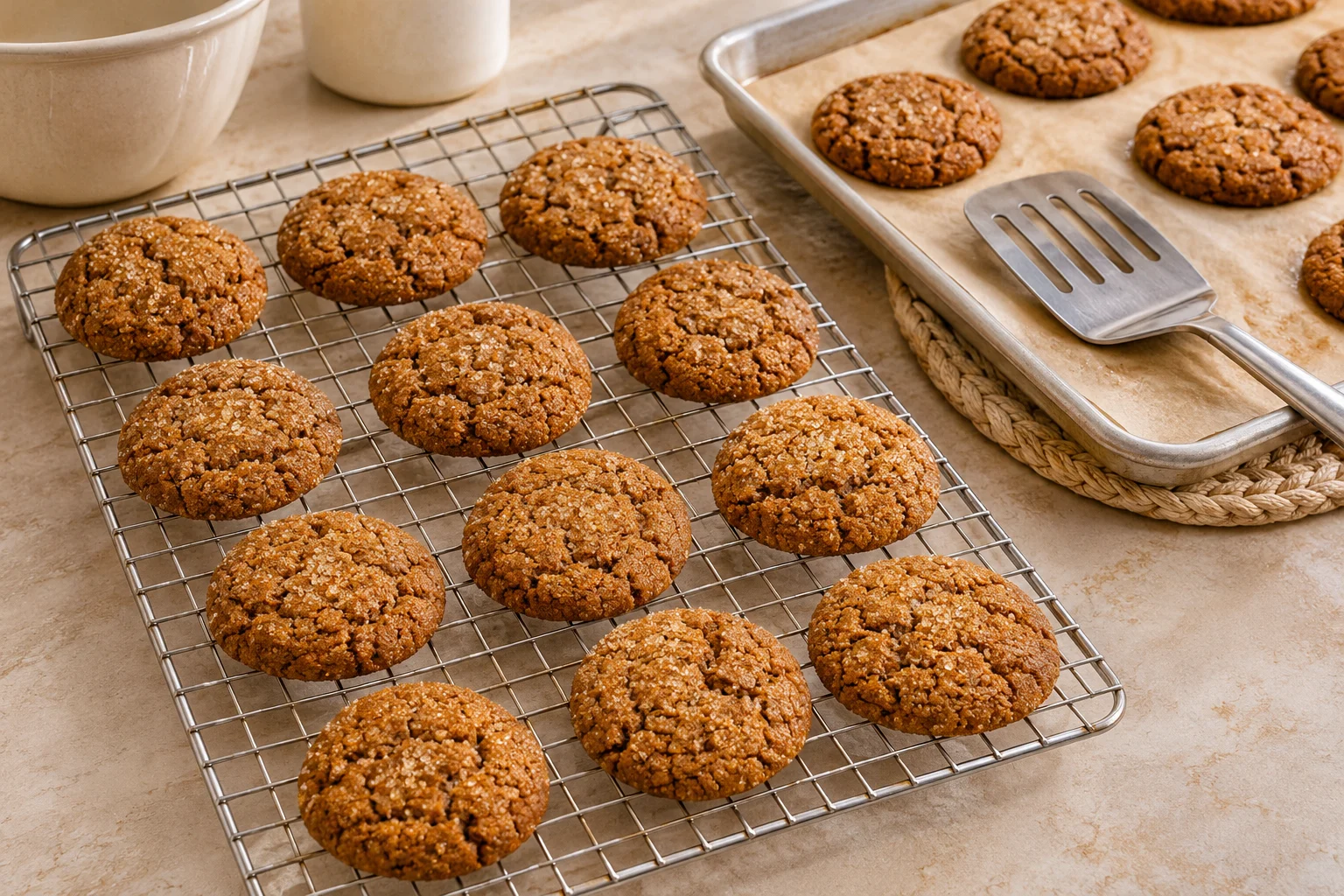
Plan ahead for 36-Hour Refrigerated Dough Ginger Cookies with Sugar Crystal Crust. Its method specifies a 36-hour minimum rest in the refrigerator.

Does dough keep improving for days?
Not necessarily. After the desired hydration and texture changes occur, additional time may have diminishing returns. Leavening activity can also change depending on its chemistry, and the dough can absorb refrigerator odors or dry on exposed surfaces. A dough with fresh fruit or other highly perishable additions may have a shorter safe and quality window than a plain sugar-cookie dough.
Raw eggs and flour require care
Cookie dough with raw eggs and untreated flour is not ready to eat. Refrigeration slows microbial growth but doesn't make the raw mixture safe for tasting. Keep it cold and handle with clean utensils, and follow the recipe's maximum storage period. Avoid presenting ordinary raw cookie dough as safe edible dough merely because it was made without eggs; raw flour itself can carry pathogens.
Refrigerator temperature
Use a refrigerator operating at or below 4°C (40°F) for perishable dough. Store it in a clean covered container rather than uncovered beside strong-smelling foods. A garage or cold balcony is not a reliable substitute because temperatures change and contamination is possible. Return dough promptly after scooping rather than leaving a large bowl beside a warm oven throughout the day.

How to cover dough
A lid, suitable wrap or securely sealed food-safe bag reduces drying and odor absorption. If the dough is shaped into logs, wrap closely to preserve the cylinder. Avoid sealing still-warm cooked inclusions into dough, as they can heat the mixture and create moisture problems. Label the preparation date and intended bake temperature, especially if several family members use the refrigerator.
Portion before chilling
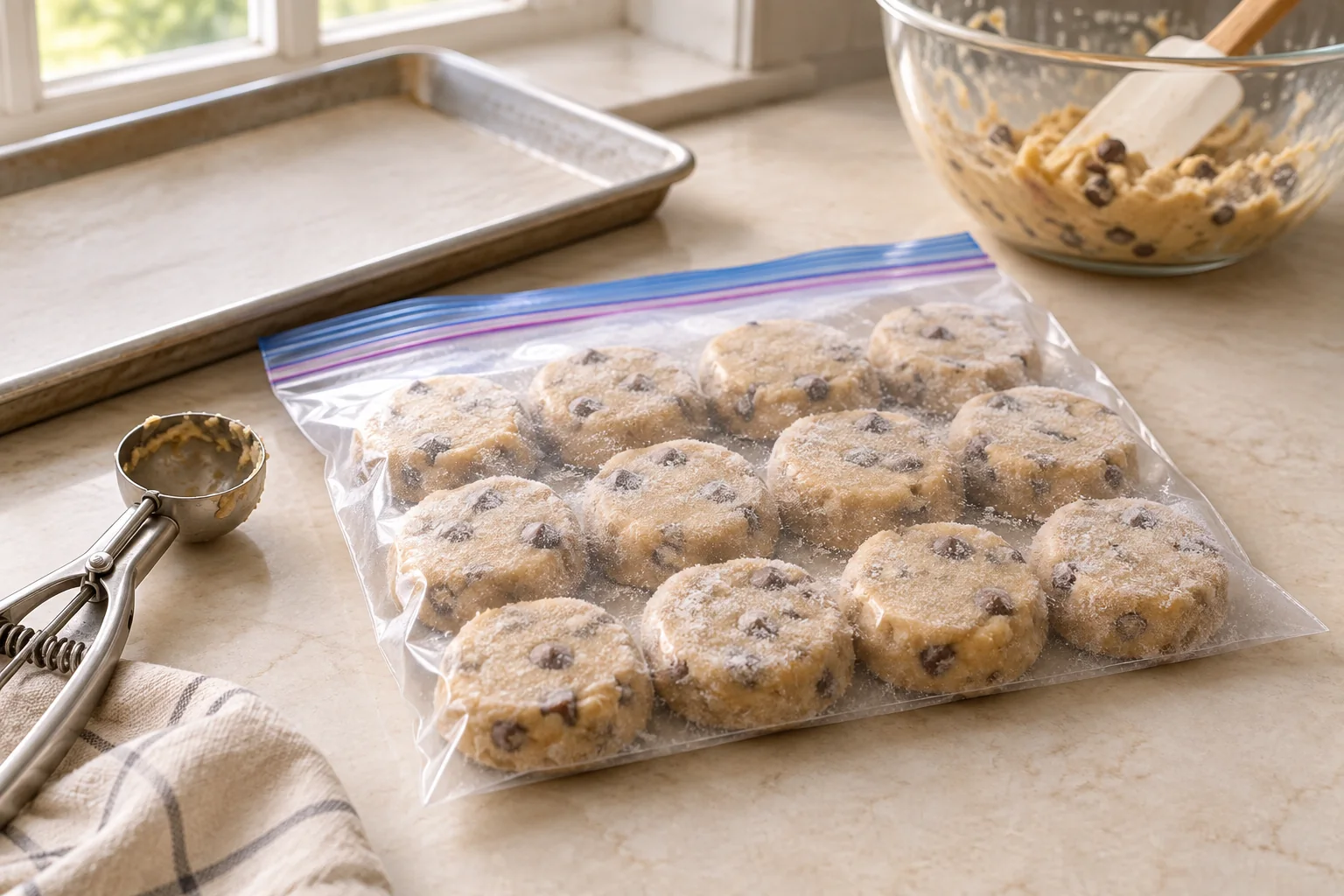
Scooping soft dough first can be easier than pressing a scoop through a rock-hard chilled bowl. Arrange portions on a tray, cover and refrigerate according to the recipe. Once firm, suitable portions may be transferred to a container or freezer bag without sticking. Keep size consistent so the eventual bake times remain predictable.
Portion Ginger Spice Drop Cookies with the same scoop for a fair chill test.
Rolling dough after a rest
Rolled sugar-cookie dough may need a brief period to become pliable after refrigeration. Too cold and it cracks; too warm and shapes distort. Some recipes recommend rolling between parchment before chilling. Choose the sequence designed for the dough, using minimal bench flour so you don't create a tougher cookie.
The dough in Gingerbread Cookies chills in discs for at least 2 hours or overnight before rolling.

Slice-and-bake logs
A rest firms logs so they can be sliced cleanly without flattening. Large chocolate chunks may obstruct the knife, making the slice irregular. Rotate logs while cutting and follow the recipe's thickness. If the log has been frozen, use an approved slicing or thawing procedure rather than cutting a rock-hard cylinder unsafely.
How baking time changes
Chilled dough starts at a lower temperature than room-temperature dough and may need a different bake time to reach the intended center texture. Some recipes are tested to bake directly from cold, while others call for briefly warming. Avoid using the same timing indiscriminately for frozen portions. Evaluate edges, center set and underside colour as well as the clock.

Freezing dough for longer storage
If you don't plan to bake within the recipe's refrigerated window, freezing properly packaged portions is often convenient. Many cookies can bake from frozen with recipe-specific adjustments. Label dough type, size and date. Freezing does not make unsafe or contaminated dough safe; the mixture must have been handled appropriately before entering the freezer.
What happens to baking powder and soda
Chemical leaveners begin reacting based on available moisture, acids and heat. Double-acting baking powder provides some gas when mixed and more in the oven, while baking soda reacts with acid under suitable conditions. Resting may change the dough differently depending on the formula. Avoid assuming that any dough with leavener can be stored for an arbitrary number of days with identical rise.
What happens to mix-ins
Chocolate pieces remain relatively stable in many chilled doughs, while crunchy toppings can absorb moisture and soften. Fresh berries can leak juice, and fillings such as cream cheese may impose additional food-safety limits. Mix-ins added after chilling can be difficult to distribute without overworking. Use the timing specified when the recipe includes unusual additions.
Compare the texture of the oats in Oatmeal Chocolate Chip Cookies as you portion the dough.

When dough smells strange
An unexpected sour, rotten or otherwise off odor, visible mold or contamination means the dough should be discarded. Appearance and smell aren't reliable proof of safety either: harmful pathogens may be present without obvious signs. Follow safe storage times rather than repeatedly extending them because the dough looks normal. Don't taste raw dough to decide whether it's acceptable.
A controlled rest experiment
Prepare one tested chocolate chip dough and divide it into equal portions. Bake one according to the formula's immediate option if offered and another after its approved refrigerator rest. Compare diameter, thickness, flavor and texture at the same cooling stage. Avoid keeping an experimental dough beyond the published safety window just to extend the comparison.
IN PICTURES
From the baking notebook
FROM THE RECIPE BOX


