On this page
Easter baking can be bright, fragrant and welcoming, from gently spiced hot cross buns to lemon cakes and tender spring desserts. A good holiday menu balances tradition with the time and equipment you have. Choose one bread, one central cake and a couple of small treats instead of trying to bake every festive recipe in a single weekend.
Begin with your celebration style
Some families gather for a formal brunch, others enjoy a casual breakfast and an afternoon egg hunt. The menu should reflect how people will eat. A big brunch benefits from bread, savoury food and fruit; a short afternoon visit may only need a cake and cookies.
Hot cross buns
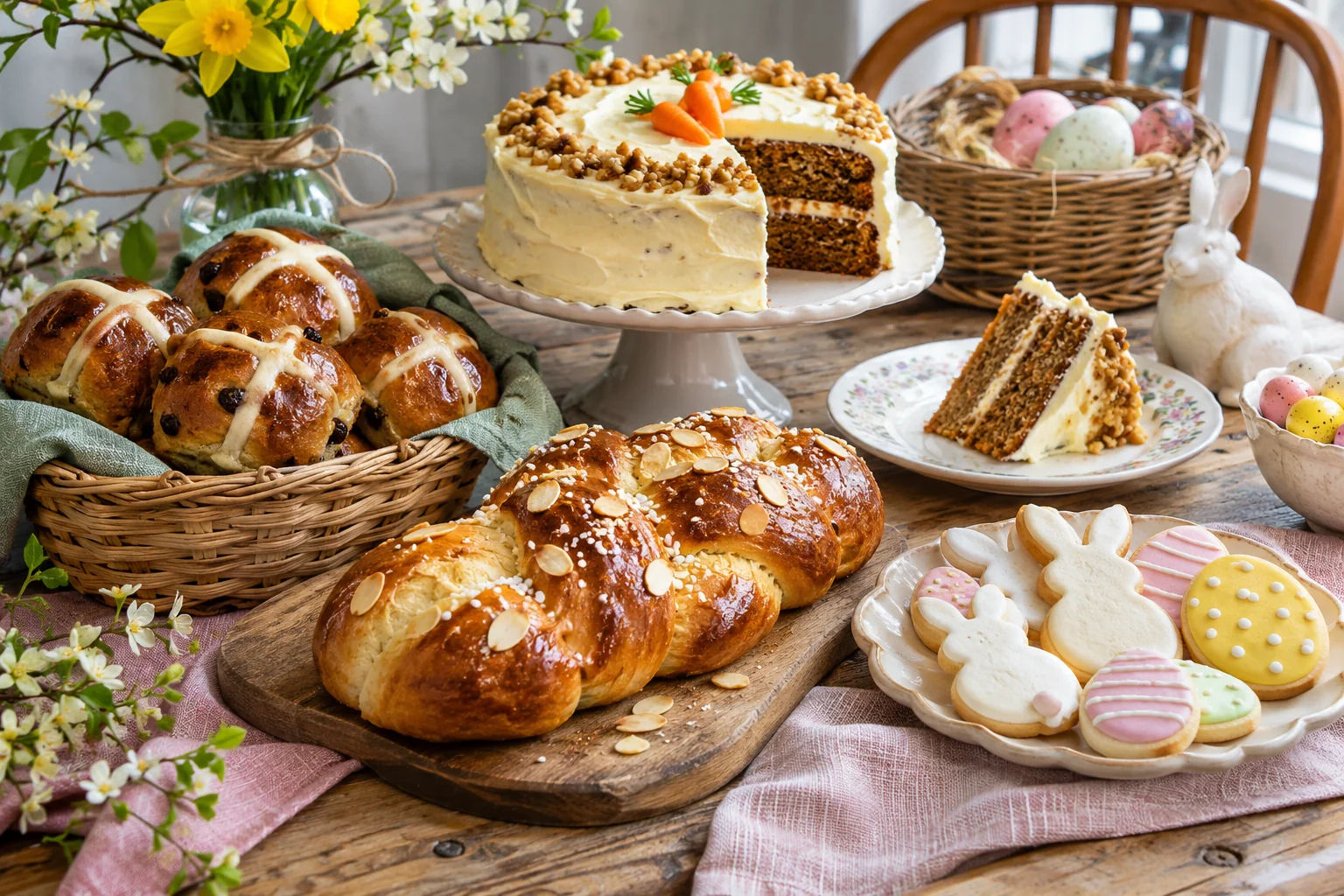
These spiced yeast buns are an Easter classic in many households. A tested recipe uses fruit, warm spices and an appropriate cross made from paste or icing depending on tradition. Allow time for kneading, fermentation, shaping and cooling. Don't rush a proof merely because the rest of the menu is waiting.
Recipe to try: Hot Cross Buns. Follow this recipe’s ingredient amounts and complete method.

Homemade braided bread
A simple braided sweet bread can become the table centerpiece. Practice with three strands before attempting elaborate multi-strand weaving. Use a tested enriched dough, work with manageable portions and proof fully. A shiny egg wash may require careful application and allergen labeling.
Recipe to try: Challah Rolls. Individual braided rolls offer a different format from a large celebration loaf. Follow their shaping, proofing and baking schedule.

Lemon poppy seed loaf
Lemon zest brings springlike freshness to a simple loaf. Poppy seeds add small pleasant specks and a gentle flavour; check their suitability for guests. Bake in the intended pan and let the loaf cool before adding a thin set glaze.
Recipe to try: Lemon Poppy Seed Bundt Cake. A Bundt cake variation on lemon-poppy-seed flavour. Keep the specified pan rather than pouring it into an untested loaf tin.

Carrot cake
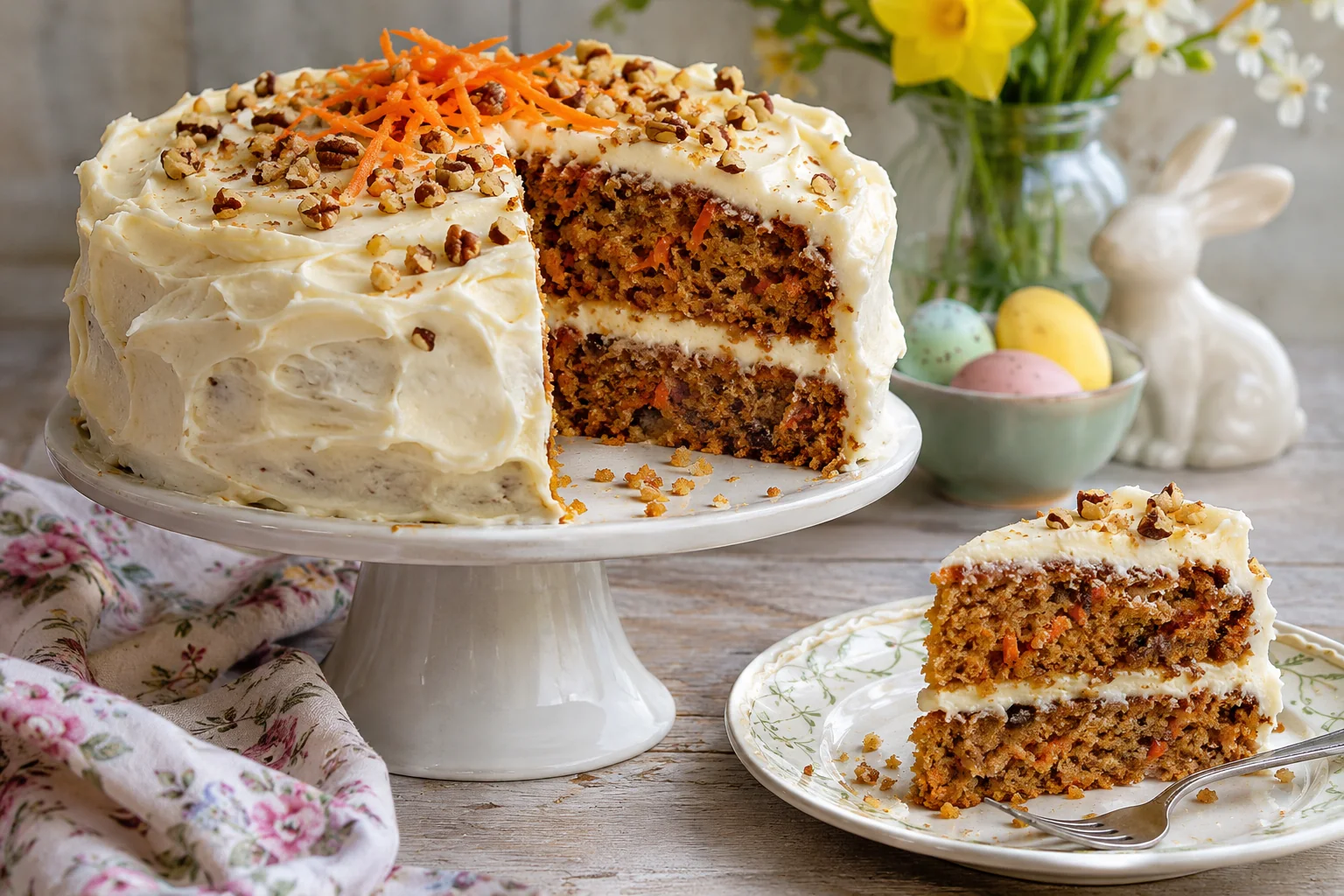
A moist carrot cake with cinnamon and a suitable frosting is familiar and festive. Measure grated carrot accurately so the batter isn't overly wet. Cream cheese frosting is perishable and should be kept refrigerated. A small sheet cake may be easier to serve than a tall layer cake when guests will be moving around.
Coconut cake
Coconut can suggest a light spring theme, especially with vanilla frosting. Canned coconut cream, coconut flakes and carton coconut beverages behave differently in baking, so use the recipe's precise product. Check coconut-related allergies and the frosting's storage directions.

Easter sugar cookies
Cutout cookies shaped as eggs or flowers provide an approachable decorating activity. Use an established dough that keeps its shape and let cookies cool fully. A few pastel glazes create visual interest without a dozen piping bags. Check small decorations for age-appropriate choking risks.

Chocolate nest treats
Chocolate-covered cereal or other ready-to-eat ingredients can be formed into little nests under a tested no-bake method. Use products suitable for the intended allergens. Avoid ordinary raw flour in uncooked treats and keep any cream-containing chocolate mixture appropriately chilled.

Mini egg-themed cupcakes
Vanilla cupcakes with a simple pastel frosting can carry a spring theme. Use food-safe decorations and avoid small hard candies for young children. A small frosting swirl on a well-baked cupcake is easier to transport than a very tall decorative nest.
Recipe to try: Classic Vanilla Layer Cake. For a cake-centred alternative to the cupcake idea, use this full layer-cake formula and choose verified edible decorations.

Fruit tartlets
Berries and citrus can make a lovely fresh dessert after a rich holiday meal. If filling with pastry cream, keep the finished tarts refrigerated and assemble near serving to preserve the crisp shells. A single larger tart may be less labour-intensive than many individual versions.
Raspberry and lemon bars
A tart lemon bar with a suitable raspberry variation provides contrast to carrot or chocolate cake. Let the filling set before cutting and follow storage requirements for egg-based or dairy fillings. Cut into modest squares because a holiday spread usually contains several sweets.
Savoury scones and rolls
Not everything needs to be sweet. Herb-and-cheese scones or plain dinner rolls can accompany an Easter brunch. Use a tested recipe and keep perishable dips cold until service. A good savoury baked item prevents the table from becoming a parade of sugary desserts.
Recipe to try: Savory Scones (Cheddar & Chive). Follow this recipe’s ingredient amounts and complete method.

An Easter brunch main
A vegetable quiche or baked egg casserole can provide substance alongside sweet buns. Cook egg dishes to the recommended endpoint and maintain safe storage. Use one oven-friendly main rather than planning individual omelettes while guests arrive.
Natural spring flavours
Lemon, orange, carrot, berries, vanilla and cardamom can create an elegant seasonal menu. Choose two or three compatible flavours across the table. Putting every spring ingredient into one cake may obscure the bright notes you want.
Bake with children safely
Younger children can place liners, mix premeasured dry ingredients and decorate already baked cooled cookies. Adults control ovens, hot pans and sharp tools. Raw flour dough is not safe to taste. Keep hard candy and whole nuts away from children for whom they present choking risks.
Plan around bread fermentation
If making hot cross buns, build the timetable around proofing before adding several other oven dishes. Use a recipe-approved overnight or make-ahead approach if needed. A well-risen bun cannot be made reliably by guessing at yeast timing and then rushing the bake.
A two-day baking schedule
The day before, bake suitable cookies and cake layers, prepare safe make-ahead components and set serving dishes. The holiday morning, finish buns or reheat them according to the recipe and cook the savoury main. Add fresh fruit or delicate toppings shortly before serving.
Easter menu for six
Serve six to eight hot cross buns, one savoury egg dish, seasonal fruit and a small lemon or carrot cake. Offer coffee, tea and water. This provides variety without excessive leftovers. Calculate yield from the actual recipes and adjust for appetites.
An Easter dessert table for twelve
Choose one properly sized carrot cake, a tray of lemon bars and a plate of decorated cookies. If brunch is included, add one substantial savoury dish and bread. Smaller dessert portions suit a table where guests want to sample several flavours.
Allergies and cross-contact
Traditional Easter baking can contain wheat, milk, eggs, dried fruit, nuts and coconut. Ask guests about restrictions and read product labels. A recipe described as gluten-free doesn't automatically cover a wheat allergy if it includes certain wheat-derived ingredients. Prevent cross-contact in a kitchen where wheat flour and nuts are used.
Food storage over a long weekend
Custard tarts, cream-cheese frosting and egg dishes need appropriate refrigeration. Cool baked goods promptly and follow each recipe's storage directions. Do not assume the whole dessert table can remain out throughout an afternoon party simply because it is a holiday.
A traditional brunch versus a dessert afternoon
For an Easter brunch, prioritize one substantial savoury dish, a fragrant bread and fresh fruit; the cake can arrive later with tea. For an afternoon visit, serve a modest selection of cookies, lemon bars and cake without attempting a full second meal. Matching the menu to the time makes portion planning easier. If the occasion includes an egg hunt, choose foods that can be served without constant supervision at a hot stove.
Hot cross bun troubleshooting
If buns are dense, check yeast activity, dough temperature, kneading and proofing before blaming the dried fruit. Too much flour can make enriched dough stiff, while very warm dough may ferment faster than expected. A wet sticky cross that slides off may be a paste-consistency or piping issue; use the exact recipe method. Buns should be fully baked and cooled enough before adding an icing cross or glaze, where appropriate.
How to keep an Easter cake fresh
Bake cake layers ahead if the recipe permits, cool fully and wrap appropriately to prevent drying. Store cream cheese frosting and other perishable fillings under refrigeration. Add juicy fruit or flowers only where the design and food-safety instructions support them. If the cake must travel to another house, choose a stable format and a rigid box rather than a tall unsupported structure with delicate decorations.
A simplified Easter baking calendar
On Thursday or Friday, decide the menu and buy fresh ingredients. Bake sturdy cookies or cake layers the day before and reserve time for dough fermentation. Easter morning can focus on one hot bread and one savoury dish, with fruit added shortly before service. Write down oven temperatures; buns and quiche may require different settings and cannot always be baked simultaneously. A little scheduling prevents underproofed bread and overcooked eggs.
An allergy-aware Easter menu
Traditional breads and cakes often contain wheat, eggs, dairy and sometimes almonds, coconut or other nuts. Read the complete labels of chocolate mini eggs, decorations and premade icing. For a child with food allergies, choose a verified alternative and avoid mixing toppings in one communal bowl. Gluten-free breads require their own recipe system and cross-contact precautions; exchanging flour at random can cause poor texture and an unsafe promise.
A small Easter basket of edible gifts
Fully cooled decorated cookies or small loaves can be packed in food-safe paper or a tin with a short ingredient list. Avoid fragile wet glazes and cream fillings when the gift won't be refrigerated. A handwritten note and one simple spring shape make the package personal. Choose appropriate serving sizes for the recipient's age, and keep hard candy or whole nuts away from young children for whom they pose choking risks.
Frequently asked Easter baking questions
Do hot cross buns need overnight proofing? Only if the selected recipe specifies it. Can carrot cake be made ahead? Often the unfrosted base can, following safe storage instructions. Can you use frozen berries in tartlets? Only with a suitable filling method. Is a decorative chocolate nest automatically safe for children? Not when small hard toppings pose a risk. How much should you bake? Count the actual guests and other desserts before choosing pan sizes.
A final Easter table check
Before serving, verify egg dishes are cooked through, cold perishables have stayed chilled, breads are cool enough to handle and food allergen information is accessible. Put coffee and tea supplies in one place and have a plan for leftovers. Holiday baking should create welcoming flavours and memories, not require the host to spend every minute repairing a crowded oven schedule.
The simplest festive table
A basket of warm spiced buns, a beautiful carrot cake and a bowl of seasonal fruit can be enough. Easter baking feels special because of familiar flavours and the people sharing them, not the number of recipes completed.
More recipes from What’s Baking?
Round out your plans with these recipes from our kitchen. Open each recipe for the full ingredient list, method and serving details.
IN PICTURES
From the baking notebook
FROM THE RECIPE BOX


