
On this page
For a cookie with tidy pockets, the bag of chips may be exactly what you want. For a paper-thin shell, the first question is how fluid the chocolate will be when tempered. A bar marked “baking chocolate” could work in a brownie while changing a milk-chocolate ganache beyond recognition. Start with the job, then turn the packet over and read what you are buying.
What couverture means
Couverture is chocolate made with enough cocoa butter to suit fine coating and molding work. Many brands also give the product a fluidity rating. Within one range, a more fluid couverture will generally leave a thinner coating than a less fluid one. It may come as a block, button or callet. Shape alone does not identify the fat composition.
Read the chocolate and cream sections in Temperature and Humidity Controlled Chocolate Shell Macarons separately. A shiny shell and a ganache centre ask different things of the same bag of chocolate.

What baking chocolate means
“Baking chocolate” covers several products sold for kitchen use. Unsweetened chocolate brings cocoa solids and fat without the sugar of semisweet or bittersweet chocolate. A sweetened dark bar is a different ingredient. If the recipe specifies unsweetened, semisweet, milk or white, look for that word on the bar before considering brand or package size.
The dark bar specified in Vegan Chocolate Lava Cake contributes cocoa, sugar and fat to the batter. An unsweetened baking bar changes all three.
Why chips are made for cookies
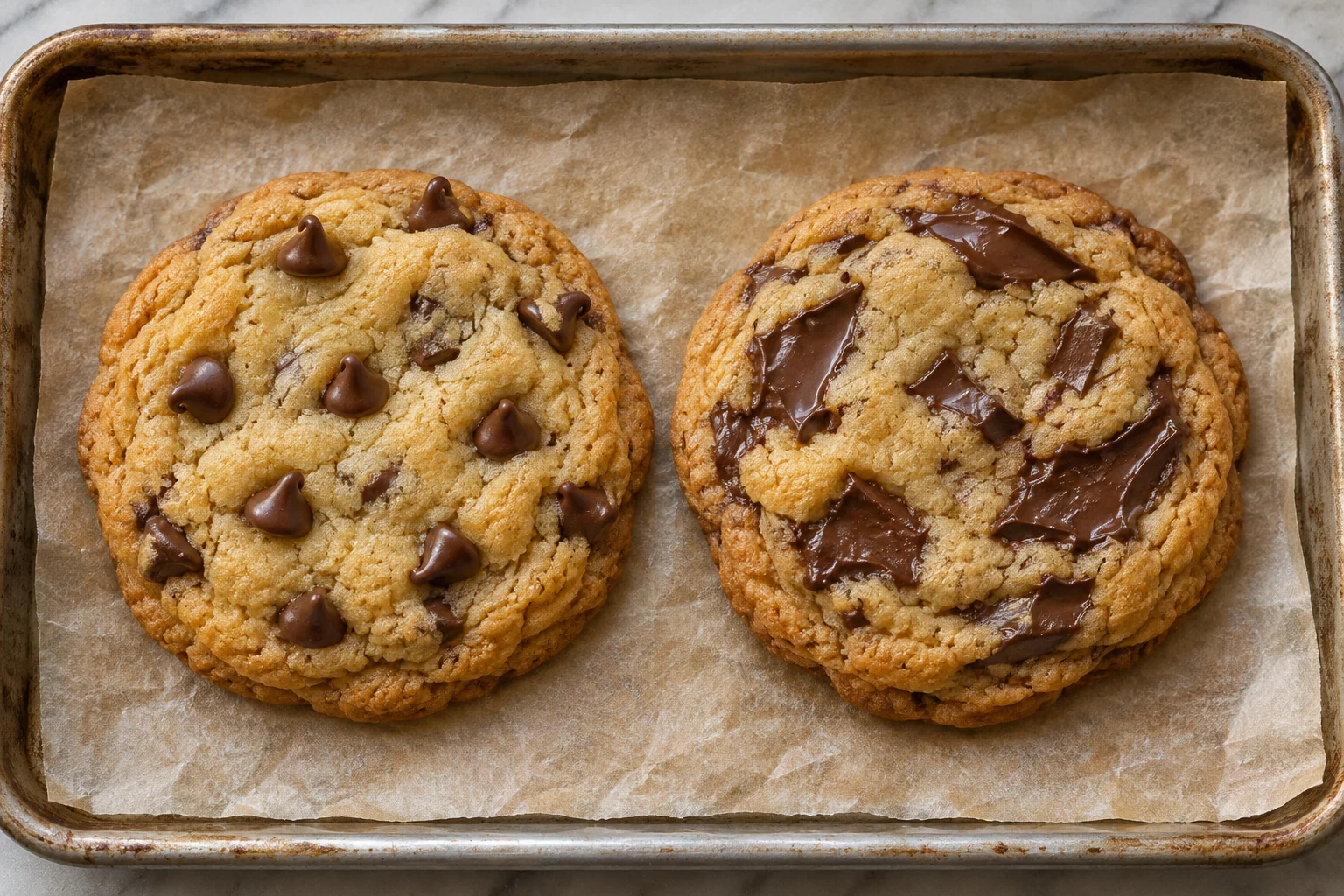
Many chocolate chips are formulated to maintain recognizable pieces during baking instead of spreading entirely into the dough. Their shape, size and recipe-specific fat or emulsifier composition can contribute to that behaviour. This isn't necessarily inferior chocolate: the goal is different. A chip that creates perfect pockets in a cookie may be less fluid than couverture when melted for a paper-thin shell or mirror-like cake drip.
In Classic Chocolate Chip Cookies, individual chips give a different pattern from a roughly chopped bar. Choose which texture you want to bite into.

Cocoa percentage isn't a complete specification
A cocoa percentage can include both cocoa solids and cocoa butter. Two dark bars with the same number on the front can taste different and flow differently in the bowl. Check the ingredient list, product notes and any fluidity rating. The percentage alone cannot tell you the amount of added cocoa butter, the expected viscosity or the precise tempering curve.
The ingredient list for Dark Chocolate Chip Cookies calls for a roughly chopped dark bar. The pieces will leave small flecks as well as larger pockets in each cookie.
How cocoa butter affects flow
Cocoa butter provides the main fat phase of conventional chocolate. Chocolate with an appropriate higher proportion can move more easily while warm, assuming other ingredients and particle sizes are comparable. But total viscosity also depends on particle distribution, emulsifiers and processing. A bar described as high cocoa percentage may still be relatively thick if it contains more nonfat solids. Fluidity ratings from a professional manufacturer can be more useful than percentage alone.
For Chocolate Tart, the bar must blend with cream and the filling must slice. A chocolate sold for very fluid dipping still needs to suit the filling recipe.

Cookie baking: chips or chunks?
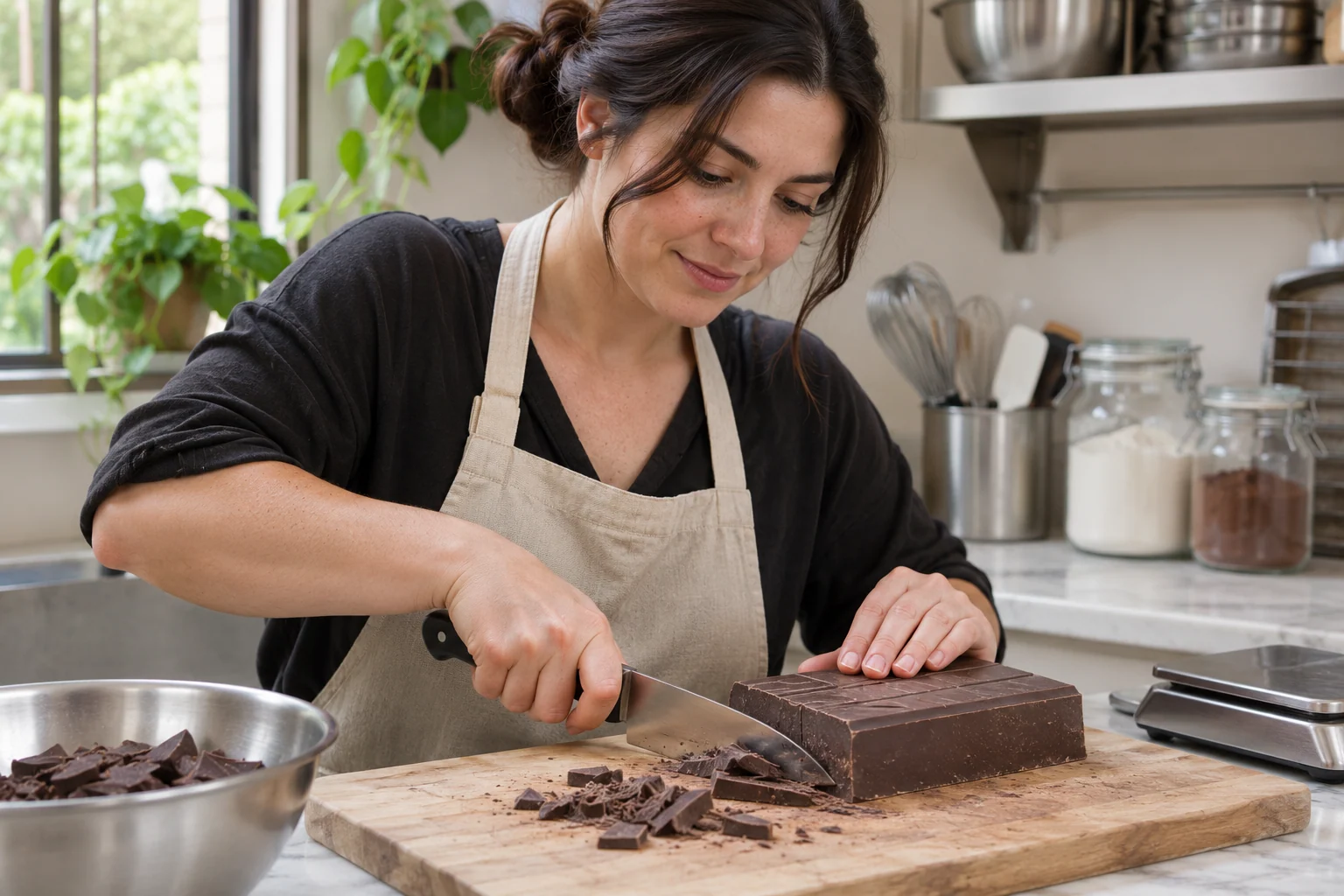
Cut a bar with a sharp knife on a dry board and you get both broad shards and fine dust. In a cookie those pieces make ribbons and little flecks. Manufactured chips distribute more evenly and are often formulated to hold their outline in the oven. Look at the recipe method as well as the title before buying.
The rough pieces in Chocolate Chunk Cookies leave broad pockets and fine chocolate flecks in the same dough. Chips of one size distribute more evenly.
Brownies: choose a bar when specified
Melted chocolate contributes fat, sugar and cocoa solids to brownies. A recipe built around a specific baking bar may change texture if replaced by a chip with a different formulation, especially if the cocoa percentage also changes. For a deeply flavoured brownie, use the type and weight the author tested. Chips can be excellent as added pieces even when the melted portion comes from a baking bar.
In Air Fryer Brownies the chopped dark bar melts into the batter, while the optional chips stay as little pockets. Keep the two jobs separate when shopping.

Ganache: why substitutions matter
For ganache, changing the chocolate changes the balance of cocoa butter, cocoa solids, milk solids and sugar. Choose the chocolate named by the formula if a firm, sliceable result matters. Once you know that baseline, trial a small batch with a different bar and compare the two at the same temperature.
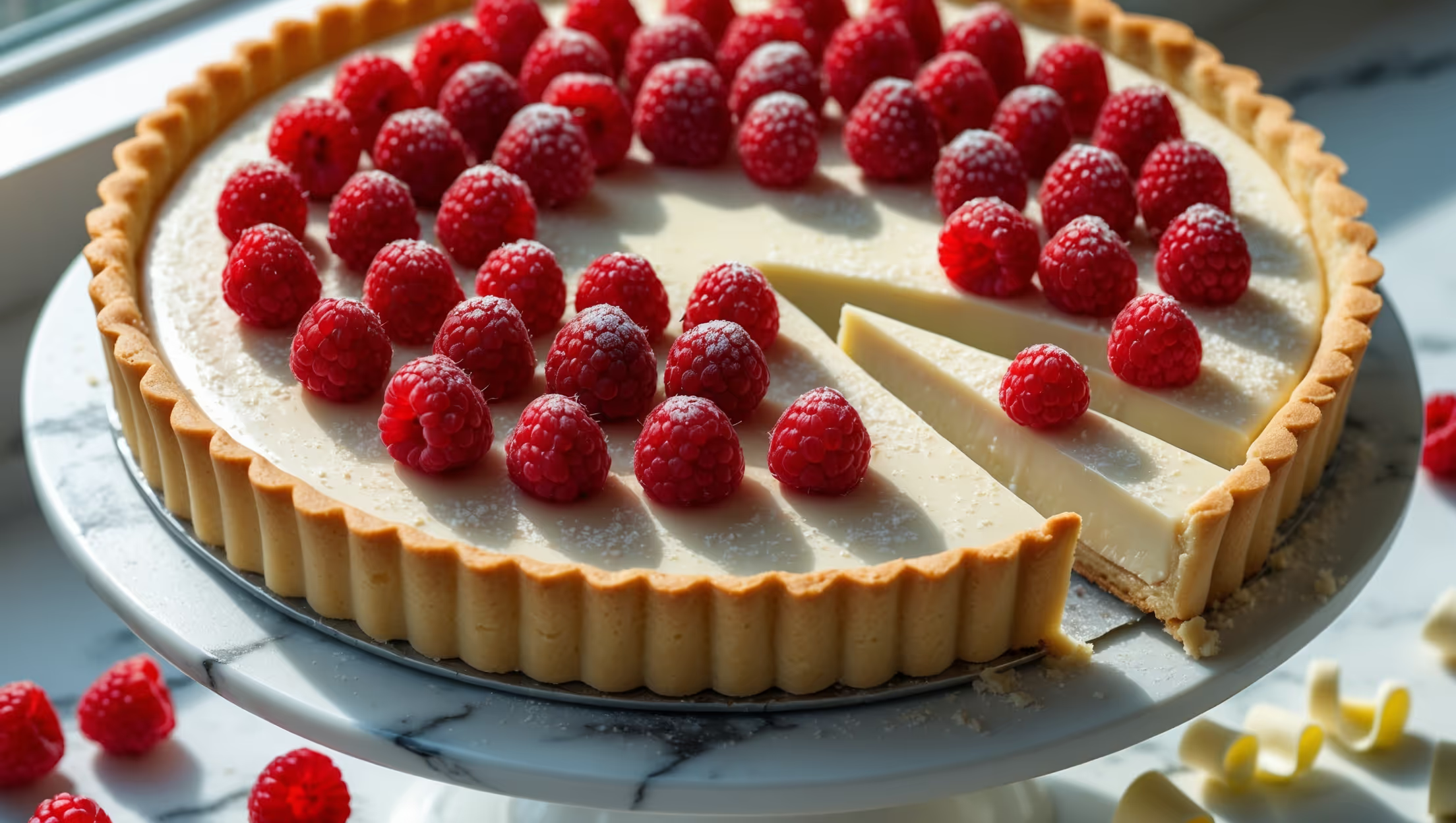
The white bar in Raspberry White Chocolate Tart supplies the structure of the chilled filling. Substitute only a product suited to melting and check that its ingredients match the recipe’s intent.
Truffle shells and molded chocolates
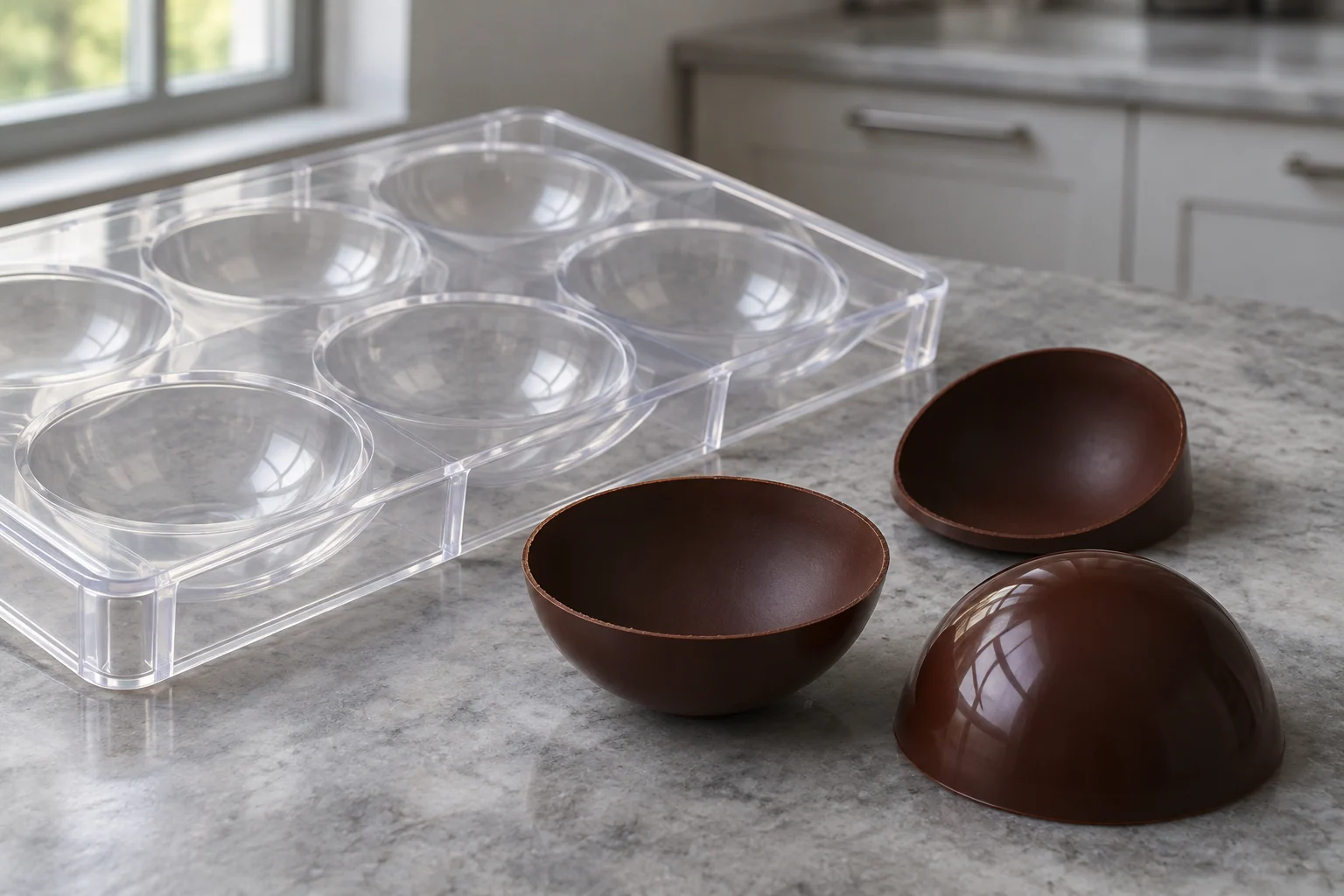
For thin, polished shells, properly tempered couverture or another suitable genuine chocolate is commonly preferred because it can flow into molds and set with a firm snap. A thicker chip mixture may leave heavy uneven shells. Tempering controls cocoa butter crystal structure, but it cannot make every product fluid enough for delicate work. Choose chocolate marketed for molding and follow its working-temperature guidance.
The dark and milk chocolates in Manhattan Cocktail Truffle form part of the centre. Choose a separate coating chocolate by fluidity if you plan to add a thin shell.
Tempering is not melting
Melting makes solid chocolate fluid. Tempering manages the cocoa butter crystals so a coating can set glossy and snap cleanly. A bag of real chocolate chips may be temperable while still too thick for a delicate shell. Check the fat on the label and the maker’s working directions before assuming how a product will behave.
For White Chocolate Dipped Ginger Cookies, a tidy dip depends on the coating as much as the cookie. Read the packet’s working directions before starting a large tray.
White and milk couverture
Milk and white couvertures contain dairy ingredients and have different fat and sugar proportions from dark couverture. Their optimal tempering ranges and ganache ratios differ. Avoid using a dark chocolate working-temperature chart for white chocolate. White chocolate's lack of nonfat cocoa solids also affects flavour and texture. A white baking chip may be a very different product from a true white chocolate couverture.
The milk chocolate in Milk Chocolate Cream Pie contributes sweetness and dairy flavour as well as cocoa butter. A dark bar of the same weight changes the pie.

Compound coating isn't the same chocolate
Confectionery coating can use vegetable fats in place of some or all of the cocoa butter. Many such products set after straightforward melting. Use the packet’s instructions for that specific coating and its intended use. Match it deliberately to a project such as dipped decorations, especially when the recipe elsewhere relies on a genuine chocolate ganache.
Choosing for cake decorations
If you're making thin chocolate sails, curls or molded numbers, select a chocolate or coating designed to set in that form. For a simple drizzle on a completely cooled cake, a recipe-tested melted chocolate or ganache may suffice. The appearance you want matters: a fluid line that sets firm is different from a soft drip that remains slightly yielding. Don't add unmeasured oil merely to make chocolate look thinner.
The ganache and decorative chocolate on Malted Chocolate Layer Cake do different jobs. Read both ingredient lines before buying one bag for the entire cake.

Allergen differences
Dark chocolate isn't automatically milk-free. Chips and bars may contain milk, soy lecithin, nuts or cross-contact warnings. White chocolate generally contains milk ingredients unless specifically formulated otherwise. Check every label when baking for an allergy-sensitive guest. A couverture product from an unfamiliar supplier still needs ingredient verification; professional packaging doesn't guarantee a particular allergen profile.
The recipe for Vegan Chocolate Layer Cake specifies dairy-free dark chocolate. Check the actual ingredient and allergen declarations of the bar you intend to use.
A side-by-side melting test
Melt small portions of two products in separate dry bowls according to their own directions. Let a ribbon fall from a spoon and compare the flow. For real chocolate you intend to mold, temper a test portion and evaluate a cooled thin smear for set and snap. An untempered spoonful alone cannot tell you how a proper shell will release.
Before making Triple Chocolate Chip Cookies, set one dark, milk and white piece side by side. Compare their behaviour separately before mixing all three into the dough.

How to substitute in a recipe
For cookie mix-ins, exchanging equal weights of a chip and a chopped bar is often a straightforward flavour variation, though appearance changes. For melted chocolate in cake or brownies, check cocoa percentage and ingredient balance. For ganache or tempered coatings, substitutions require more caution and may need a tested new ratio. Always begin with the function the chocolate performs rather than whether the pieces physically fit the measuring cup.
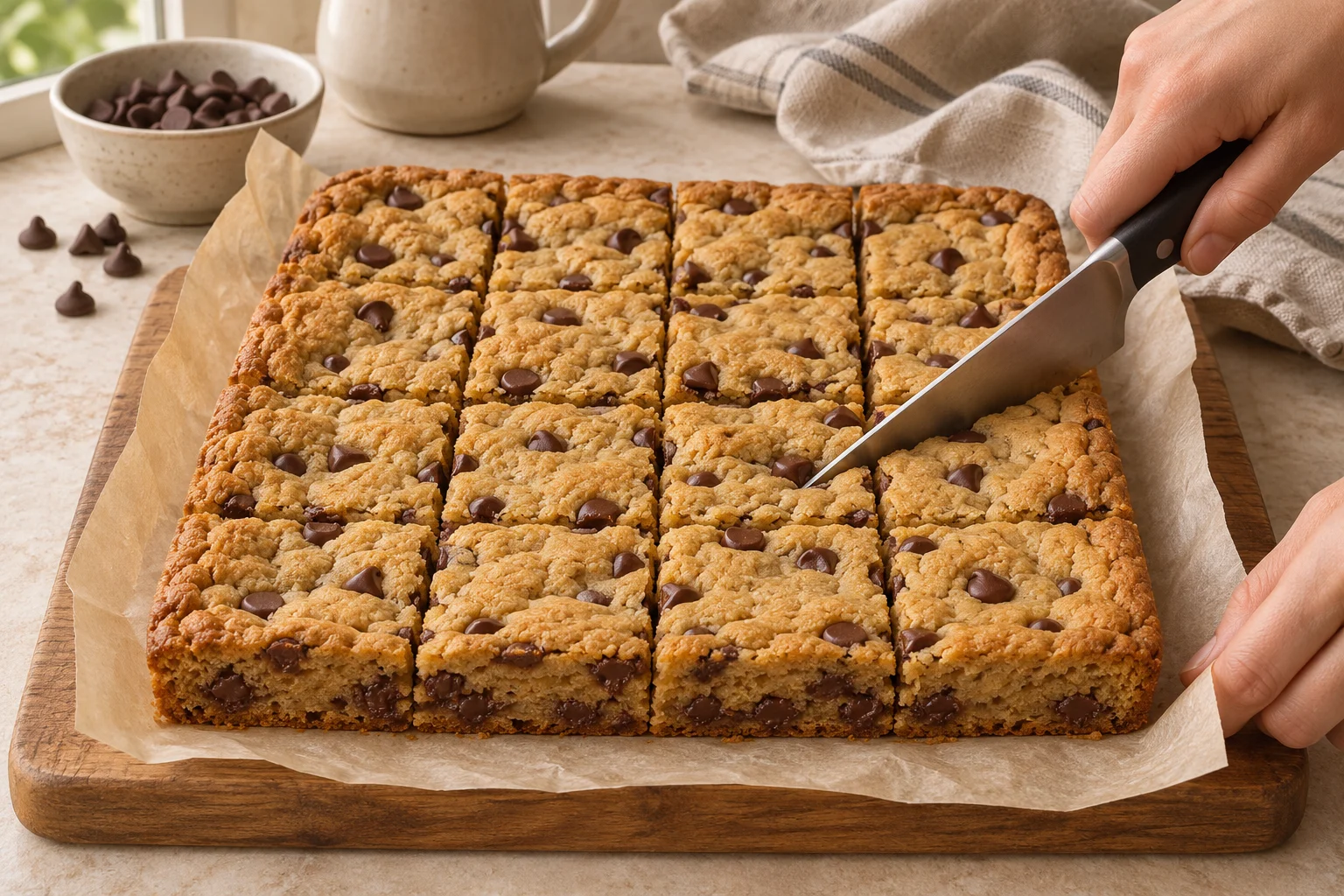
The recipe for Chocolate Chip Cookie Bars explicitly allows chips or chunks. This is an easier place to change shape than a thin molded shell or a precisely balanced ganache.
Storage and handling
Keep chocolate cool, dry and protected from temperature swings. Couverture callets may be easy to reseal, while chopped bars need airtight food-safe packaging to avoid odours and moisture. Finished cream-filled chocolates require the storage rules of the filling, not the dry couverture shell. Excess summer heat may soften all true cocoa-butter chocolate, regardless of the word 'baking' on its wrapper.

Shopping without overbuying
For everyday cookies, good chips or a familiar bar may be sufficient. For ganache, prioritize a chocolate with known behaviour and an existing tested ratio. For bonbons and elaborate molds, a couverture with published tempering and viscosity guidance is worth considering. Buying expensive couverture for every tray of brownies doesn't automatically improve the recipe if another product matches its intended chocolate composition.
Frequently asked questions
Are chocolate chips lower quality? Not necessarily; they're often designed for a different task. Is couverture always dark? No. Does 70% cocoa mean 70% cocoa butter? No. Can I use chips in ganache? Sometimes, with a tested formula. Can a compound coating be tempered like couverture? Follow the product's specific fat-system directions rather than assuming so.
Choose chocolate by purpose
Use chips for defined cookie pieces, an appropriate baking bar for tested melted-chocolate batters, and fluid chocolate for thin dipped or molded shells. Cocoa percentage is useful for flavour, but fat composition and formulation determine much of the behaviour. The most reliable choice is the one that suits the recipe’s texture and technique.
A useful first shopping rule
Name the job before you write the shopping list. For cookies, buy the shape and sweetness you want to bite into. For a brownie or ganache, buy the bar in the formula. For a thin shell, choose a real coating chocolate with suitable fluidity and working directions you can follow with your equipment.
IN PICTURES
From the baking notebook
FROM THE RECIPE BOX


