On this page
Set aside a cake trimming before you stack the layers. A brushful of syrup on that small piece shows how quickly the crumb absorbs liquid and lets you taste the soak with the frosting you plan to serve.
What a cake soak actually does
A soak adds measured moisture and sometimes flavor to baked cake after it cools or reaches the recipe's specified assembly stage. Thin sponges used in elaborate layered desserts may benefit from controlled hydration. An oil-rich carrot cake or very moist chocolate cake may not need extra liquid. A cake soak isn't a reliable remedy for severe underbaking, spoilage or a structurally failed sponge.
Simple syrup as a starting point
Simple syrup consists of sugar dissolved in water, often at a tested ratio. Its sweetness and viscosity depend on concentration and cooking. Some cake formulas use equal weights of sugar and water, but others call for lighter or heavier syrup. A thin warm syrup can soak differently from a cooled thick one. Follow the assembly recipe's quantity and temperature guidance rather than assuming equal parts is mandatory for every cake.
Why sugar is included
Sugar sweetens and changes how moisture feels on the palate. A plain water soak might make a fragile sponge damp without producing the intended dessert flavor. A concentrated syrup may make the layers sweet and sticky. Consider the filling and frosting: a cake with sweet white chocolate buttercream may need less sweet soaking than one paired with a tart fruit filling.
Which cake styles benefit
Génoise and some other lean sponge cakes often use flavored syrups because their formula contains relatively little fat. Certain layered chocolate cakes may use coffee syrup, while celebratory tortes use measured citrus or fruit soaks. The correct endpoint depends on sponge porosity and layer thickness. A tested soaked-sponge cake is easier to assemble than an improvised moistening treatment.
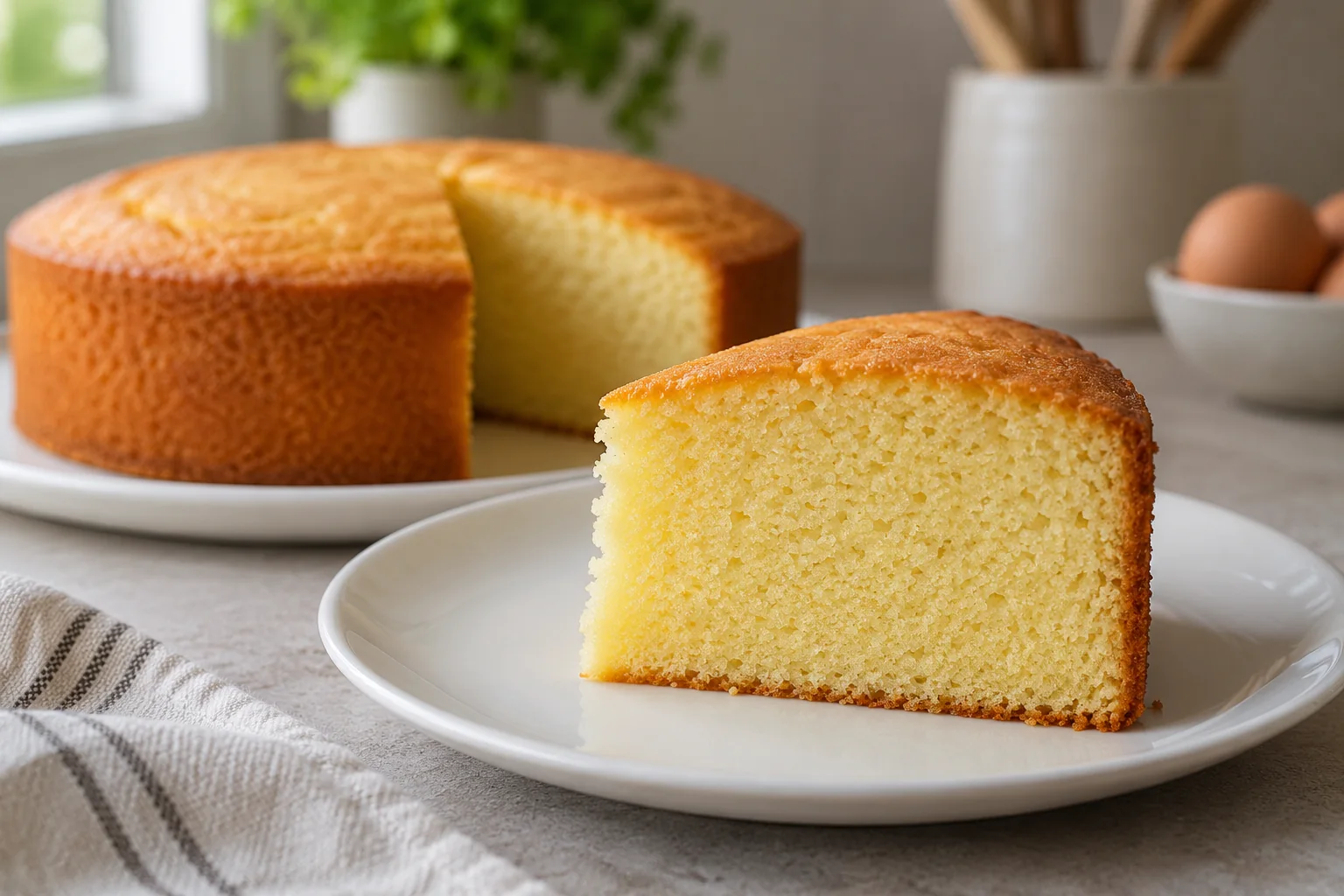
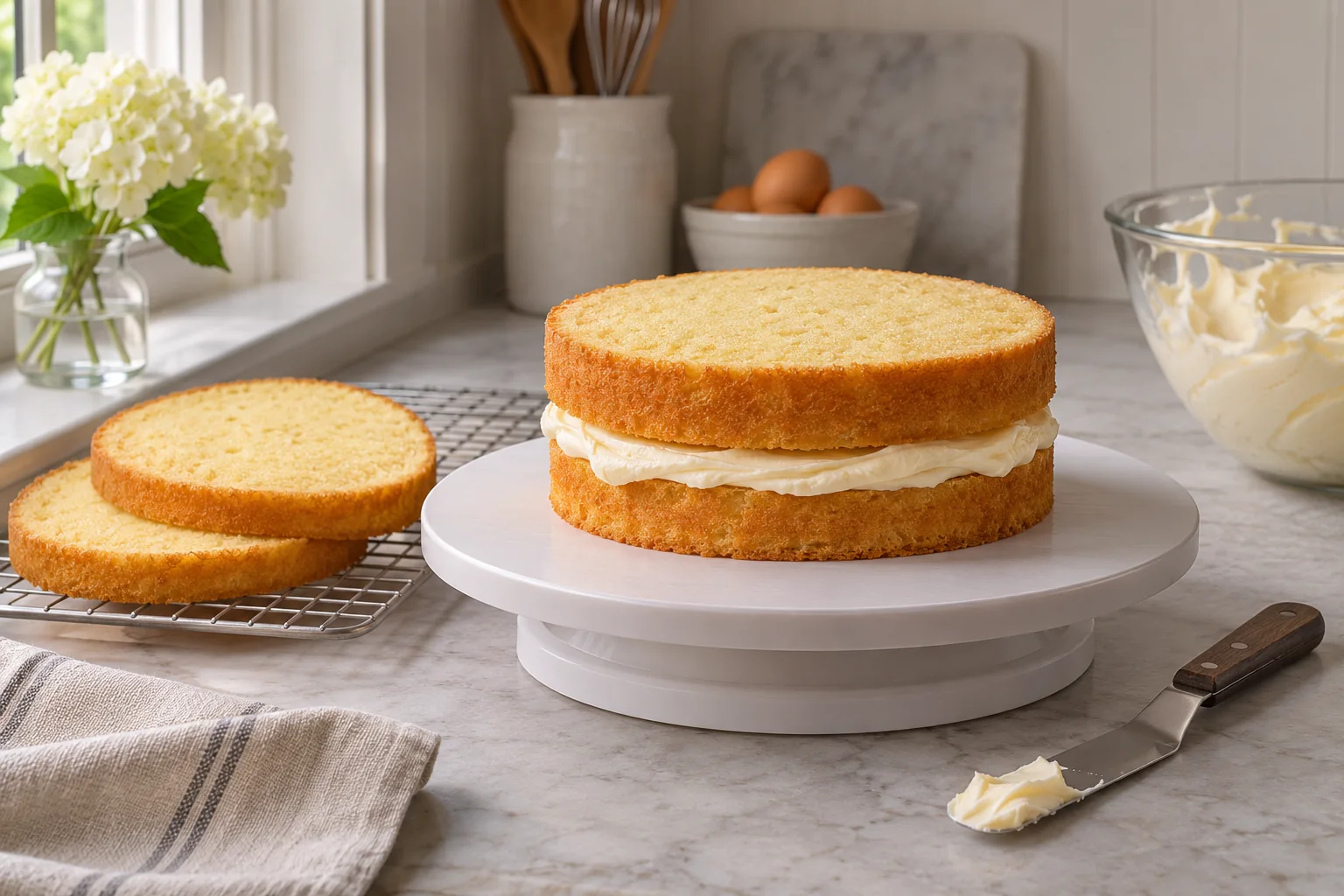
Test the crumb of Classic Vanilla Layer Cake on a trimming before deciding how much syrup it can hold.

Which cakes usually need less
Moist banana cake, oil-based chocolate cake, carrot cake and some butter cakes can already hold substantial water. Extra syrup may turn the crumb gummy or make heavy layers slide. Judge the recipe and cooled cake before adding any liquid. If the cake is dry because it was severely overbaked, the soak may improve taste but will not restore the original airy structure.
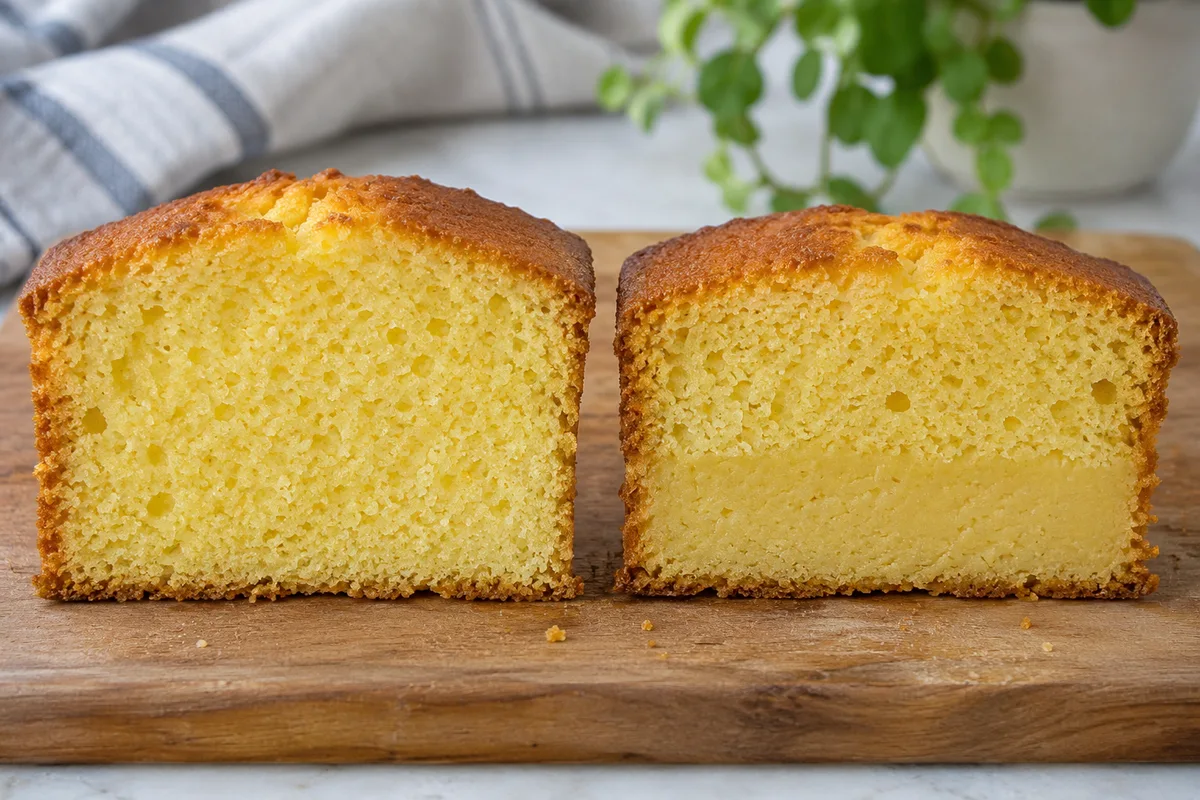
A slice of Pound Cake Bundt gives a close-crumbed comparison when a syrup pools on the surface.

How porous crumb affects absorption
A relatively open sponge absorbs liquid differently from a dense pound cake. Cut cake surfaces also behave differently from an intact baked crust. The same tablespoon of syrup can penetrate quickly in one layer and pool in another. That is why generic tablespoons-per-inch charts are rough starting points at best. Use the recipe's measurements and test a small portion before saturating an entire cake.
Brush rather than pour blindly
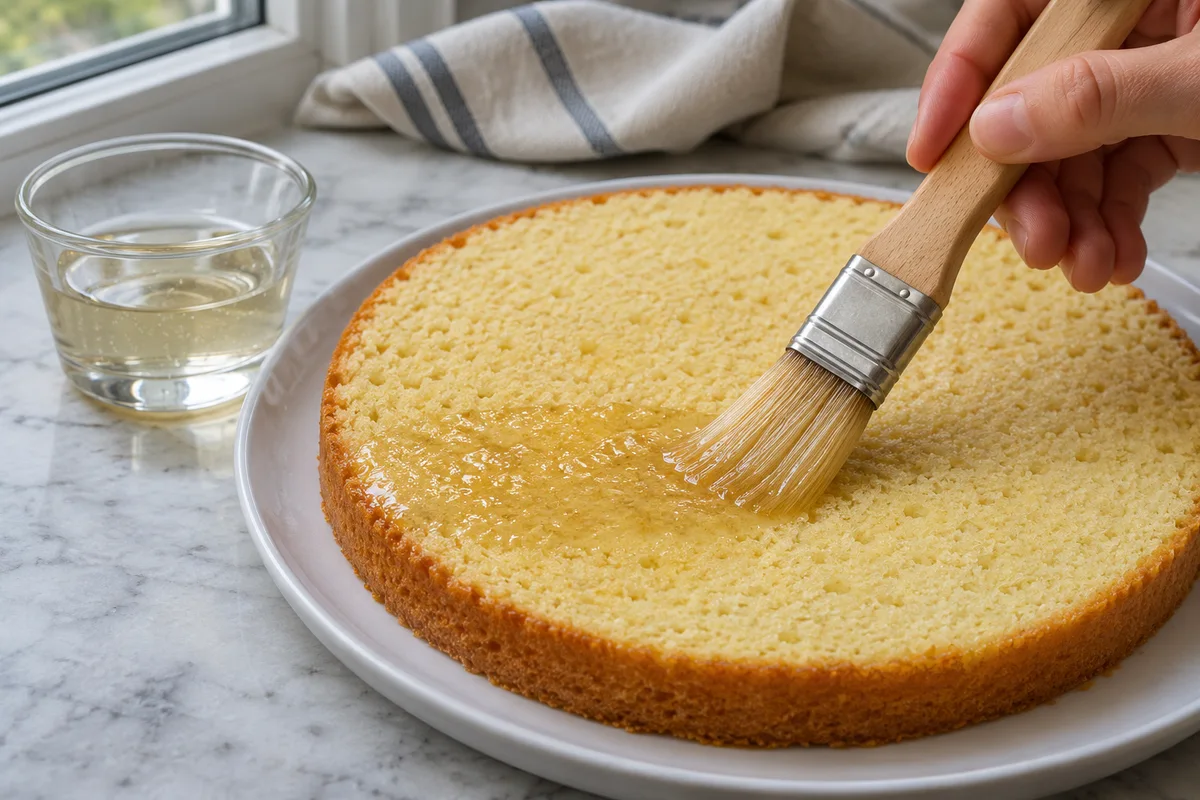
A clean pastry brush or controlled squeeze bottle can distribute syrup evenly across exposed sponge. Apply in light passes, allowing absorption between them. Avoid concentrated puddles at the center or edge. If syrup runs onto the cake board, you've likely added more than the surface can immediately hold. Use the quantity recommended rather than continuing until every crumb looks glossy.
Keep the application even
Begin at one edge and work methodically across the layer, paying attention to corners and exposed cut surfaces without flooding them. For a circular layer, rotate the cake board as you brush. An uneven soak produces wet slices beside dry ones. Small controlled passes are easier to correct than a single large pour.
The temperature question
Some recipes apply cooled syrup to cool cake; others specify warm syrup on a particular sponge. Temperature influences absorption and can affect frosting or fillings. Never pour hot liquid onto buttercream expecting it to remain stable. Prepare the syrup according to the formula and use at the stated stage of cake assembly.
Coffee syrup for chocolate cake
Coffee flavor can deepen a chocolate dessert, but a strongly brewed mixture adds liquid and potentially bitterness. Combine coffee with a measured syrup where the recipe calls for it. Avoid adding a huge cup of hot coffee to an assembled layer cake. If serving children or people avoiding caffeine, offer a suitable alternative flavor.
Taste a small piece of Chocolate Layer Cake with coffee syrup and frosting together before soaking the layers.

Citrus soaks
Lemon, orange and other citrus juices add acidity and brightness as well as water. A tested lemon syrup can be excellent on a plain butter loaf, but too much may make the crumb tart and wet. Zest contributes fragrant oils with less liquid. A citrus glaze that sets on top behaves differently from a syrup designed to penetrate the interior.
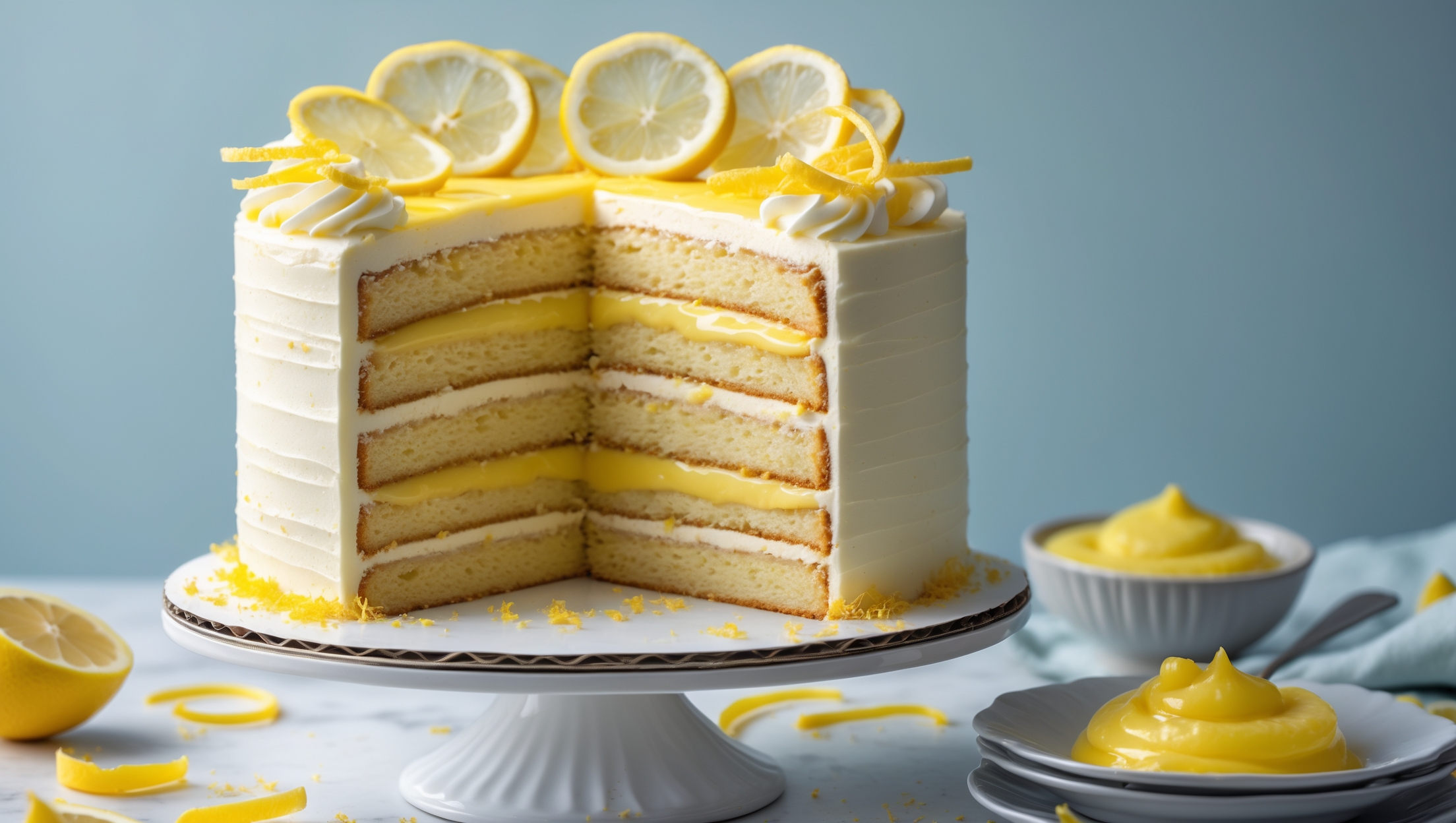
With Lemon Layer Cake, balance any extra citrus syrup against the lemon already in the cake and filling.
Fruit syrup and purée
Strawberry or raspberry syrup can add flavor to sponges, but fruit purées often contain seeds and pulp that do not penetrate evenly. A thick sauce may sit between layers and destabilize filling. Choose a compatible fruit soak formula and strain if instructed. Fruit-based components may have additional refrigeration and safe-storage requirements.

Milk-based soaks
Tres leches and related desserts use carefully measured mixtures of dairy liquids to saturate a sponge designed to hold them. These are distinct from a small simple-syrup brushing. Milk, cream and condensed milk create a perishable dessert requiring refrigeration. Do not assume a regular butter cake can take the full milk volume of a dedicated tres leches formula.
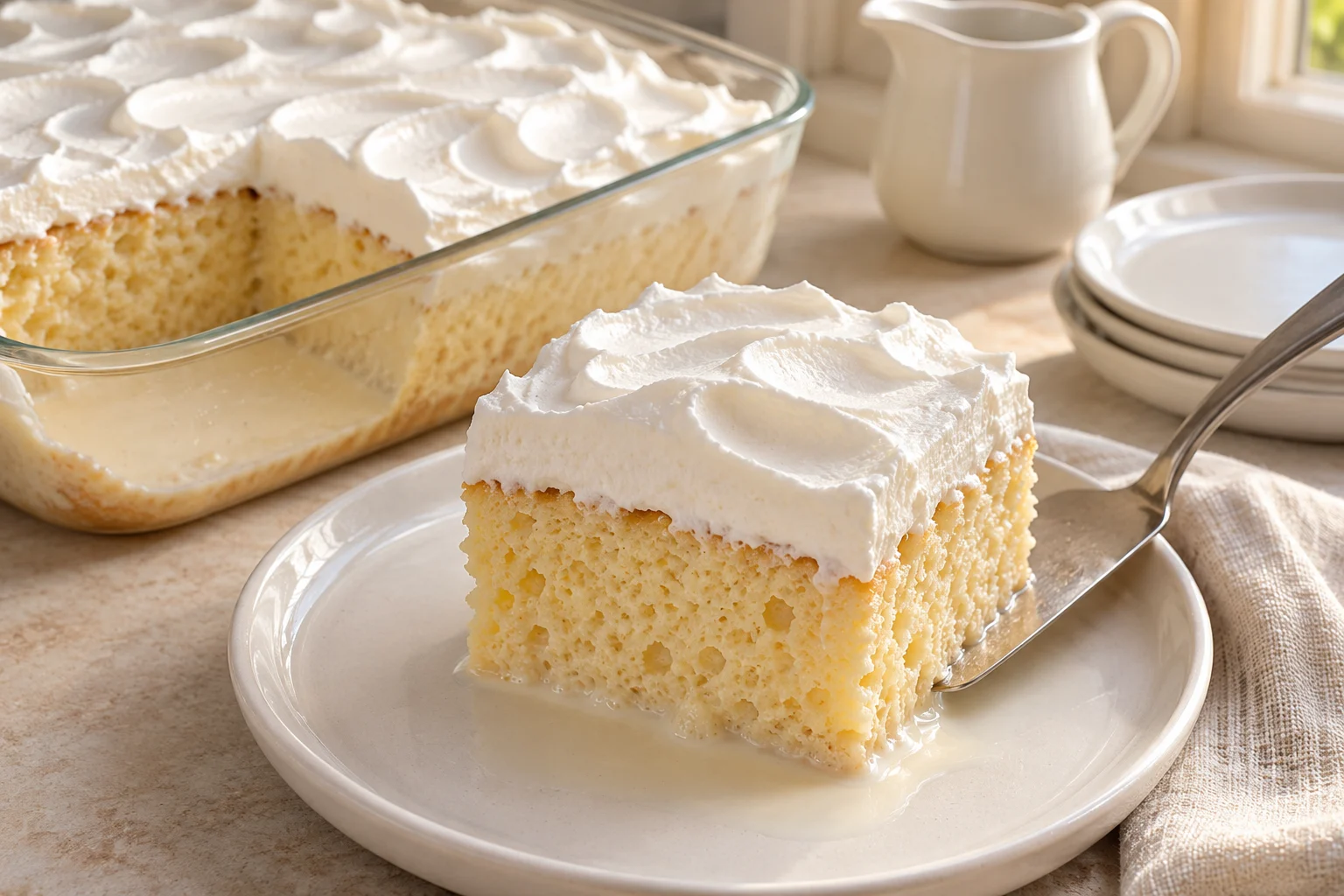
For a purpose-built milk soak, follow Tres Leches Sheet Cake. Its method accounts for far more liquid than a brushed layer cake.
Why alcohol needs recipe context
Some adult dessert recipes use a measured quantity of rum, liqueur or another alcoholic flavor in syrup. Alcohol content, flavor and safe serving considerations vary; heating does not necessarily remove all alcohol. For a family gathering, choose a published alcohol-free variation rather than assuming all alcohol evaporates. The syrup's total liquid still matters structurally.
Cake filling compatibility
A dry-ish buttercream can pair with a modest soak in some cakes, while a wet berry compote or custard already contributes moisture. Several wet layers can make the dessert unstable. Consider the full cake: sponge, syrup, filling and exterior frosting. A buttercream dam may contain a controlled fruit filling but can't prevent an oversoaked cake layer from breaking.
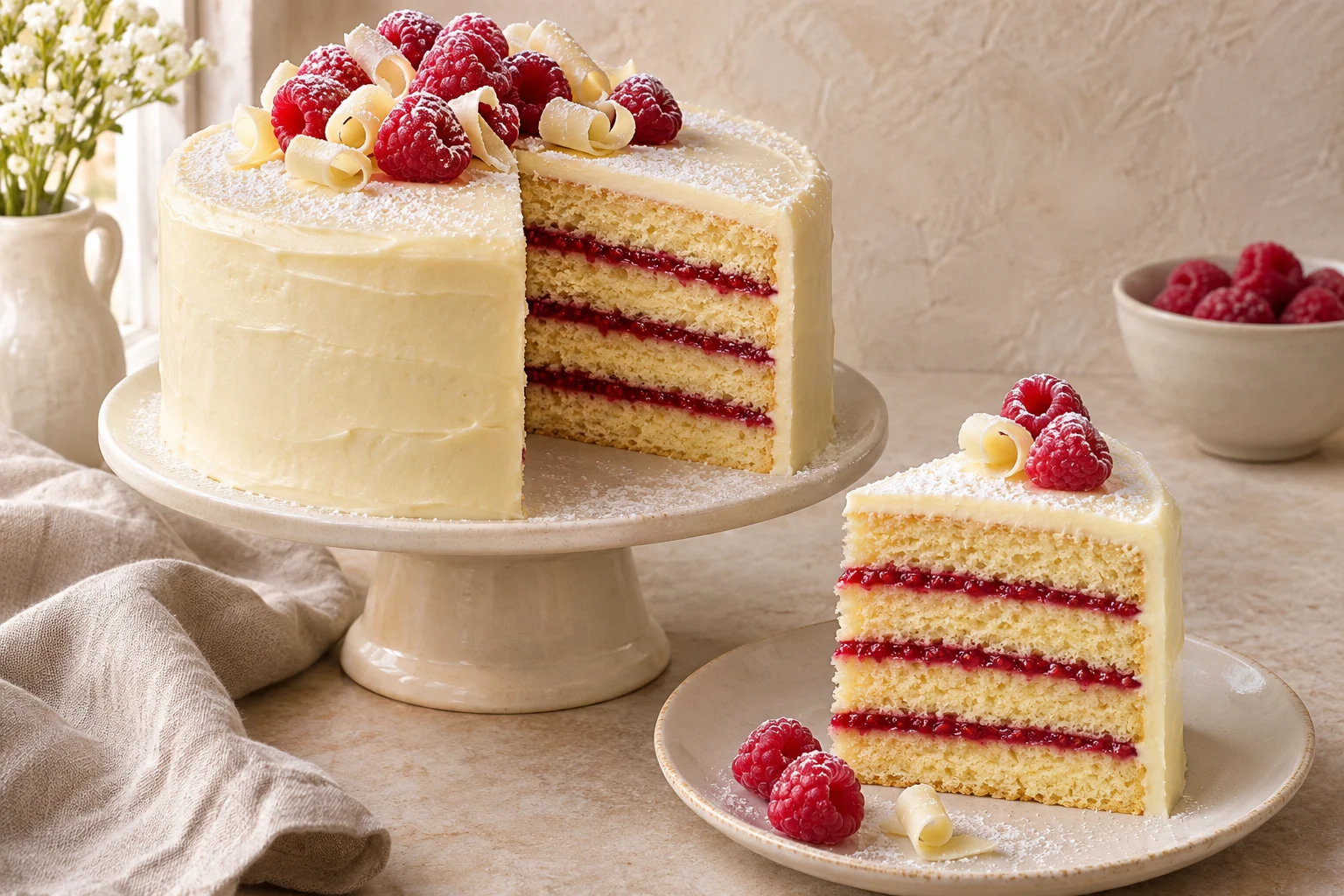
When pairing syrup with Raspberry White Chocolate Layer Cake, include a little of the fruit filling in the tasting bite.
How much syrup per layer?
No fixed tablespoon amount is appropriate across all cakes because diameter, thickness, flour type and crumb porosity differ. Use the source recipe's measured quantity. If adapting a familiar sponge, begin with a small controlled test and observe absorption. Stop before liquid pools or the layer loses structural strength. For a tall celebration cake, the risk of instability rises with each additional wet interface.
On a small trimming, brush on a teaspoon of syrup, let it soak in, then cut across it. Look for moisture just beneath the surface and a crumb that still holds together. If the cut face is already wet through, stop there.

The squeeze test has limits
A properly soaked sponge often feels moist and cohesive without releasing liquid when pressed gently. Excessive liquid may create sticky wet crumbs or a puddle. But touching a cake isn't a scientific measurement, and delicate foam layers can compress easily. Follow the recipe and compare a test slice rather than pressing a large assembled cake to determine moisture.
Make-ahead timing
Some soaked cakes improve after a controlled refrigerated rest as flavors distribute, while others become soggy if assembled too early. Use the original dessert's timeline. A perishable milk soak or dairy filling requires proper cold storage. Don't leave a syrup-soaked cream cake at room temperature overnight to 'develop flavor'.
Common signs of too much syrup
A dark wet band in the crumb, layers that slide, syrup puddling on the cake board or frosting that won't adhere may signal oversoaking. An underbaked cake can produce a similar gummy band, so check how the cake looked before applying syrup. A wet sponge cannot reliably be repaired by adding another thick coat of frosting.
Common signs of too little syrup
A lean sponge may feel dry and crumble despite a beautifully applied filling. If the recipe specifies syrup, skipping it can create an incomplete finished texture. Too little liquid may leave strongly flavored spots rather than even distribution. For the next attempt, weigh or measure the intended syrup and apply methodically.
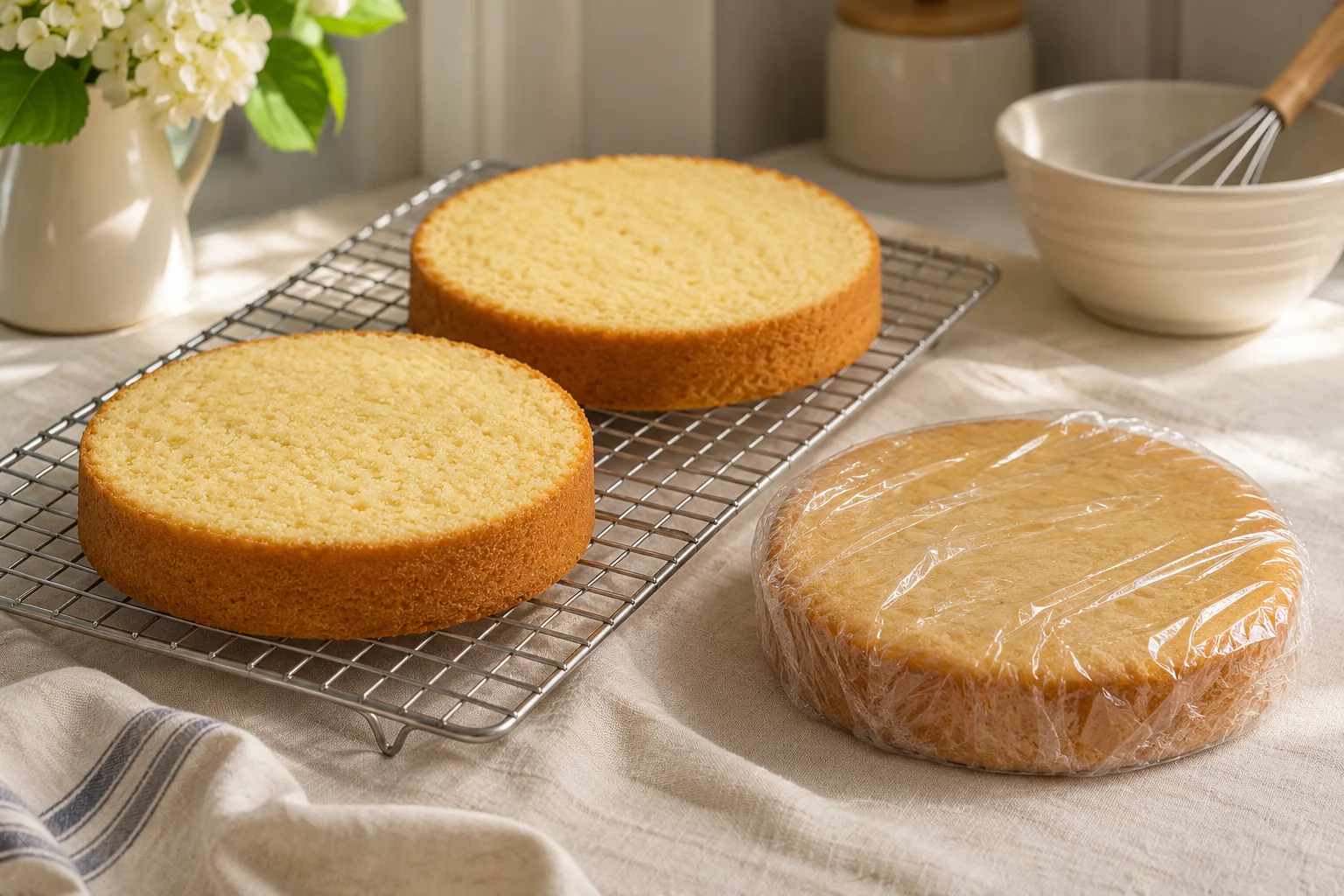
A simple practice cake
Prepare a tested sponge and brush one small test piece with the documented syrup amount while leaving another plain. Compare after an appropriate rest, then taste with the intended frosting. This teaches absorption and flavor balance without risking an entire stacked cake. Record the syrup used per cake layer for future repeatability.
IN PICTURES
From the baking notebook
FROM THE RECIPE BOX


