On this page
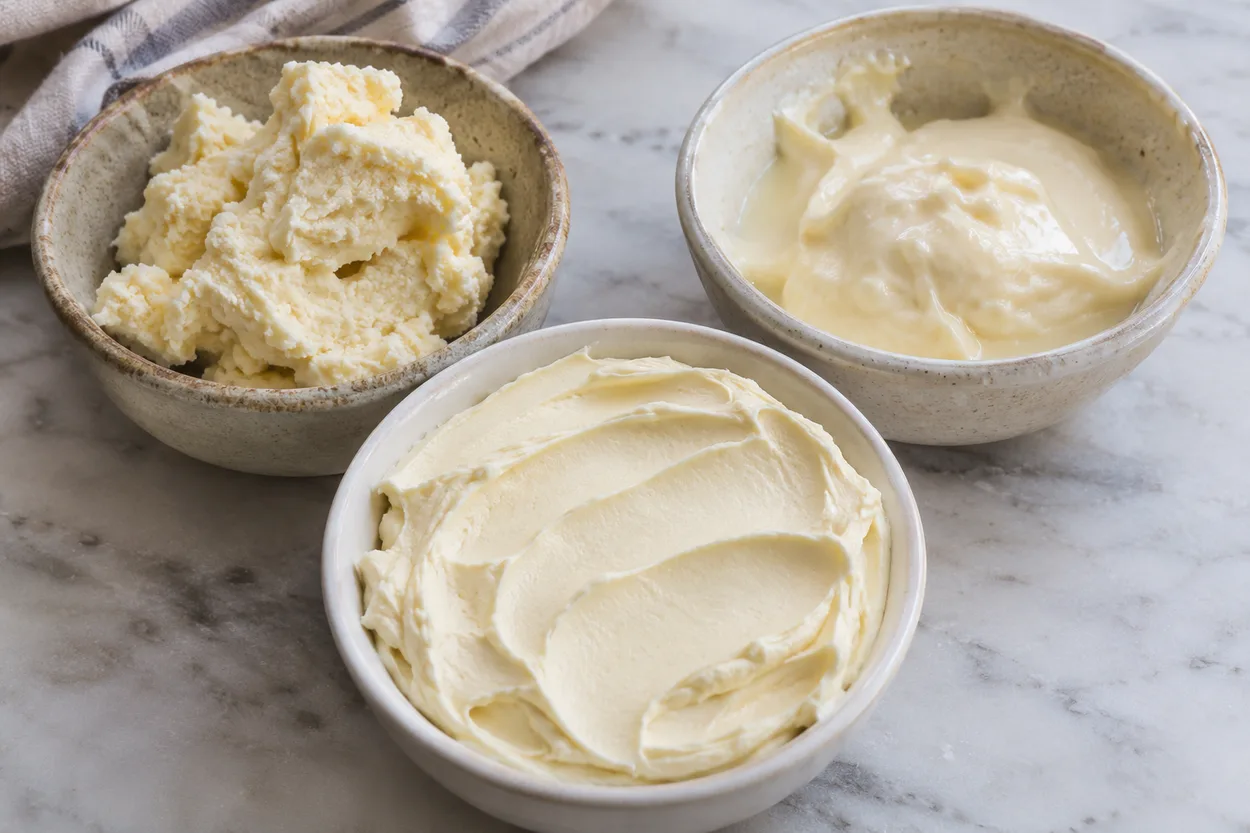
Rub a little buttercream between a spoon and the side of the bowl. Grit that persists, tiny pieces of firm butter and a glossy mixture that slumps all point to different fixes. Set aside one spoonful for testing before treating the batch.
Know which buttercream you made
American buttercream typically combines butter with powdered sugar and sometimes liquid. Swiss and Italian meringue buttercreams combine butter with a cooked or heated meringue component. German buttercream uses a custard base, while French buttercream often contains egg yolks. Each has different mixing, setting and food-safety needs. A fix for one style may ruin another.
Start with the buttercream method for Classic Vanilla Layer Cake and identify the stage where the texture changed.

American buttercream graininess
Coarse or poorly dissolved sugar can create a sandy texture, particularly if granulated sugar was used in a recipe requiring powdered sugar. Powdered sugar particle size and any added starch also affect the finish. Beating longer may not fully dissolve the wrong sugar type. Follow the specified sugar and method rather than assuming extra milk can rescue every grainy batch.
Sift and measure appropriately
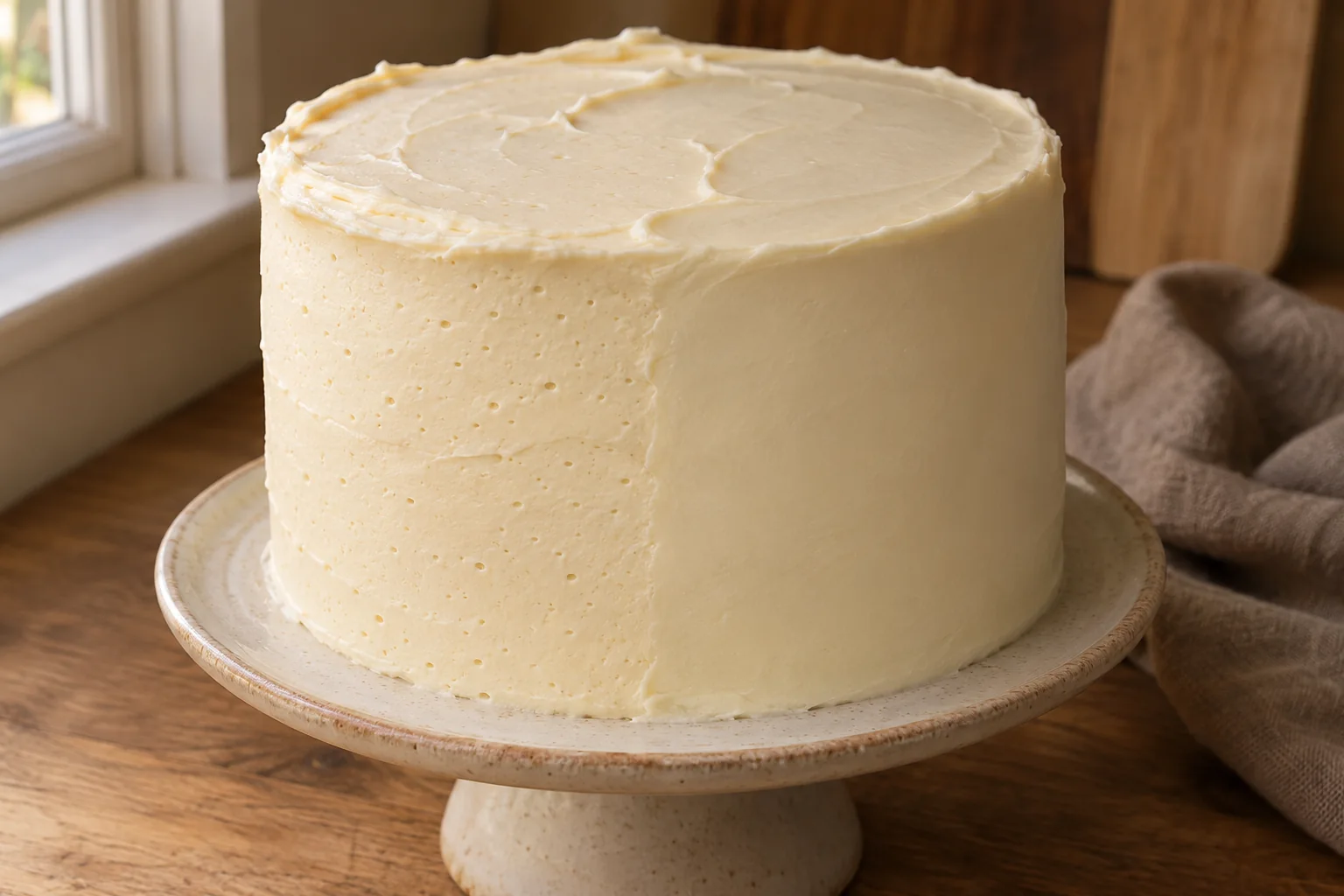
Some recipes recommend sifting powdered sugar to remove lumps before mixing. Weighing helps prevent an overly thick frosting caused by heavily packed cups. Add sugar gradually at a suitable mixer speed to reduce clouds and uneven distribution. A frosting can be fluffy but still gritty if the sugar hasn't incorporated as intended.
Cold butter can form flecks
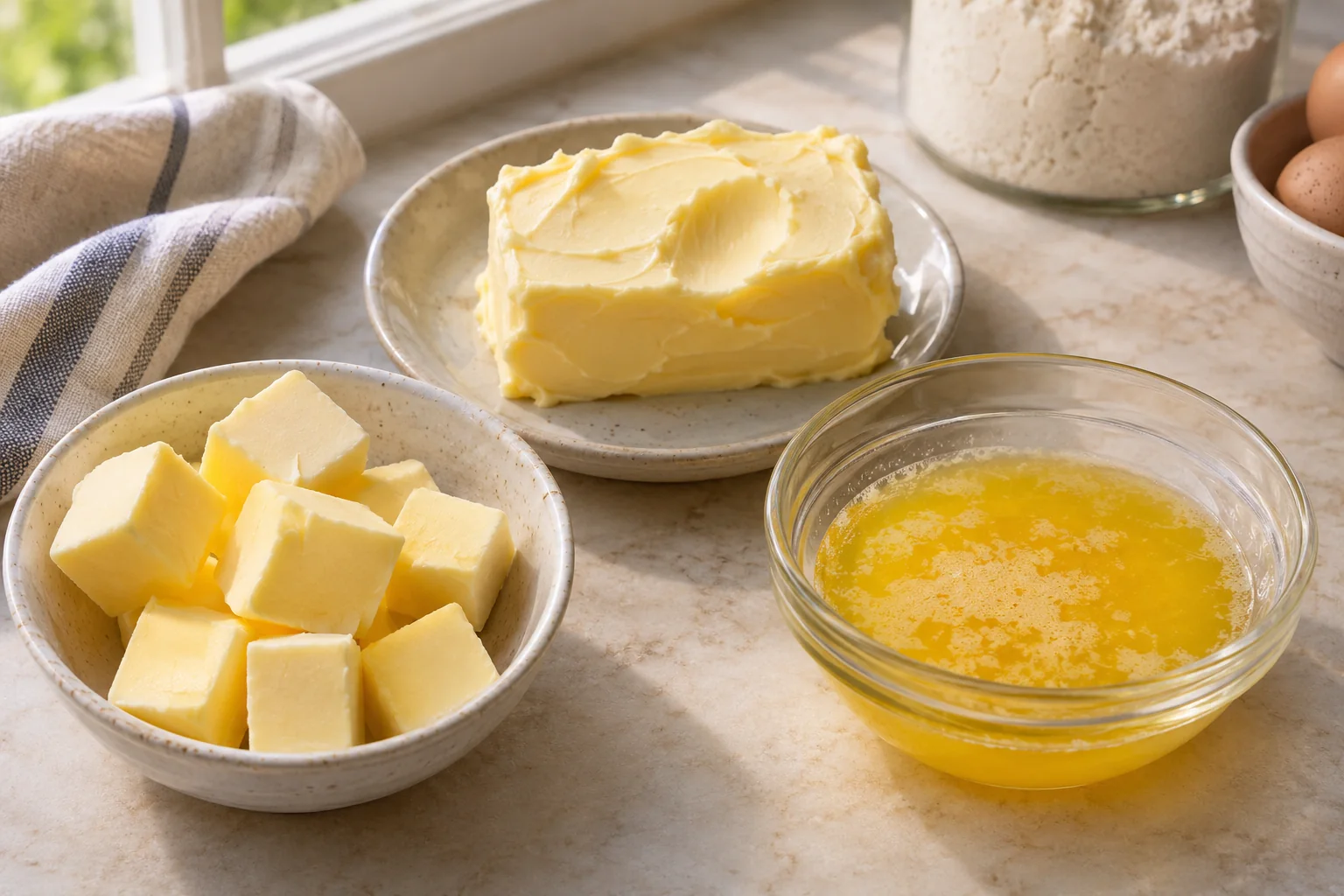
Butter that is too cold may remain as small firm particles in an otherwise smoother mixture. Gradual controlled warming and mixing under the recipe's guidance can help some buttercreams become cohesive. Avoid direct high heat or microwaving the whole bowl until butter melts. Large temperature jumps can change the emulsion and create a greasy or split frosting.
Why meringue buttercream curdles
A meringue-based buttercream may look like cottage cheese when the butter and meringue are at incompatible temperatures or during normal intermediate mixing stages. Many formulas pass through a curdled-looking phase before becoming smooth. Follow the tested mixing and temperature correction method rather than discarding immediately. The mixture's temperature tells you more than the word curdled alone.
When buttercream is too cold
Cold butter may not emulsify smoothly with the meringue or custard base, creating visible pieces or a stiff broken appearance. Some methods gently warm a portion or the bowl exterior and continue mixing. Apply only a recipe-supported technique and monitor carefully. Excessive heat can turn a repairable cold mixture into a liquid greasy one.
When buttercream is too warm
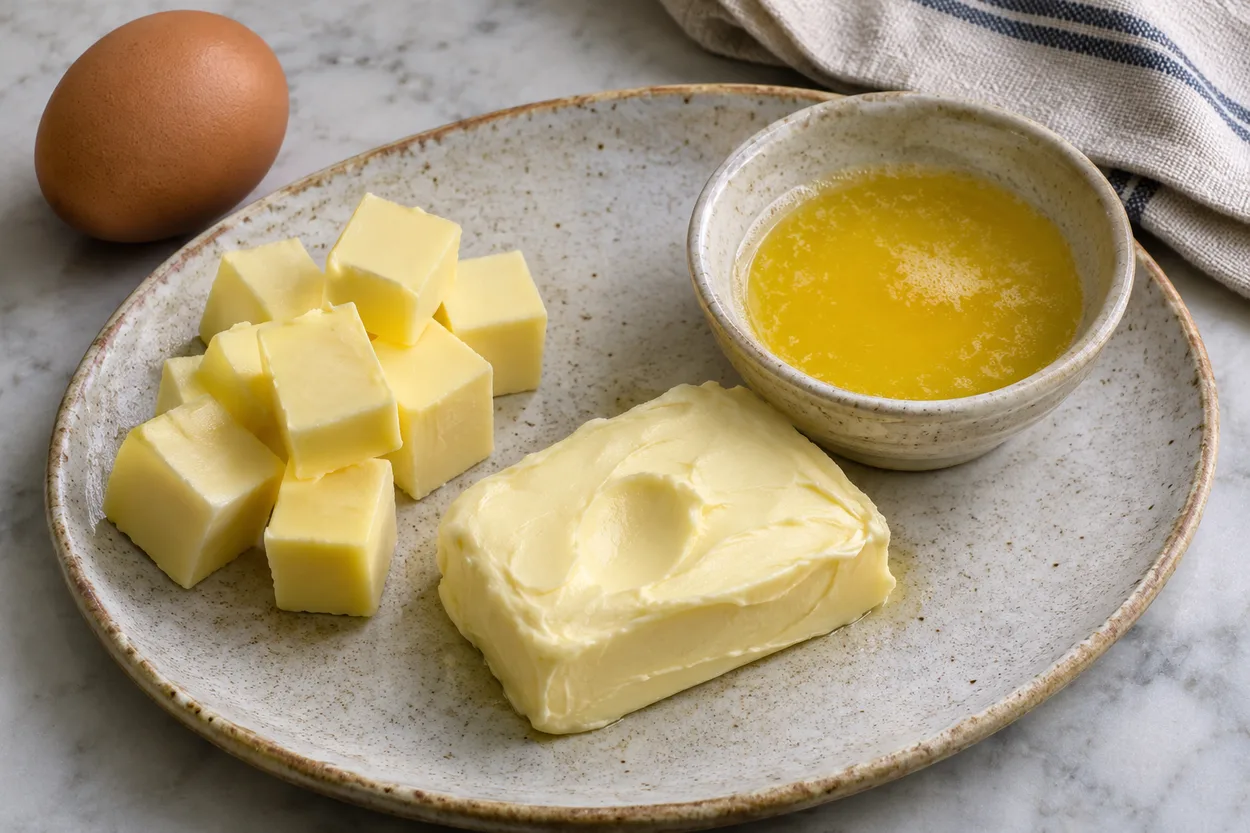
Warm butter loses its ability to hold the intended structure and may produce soupy or greasy frosting. Controlled cooling and rewhipping can help in certain buttercream systems. Adding large amounts of powdered sugar to a meringue buttercream may change it into an overly sweet mixture without fixing the emulsion. Match the correction to the style rather than treating all softness as insufficient sugar.
How to identify splitting
A split buttercream may show curds suspended in liquid, a greasy shiny layer or a mixture that refuses to become creamy. Temperature mismatch, mixing order and composition can contribute. Before making a change, note whether the mixture feels unusually cold or warm and whether it looked smooth earlier. The history of when splitting appeared helps choose the right correction.
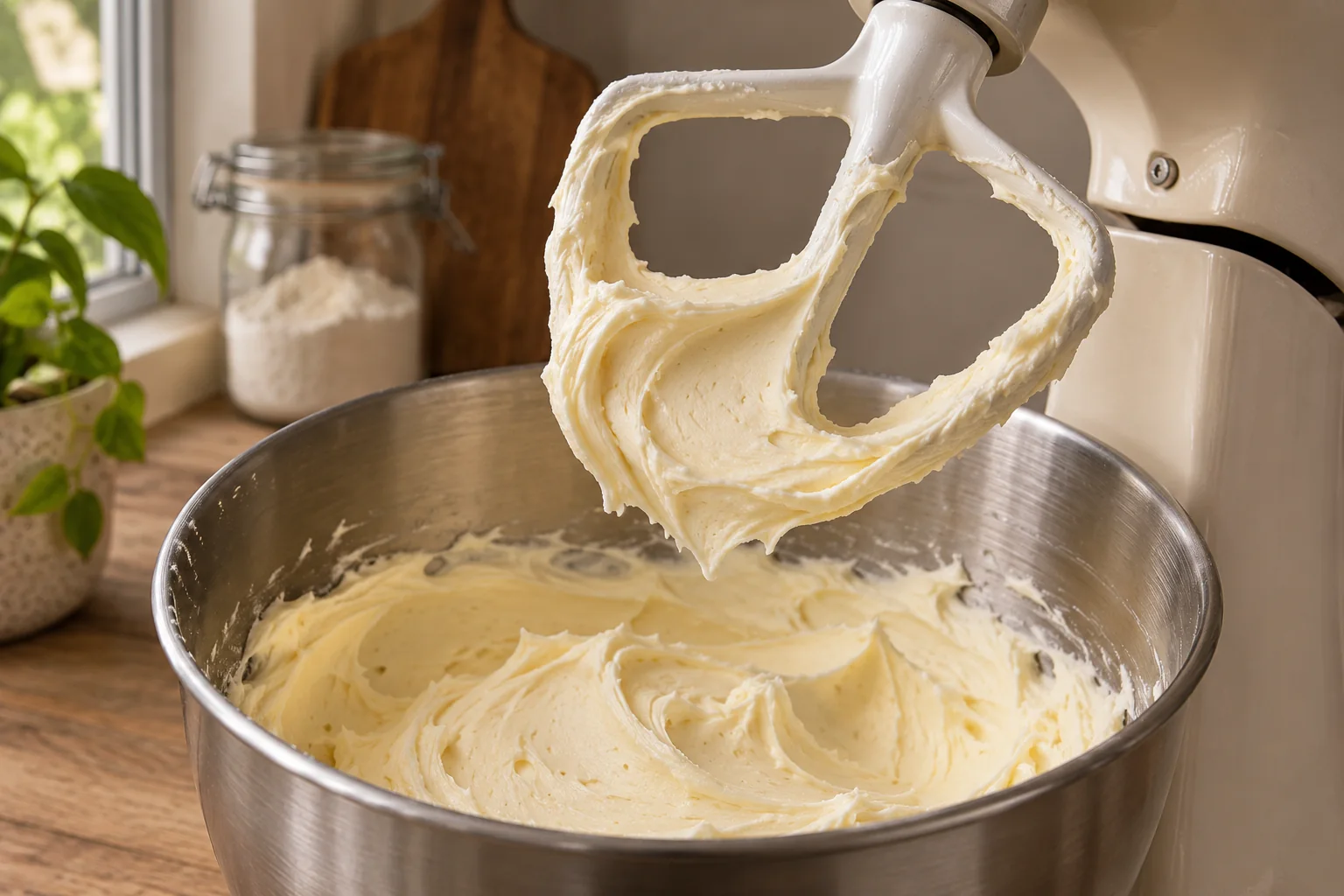
American versus Swiss repairs
A powdered-sugar buttercream that is too stiff may need a small recipe-guided liquid adjustment, while a Swiss meringue buttercream that's curdled may need temperature balancing and continued mixing. The same spoonful of milk won't solve both problems. Read the method-specific troubleshooting instructions from the original frosting recipe before intervening.
Italian meringue buttercream
Italian-style buttercream begins with hot sugar syrup added to whipped egg whites in a controlled technique, followed by butter at the appropriate stage. The syrup is extremely hot and can burn, so use a trustworthy recipe with a thermometer and proper mixer technique. Incorrect syrup preparation or temperature may cause texture problems. Don't improvise cooking stages based on another meringue style.
A hot syrup or warm mixing bowl does not establish that the egg whites themselves reached a safe time and temperature. Use a validated cooked process as written. For a frosting served without that process, use a recipe specifying pasteurized egg products suitable for whipping.
Custard-based buttercream
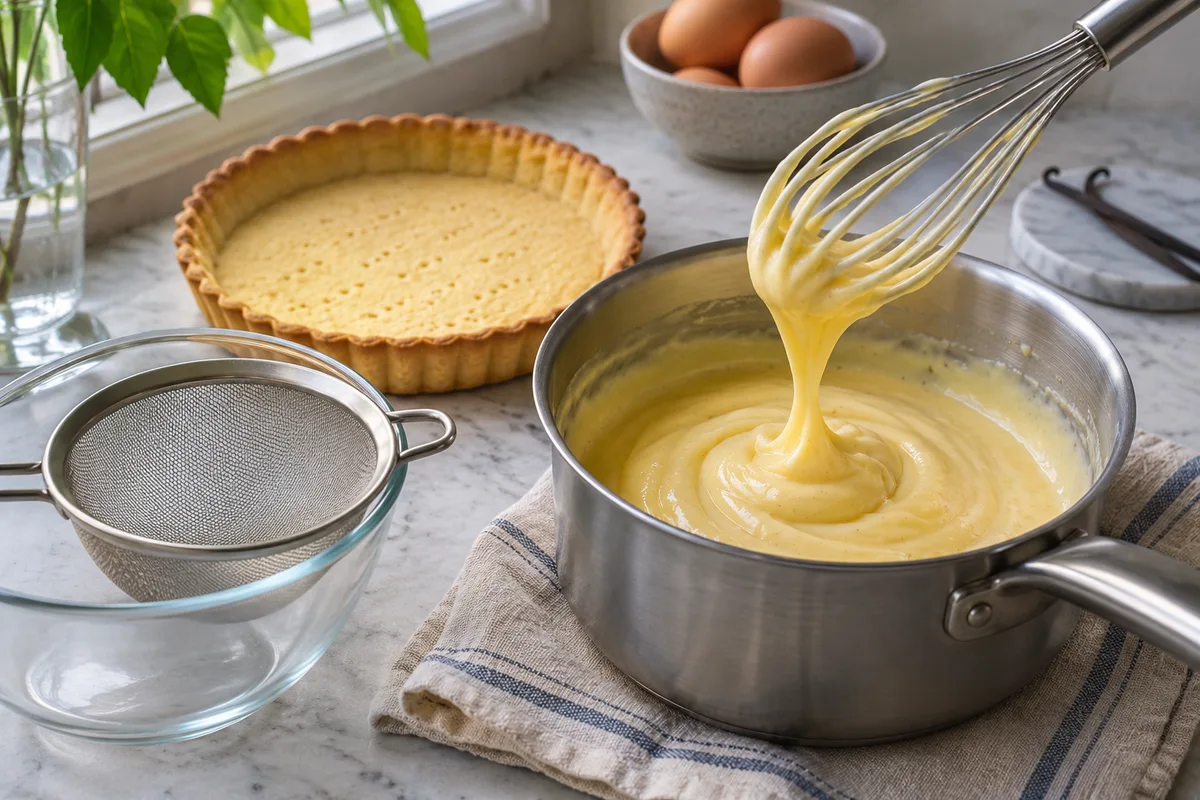
German buttercream uses a cooked custard component, which must be prepared and chilled safely before being emulsified with butter. A temperature mismatch can produce separation. Adding warm pastry cream to softened butter can melt the structure; very cold custard can form lumps. Follow the formula's matching temperature guidance and refrigeration rules for its perishable ingredients.
Why frosting seems too sweet
American buttercream often contains substantial powdered sugar and can taste sweeter than meringue buttercream. Adding still more sugar to stiffen a warm batch may overpower the cake. If you prefer less sweetness, choose a different tested frosting style or apply a thinner coat. Changing sugar ratios dramatically can affect stability.
Taste the frosting on a small piece of Vanilla Sheet Cake with Buttercream before deciding how thickly to apply it.

Choosing butter temperature
Softened butter should usually be pliable without becoming shiny or liquid, though the precise temperature varies by recipe. A very warm summer kitchen can cause the mixture to soften during beating. Pause and use the recommended cooling method if the buttercream becomes greasy. Don't confuse room temperature with a single fixed number that applies to every home.
Air bubbles and rough finish
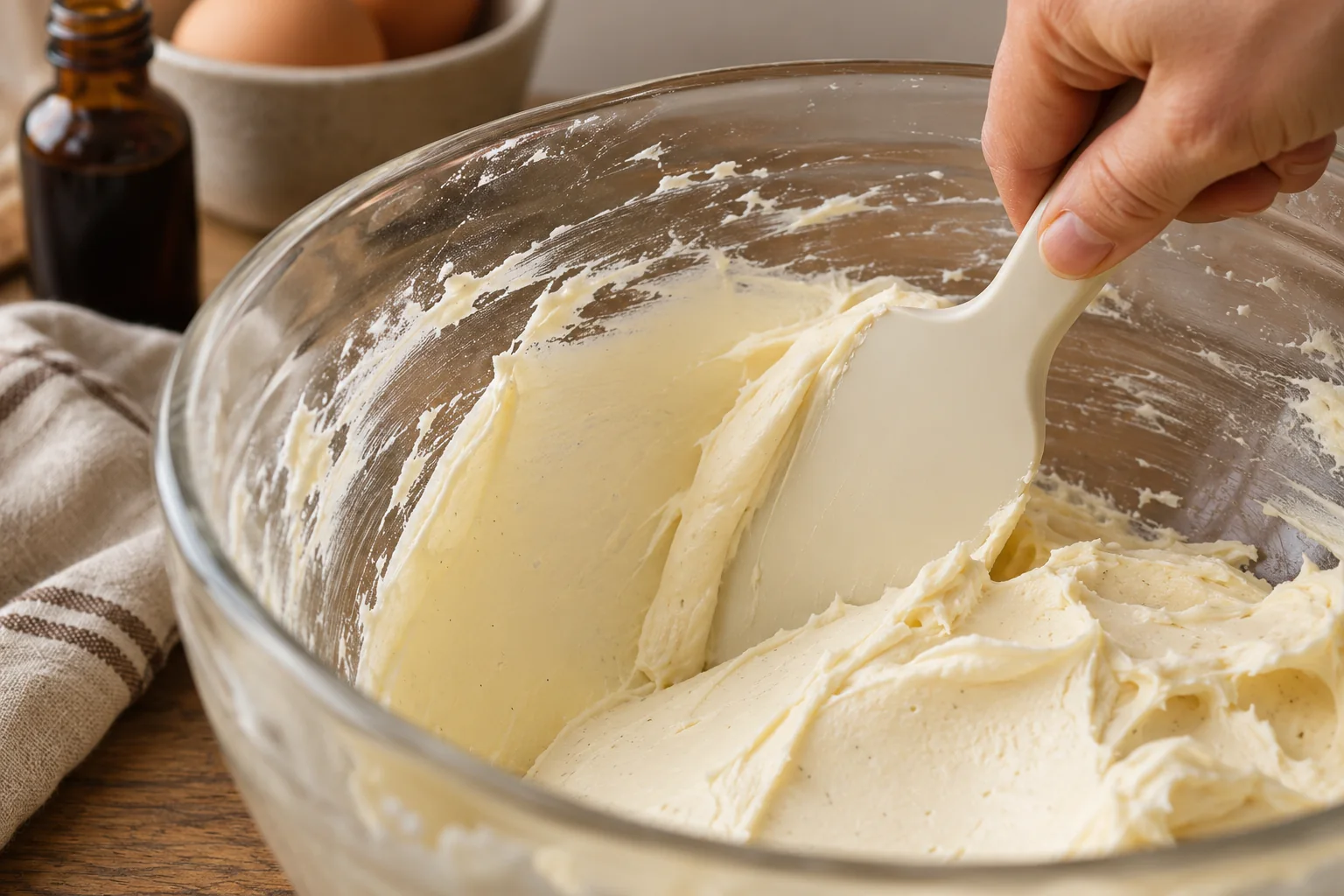
Buttercream may contain large air pockets after prolonged high-speed whipping. These can leave holes during smooth frosting. Some decorators finish by mixing more gently or pressing frosting against the bowl to reduce bubbles. The method varies by consistency. Don't add liquid merely to flatten bubbles if the underlying texture is already correct.
Piping consistency
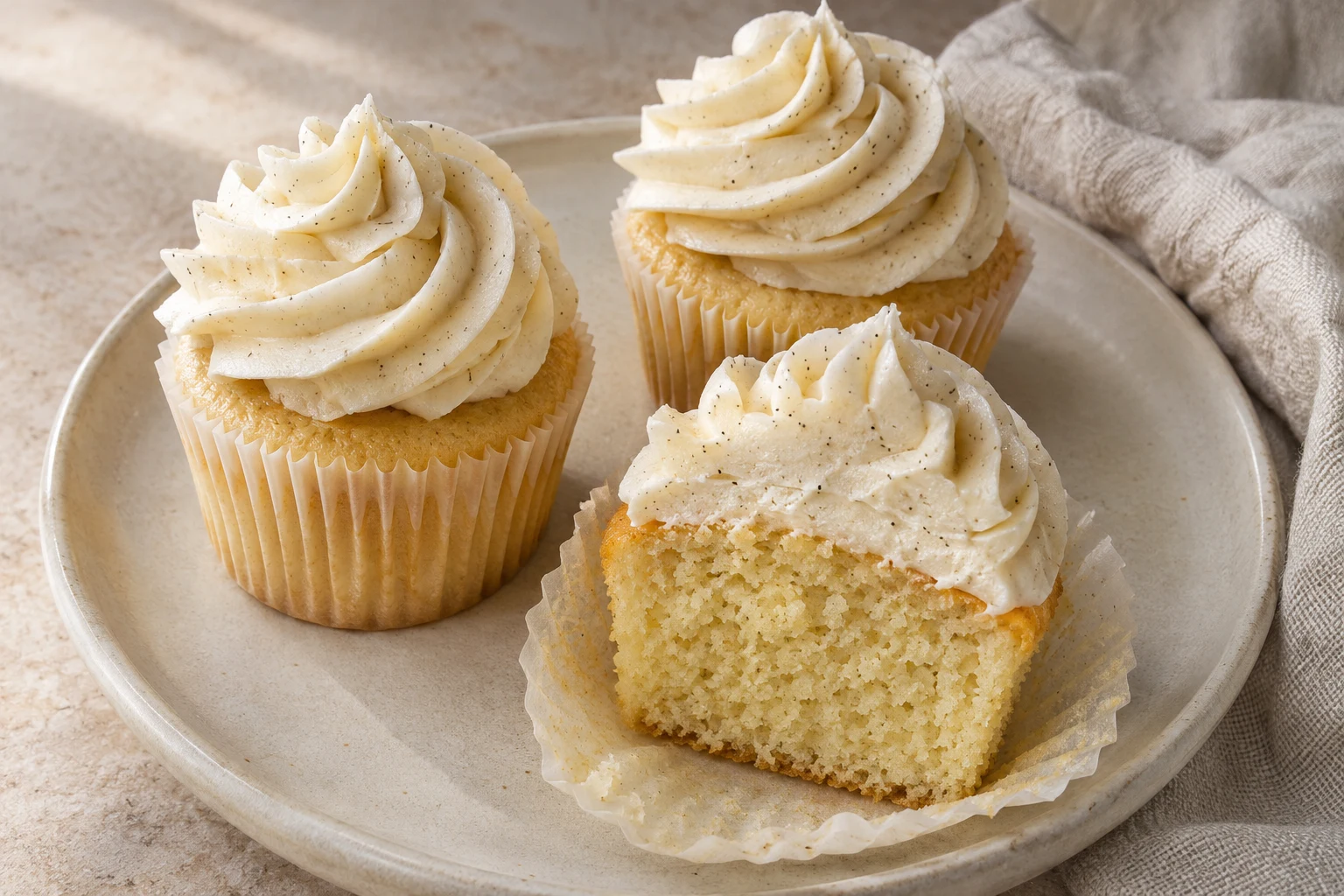
A frosting that spreads smoothly may be too soft for tall rosettes, and a very stiff piping buttercream can tear cake when used as a crumb coat. Choose a formulation suited to the decoration. Some frosting recipes provide separate adjustments for spreading and piping. Temperature management often matters as much as ingredient ratio.
For Vegan Vanilla Bean Cupcakes, pipe one test swirl and check whether its ridges hold.
Coloring can alter structure
Large amounts of liquid food coloring may thin certain frostings. Gel or paste products often add less water, though manufacturers differ. Introduce color gradually and consider allowing it to develop before adding more. If a dark shade requires extensive coloring, choose a tested deeply colored frosting rather than pouring half a bottle of liquid dye into a delicate buttercream.
Chocolate and cocoa additions
Melted chocolate should be at a compatible temperature before joining buttercream. Too hot can melt butter, while too cool may set into flecks. Cocoa powder adds dry solids and can stiffen American buttercream. Use a chocolate-buttercream formula rather than adding chocolate randomly to a completed vanilla base.
Check the chocolate frosting method for Chocolate Layer Cake before adding cocoa or melted chocolate.

Cream cheese frosting isn't standard buttercream
Cream cheese frosting may contain butter and powdered sugar, but cream cheese changes water content and softening behavior. Aggressive whipping or warmth can make it loose. It generally requires refrigeration because of perishable dairy. A firm American buttercream troubleshooting trick may not work for cream cheese frosting. Follow the appropriate recipe.
Follow the frosting directions in Carrot Layer Cake when working with cream cheese.

Why frosting fails during summer travel
Even properly mixed buttercream may soften in warm vehicles or direct sun. Chilling a stable frosting can help for brief transport, but it cannot make a delicate cream-based cake safe in high heat. Use rigid boards, cool conditions and recipe-specific storage requirements. Very tall decorations need structurally suitable frosting rather than an overly warm soft swirl.
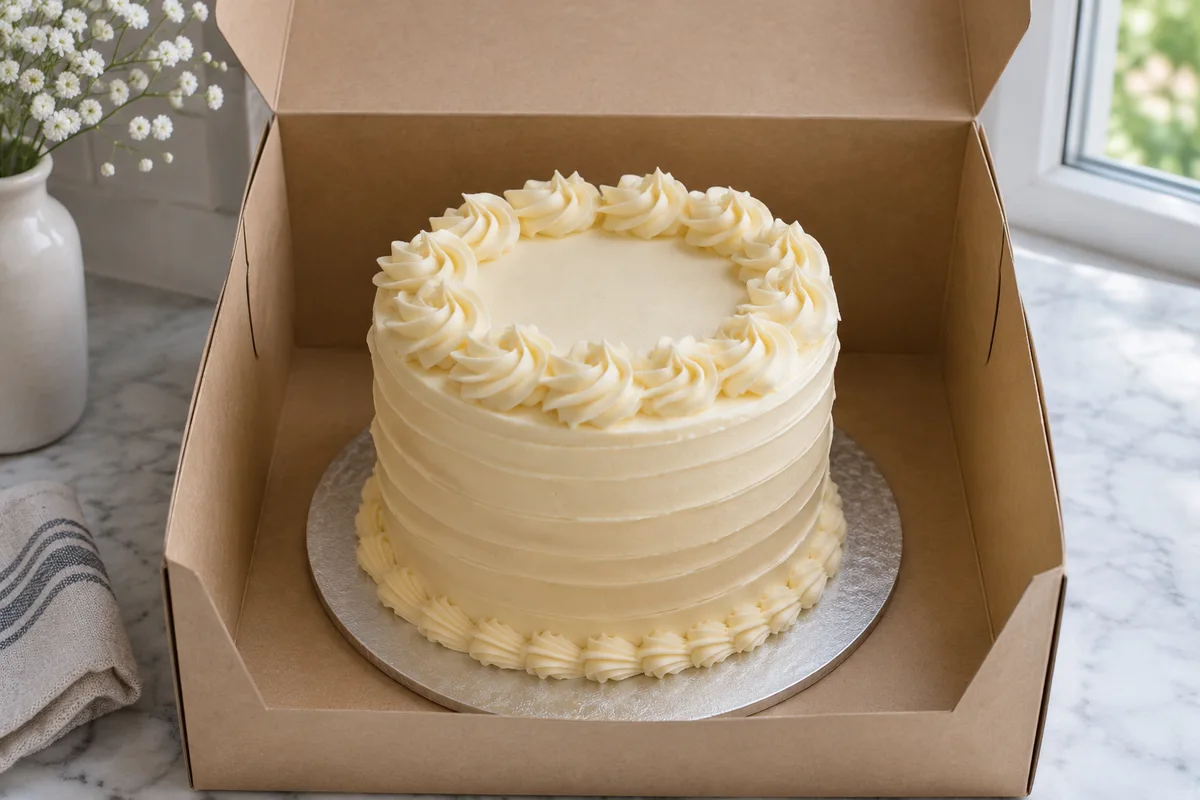
How a crumb coat helps
A thin initial coat traps crumbs before the visible frosting layer. If the buttercream pulls cake crumbs into the final finish, it may be too stiff or the crumb coat may not have set. Chill appropriately and reserve clean frosting separately. A smoother final result often requires better staging rather than a more complicated frosting recipe.
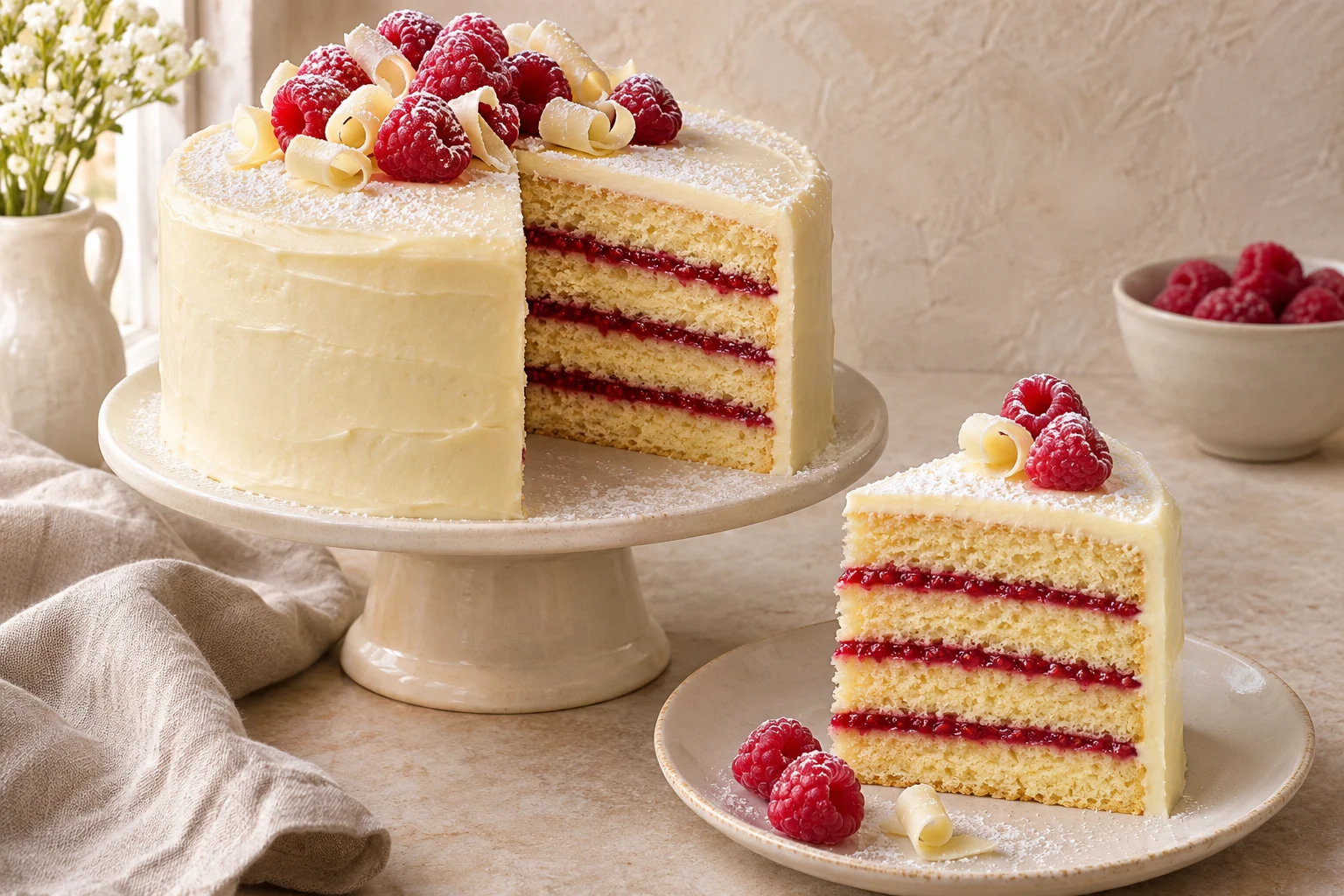
Use the thin outer coat on Raspberry White Chocolate Layer Cake to catch crumbs before applying the final finish.
Storage and reconditioning
Some buttercreams can be refrigerated or frozen under tested instructions, then reconditioned to an appropriate working temperature and whipped smooth. Egg- and custard-based versions have specific safe storage limits. Don't assume all frostings can sit unrefrigerated overnight. Label containers and avoid repeated uncontrolled warming and cooling.
A small temperature experiment
Take a small portion of correctly made buttercream and observe its texture slightly cooler and warmer within recipe-approved handling conditions. Notice changes in stiffness and spreadability without heating the entire batch. This exercise teaches temperature sensitivity and helps prevent overreacting to a temporarily curdled meringue buttercream.
IN PICTURES
From the baking notebook
FROM THE RECIPE BOX


