On this page
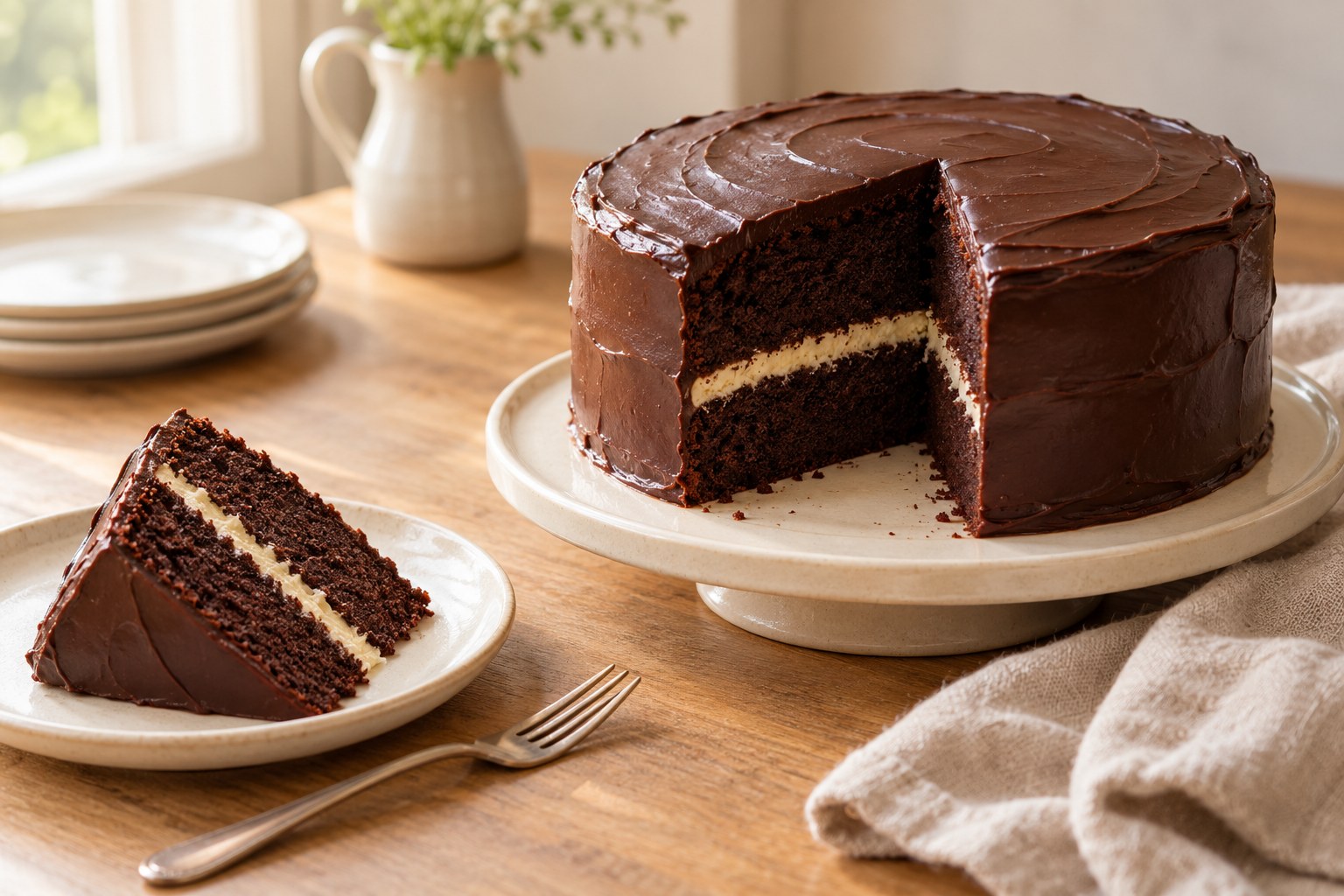
A chocolate layer cake is wonderful with nothing more than a generous layer of chocolate frosting. But the filling can make it feel entirely different: tart raspberry against deep cocoa, silky caramel beneath a chocolate glaze, or light whipped ganache between soft sponge layers. The best filling isn't necessarily the fanciest. It's the one that balances the cake's flavour, holds its shape and fits your serving plan.
Before choosing from these chocolate cake filling ideas, consider three things: how sweet the cake already is, how tall you plan to stack it and whether the finished dessert can be kept refrigerated. A delicious but runny sauce can escape between layers, and a mousse that needs chilling isn't suitable for an all-day warm outdoor display.
What Makes a Great Chocolate Cake Filling?
The best fillings offer contrast without destabilizing the cake. A dark chocolate cake may benefit from a tart fruit component, a creamy vanilla filling or a little salt. A sweeter milk-chocolate cake might pair well with espresso, toasted nuts or a bittersweet ganache.
Texture matters just as much as flavour. Choose a filling that can spread evenly and remain where it is placed. Very thin sauces usually need a frosting dam or another support method specified by the cake recipe. Heavy, rigid fillings can make a tender sponge difficult to slice cleanly.
1. Classic Chocolate Ganache
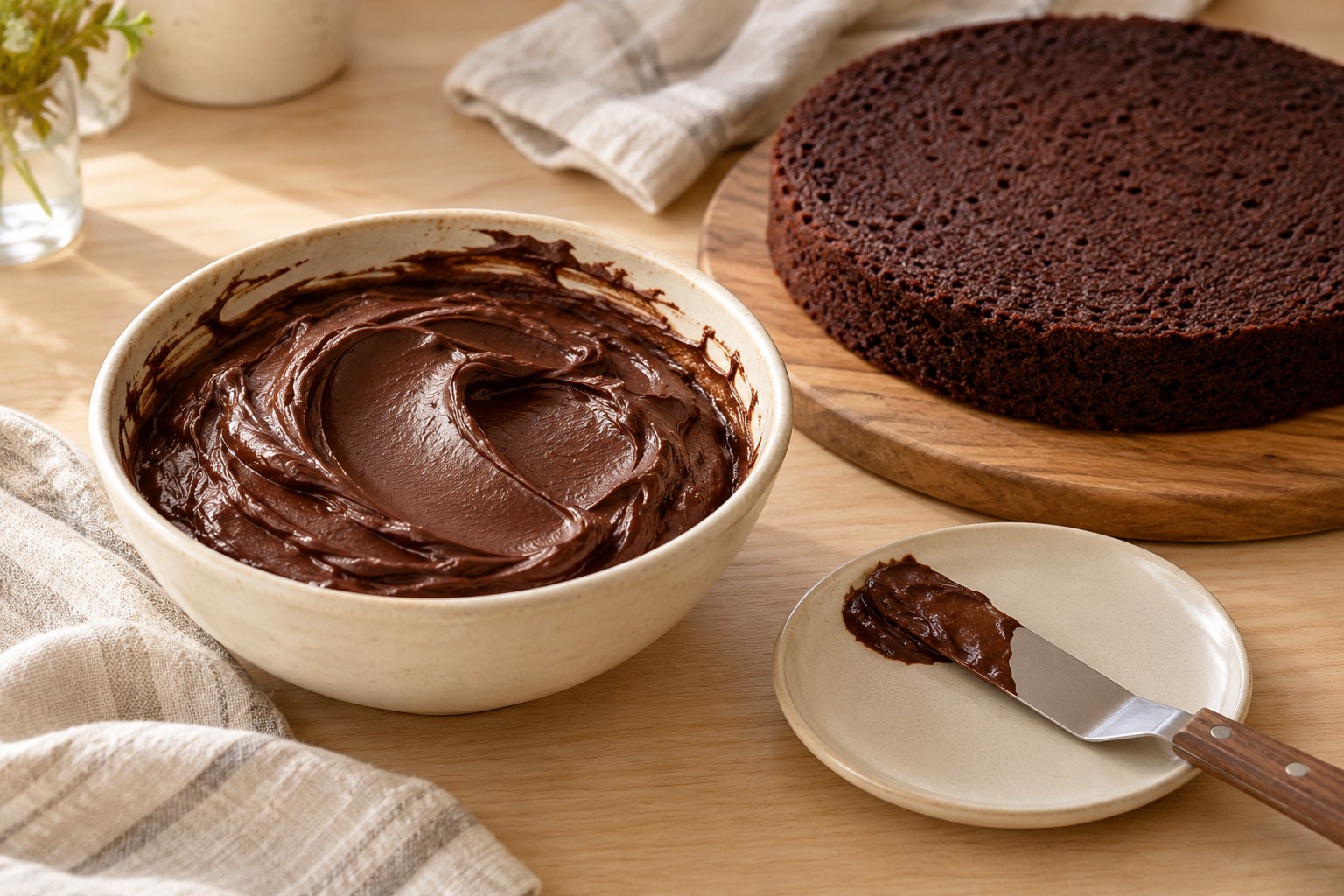
Ganache is a blend of chocolate and cream that can range from pourable glaze to firm filling depending on its formula and temperature. A soft semisweet ganache adds chocolate intensity and a smooth, luxurious texture to layer cakes.
Use a recipe developed for filling rather than a thin drip glaze. Let the ganache cool to its spreadable stage before assembly, and avoid placing a warm mixture directly on fragile frosting. King Arthur Baking's Chocolate Ganache recipe describes how chocolate proportion affects the final consistency.
2. Whipped Chocolate Ganache
Whipped ganache is lighter and more aerated than a firm truffle ganache. It works well when you want a chocolate cake with a softer, mousse-like filling rather than another dense layer of chocolate.
Use a formula specifically designed for whipping, chill it fully as directed and stop once it holds the intended shape. Overwhipping can make it grainy. Because whipped ganache contains cream, plan for safe refrigeration and suitable serving conditions.
3. Raspberry Filling
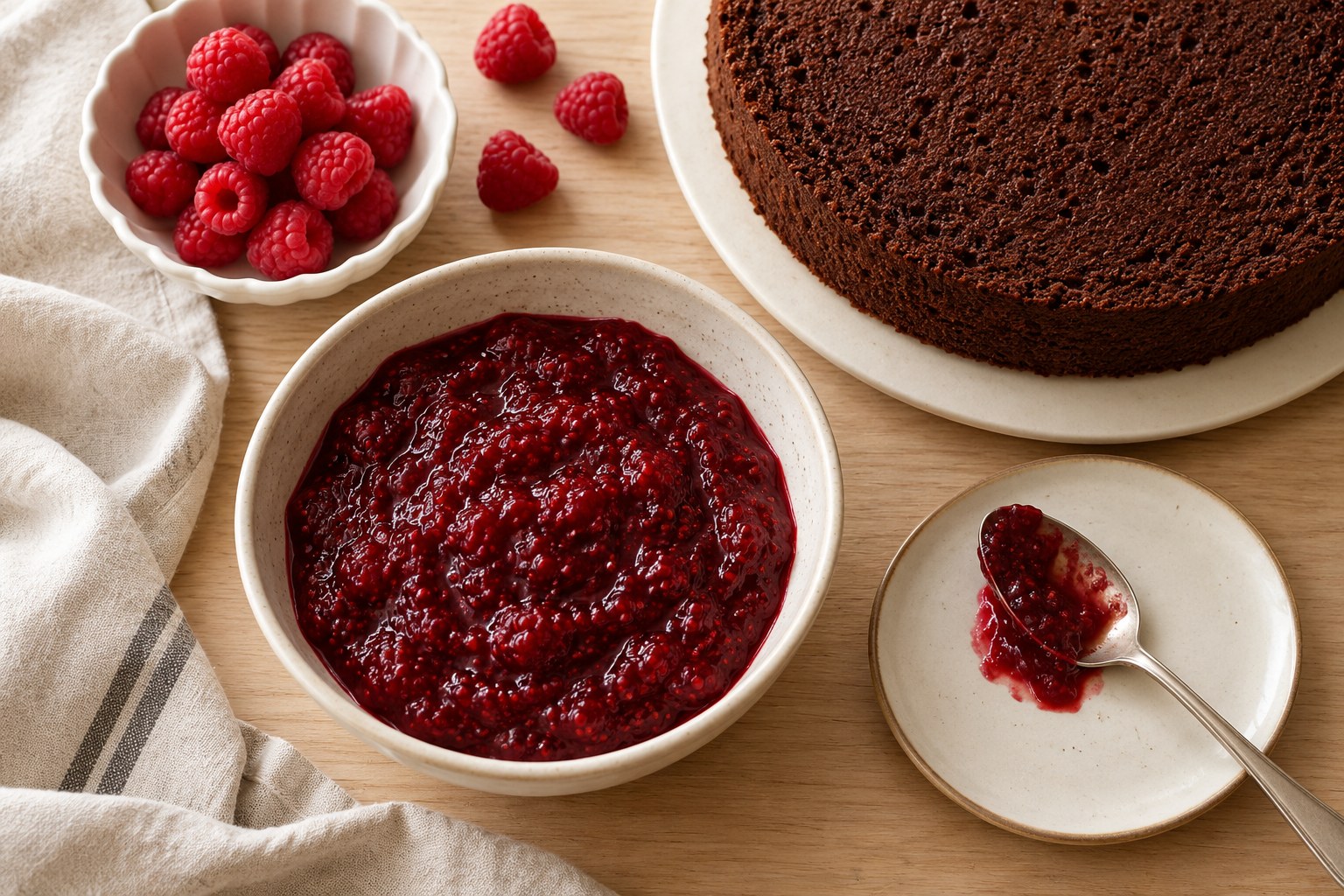
Raspberry offers a vivid tart note that cuts through chocolate richness. A thick, properly cooked raspberry filling or recipe-approved preserve can be used between layers, often with a surrounding ring of frosting to keep it contained.
Fresh berries alone can release water as the cake rests, potentially soaking the sponge. Use a tested filling formula with an appropriate thickener and follow refrigeration instructions. Chocolate mousse cake with raspberries is a well-established combination; King Arthur Baking's version illustrates how layers can be chilled for stability.
4. Salted Caramel
Salted caramel makes chocolate taste especially deep and luxurious. The contrast between toasted sugar, salt and cocoa works beautifully with dark chocolate sponge and a restrained buttercream.
But not every caramel sauce is a stable layer filling. A thin, warm dessert sauce may run out when the cake is stacked. Choose a thick caramel filling developed for layer cakes or use a measured amount inside a firm frosting dam. Chocolate Caramel Cake offers an example of a recipe that coordinates its caramel filling and frosting.
5. Vanilla Buttercream
Vanilla buttercream is a simple way to provide contrast without competing with chocolate. Its smooth sweetness balances dark cocoa and can work well for birthday cakes or cupcakes.
Different buttercreams have different textures and stability. American-style buttercream, Swiss meringue buttercream and Italian meringue buttercream are not identical, and ingredient ratios should not be interchanged casually. Choose a tested filling formula that suits the cake's height and serving temperature.

6. Cream Cheese Frosting
Cream cheese frosting brings tanginess to chocolate cake. It is especially appealing with chocolate-and-spice cakes or a moist cocoa sponge. A sturdy recipe can provide a creamy layer without overpowering the cake.
Because cream cheese frosting is perishable and some versions are soft, it needs proper refrigeration and sometimes a firmer structure for tall cakes. Avoid using a loose frosting intended for spreading on a sheet cake as the sole support in a towering layer cake.
7. Peanut Butter Filling
Chocolate and peanut butter are a familiar pairing because salty roasted notes balance cocoa sweetness. A tested peanut butter buttercream or stabilized filling can make a striking cake, particularly with dark chocolate layers.
Peanut butter adds fat and solids. Don't simply stir a large amount into an unrelated ganache and assume the same setting texture. Label peanuts clearly and take cross-contact seriously when serving people with allergies.
8. Hazelnut Praline Cream
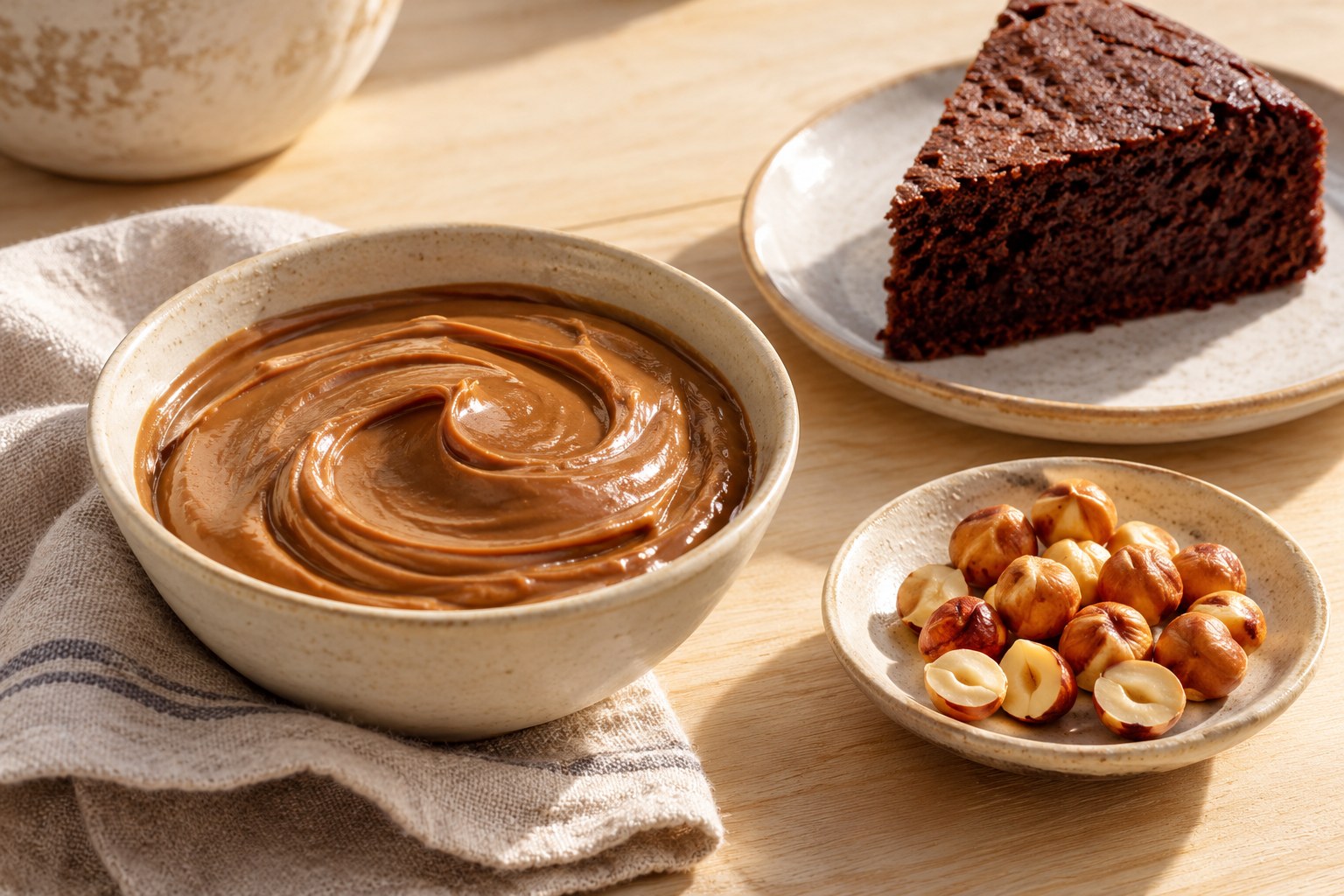
Hazelnut praline provides a toasted, nutty flavour that gives chocolate cake a pâtisserie-style finish. It can be made into a buttercream or ganache-like filling using a formula that balances the nut paste, chocolate and other ingredients.
Praline paste is not identical to chopped toasted hazelnuts, and some commercial spreads contain substantial sugar and oil. Use the exact product recommended by the recipe. Tree nuts are major allergens and should be identified.
9. Espresso Buttercream
Espresso buttercream adds roasted depth without requiring another layer of chocolate. It pairs especially well with dark chocolate sponge and a simple ganache top.
Soluble espresso powder can provide concentrated flavour in a tested formula. Brewed coffee introduces a substantial amount of water, so it isn't a direct substitute in every buttercream. Follow the recipe's quantities and allow for caffeine-sensitive guests.
10. Chocolate Pastry Cream
Chocolate pastry cream is smooth, custardy and luscious. Made using cooked milk, eggs or yolks, starch and chocolate, it can provide a creamy contrast to a tender sponge.
It is also perishable and may be softer than buttercream. Follow a tested pastry-cream recipe with the correct cooking, rapid chilling and storage instructions. It generally works better in a cake designed to contain a custard filling than in an unstable tall stack.
11. Crème Diplomat
Crème diplomat combines pastry cream with whipped cream and sometimes a stabilizer, depending on the recipe. It feels lighter than traditional pastry cream and can be lovely in chocolate-and-fruit cakes.
Because it contains dairy-rich components and may soften, use an assembled-cake formula that specifies chilling and support. It isn't a shelf-stable filling and should not be left at room temperature for extended display.
12. Chocolate Mousse
Mousse makes a layer cake feel airy and rich at once. Some chocolate mousse formulas use whipped cream, eggs or stabilizers and require a cake ring or other support while they set.
Choose a recipe specifically written for mousse-layer cakes. Not every standalone dessert mousse is sturdy enough to sandwich between heavy sponge layers. Keep egg- and cream-based preparations properly refrigerated and follow safe cooking methods where applicable.

13. Cherry Filling
Chocolate and cherries are an enduring combination. A cooked cherry compote can bring sweet-tart fruit notes and a beautiful colour contrast. Choose a filling recipe that is thick enough not to run and account for the fruit's moisture.
If using a syrup-soaked cake in the style of Black Forest cake, follow the overall assembly recipe. Too much syrup plus a wet filling can make the layers slide or become soggy.
14. Orange Buttercream or Curd
Orange zest adds bright fragrance to chocolate. A restrained orange buttercream can be easier to handle than a very wet fruit curd, while an orange curd may offer more pronounced tartness.
Curds frequently contain eggs and require refrigeration. Use a tested formula, and don't add an unmeasured amount of juice to finished buttercream because it can cause thinning or separation.

15. Coconut Cream Filling
Coconut complements both dark and milk chocolate. A recipe-tested coconut buttercream, custard or ganache can create a familiar chocolate-coconut flavour profile.
Coconut milk, coconut cream and coconut-flavoured dairy cream have different fat and water balances. Use the specified ingredient and storage guidance. A coconut filling made with cream or custard is generally perishable.
16. Strawberry Filling
Strawberry can be lovely with chocolate, especially in spring and summer. A properly thickened fruit layer provides colour and gentle tartness, while a compatible chocolate ganache can form a protective outer coating.
Fresh sliced strawberries release moisture and can spoil faster than a cooked filling. A cake with fresh fruit and cream should be assembled and refrigerated following the recipe's guidance.
17. Cookies-and-Cream Filling
A cookies-and-cream buttercream or whipped filling brings sweet vanilla flavour and chocolate cookie pieces. It is a fun option for birthdays, but it can be very sweet alongside a sweet sponge.
Use a recipe that accounts for the cookie crumbs and the filling's moisture. Crispy pieces may soften over time, so consider decorating with additional crumbs closer to serving.

18. Caramelized White Chocolate Ganache
Caramelized white chocolate provides toasted milk and caramel-like notes without a separate runny caramel layer. It can be paired with dark chocolate sponge for a distinctive flavour.
Use a professionally tested formula because the chocolate's composition and the ratio to cream influence firmness. A ganache meant for glazing isn't automatically suitable for a cake filling.
Choose the Filling by Cake Style
| Cake | Filling ideas | Best consideration |
|---|---|---|
| Dark chocolate layer cake | Raspberry, espresso buttercream, vanilla | Balance bitterness with sweetness and acidity |
| Milk chocolate cake | Hazelnut, peanut butter, salted caramel | Watch overall sweetness |
| Chocolate celebration cake | Ganache, vanilla buttercream, cookie cream | Choose stability for stacking |
| Chocolate mousse cake | Mousse, diplomat, berries | Refrigeration and cake rings may be needed |
How to Keep a Filling from Leaking
Use a stable cake base and level the layers before assembly. Pipe a ring of firm frosting around the edge before adding softer jam, caramel or custard, if the recipe calls for that technique. Don't fill higher than the supporting dam, and leave enough room for the upper layer to settle.
Chilling between assembly stages can help a stacked cake firm up. King Arthur Baking's layer-cake assembly guide recommends a frosting dam for fillings and controlled chilling before the final coat.

How Thick Should the Filling Be?
It depends on the filling and cake structure. A very rich ganache or caramel usually needs a more restrained layer than a light buttercream, while mousse may be used more generously in a cake designed with supports.
A uniform filling layer is easier to stack and slice. Don't force a two-layer cake recipe into a six-layer structure without reconsidering stability and ingredient quantities.
Do You Need to Refrigerate a Filled Chocolate Cake?
Often, yes. Cream cheese, cream ganache, pastry cream, mousse, fresh fruit, whipped cream and many caramel or dairy fillings require refrigeration. Store the complete assembled cake according to its most perishable ingredient, not just the plain sponge.
Keep foods requiring cold storage at 4°C (40°F) or colder and follow applicable serving-time guidance. A cake's ability to look attractive at room temperature is not proof it is safe to leave out all afternoon.
Make-Ahead Planning
Bake the sponge ahead if its recipe permits, cool completely, wrap carefully and refrigerate or freeze according to the prescribed method. Some fillings can also be prepared ahead, but their storage windows and textures differ.
For an elaborate cake, spread the work over several days rather than preparing fresh mousse, fruit filling, cake layers and decorations all on the morning of the event.
Frequently Asked Questions
What's the easiest filling for chocolate cake?
Vanilla buttercream or a recipe-tested spreadable chocolate ganache is a reliable place to start. Both are relatively straightforward to assemble when prepared correctly.
What filling balances a rich dark chocolate cake?
Tart raspberry, orange, espresso or a lighter vanilla cream can contrast with deep cocoa flavour.
Can I put caramel sauce between cake layers?
Only if it is thick enough and used in a method designed to contain it. A thin dessert sauce may run out; a frosting dam and a purpose-made caramel filling are often better.
Can a mousse-filled cake sit on the counter?
Don't assume so. Cream- and egg-based mousses generally require refrigeration and safe serving conditions.
Should fillings be chilled before assembly?
Some should set or chill; others need to soften to a spreadable temperature. Follow the specific filling and cake recipes.
Choose Contrast and Structure
Chocolate cake is generous enough to pair with nearly any flavour, but the best combinations are considered rather than excessive. Choose one filling that introduces sweetness, acidity, bitterness or crunch, make sure it can support the cake, and serve it safely. Sometimes a thin ribbon of raspberry or a simple vanilla buttercream is all a beautiful chocolate cake needs.
IN PICTURES
From the baking notebook
FROM THE RECIPE BOX


