On this page
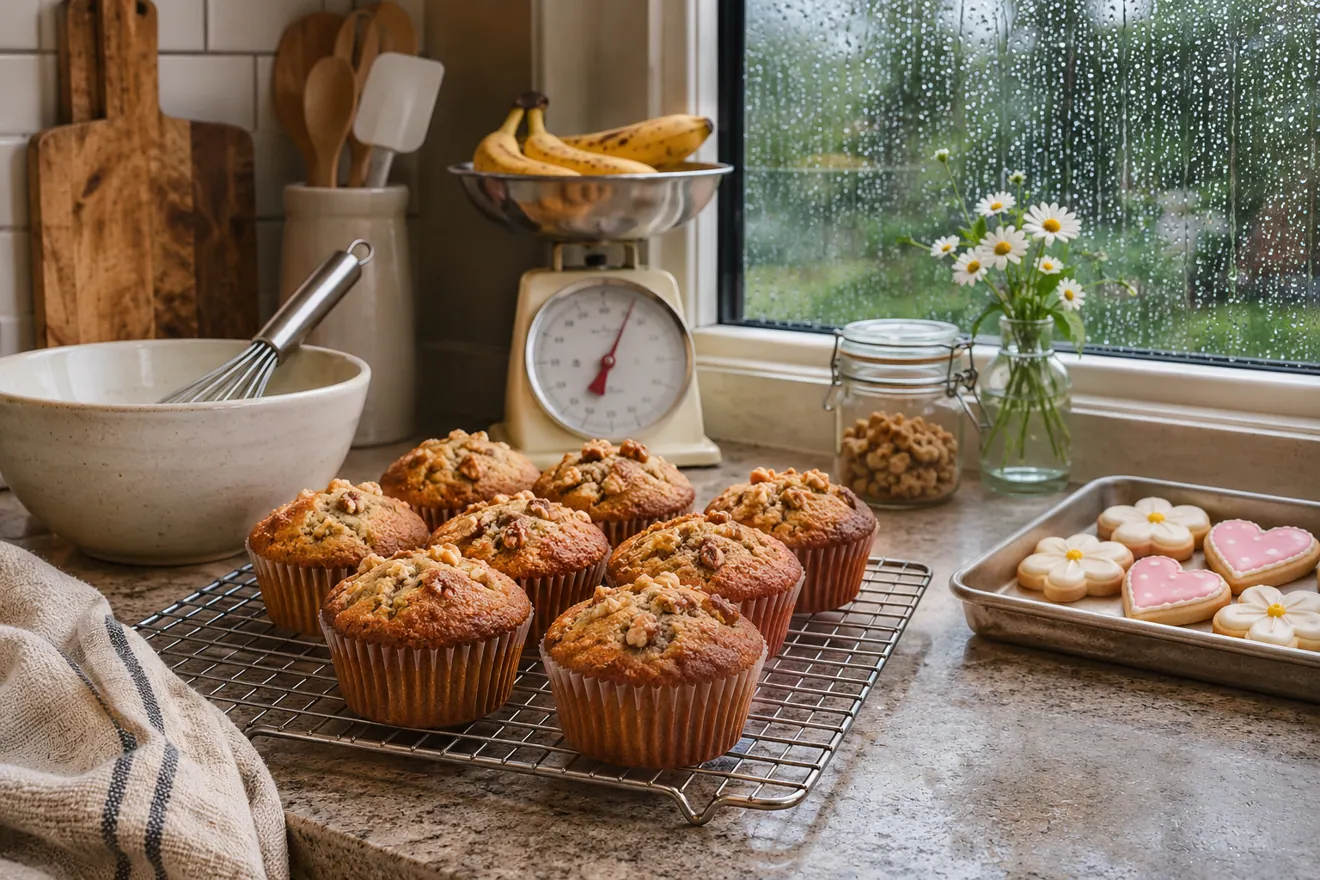
When rain changes the weekend's plans, baking can turn an ordinary afternoon into something children remember. It doesn't have to mean a complicated cake, a huge shopping list or flour across every surface. The best rainy-day baking activities are projects with clear steps, something interesting to touch or observe and a result everyone can share.
Whether you have twenty minutes for cookie decorating or a whole afternoon for bread, these ideas help you choose an activity that suits the children, your kitchen and the ingredients on hand. You'll also find ways to keep the process relaxed, safe and manageable when attention spans are short.
Start with the Time You Actually Have
Before selecting a recipe, decide whether you want to make a snack, have a hands-on learning activity or spend a few hours experimenting. Baking time isn't always activity time: cookies need cooling before frosting, and yeast dough needs long stretches of waiting.
If younger children are involved, prepare dough or fully baked bases ahead. They may enjoy ten minutes of shaping or decorating more than a full baking session. Older children can read a recipe, measure ingredients and help plan a longer project.
If you have half an hour, start with cooled cookies or a shape game using dough already chilled as directed; an adult can finish the oven work later. If you have an hour or more, choose muffins or a fruit crumble and build in cooling time. For long-rise bread, mix the dough early and make the observation journal the main activity. The finished loaf can wait until the next day if the recipe calls for an overnight rise.
1. Decorate Pre-Baked Sugar Cookies
For another cookie-decorating theme, bake our gingerbread cookies ahead of the activity and let them cool fully. Children can concentrate on decorating rather than waiting through dough preparation and baking.
Decorating completely cooled cookies is one of the most forgiving rainy-day activities. Make sturdy round or cutout cookies ahead, then provide a little suitable icing and a small selection of toppings. Children can draw faces, letters, clouds, flowers or whatever the weather inspires.
A simple icing glaze is often easier than fine royal-icing work for beginners. Use a tested recipe, allow proper drying time and choose age-appropriate edible decorations. Small hard sugar pearls and similar candies can be choking hazards for young children.
vegan shortbread cutouts are another make-ahead base. Cool completely before adding icing.
2. Make Banana Muffins by Hand
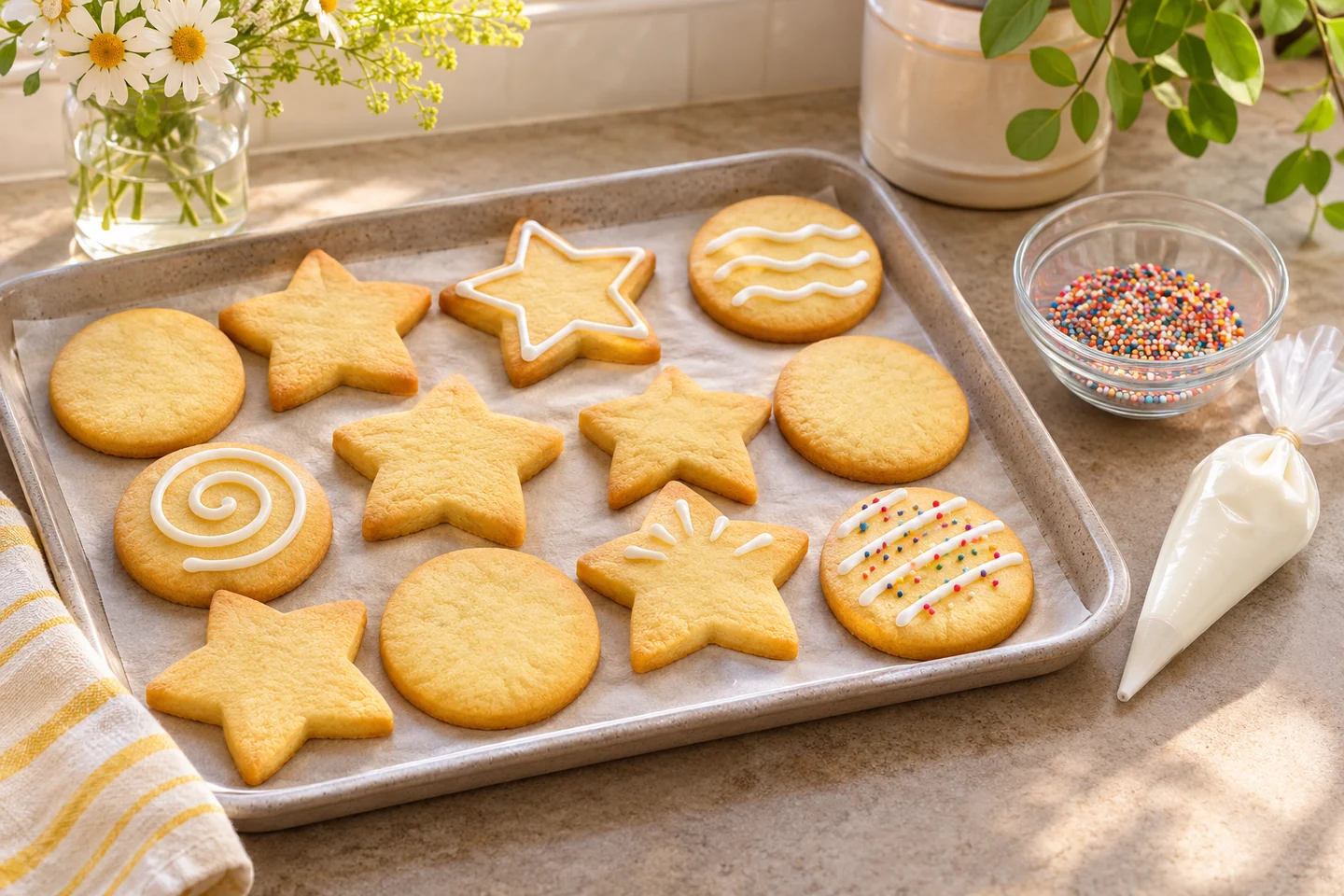
Banana muffins are a satisfying project because children can mash fruit, count paper cases and watch batter become individual cakes. Choose a recipe specifically designed for hand mixing. Combine wet and dry ingredients according to its method, and stop mixing when the instructions say the batter is ready.
Too much stirring can make some muffins tough. An adult should manage the hot oven and muffin tray; let the muffins cool before the first taste.
Our banana oat muffins can be stirred by hand. Check the ingredients and toppings for any allergies.

3. Bake a Simple Apple Crumble
Fruit crumble gives children an opportunity to measure oats, sprinkle a topping and compare textures before and after baking. An adult can peel or slice the apples, and children can help combine the measured crumb ingredients.
Use a tested recipe with the correct fruit-to-thickener ratio. Extra fruit juice can leave the filling watery, while a heavily compressed topping may become dense instead of crumbly.
For small portions, try the recipe for Air Fryer Apple Crisp and have an adult handle the hot basket and dishes.

4. Shape Bread Rolls
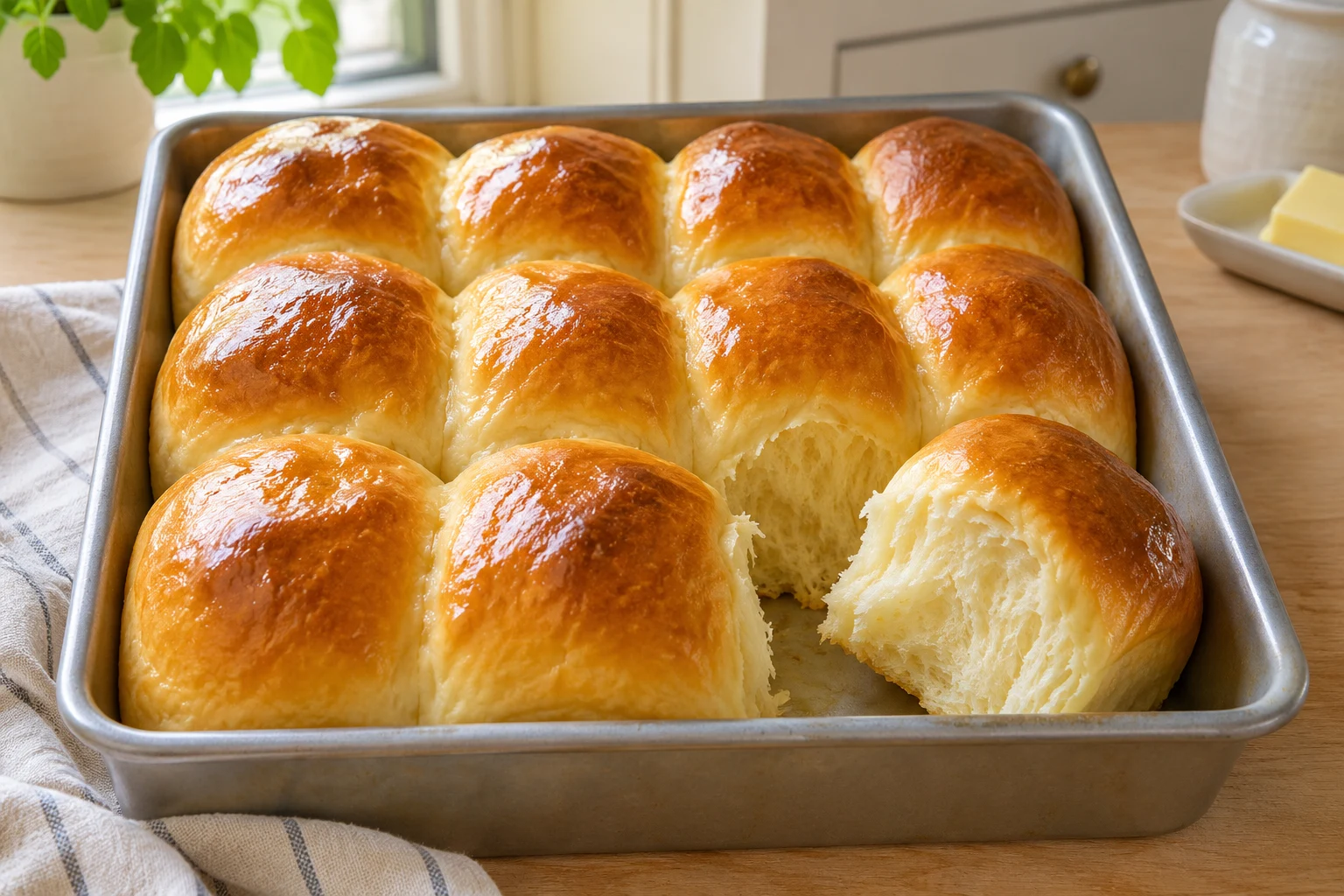
Bread dough is excellent for older children who enjoy a process. A simple yeast-roll recipe introduces kneading, fermentation and shaping. After an adult prepares or supervises the dough, children can form rounds and watch them rise.
Yeast dough requires patience. Follow proofing cues rather than only the clock, and give the rolls enough cooling time. If the recipe uses an especially hot baking vessel, an adult should handle it exclusively.
Our Classic Dinner Rolls show how to portion and shape dough after the adult handles the mixer.
5. Make Funny-Face Mini Pizzas
Baking doesn't have to be sweet. Mini pizzas made with an appropriate dough or prepared bases let children arrange toppings into funny faces or patterns. An adult should prepare ingredients that require slicing or precooking.
Use food-safe preparation practices for meat and other perishable toppings, bake as directed and keep children clear of hot trays. Avoid making toppings so thick that the center stays undercooked.
Homemade Pizza Bagels give you a small ready-to-top base. Use soft, suitable toppings cut to an appropriate size.

6. Try a One-Bowl Brownie Recipe
A cocoa brownie made using a bowl and whisk can be a satisfying chocolate project. Children can observe how sugar, fat, eggs and cocoa become a glossy mixture. An adult must handle melted butter or hot chocolate if the recipe requires it.
Choose a hand-mixed recipe rather than skipping the beating stage in one that depends on it. Cool the brownies thoroughly before cutting them into small squares.
Our Air Fryer Brownies use one bowl for the batter plus a whisk and spatula. Follow the recipe’s pan and doneness instructions.

7. Make Cinnamon-Sugar Pastry Twists
Puff pastry twists look impressive yet can be relatively straightforward with ready-made pastry. An adult can cut the cold sheet into strips, while children who can safely handle the dough help twist and sprinkle them.
Work with the pastry at the temperature stated on the package or recipe. Keep hands away from knives and the oven. Hot sugar can burn, so let the finished twists cool properly.

8. Bake a Small Vanilla Snack Cake
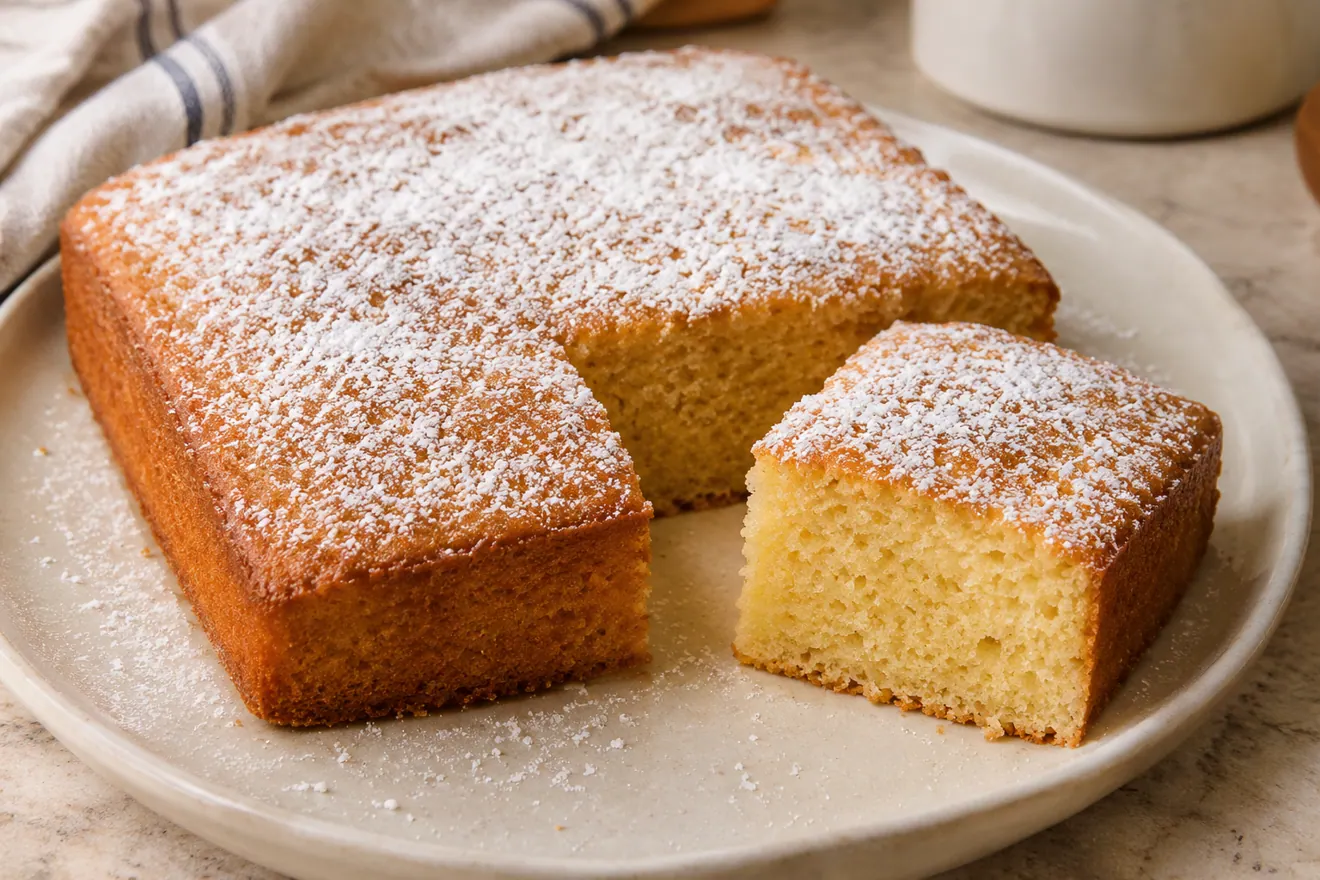
A simple square cake gives children a visible start-to-finish project. Choose an oil-based or other recipe developed for easy mixing, and let children help measure and stir. Once baked and fully cooled, decorate with a light glaze or a dusting of powdered sugar.
A single-layer cake is more manageable than a tall birthday cake and doesn't require filling or stacking. If you use perishable frosting, follow its refrigerated-storage instructions.
9. Build a Muffin Flavour Experiment
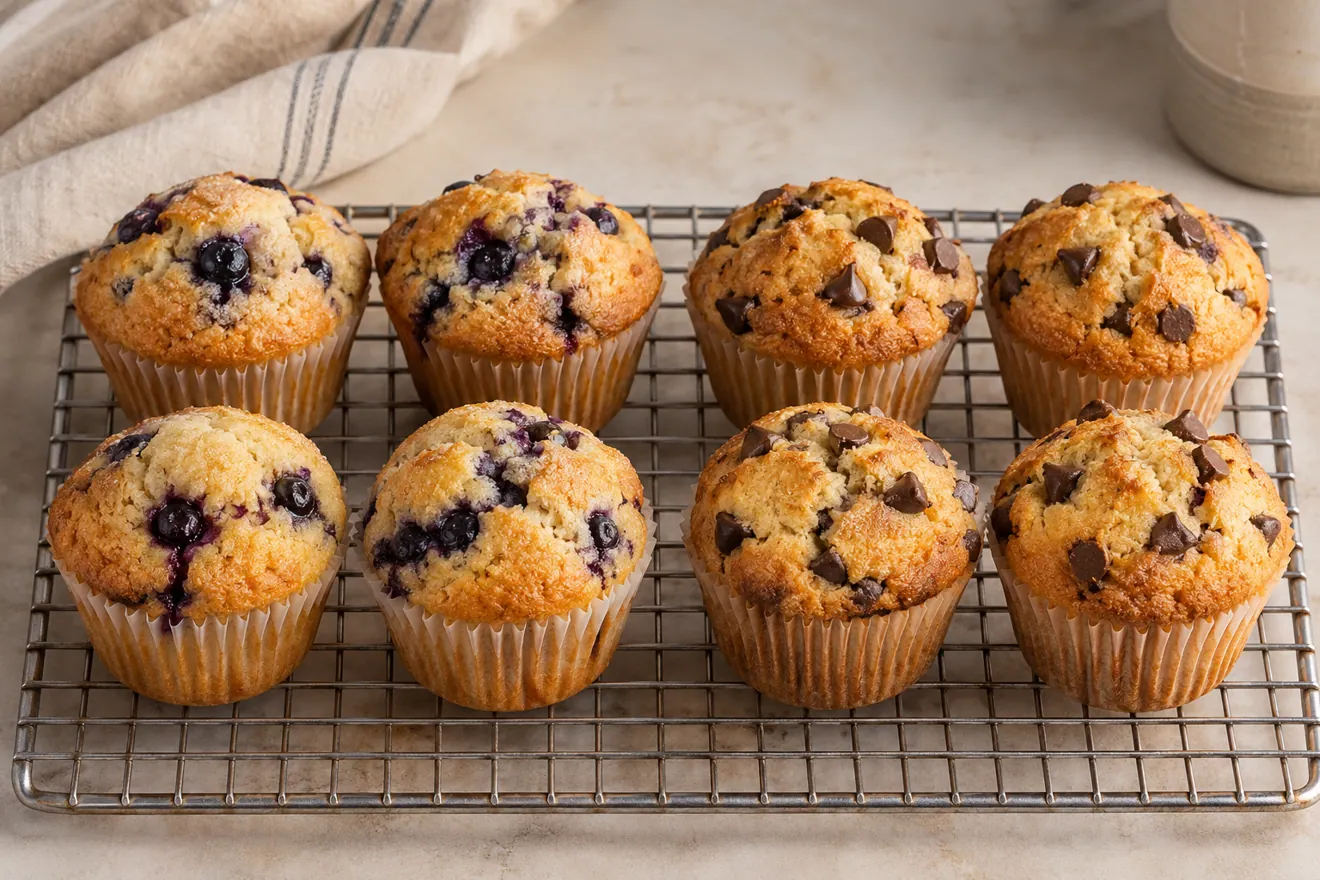
For older children, compare two properly tested variations of the same muffin base, such as blueberry and chocolate chip. Make equal-sized portions and observe the colour, aroma and texture differences after baking.
Don't create an experiment by randomly doubling fruit or changing the amount of leavening. A recipe can support learning while still using reliable amounts. Write down observations and discuss why the batches differ.
If you don’t have one base with two tested variations, bake our Blueberry Muffins as one small comparison batch.
Use the separate Chocolate Chip Muffins recipe as the second batch. Compare what you observe and remember that the formulas can differ in more than the mix-ins.
10. Make Homemade Granola
Granola can be an enjoyable measuring activity: oats, spices and appropriately selected mix-ins are combined and spread on a tray. Follow a recipe for its coating quantities, oven temperature and stirring directions.
An adult should manage any hot syrup and baking sheets. Nuts and seeds need allergy awareness, and granola clusters can be unsuitable for very young children depending on their size and texture.
Try Air Fryer Granola if the ingredients suit everyone and an adult handles the hot basket.

11. Create a Cookie-Cutter Shape Game
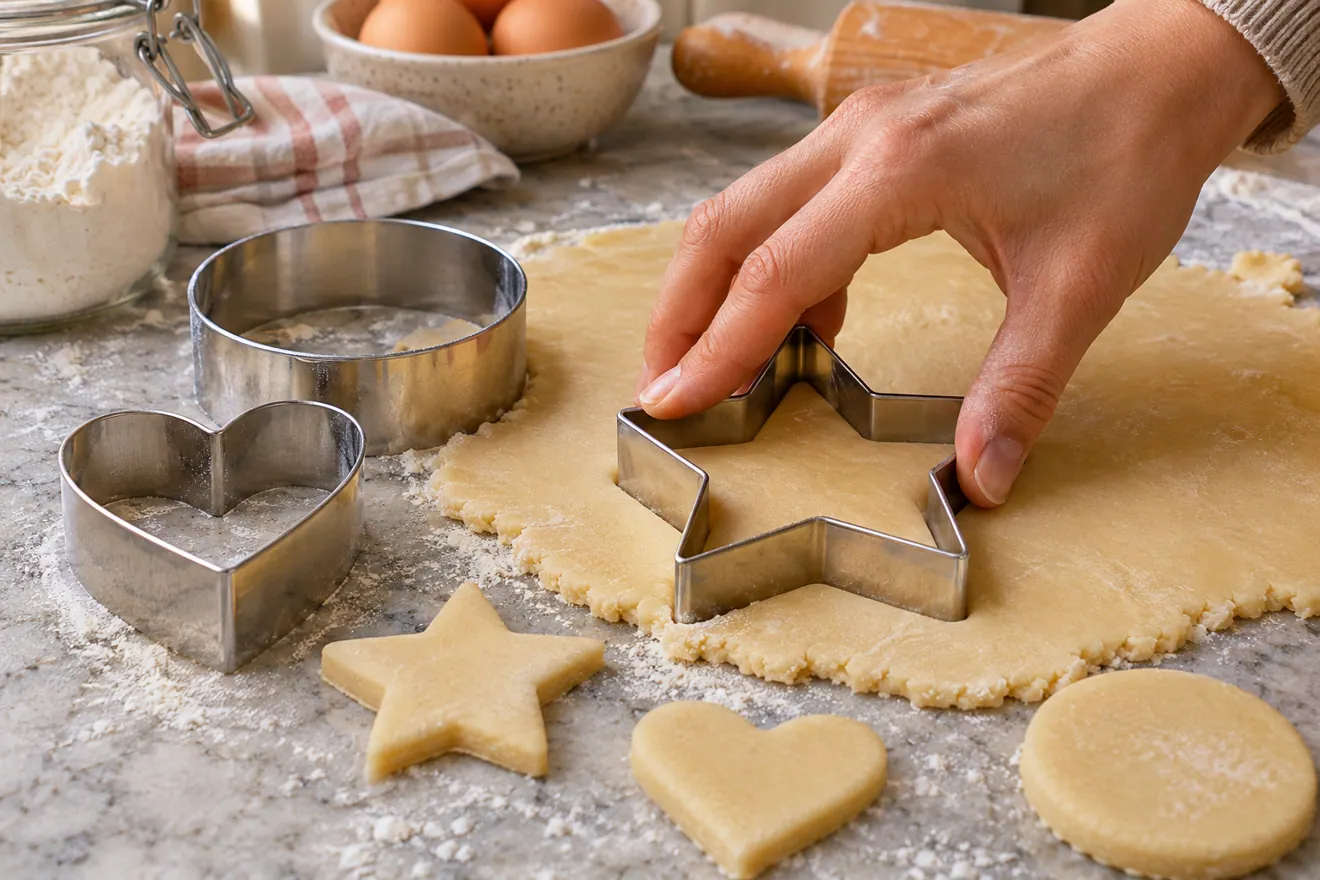
Roll a cutout cookie dough to the recipe's thickness and let children press large shapes into it. Count circles, stars or animals and see how many fit on a sheet. This turns baking into an informal lesson about shapes, numbers and spacing.
Use a dough that actually holds its shape in baking. An adult should handle delicate transfers, especially if the dough needs chilling between batches.
12. Start a Simple Dough Observation Journal
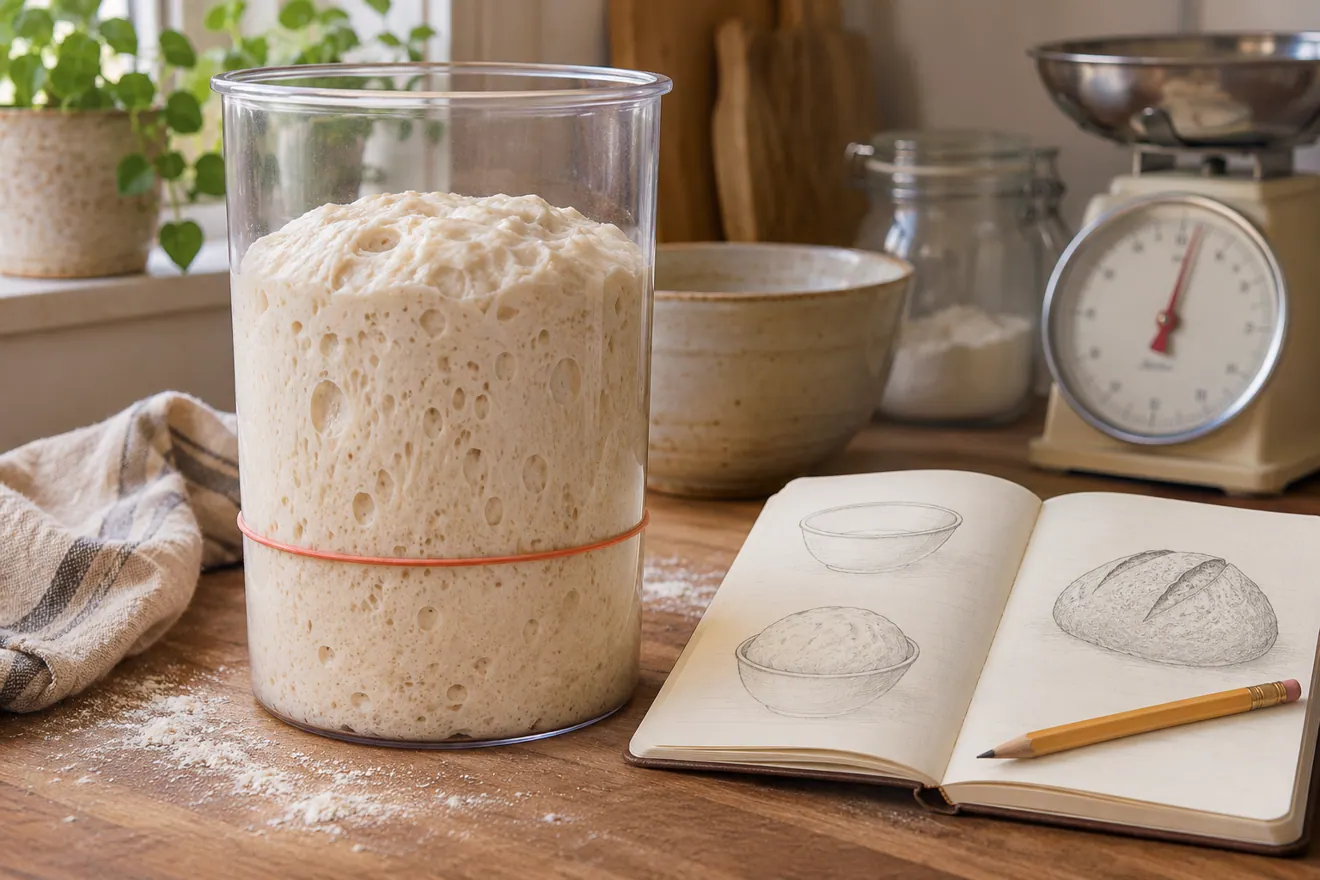
A bread or biscuit recipe can become a small science project. Photograph or sketch the dough before resting, after rising and after baking. Ask what changed in volume, colour, smell and texture.
Explain that yeast produces gas during fermentation and that heat changes the structure of dough. Keep experiments food-safe; never taste raw flour mixtures or uncooked dough.
Start No-Knead Whole Wheat Bread early if you want to observe a long rise. An adult handles its preheated Dutch oven.
Activities by Age
Preschoolers
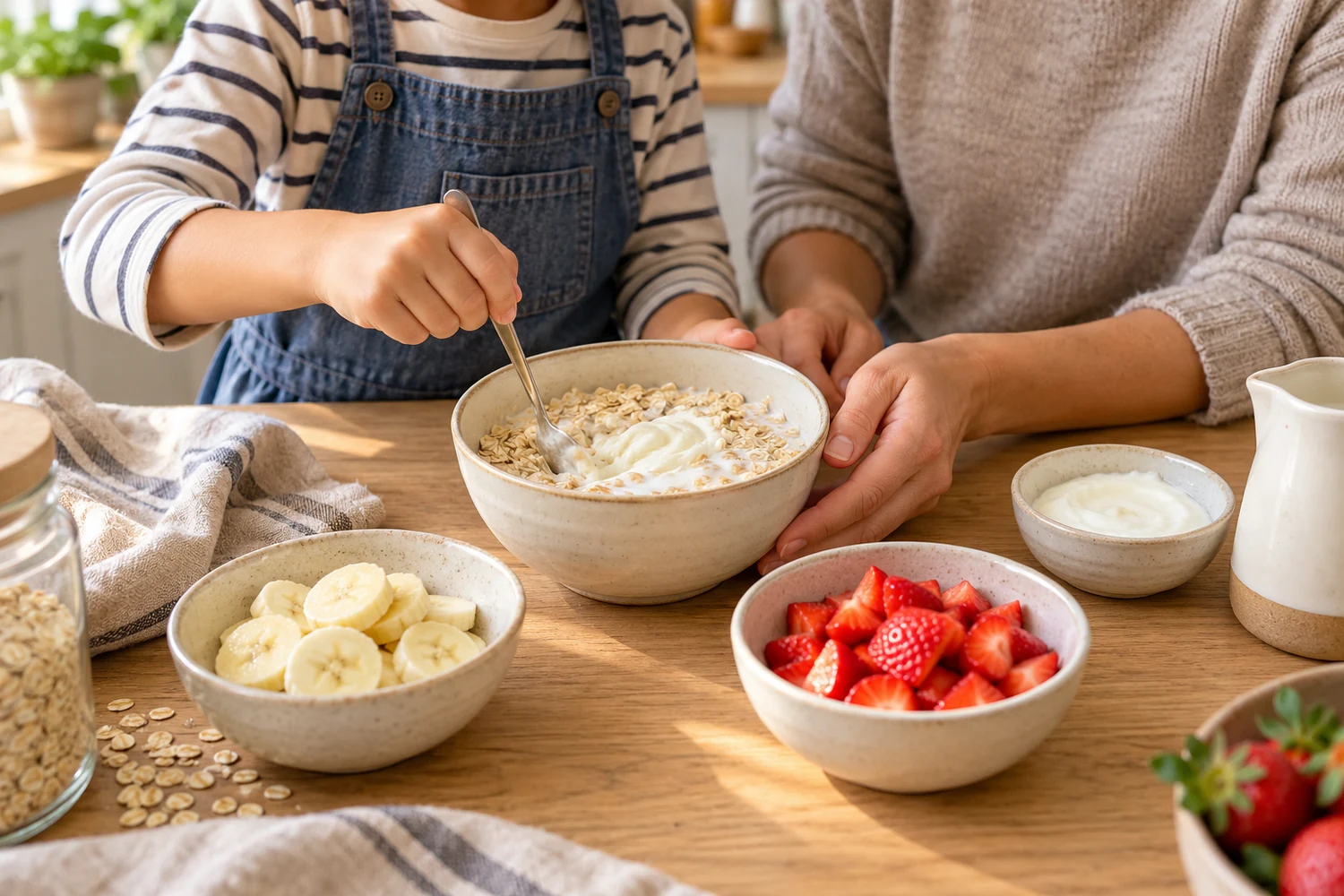
Choose short tasks such as counting muffin liners, pressing large cutters and spreading icing on cooled cookies. Stay close, keep hard and small decorations away, and accept that the activity may last only a few minutes.
Ages 5–8
These children may enjoy scooping flour with guidance, mashing fruit, whisking cool ingredients and shaping dough. Demonstrate one step at a time, with the adult handling heat and sharp tools.
Ages 9–12 and Teens
Offer recipe reading, weighing ingredients, recording observations and deciding how to portion a batch. Supervision should still match experience, particularly around hot ovens, sharp knives and electric appliances.
A Rainy-Day Baking Setup That Is Easy to Clean
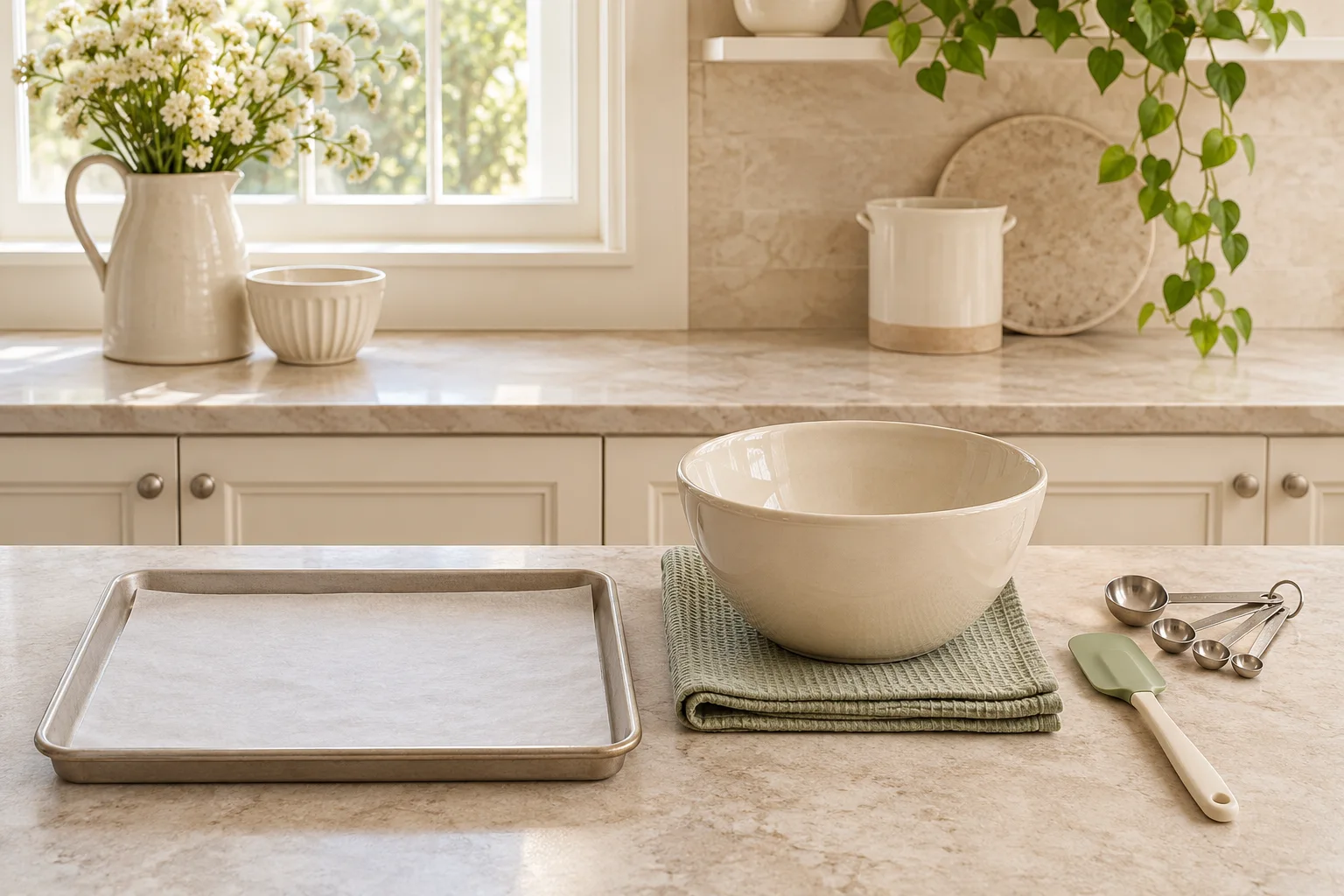
Clear a work surface and arrange premeasured ingredients in small bowls. Use parchment under shaping and decorating areas. Place a damp cloth and a bowl for used utensils nearby.
Keep raw-ingredient preparation separate from the finished-food area. A dedicated cooling zone, controlled by an adult, prevents curious hands from reaching for hot trays. Wash hands before starting and after handling raw ingredients.
Clear a drying rack before mixing and keep one empty bowl on the counter for used tools. Pick one small job for each child, such as counting liners, adding the measured oats or choosing a name for the finished bake. Give each person a turn with the spoon and keep knives, hot trays and sharp tools with the adult.
What If You Don't Have All the Ingredients?
Choose a different recipe rather than making arbitrary substitutions. Baking powder, baking soda, eggs, flour and fats have structural roles, so swapping them casually may change the result. Look for a formula built around the ingredients you actually have.
A simple crumble or a small batch of muffins is often more practical than beginning an elaborate decorated cake when the pantry is nearly empty.
Keep Raw Dough Out of the Tasting Session
Raw flour and raw eggs can carry harmful germs. Let children taste fully baked treats after they have cooled. Wash hands and clean tools and surfaces after handling dough or batter. For a group activity, check allergies before choosing a recipe and keep food intended for tasting away from the raw ingredients. See Health Canada’s flour handling guidance for baking with raw flour.
How to Make Waiting Part of the Fun
Baking includes pauses, and children may lose interest during a long rise or bake. While the oven is working, invite them to draw labels, create a gift card, tidy their station or predict what the baked goods will look like.
Don't rush cooling just to continue decorating. Warm cookies melt icing, and hot fruit filling can burn. A short break is better than a rushed finish.
Keep a scrap of paper next to the timer and mark what you notice at each stage. For crumble, note the difference between the loose oat mixture and the baked topping. For bread, check volume without repeatedly opening the oven. For muffins, compare the colour and crumb only once both batches have cooled.
Frequently Asked Questions
What is the easiest rainy-day baking activity for toddlers?
Decorating a sturdy, fully cooled cookie is an approachable choice with direct supervision and age-appropriate toppings.
Can children make muffins without a mixer?
Many recipes are designed for whisk-and-spatula mixing. Choose one with clear instructions rather than converting a mixer-dependent recipe.
What if I only have thirty minutes?
Try decorating pre-baked cookies or preparing a quick batter; keep the recipe's baking and cooling time separate from hands-on activity time.
Can we make savoury food instead?
Yes. Mini pizzas, rolls and simple savoury muffins can be excellent baking projects when made using suitable recipes.
Let the Rain Set the Mood
A memorable rainy-day bake doesn't have to be perfect or elaborate. Choose a safe activity with a clear job for each child, allow enough time for cooling and let the results be a little uneven. The best part is often the conversation at the kitchen counter.
Some images are AI-generated illustrations of the dishes and techniques described.
IN PICTURES
From the baking notebook
FROM THE RECIPE BOX


