On this page
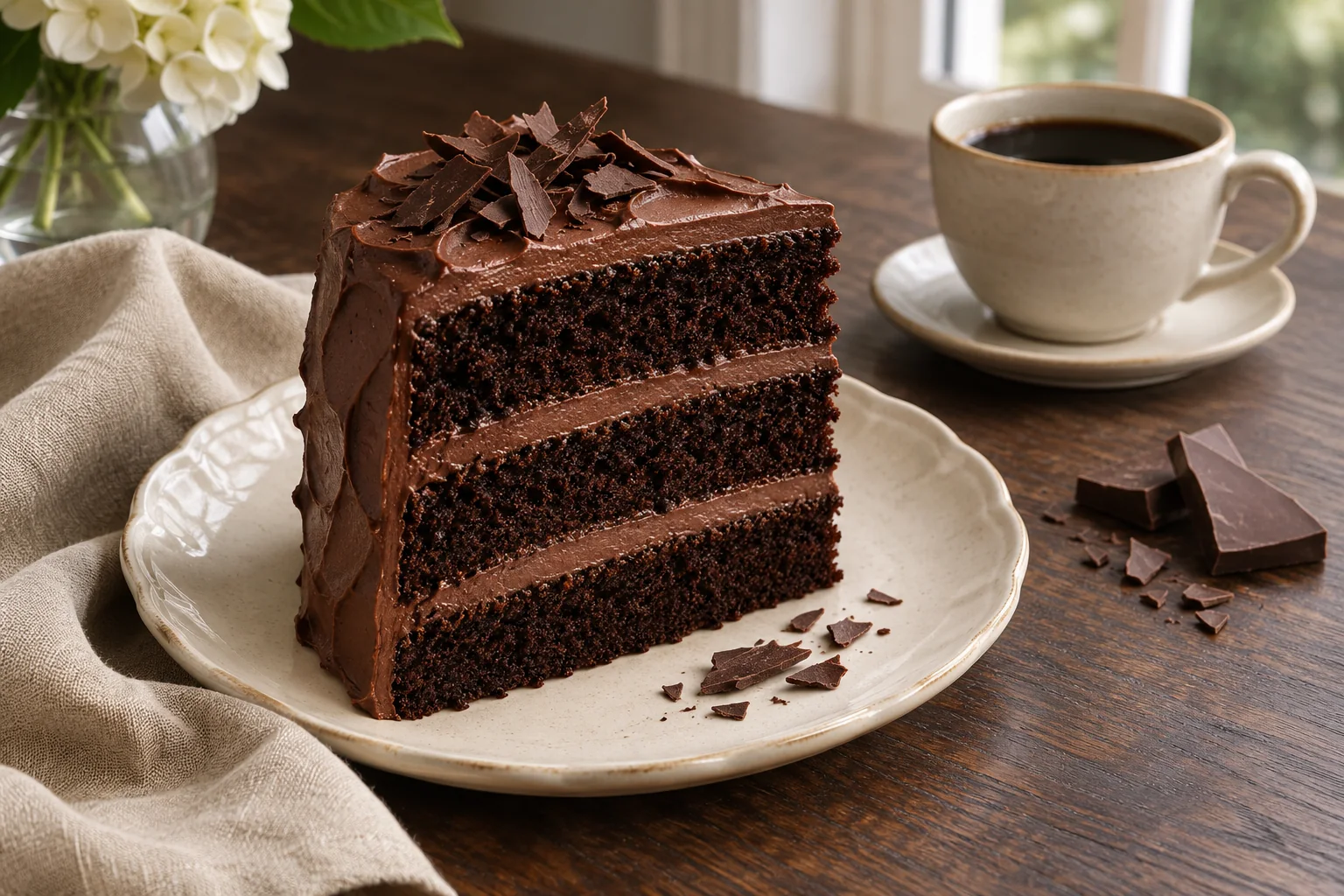
A chocolate cake recipe calls for a cup of hot coffee, but you don't want your cake to taste like a latte. Should you use it anyway? For many chocolate desserts, coffee is there to support cocoa flavour rather than announce itself. At modest concentrations, its roasted, bitter notes can make chocolate taste richer and more complex.
That doesn't mean coffee belongs in every brownie or cake. Brewed coffee adds water, espresso powder adds concentrated coffee flavour, and instant coffee granules may dissolve differently. Knowing the reason behind the ingredient will help you follow the recipe confidently—or choose a tested coffee-free alternative.
The Short Answer
Some recipes use coffee because its roasted and bitter flavours complement cocoa, increasing the perception of chocolate intensity. In recipes with a small amount, many tasters notice a stronger chocolate character rather than an obvious coffee taste.
Other recipes deliberately use enough coffee to create mocha flavour. The amount, roast profile, type of chocolate and other ingredients influence whether coffee is noticeable. It is a flavour technique, not a universal rule for making chocolate desserts better.
Why Coffee and Chocolate Pair So Naturally
Coffee and cocoa are both roasted plant products that develop complex aromas during processing. Their flavour profiles can include toasted, nutty, fruity and bitter notes, although the precise compounds and proportions differ.
In a sweet chocolate cake, a little coffee bitterness can balance sugar and make the cocoa seem deeper. Chocolate and coffee aren't chemically identical, and coffee doesn't literally add more cocoa solids; it changes how the finished dessert tastes.
Does Coffee Make Chocolate Taste Stronger?
It can. A little coffee may bring out the roasted notes in chocolate. The effect depends on the recipe and how much coffee you add. In a full cake, the coffee can sit in the background. In a frosting or glaze, the same flavour may be easier to notice.
But stronger is subjective. A delicate milk chocolate mousse might lose some of its gentle character if you add an assertive espresso note. Follow the intended flavour profile rather than assuming more coffee always creates better chocolate.
Brewed Coffee vs Espresso Powder
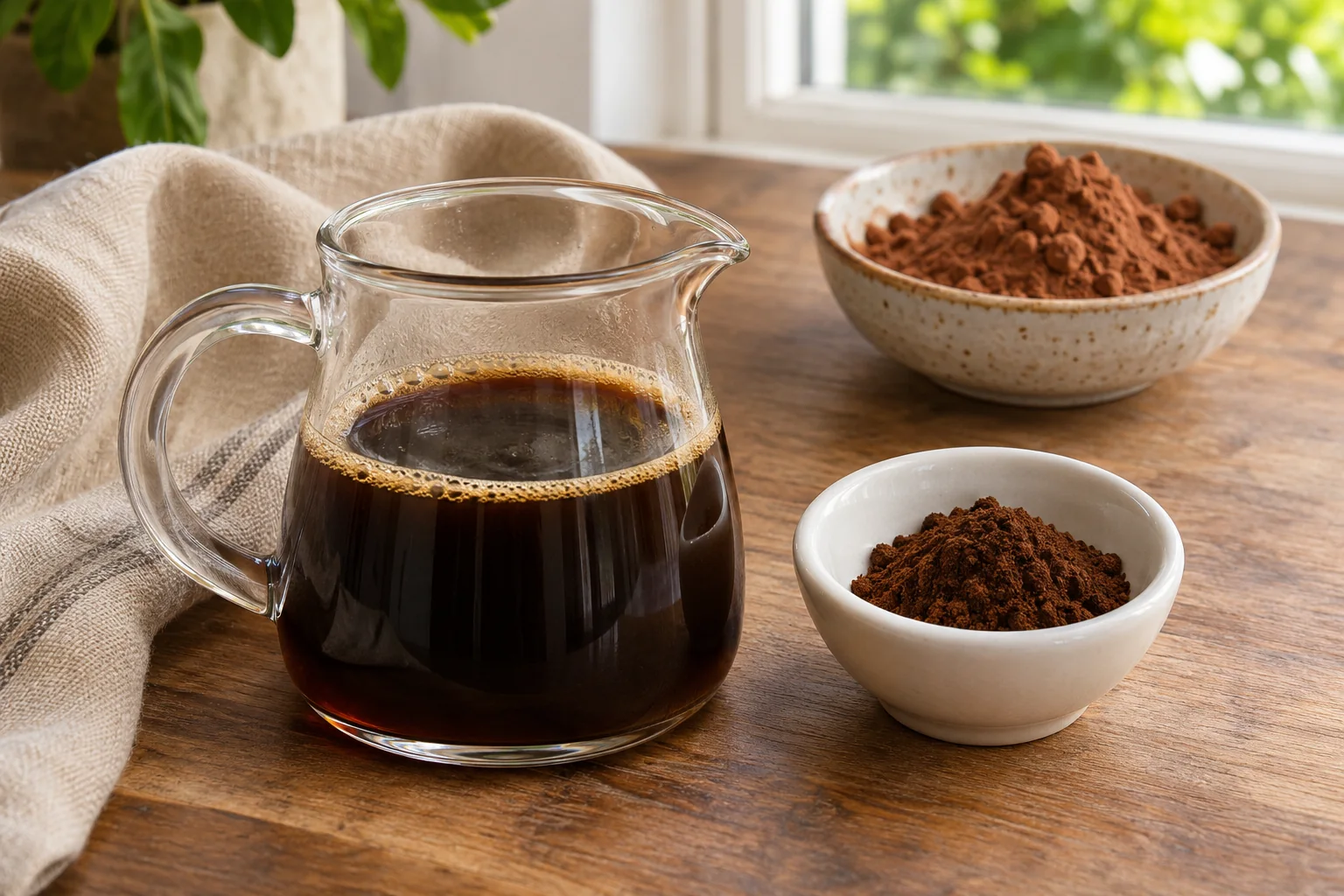
Brewed coffee is mostly water with dissolved coffee compounds. When a recipe calls for hot coffee, it may be replacing another liquid and influencing batter temperature as well as flavour.
Espresso powder is a concentrated soluble product used in small quantities. It can add coffee flavour without introducing a full cup of liquid. These two ingredients are not direct substitutes in every recipe.
Compare Mocha Bundt Cake, which uses espresso powder, with Chocolate Layer Cake, which uses brewed coffee. The brewed coffee contributes liquid. When a batter calls for powder, keep the rest of its liquids as written.
What About Instant Coffee?
Instant coffee granules can sometimes substitute for espresso powder when a recipe permits it, but the flavour intensity and particle size may differ. For a smooth frosting or ganache, make sure the product dissolves properly instead of leaving gritty specks.
Ground coffee beans are a different ingredient: ordinary grounds do not dissolve like instant coffee or espresso powder. Don't sprinkle ground beans into cake batter as though they were soluble powder.
Why Chocolate Cakes Sometimes Use Hot Coffee
Some cocoa-based cake formulas use hot water or hot coffee to dissolve or hydrate cocoa powder and produce a fluid batter. The heat can help distribute cocoa evenly, while the coffee contributes roasted flavour.
In these recipes, replacing a cup of hot coffee with one teaspoon of espresso powder alone would remove almost all the liquid. If you want to make a substitution, preserve the recipe's required fluid volume using its tested directions.
What Does It Mean to Bloom Cocoa?
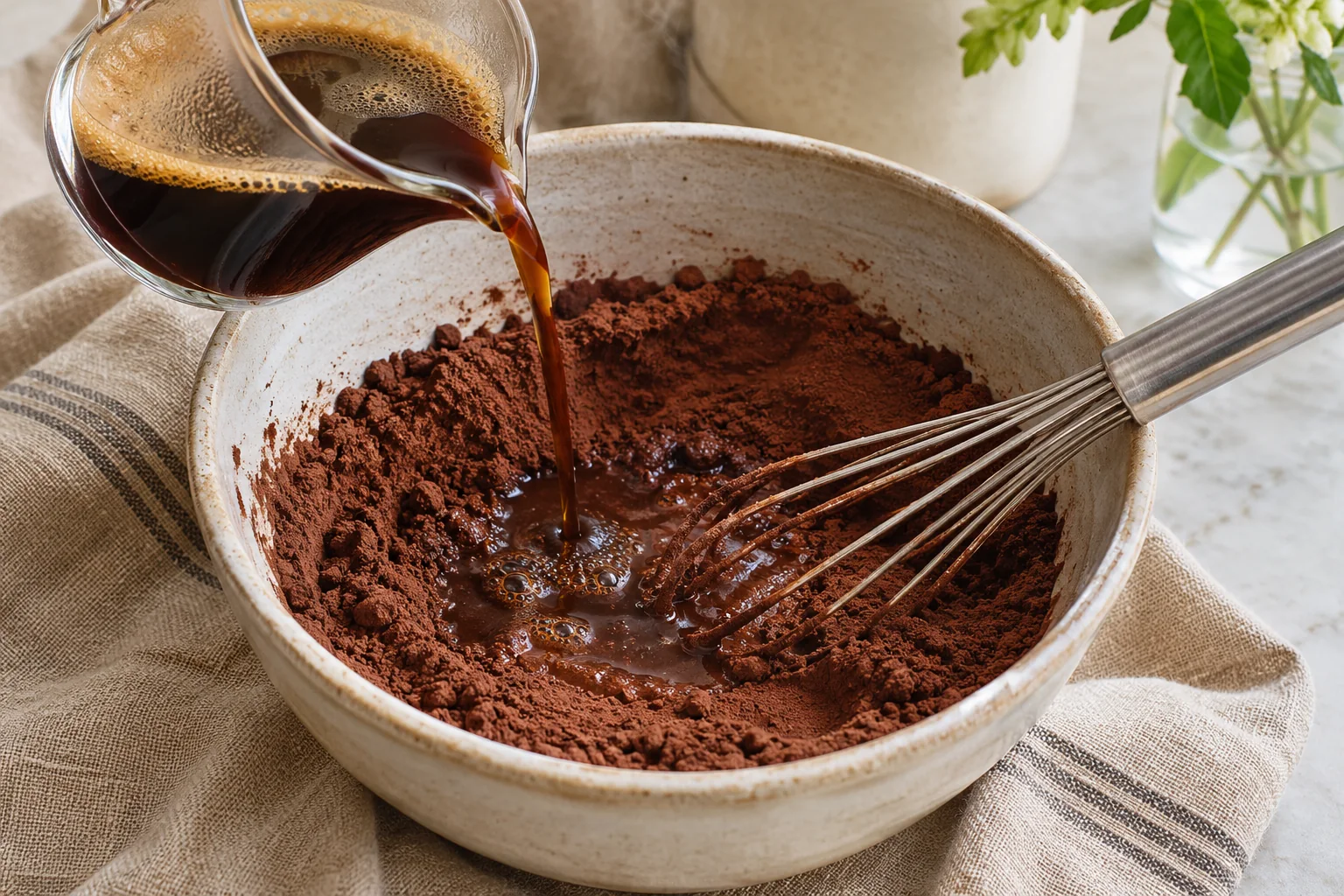
Blooming cocoa generally means mixing cocoa powder with warm or hot liquid to disperse it and bring out its aroma. Depending on the cake formula, this step can help cocoa hydrate and combine more evenly with the other ingredients.
Hot coffee may serve as that liquid, but hot water or another specified liquid can also work in a recipe developed for it. The roasting flavours of coffee are an addition, not a requirement for the physical process of wetting cocoa.
If a recipe calls for hot liquid, have the other ingredients ready before heating it. In the chocolate layer cake, the coffee goes into a cocoa batter near the end of mixing. Use the order and amounts in the recipe you choose.
Coffee in Brownies
Brownies often contain melted chocolate, cocoa powder or both. A modest quantity of espresso powder can add roasted complexity to the chocolate without changing batter hydration much.
Do not pour an extra cup of coffee into a brownie formula that only calls for a teaspoon of espresso powder. Extra liquid changes structure and may produce an under-set or cakier result instead of the fudgy texture you wanted.
Coffee in Chocolate Cake
A full-bodied cocoa cake may use brewed coffee as part of its liquid ingredients. If the recipe calls for a specific amount and temperature, follow both. Changing the liquid can affect batter thickness and bake time, not just flavour.
Not all cakes use coffee. A well-formulated chocolate cake without it can taste beautifully rich; good cocoa or chocolate, correct ingredient proportions and proper baking still matter more than one optional flavour addition.
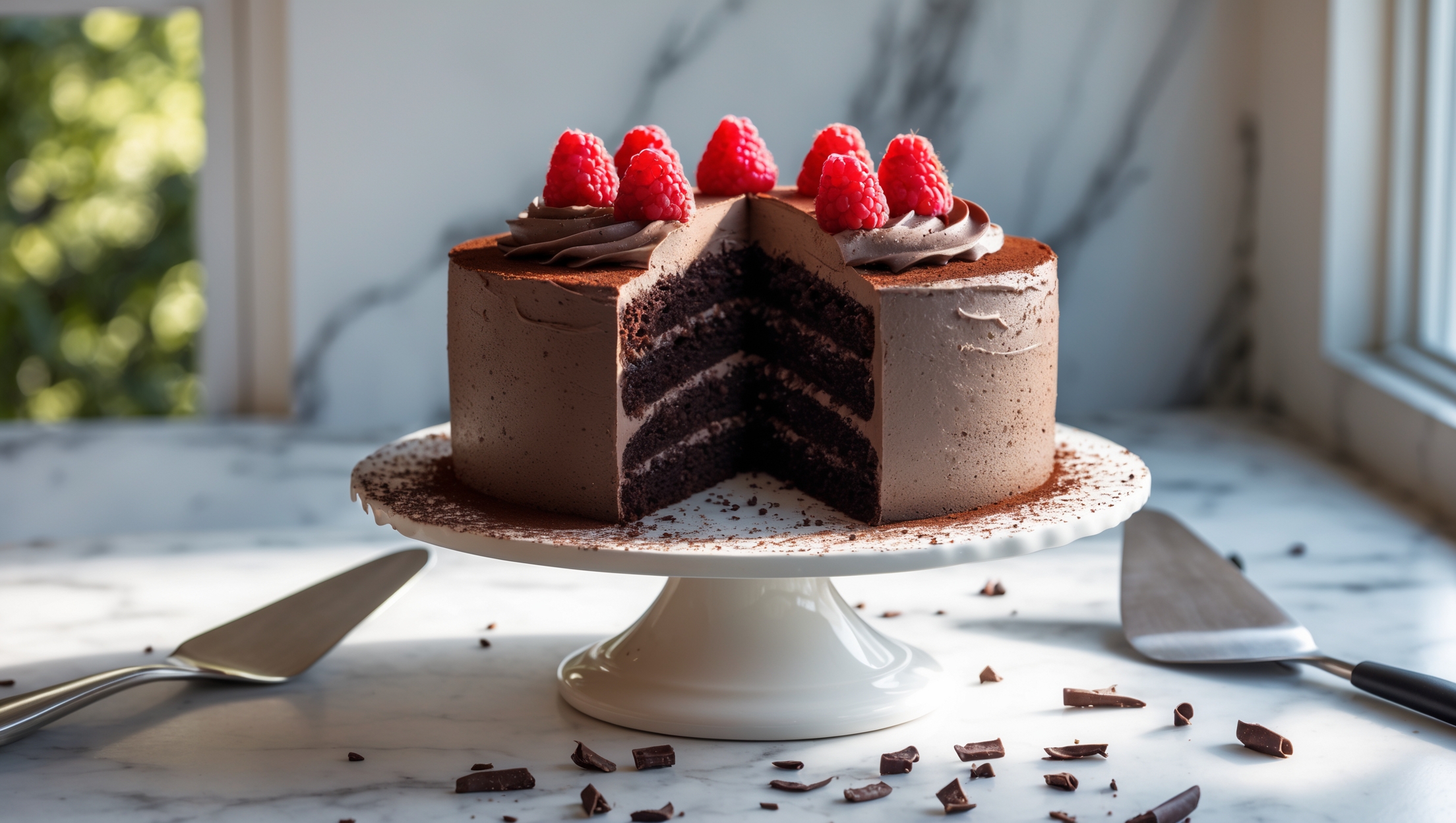
Bake the chocolate layer cake for a chocolate-forward result. Compare its method with Coffee Layer Cake, which uses coffee in the cake, buttercream and glaze for a more distinct coffee flavour.
Coffee in Chocolate Cookies
Some chocolate cookie recipes add a little espresso powder directly to the dry ingredients or dissolve it in another ingredient first. This can work particularly well in dark chocolate crinkle cookies, brownie-style cookies and rich double-chocolate doughs.
Choose a tested recipe amount. Too much espresso powder may add a distinctly bitter coffee note, especially in a cookie that uses modest chocolate quantities.
For a cookie-sized example, try Espresso Chocolate Chip Cookies. Use the espresso called for and keep the rest of the wet ingredients as written to preserve the dough’s consistency.

Coffee in Ganache
Ganache is a chocolate emulsion, so flavouring it with coffee requires attention to liquid balance. Soluble espresso powder can be convenient in small amounts if the recipe directs you to dissolve it in the cream.
Replacing cream with brewed coffee changes the fat and water proportions, which may affect how the ganache sets. For a coffee ganache filling or truffle centre, use a tested coffee-ganache formula rather than improvising.
The glaze for the mocha Bundt cake heats the espresso powder with the cream before it goes over chopped chocolate. Use that recipe to see how the coffee goes into a glaze without changing the chocolate-to-cream proportions.

Coffee in Chocolate Buttercream
Espresso powder can enhance a chocolate buttercream when used at the correct level. Dissolving it in a small measured quantity of suitable liquid may prevent undissolved granules from showing in the frosting.
A frosting made with lots of brewed coffee may become too loose if the recipe doesn't account for the added water. Follow the formula's mixing and consistency instructions.
Coffee in Chocolate Mousse
Mousse is a delicate balance of chocolate, aeration and sometimes eggs or dairy. Adding coffee can create a mocha-like flavour, but too much liquid may interfere with the set.
Use a chocolate-coffee mousse recipe designed for the chosen chocolate and coffee ingredient. Homemade egg- and cream-based mousse needs appropriate cold storage.
How Much Coffee Should You Add?
There is no universal quantity. A large chocolate cake may use a measured cup of brewed coffee as part of its liquid, while another recipe calls for only a small amount of espresso powder. A chocolate frosting may need far less because the flavour is not diluted by a full cake batter.
Start with the amount specified by a recipe developed for the desired result. If you're experimenting, test a small portion and change one variable at a time.
Will the Cake Taste Like Coffee?
It depends on the amount, coffee strength, cocoa intensity and sweetness. A little espresso powder in a deeply chocolatey cake may not create a distinct coffee taste. Strong brewed coffee in a lightly chocolate-flavoured dessert can become more obvious.
If you're serving someone who dislikes coffee, don't guarantee they won't detect it. Choose a coffee-free recipe if a pure chocolate flavour is important.
Does Baking Remove Caffeine?
No. Heating and baking do not reliably eliminate all caffeine from coffee-containing desserts. A cake made with brewed coffee or espresso powder can retain caffeine, and chocolate itself naturally contains some.
The amount per portion depends on coffee quantity, strength, recipe yield and the chocolate ingredients. For people avoiding caffeine for medical or personal reasons, use a tested coffee-free recipe or a suitable decaf method while accounting for residual caffeine.
Can You Use Decaf Coffee?
Decaffeinated brewed coffee can provide roasted coffee character with substantially less caffeine than ordinary coffee, although it may still contain some caffeine. If the recipe allows coffee as its liquid, a corresponding decaf brew may be a reasonable choice.
Decaf espresso powder products vary in availability and formulation. Check labels and the recipe's substitution instructions, especially for sensitive dietary needs.
What If You Don't Like Coffee?
Use a chocolate recipe that doesn't call for it, or follow the developer's recommended replacement. Some cake recipes explicitly allow hot water instead of hot coffee; that preserves the required liquid volume while removing coffee flavour.
Don't blindly replace brewed coffee with milk, juice or a different liquid, because acidity, fat and protein can affect how the batter reacts. A tested substitution is preferable.
What About Hot Water Instead of Coffee?
Hot water is sometimes a perfectly suitable alternative in cocoa-based cakes. It can disperse cocoa powder without adding coffee's roasted flavour. The final chocolate character may taste a little lighter or different, but the cake may still turn out very well if the substitution is recipe-approved.
Use the same measured volume only when the recipe supports it. A cake formula isn't automatically interchangeable with every other formula.
Does Coffee Change Cake Texture?
When coffee replaces the hot water or liquid already included in a recipe, its main effect may be flavour. But adding coffee as an extra liquid changes batter hydration and can affect the crumb, rise and bake time.
Espresso powder also needs to be measured. A small quantity has a different impact from several tablespoons of dry granules mixed into the batter.
Best Chocolate Types to Pair with Coffee
Dark chocolate often pairs especially well with espresso notes because both contribute roasted bitterness. Milk chocolate can create a sweeter mocha flavour, while white chocolate can taste like a creamy coffee confection when used in a formula developed for that pairing.
Choose the chocolate percentage called for by the recipe; changing from semisweet to very dark chocolate along with adding coffee can make the overall dessert more bitter than expected.
Common Mistakes When Adding Coffee
Using coffee grounds instead of soluble powder: causes gritty texture. Adding an extra cup of liquid: changes cake structure. Using too much espresso powder: makes coffee dominate. Ignoring caffeine: may surprise guests avoiding it. Adding brewed coffee to ganache without reformulating: can destabilize the mixture.
Frequently Asked Questions
Why does chocolate cake call for hot coffee?
It can disperse cocoa powder and contribute roasted notes that deepen perceived chocolate flavour. The liquid is also part of the batter's structure.
Does espresso powder make brownies taste like coffee?
A small measured amount may mainly intensify chocolate flavour, while larger quantities can create a pronounced mocha character.
Can I use hot water instead of coffee?
Sometimes, when the recipe explicitly allows the substitution. Hot water won't contribute the same roasted flavour but preserves liquid volume.
Can I use regular ground coffee?
Not as a direct substitute for soluble espresso powder. Grounds do not dissolve and may leave a gritty texture.
Does baked coffee still contain caffeine?
Yes. Baking does not reliably remove caffeine. Consider the ingredient quantities and recipe yield when serving someone who avoids it.
Chocolate First, Coffee as the Supporting Note
Coffee is one tool for building chocolate flavour, not a mandatory ingredient in every rich dessert. Use the form and quantity the recipe specifies, understand what liquid it contributes, and choose a coffee-free alternative when that better suits your guests. The goal is a dessert where every ingredient makes the chocolate taste the way you intended.
IN PICTURES
From the baking notebook
FROM THE RECIPE BOX


