
On this page
Weigh the two sugars separately before creaming them with butter. That gives you a recipe you can repeat and a way to test why the split matters. Compare the cooled cookies as well as the warm ones: their edges and centres change texture as they sit.
What white granulated sugar is
Standard white sugar is primarily sucrose, a crystalline sweetener with relatively little moisture. It dissolves during mixing and baking, contributing sweetness, spread and browning under suitable conditions. In butter creaming, its crystals can help incorporate air into softened fat. The same sugar in an oil-based cookie behaves differently because the mixing method changes. White sugar is a functional ingredient, not just something you can remove without consequences.
What brown sugar contains
Conventional brown sugar includes sucrose and molasses or retains molasses from processing, depending on the product. The added or retained molasses brings color, acidity and distinctive caramel-like notes. Dark brown sugar usually has more molasses flavor than light brown sugar. Country-specific products and muscovado sugars can differ, so don't assume every brown bag has identical moisture or density.
Moisture and chewiness
The molasses in brown sugar influences flavour and moisture retention, often contributing to a softer or more bendable cookie. The outcome still depends on the full formula, thickness, bake and storage. A thin brown-sugar cookie can become crisp, so sugar colour alone does not predict texture.
The cooled centres of Chewy Ginger Cookies give you a reference for chewiness.

White sugar and crispness
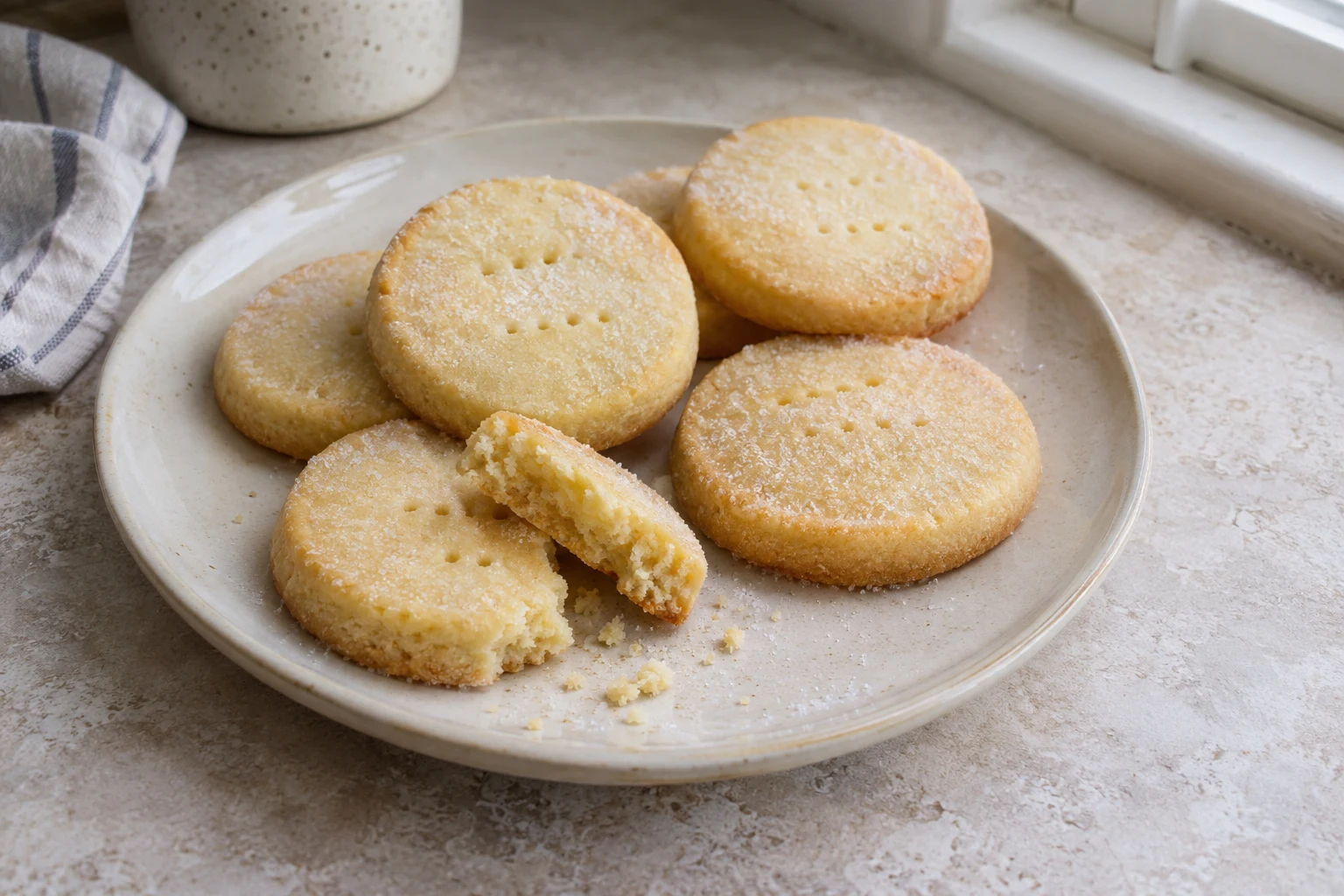
In many cookie formulas, a higher proportion of granulated sugar may encourage a crisp edge or overall snappier texture when the cookie spreads and dries. But white sugar doesn't automatically make every bake crispy. Butter temperature, flour amount, oven heat and baking time also influence the outcome. Compare within the same recipe style rather than applying a universal crispness rule.
Compare that bite with the short, crisp texture of Vegan Shortbread Cookies.
The flavor contribution of molasses
Molasses adds darker caramel, toasted and sometimes slightly mineral flavor notes that pair well with chocolate, cinnamon, ginger and oatmeal. Light brown sugar often gives a subtler impression, while dark brown sugar can take center stage. If the recipe already includes a strong molasses component, increasing dark sugar may overwhelm delicate vanilla or citrus flavors.
Acidity and baking soda
Molasses contributes acidity that can interact with baking soda. Replacing all the brown sugar with white sugar can therefore change more than flavour. Use a complete recipe designed for the intended sugar balance rather than trying to repair an unfamiliar swap by adding extra leavener.
Does brown sugar spread less or more?
There is no single guaranteed answer. Brown sugar contributes moisture and different composition, while white sugar crystals affect creaming and dough dissolution. Depending on the rest of the formula, a switch can cause cookies to spread less or more. The result should be checked against the actual recipe, including fat temperature, flour type and chilling time.

Why a recipe uses both
The combination can provide cleaner sweetness and crisp edges from some white sugar alongside molasses flavor and moisture retention from brown. A common chocolate chip cookie aims for a chewy center with a defined golden rim. The balance of sugars is one way to help reach that goal. It isn't the only factor; leavener, butter, eggs and oven conditions remain essential.
Use the two sugar weights in Classic Chocolate Chip Cookies as a baseline for a comparison batch.

All-brown-sugar cookies
A formula built around brown sugar can emphasize caramel-like flavour and a soft or chewy texture. That result depends on its flour, fat, leavener and baking method too. Substituting brown sugar into an unrelated white-sugar formula is not guaranteed to produce the same cookie.
All-white-sugar cookies
A classic vanilla sugar cookie may rely on granulated sugar for a clean buttery taste and a particular level of spread or crispness. Replacing much of it with dark brown sugar can create a softer darker cookie and change decorative shape retention. For sharply defined cutouts, choose a recipe designed for its chosen sugar instead of improvising a molasses-rich variation.
Light versus dark brown sugar
Both contain molasses, but dark brown sugar usually contributes a stronger flavor and deeper color. Some recipes allow either with modest differences, while others use one for a specific result. Follow the measured amount and note that volume packing can vary. Weigh sugar in grams when provided instead of trying to reproduce how firmly another baker pressed it into a measuring cup.
Why packed cups matter
Brown sugar is often measured 'packed' because it compresses around the cup, unlike loose granulated sugar. Two home bakers can pack differently and obtain different weights. A scale eliminates that variation. When experimenting with ratios, compare equal weights of sugars rather than assuming a cup of each has the same mass or behaves identically.
Sugar and butter creaming
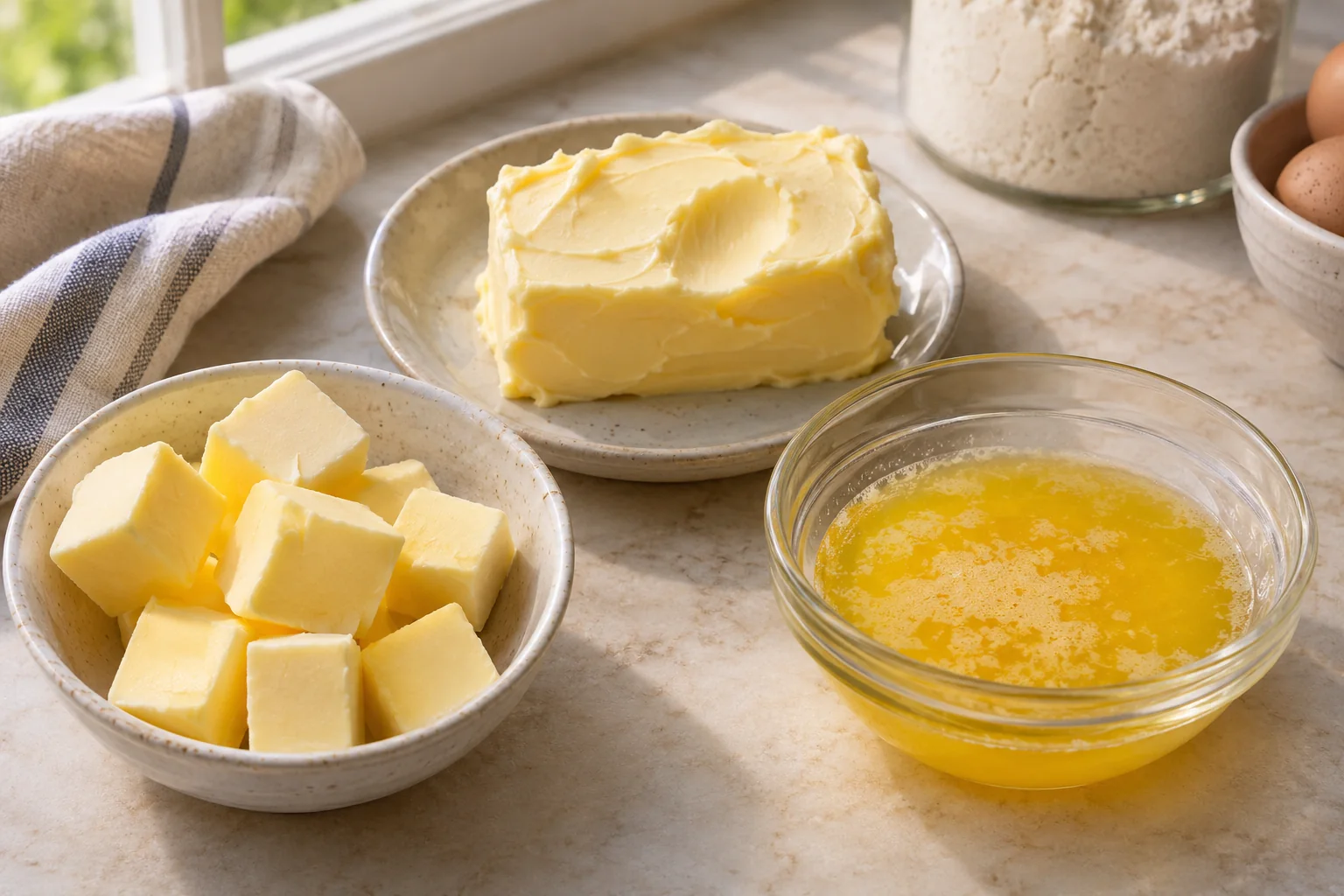
White and brown sugar crystals can be beaten with softened butter, incorporating air while dissolving partially. The exact outcome depends on crystal size, moisture and how long the mixture is creamed. A cookie mixed with melted butter may have a denser or chewier structure than one using traditional creaming. Changing the sugar split and butter method simultaneously makes the cause of texture differences hard to identify.
Follow the mixing order in Chocolate Chunk Cookies before changing how the butter and sugars meet.

Melted butter cookies
Some chewy-cookie formulas use melted butter and a substantial amount of brown sugar. Melted fat doesn't trap air the same way as softened creamed butter, changing cookie thickness and texture. A recipe may rest the dough to manage spreading and moisture absorption. Follow its entire method; using the same sugar ratio with a different mixing technique can produce another result.
Oatmeal and spice cookies
Brown sugar's flavor complements oats, cinnamon, raisins and toasted nuts, while some white sugar can provide extra sweetness and edge texture. A chewy oatmeal cookie may use more brown sugar, but the correct ratio varies. Oats absorb moisture differently from wheat flour, so a sugar change can affect chew after cooling. Start with a tested oatmeal formula rather than adapting a chocolate chip dough blindly.
With Oatmeal Chocolate Chip Cookies, keep the oats constant when comparing different sugar proportions.

Cakes and quick breads
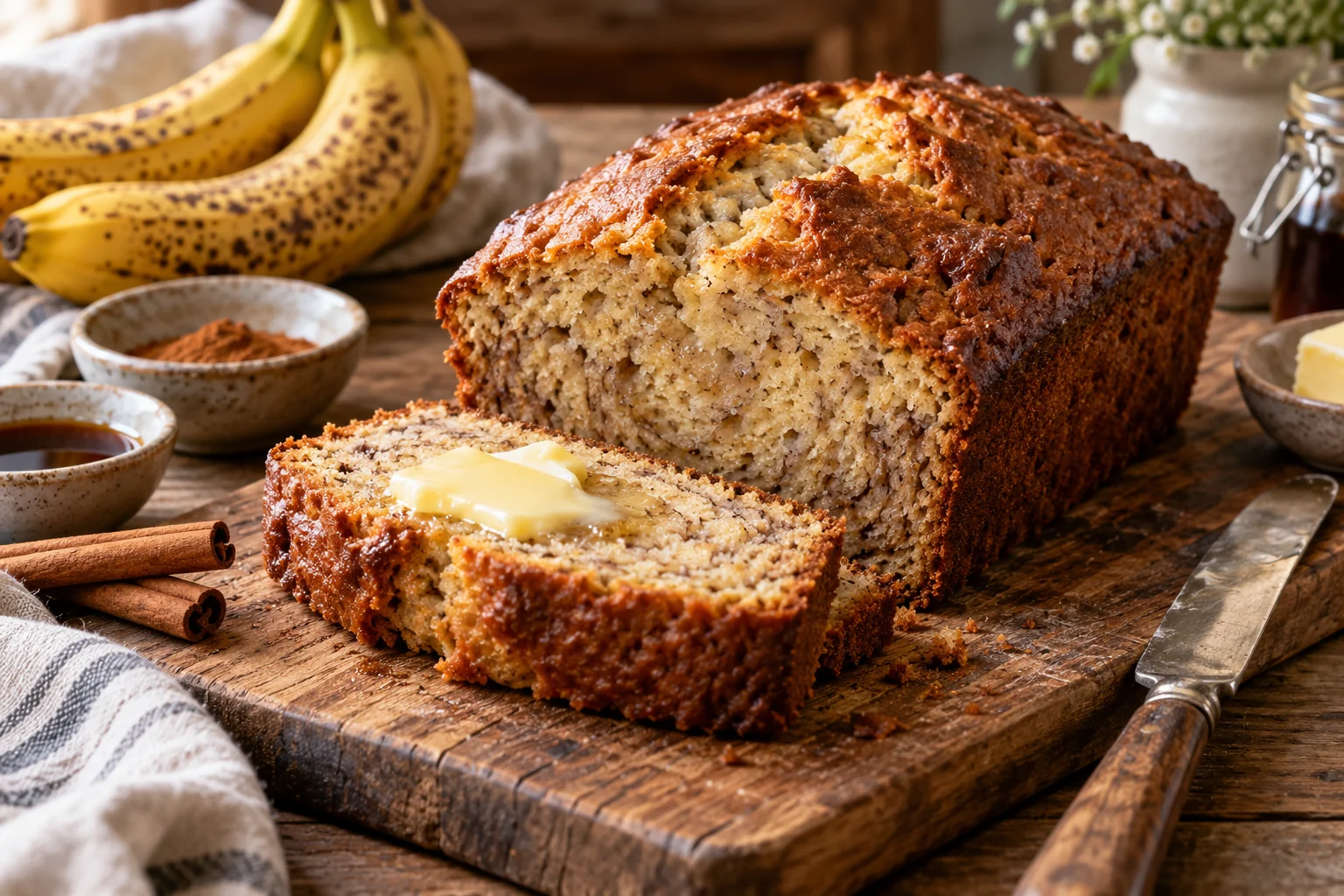
Brown sugar adds color, moisture-related properties and flavor to spice cakes, banana bread and muffins. White sugar may be used to preserve a lighter crumb and clean taste. In a cake, sugar also influences aeration, protein setting and moisture, so replacing one type may change rise. A frosting can alter perceived sweetness, but it doesn't correct an unbalanced batter.
For a loaf such as Classic Banana Bread, judge the effect of sugar after the crumb has fully cooled.
Streusel and crumb topping
Brown sugar is common in streusel because its molasses flavor complements cinnamon and butter. The way it clumps also depends on flour and fat. White sugar can create a different sandy or crisp quality. A recipe may combine both for texture. Don't assume a damp streusel is improved by simply adding more sugar; crumb size and fat temperature are important.

Can you make brown sugar at home?
Many bakers combine white sugar with a measured amount of molasses using a tested method to approximate conventional brown sugar. Exact quantity and texture matter, and strong blackstrap molasses may not mimic a standard light-brown product. A published substitution can be practical in a pinch, but consider the cookie's sensitivity to moisture and acidity.
What about honey or maple syrup?
Liquid sweeteners provide water and their own sugar compositions, so they are not direct equal-weight replacements for crystalline sugar in many baked goods. They can affect spread, leavening and browning. Use recipes developed for them rather than pouring syrup into a carefully balanced brown-and-white-sugar cookie formula.
Reducing sugar changes structure
Cutting sugar by a large amount can reduce tenderness, alter browning and change the spread or rise. If less sweetness is the goal, choose a tested reduced-sugar recipe or make small informed adjustments within a reliable source's guidance. Replacing the removed sugar with flour isn't an automatic fix. Sugar is doing more than sweetening the batter.
A simple cookie comparison
Make a trusted cookie recipe as written, then compare it with a published all-brown or all-white variation of similar style. Observe spread, edge crispness, center chew and flavor after fully cooling. Different published formulations may also use different leavening, so note those variables. A fair controlled experiment provides better evidence than changing five ingredients at once.
To compare two small doughs, keep the total sugar weight the same. Label their parchment, weigh equal portions and bake them on the same cooled sheet. Compare the edges after cooling, then taste a second cookie from each batch the next day.
IN PICTURES
From the baking notebook
FROM THE RECIPE BOX


