On this page
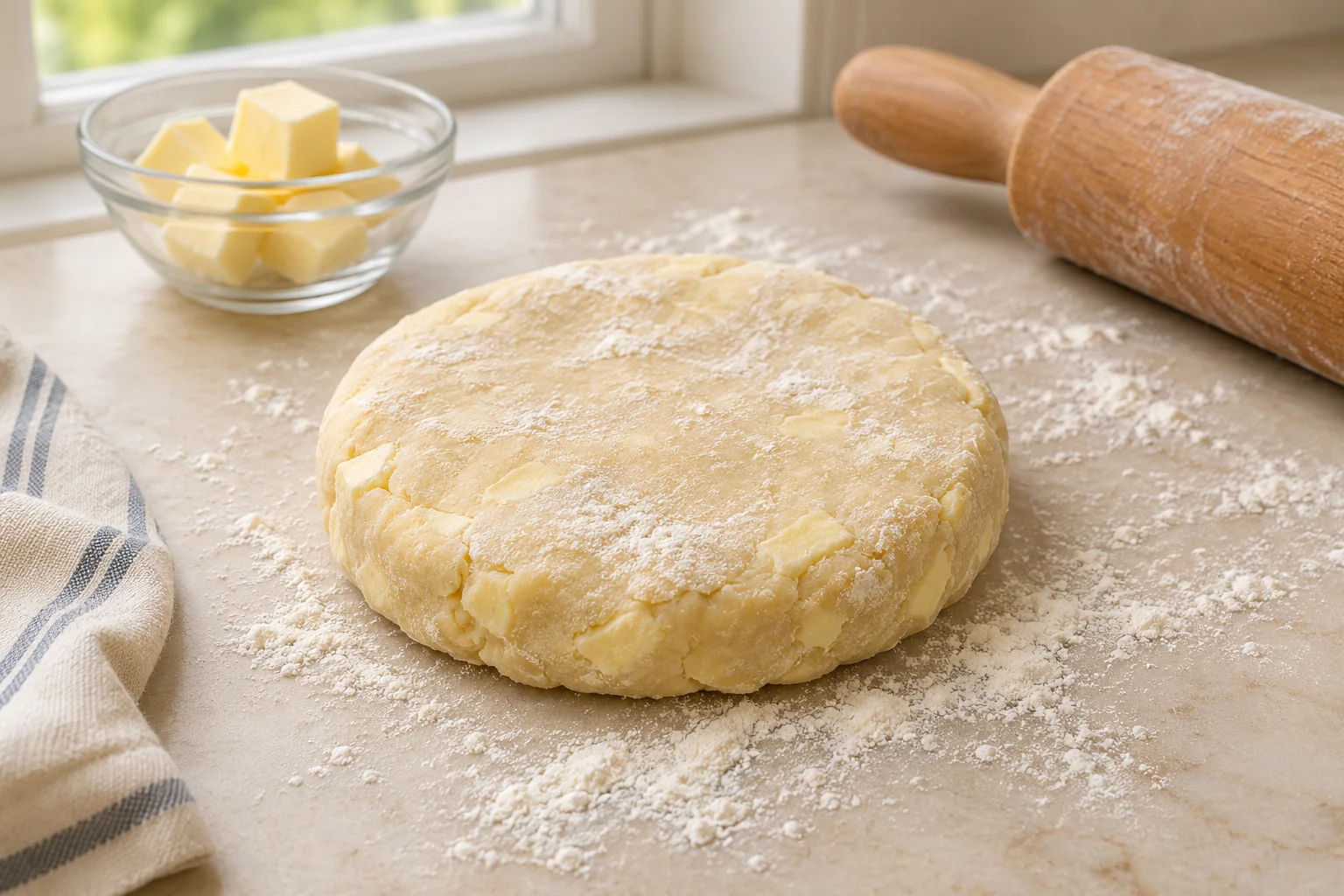
Pie dough often goes into the refrigerator just when it finally feels ready to roll. Tart shells rest again after lining the pan, and puff pastry may return to the fridge several times between folds. These aren't arbitrary delays. Chilling affects butter firmness, gluten relaxation and how well shaped dough holds its form in the oven. The correct rest can make pastry flakier and easier to work—but more chilling isn't always better when the dough becomes rock-hard or dries out.
Why chill pastry at all?
Refrigeration lowers the temperature of fats and gives hydrated flour proteins time to relax. In flaky dough, keeping butter as distinct pieces or layers supports the intended structure during baking. In tart dough, resting can reduce elastic resistance and shrinkage. The right duration depends on whether you're making pie crust, sweet tart dough or laminated pastry.
Butter firmness and flaky layers
Cold butter is less likely to smear completely into flour during handling. In a flaky pie crust, small pieces can flatten and create discontinuous layers as the dough is rolled. When baked, butter melts and its water contributes steam. If the dough becomes overly warm and the fat blends uniformly, the resulting texture may be less flaky.
Gluten relaxation
Mixing flour and water develops some gluten. Rolling stretches that network, and a freshly worked dough can resist the rolling pin or shrink back. A rest allows tension to relax. Chilling assists by making the dough manageable while the structure settles. It doesn't remove gluten; it changes how the dough handles.
Why pie crust is rested before rolling
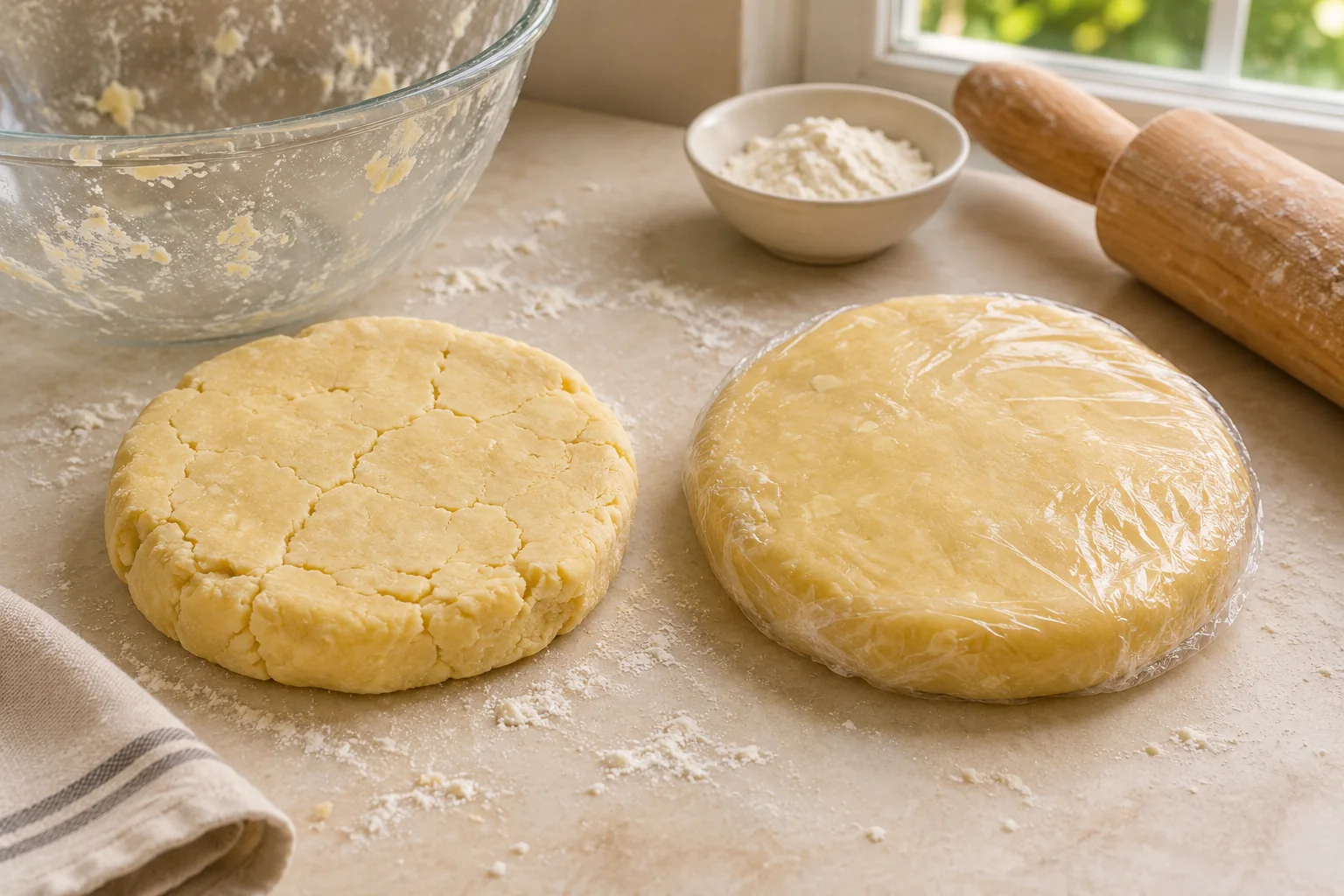
After mixing, many pie crust recipes call for a wrapped refrigerated rest. This helps flour hydrate and butter firm, making the dough easier to roll into an even circle. A dough that tears or shrinks excessively may need the recipe's rest period rather than more force or added water.
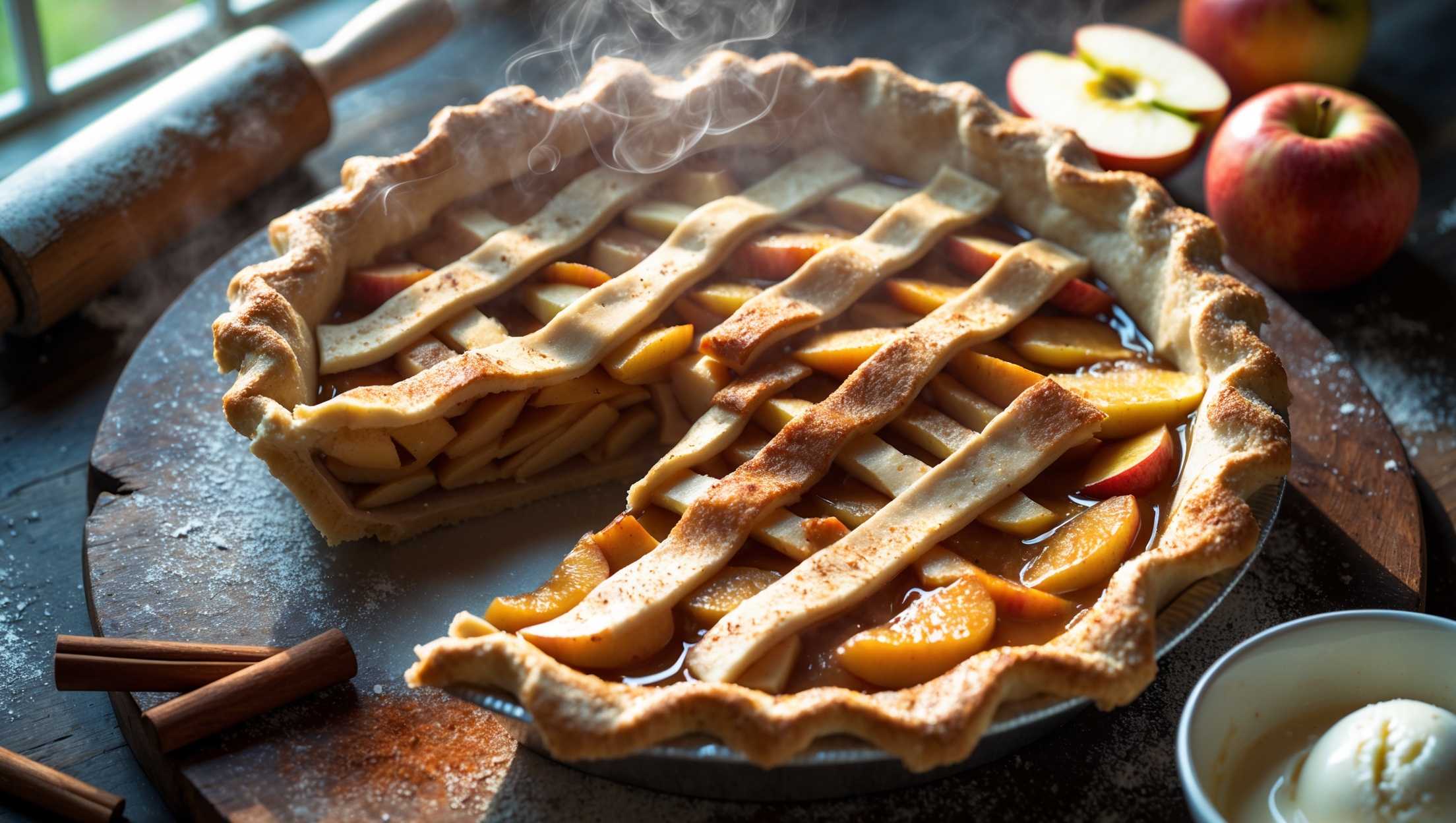
Recipe to try: Classic Apple Pie. Use the apple preparation, filling quantities and pastry method specified for this pie. A different fruit can require a different thickener balance.
Why tart shells are chilled after shaping
Once pastry is pressed or rolled into a tart pan, a second chill can help the fat firm and the shaped dough relax. This may reduce slump and shrinkage during blind baking. The pan size, dough formula and baking method still matter, so chilling alone won't correct a stretched, overworked shell.
How puff pastry uses refrigeration
Puff pastry depends on alternating thin layers of dough and butter. Chilled rests between folds maintain a workable butter consistency and relax dough tension. Butter that's too soft smears into the dough, while butter that's too cold may crack. Successful lamination requires compatible firmness, not merely a very cold thermometer reading.
What happens if dough is too warm?
Warm pastry can become sticky, greasy and difficult to roll cleanly. In a butter crust, softened fat may smear rather than remain separate. In puff pastry, layers can fuse or butter may leak. Follow the recipe's instruction to refrigerate or briefly cool the dough before continuing.
What happens if dough is too cold?
Very hard dough may crack along the edges or resist rolling. Puff pastry butter can fracture if it is much harder than the dough. Allow the formula's recommended short tempering period before rolling, while keeping the fat cool enough to remain structured.
How long should pastry chill?
There is no single correct period for every pastry. Some pie dough recipes prescribe at least thirty minutes or an hour, while laminated doughs use multiple scheduled rests. The dough thickness, fat type, room temperature and recipe all matter. Use the author's time and texture cues rather than assuming overnight refrigeration always improves pastry.
Why pie crust can shrink in the oven
Stretching dough to fit a pan, insufficient relaxation, too little support during blind baking or an unsuitable formula can contribute to shrinkage. Chilling may help, but don't force the pastry into corners under tension. Ease it into the pan and use the proper weights or support method when required.
Does resting hydrate flour?
Yes. Water continues dispersing through flour during rest, which can make a pastry more cohesive with less additional mixing. The process depends on flour type and dough composition. A properly hydrated dough is easier to roll without cracks, but excessive added water can make crust tough.
Sweet tart dough versus flaky pie dough
Pâte sucrée and pâte sablée often use different mixing methods and create a more cookie-like tender crust than a flaky American pie dough. Their chilling needs involve shape retention and manageable fat. Don't follow a flaky pie recipe's visible-butter rules automatically for a sweet dough that's meant to mix more uniformly.
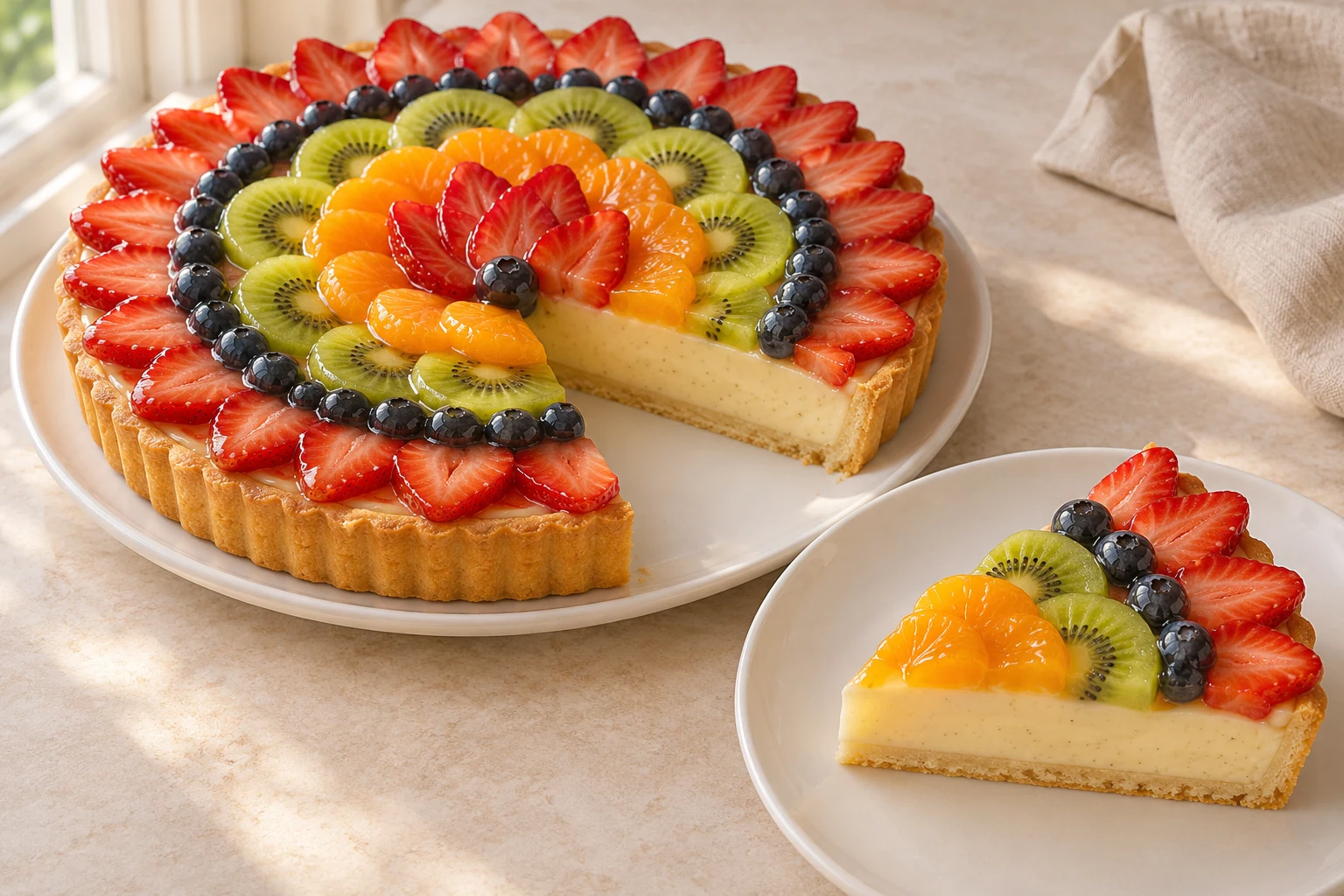
Recipe to try: Classic Fruit Tart. This tart combines a separate pastry shell and filling. Follow the recipe’s order for baking, cooling and assembly.
Shortcrust pastry and blind baking
Chilling a lined tart pan may help it hold its shape before blind baking. Use the recipe's parchment and pie weights or other approved support; chilling does not replace them if the method requires weighted baking. Docking may also be specified for certain shells, depending on whether filling is baked inside.
Can you freeze pastry dough instead?
Freezing is useful for certain prepared doughs and unbaked pie shells when a recipe supports it, but it isn't identical to a short refrigerator rest. A frozen dough may need a particular thawing or baking method. Avoid placing a deeply frozen glass or ceramic dish into a hot oven unless it is specifically rated and the manufacturer permits the temperature change.
How to wrap pastry properly
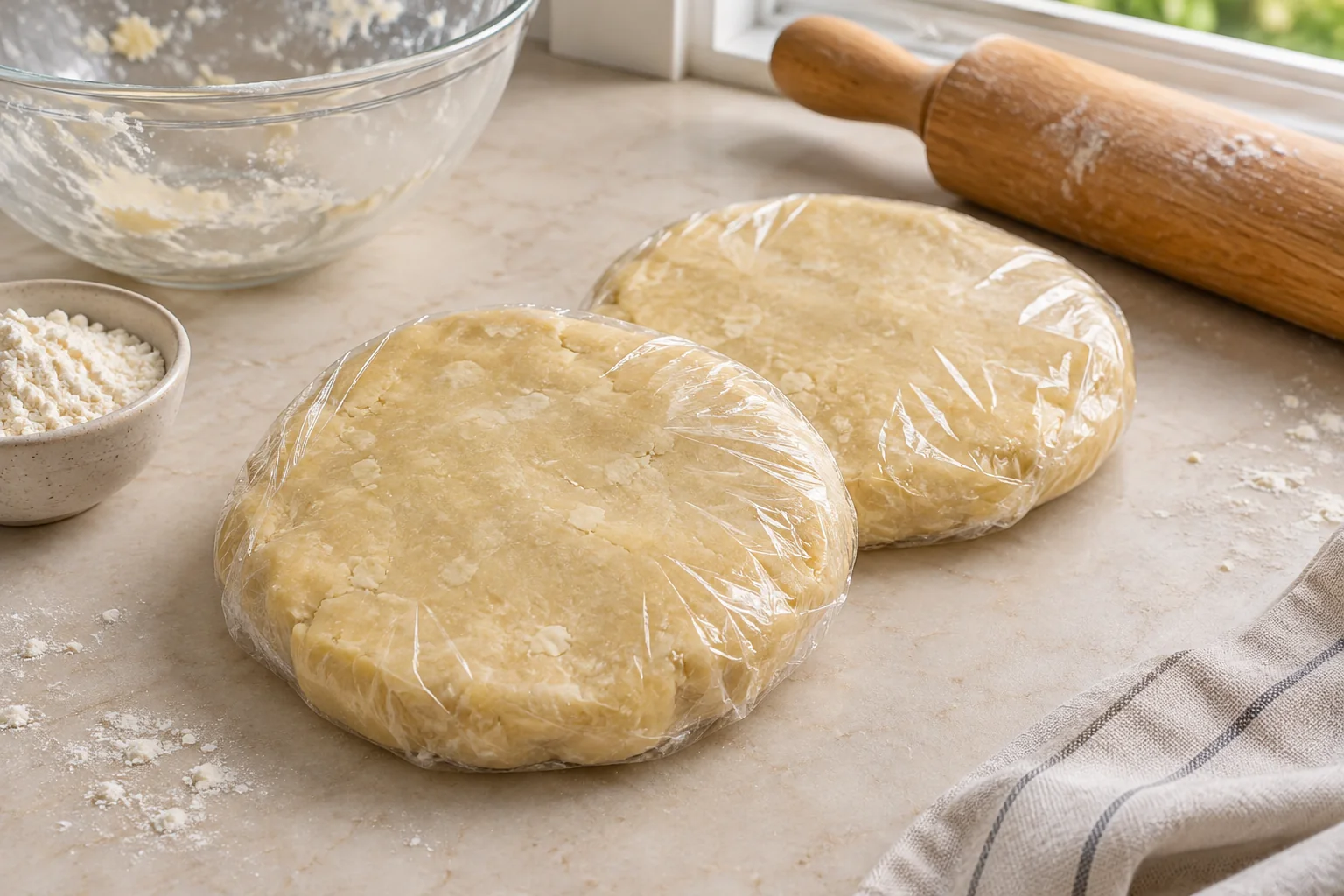
Cover dough well during chilling to prevent surface drying and unwanted refrigerator odours. Flattening a round disk before refrigerating can make later rolling easier. Label the preparation date for longer storage. Don't leave exposed dough next to raw meats or spills in the refrigerator.
What if the dough cracks when rolling?
It may be too cold, too dry or insufficiently rested. Let it soften slightly under the recipe's guidance, then use gentle rolling pressure. Adding large amounts of water after a completed dough is not usually the ideal fix and may create uneven gluten development.
What if the dough springs back?
Elastic resistance often indicates the dough needs relaxation or was worked too much. Stop forcing it into the pan and give it a covered rest as directed. Stretching the dough to reach the edges often leads to shrinkage during baking.
What if butter leaks while baking?
Overwarm or improperly laminated dough, inadequate chilling or poor layer structure can contribute. Review butter consistency, fold method and proofing or baking schedule. More chilling won't compensate for a broken fat layer created earlier in the process.
Food safety while resting
Pastry made with butter, eggs, cream or other perishables should be stored according to the recipe and kept appropriately refrigerated. Don't leave a perishable dough out overnight to relax gluten. A covered refrigerator rest is different from an uncontrolled room-temperature hold.
A practical pie-crust workflow
Mix using the formula, gather into a disk, wrap and chill for the stated time. Roll on a lightly floured surface, transfer without stretching, fit the pan and refrigerate again if directed. Blind bake or fill according to the complete recipe. These rests protect texture and make the pastry easier to control.
A practical puff-pastry workflow
Work with butter and dough at compatible firmness, roll and fold according to the recipe, then refrigerate between turns when instructed. Keep the work surface cool, brush away excess flour before folds and avoid tearing the dough. Proper layer development matters more than rushing to finish all folds at once.
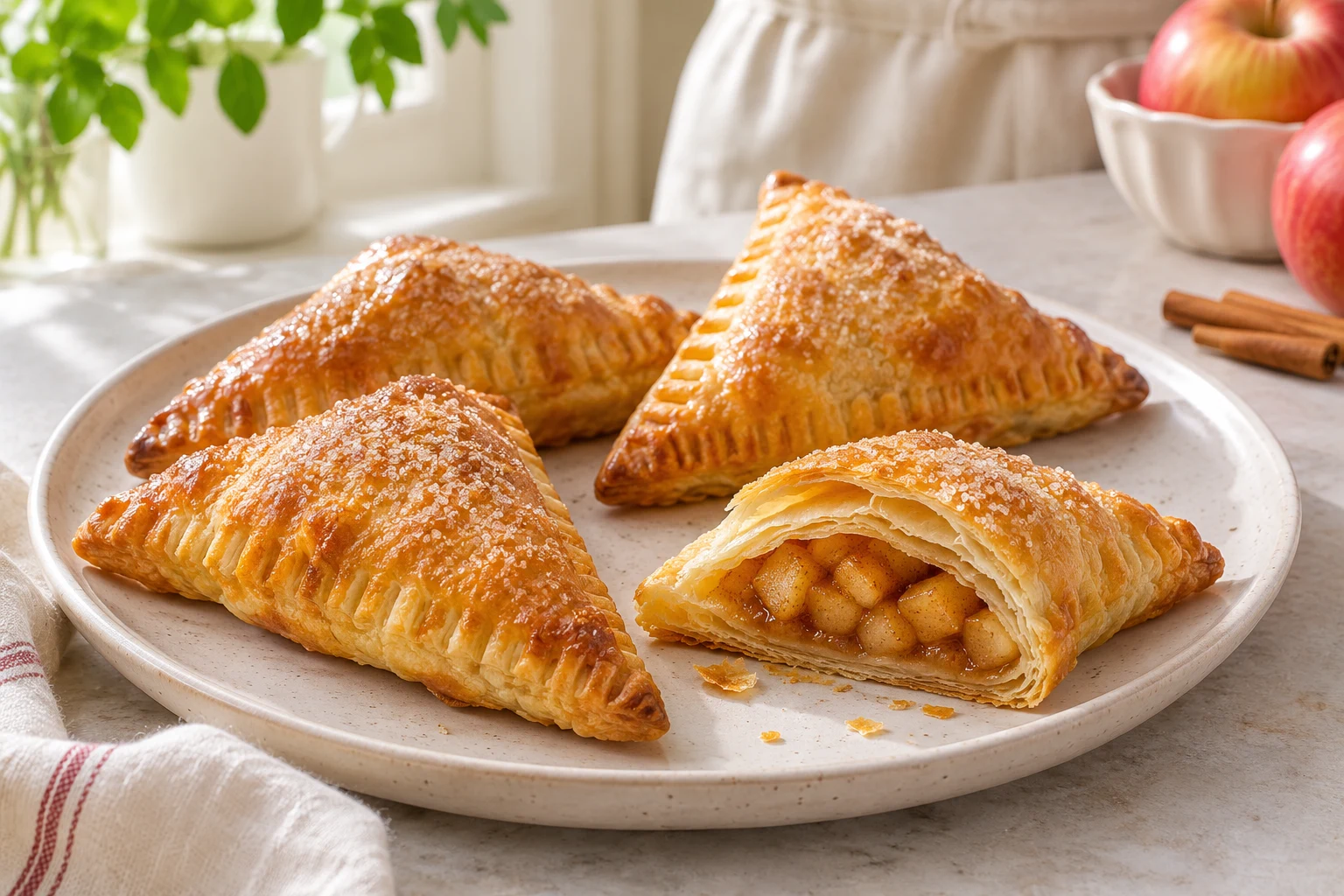
Recipe to try: Apple Turnovers. These turnovers use ready-made puff pastry. Keep their assembly and baking directions distinct from a shortcrust pie.
Frequently asked questions
Do you always need to chill pie dough? Many flaky butter recipes do; follow the particular formula. Does chilling prevent all shrinkage? No. Can pastry be too cold? Yes, if it cracks while rolling. Does freezing replace chilling? Not automatically. Can I leave tart dough overnight in the fridge? Some recipes allow it with suitable wrapping.
Resting is part of the recipe
Chilling gives pastry time to relax and keeps its fat in the condition the baking method needs. Read the specified rest as seriously as you would the oven temperature. With controlled refrigeration and gentle handling, pie crusts roll more smoothly, tart shells keep their shape and laminated pastry develops the flaky layers you want.
IN PICTURES
From the baking notebook
FROM THE RECIPE BOX


