On this page
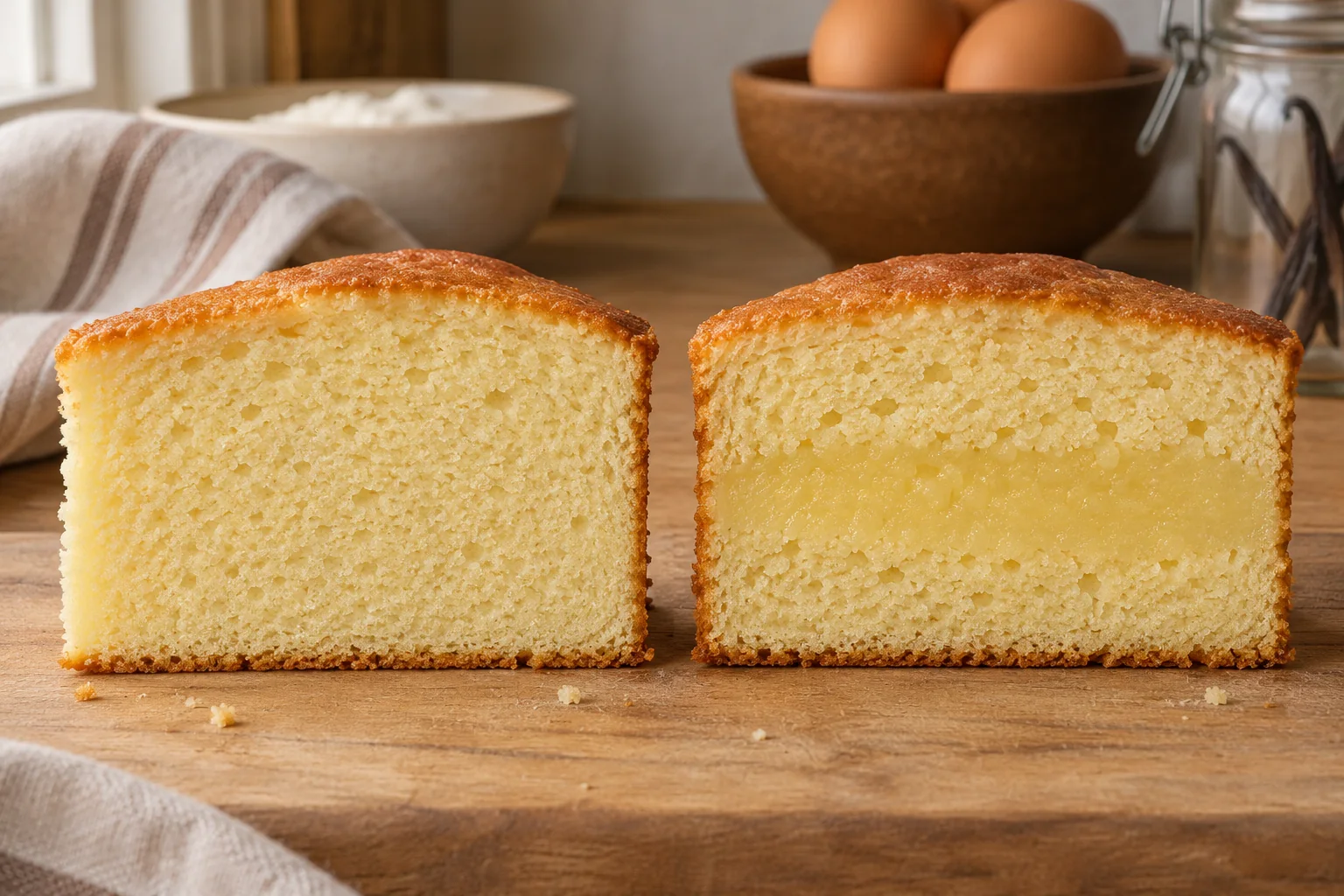
You cut into a beautifully browned cake and discover a dense, damp stripe through the middle. Perhaps the crumb feels sticky and gummy, or the centre looks almost like raw batter. A moist cake is wonderful, but a wet or gummy centre can mean the recipe, mixing or baking process hasn't worked as intended.
The first step is to distinguish the kind of problem you're seeing. A properly baked fudgy chocolate cake may be naturally dense. A cake with raw floury batter in the middle is a different issue, and a rubbery stripe in an otherwise baked cake may have yet another cause.
What Does a Gummy Cake Look Like?
Gumminess can appear as a dense, slightly translucent or sticky line near the bottom, a rubbery centre that clings to the knife, or heavy patches where the batter never developed an even crumb. Sometimes the outside is fully baked while the middle remains wet.
Look at the pattern before changing anything. If every slice has a wet centre, focus first on doneness and pan depth. If only some patches are sticky, consider unmixed ingredients, fruit pockets or uneven batter distribution.
1. The Cake Is Underbaked
The most direct reason for a wet centre is insufficient baking. The surface may brown before the interior has reached the structure required by the recipe. Removing the cake because its edges look finished may leave the centre unset.
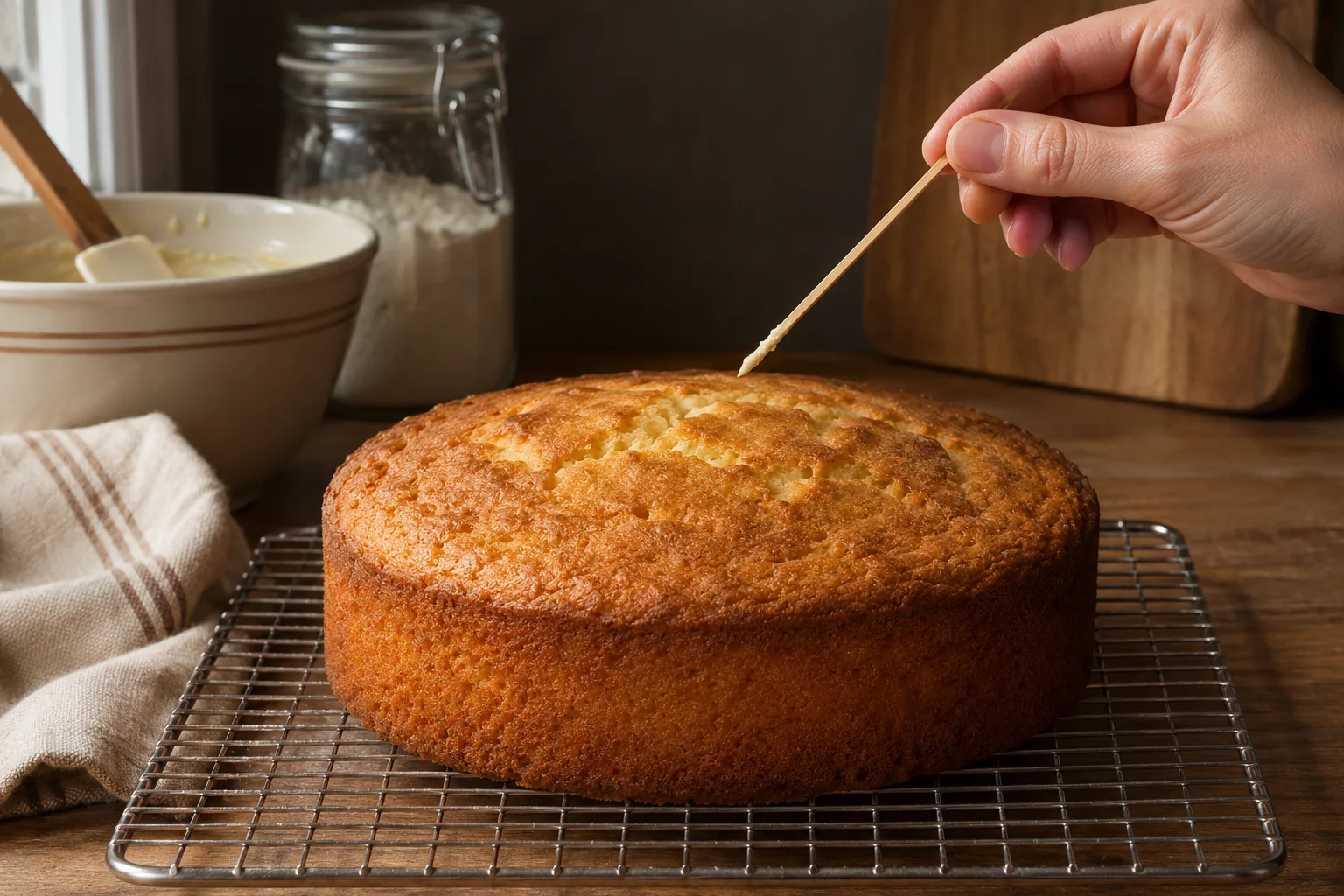
Use the recipe's doneness cues: a skewer or tester, gentle springiness, whether the sides pull away, or a validated internal temperature where provided. A chocolate chip or fruit piece can create a misleading mark on the tester, so check a representative piece of the actual crumb.
Compare your test with the cues in Classic Vanilla Layer Cake. If the skewer carries wet batter, keep baking and check again before cooling and cutting the layers.
2. The Oven Runs Too Hot
An oven hotter than its display suggests may brown and set the outer cake too quickly, leaving the centre behind. If this happens repeatedly, check the oven with a separate thermometer and confirm the baking rack is correctly positioned.
Don't simply lower the oven by a large arbitrary amount. Compare its true temperature with the recipe's requirements, then adjust the appliance or technique systematically.
3. The Pan Is Too Deep
Cake batter baked in a deeper-than-specified pan takes longer for heat to reach the centre. A recipe designed for two shallow layers may fail when all the batter is poured into one tall pan at the original bake time.
Use the pan dimensions listed in the recipe. If you need a tall cake, use a recipe developed for that height or bake individual layers and assemble afterward.
4. The Pan Material Is Different
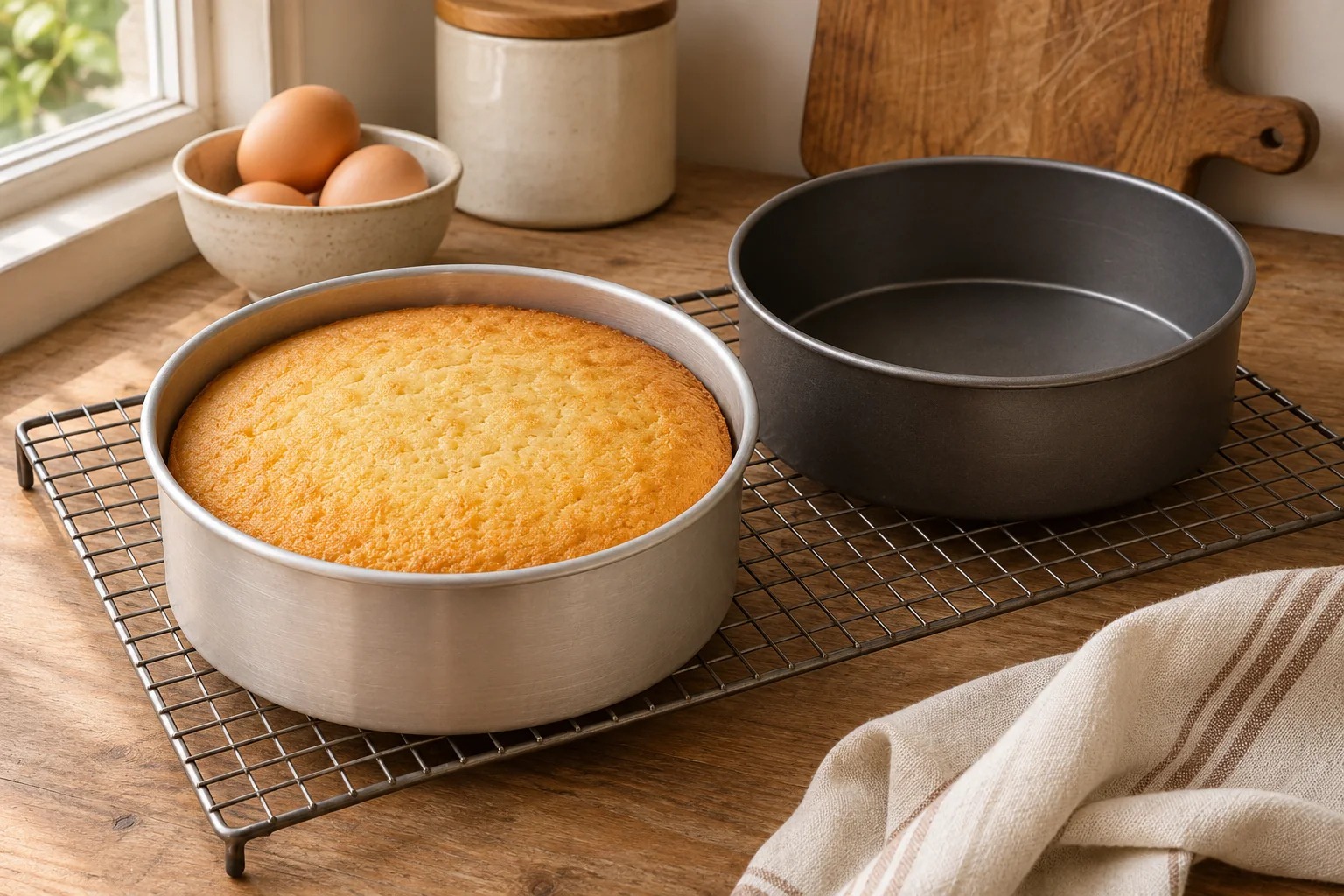
Metal, glass and ceramic conduct and retain heat differently. Using a glass dish for a cake tested in a light metal pan may change how the outside browns compared with the centre.
Follow the developer's pan recommendation. If a substitution is necessary, look for tested temperature and time adjustments rather than assuming the same settings will produce identical results.
Use the same pan material as your last successful bake when you troubleshoot. If you change it, record the change and watch for earlier browning before deciding whether the centre is ready.
5. There's Too Much Liquid
An accidental extra splash of milk, brewed coffee or juice changes batter hydration. Too much wet fruit, pumpkin purée or mashed banana can also leave dense damp areas, particularly if the original formula wasn't designed for those ingredients.
Measure liquids accurately and use a scale where provided. Don't assume additional fruit always makes a cake better; it can upset the structure needed to hold moisture evenly.
6. The Flour Was Measured Incorrectly
Too little flour can leave the batter without enough starch and protein to form the intended crumb. Too much flour can make the cake dense and dry, creating a different problem. Cup measurements vary with how flour is scooped and packed.
Weigh ingredients in grams when the recipe offers weights. If measuring by cups, follow its stated spoon-and-level or other method. Avoid compacting flour in the cup.
7. The Batter Was Overmixed
For some cake formulas, vigorous extended mixing after adding flour can develop excess gluten and produce a tough or rubbery texture. The precise effect depends on the type of cake and its mixing method.
Follow the recipe rather than a universal instruction to mix only three times. A reverse-creamed cake or sponge may deliberately call for a different sequence from a simple muffin-method cake.
8. The Ingredients Weren't Properly Combined
Unmixed pockets of flour, butter, cocoa or other ingredients can create streaks or dense areas. Creaming butter that is too cold may leave little fat lumps, while undermixing dry ingredients can produce visible floury sections.
Scrape the bowl as the recipe directs and ensure ingredients are incorporated at the correct stage. Mixing more isn't always better, but incomplete mixing can be just as problematic.
9. Sugar or Fat Was Changed
Sugar retains moisture and participates in the structure of many cakes, while butter and oil influence tenderness and crumb. Reducing sugar significantly or swapping melted butter for softened butter can change how the batter aerates and sets.
If you want a lower-sugar, oil-based or dairy-free cake, use a recipe formulated for it instead of making an untested substitution and then troubleshooting the result.
10. Leavening Was Wrong
Too much baking powder or baking soda can create a rapid rise followed by collapse, sometimes leaving a compressed, dense stripe. Too little may result in a heavy cake. Some recipes rely on eggs rather than chemical leaveners for lift.
Measure leaveners carefully and do not treat baking powder and baking soda as interchangeable. An expired or poorly stored product may also be less effective.
11. The Cake Was Sliced Too Early
Some rich cakes need a substantial cooling period before the crumb becomes easy to slice. Cutting while very hot can create a sticky or crumbling interior and make a properly baked cake appear wetter than it will after cooling.
Follow the cooling directions. However, cooling won't transform genuinely raw batter into properly cooked cake. If the centre remains clearly underbaked, it should not be served as though it were a fudgy texture.
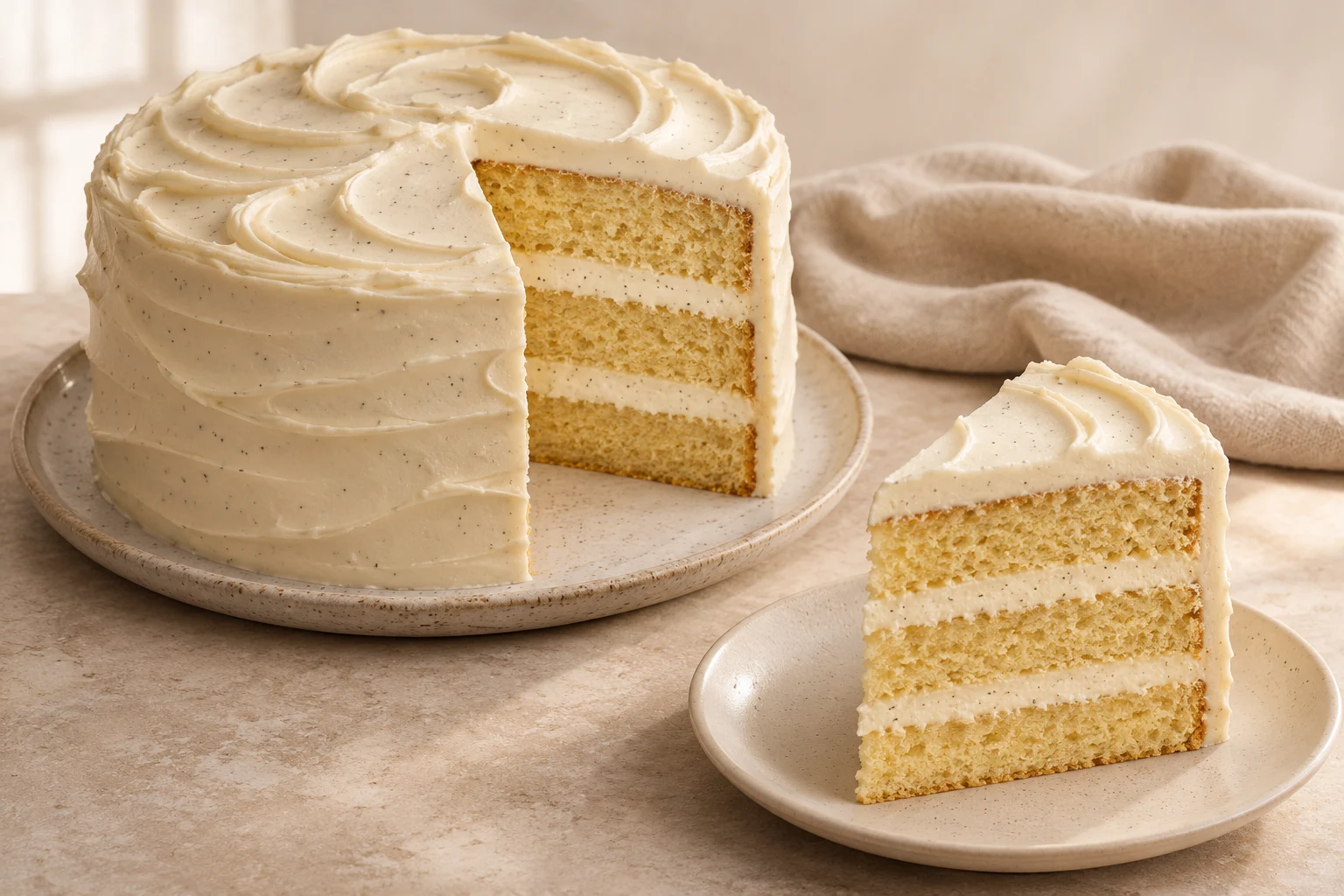
Cool a cake such as Vanilla Bean Layer Cake as directed and check its centre after it cools. A complete cool-down makes it easier to see a dense band in the crumb.
12. Wet Fillings or Fruit Are Concentrated
Large fruit pieces, jam swirls, chocolate ganache pockets or custard ribbons can make a cake appear gummy in particular places. Some of those sections may be intentional, but an uncontrolled addition can create a soggy centre or prevent even baking.
Use tested swirl or filled-cake formulas and avoid doubling fruit or filling quantities without adjusting the recipe. A moist banana pocket is different from a broad strip of uncooked batter.
Can You Put the Cake Back in the Oven?
If you identify underbaking while the cake is still hot and recently removed, further baking may be possible according to the recipe's guidance. A cooled, fully collapsed cake often won't recover a light, even crumb simply by reheating.
Do not serve cake with raw batter in the centre. Raw flour and uncooked egg-containing mixtures can present food-safety risks, so a visibly underbaked cake isn't just an appearance problem.
Why Is My Cake Gummy at the Bottom?
A dense bottom stripe can come from ingredient separation, incomplete emulsification, excessive moisture, undermixing in some methods, or the collapse of the cake's structure. There isn't a single cause that applies to every batter.
Check whether you used the intended ingredient temperatures, creaming or reverse-creaming stages, pan and oven temperature. Compare the result with a successful photograph of the specific recipe rather than an unrelated cake type.
Why Is My Chocolate Cake Especially Sticky?
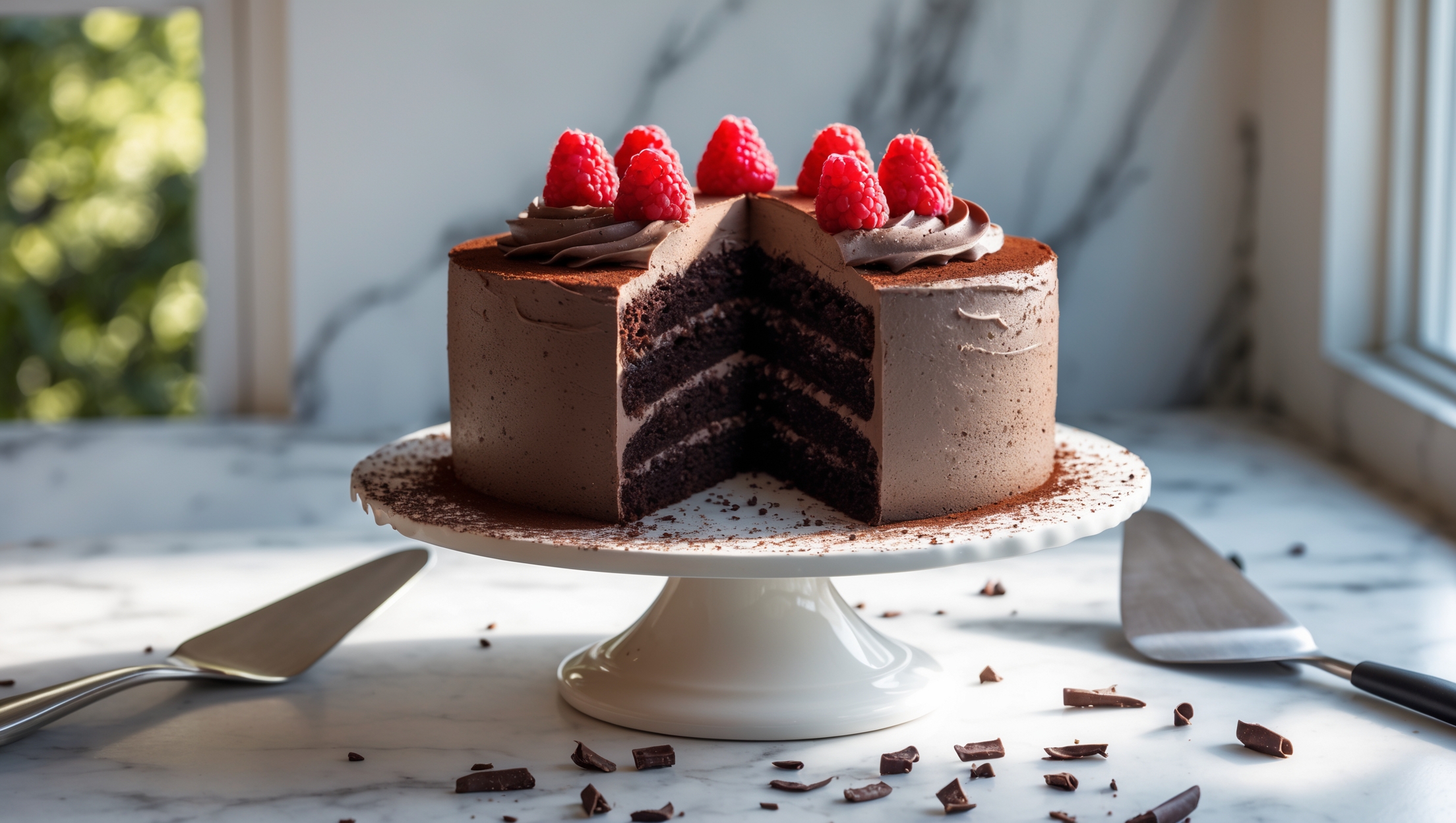
Chocolate cakes may contain cocoa powder, melted chocolate, sugar and relatively high liquid quantities, creating a naturally moist crumb. But sticky raw batter is not the same as a fully baked dense chocolate cake.
Use the specific chocolate-cake recipe's doneness instructions and allow it to cool properly. Don't judge solely by a plain vanilla cake's lighter crumb appearance.
The batter for Chocolate Layer Cake is deliberately thin before baking. Use its own centre and crumb checks instead of thickening the batter just because it looks more fluid than a vanilla cake batter.
Why Does a Banana Cake Seem Wet?
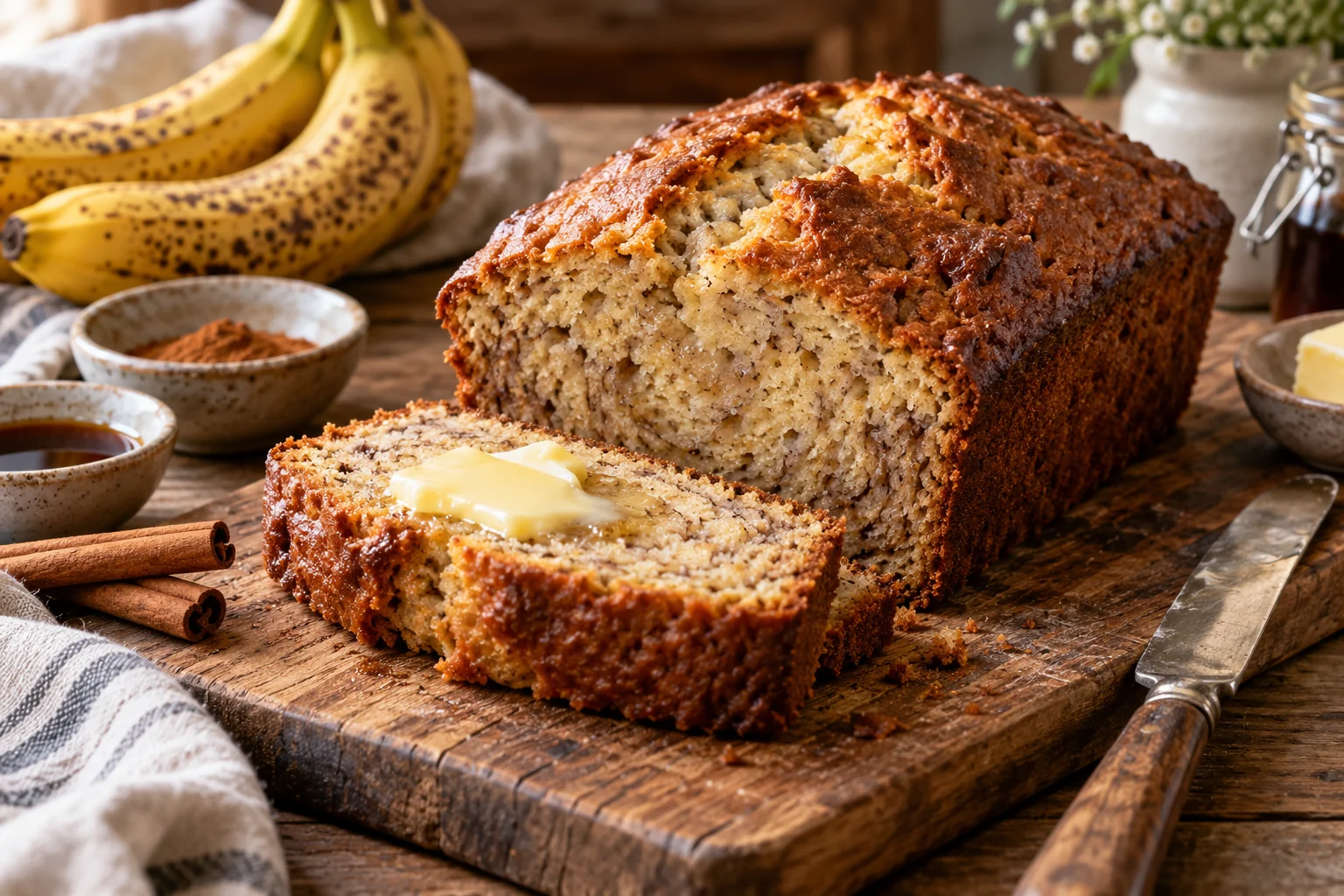
Bananas contain water and sugars, and extra mashed banana can make a loaf gummy even when the top looks browned. Large chunks can also give the tester a false impression of wet batter.
Weigh banana according to the recipe and check doneness in the crumb. Choose a recipe designed for the amount of fruit you want instead of increasing it casually.
For a separate fruit-batter example, see Classic Banana Bread. Measure the banana as the recipe directs and judge the centre after the loaf has cooled.
A Practical Troubleshooting Checklist
Begin with the simplest checks: Was the cake fully baked? Was the pan the correct size? Was the oven fully preheated and accurate? Were flour and liquids weighed? Did you add extra fruit or filling? Was the batter mixed exactly as directed?
Record the answer and change one variable in the next batch. If you adjust flour, fat, sugar, temperature and time simultaneously, it will be difficult to know what fixed the problem.
How to Prevent a Gummy Centre Next Time
Choose a reliable recipe, read it fully before starting and gather the correct pan. Weigh ingredients when possible, follow the specified mixing method and bake at the verified oven temperature. Check doneness using the recipe's cues near the end of baking, and allow proper cooling.
For a larger cake, resist doubling batter depth without a tested conversion. Two correctly baked shallow layers are often more reliable than one extremely deep cake.
Frequently Asked Questions
Why is my cake wet in the middle but browned on top?
The oven may be too hot, the pan too deep, or the cake simply underbaked. Compare the pan and oven with the recipe and check the centre.
Does a gummy cake mean I used too much flour?
Not necessarily. Excess flour commonly makes cakes dense or dry, while too little flour, excess liquid, underbaking and mixing problems can create gummy textures.
Can I fix a cake after it has cooled?
A fully cooled cake with a raw centre is difficult to correct reliably. Don't serve uncooked batter; start with a correctly baked batch for a special occasion.
Why is the bottom rubbery but the top fluffy?
Possible causes include poor ingredient incorporation, separation or uneven baking. Inspect the recipe's mixing and pan instructions.
Will extra baking powder help a dense cake?
Not necessarily. Excess leavening can make a cake rise too fast and collapse. Use the recipe's measured amount.
Moist and Gummy Aren't the Same
A good cake can be tender, dense or intensely fudgy without being underbaked. The goal is a crumb that has set as intended. Watch the centre, measure carefully and respect the recipe's pan and mixing method; those small habits prevent most disappointing wet stripes.
IN PICTURES
From the baking notebook
FROM THE RECIPE BOX


