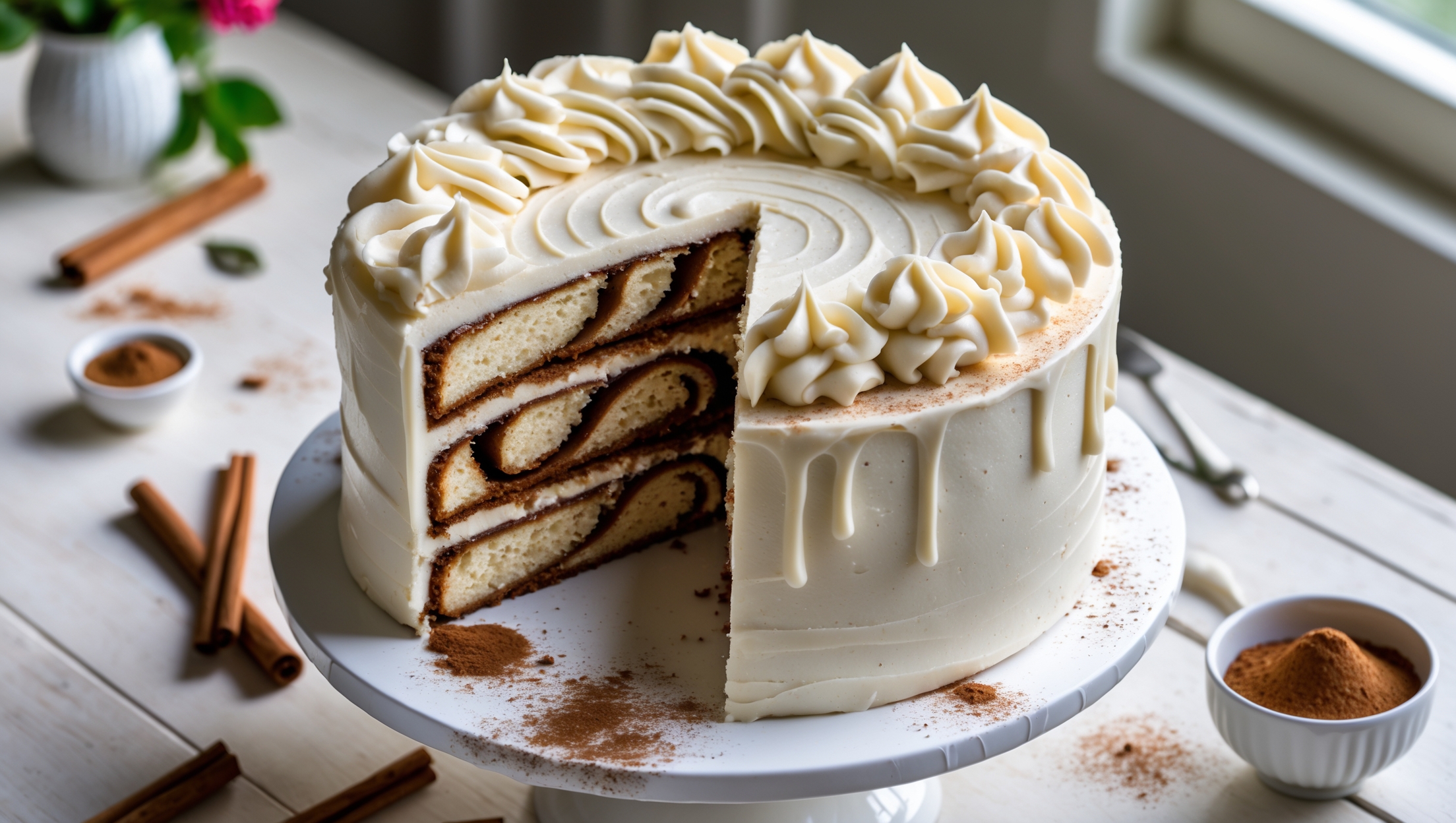
Directions
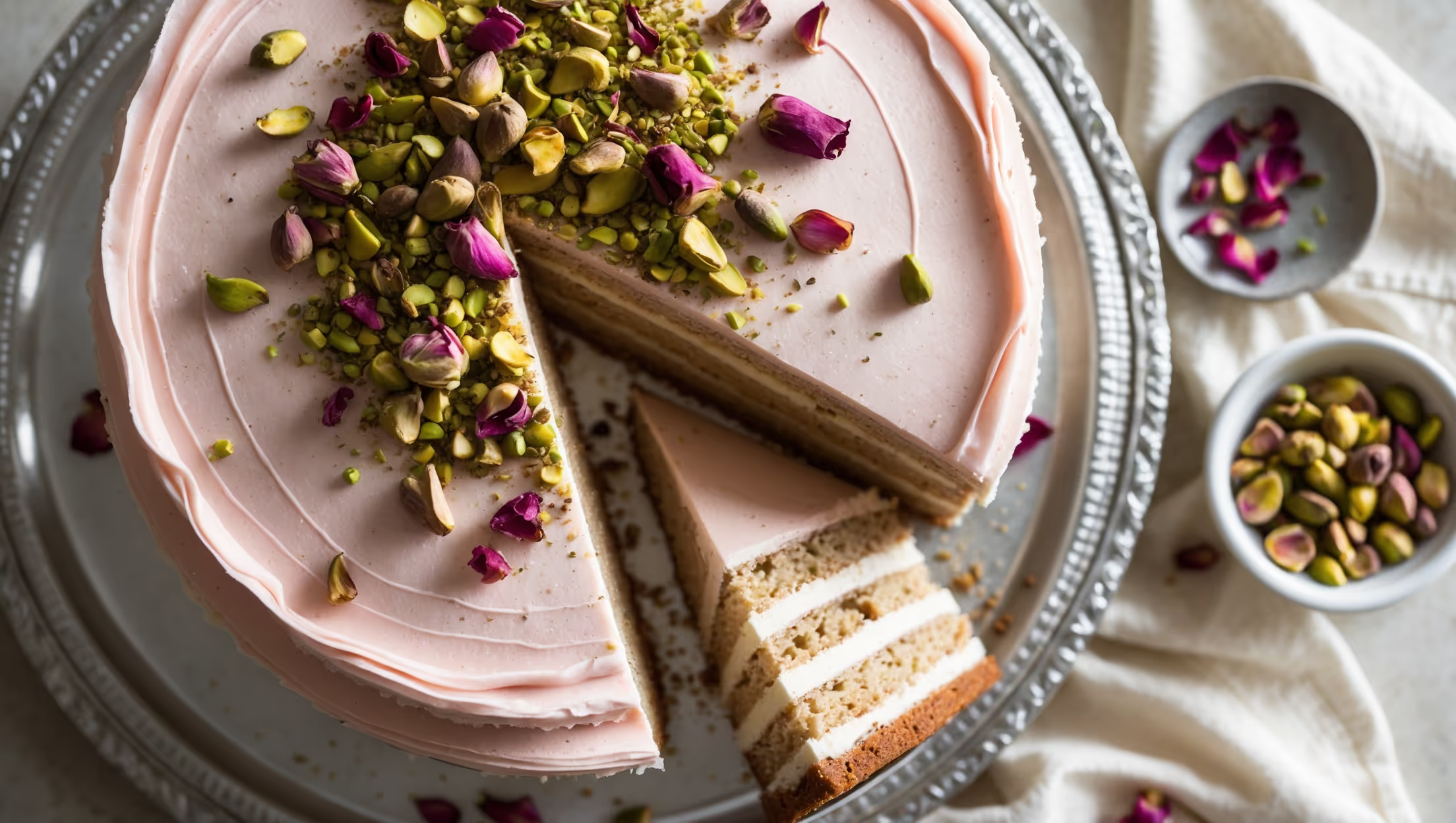
<ol class="no-list-style"><li class="MethodStepper"><h4 class="step-title">Step 1</h4>Preheat your oven to 175°C (350°F). Grease three 20cm (8-inch) round cake pans, line bottoms with parchment paper circles, then grease the parchment and dust lightly with flour, tapping out any excess.</li><li class="MethodStepper"><h4 class="step-title">Step 2</h4>In a medium bowl, whisk together the cake flour, baking powder, baking soda, and salt. This pre-mixing ensures even distribution of leavening agents, which will help your cake rise uniformly.</li><li class="MethodStepper"><h4 class="step-title">Step 3</h4>In the bowl of your stand mixer fitted with the paddle attachment, beat the softened butter on medium speed until creamy, about 1 minute. Gradually add the sugar and continue beating on medium-high speed until light and fluffy, about 4-5 minutes. This extended creaming creates tiny air pockets that give your cake its tender texture.</li><li class="MethodStepper"><h4 class="step-title">Step 4</h4>Add the vanilla bean seeds and vanilla extract to the butter mixture, mixing until well incorporated. The combination of vanilla beans and extract provides a depth of flavor that's unmatched by extract alone.</li><li class="MethodStepper"><h4 class="step-title">Step 5</h4>Add eggs and egg yolks one at a time, beating well after each addition and scraping down the sides of the bowl as needed. The extra yolks add richness and contribute to the cake's velvety crumb.</li><li class="MethodStepper"><h4 class="step-title">Step 6</h4>With the mixer on low speed, add the flour mixture in three additions, alternating with the buttermilk in two additions, beginning and ending with the flour mixture. Mix just until combined after each addition – overmixing at this stage can develop too much gluten, resulting in a tough cake.</li><li class="MethodStepper"><h4 class="step-title">Step 7</h4>Divide the batter evenly between the prepared pans, using a digital scale if available to ensure equal layers. Smooth the tops with an offset spatula. Tap the pans gently on the counter to release any large air bubbles.</li><li class="MethodStepper"><h4 class="step-title">Step 8</h4>Bake for 25-30 minutes, or until a toothpick inserted into the centers comes out clean or with a few moist crumbs. The cakes should spring back lightly when touched and start to pull away from the sides of the pans.</li><li class="MethodStepper"><h4 class="step-title">Step 9</h4>Allow cakes to cool in pans for 10 minutes, then run a thin knife around the edges and invert onto wire racks. Carefully peel off parchment paper and allow to cool completely before frosting. If you're in a hurry, you can place the layers in the refrigerator, but be sure to wrap them to prevent drying.</li><li class="MethodStepper"><h4 class="step-title">Step 10</h4>For the buttercream, beat the softened butter in a stand mixer fitted with the paddle attachment on medium-high speed until very pale and creamy, about 5 minutes. The extended beating incorporates air and creates a silky texture.</li><li class="MethodStepper"><h4 class="step-title">Step 11</h4>Add the scraped vanilla bean seeds and vanilla extract to the butter, beating until well incorporated.</li><li class="MethodStepper"><h4 class="step-title">Step 12</h4>With the mixer on low speed, gradually add the sifted powdered sugar, about 120g at a time, beating well after each addition. Once all sugar is incorporated, add salt and 3 tablespoons of heavy cream. Increase speed to medium-high and beat for 2-3 minutes until light and fluffy. If frosting is too thick, add the remaining tablespoon of cream.</li><li class="MethodStepper"><h4 class="step-title">Step 13</h4>To assemble the cake, place one cake layer on a serving plate or cake board. If the layers have domed, use a serrated knife to level them first. Spread about 180g of buttercream evenly over the layer. Top with second cake layer and repeat. Place the final layer on top, bottom side up for a flat surface.</li><li class="MethodStepper"><h4 class="step-title">Step 14</h4>Apply a thin layer of frosting all over the cake to lock in crumbs (this is called a crumb coat), then refrigerate for 20 minutes to set this initial layer. This step ensures your final frosting layer will be beautifully smooth and crumb-free.</li><li class="MethodStepper"><h4 class="step-title">Step 15</h4>Apply the remaining frosting, creating a smooth finish or decorative swirls as desired. For the smoothest finish, warm your offset spatula in hot water, dry it quickly, then glide it over the frosting. The gentle heat helps to polish the surface.</li><li class="MethodStepper"><h4 class="step-title">Step 16</h4>Allow the finished cake to sit at room temperature for at least 30 minutes before serving to allow flavors to meld and for the best texture. The cake can be stored at room temperature in a cake dome for up to 2 days, or refrigerated for up to 5 days (bring to room temperature before serving).</li></ol>