
On this page
Cut two cooled muffins vertically through their centres. Long channels that run upward through plain crumb tell you more about the batter than a single round hole beside a blueberry.
What are muffin tunnels?
Tunnels are elongated channels or holes inside a baked muffin. They often run vertically and may have relatively smooth walls. They're different from the random small air cells that make an ordinary muffin light. A few larger holes aren't automatically a failure, but numerous long channels alongside a rubbery crumb suggest that the batter was mixed or leavened in a way the recipe did not intend.
Why tunnels form
During baking, chemical leavening releases gas and moisture creates steam. The batter's proteins and starches must set around those expanding bubbles. If the mixture develops an unusually strong gluten network or an unbalanced amount of gas, bubbles can move and form larger paths instead of many evenly dispersed small cells.
Overmixing is the classic cause
Traditional muffin batters are generally stirred briefly after the wet and dry ingredients are combined. Prolonged vigorous mixing encourages gluten development in wheat flour, which may produce a tough, elastic structure and elongated tunnels. The classic advice to leave a few small lumps is meant to prevent excessive mixing—not to leave big dry flour pockets.
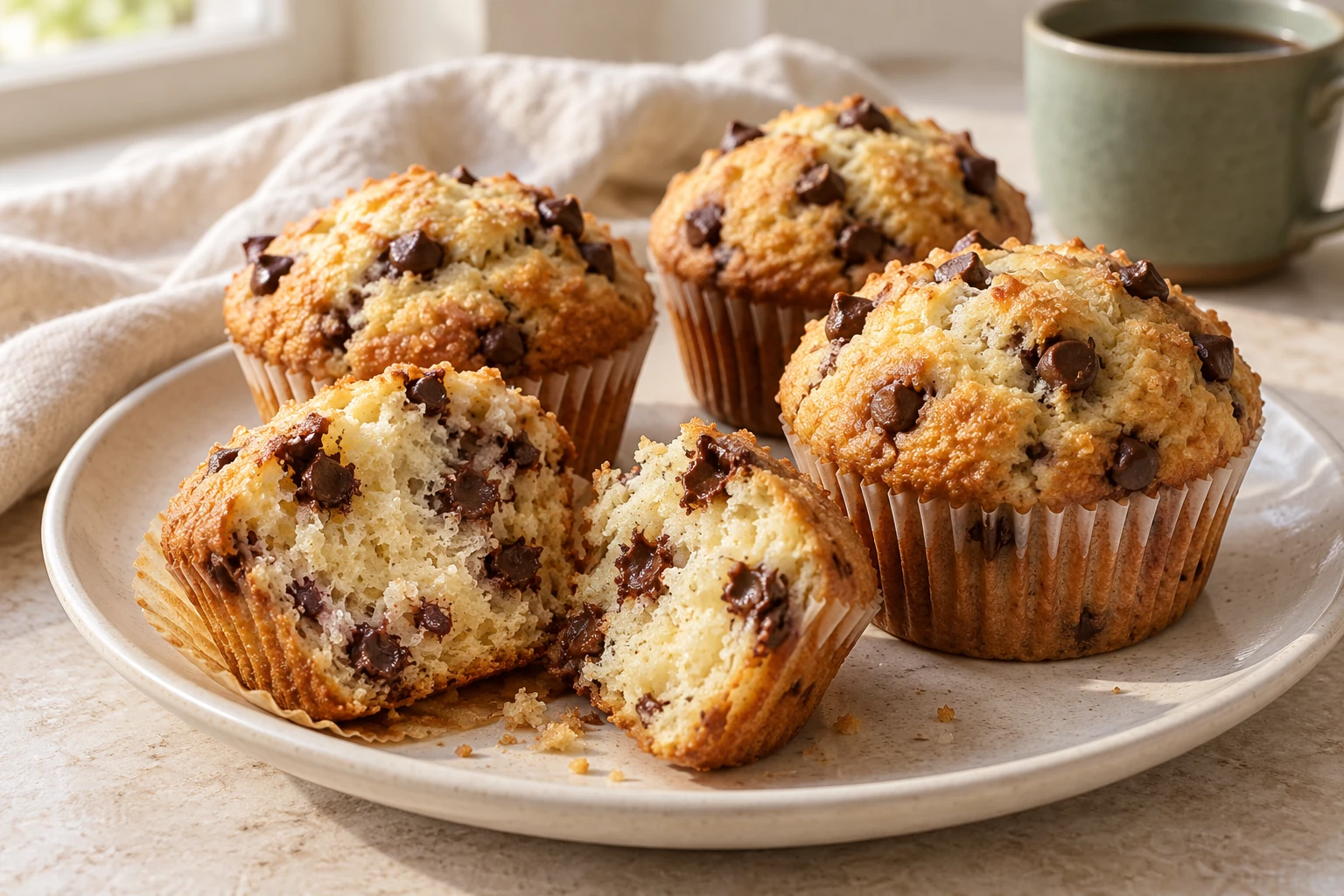
When mixing Chocolate Chip Muffins, stop to scrape the bottom before adding more strokes.
Why the same mixing time doesn't fit every recipe
A recipe using the muffin method behaves differently from a cake-style recipe that creams butter and sugar or uses a reverse-creaming technique. You shouldn't automatically limit every formula to ten stirs. The right mixing duration is the one needed to achieve the texture specified by the particular recipe.
How to recognize just-combined batter
For many everyday muffins, the mixture should be fairly cohesive with no large dry flour pockets, even if it has a few small lumps. Use a spatula to scrape the bottom of the bowl; hidden flour can remain there if you only stir around the surface. Stop once the ingredients are distributed rather than beating until the batter looks like a smooth cake frosting.
1. An electric mixer was used too aggressively
A stand or hand mixer can quickly work a thick muffin batter beyond the recipe's intended stage. Some formulas permit a mixer, but many don't need one once the flour is added. A broad spatula or spoon gives more control and makes it easier to stop as soon as the batter is combined.
2. Too much baking powder
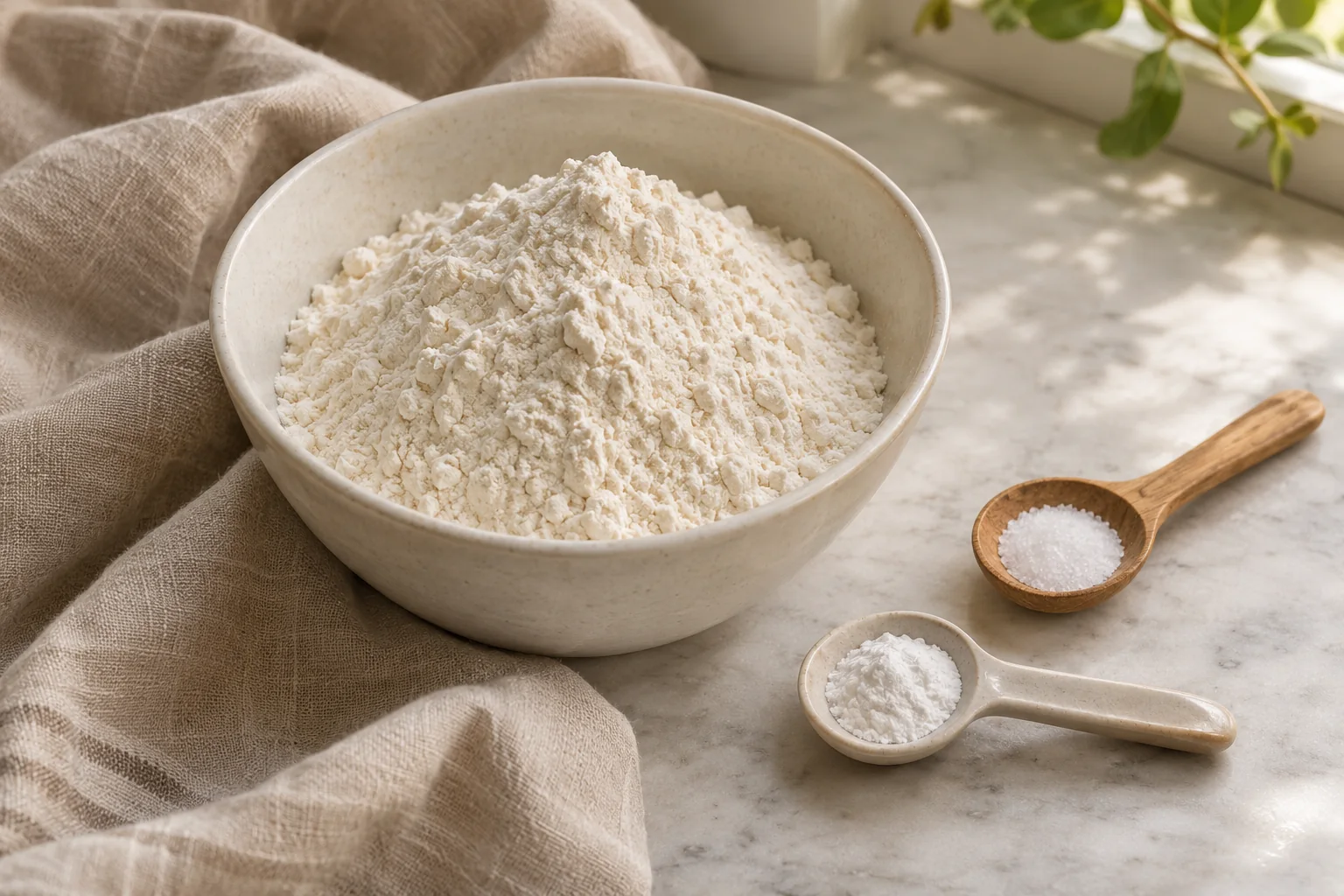
Excess leavener can generate more gas than the developing crumb can retain evenly. This may produce oversized holes, a rapid rise and sometimes collapse. Measure baking powder precisely and don't add an extra teaspoon in hopes of creating tall bakery-style domes.
3. Baking soda was confused with baking powder
The two ingredients have different chemistry. Baking soda depends on appropriate acidic components; baking powder is formulated with its own leavening system. A one-to-one swap can change gas production, flavour and browning. Use the type and amount the recipe specifies.
4. The dry ingredients weren't evenly blended
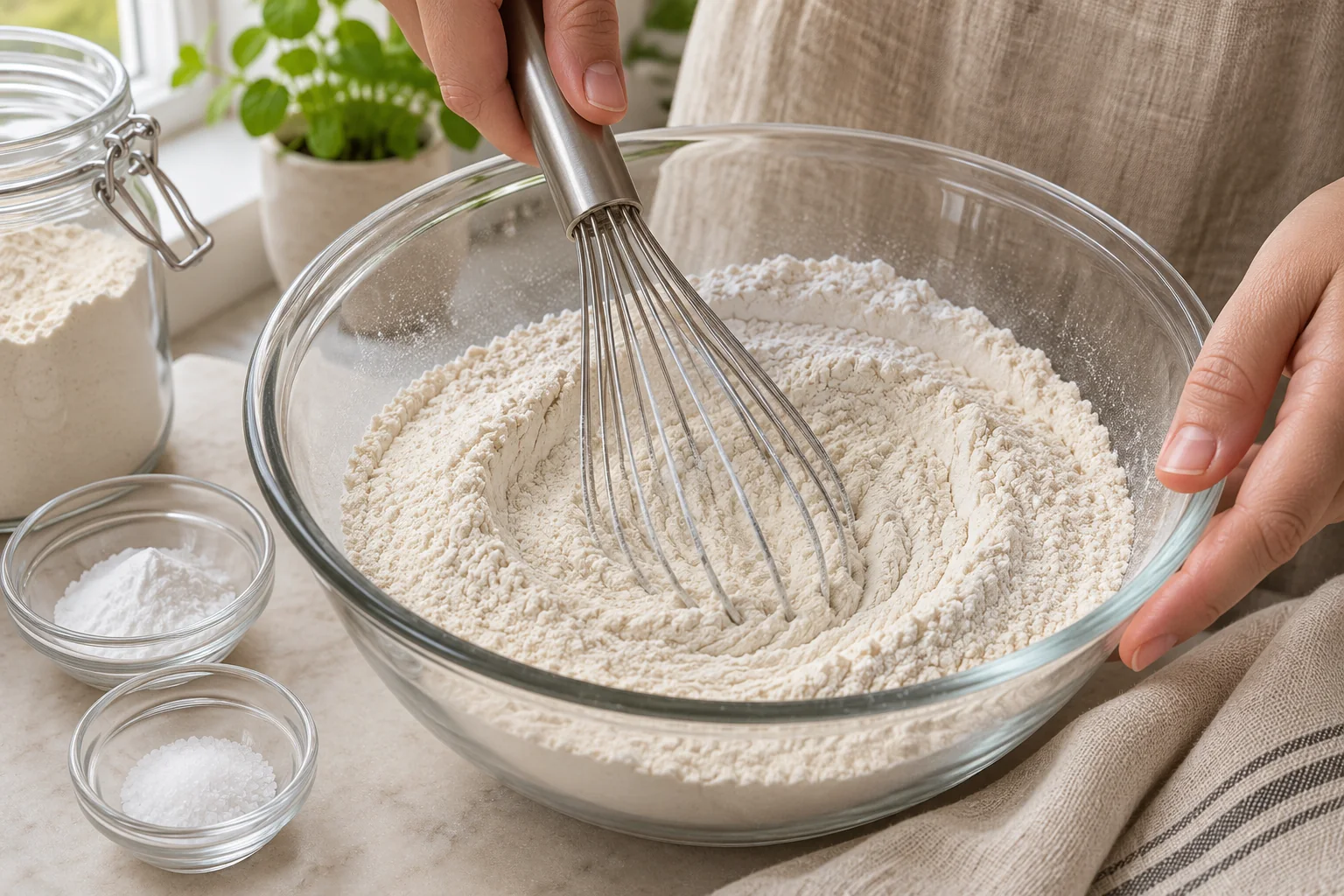
If baking powder, soda or salt is concentrated in one portion of flour, individual muffins can rise differently. Whisk dry ingredients thoroughly before introducing liquid. That stage is where vigorous mixing is useful because the flour has not yet been hydrated.
5. Too little liquid or too much flour
An unusually stiff batter may be difficult to mix evenly, tempting you to stir longer. Overmeasured flour can also alter structure and create dry or tough crumb. Weigh flour if possible and measure milk or yogurt correctly. Do not add water blindly merely because the batter isn't pourable; some muffin batters are intentionally thick.

6. Incorrect oven heat
Oven temperature influences how quickly gas expands and the crumb sets. An oven far hotter or cooler than the recipe expects can create uneven structure. Confirm full preheating, appropriate rack position and actual temperature if problems repeat. Oven heat alone usually isn't the only explanation for classic overmixed-muffin tunnels.
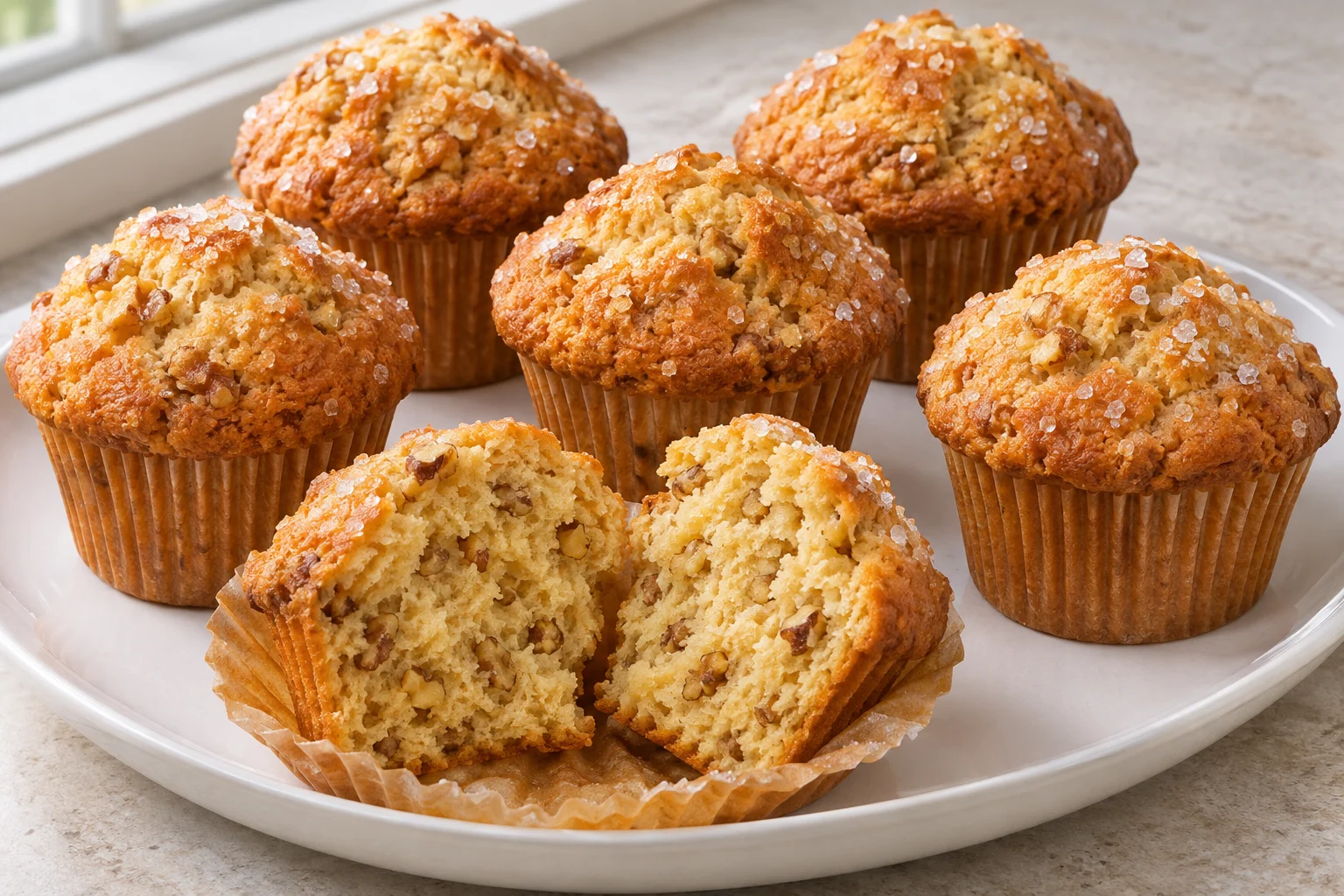
For Bakery-Style Jumbo Muffins, use the temperature and timing intended for large portions.
7. Letting the batter stand too long
Some conventional chemically leavened batters are meant to be baked promptly. An unplanned long delay can alter gas release and batter thickness. Other muffin recipes deliberately use a refrigerated rest. Follow the individual recipe instead of assuming every batter should either rest overnight or immediately enter the oven.
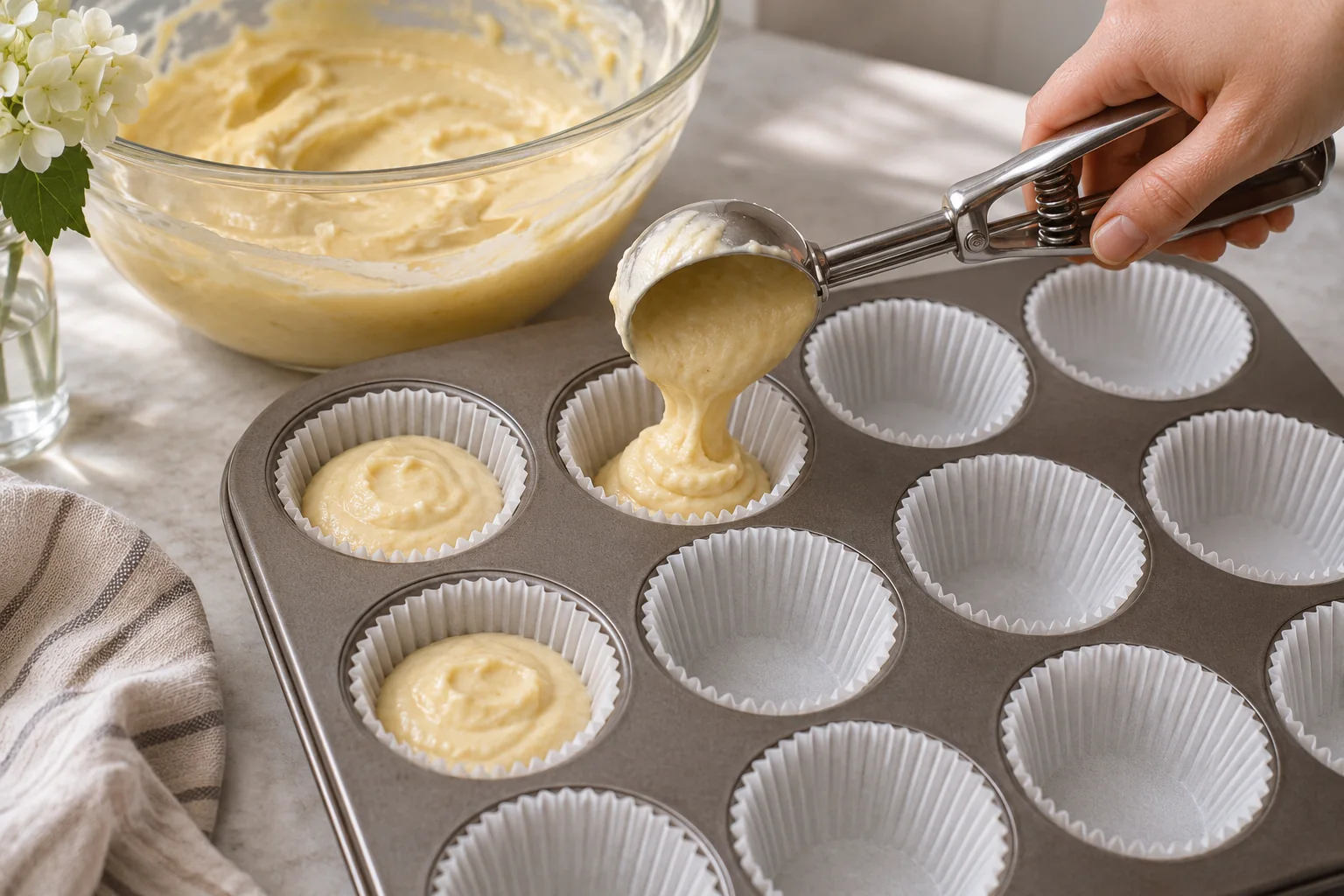
8. Using the wrong flour
Bread flour usually has more gluten-forming protein than typical all-purpose or pastry flour. Using it in a muffin recipe not designed for it may contribute to a firmer structure. Gluten-free blends, oat flour and coconut flour behave differently again. Choose the specified flour or a tested adaptation.
9. Adding fruit and nuts at the wrong stage
If you mix the batter perfectly and then spend several minutes beating in frozen berries or chopped nuts, you can still overwork the hydrated flour. Fold add-ins gently at the stage directed by the recipe. When possible, stop as soon as pieces are reasonably distributed.
The mix-ins in Morning Glory Muffins need distributing without beating the batter.

Are holes around blueberries actually tunnels?
Not necessarily. A large berry can soften, burst and leave a cavity as the muffin cools. Melted chocolate chunks and nuts can do something similar. True tunnelling tends to produce long channels that aren't simply shaped like the original add-ins. Inspect several muffins before making a diagnosis.
Cut one of the cooled Blueberry Muffins through a berry to compare its pocket with an air tunnel.
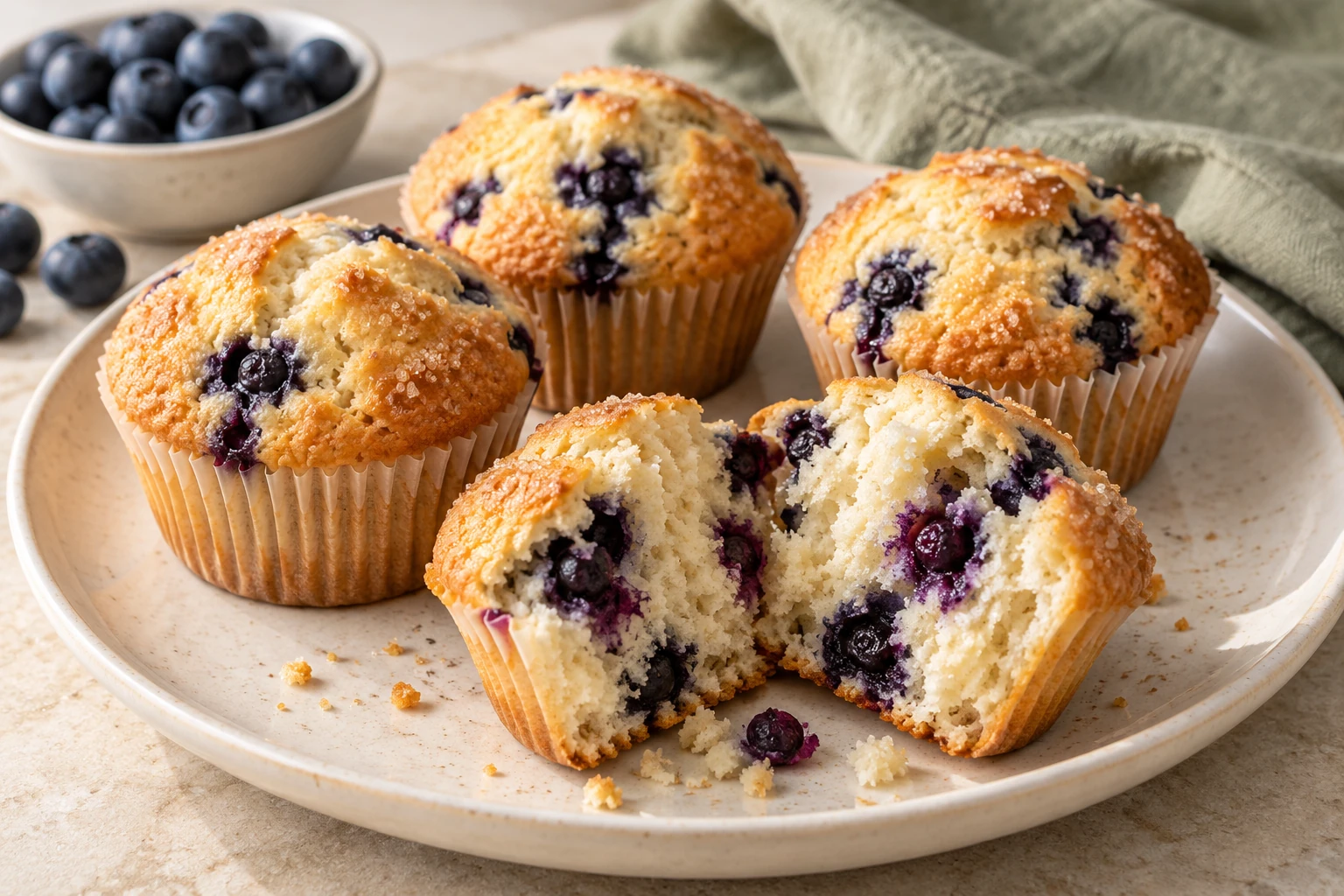
Why the tunnels often run upward
Expanding gas and steam move through the batter as it heats, and elongated voids can develop along weak paths in an elastic or uneven mixture. The directional appearance is a clue to gas movement and batter structure, but it isn't a complete diagnosis by itself.
What a normal muffin crumb looks like
A typical breakfast muffin has a mixture of small, irregular air cells and a reasonably tender bite. It's not supposed to resemble a perfectly uniform commercial sponge, and a few larger holes may be normal. Compare your result with photographs or the description of the specific recipe rather than pursuing an unrealistically flawless interior.
Check the crumb between the chocolate pieces in Double Chocolate Muffins.

Why tunnels can accompany toughness
Excess mixing can strengthen gluten and produce a chewier crumb. The same structure can allow gas pockets to stretch into longer channels. If the muffin is both tunnelled and rubbery, begin by addressing mixing after flour addition rather than adding more fat or changing oven temperature.
Why flat muffins may also have tunnels
A batch can develop oversized air channels without rising into an attractive dome. Too much leavening may cause collapse; a poor oven setup or ingredient balance can also limit rise. Treat shape and interior texture as separate observations, then look for factors that affect both.
The right order of mixing
First, preheat and prepare the pan. Second, combine dry ingredients thoroughly. Third, whisk wet ingredients in another bowl. Fourth, bring the two mixtures together as instructed, using brief folds to distribute flour. Fifth, incorporate add-ins gently, portion evenly and bake on the recipe's schedule.
Why a few lumps are acceptable
Small lumps are often preferable to extended beating, especially in a batter made with the conventional muffin method. But you should still scrape the bowl once or twice to eliminate substantial flour pockets. A finished batter that's full of dry, powdery areas is undermixed, not ideally mixed.
When a recipe calls for smooth batter
Some cake-style muffin recipes are designed for a different mixing technique and may specify a relatively smooth batter. In those cases, follow the developer's instructions. The no-tunnels advice is about avoiding inappropriate mixing, not overriding a tested method.
Why mini muffins can show different texture
Mini portions bake rapidly, making overbaking and uneven portioning especially noticeable. Small channels might be less obvious than in jumbo muffins. Jumbo batters have deeper centres and may need longer to set. Use the appropriate pan and baking schedule so a mixing problem isn't compounded by underbaking.
The smaller portions in Mini Muffins (Banana, Zucchini, or Apple) need their own doneness check.

How to check whether muffins were properly baked
A tunnelled muffin may be fully cooked but texturally disappointing. A wet, shiny centre is a different concern. Insert a tester into the actual crumb, avoiding inclusions. If raw batter remains, do not serve it; underbaking cannot be solved by calling the holes normal.
Can tunnelled muffins be saved?
If they are fully baked and safely stored, small tunnels are generally a quality issue rather than a safety hazard. You can enjoy them with breakfast or use appropriate leftovers in another recipe. Their structure cannot be reworked after baking, so the best correction is in the next batch.
A controlled troubleshooting test
Bake the same reliable recipe using the exact ingredients and pan. On the next batch, ensure leavener is correctly measured and mix only until the wet and dry ingredients are combined. Keep the bake temperature and time as directed. Comparing a few interior slices will help reveal whether the channels diminish.
Split the combined batter just as the last dry streaks disappear. Give only one half a dozen extra strokes. Bake equal portions side by side, mark which is which, and cut them in the same direction once cool.
IN PICTURES
From the baking notebook
FROM THE RECIPE BOX


