
On this page
Whipped cream can go from smooth billowy peaks to a grainy, curdled-looking mixture in a matter of seconds. The change is usually a sign that the cream has been beaten too far: fat droplets are beginning to join together more extensively, and the structure is moving toward butter rather than airy cream. The good news is that cream caught at the earliest grainy stage may sometimes be smoothed with a little fresh cream, while fully separated butter cannot be restored by simple whisking.
What grainy whipped cream looks like
At the ideal stage, whipped cream is glossy, smooth and holds soft or firm peaks appropriate to the dessert. When overwhipped, it begins to look matte, rough or flecked with tiny grains. If continued, pale butterfat clumps separate from a watery liquid. These stages require different responses.
Why fat structure changes
Whipping introduces air into cream while fat globules partially join to stabilize bubbles. At the correct stage, this produces a smooth foam. Excess mixing encourages further fat aggregation until the emulsion breaks. That's also the foundation of homemade butter, but it isn't the texture desired for a cake frosting.
The first warning: loss of shine
Cream often becomes less glossy and increasingly stiff before visibly separating. If the beaters leave sharp rough tracks rather than smooth ribbons, stop and inspect. Waiting for obvious butter clumps usually means the easy repair window has passed.
Stop immediately when it looks grainy
Turn off the mixer rather than beating faster to make it smooth. Extra whipping typically accelerates separation. Scrape the bowl carefully to assess whether the cream is merely slightly rough or already releasing liquid.
A possible early rescue
If the cream is only slightly overwhipped and still largely cohesive, gently fold in a small amount of fresh cold unwhipped cream. This can sometimes relax the texture enough for a soft topping. Add gradually and fold by hand, stopping when smooth. It is not guaranteed to fix heavily separated cream.
When folding more cream won't work
Once distinct butter clumps and thin liquid have formed, the mixture has moved far beyond ideal whipped cream. More cream may not restore the intended airy structure. You may be able to finish making butter under a separate safe recipe, but do not pipe the broken mixture as frosting.
Cream fat percentage matters
Whipping cream needs sufficient fat to create stable peaks. In Canada, conventional whipping cream is commonly sold at about 35% milk fat. Half-and-half and ordinary lower-fat coffee cream typically won't whip the same way. Use the fat content specified by the recipe.
Keep the cream properly cold
Cold cream generally whips more predictably because its fat is in a suitable state to support the foam. Warm cream may take longer to thicken and can behave less reliably. Refrigerate unopened cream properly and use the recipe's recommended temperature before whipping.
Should the bowl be chilled?
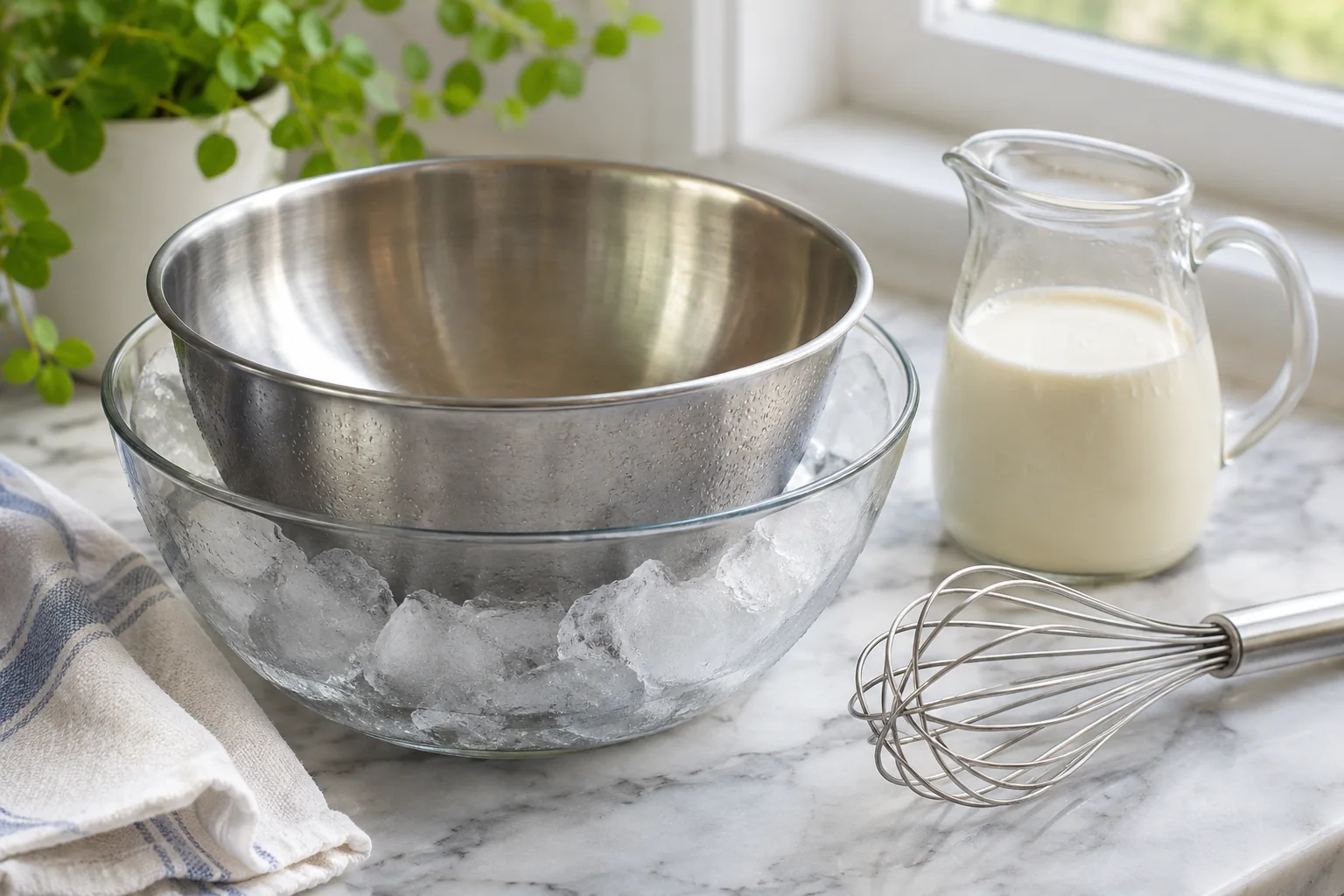
Chilling a bowl and beaters can help in a warm kitchen, particularly when preparing a modest batch. It is a supporting technique rather than a cure for poor-quality cream or overwhipping. A clean bowl is also important for food safety and consistent foam.
Start at controlled speed
Moderate mixer speed gives you time to see the cream thicken and move through soft peaks. Very high speed can take it from ready to broken quickly, especially in a small batch. Watch the texture rather than relying on a fixed number of minutes.
Soft peaks versus firm peaks
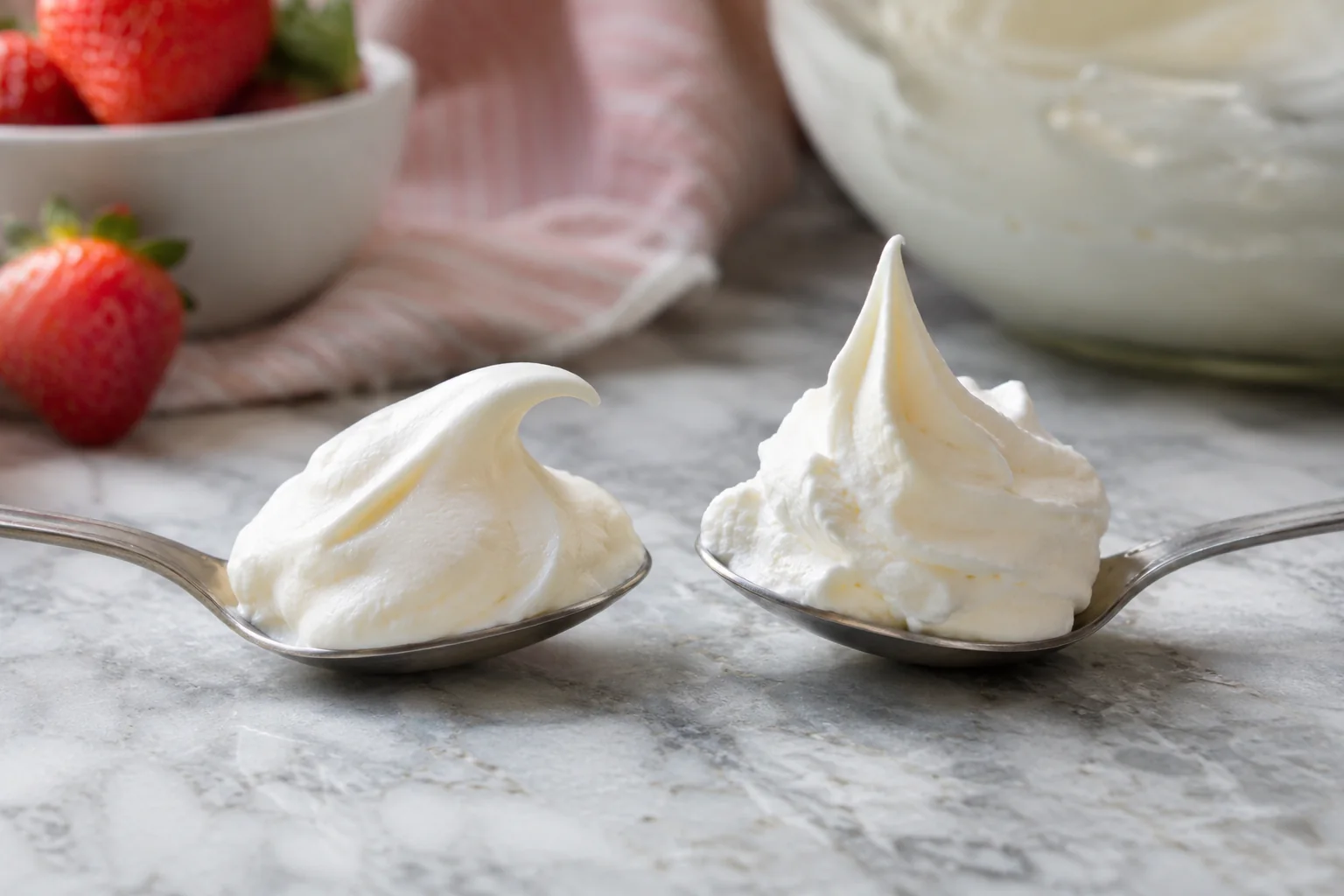
Soft peaks bend gently and suit folding into mousse or diplomat cream. Firmer peaks hold piping shapes and may be required for decorating. The desired endpoint depends on the dessert. Do not whip every cream to the most rigid possible stage.
Recipe to try: Strawberry Shortcake Cream Pie. Buttery shortbread crust cradles clouds of sweetened whipped cream and fresh strawberries for a dreamy summer dessert that balances crisp, creamy, and fruity elements in every perfect bite.
Adding sugar and vanilla
Some recipes add powdered sugar and vanilla at a particular whipping stage. Adding large amounts of liquid flavouring can alter texture, while dry sugar must be evenly dispersed. Follow the recipe's timing and quantities rather than dumping everything in after the cream has already reached stiff peaks.
Stabilizers aren't a cure for overwhipping
Gelatin, mascarpone and other stabilizing methods can improve holding ability in certain recipes. They require specific proportions and temperatures. They do not prevent butter formation if you continue whipping excessively, and adding them to broken cream won't reliably restore smoothness.
Recipe to try: No-Bake Cheesecake. Use the filling and full refrigerator-setting time in this no-bake formula; chilling is part of its structure.
Mascarpone and cream cheese mixtures
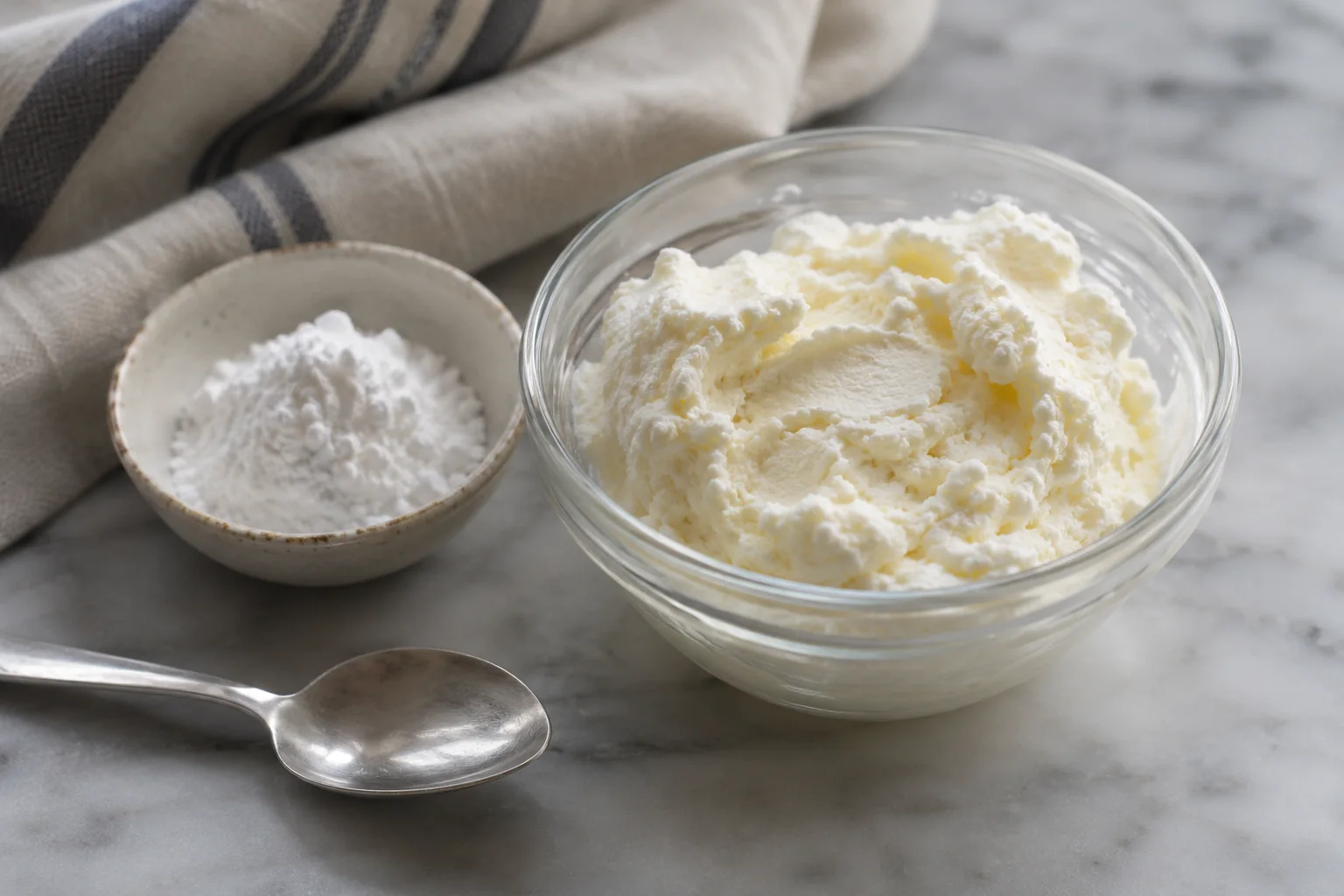
Whipped dairy combinations can be particularly sensitive to temperature and mixing order. Cold cream cheese may leave lumps; overmixing can create graininess. A recipe should tell you whether to beat the cheese separately and how to incorporate cream.
Recipe to try: Chocolate Mousse Phyllo Cups. Delicate, flaky phyllo cups filled with rich chocolate mousse and topped with fresh berries create an elegant dessert that balances light crispness with decadent creaminess.
Why frosting may turn grainy after chilling
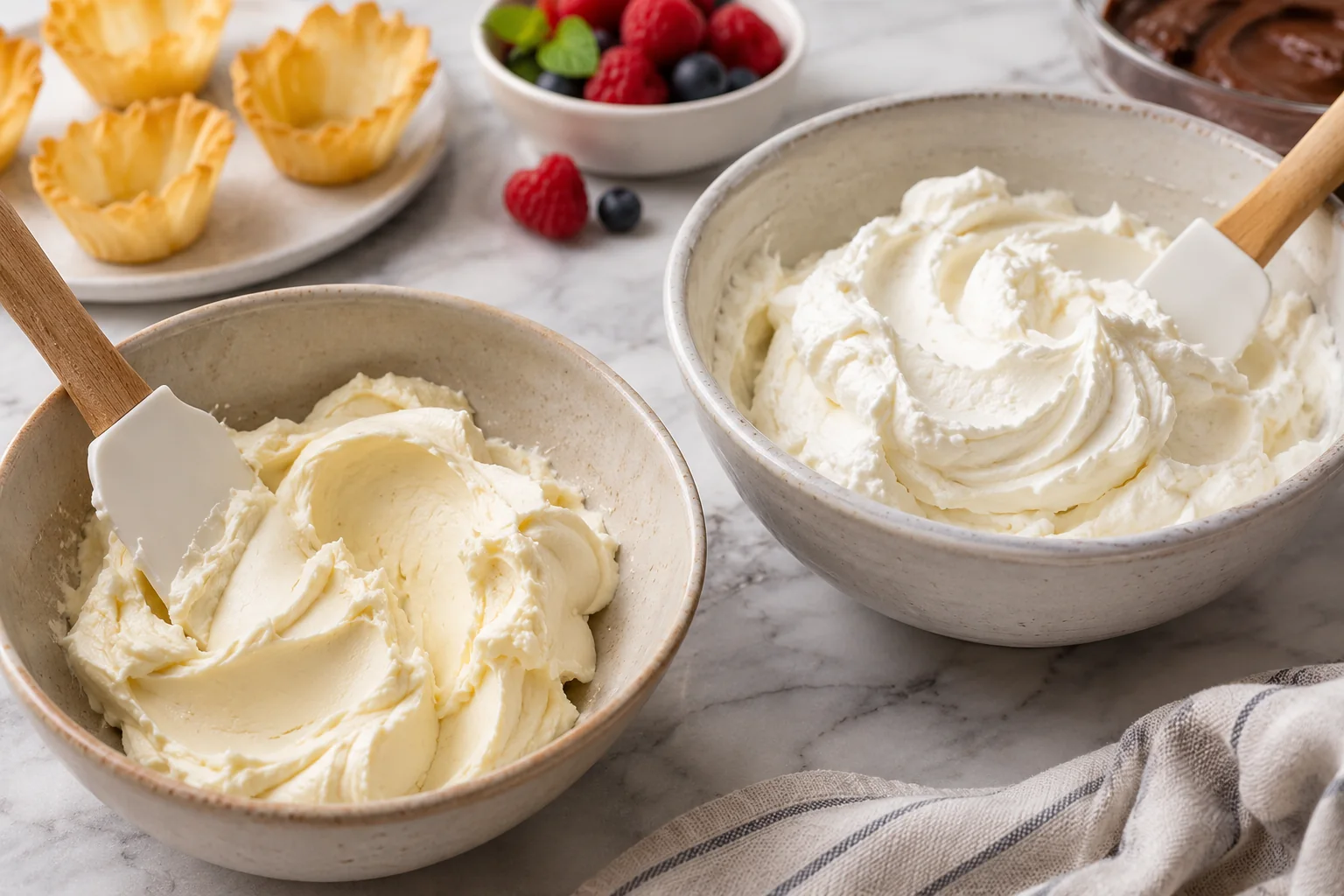
Cream can look uneven after storage because of partial separation or changes in stability. Avoid repeatedly beating a finished whipped-cream frosting to make it fluffier. A chilled stable topping may need only gentle handling, while obvious liquid separation requires careful assessment.
How to store whipped cream
Whipped cream is perishable and must be refrigerated at 4°C (40°F) or colder. Its best texture may deteriorate even under safe refrigeration. Use the holding time given by the specific formula, especially for cake decorations or desserts served to guests.

Can you freeze whipped cream?
Some tested recipes permit freezing portioned stabilized whipped cream, but ordinary unstabilized foam may change texture after thawing. Freezing is not an automatic solution for cream already becoming grainy. Choose a freezer-friendly formula where needed.
How to avoid graininess in a stand mixer
A large stand mixer can move a small amount of cream rapidly through its final stage. Reduce speed as peaks form and check frequently, or finish with a hand whisk. Stop just before the exact firmness needed rather than allowing the mixer to run while you prepare other ingredients.
Using overwhipped cream creatively
If the mixture has separated enough to resemble butter and buttermilk, it may be possible to continue with a separate butter-making recipe using safe ingredients and handling. Do not call partially separated cream a finished stabilized frosting; its texture and consistency are unsuitable.
A troubleshooting checklist
Confirm the cream's fat content and temperature, use a clean bowl, begin whipping at a controllable speed and inspect peaks regularly. If it turns matte, stop immediately and try a small gentle addition of fresh cream only if the mixture remains cohesive.
Frequently asked questions
Can grainy cream be fixed? Sometimes when only slightly overwhipped. Is curdled cream always spoiled? Not necessarily; texture can break from whipping, but off smell or mishandling is a separate safety concern. Can I use half-and-half? Usually not for ordinary whipped peaks. Is faster better? No.
Watch the last thirty seconds
Whipped cream's final stages happen quickly. Keep it cold, monitor the shine and stop at the peak firmness required. A smooth cloud of cream is created by controlled whipping, not by running the mixer as long as possible.
IN PICTURES
From the baking notebook
FROM THE RECIPE BOX


