On this page
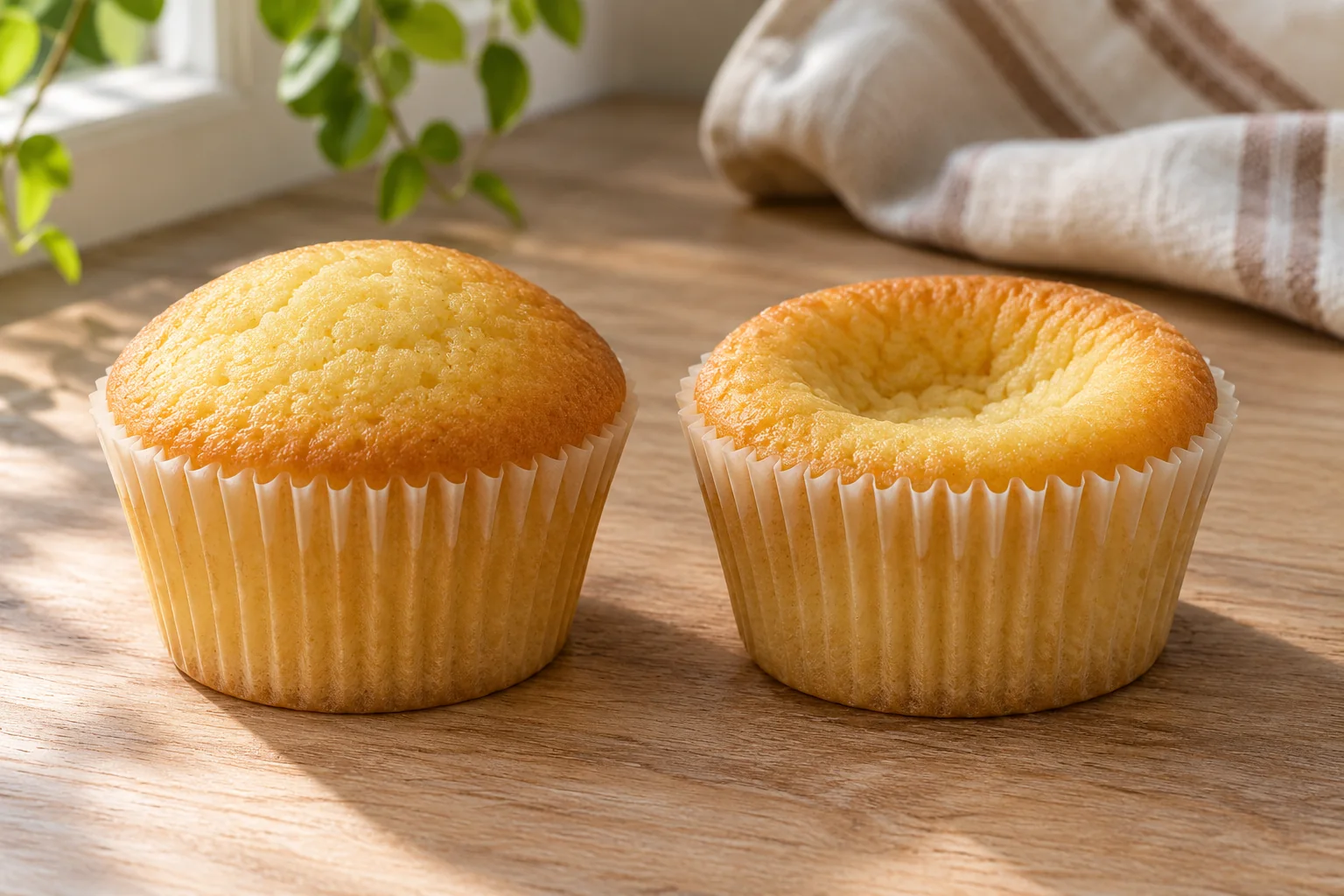
One of the most disappointing sights in baking is a tray of cupcakes that rise beautifully in the oven and then collapse into little craters. A sunken middle can have several causes, from an underbaked centre to too much leavening or a batter that wasn't prepared as the recipe intended. The good news is that the pattern of sinking can tell you where to look.
What Does a Sunken Cupcake Tell You?
During baking, gas expands and the batter's proteins and starches gradually set around the bubbles. If the centre hasn't developed enough structure before cooling, it can collapse as the gas contracts. A small, gentle dip may be normal in some recipes, while a deep crater accompanied by a wet centre suggests a baking problem.
1. The Cupcakes Were Underbaked
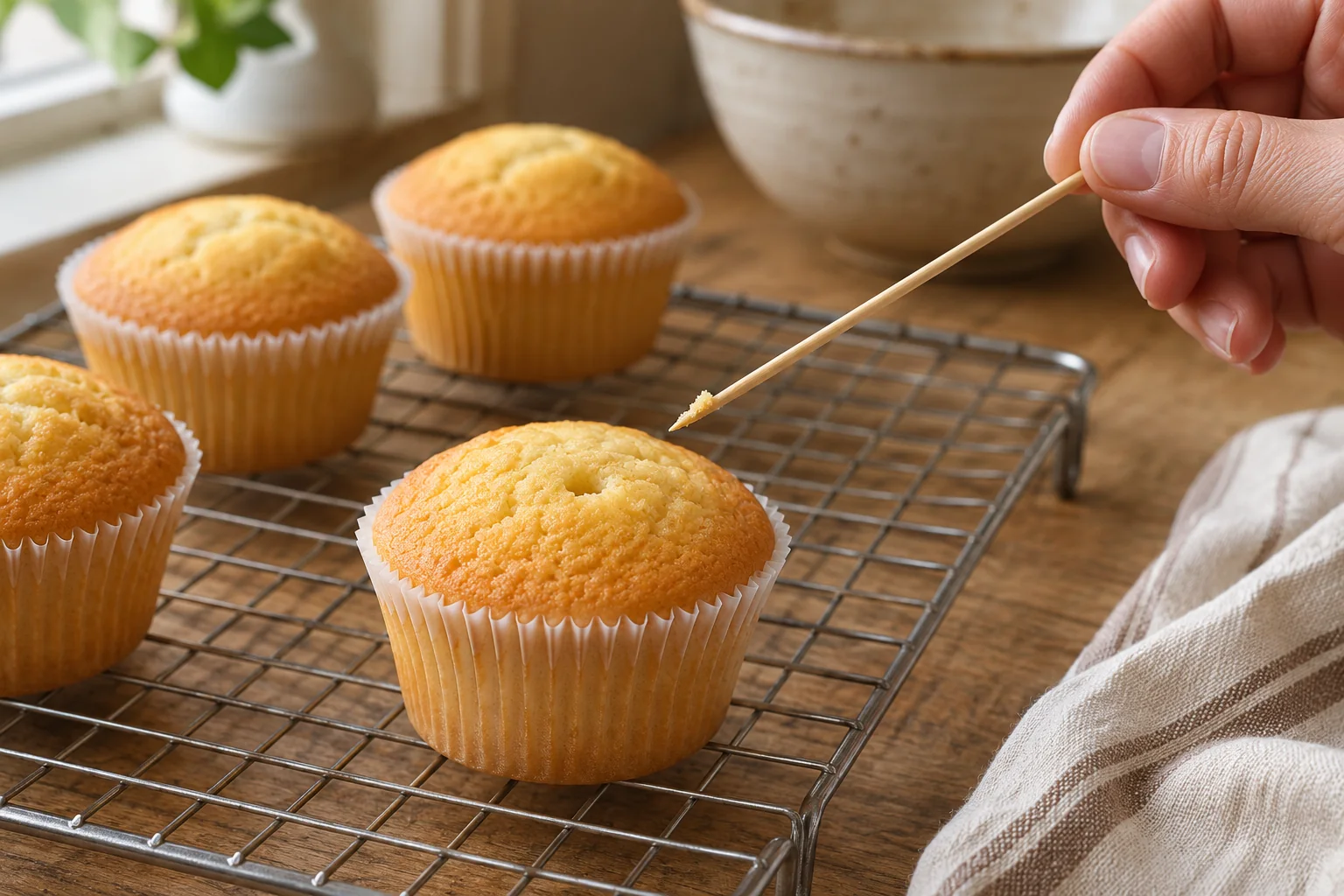
Underbaking is one of the most common causes of sinking. The outside may look coloured while the middle remains insufficiently set. When removed from the oven, that weak centre falls. Follow the recipe's doneness cues, including its recommended tester method and baking time range.
Check more than one cupcake if your oven heats unevenly. A tester should be inserted into the cake rather than directly into a chocolate chip or fruit pocket. If the cake is visibly wet or raw, it requires more baking; frosting won't make an underbaked cupcake safe or structurally sound.
Use the Vegan Vanilla Bean Cupcakes for a clear comparison. Follow the recipe’s doneness cues and test a centre cupcake, where the bake can lag behind the edges.
2. Too Much Baking Powder or Baking Soda
Leavening creates gas that makes cake batter expand. Excess leavening can cause a rapid, dramatic rise before the crumb has enough strength to hold the structure, leading to collapse. Measure the stated quantity carefully, especially when a recipe uses both baking powder and baking soda.
Don't add extra baking powder simply to make a taller cupcake. Ingredients work together, and increasing only one may create bitterness, irregular holes or sunken tops.
3. Batter Was Overmixed
Mixing develops structure and distributes ingredients, but the intended method matters. Overmixing some flour-based cake batters can change gluten development and the distribution of gas bubbles, affecting texture and how the cake rises.
Follow the specific recipe's mixing stages. A creamed-butter cake, reverse-creamed cake and oil-based one-bowl batter should not all be mixed in the same way.
4. Oven Temperature Was Incorrect
An oven running too hot may set and brown the outside rapidly while the centre remains too soft. One running too cool can delay setting and allow an unstable rise. The dial isn't always an accurate reflection of the temperature inside.
Preheat fully and consider an oven thermometer if batches consistently fail. Use the recipe's rack position and avoid crowding multiple pans so severely that airflow becomes inconsistent.
5. The Oven Door Opened Too Soon
Opening the door early can introduce a sudden temperature drop while the cupcake structure is still fragile. This isn't the cause of every sunken cupcake, but repeated peeking can make a delicate recipe less predictable.
Wait until near the earliest stated checking time before opening, unless the recipe explicitly calls for rotation earlier. Use the oven light and window to observe progress when possible.
6. Cupcake Liners Were Overfilled
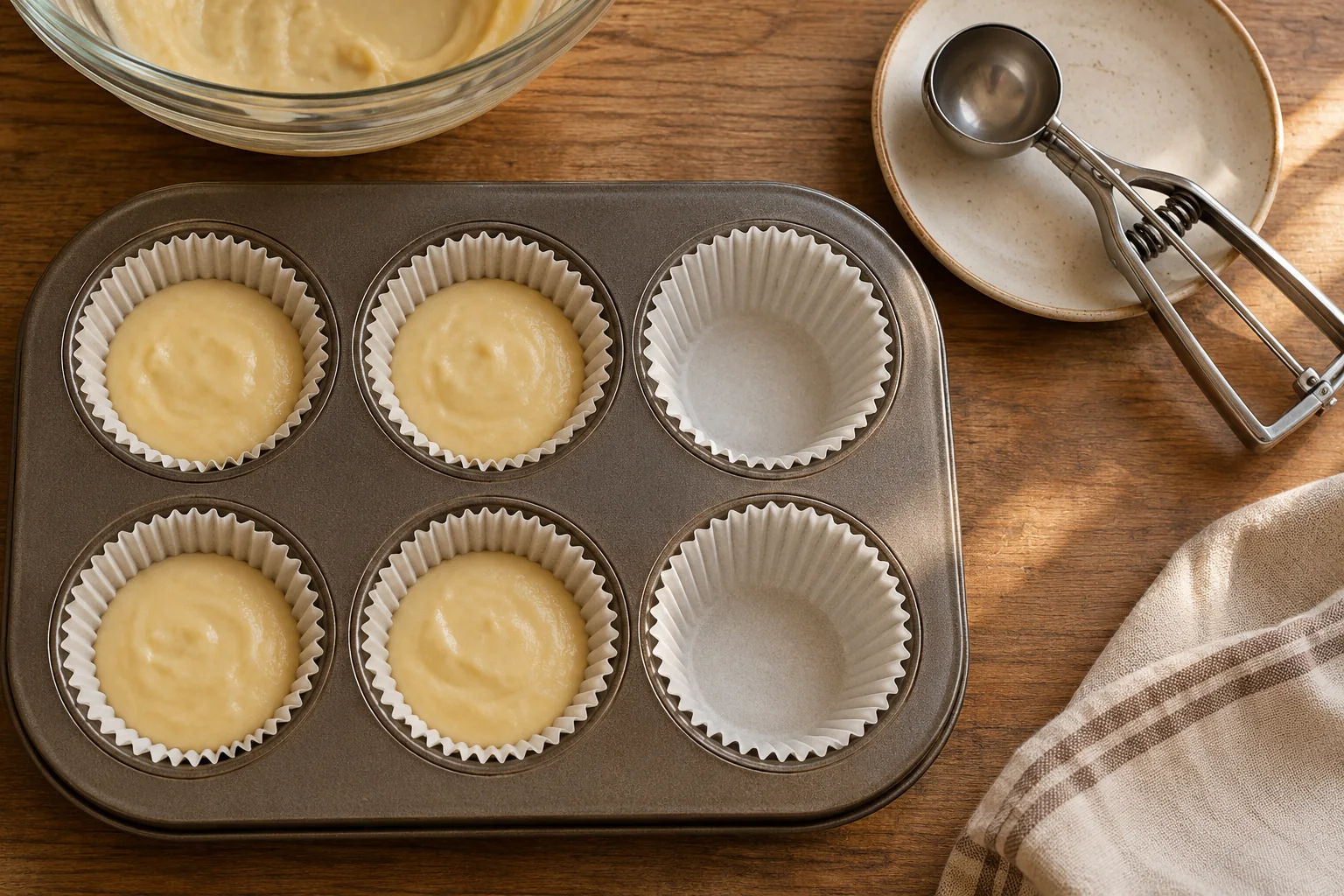
Too much batter can lead to uneven rising, overflow and centres that need longer to bake than the recipe anticipates. A very full liner may develop a large dome that loses support on cooling.
Fill liners to the level specified by the recipe. A cookie scoop or measured spoon helps ensure each cup receives a similar amount and finishes at roughly the same time.
Check the fill level against the recipe. For Vegan Chocolate Espresso Cupcakes, fill evenly as directed. Bake any extra batter in a separate cup instead of trying to fit it into the first tray.
7. The Pan Size Was Different
Mini, standard and jumbo cupcake pans have different depths and bake times. A batter developed for standard liners won't automatically finish in a jumbo pan at the same time.
Use a recipe tested for your pan or follow validated size-conversion guidance. Verify the liners actually fit the cups rather than using oversized liners that encourage overfilling.
For a recipe that gives a different fill level, compare the Coconut Flour Cupcakes. Let a new recipe’s pan and batter instructions guide you before changing portion sizes.

8. The Batter Had Too Much Liquid
Adding extra milk, juice, coffee or fruit purée can weaken the recipe's structure. Even a seemingly small change can matter in a formula with limited flour and lots of moisture.
Weigh ingredients and avoid casual substitutions. If you want a pumpkin, banana or fruit cupcake, choose a recipe formulated for those moist ingredients instead of adding them to an unrelated vanilla cake.
9. The Fat or Sugar Balance Changed
Butter, oil and sugar affect tenderness, moisture, browning and how the batter sets. A substantial reduction in sugar or swap between butter and oil may produce a different structure and rise.
Use recipe-approved substitutions only. If you need a lower-sugar or dairy-free cupcake, look for a tested formula that was developed with those requirements.
10. Old or Incorrectly Stored Leavening
Leavening that has lost effectiveness may produce insufficient rise or an uneven texture. Check the product's storage and best-before information, and avoid using baking soda in place of baking powder without a tested adjustment.
When recipes are consistently flat rather than dramatically risen and collapsed, leavening quality is one possible factor to investigate.
11. Batter Was Left Sitting Too Long
Some chemically leavened batters begin reacting once wet and dry ingredients are combined. Allowing them to sit well beyond a recipe's intended schedule can affect their rise. Other formulas deliberately benefit from resting.
Read the method before mixing, have the oven fully preheated, and transfer batter to pans promptly when directed. Don't treat all batters as though they have the same resting requirements.
How to Diagnose the Pattern
Deep crater with wet batter: suspect underbaking, excess liquid or oven temperature. Very tall rise followed by collapse: check leavening quantities and structural balance. Only cupcakes near one side sink: look at oven hot spots or uneven portion sizes. Small shallow dip with a fully cooked crumb: it may be normal for the formula.
Compare the middle and edge cups on the rack. If only the middle cups sank, check the oven and doneness first. If every cup sank, review the amount of batter and leavening before changing the oven temperature.
Can You Save Sunken Cupcakes?
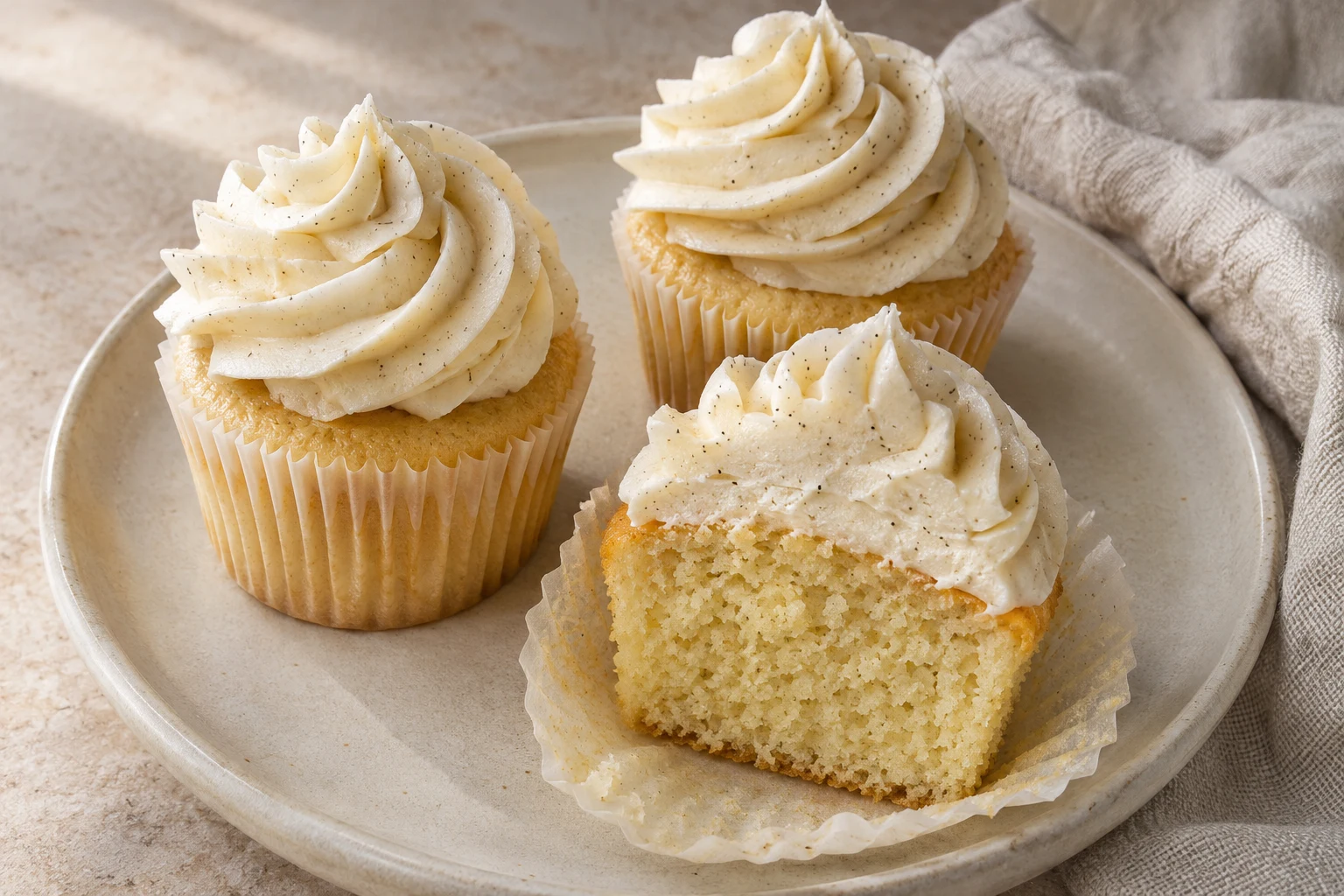
If the cupcakes are fully cooked, a shallow centre dip is usually a cosmetic issue. You can frost the tops or use them as a base for a small dessert trifle, following storage guidance.
If the centre is raw or gummy, don't disguise it with frosting. A sunken, inadequately baked cupcake isn't an appropriate treat to serve. Depending on how recently it left the oven, the recipe may offer instructions for continuing baking, but a fully cooled collapsed cake rarely regains its intended texture.
A Better Baking Routine
Measure ingredients accurately; bring ingredients to the temperatures specified; preheat the oven; prepare correctly fitting liners; mix using the stated method; portion evenly; bake on the recommended rack; and check for doneness at the correct time. Let cupcakes cool according to the recipe before frosting.
Record any problems with pan size, oven temperature and bake duration. Changing just one variable in the next batch is more useful than modifying the entire recipe at once.
Photograph the next tray as it comes out and again when it has cooled. Save the fill level and actual bake time with the photos to see when the centres changed.

Frequently Asked Questions
Why do my cupcakes sink as soon as I take them out?
The crumb may not be fully set, often because of underbaking or an ingredient-balance issue. Check whether the middle is properly cooked.
Can too much baking powder make cupcakes sink?
Yes. Too much leavening can create a rapid rise that the cake structure cannot support.
Should I open the oven to check cupcakes?
Check close to the recipe's recommended earliest time rather than repeatedly opening early during the fragile rise.
Can frosting hide a sunken cupcake?
It can cover a cosmetic dip in a fully baked cupcake, but it cannot make raw or underbaked cake safe.
Does filling liners higher make taller cupcakes?
Not reliably. Excess batter can overflow or bake unevenly. Follow the recipe's liner-fill guidance.
Better Rise Comes from Better Balance
A cupcake needs enough gas to rise and enough structure to stay risen. Accurate measurements, the correct mixing method and proper baking give you both. When sinking happens, examine the centre and the pattern of collapse first—the evidence usually points toward the next adjustment.
IN PICTURES
From the baking notebook
FROM THE RECIPE BOX


