
On this page
Set a baked scone on its cut edge and look at its profile. A broad base with a skirt of melted butter points you toward fat temperature. A tight, heavy middle calls for a look at handling and leavening as well.
Understand the scone's structure
Most quick scones use flour, fat, liquid and chemical leavening. Butter pieces or another fat source help tenderize the dough, while enough gluten structure holds the risen shape. Baking powder or a balanced leavener system creates gas. Steam also influences the rise. Too much mixing creates toughness, but too little structural cohesion can produce spreading or crumbling.
Start with Basic Scones to learn how the unbaked dough should feel.
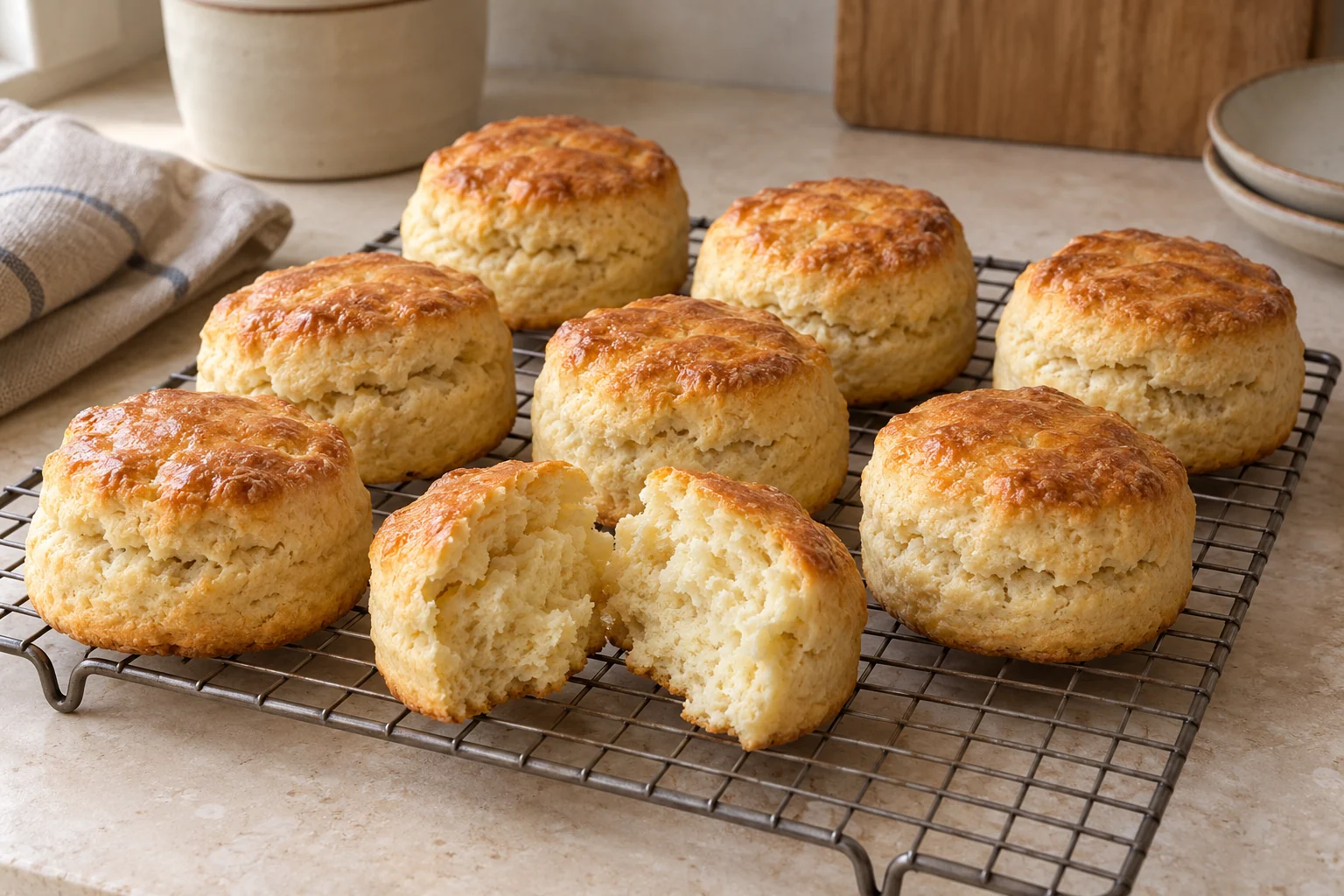
Cause one: butter was too warm
Many flaky scone recipes use cold butter so pieces remain distinct until baking. If the butter melts into the flour during mixing, the dough may become greasy and spread. A warm kitchen or extensive handling can soften it quickly. Follow the recipe's cutting-in method and chill where specified. Not every cream scone uses discrete butter pieces, so check the formula before diagnosing.
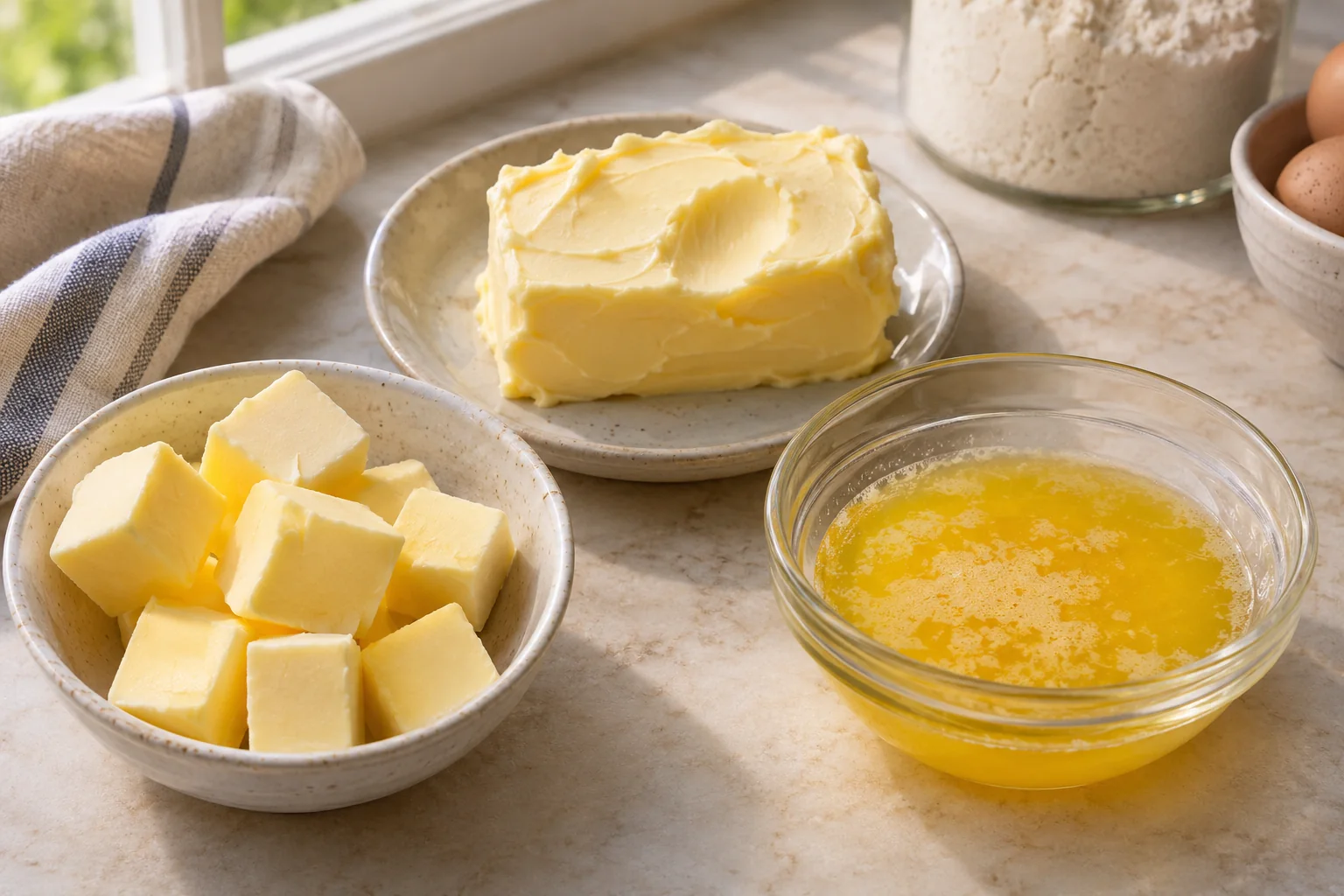
How to incorporate cold butter
Cut or grate chilled butter using the method described by the recipe. Work efficiently and avoid rubbing until the fat disappears if distinct pieces are intended. Some recipes aim for coarse crumbs, while others use larger flakes to promote layering. Uniformly melted butter creates a different texture. Use a pastry cutter or food processor in short pulses if the source permits it.

Cause two: too much liquid
Excess milk, cream, egg or fruit juice can create a slack dough that cannot hold a tall shape. Measure by weight or accurately leveled tools. Some recipes use a deliberately sticky mixture for drop scones, which will spread by design. A shaped cutout scone needs the consistency intended for rolling or patting. Don't pour in extra cream simply to eliminate every dry flour fleck.
Compare the consistency specified for Easy Drop Scones with a dough intended for cutting.

Flour hydration takes time
Flour absorbs liquid after mixing, so a dough can feel wet initially then become more manageable after a brief recipe-supported rest. Adding handfuls of flour immediately may make the final scone dry. Conversely, a dough that remains liquid after accurate mixing may have an ingredient error. Follow the formula's texture cues before improvising.
Cause three: flour was undermeasured
Too little flour leaves less structure relative to liquid and fat, encouraging spread. Scooping methods differ, so grams are the most reliable where provided. Flour strength also varies by brand and region. Bread flour may create tough scones, while cake flour can yield more delicate structure. Use the type specified and avoid treating extra flour as a universal rescue.

Cause four: insufficient leavening
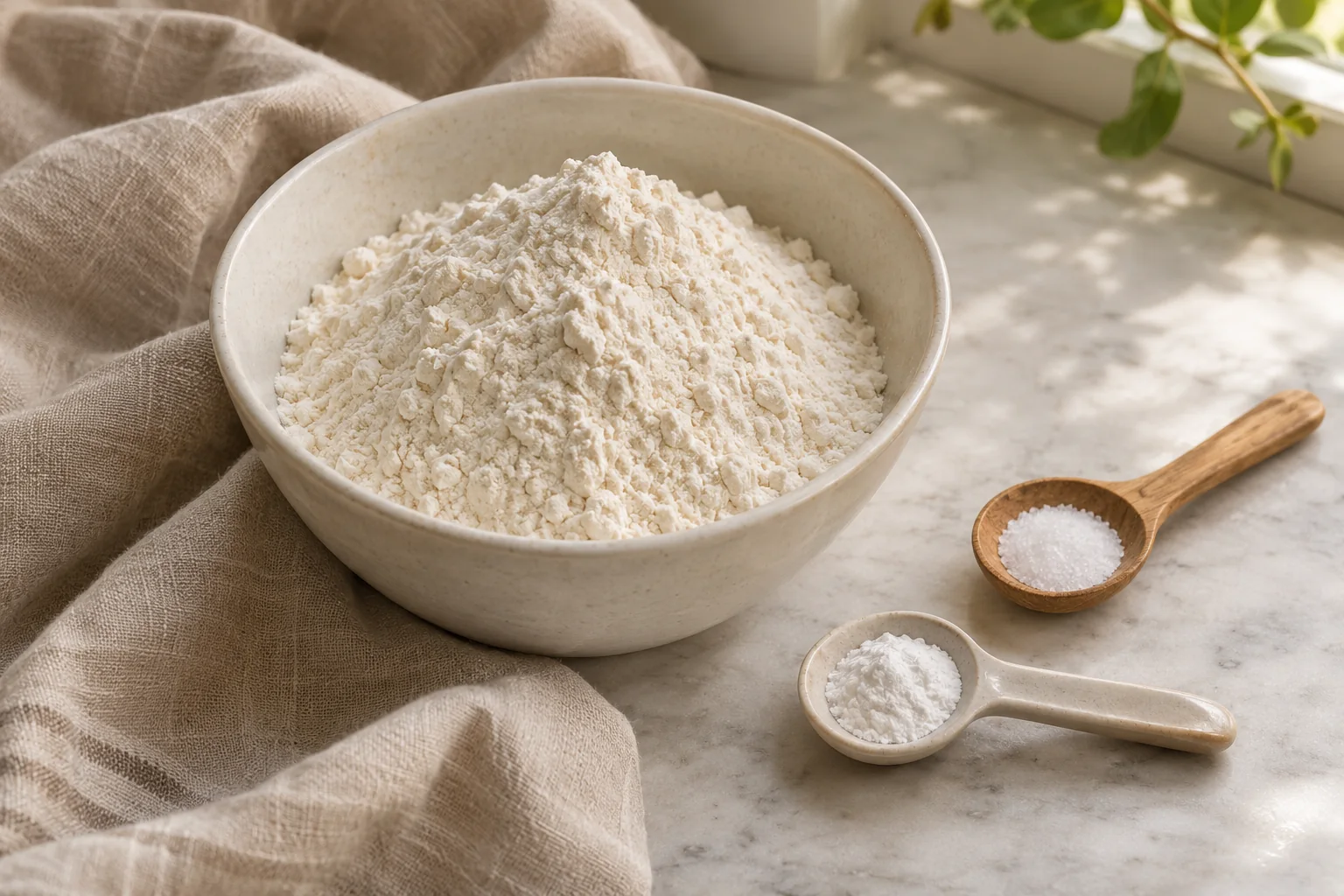
Expired baking powder or an incorrect measurement may reduce the rise. Some recipes combine soda with an acidic dairy product such as buttermilk. The formula must balance both. An extra teaspoon of powder isn't guaranteed to build height and may create off flavors or collapse. Use fresh appropriately stored leavener and measure accurately.
Cause five: overhandling
Repeated kneading or rolling develops gluten and warms butter, producing a tougher dough with less defined layers. Pat the dough together only as much as the recipe directs. Some folded scone methods intentionally make a few layers, but that's not permission to knead like yeast bread. A shaggy dough can become cohesive with gentle pressing and brief rest.
Patting versus rolling
Many home scones are patted into a thick disk rather than aggressively rolled with a pin. Even thickness is important: thin dough cannot produce tall cutouts regardless of leavener. Follow the published starting thickness. Press gently, maintaining a level surface. A very thick slab may need different baking to cook through, so don't double height by guesswork.
Cause six: cutter edges were twisted
For many round cut scones, pressing a sharp cutter straight down and lifting it without twisting helps leave free vertical edges. Twisting may seal or distort the sides, potentially limiting even rise. Use the method appropriate to your cutter and dough. A dull glass rim can compress edges more than a sharp biscuit cutter.
Sharp cuts for wedges
Wedge scones often start as a round disk divided by a sharp knife or bench scraper. Clean decisive cuts preserve edges and help pieces hold shape. A dull blade that drags through dough can smear butter and alter the cut surfaces. Separate wedges as the recipe directs for air circulation and expansion.
For Maple Pecan Scones, leave clean cut faces when dividing the dough.

Cause seven: the oven wasn't ready
Scones benefit from the oven's intended heat so leavening and steam expand while the exterior sets. A too-cool oven may allow fat to melt and dough to spread before it rises adequately. A very hot oven can overbrown the exterior while the center remains undercooked. Preheat thoroughly and use the specific recipe's temperature and rack.
Dark baking sheets
A dark coated sheet may brown scone bottoms quickly, while insulated sheets can heat the base differently. If the underside burns before the top rises, evaluate pan material and rack position. Use parchment or another lining if the recipe specifies it. Avoid changing the oven temperature and flour ratio simultaneously when the pan might be the issue.
How chilling affects shaped scones
Some recipes call for chilling cut scones so butter firms before baking. This can reduce spread and improve handling. Other cream-based formulas bake immediately. Follow the intended rest and avoid letting a prepared tray sit in a hot kitchen while the oven preheats. Cold dough isn't a substitute for correct leavener or a reasonable liquid balance.
Fruit can add hidden moisture
Fresh blueberries, raspberries and chopped apples may release juice as the scones bake. Large amounts of wet fruit can weaken the dough and encourage spreading. Dry washed fruit as appropriate and follow the measured quantity. Frozen berries may require recipe-specific handling; thawing can create excess liquid and streaks.
Check the fruit preparation in Cranberry Orange Scones before adding extra liquid.

Cheese and savory additions
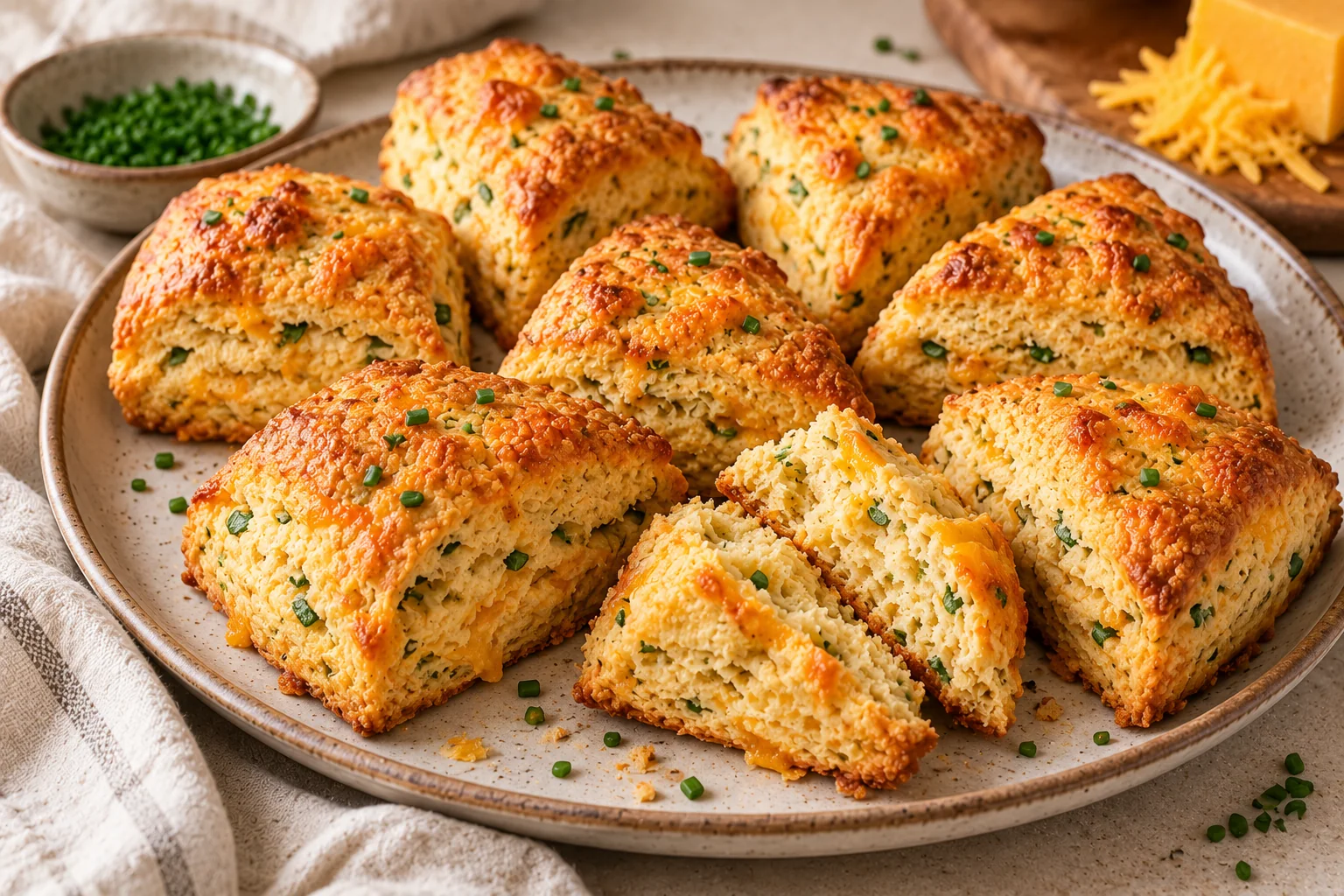
Cheddar, herbs, cooked bacon and vegetables can make excellent savory scones, but cheese adds fat and some vegetables add water. A tested savory formula balances those ingredients. Simply doubling cheese in a plain scone can alter how it spreads. Drain wet vegetables and cook meat safely before adding when instructed.
With Savory Scones (Cheddar & Chive), distribute the cheese evenly before shaping.
Why scones tilt to one side
Uneven dough thickness, a crooked cutter, a sloped pan or uneven heat can create lopsided rise. The same batch may contain tall and short pieces if some were cut from repeatedly reworked scraps. Cut consistently and group similar shapes together. A leaning scone isn't necessarily a failure if the crumb remains tender.
Why reworked scraps are different
After cutting rounds, leftover dough gets pressed together again. Additional handling can warm butter and tighten gluten, producing tougher or unevenly risen pieces. Shape scraps gently, limiting rerolls. Bake a final rustic piece if needed rather than repeatedly compressing the dough to make every round perfect.
Don't confuse high rise with doneness
A tall golden scone may still have a wet floury center, especially if oversized. Check the source's bake endpoint and allow adequate cooling. Raw flour can carry pathogens and shouldn't be eaten. Raising oven temperature to create impressive initial lift doesn't solve an undercooked middle.
A useful trial tray
Make one trusted plain scone recipe with weighed ingredients, cold fat and an accurate oven. Cut pieces of identical thickness and bake on a recommended sheet. If they still spread, note how dough felt before chilling and whether the pan was hot. Compare to a published variation rather than adding random flour to an already mixed batch.
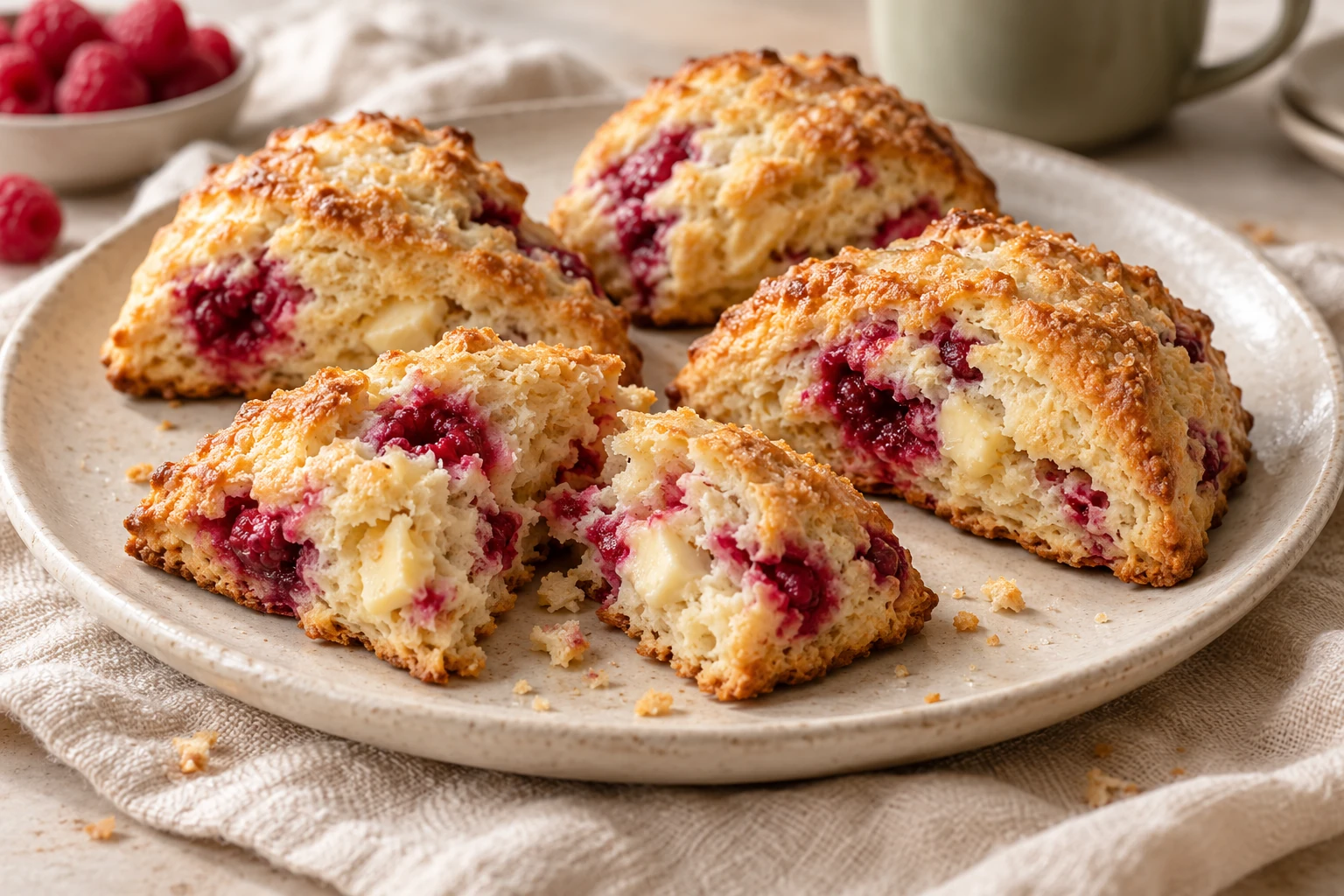
Use pieces of equal thickness from Raspberry White Chocolate Scones for a fair trial tray.
What to do with flat scones
Fully baked flat scones may still be pleasant split and toasted or served with jam. If they're dry, consider repurposing suitable pieces in a crumble-style dessert. A flat shape isn't unsafe; a visibly raw center is. Adjust the next batch at the cause rather than hiding a failed dough under frosting.
IN PICTURES
From the baking notebook
FROM THE RECIPE BOX


