On this page
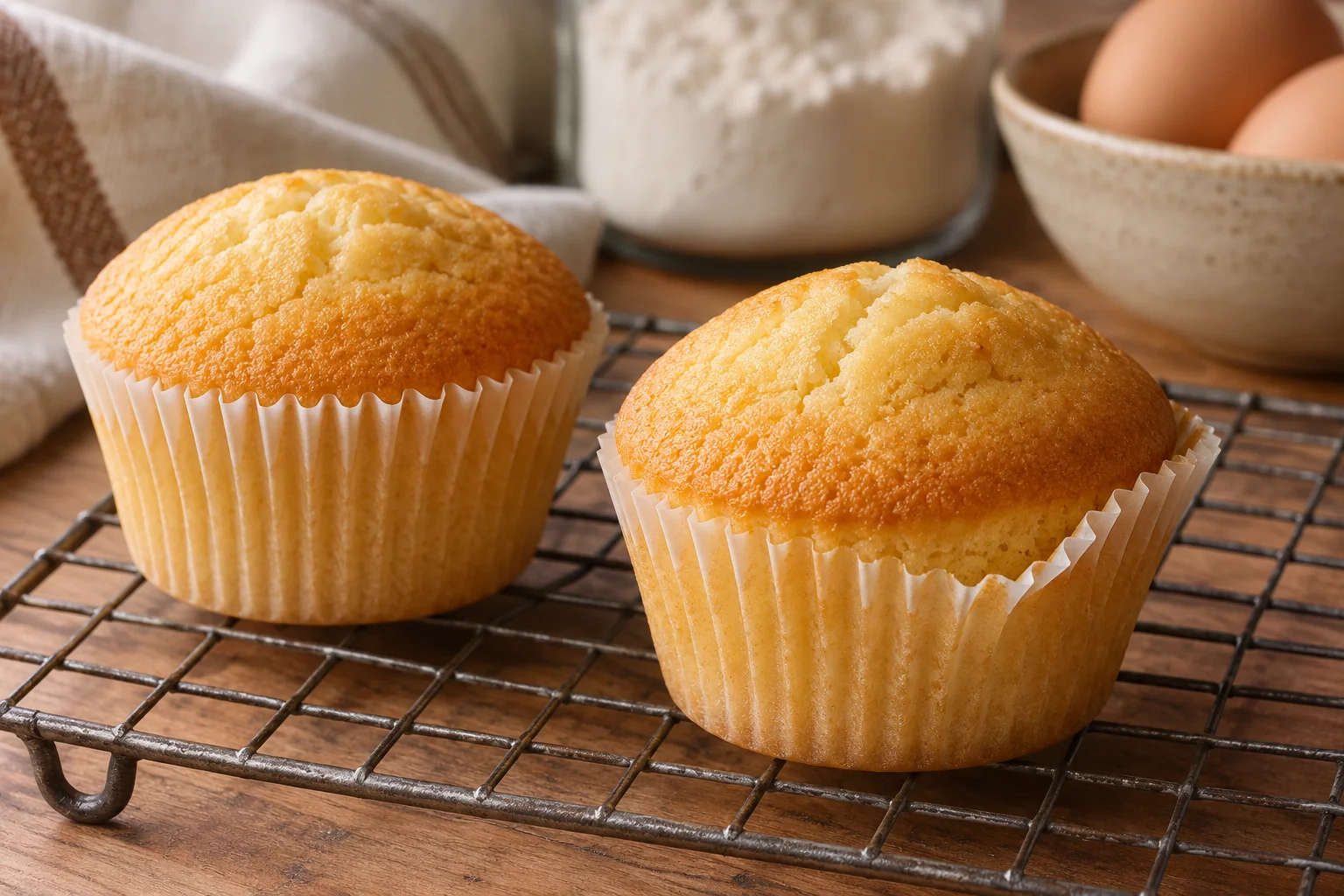
Nothing spoils the look of a neatly baked cupcake quite like a paper liner that lifts away from the cake. You remove the cupcakes from the oven and they look perfect. An hour later, the paper has loosened from the sides. Sometimes it peels before frosting; sometimes the cupcake looks fine until you open its storage container the following morning.
There isn't one single reason for peeling liners. Moisture and condensation are frequent suspects, but the paper's coating, the recipe's fat content, baking time and how the cupcakes cool can also influence whether the liner stays attached. Here's how to troubleshoot without sacrificing your favourite cupcake recipe.
Why Do Cupcake Liners Peel Away?
Paper sticks to a cupcake when the baked crumb makes enough contact with its surface as it sets and cools. If steam or moisture accumulates between paper and cake, the bond can weaken. Greasy or heavily coated papers sometimes release more readily, and a cupcake that shrinks away from its wrapper during cooling may leave the liner loose.
Occasional peeling is often an appearance issue rather than a sign that the cupcake is unsafe or has failed. But dramatic liner separation combined with a gummy centre may suggest the cake wasn't properly baked.
1. Trapped Steam After Baking
Hot cupcakes release moisture as they cool. If you leave them for a long time inside a deep pan or put them into a sealed container while still warm, steam can collect and soften the contact between the cake and its paper.
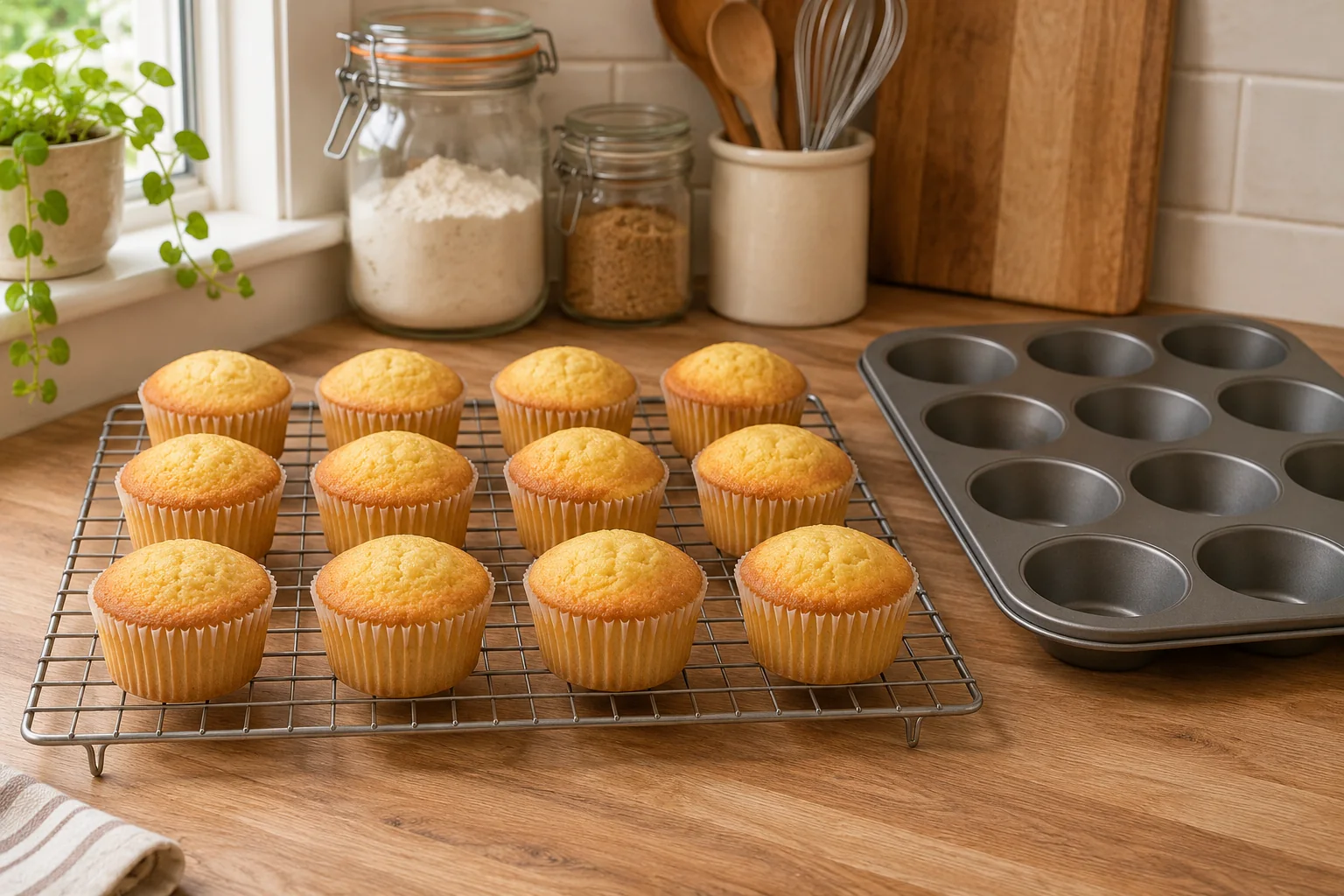
Follow the recipe's cooling directions, often involving a brief rest in the pan and then transfer to a rack. Let cupcakes cool fully before packaging them, and avoid tightly wrapping warm cakes.
The Vegan Vanilla Bean Cupcakes start cooling in the pan and finish on a rack. Mark the time you transfer the next batch and check the liners again after the cakes have cooled completely.
2. Condensation in a Storage Container
A closed container traps humidity. This can be useful for limiting drying once cupcakes are cool, but it can encourage peeling if the cakes go in warm or if the container moves between temperatures that create condensation.
Wait until the cupcakes are completely cool and store them according to their recipe. If they have dairy-rich frosting or perishable fillings, refrigeration requirements take priority over cosmetic preferences.
3. Grease-Resistant and Nonstick Liners
Some papers use coatings intended to release cleanly, while others have a more traditional paper surface. A liner that's too nonstick may separate more easily from a soft cake, depending on the recipe.
If peeling happens consistently with one brand, try a different sturdy, food-safe liner in the same size. Bake the same batter in both liners so you can compare the fit and finish under the same conditions.
4. Liners That Are Too Large for the Pan
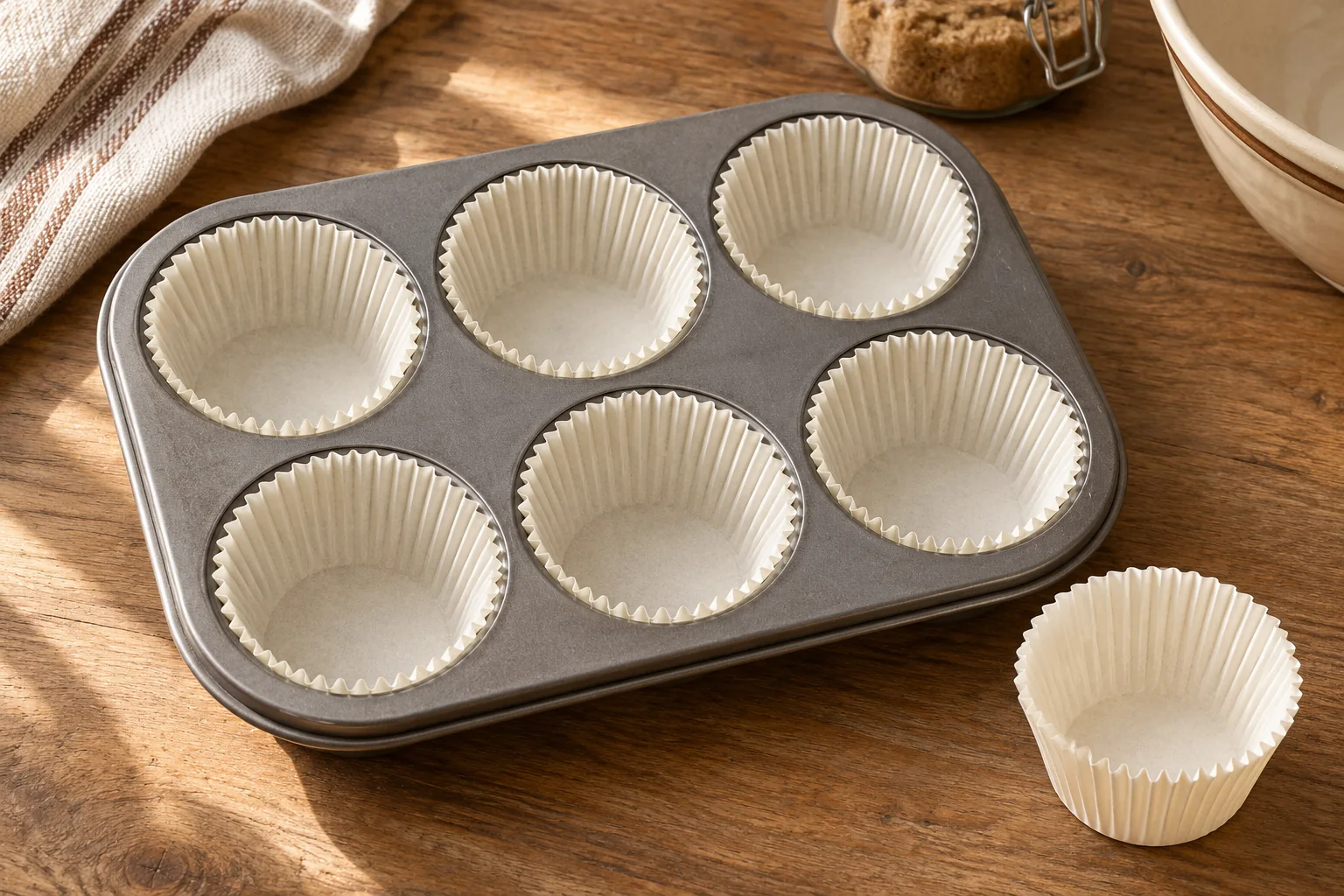
A tall or oversized wrapper placed inside a standard muffin well may wrinkle, fold or fail to make even contact with the cake. If the sides aren't supported properly, the paper can pull away after cooling.
Choose liners that fit snugly in the actual pan cups. A jumbo liner is not automatically suitable for a standard pan, even if you can push it down.
Set a liner in the empty pan and check that the base sits flat. If the sides crumple or the liner rides up, try a size that fits before filling the tray.
5. Batter That Contains a Lot of Fat
Butter, oil and chocolate all affect cake tenderness and how easily the crumb releases from paper. Some very rich batters may detach more readily than others, especially in heavily coated liners.
That doesn't mean you should remove the oil or reduce butter arbitrarily. Fat contributes to the intended texture. First test liner quality and cooling conditions; if needed, choose a tested cupcake recipe that uses ingredients in a suitable balance.
6. Cupcakes Were Underbaked
A centre that has not fully set may shrink or collapse as the cake cools, leaving the wrapper separated. Look for signs such as a wet centre, sinking tops or gummy streaks rather than treating loose paper alone as proof of underbaking.
Follow the recipe's doneness cues and check near the centre of the muffin pan. A tester may come out clean or with a few appropriate moist crumbs, but raw batter is not acceptable. Don't conceal underbaked cupcakes with frosting.
7. Cupcakes Were Overbaked
Overbaking can dry the cake's edges and cause the crumb to contract or separate from paper as it cools. It can also make cupcakes less tender even when they look properly coloured.
Start checking at the earliest suggested time. Mini cupcakes in particular may need significantly less time than standard-size versions.
8. Cooling Too Quickly or Unevenly
Big temperature swings can lead to changes in moisture and structure while a cake cools. You don't need to refrigerate plain cupcakes immediately just to make them set more quickly, and doing so may create condensation when they return to a warm kitchen.
Follow the recipe's recommended cooling method. For perishable fillings or frostings, handle cold storage correctly rather than letting safety be overridden by a wrapper problem.
9. The Recipe Doesn't Fill the Liner Enough
A very small amount of batter may bake into a short cupcake with relatively little side contact. As it cools, the paper can remain mostly empty above the cake, making it appear to have peeled away.
Use a portion size appropriate to the recipe, often somewhere between one-half and three-quarters of the liner's capacity. Avoid overfilling in an attempt to fix this; excessive batter can create overflow or a sunken centre.
Use the fill level from the formula you are following. Coconut Flour Cupcakes use a different fill height from the vanilla cupcakes because the batter rises differently.

10. Uneven Baking Across the Pan
If only cupcakes on one side peel, check whether the pan bakes unevenly or one row receives more heat. An oven thermometer and correct rack position can help identify repeated problems.
A cupcake that bakes substantially faster than its neighbours may lose more moisture at the edges. Portioning consistently makes it easier to judge whether the oven is part of the cause.
Are Foil Liners Better?
Foil-lined papers may be sturdier or more resistant to grease showing through, but they are not a universal cure for peeling. Their construction varies, and some need a muffin pan while others are designed to be freestanding.
Follow packaging instructions. Try a small batch before relying on unfamiliar liners for a large party, especially when the cupcake recipe is very moist.
Should You Use Two Paper Liners?
Two liners can sometimes make the exterior look prettier by covering grease spots, but they won't necessarily improve how the inner paper adheres to the cake. Additional layers may alter the fit in the pan.
Test one sturdy paper liner that fits the pan before trying a second layer. You can add decorative outer liners after the cakes have cooled.
Should You Spray the Paper Liners?
Not unless the cupcake recipe specifically tells you to. Spraying the paper may make it more likely to release from the cake, which is the opposite of what you want if the problem is peeling.
If your cupcakes consistently stick too strongly when eaten, that's a separate issue. Test a recipe-approved spray or different paper for better release; don't assume one approach fixes both peeling and sticking.
Why Do Liners Peel After Refrigeration?
Refrigeration can introduce humidity and condensation, particularly when a closed package is moved between cool and warm conditions. Certain soft, moist cupcakes may separate from their papers as the temperature changes.
Perishable cream cheese frosting, custard and cream fillings must still be kept cold. Use suitable packaging and follow the complete cupcake recipe's temperature guidance.
Why Do Liners Peel on Chocolate Cupcakes?
Chocolate cupcakes may contain cocoa powder, oil and hot liquids that create a very moist crumb. That can make condensation and liner choice particularly noticeable. But a chocolate cupcake isn't guaranteed to peel simply because it's chocolate.
Check whether the cake is fully baked, has cooled before storage and uses appropriately sized papers. Don't remove ingredients or add excess flour merely to make the wrapper stick.
With Vegan Chocolate Espresso Cupcakes, keep the recipe the same if you are comparing liners. Check the centre with the recipe’s doneness cues and write down whether only one liner type pulls away.

Can You Save Cupcakes Whose Papers Already Peeled?
If the cupcakes are fully baked and safely stored, loose liners are generally cosmetic. You can carefully remove the wrapper and serve the cupcakes in a clean dessert cup, or place them in a fresh decorative outer wrapper shortly before presentation.
For a bake sale or event, use individual food-safe packaging that supports each cupcake and accurately labels the ingredients. Do not try to attach paper to cake with a substance not intended for food.
Practical Test for Your Next Batch
Bake your reliable recipe using two or three different food-safe liner styles in the same standard pan, recording which row uses each type. Keep the fill amounts as consistent as possible. Cool all cupcakes according to the same safe method.
Observe the liners once fully cool and again after appropriate storage. A controlled test helps reveal whether liner choice, condensation or an overall recipe issue is responsible.
Use two liner types in a single tray and mark their positions. Compare them after cooling and again after storage under the same conditions. Repeat the test if one side of your oven browns more strongly.
Common Mistakes to Avoid
- Putting warm cupcakes directly into airtight containers.
- Leaving cupcakes sitting in hot pans much longer than the recipe directs.
- Using loose, oversized paper liners.
- Adding extra flour or removing fat without recipe testing.
- Spraying nonstick paper when peeling is the complaint.
- Ignoring raw or gummy centres because the frosting hides them.
Frequently Asked Questions
Are loose cupcake liners a sign of underbaking?
Not necessarily. Underbaking is one possible cause, but humidity, liners and cooling can also produce peeling. Check the actual crumb.
Do greaseproof liners peel more easily?
Some coatings release more readily, but results vary with the paper brand and cupcake recipe. Test a small batch.
Should I remove cupcakes from the pan immediately?
Follow the recipe's cooling instructions. Many cakes benefit from a brief pan rest before transfer to a wire rack.
Can double liners stop peeling?
Not reliably. A good-quality, properly fitting single liner often works well, while double liners add little benefit for adhesion.
Why do the papers separate overnight?
Trapped moisture or condensation during storage may weaken the bond. Make sure the cupcakes are fully cool before packaging, while following refrigeration rules for perishable toppings.
Good Cupcakes, Better Presentation
Peeling cupcake liners are often a solvable presentation issue. Begin with correctly sized, sturdy papers and a reliable cooling routine; only then investigate baking time and recipe structure. A controlled change is more useful than altering the entire batter—and the taste of the cupcake should remain the priority.
IN PICTURES
From the baking notebook
FROM THE RECIPE BOX


