
On this page
Cut one brownie from a corner and another from the middle, then compare them once cool. If only the corners crumble, check pan depth, material and time. If both pieces feel sandy, look at what went into the bowl before blaming the oven.
Fudgy versus cakey styles
Fudgy brownies often use relatively more fat and chocolate compared with flour, with limited leavening. Cakey brownies may include more flour, eggs or baking powder and rely on a different mixing method. Neither is automatically better. Comparing a fudgy recipe to a photograph of a cakey brownie may lead you to overbake or alter ingredients unnecessarily. Choose the style before troubleshooting.
Judge Almond Flour Brownies against a recipe made with the same flour before changing the bake.

Why too much flour matters
Flour supplies starch and gluten-forming proteins, adding structure but also absorbing moisture. An overly large quantity relative to chocolate, fat and eggs can make brownies bready or crumbly. Weigh in grams rather than scooping tightly packed cups. Adding flour to rescue a batter that seems loose is especially risky because many fudgy brownie batters are intentionally fluid before baking.
Cocoa powder can dry a formula
Unsweetened cocoa contains dry cocoa solids that absorb liquid. Replacing melted chocolate with an equal weight of cocoa powder removes cocoa butter and changes moisture balance. A recipe developed for cocoa has a different fat and sugar system from one using chocolate bars. Adding a large extra scoop for stronger flavor can produce dry brownies unless the whole formula is adjusted.
In Keto Brownies, follow the cocoa and sweetener amounts as a pair rather than changing both on a first test.
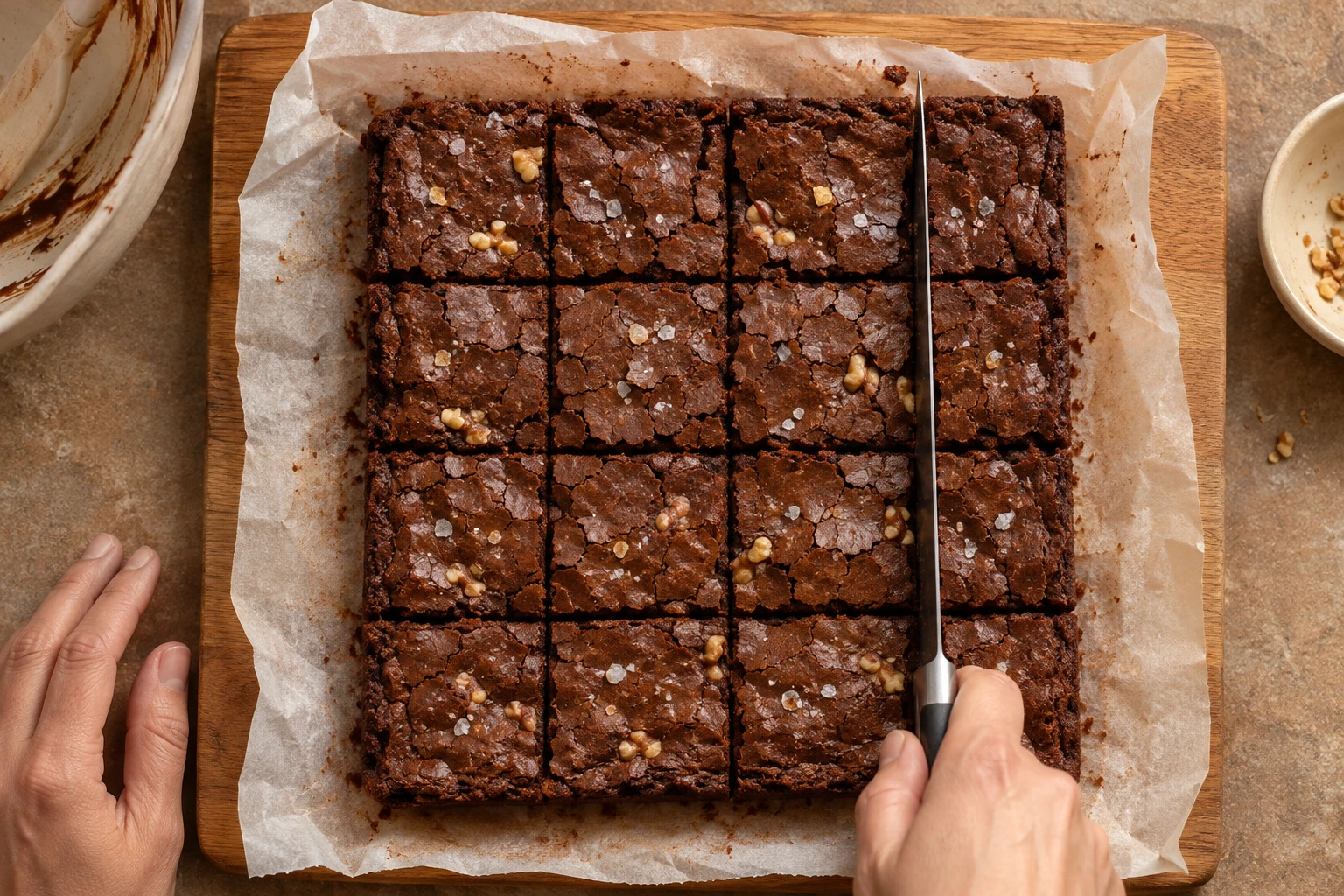
Chocolate type matters
Dark, milk and white chocolate differ in sugar, cocoa solids and cocoa butter. Even dark chocolates at different percentages can change richness when melted into batter. Using a much higher-cocoa product than specified may produce a less sweet or differently set brownie. Choose the chocolate style required or use a tested variation rather than compensating with unmeasured milk.
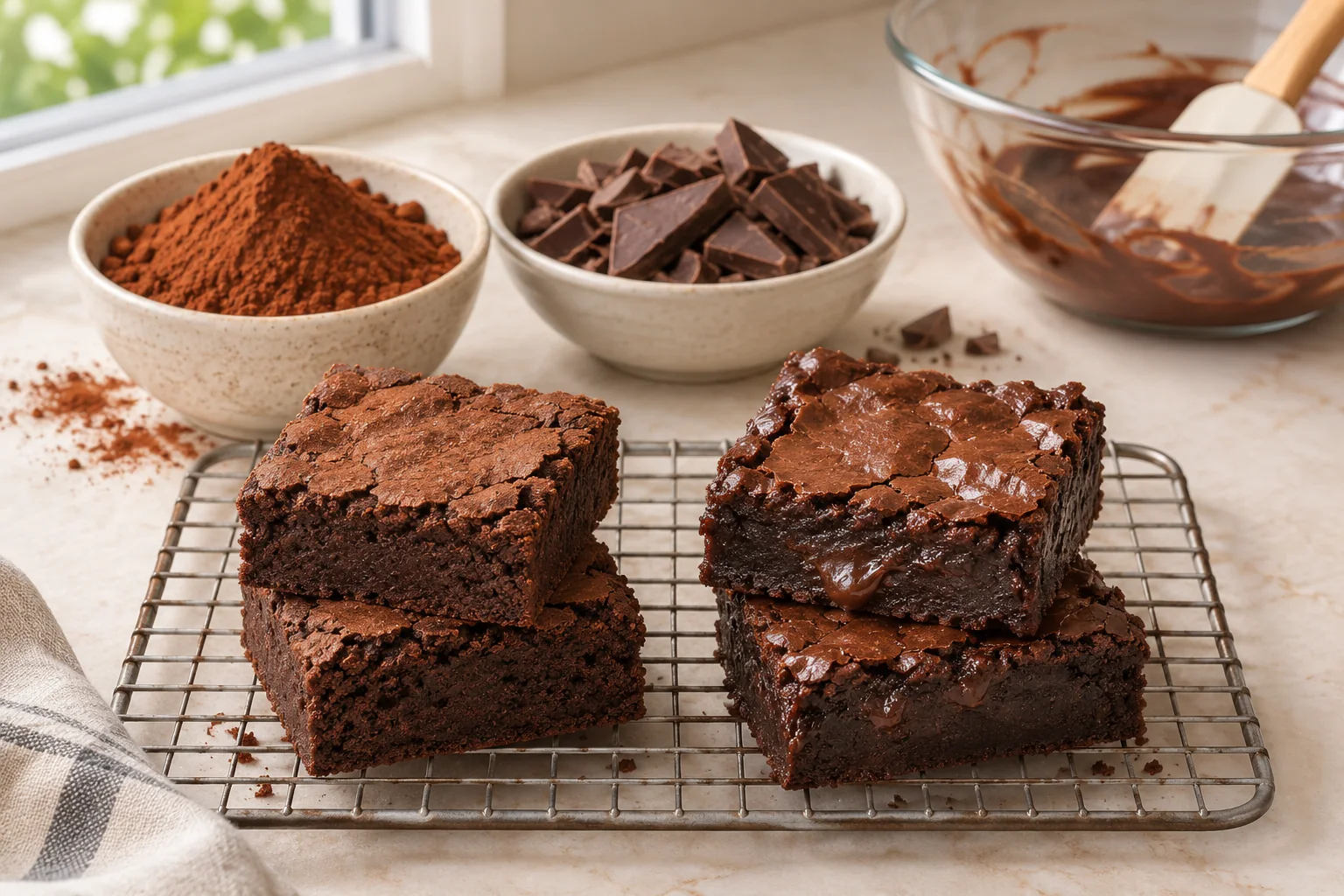
Butter and oil balance
Butter contributes fat, water and dairy flavor; oil is nearly pure liquid fat. Replacing one with the other without considering composition may alter brownie texture. Some recipes deliberately combine them. A dry brownie isn't always caused by insufficient butter—it may be overbaked or made in a pan that spread the batter too thinly. Diagnose the full method.
Baking time and carryover heat
Brownies continue cooking for a period after leaving the oven because the hot pan retains heat. If baked until the center looks fully dry and left in a heavy dark pan for a long time, they may become tough. Follow the intended crumb or tester cues. A fudgy brownie should be fully baked but need not pass the same completely clean toothpick test as a dry cake.
Use the appliance settings in Air Fryer Brownies when judging an air-fried batch. A conventional oven schedule can give a different result.

Reading a toothpick correctly
Some fudgy brownie recipes call for moist crumbs clinging to the tester rather than glossy liquid batter or a bone-dry toothpick. Others use different endpoints. An uncooked liquid center is not the same as a fudgy but properly baked crumb. Use the source's visual and temperature cues when provided and allow cooling before deciding the center's final texture.
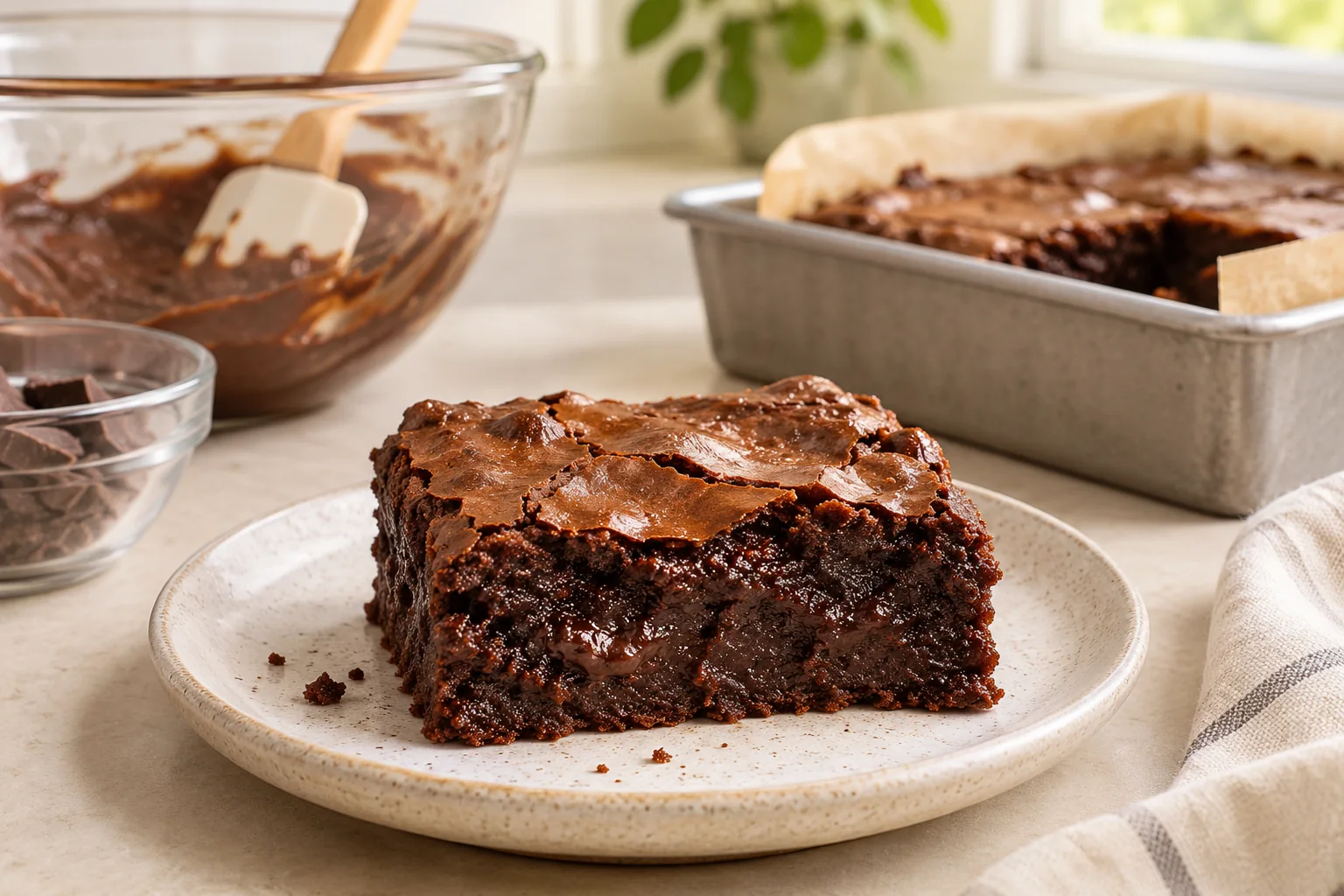
Pan size is critical
A brownie recipe written for an eight-inch square pan can become much thinner in a nine-by-thirteen-inch pan. The greater surface area changes bake time and can create overbaked edges before you expect them. A smaller deeper pan can leave an undercooked center. Use a tested pan conversion and compare batter depth rather than assuming the original timer stays valid.
A 20 cm square pan has a base area of 400 cm². A 23 cm square pan has 529 cm². The same batter sits about a quarter shallower in the larger pan, so start checking earlier if your recipe permits that change.
Use the pan size specified for Black Bean Brownies before comparing a dry edge to the middle.

Pan material changes edge heat
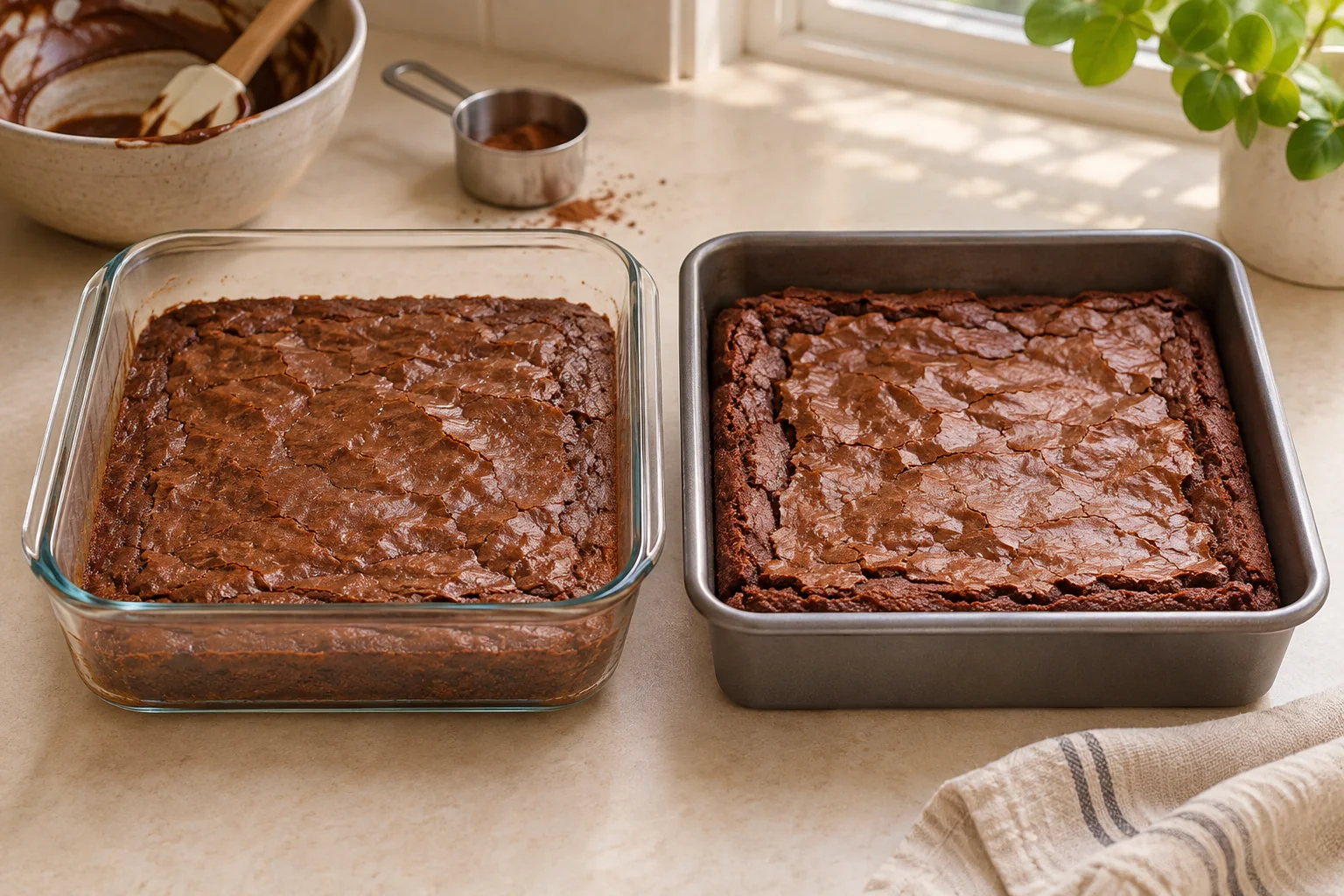
Dark metal can brown edges and undersides faster than light aluminum, while glass and ceramic behave differently as they heat and cool. A heavy dish may continue transferring heat longer after removal. Follow the recipe's recommended vessel. A glossy top with dark hard edges may result from pan and bake time rather than a poor chocolate ingredient.
Why corners dry first
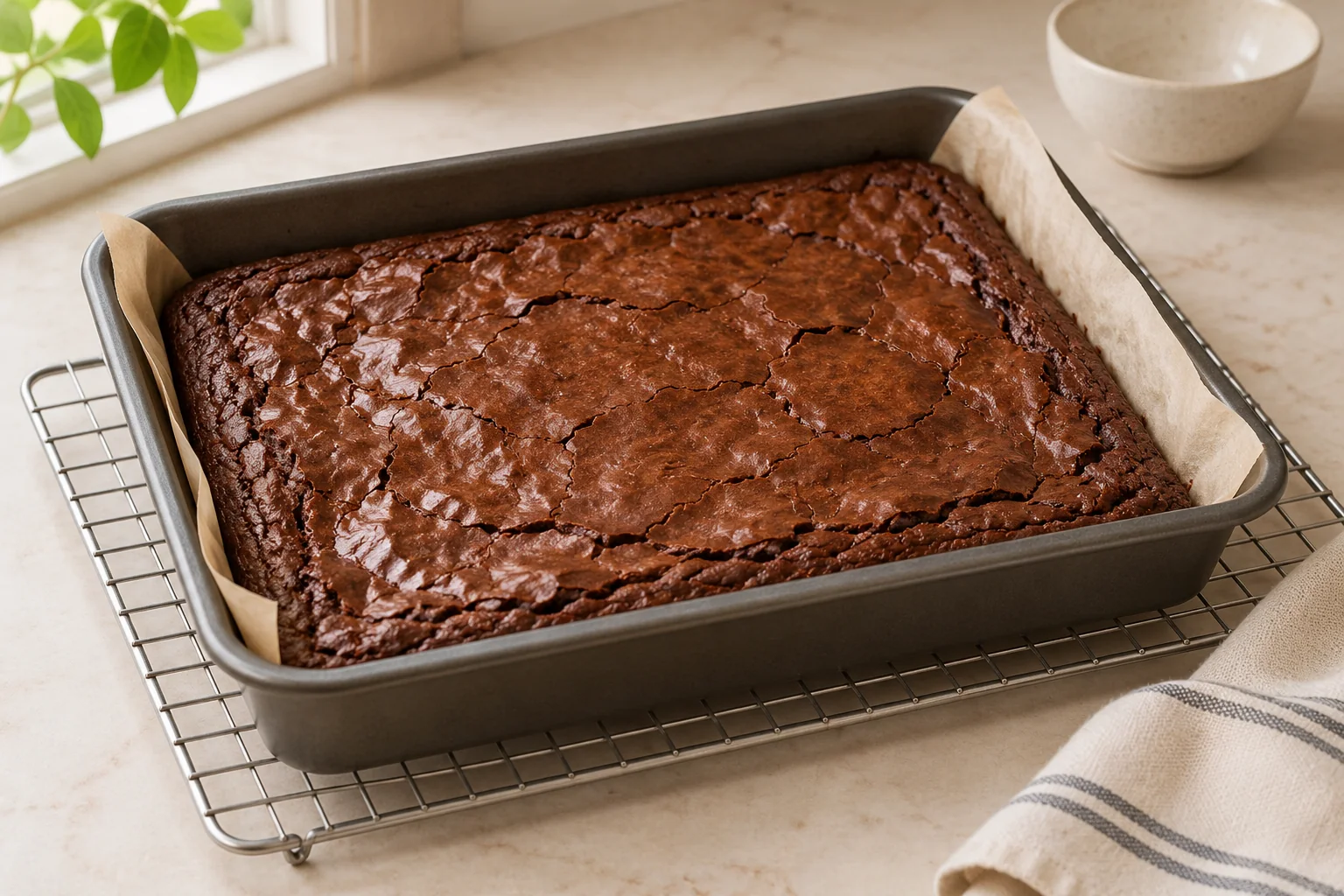
The edges and corners receive heat from multiple directions and often finish before the center. In a large rectangular pan, some corners may become dry even when the center is perfect. Avoid overbaking the entire pan to make every section look equally dark. Use the recipe's intended doneness and cool adequately. A sharp knife and consistent cut size make texture differences easier to observe.
Sugar affects moisture and texture
Sugar contributes sweetness but also changes protein setting and moisture perception. Reducing it dramatically can make brownies drier or less fudgy. Brown sugar may alter chew and flavor relative to white. Choose a tested lower-sugar brownie if that is your goal rather than removing a third of sugar without adjusting other ingredients.
Egg quantity matters
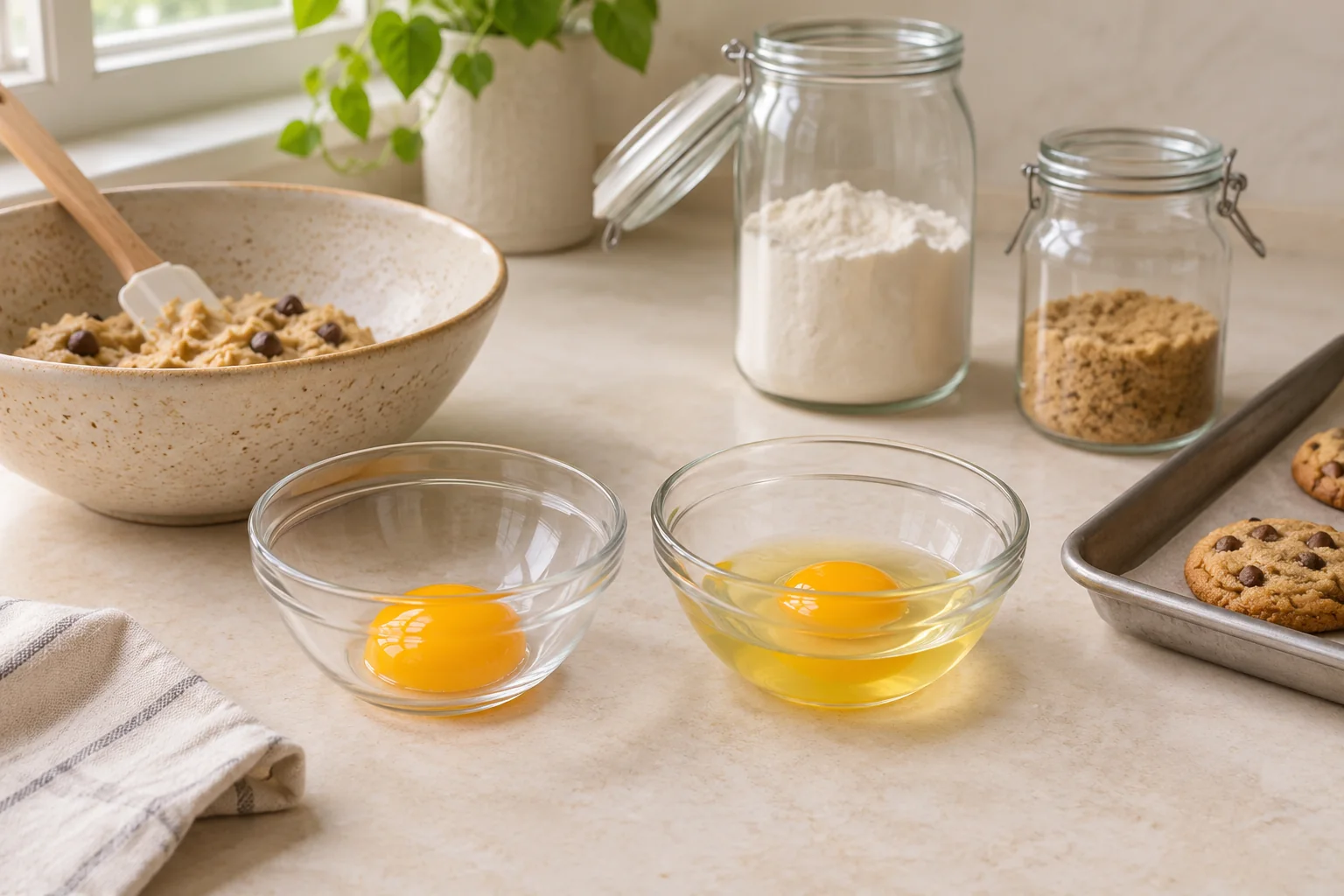
Egg proteins help brownies set, while yolks add fat and emulsifying components. Too many eggs may shift some formulas toward a firmer cakey structure; too few can leave them fragile. A brownie that crumbles may also have been cut before cooling. Follow the recipe's egg sizes and mixing method rather than adding an extra yolk to every dry batch.
Mixing can change the crumb
Brownies often need less extensive flour mixing than bread. Overmixing after flour addition can develop toughness, while inadequate mixing leaves dry pockets. Some recipes whisk eggs and sugar extensively to form a shiny crust; others do not. Follow the specific method and scrape the bowl for an even mixture. A flat shiny top alone doesn't guarantee fudginess.
Why the surface cracks
A thin papery crust with cracks can be desirable in certain brownies, especially when sugars and eggs are combined in particular ways. Those cracks do not automatically mean the interior is dry. A large central sink, however, may indicate another structural issue. Judge a fully cooled cut square rather than only the top appearance.
Cooling is essential
Brownies become firmer as chocolate and fat cool and the baked structure stabilizes. Cutting very hot brownies can create crumbling and smearing even when the recipe is correct. Follow the rest time and consider chilling for neat fudgy squares where the recipe recommends it. A very cold brownie may also taste firmer until served at its intended temperature.
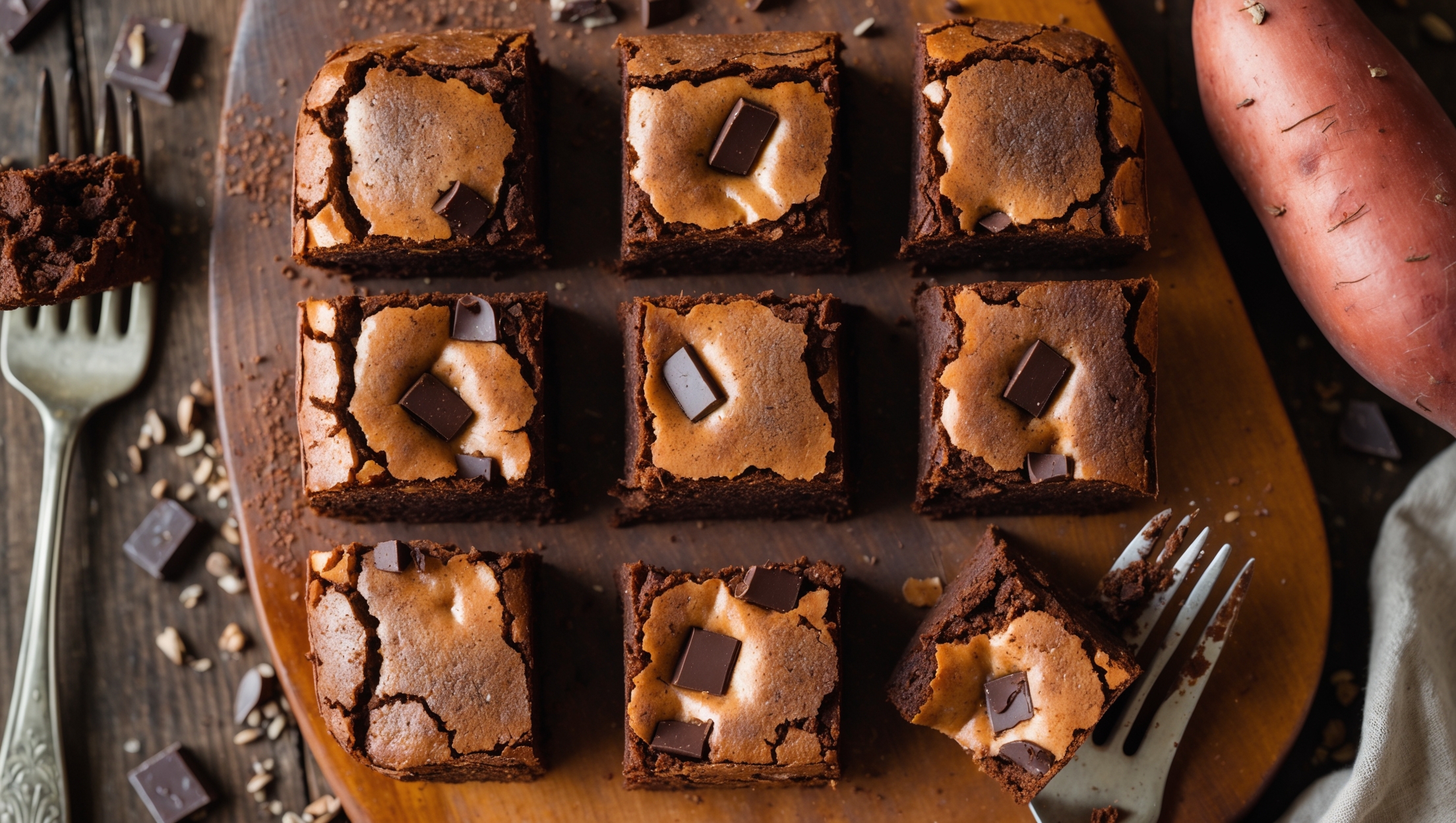
Let Sweet Potato Brownies cool before deciding whether their moist crumb holds together.
Cutting without shattering
Use a suitable sharp knife, clean it between cuts and support the brownie slab. Very cold or heavily chilled brownies may need a brief controlled softening period before cutting. A brittle thin chocolate topping can crack if the knife presses directly downward. A clean cut reveals texture more reliably than a torn square.
Storage changes tenderness
Brownies can dry when left unwrapped or exposed to circulating air. Cool fully and store in a suitable container according to the recipe. Freezing wrapped portions may preserve quality better than several days of open countertop storage. Cream cheese swirls or dairy-rich frostings change safe storage requirements; follow the most perishable component.
What if brownies are already dry?
Safe dry brownies may be repurposed as ice cream crumbles, trifle components or crumbs for a dessert crust using an appropriate recipe. A compatible sauce may improve perceived moisture at serving. However, covering an underbaked or spoiled brownie with ice cream isn't a safety solution. Use repurposing for quality issues, not known unsafe food.
A comparison bake
Bake a trusted brownie recipe as written in the specified pan, weighing ingredients and noting the earliest approved endpoint. Compare a properly cooled center square and edge square. If the center is good but edges are dry, pan heat or bake duration is likely important. If the entire slab is dry, revisit ingredients and total time. Change one variable next batch.
IN PICTURES
From the baking notebook
FROM THE RECIPE BOX


