
On this page
Two white liquids can behave quite differently in the same biscuit dough. Cultured buttermilk brings acidity as well as moisture. Before substituting whole milk, check whether the recipe relies on baking soda, how thick the batter should be and how much tang belongs in the finished bake.
What whole milk contributes
Whole milk usually contains roughly 3–3.5% milk fat, along with water, protein and naturally occurring lactose. It moistens flour and contributes to browning and tenderness within a balanced recipe. The exact composition varies by market. A vanilla butter cake may use whole milk for a mild clean flavor and predictable consistency. The milk is part of the liquid ratio, not simply a splash for mixing convenience.
What cultured buttermilk contains
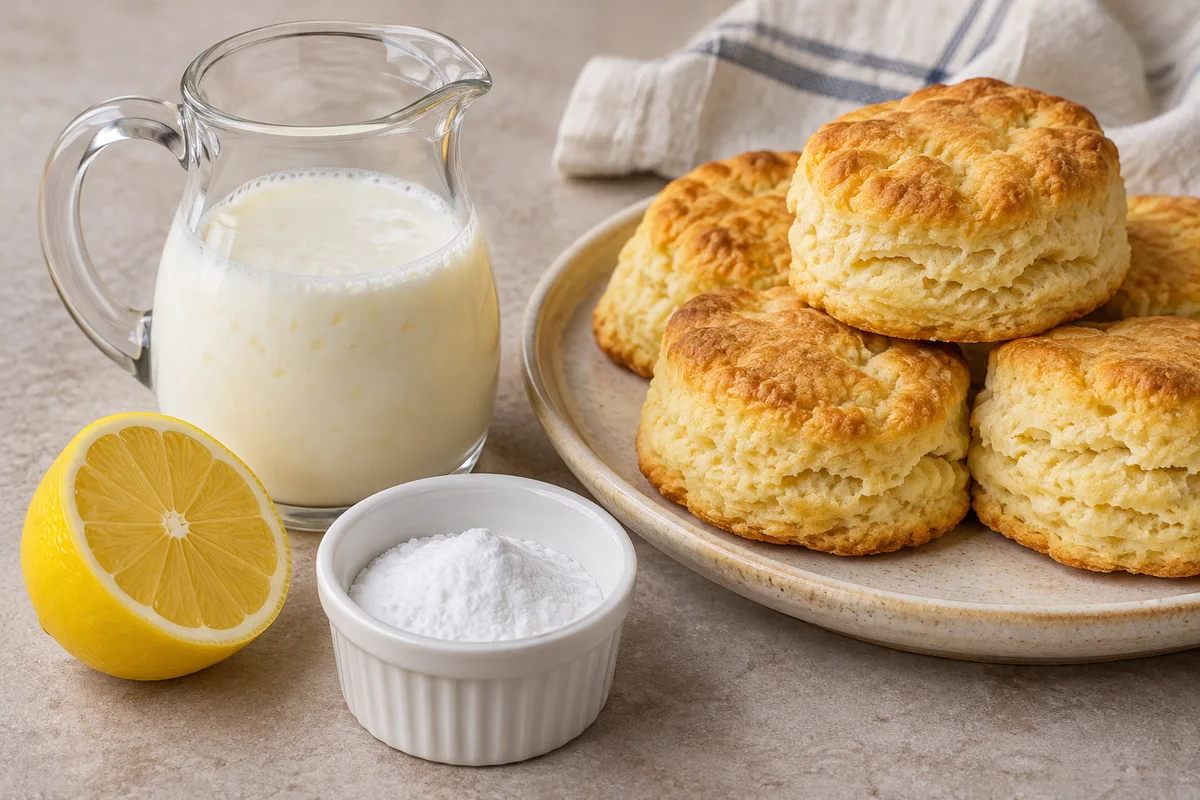
Modern commercial cultured buttermilk is typically a fermented milk product with a tangy acidic flavor and often a thicker texture than ordinary milk. The fat content varies, and it is not necessarily high-fat. Its acidity can react with baking soda and change batter pH. The thick consistency and dairy solids may also affect how the batter flows and holds inclusions such as berries.
Buttermilk and baking soda
When acid from buttermilk meets sodium bicarbonate, carbon dioxide can form, contributing gas to cakes, muffins and pancakes. The recipe should account for the quantities so there is sufficient lift without an alkaline aftertaste. Replacing buttermilk with neutral whole milk while leaving soda unchanged may reduce that reaction. Conversely, adding soda to every milk recipe isn't a reliable way to create more rise.
Use the leavener specified for Buttermilk Biscuits when working with cultured buttermilk.
Whole milk and baking powder
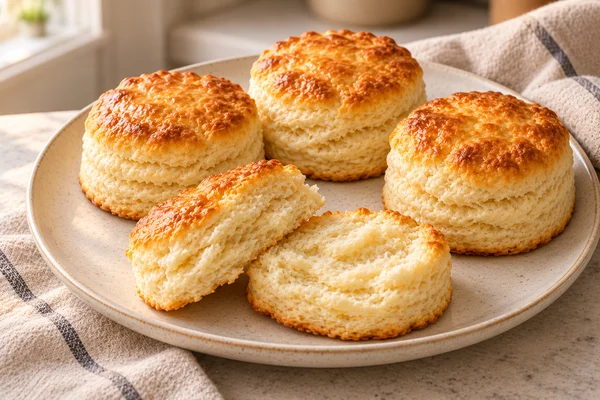
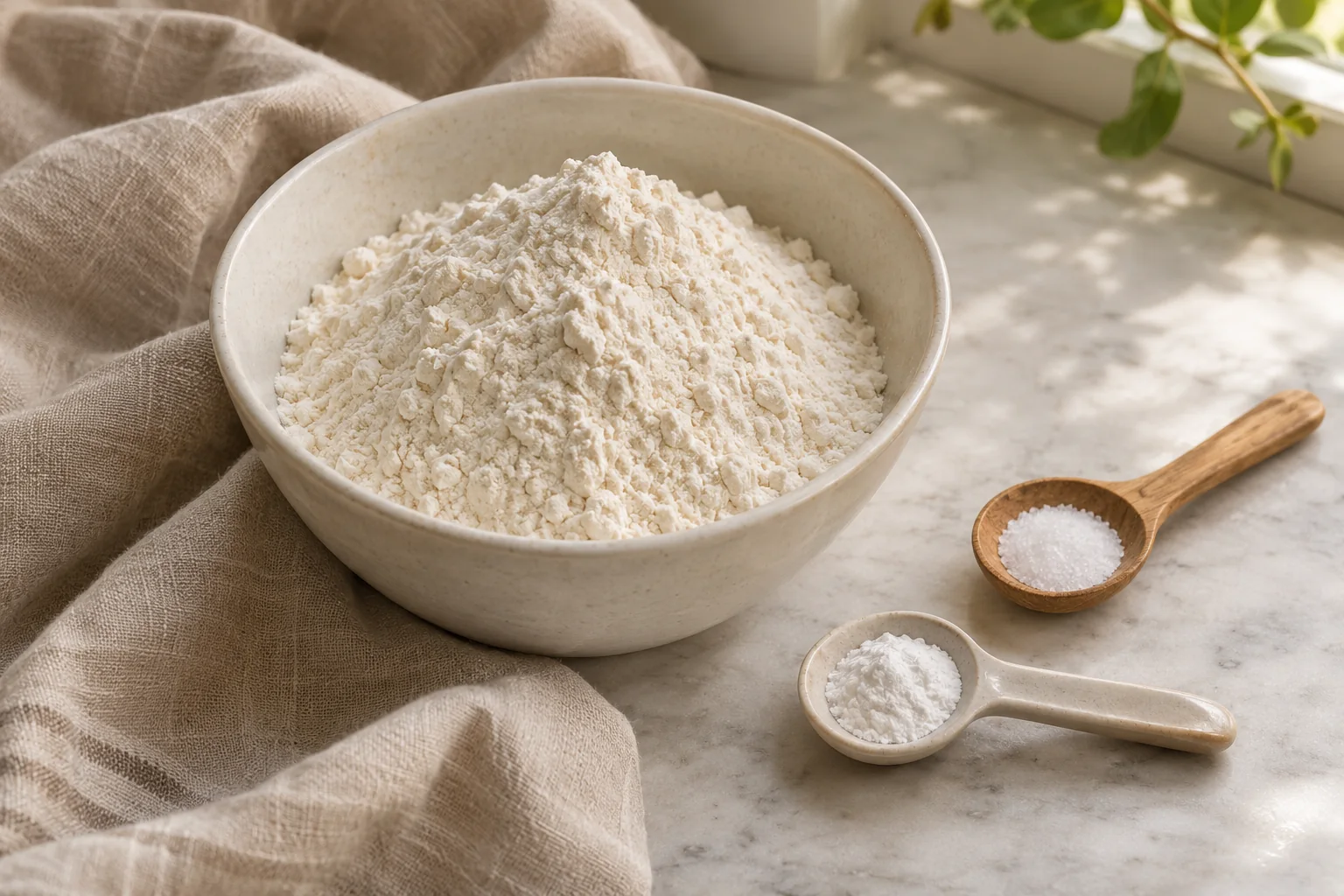
A milk-based cake often uses baking powder, which includes acid salts and can generate gas without a separate strongly acidic liquid. The formula may also use soda for other ingredients, such as cocoa or brown sugar. Check the complete ingredient list before making assumptions. A recipe calling for milk and powder doesn't necessarily need a buttermilk substitute to become tender.
Flavor differences
Whole milk has a gentle dairy sweetness, while cultured buttermilk adds sourness that can balance rich butter, sugar or chocolate. A pronounced tang may be welcome in pancakes or red velvet cake but less desirable in a delicate vanilla custard. Baking may soften the impression of acidity, though the exact flavor remains recipe-dependent. Choose the style that suits the intended result.
Biscuit dough
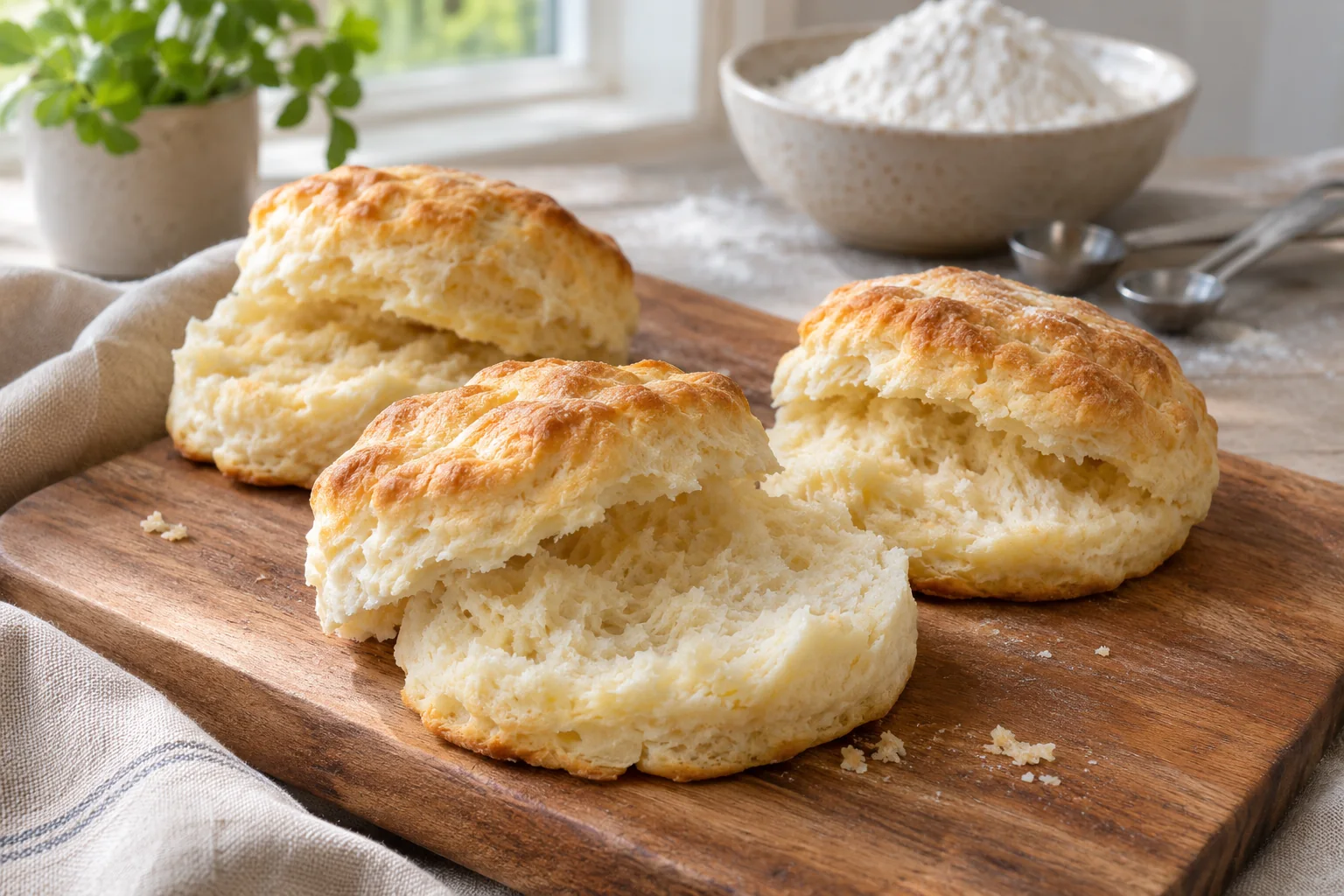
Buttermilk biscuits traditionally rely on acidic dairy and a carefully balanced leavener, combined with cold fat and gentle handling. Their tenderness also comes from avoiding excessive gluten development. A plain milk biscuit can be delicious but may use a different formula and liquid quantity. Swapping without adjustment can change both lift and dough consistency. For reliability, use a tested biscuit recipe specifically designed around the dairy available.
Buttermilk pancakes
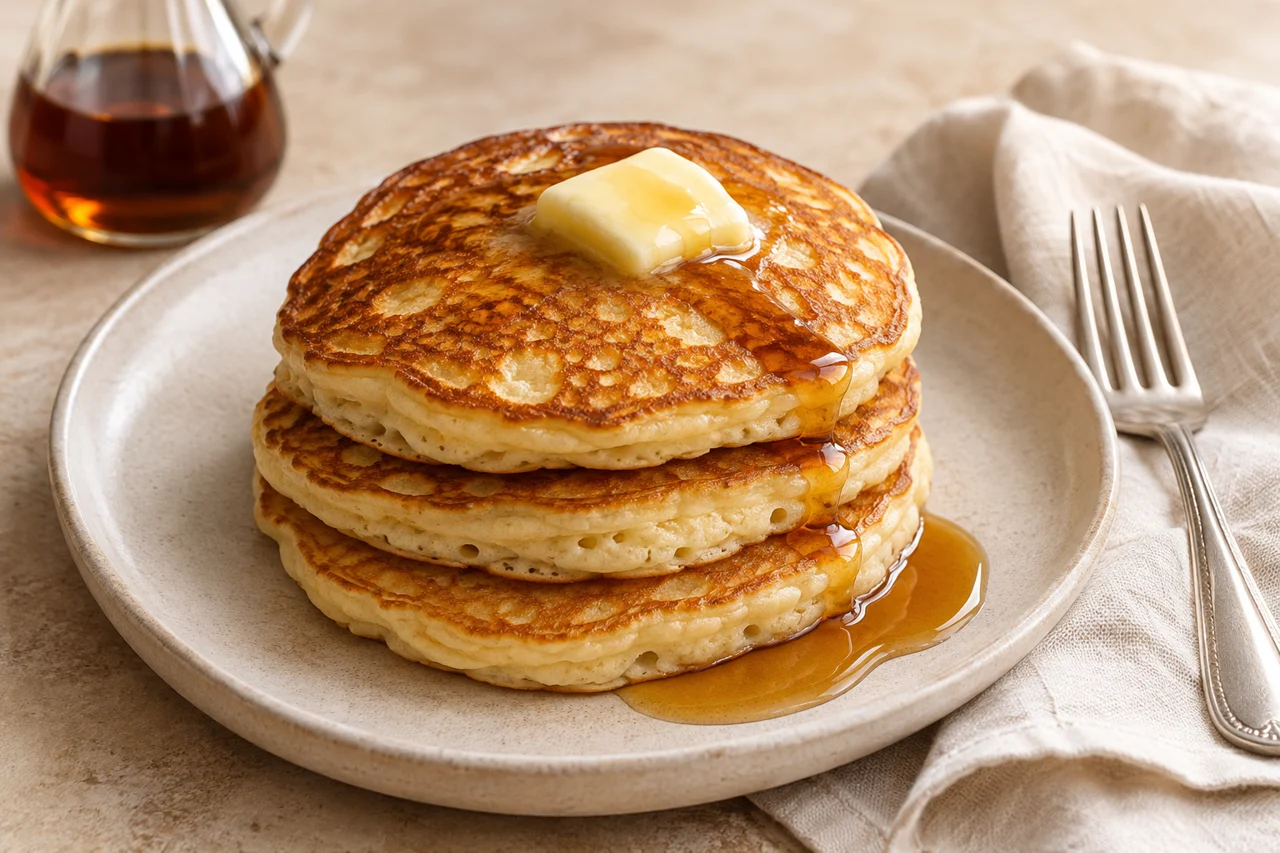
A buttermilk pancake often produces a thick batter with characteristic tang and a light crumb when the soda or powder system is balanced. Adding extra baking soda indiscriminately can lead to a soapy taste or an odd color. If the batter is too thin after substituting milk, more flour might create toughness. It is usually simpler to follow a published whole-milk pancake formula.
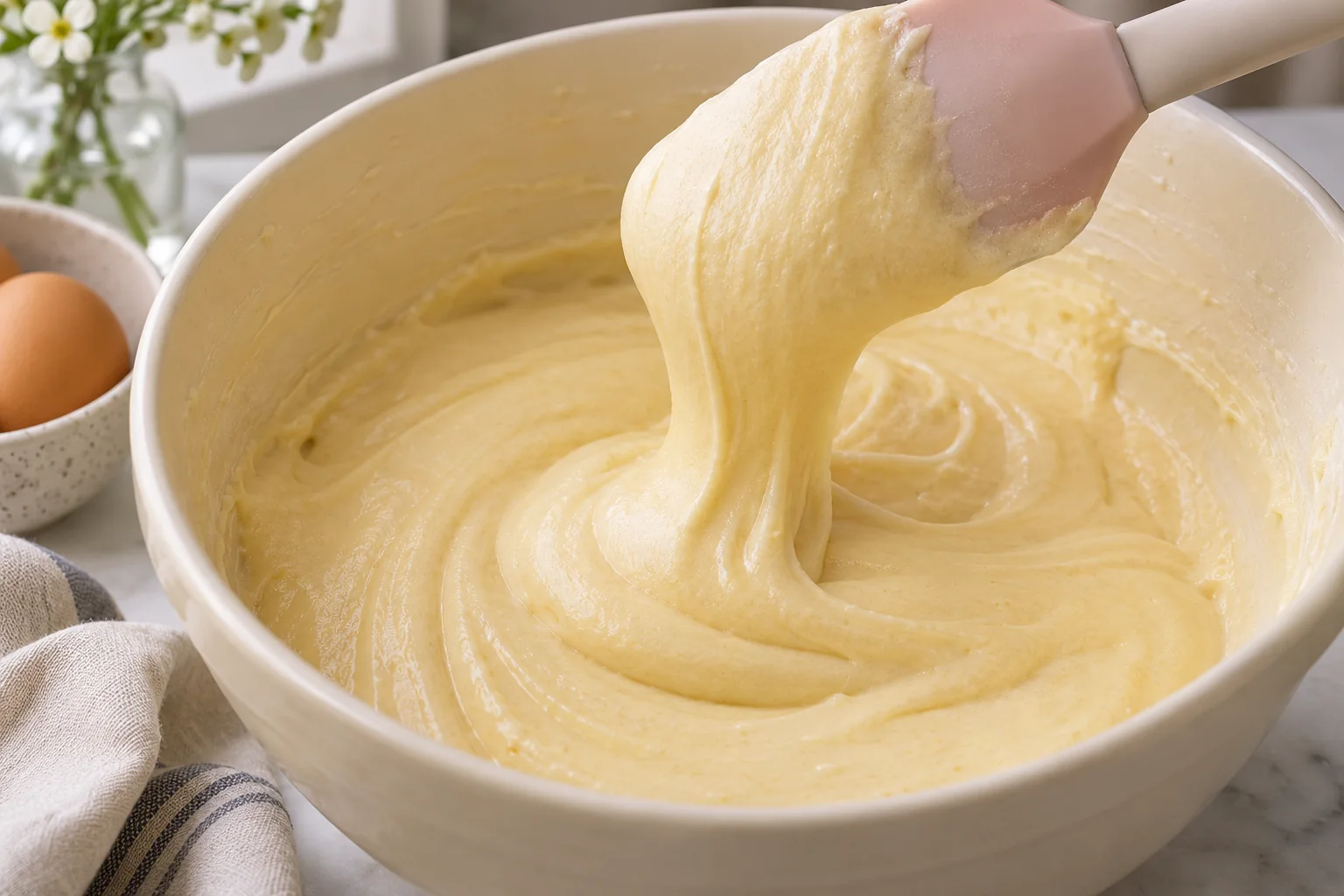
The batter for Basic Buttermilk Pancakes gives you a starting point for judging thickness and spread.
Whole milk pancakes
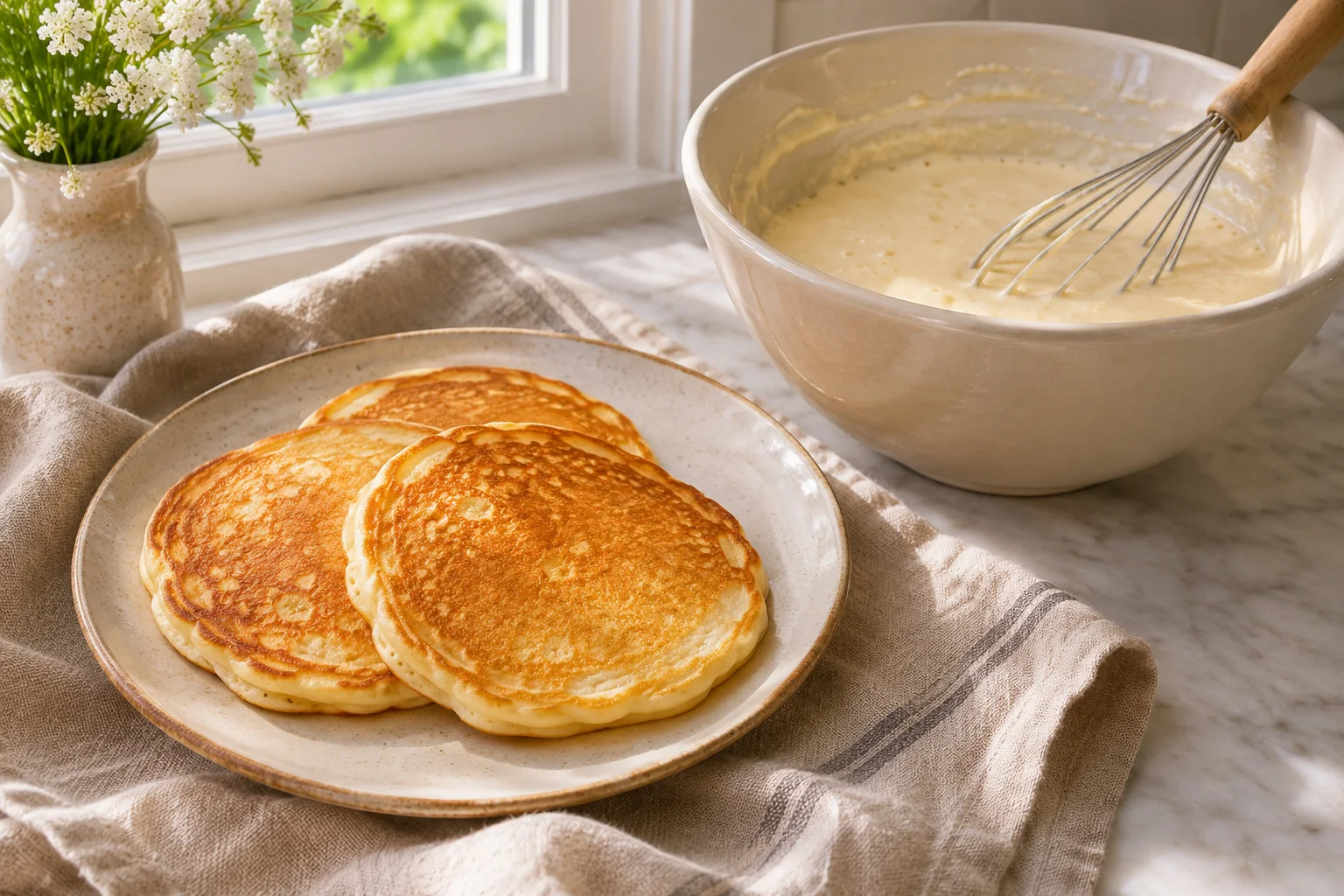
Whole-milk pancakes may rely primarily on baking powder and a different batter thickness. They can be fluffy without cultured dairy. A well-formulated milk pancake shouldn't be treated as inferior because it lacks sourness. The correct heating of the skillet and gentle batter mixing are still essential to avoid burned outsides or dense centers.
Vanilla cake
Whole milk often supports a delicate butter-and-vanilla flavor, and its liquid balance complements a creamed butter or reverse-creamed formula. Buttermilk might add welcome tang in a cake developed for it, but changing acidity can influence color and leavening. For a celebration cake, use a published variation rather than switching the dairy on baking day without testing.
Read the dairy and leavener together in Classic Vanilla Layer Cake before swapping one liquid.

Chocolate cake
Both milk and buttermilk appear in chocolate cake recipes. Acid can influence the behavior and color of certain cocoa products, particularly alongside baking soda. Natural cocoa and Dutch-process cocoa may have different pH, so the full system matters. A darker color after substitution doesn't prove a better chocolate cake; judge crumb and flavor as well.
In Chocolate Layer Cake, check the cocoa type alongside the dairy and leavening.

Muffin batters
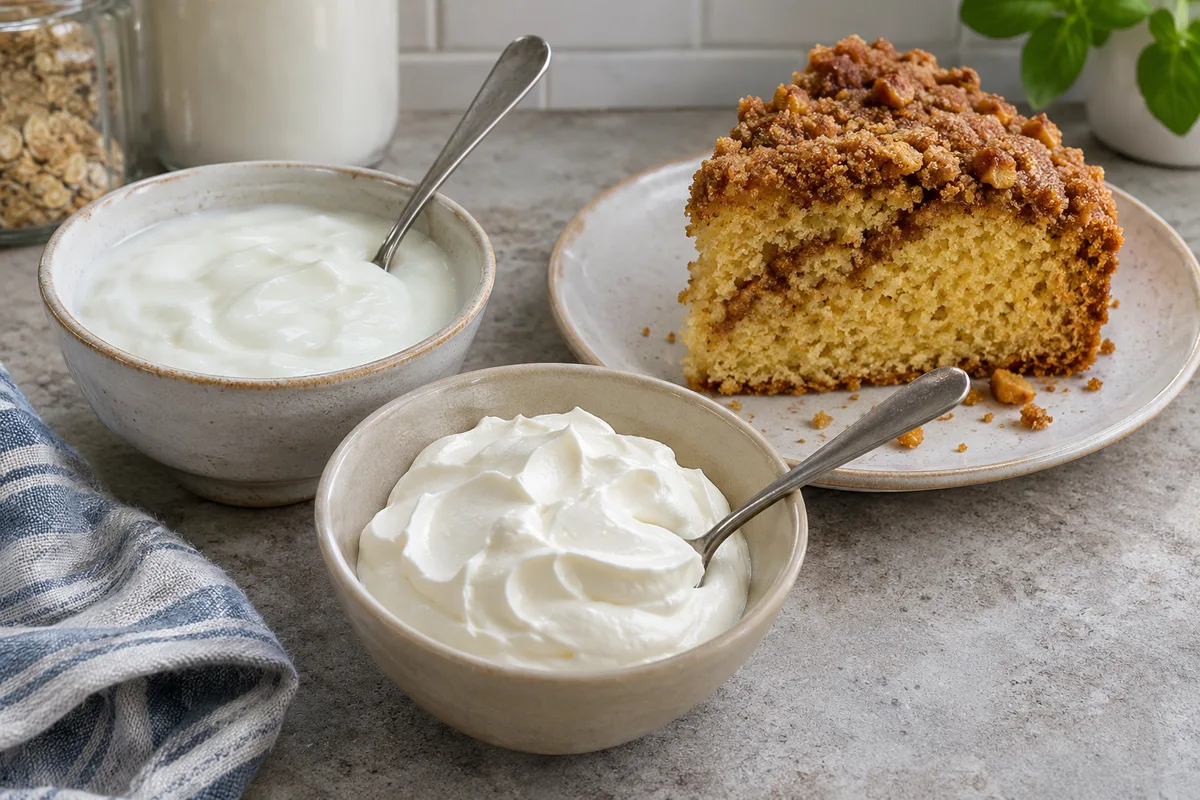
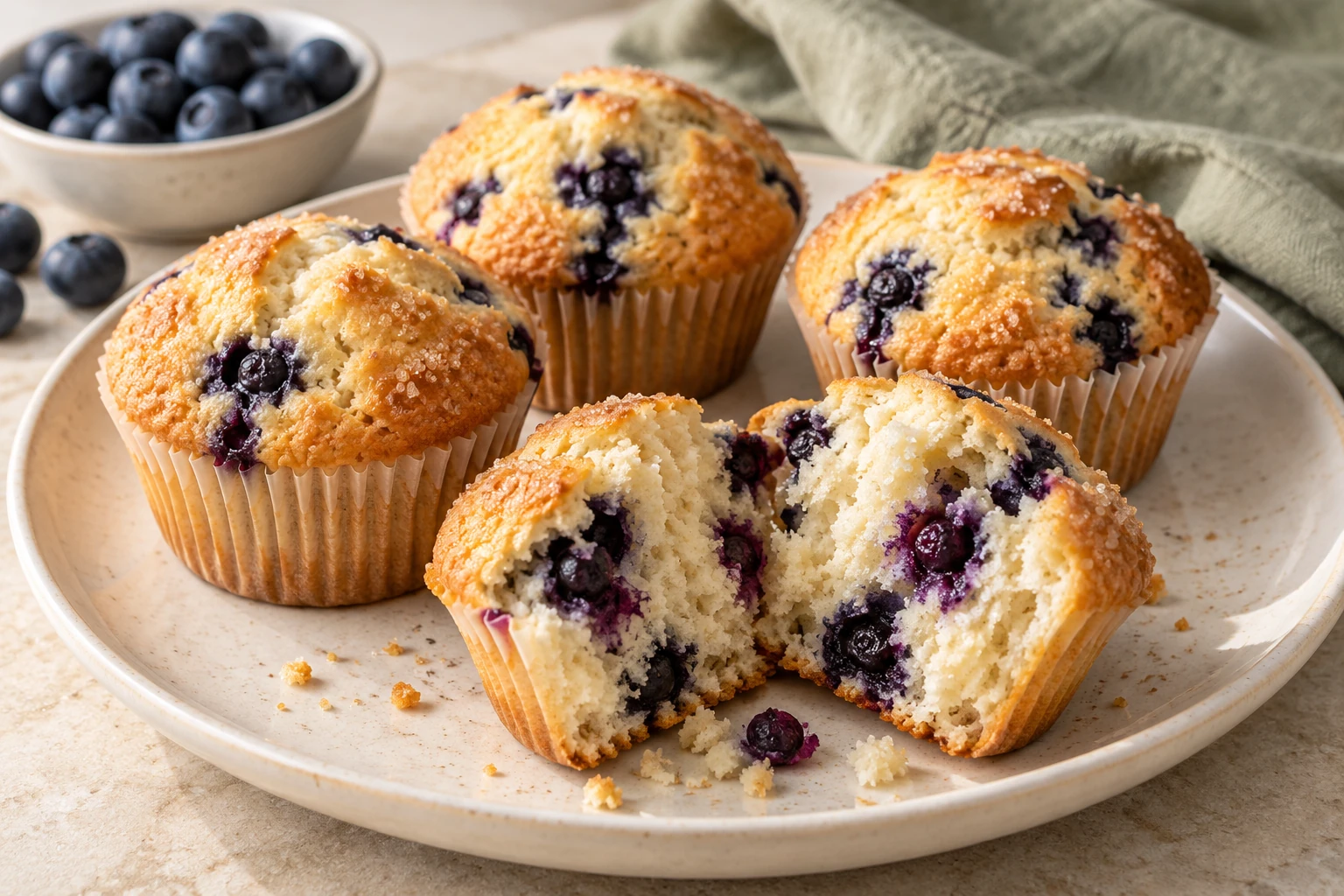
Buttermilk and yogurt can contribute tang and thickness to muffin batters, which may help support fruit. Whole milk gives a thinner liquid component in many formulas. Overmixing can produce tough muffins regardless of which dairy is used. When substituting, preserve the recipe's intended batter consistency and leavening through an approved method.
Fat content isn't the same
Whole milk includes a modest amount of fat, but cultured buttermilk may be low-fat. Substituting equal volume can slightly change richness alongside acidity. The difference is not necessarily enormous in every recipe, yet it matters in delicate cakes. Sour cream and heavy cream have much higher fat levels and aren't equivalent to either milk simply because all are dairy products.
Use the specified liquid in Buttermilk Sandwich Bread before deciding the dough needs extra flour.

The lemon-juice-in-milk shortcut
A common homemade approximation adds an acid such as lemon juice to milk. It may provide acidity to certain batters but does not reproduce the fermentation, thickness and complete composition of cultured buttermilk. Use a tested quantity and recipe where that shortcut is recommended. Don't add concentrated vinegar or lemon juice by guesswork and assume the resulting liquid is chemically identical to commercial buttermilk.
Powdered buttermilk
Powdered cultured buttermilk products can be convenient for occasional baking. Reconstitution and mixing instructions vary by brand; some formulas add the powder to dry ingredients and the water separately. Follow the package and the recipe, checking whether the product matches the intended acidity and fat level. Powdered buttermilk isn't automatically equivalent to ordinary dry milk powder.
Plant-based milk alternatives
Oat, soy and almond beverages differ in sugar, protein and fat; none is guaranteed to substitute exactly for whole milk. Some cultured non-dairy products provide acidity but also different stabilizers and thickness. For dairy-free baking, choose a tested formula and pay attention to other allergens. A plant beverage that tastes creamy does not automatically provide the same protein or leavening behavior.
Temperature before mixing
Some butter cakes ask for milk or buttermilk near room temperature to combine smoothly with softened butter and eggs. Do not leave dairy unrefrigerated for prolonged periods to achieve this. Measure only what you need and use the method's permitted warming approach. Very cold dairy may make an emulsion look curdled, while excessive heating can change ingredient behavior.
Storage and freshness
Keep dairy at or below 4°C (40°F) and follow its labeled use-by guidance, considering when it was opened. Cultured buttermilk's tang is normal, but visible mold, unexpected discoloration or a clearly spoiled product means discard. Baking doesn't turn spoiled dairy into a safe ingredient. Measure from clean containers and refrigerate leftovers promptly.
Why a cake becomes dense after a swap
Replacing acidic buttermilk with neutral milk may change soda activity, while using a thicker cultured product can stiffen the batter. Dense cake can also result from overmixing, excess flour or low oven heat. Review the original recipe and exactly what was substituted before increasing leavener. A coherent balanced formula is more important than chasing one perfect liquid.
When the swap is acceptable
Some published cake, pancake and muffin recipes provide a tested substitution between whole milk, buttermilk or an acidified milk approximation. Follow the stated quantities and any baking powder or soda changes. If the source gives no substitution and the event is important, use the original dairy or choose a recipe developed around what you have.
For a formula designed around a different cultured dairy, compare Greek Yogurt Pancakes.
A controlled home experiment
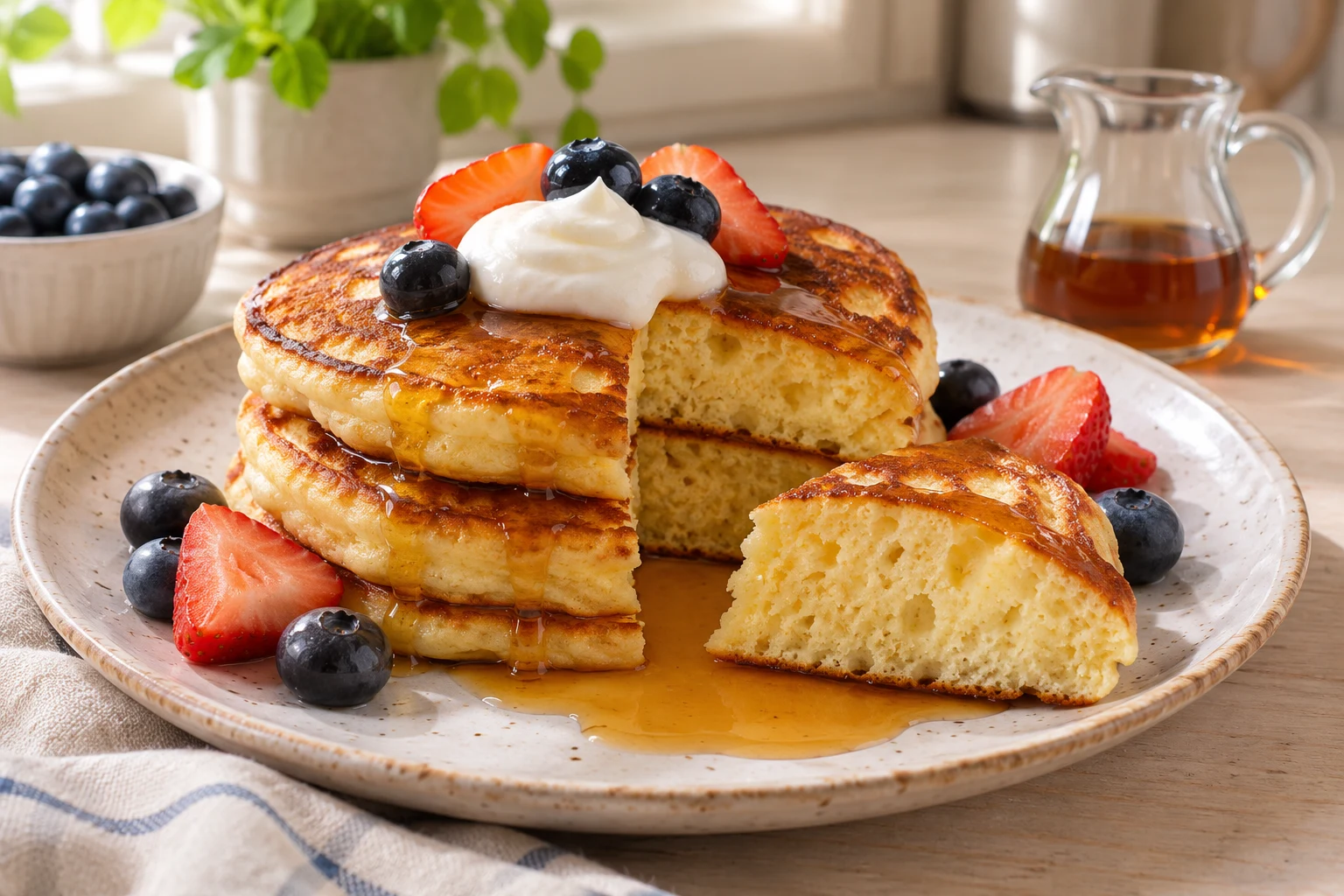
Make a small tested whole-milk pancake batch and a separate buttermilk version from a trustworthy formula. Keep pan heat and portion size comparable, then note tang, tenderness, height and browning. Because their ingredient systems differ, the comparison highlights style rather than claiming one liquid alone caused every difference.
IN PICTURES
From the baking notebook
FROM THE RECIPE BOX


