On this page
A yolk stirred into custard, whites whipped for meringue and a whole egg beaten into cake batter solve different problems. Before you change the egg count, look at the step where the egg enters. That usually tells you more about its job than the ingredient list does.
The basic composition
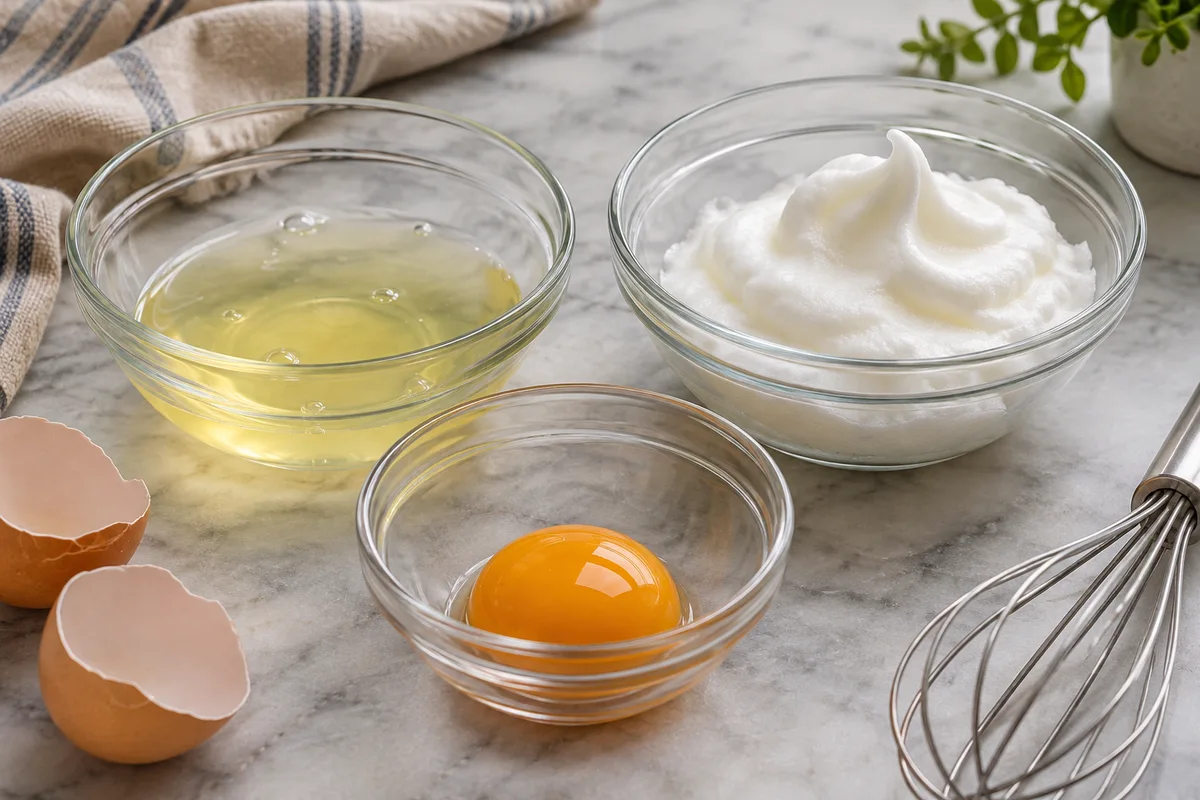
A large shell egg contains a white rich in water and proteins plus a yolk containing fat, proteins, emulsifying components and pigments. Egg size standards differ across markets, so grams are more precise than counts in sensitive recipes. A yolk isn't merely a smaller egg, and two whites are not compositionally equal to one whole egg. Use the particular egg size specified or weigh components when the author provides weights.
How proteins set cake structure
As cake batter heats, egg proteins unfold and form a network that helps hold the expanding crumb in place. Starch gelatinization and gluten structure also matter. Too little structural protein can leave a cake fragile or sunken, while an imbalanced formula may be rubbery. A fully browned exterior doesn't mean the center has finished setting, especially in a deep pan.
The cooled layers of Classic Vanilla Layer Cake show how a cake holds its form after slicing.

Eggs contribute moisture
Whole eggs contain considerable water, which hydrates flour and dissolves sugar. Replacing an egg only with oil removes that water, while replacing it only with water removes fat and protein. A cake may still mix into a batter but not rise or set as intended. This is why a successful substitution needs to reproduce several functions or choose a recipe built without eggs from the beginning.
Yolk adds richness and emulsion
Yolks carry fat and natural emulsifying ingredients, notably lecithin-containing phospholipids. These help disperse fat and water in certain batters and custards. A yolk-rich pastry cream can feel velvety, and extra yolks can make some cakes richer. But more yolk isn't automatically better: the balance with flour, sugar and water still controls structure.
Whites can create foam
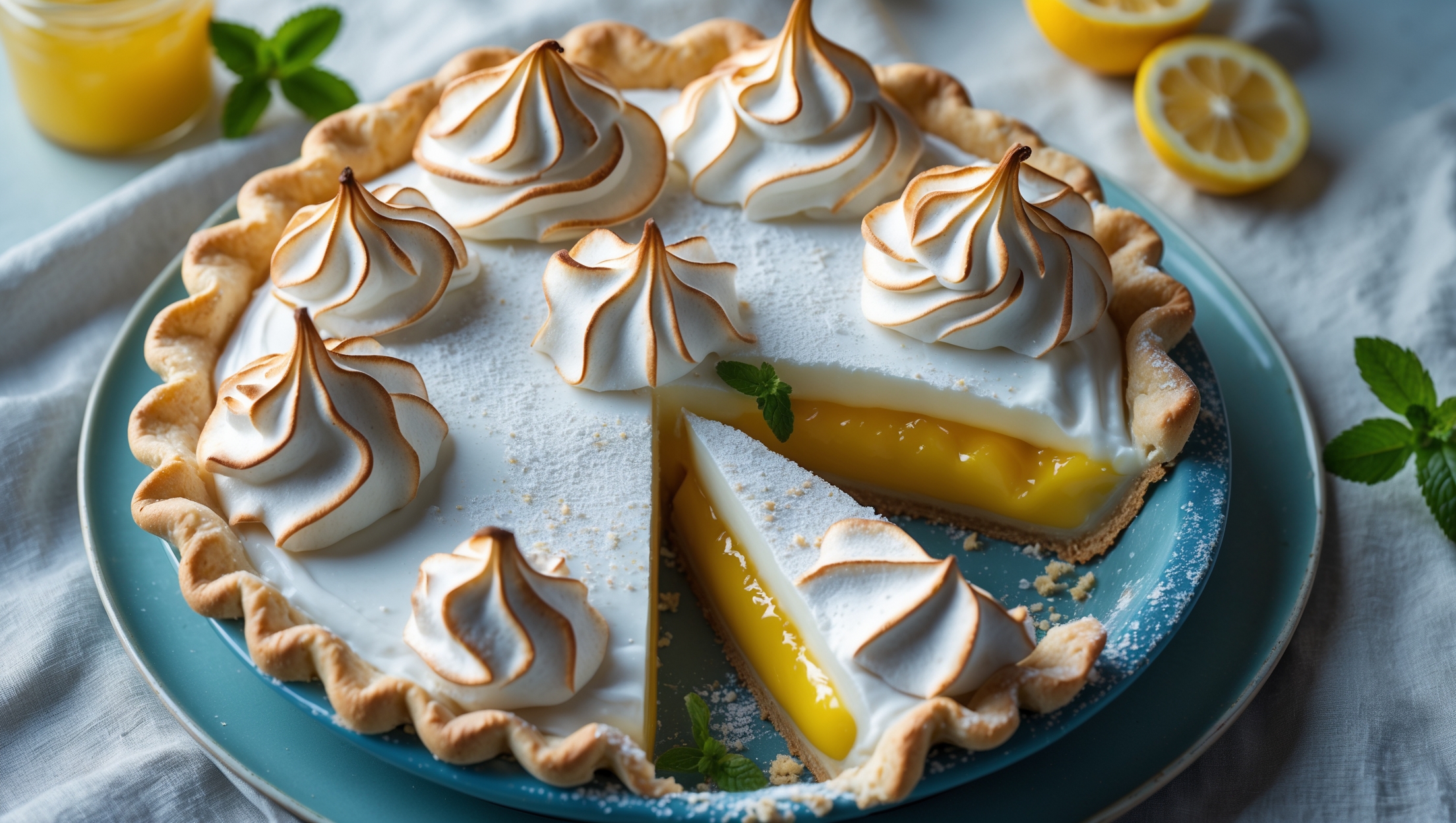
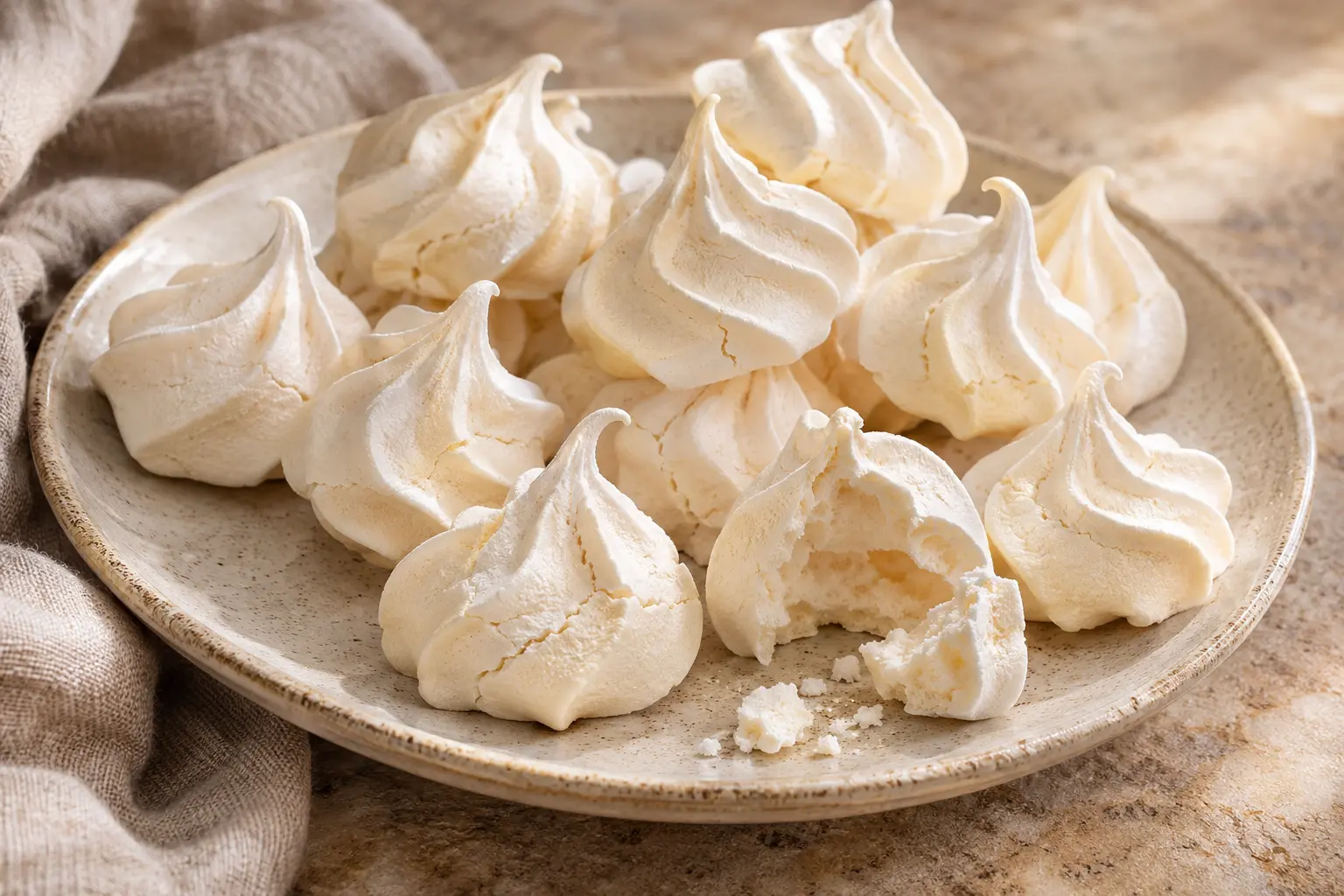
Egg-white proteins can surround air bubbles when whipped, making foam that expands during baking. Sponge cakes, angel food cake and meringues use this property. Grease or yolk contamination can interfere with foam stability, so clean bowls and tools matter. The recipe's sugar-addition schedule and final peak stage are crucial; excessively beaten dry foam may be difficult to fold without breaking.
Compare the airy topping of Lemon Meringue Pie with its denser filling.
Whole eggs in creamed cakes
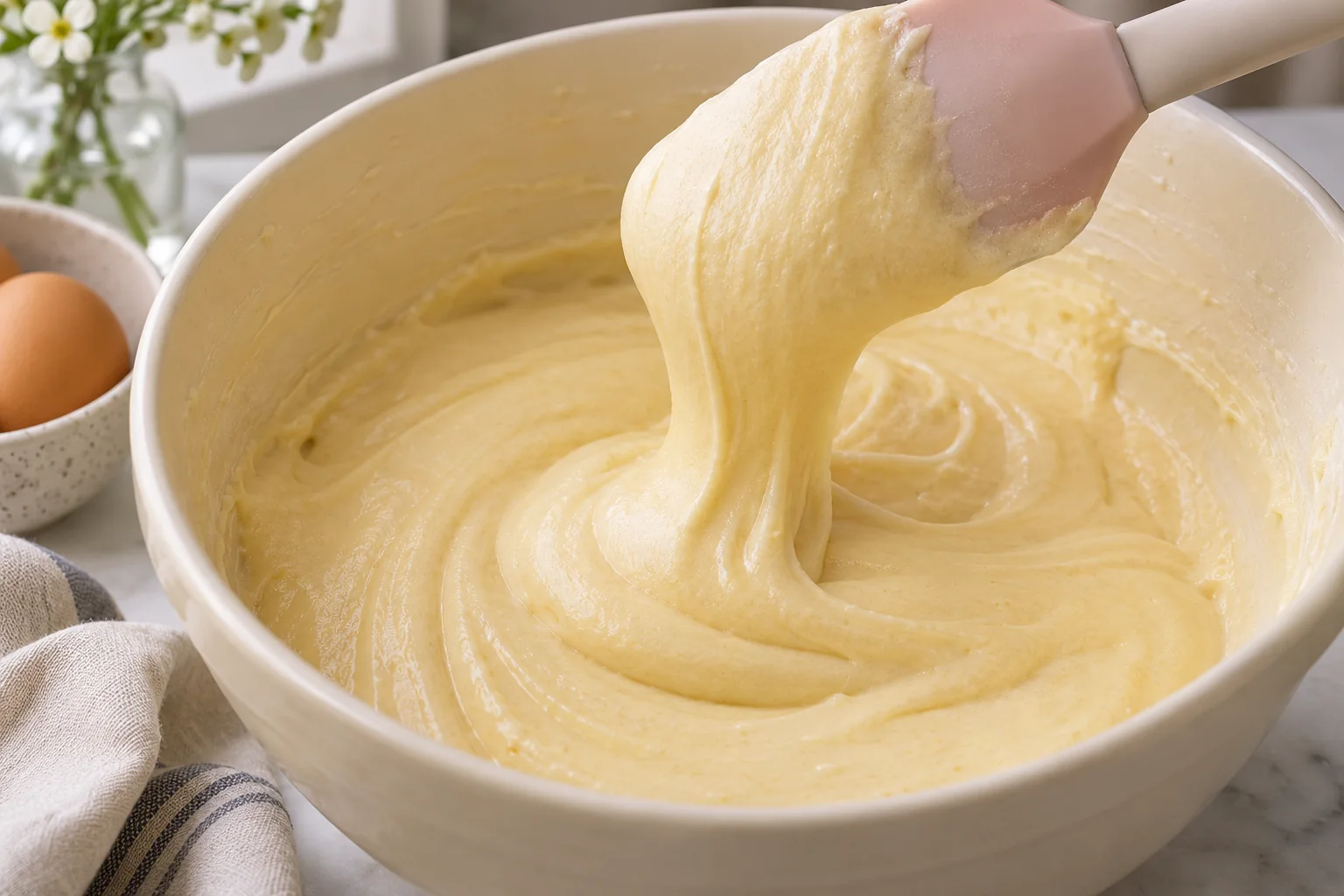
In a classic butter cake, eggs are often added gradually after creaming butter and sugar. This helps build an emulsion and preserves the air incorporated during creaming. Cold eggs added too quickly can make the mixture appear curdled. Some batters recover after flour addition, but severe separation can affect texture. Follow the temperature and mixing order rather than simply pouring all eggs in at once.

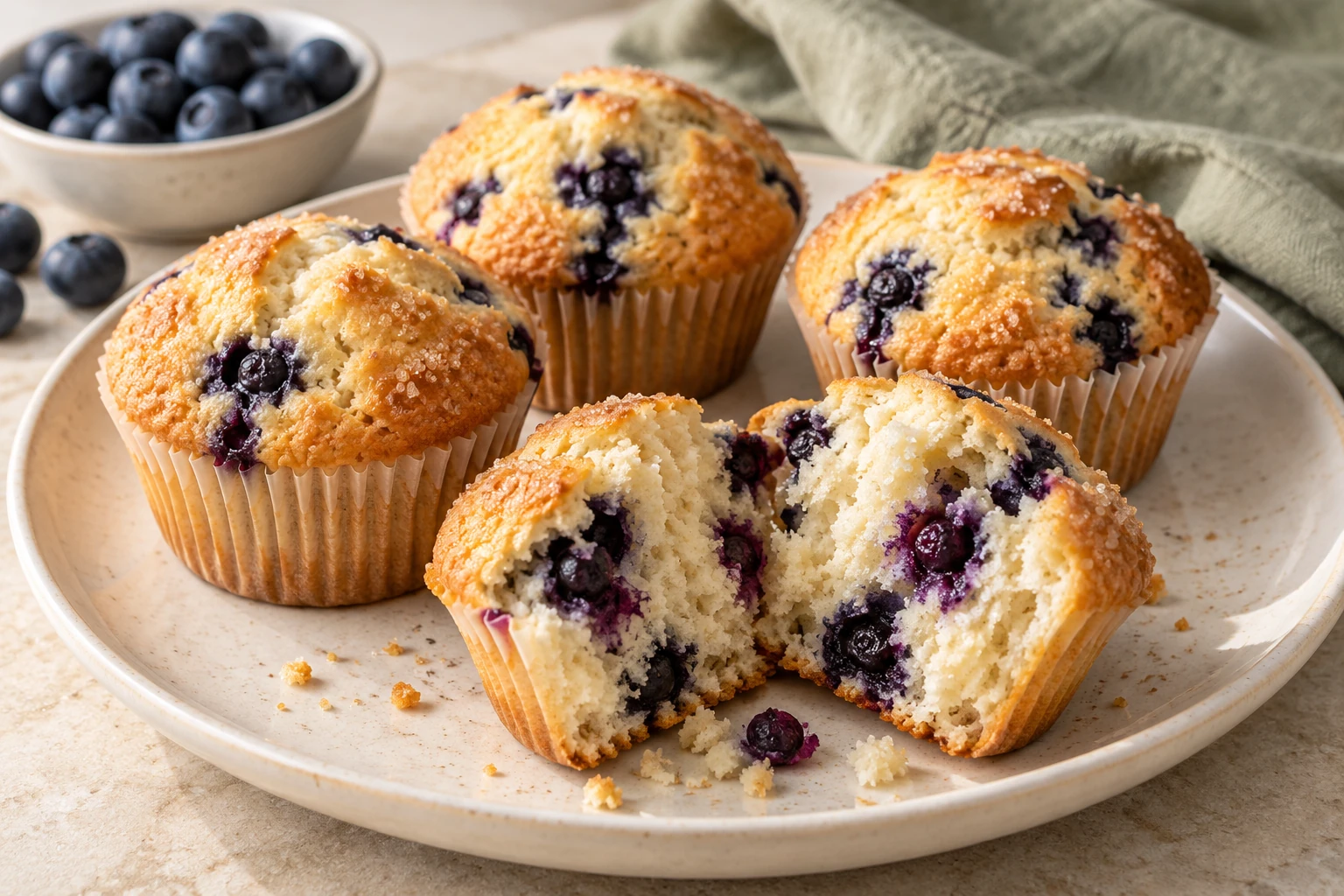
Whole eggs in muffins
Muffins generally combine egg with other wet ingredients before the batter meets flour. Here, the egg contributes binding, moisture and structure without a long egg-foaming stage. Once flour is added, gentle mixing helps prevent toughness. Extra egg can alter crumb firmness and height, so it shouldn't be treated as a universal remedy for dry muffins.
For Blueberry Muffins, disperse the egg in the wet mixture before folding in the flour.
Eggs in cookies
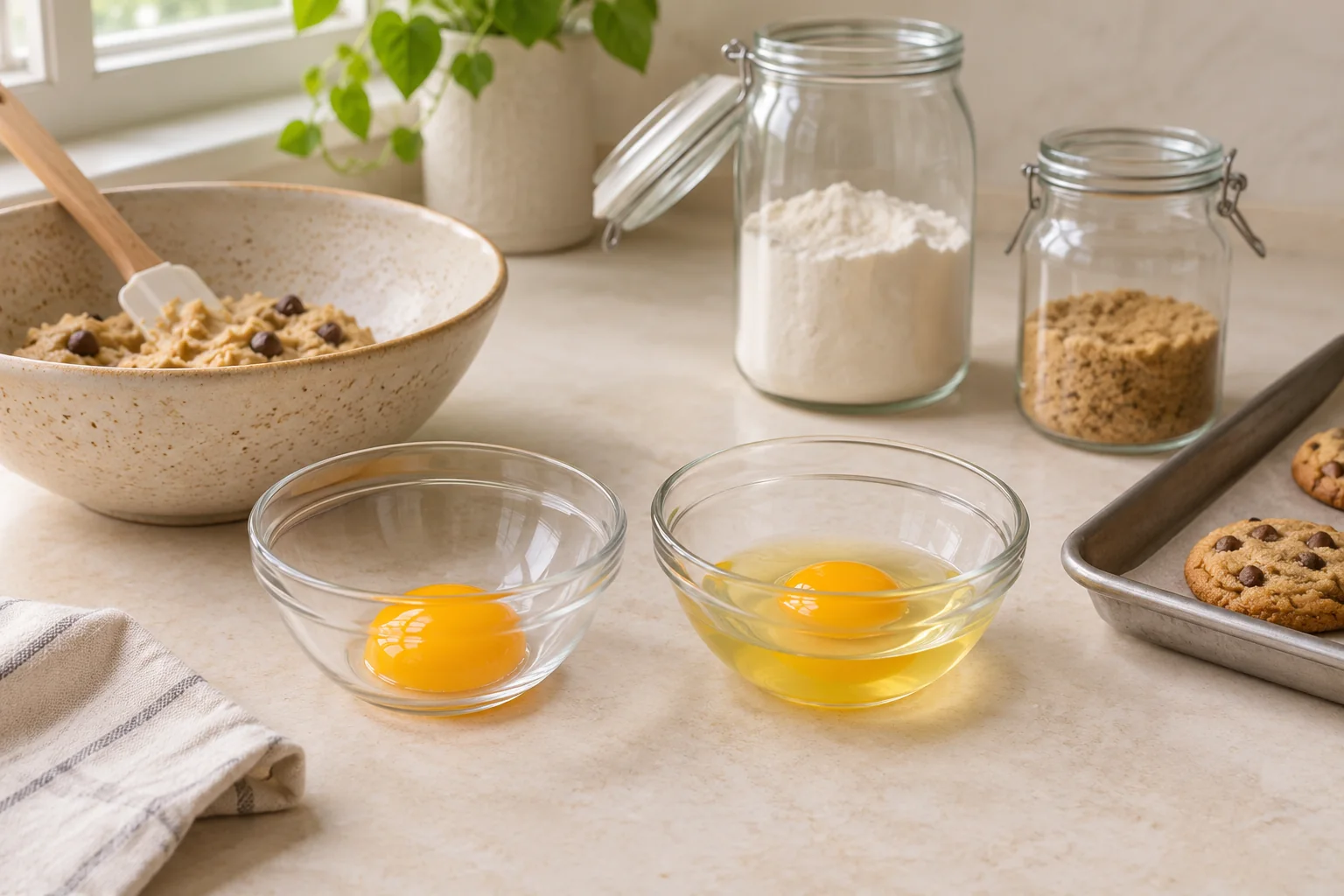
Eggs bind dough ingredients and contribute water, proteins, fat and sometimes lift. An extra yolk in a tested chewy cookie can create richness, while additional white changes water and protein balance. A cookie recipe written for two whole eggs isn't automatically adaptable to three yolks. Spreading, chew and final moisture depend on sugar and butter as well.
Start with the stated egg quantity for Classic Chocolate Chip Cookies before testing a richer dough.

Egg wash is a separate role
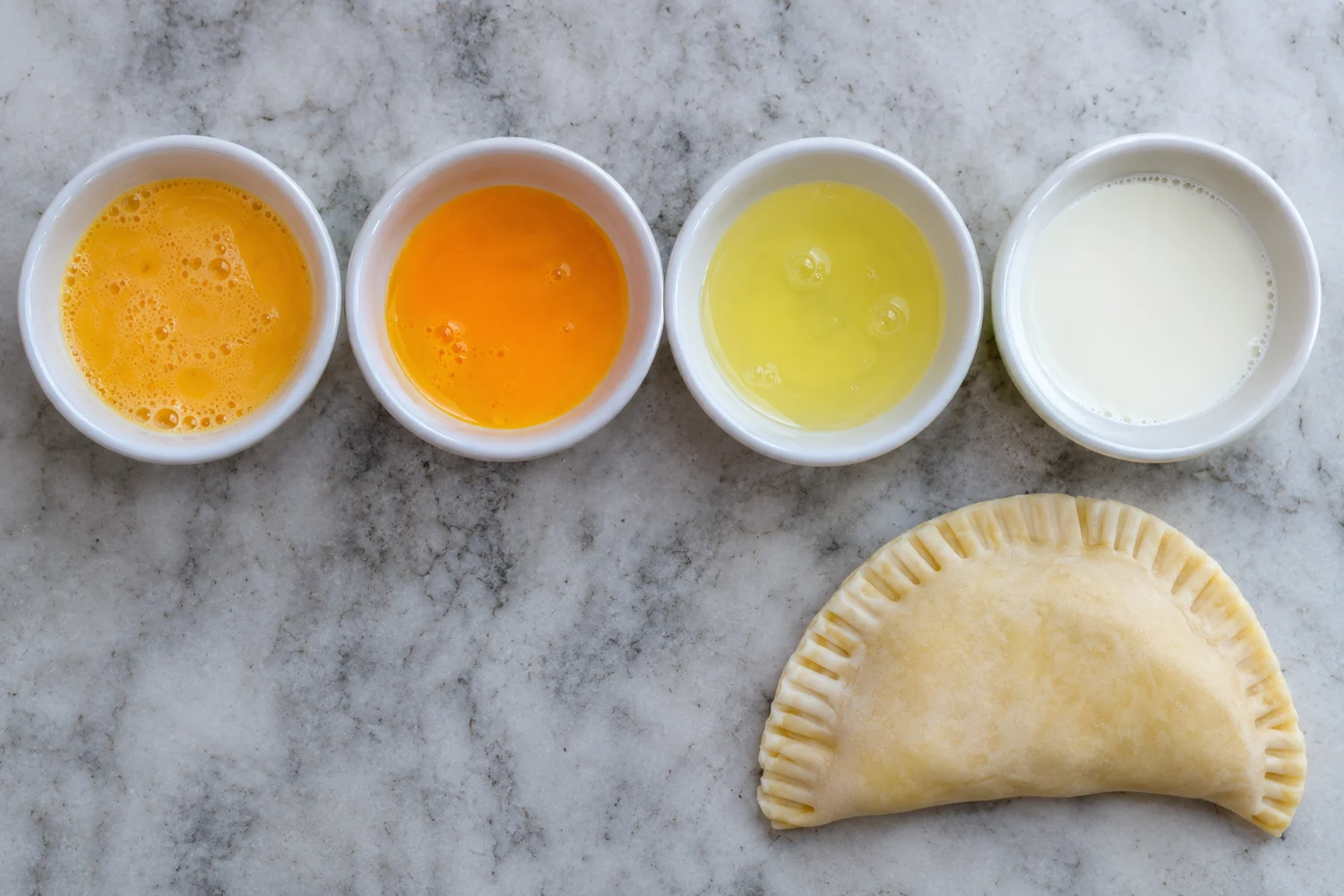
Brushing egg on pastry can encourage golden color, shine and adhesion. Whole egg, yolk and white create different finishes. This coating has little to do with the binding role of eggs inside cookie dough. Apply a thin layer and keep cut puff pastry edges relatively clean so wash doesn't glue laminated layers together. Use suitable egg-free finishes when allergies require them.
Custards depend on egg setting
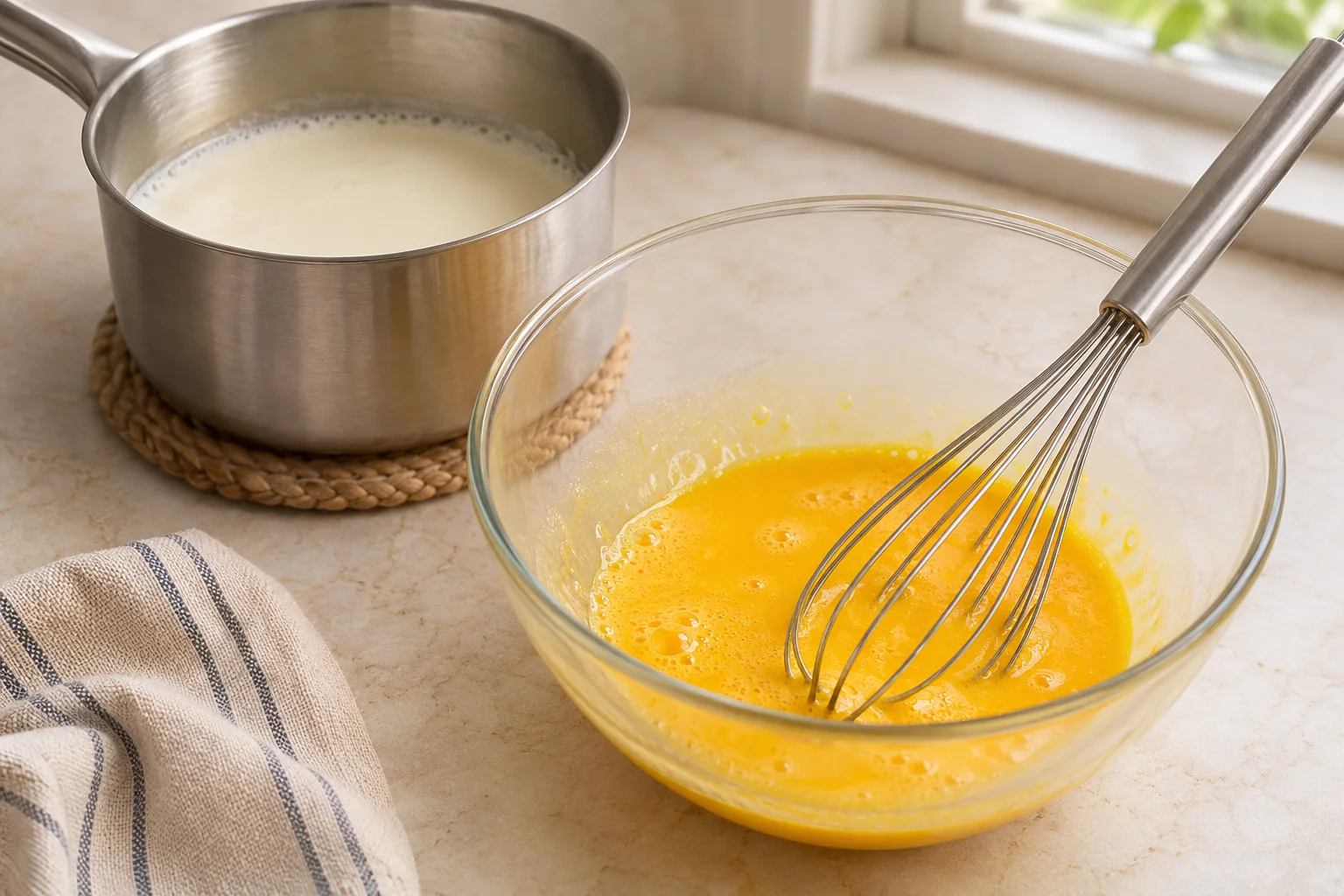
Baked custards and pastry cream rely on egg proteins thickening with heat, often alongside starch. Too much heat or inadequate mixing can cause curdling and a grainy texture. Some custards require gentle cooking or a water bath. Follow a proven recipe's cooking endpoint and chill egg-and-dairy fillings promptly. A beautifully set custard is still perishable.
Leave Classic Custard Tart to cool as directed before judging the firmness of a slice.

Why meringue can weep
A meringue's stability depends on whipping, sugar concentration, baking and storage. Undissolved sugar, inadequate cooking or changes in humidity can encourage moisture droplets, while overbeating may produce coarse foam. The correct remedy depends on whether you're making French, Swiss or Italian meringue. For meringue served without a validated cooking step, choose pasteurized egg whites labelled as suitable for whipping.
The importance of egg temperature
Room-temperature eggs may whip differently from refrigerated ones, and eggs added to softened butter can affect emulsion temperature. Follow the recipe's instructions rather than assuming cold or warm is universally ideal. Do not leave eggs at room temperature for prolonged periods outside food-safety guidance. Bring only the quantity needed to the specified temperature by an approved method.
When eggs are too small or large
If a recipe is developed for large eggs, using extra-large eggs may add more water and protein. In a small cookie batch the difference may be modest, while a precision sponge or custard can be sensitive. Weigh the eggs without shells if grams are provided. Don't automatically add a whole extra egg merely because the mixture looks thick; flour type or temperature may be the real issue.
Why cakes sometimes taste eggy
An egg-forward flavor may come from a formula with a high egg proportion, insufficient complementary flavoring or particular cooking conditions. Some custards are intentionally egg-rich, while a delicate vanilla cake may not be. Adding more vanilla can mask but not repair an incorrect ingredient ratio. Verify egg size and measurements first.
How eggs affect browning
Eggs contribute proteins and some sugars that can participate in browning, especially in egg washes and enriched pastry. Yolk pigments also affect apparent color. A deeply colored top may still conceal an underbaked interior. Assess doneness with recipe cues rather than using shine as proof the center is fully cooked.
Egg-free baking needs a strategy
Commercial egg replacers, flax mixtures, aquafaba and starch blends all have particular strengths, but none duplicates every egg function. Flax may bind some cookies, while aquafaba can foam in suitable meringue-style recipes. A yolk-rich custard needs a different structural approach. For allergy or vegan baking, choose a fully tested egg-free recipe designed for the target texture.
Aquafaba and flax comparisons
Aquafaba, the liquid from cooked chickpeas, can whip and form foam under certain conditions, although it isn't identical to egg whites. Ground flax mixed with water can create a gel useful for binding some batters. Neither necessarily supplies the protein-setting, fat and emulsifying effects of a whole egg. Their flavor and hydration influence the result, so follow a suitable formula.
Use Vegan Aquafaba Meringues to see how a recipe can build a foam without egg whites.
Food safety in raw batter
Bake ordinary egg-and-flour batter before tasting it. For uncooked mousse made with eggs, use a recipe specifying pasteurized egg products. Whipping creates foam and refrigeration keeps it cold; neither treatment pasteurizes raw eggs.
Why too many eggs can change texture
More eggs can increase protein and water, potentially producing a firm, rubbery or overly moist structure depending on the rest of the formula. A cake might rise dramatically then settle, or a cookie may become cakier. The result isn't consistent enough to prescribe a general correction. Choose a tested recipe whose egg count matches its flour and fat proportions.
An egg-role comparison bake
Make a classic whole-egg butter cake, a yolk-rich custard and an egg-white sponge using established recipes. Notice how each uses egg differently. Don't swap eggs across those formulas as an experiment on a celebration dessert; the purpose is to observe structural roles. Record mixing stages and final texture to build confidence.
IN PICTURES
From the baking notebook
FROM THE RECIPE BOX


