On this page
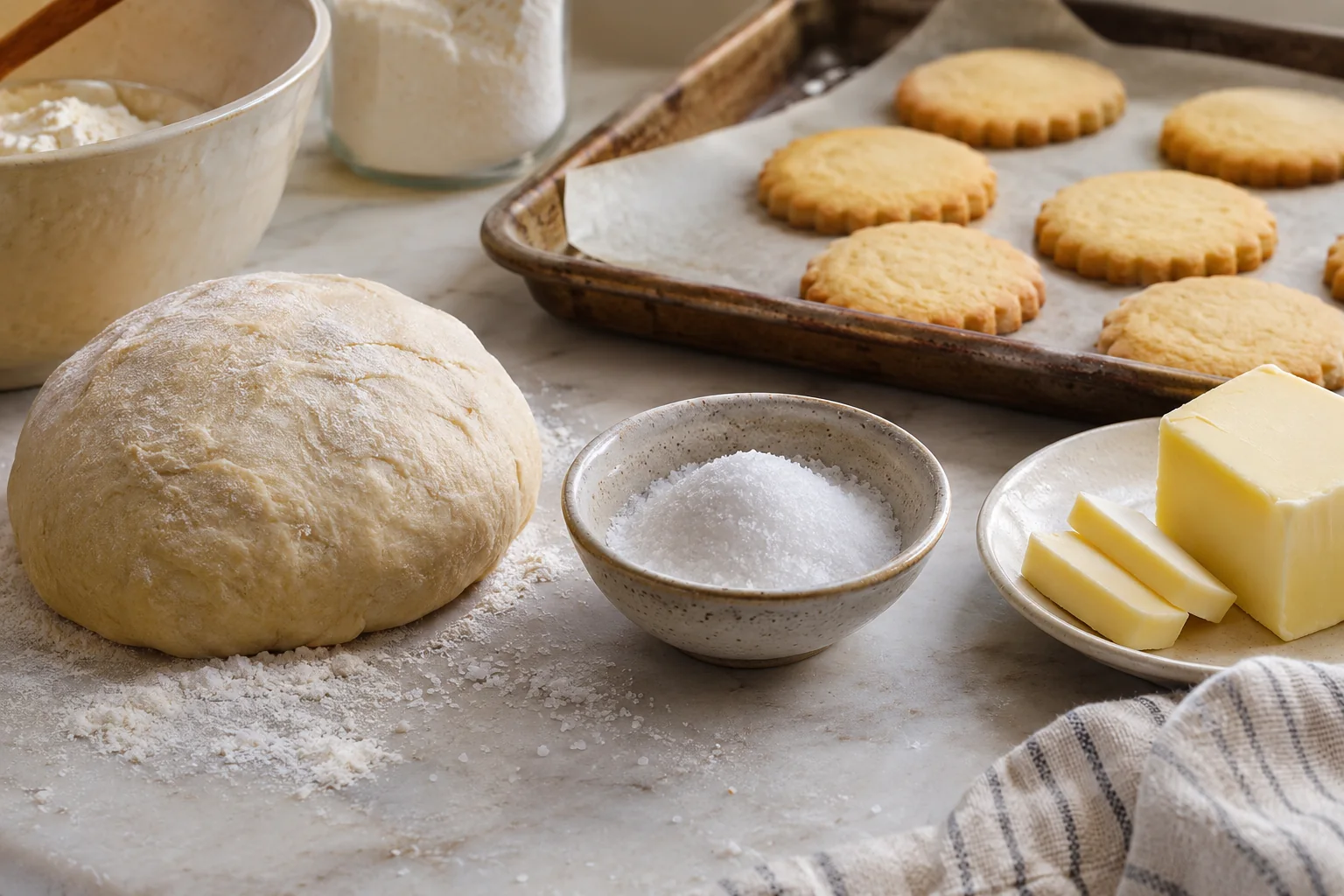
Salt looks like the smallest ingredient in many baking recipes, but it affects far more than whether a cookie tastes salty. In bread, it influences fermentation and dough strength. In cakes and cookies, it makes sweet flavours more distinct and helps balance rich butter and chocolate. Salt can also affect crust colour and mixing. Its small quantity is precisely why measuring it accurately matters.
Salt makes flavours clearer
Sweetness can taste flat when no salt is present. A measured pinch helps vanilla, chocolate, caramel and toasted nuts taste more balanced. The goal isn't to make every brownie noticeably salty; it is often to give the rest of the ingredients a more vivid flavour.
Why bread needs salt
Salt contributes flavour and affects wheat-dough strength and fermentation. Leaving it out changes the dough as well as the taste. Measure the recipe's amount accurately rather than treating it as a final seasoning that can always be added after mixing.
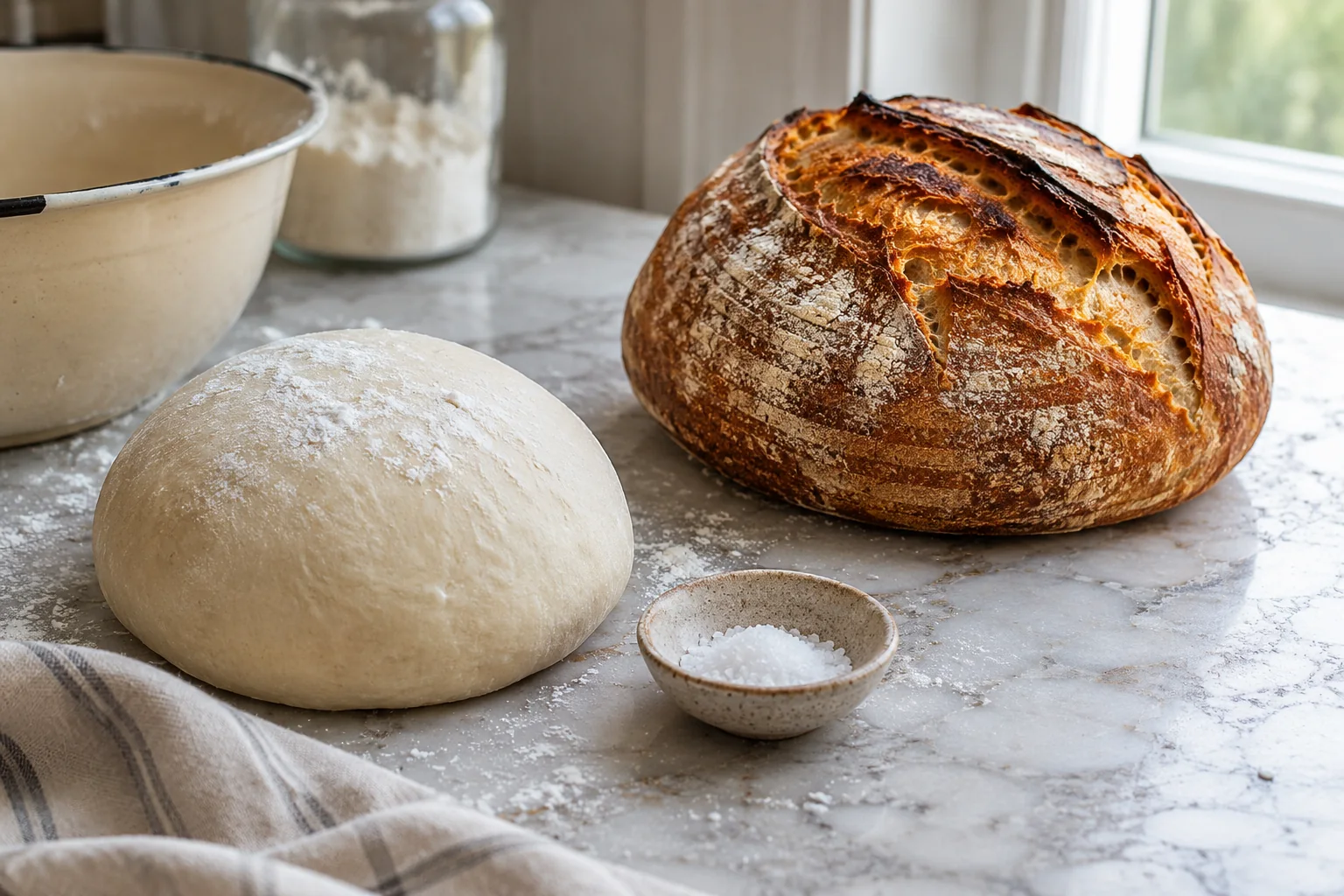
Recipe to try: Sourdough Country Loaf. A rustic, tangy loaf with a crackling crust and tender, open crumb structure that showcases the complex flavors developed through slow fermentation.
How salt controls yeast fermentation
Salt affects water availability and slows yeast activity through osmotic effects. With too little salt, bread dough may ferment too quickly and become sticky or slack; too much can slow fermentation excessively. Use the recipe's measured amount rather than adjusting it to speed up a rise.
Salt strengthens wheat dough
In many wheat bread formulas, salt changes gluten interactions in ways that produce a tighter, more resilient dough network. That can help the structure retain fermentation gases. A dough missing salt may feel unusually sticky or floppy even if the flour and water were measured correctly.
A common baker's percentage
Many conventional yeast-bread formulas use salt at roughly 2% of flour weight: for example, 10 g salt for 500 g total flour. This is a reference point, not an instruction to change every recipe. Use the formula's actual amount, including the flour in any preferment, and follow individual dietary requirements.
Why crust colour can change
Salt slows yeast activity, which affects how quickly fermentable sugars are consumed before baking. Some residual sugars remain available for browning reactions at the crust. An unsalted loaf may therefore appear paler, although oven heat, fermentation and flour composition also contribute.
Salt in cake batter
In cakes, salt balances sweetness and complements dairy or fruit flavours. It is usually present in a small measured amount and doesn't replace leavening or eggs. A cake without salt can still rise, but its taste may feel less rounded.
Salt in cookies and brownies
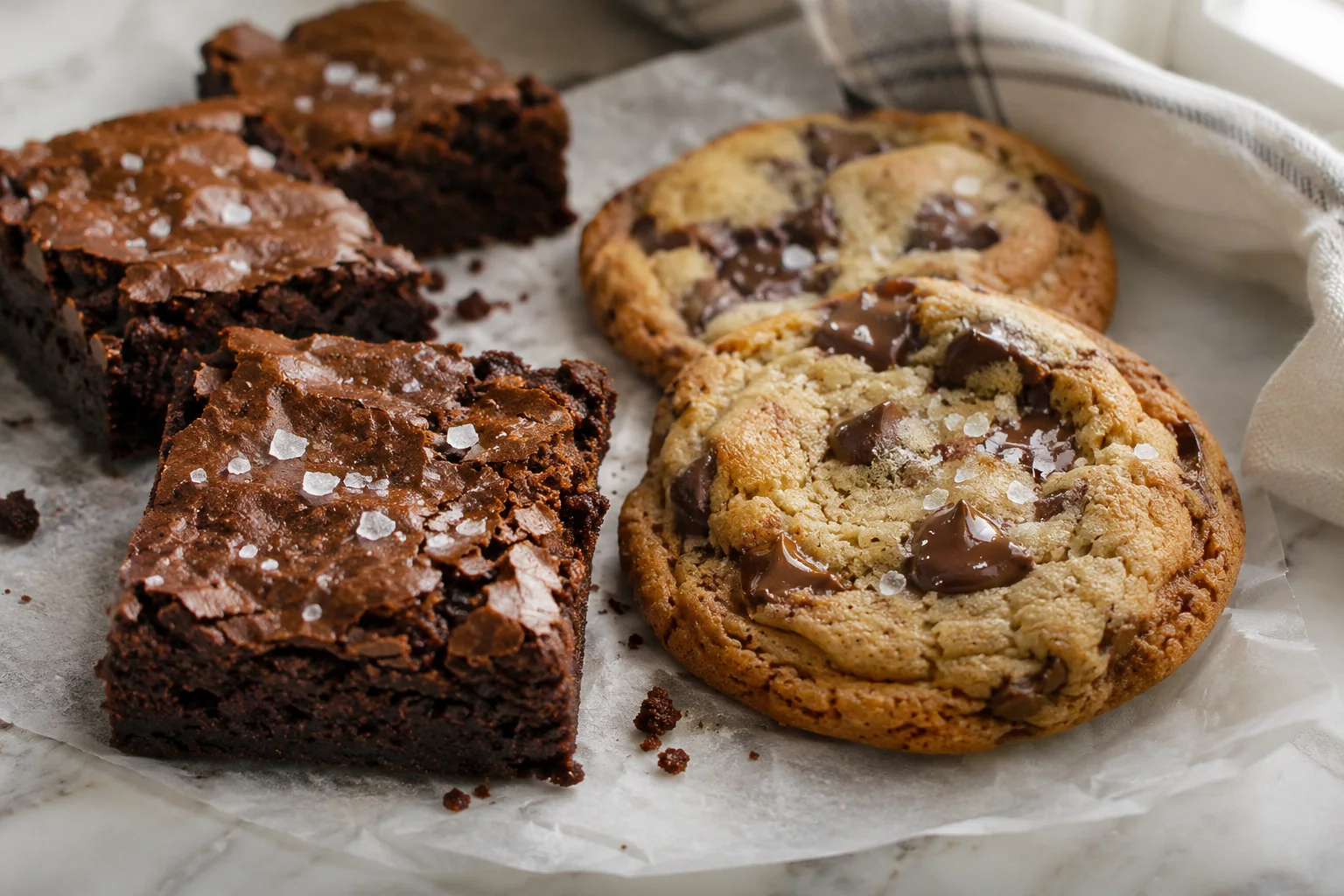
A little salt can emphasize caramel-like brown sugar, dark chocolate and toasted butter notes. Cookies with salted nuts or pretzels already contain additional sodium, so the recipe may reduce salt accordingly. Extra finishing flakes are optional rather than a structural necessity.
Recipe to try: Classic Chocolate Chip Cookies. Buttery, golden-edged cookies with a soft, chewy center studded with pools of melted chocolate that offer the perfect balance of sweet vanilla dough and rich chocolate in every bite.
Why salt matters to caramel
Salted caramel uses a small amount of salt to balance concentrated sweetness and create contrast. It doesn't make burned caramel safe or remove bitterness. Add the specified amount at the correct stage and keep hands away from extremely hot sugar syrup.
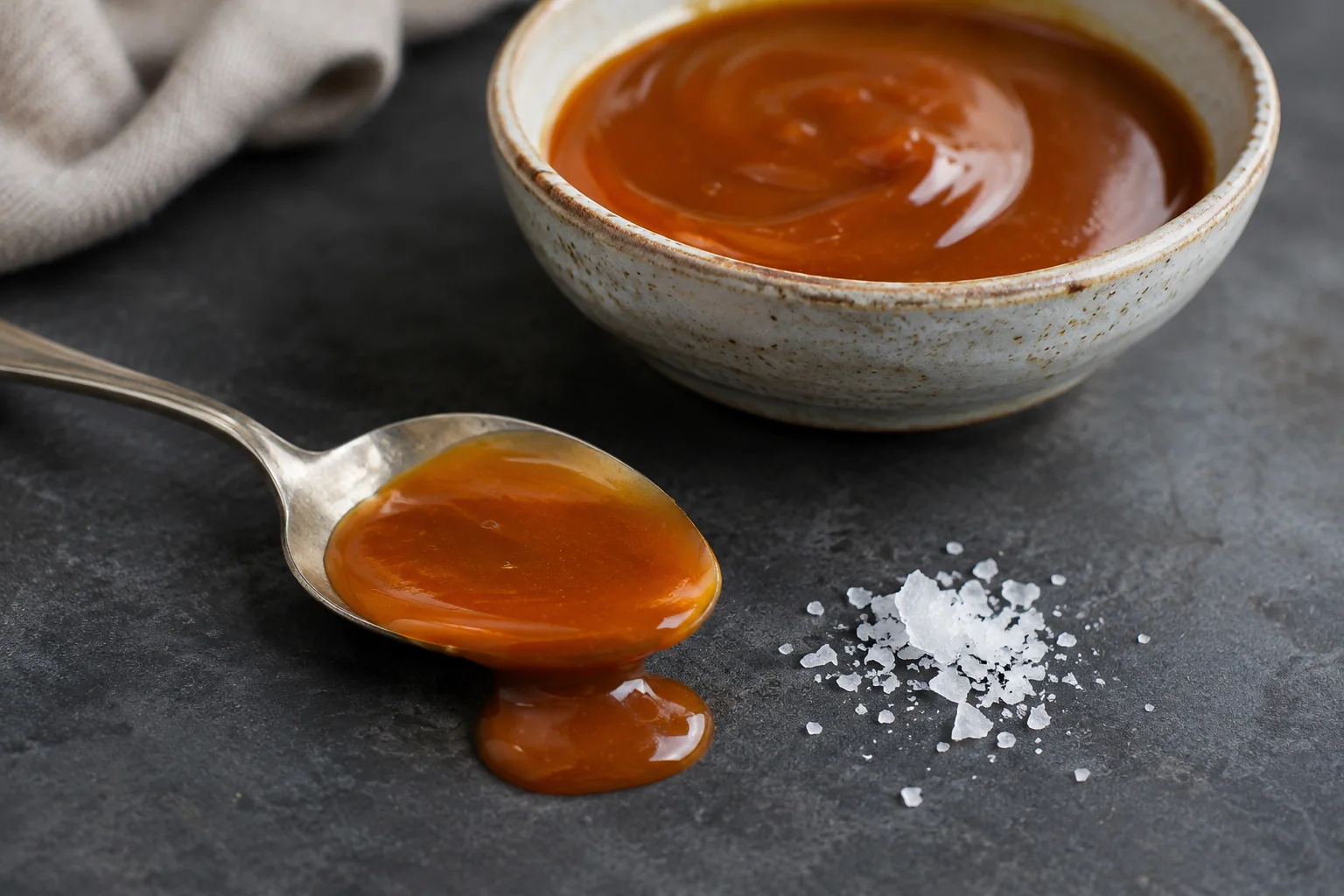
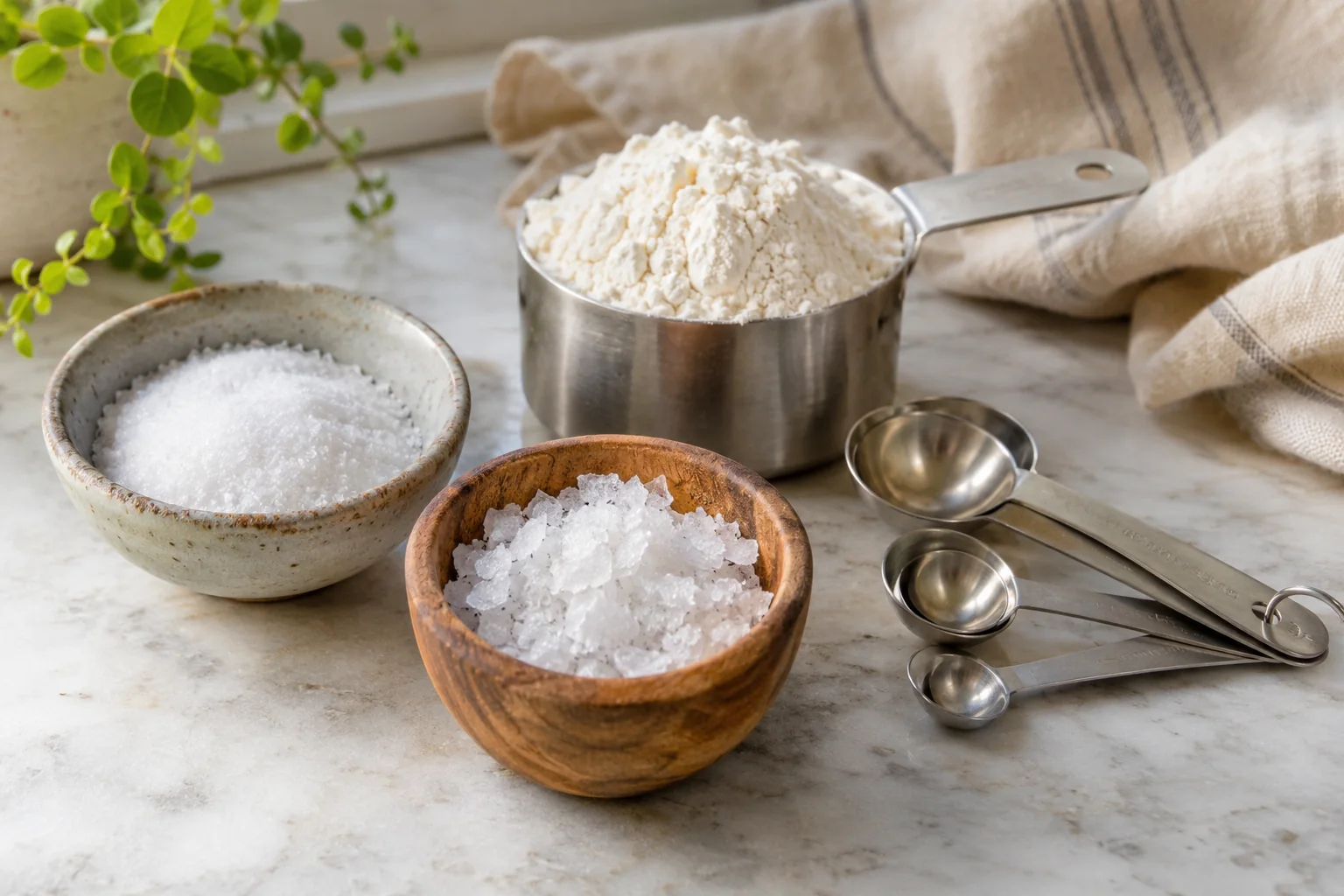
Table salt versus kosher salt
Salt crystal size changes how much fits into a spoon. Equal volumes of fine table salt and a coarse kosher salt can weigh very different amounts. Use the recipe's specified salt and weight; a volume substitution needs a reliable conversion for those particular products.
Fine salt dissolves predictably
Fine table salt distributes readily through batter and bread dough. Coarse salt may remain visible or dissolve more slowly depending on mixing and hydration. If a recipe specifies fine salt, use the correct weight and particle size unless it gives an approved alternative.
Finishing flaky salt
Large delicate flakes offer small bursts of savoury contrast on cookies, chocolate or caramel. Their role is different from the finely dispersed salt in the batter. Don't replace all recipe salt with top flakes, which can leave the interior flat and the surface overly salty.
Iodized versus non-iodized
Iodized salt includes iodine compounds added for public nutrition. It generally works in everyday baking at normal recipe levels, although some people notice a slight flavour difference. If a formula specifies non-iodized salt for a delicate product, follow that guidance.
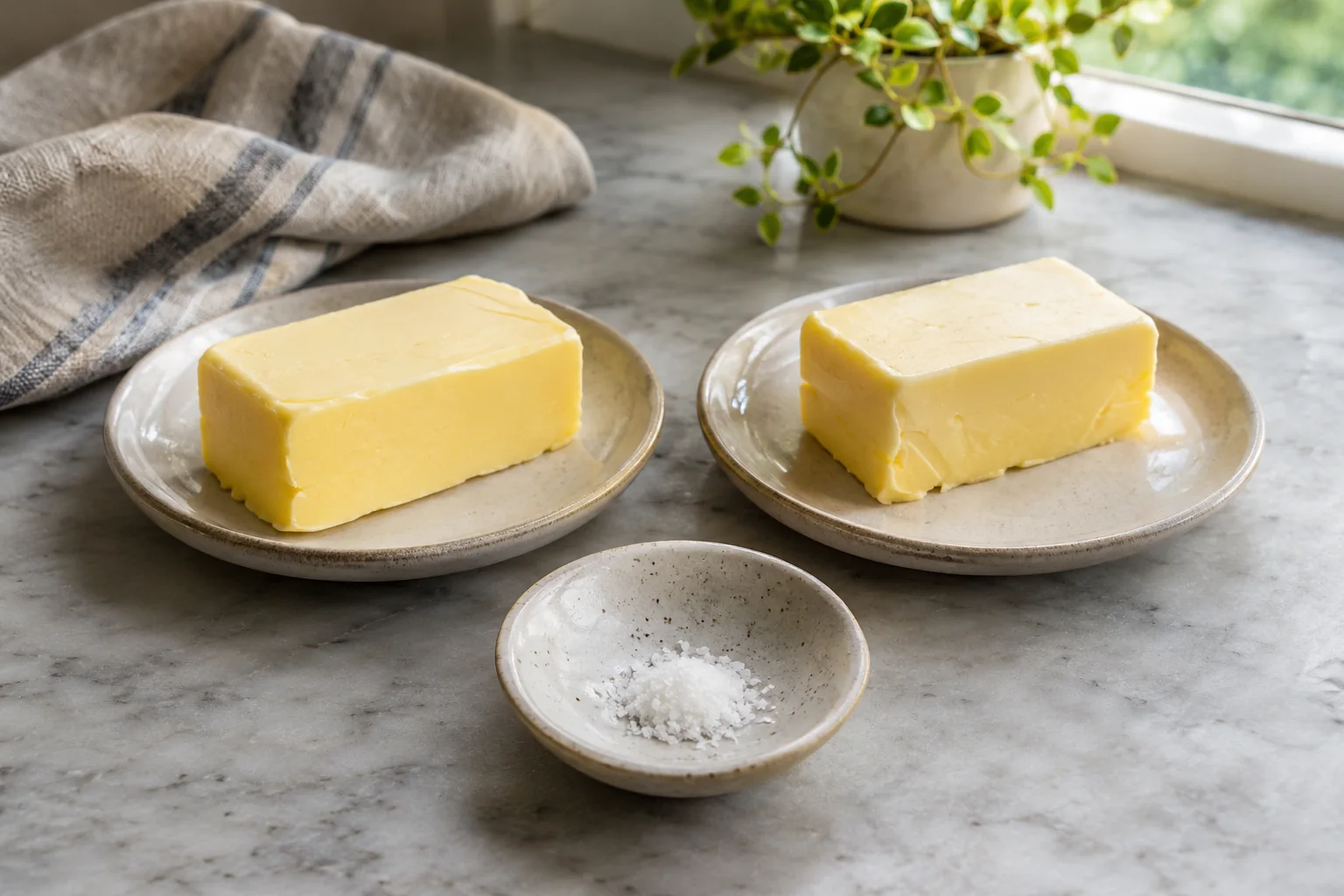
Salted butter can complicate totals
Salted butter contains added salt, with amounts varying among brands. A recipe calling for unsalted butter and a measured salt quantity gives more control. If using salted butter, consult a tested conversion rather than omitting all added salt automatically.
What about sea salt?
Sea salt refers broadly to salt produced from seawater, not one universal crystal size or sodium concentration by volume. Fine sea salt may measure differently from large flakes. Use grams when possible and avoid assuming all specialty salts weigh the same per teaspoon.
When to add salt to bread
Many bread formulas mix salt with the other ingredients, while classical autolyse methods withhold salt until after an initial flour-and-water rest. Both are legitimate when the recipe is designed for the method. Forgetting salt entirely changes dough handling and fermentation.
What if you forgot bread salt?
If the dough is still early in mixing, the omitted measured salt may be incorporated using the recipe's mixing method. Once fermentation and shaping have progressed, it becomes harder to distribute evenly without damaging the dough. Do not add an unmeasured amount or assume surface salt will recreate the original formula.
What if a cake tastes too salty?
Check whether salted butter, salted nuts or a salty topping contributed more than expected. Measuring salt with a large wrong spoon can overwhelm a small cake. Baking the batter won't reliably remove excess salt, so accurate measurement before mixing is the best prevention.
What if salt is reduced for health reasons?
Some bakers need to limit sodium for medical reasons. Salt reductions can affect bread flavour, fermentation speed and dough strength, and very low-salt formulas may need different technique. Choose a recipe designed around the restriction and follow appropriate clinical dietary advice rather than making a large untested cut.
Storage and mixing
Keep salt dry and use clean measuring equipment. Mix it evenly with flour or dissolve as the recipe specifies to avoid concentrated salty pockets. When using coarse flakes inside a delicate cookie dough, consider whether the formula intended a finishing texture instead.
A controlled bread experiment
Bake two small loaves from a tested lean formula, one with its specified salt and another under a safely formulated reduced-salt variant. Observe dough strength, proofing speed, crust and flavour. Never change yeast amount and salt simultaneously if the goal is to isolate salt's role.
Frequently asked questions
Is salt only for taste? No, especially in bread. Can table and kosher salt be swapped equally? Use weights, not volume. Does salt kill yeast on contact? Normal recipe mixing is generally safe. Can I omit salt from cookies? It may taste flatter. Does sea salt always contain less sodium? Not by equal weight.
Recipe to try: Salted Caramel Cream Pie. A decadent layered pie featuring buttery caramel infused with flaky sea salt, topped with silky cream and a crisp graham cracker crust for the perfect balance of sweet, salty, and creamy.
A small ingredient with several jobs
Salt sharpens flavour in desserts, supports wheat bread structure, moderates fermentation and can influence browning. Treat its quantity and crystal type with the same care you give flour, eggs and butter—the small measurement has a meaningful result.
Related recipe: Classic White Sandwich Bread.
IN PICTURES
From the baking notebook
FROM THE RECIPE BOX


