On this page
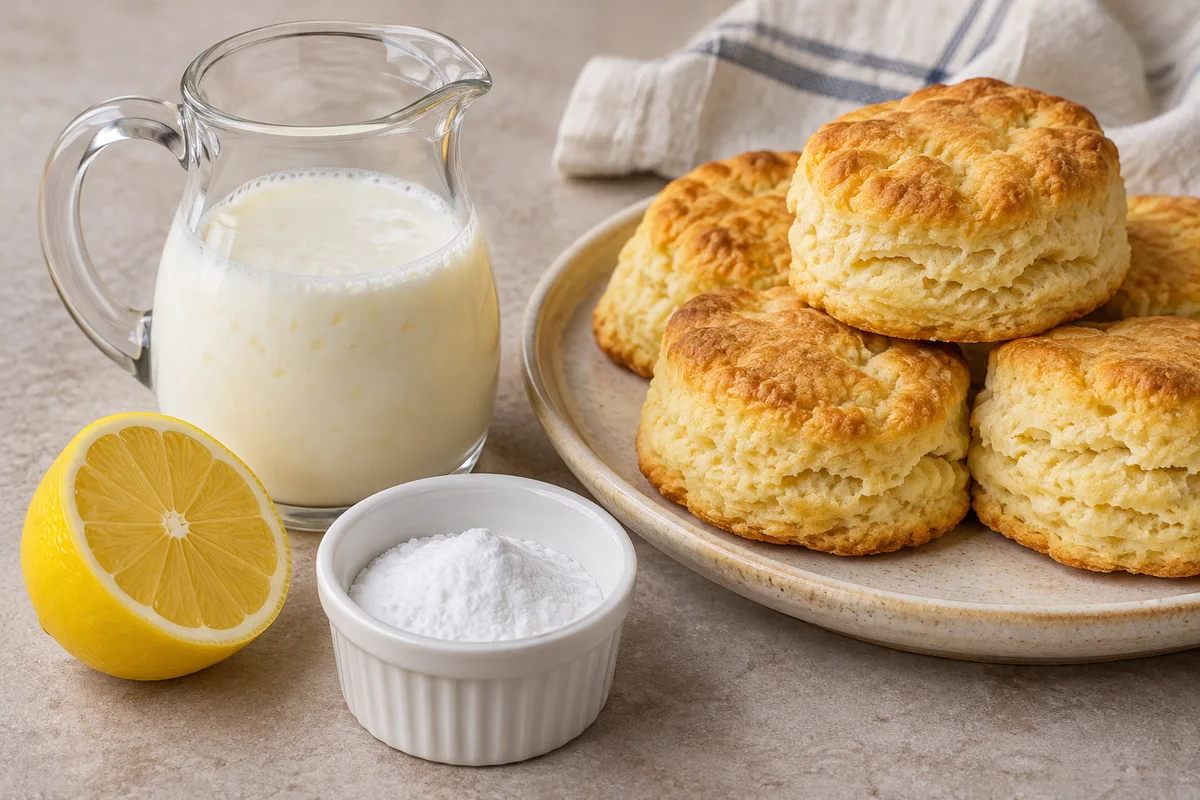
Before swapping buttermilk for milk or lemon juice for zest, check the leavener. An acidic ingredient can supply flavour, liquid and a reaction partner for baking soda in one pour. Write down which of those jobs the recipe needs before deciding how to replace it.
Understanding pH in the mixing bowl
Acidity is often described using pH: a lower pH is more acidic. Dough and batter contain multiple buffering ingredients, including flour, cocoa and dairy proteins, so adding a little lemon juice does not necessarily produce a simple predictable final pH. A recipe's acidity reflects the combined ingredients and their proportions. You do not need laboratory equipment to bake well, but you do need to respect the formula instead of adding acid by intuition.
Baking soda needs an acid partner
Baking soda is sodium bicarbonate, an alkaline leavener that can react with acids to release carbon dioxide gas. The gas expands during baking, contributing to lift. If the formula lacks sufficient acid, residual soda may produce an alkaline or soapy flavor and affect color. A recipe using buttermilk and soda usually balances those amounts. Doubling soda because you want higher cupcakes may cause a collapse or unpleasant taste.
Baking powder behaves differently
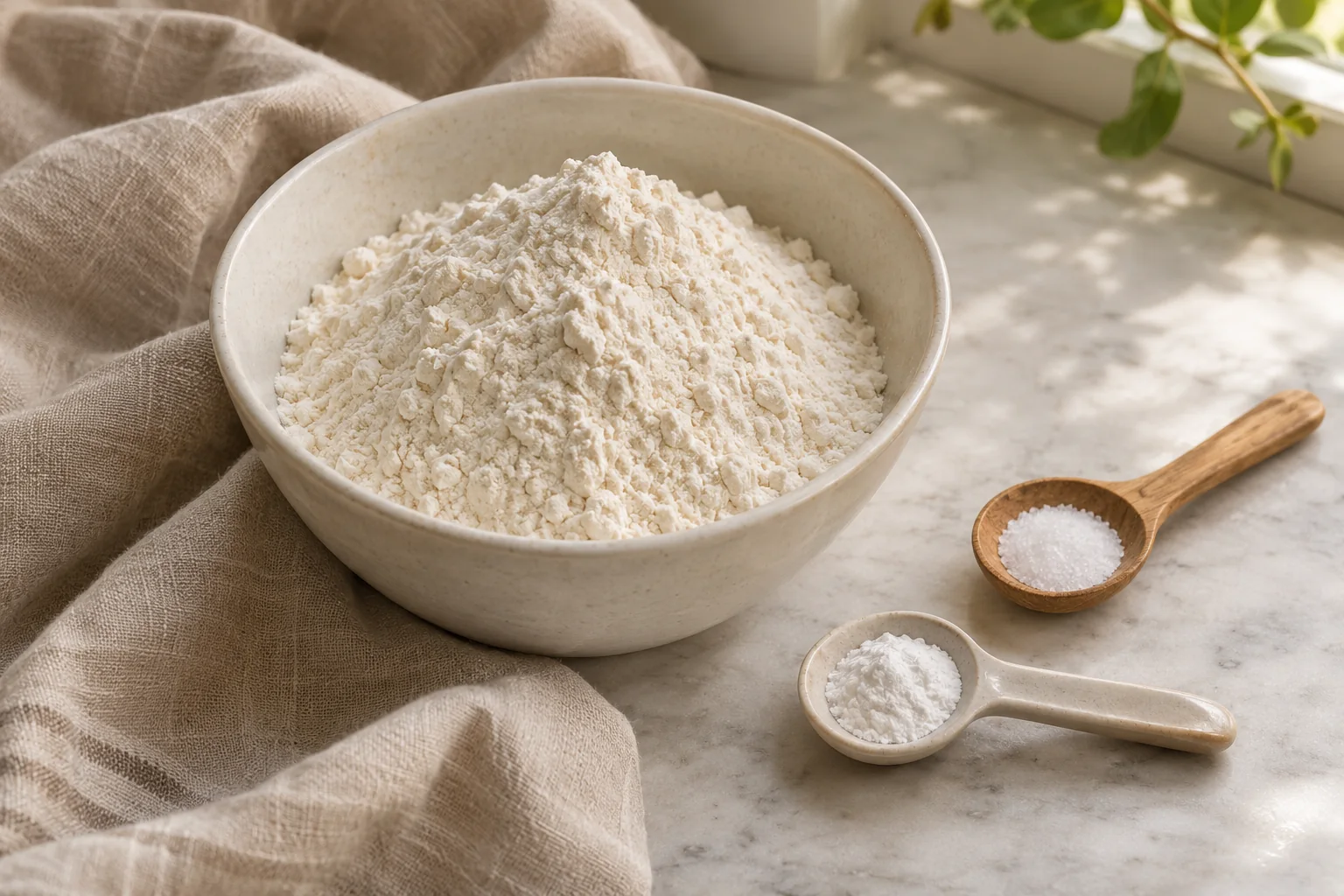
Commercial baking powder usually contains sodium bicarbonate and one or more acid salts. Many products are double-acting, providing some reaction when wet and additional gas during heating. A baking-powder cake can therefore rise without an acidic dairy ingredient. That does not mean acids have no effect when powder is present. Changing from milk to buttermilk can still influence pH, proteins and final texture even if the leavener remains the same.
What buttermilk contributes
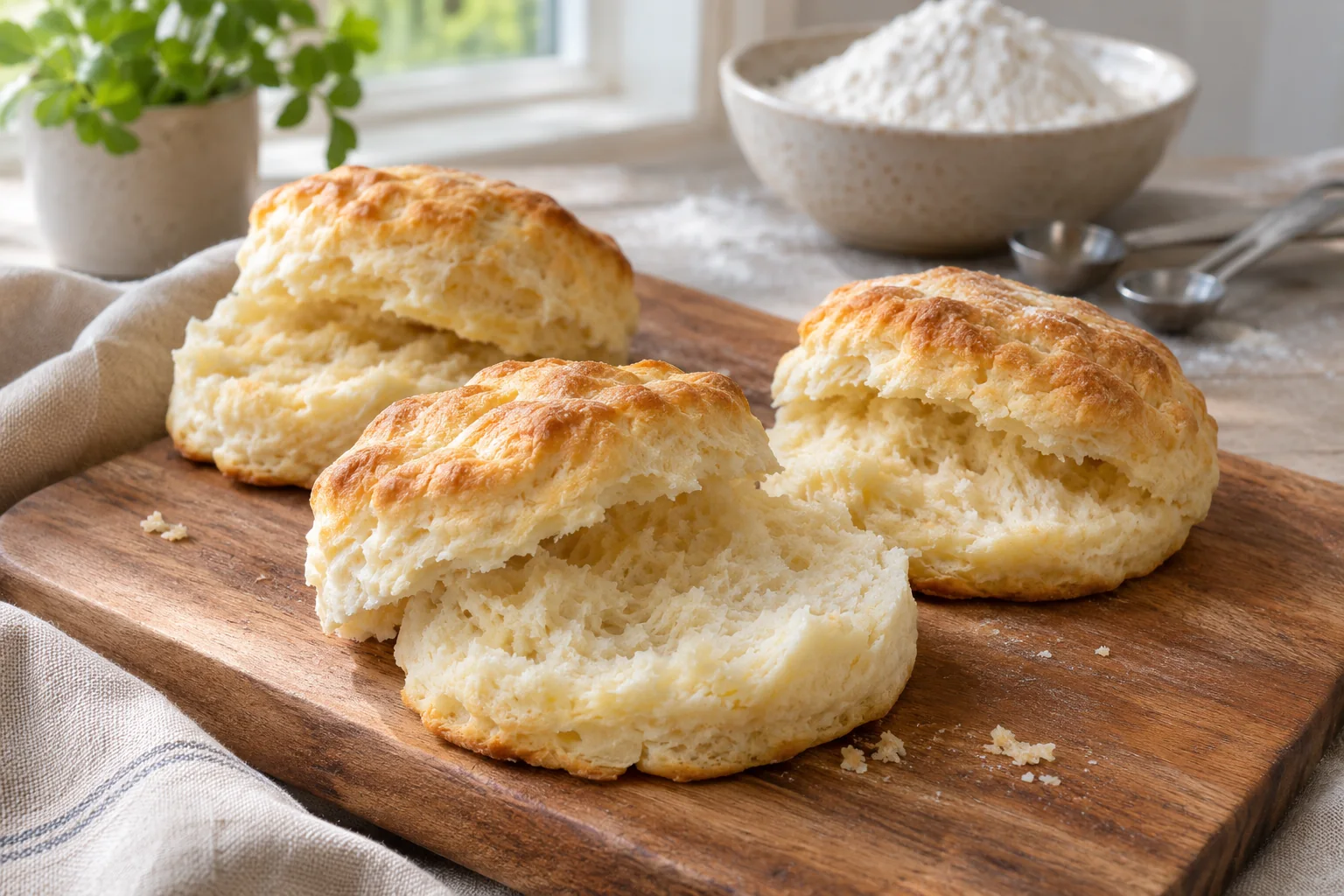
Cultured buttermilk is acidic and typically thinner than sour cream, with milk proteins and some fat depending on the product. It appears in pancakes, biscuits and tender cakes because it adds tang and participates in the designed leavening system. Buttermilk is not simply water plus acid: replacing it with straight vinegar would remove dairy solids and change liquid balance. Use a tested substitution rather than exchanging equal volumes of unrelated ingredients.
Use the cultured dairy and leavener together as specified in Buttermilk Biscuits.
What sour cream contributes
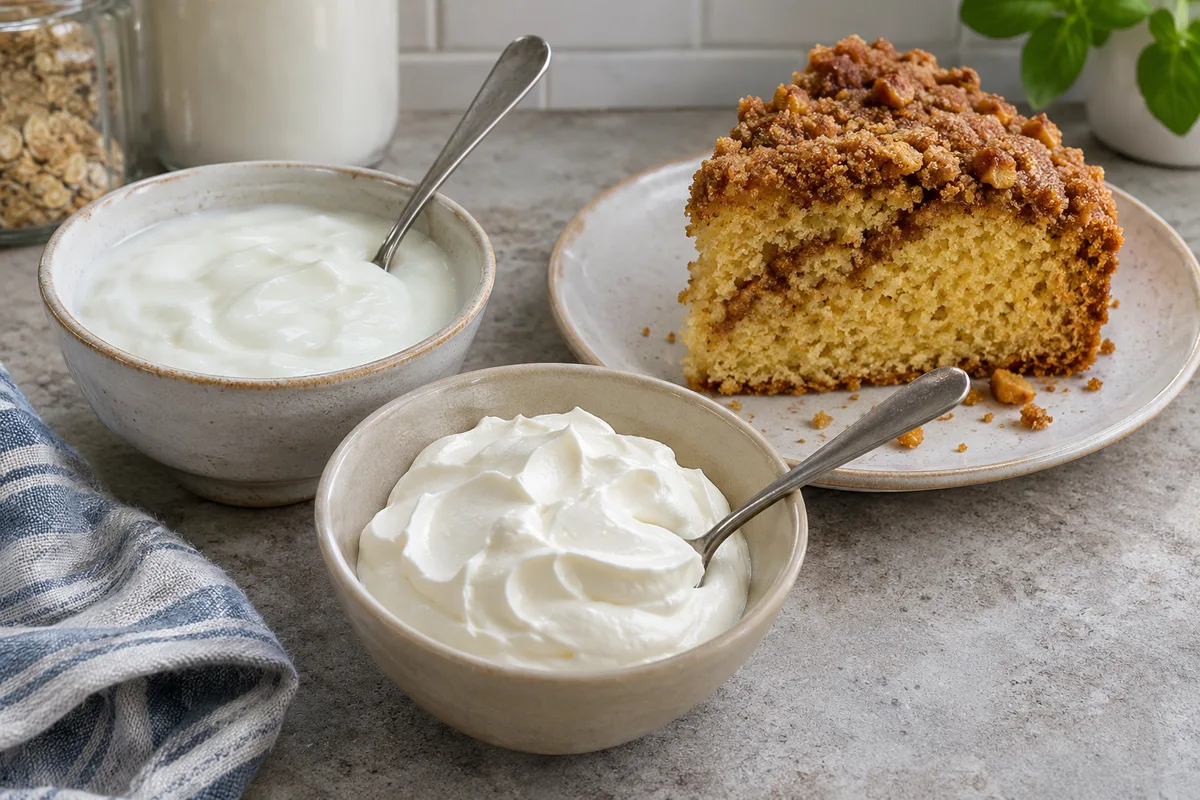
Sour cream adds acidity, fat, water and a thick creamy texture. Its richness can encourage tenderness in cakes and quick breads, while its consistency affects batter flow. A cake developed around full-fat sour cream may not respond identically to low-fat buttermilk, even if both taste tangy. Check the actual product's fat level and use a recipe intended for it before altering the liquid ratio.
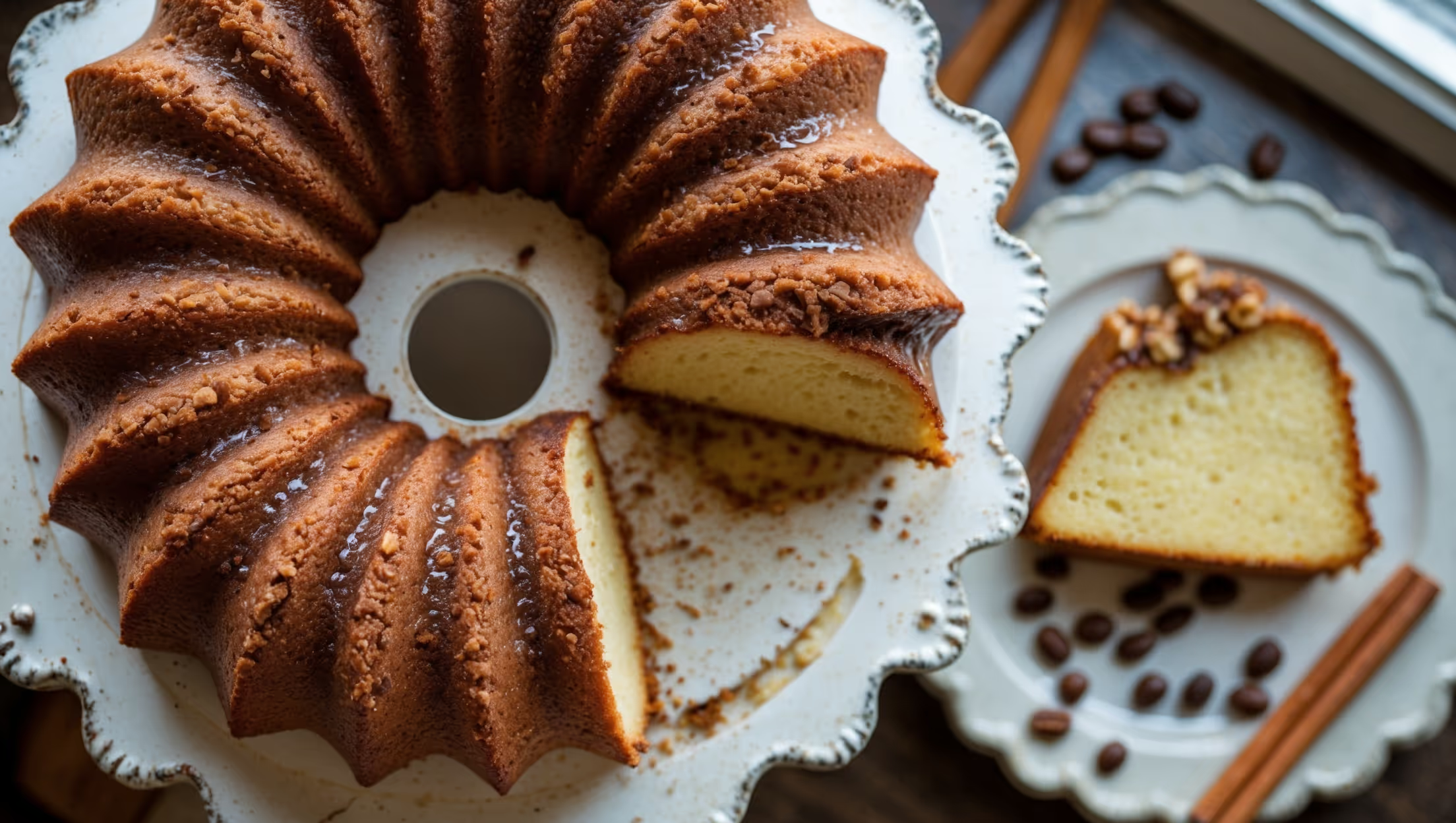
In Sour Cream Coffee Cake Bundt, sour cream brings thickness and fat as well as tang.
Yogurt and Greek yogurt
Plain yogurt is cultured and acidic, but strained Greek-style yogurt has a different water and protein balance from many regular yogurts. A very thick yogurt can leave cake batter stiffer than the intended recipe. Sweetened flavored yogurt also adds sugar. Some substitutions work within particular formulas, yet equal weights are not universally equivalent. Choose the appropriate style and follow the author’s mixing temperature and consistency guidance.
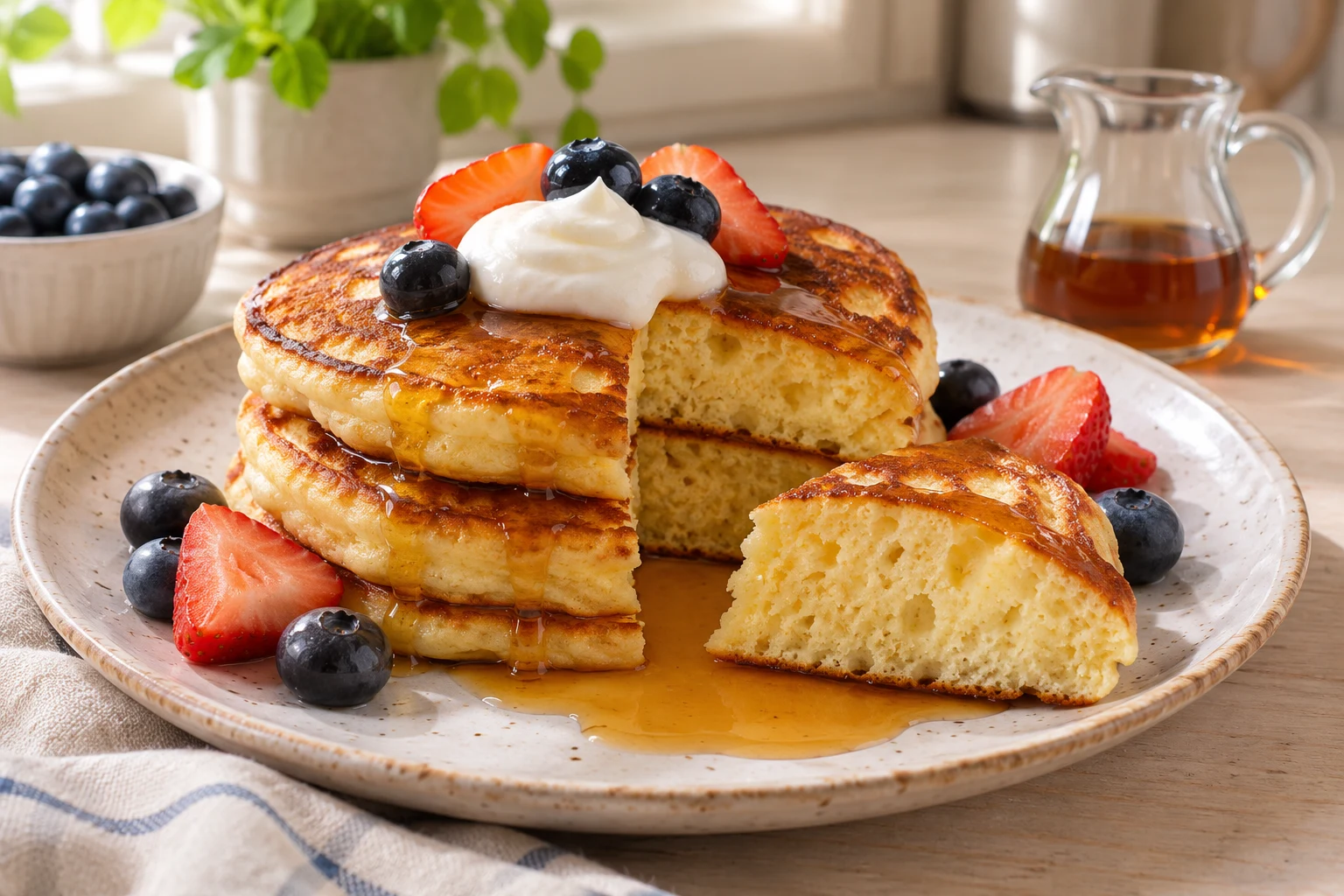
Notice how the method for Greek Yogurt Pancakes blends thick yogurt with the other liquids.
Lemon juice for flavor and reaction
Fresh lemon juice offers acidity and citrus flavor, while lemon zest provides aromatic oils with much less liquid. If a recipe relies on lemon juice to balance soda or set a filling, zest alone cannot perform the same chemical role. Conversely, adding several tablespoons of extra juice to a shortbread dough can change hydration. Wash fruit, avoid grating bitter white pith and keep the distinction between juice and zest clear.
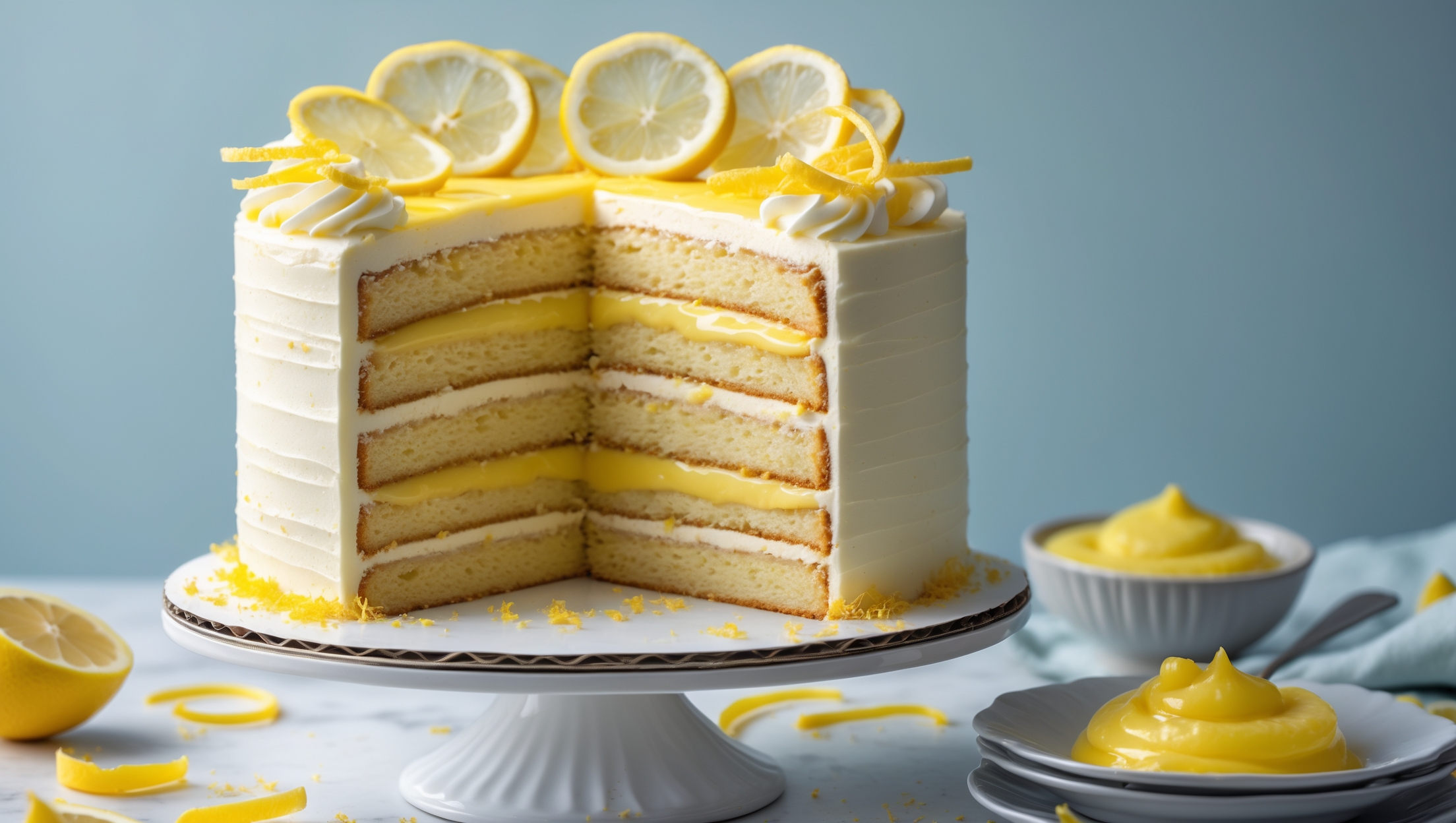
Consult Lemon Layer Cake when choosing which citrus ingredients belong in the cake and which belong in its finish.
Vinegar in baked goods
A measured amount of vinegar may supply acidity without a strong final vinegar flavor in certain cakes and biscuits. Distilled, cider, wine and other vinegars differ in flavor and sometimes acidity, so the exact type can matter. Use the recipe's specified variety and amount. A vinegar substitution for buttermilk also needs an appropriate liquid base, not a cup of concentrated vinegar poured into cake batter.
Natural versus Dutch-process cocoa
Natural cocoa is typically more acidic than Dutch-processed cocoa, which has been alkalized. This distinction can matter in formulas that rely on baking soda and cocoa acidity. Some recipes are designed with enough additional acid or baking powder that the types may be interchangeable under tested conditions. Do not assume they are direct substitutes solely because both taste chocolatey; also expect changes in color and flavor.
Acid and tenderness
Acidic ingredients can affect gluten-forming proteins and the behavior of starch and eggs during mixing and baking. But tenderness is not simply 'more acid equals softer cake.' Fat, sugar, flour strength and mixing have major roles. Too much acid may create an unusual flavor or disrupt leavening balance. The correct quantity is the one the recipe's full ingredient system supports.
Acid and browning
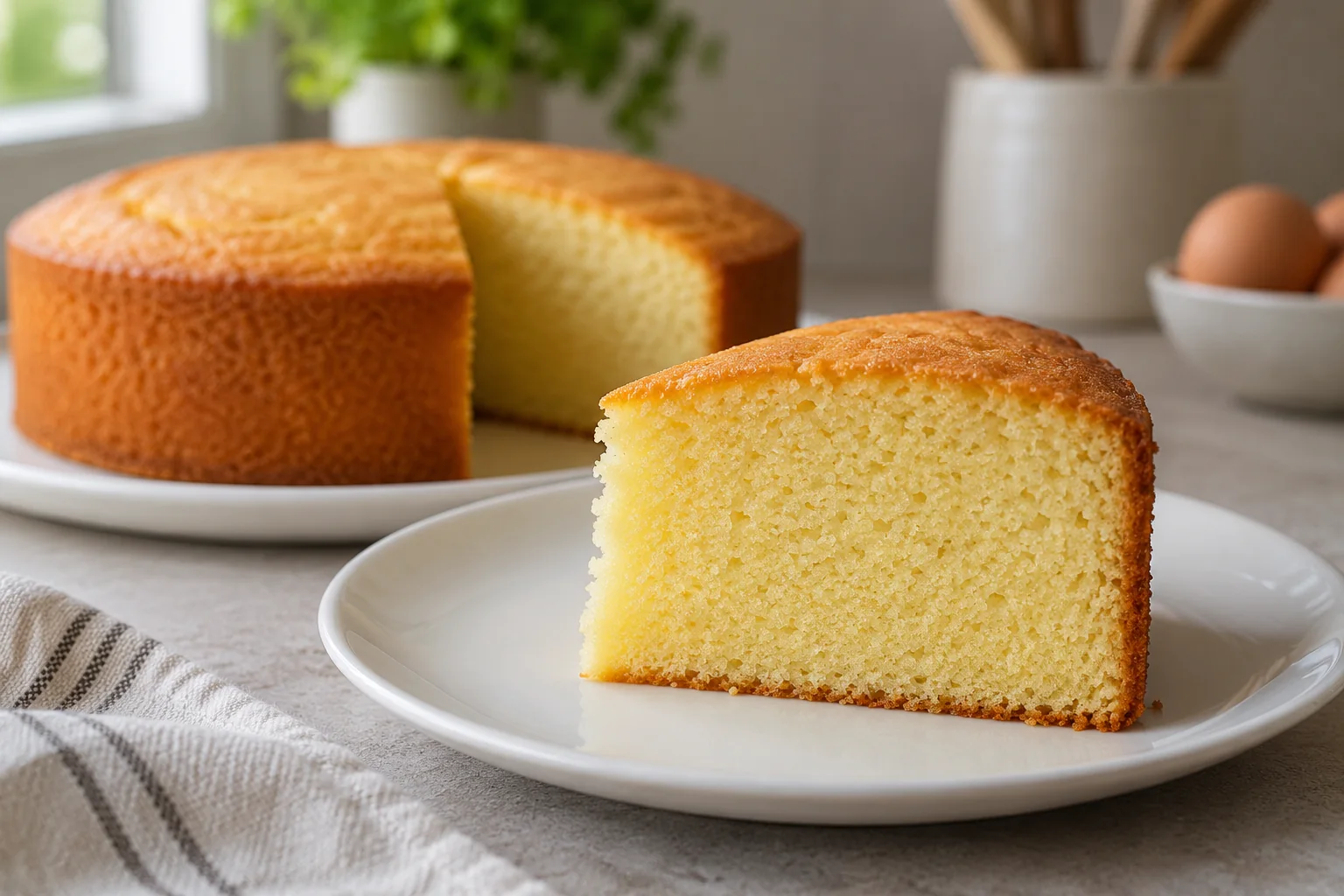
Surface pH influences Maillard browning, with more alkaline conditions often encouraging certain browning reactions. A soda-heavy cookie may brown strongly while tasting alkaline if the formula is unbalanced. Acidity can shift color in cocoa and some fruit preparations. Do not use exterior color alone to judge full baking, particularly in deep cakes that can brown before the center sets.
Fruit fillings and starch
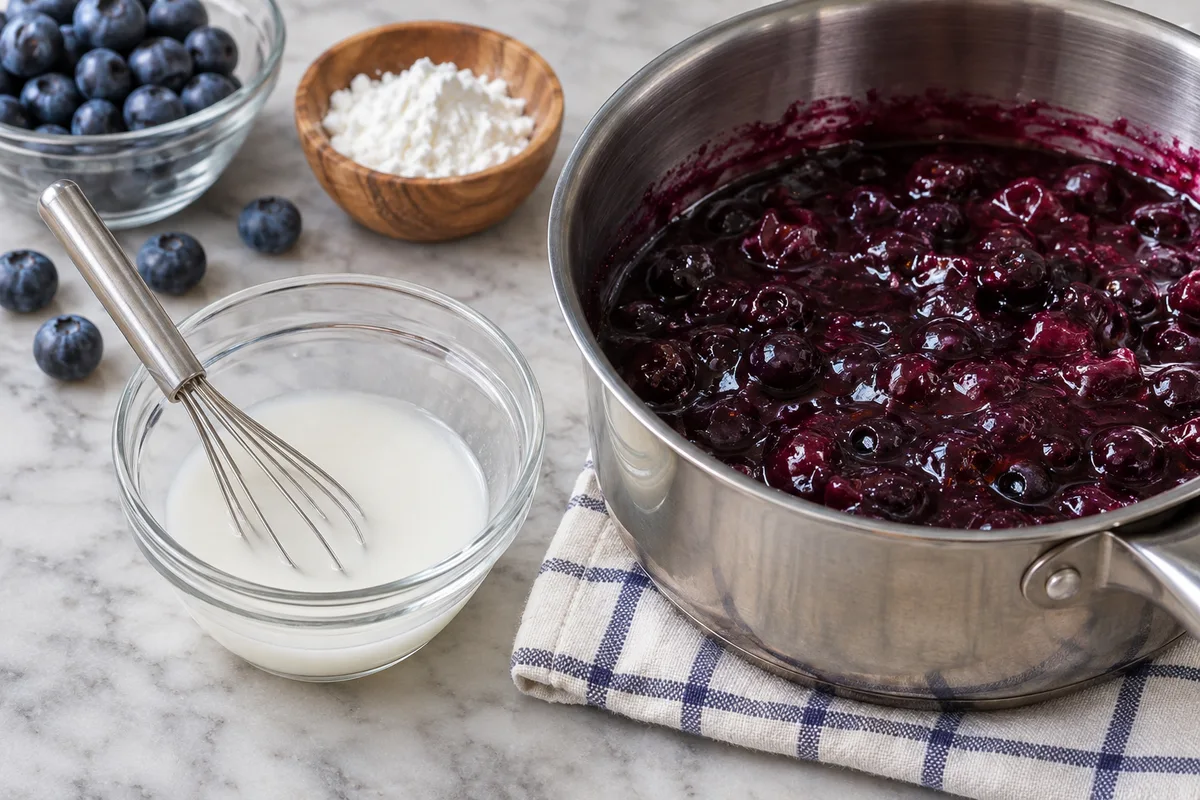
Lemon juice often brightens berry or peach pies and balances sweetness. Acid also interacts with starch thickeners, and prolonged acidic cooking may weaken some starch gels. If a tested filling specifies a particular juice quantity, adding much more can change the set. Fruit pies need sufficient heat and cooling for their thickener to work; extra acid is not a substitute for correct cooking.
Acid in meringue
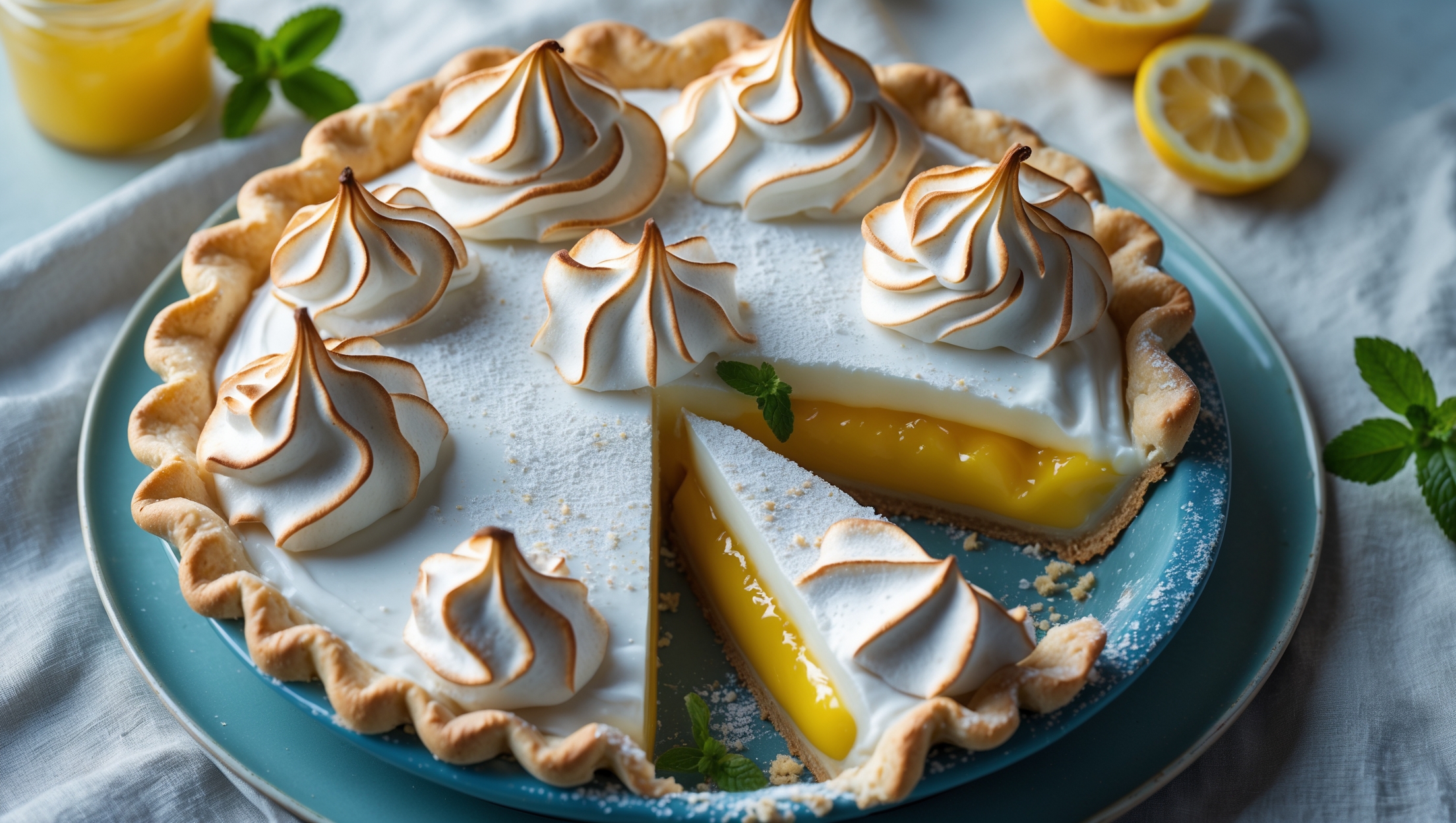
Cream of tartar or lemon juice appears in some meringue recipes because an appropriately controlled amount of acid can help stabilize the beaten egg-white foam. The desired effect depends on the formula, mixing and sugar. Too much acid is not necessarily better. For uncooked meringue applications, use safe egg products and a tested method; egg-white foam chemistry doesn't remove raw-egg food-safety concerns.
The layers of Lemon Meringue Pie show why a tart filling and a whipped topping need separate handling.
Acid in biscuits
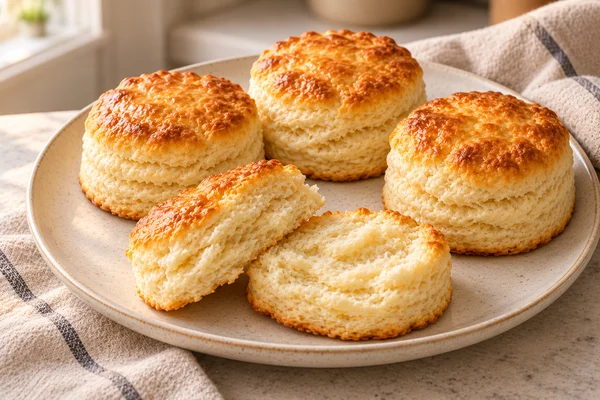
Buttermilk biscuits combine a tender flour-and-fat dough with acid and selected leavener. Their height depends on cold fat, gentle handling, cut edges and oven temperature as well as acidity. Overmixing develops gluten and can make biscuits tough despite buttermilk. Follow a tested biscuit formula rather than increasing soda whenever the finished batch seems too low.

Acid in pancakes
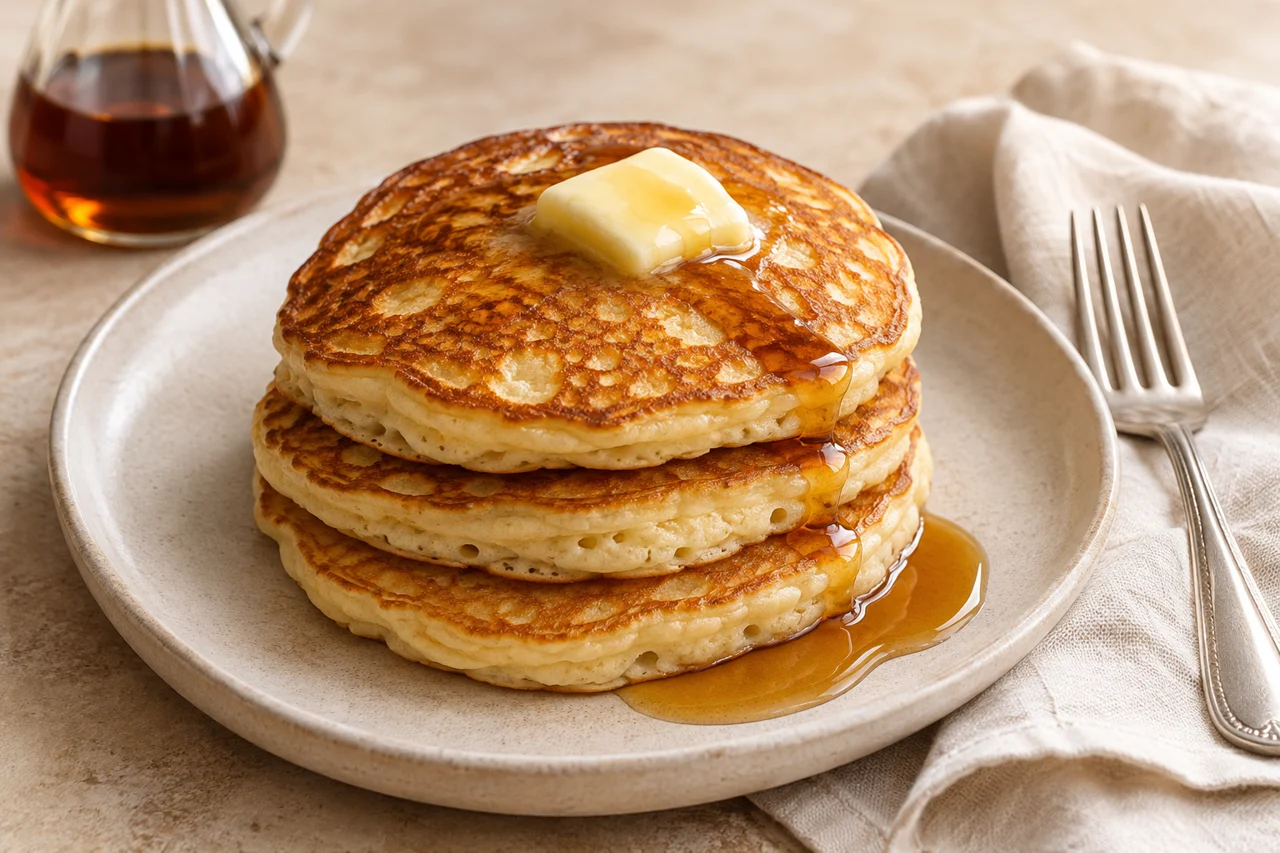
Buttermilk pancakes may foam when soda meets acid, producing a light batter. Mixing too vigorously can still toughen pancakes, and leaving a batter unbaked for an arbitrary duration may change its lift. Some pancake recipes use baking powder, soda or both to balance timing. If substituting milk for buttermilk, choose a tested milk-pancake recipe rather than leaving the leavener unchanged by assumption.
For Basic Buttermilk Pancakes, have the pan ready before combining the wet and dry mixtures.
What happens if acid is missing
A recipe designed with baking soda and a substantial acid source may rise differently and develop a strange flavor if you replace that ingredient with neutral milk. The amount of gas available and leftover alkalinity can change. A flat result may also have other causes, such as stale leavener or poor oven heat. Diagnose the missing ingredient before sprinkling extra soda into the mixture.
What happens if there is too much acid
Excess juice or vinegar introduces more liquid and alters pH, potentially changing flavor, batter consistency, browning and the gas reaction. In some mixtures it can affect protein setting or starch gels. The result depends on what else is present; a tart lemon cake isn't automatically defective. For a dramatic citrus taste, use a recipe built for that style or add a separately formulated glaze after baking.
Testing substitutions responsibly
Compare a tested buttermilk cake as written with a published milk-based variation, or a tested natural-cocoa cookie with a Dutch-cocoa version. Note pan, baking temperature and final texture. Avoid changing acid, flour and leavener all at once; otherwise you cannot identify why the result changed. A small practice bake costs less than improvising on a birthday cake.
Measuring acids accurately
Use grams or standard measuring spoons as supplied. Bottled lemon juice and fresh fruit vary in flavor, and concentrated vinegar products can have different acidity. Never assume household cleaning vinegar is interchangeable with food-grade vinegar. Read ingredient labels, use food products intended for cooking and keep measured additions proportional to the total batter.
IN PICTURES
From the baking notebook
FROM THE RECIPE BOX


