On this page
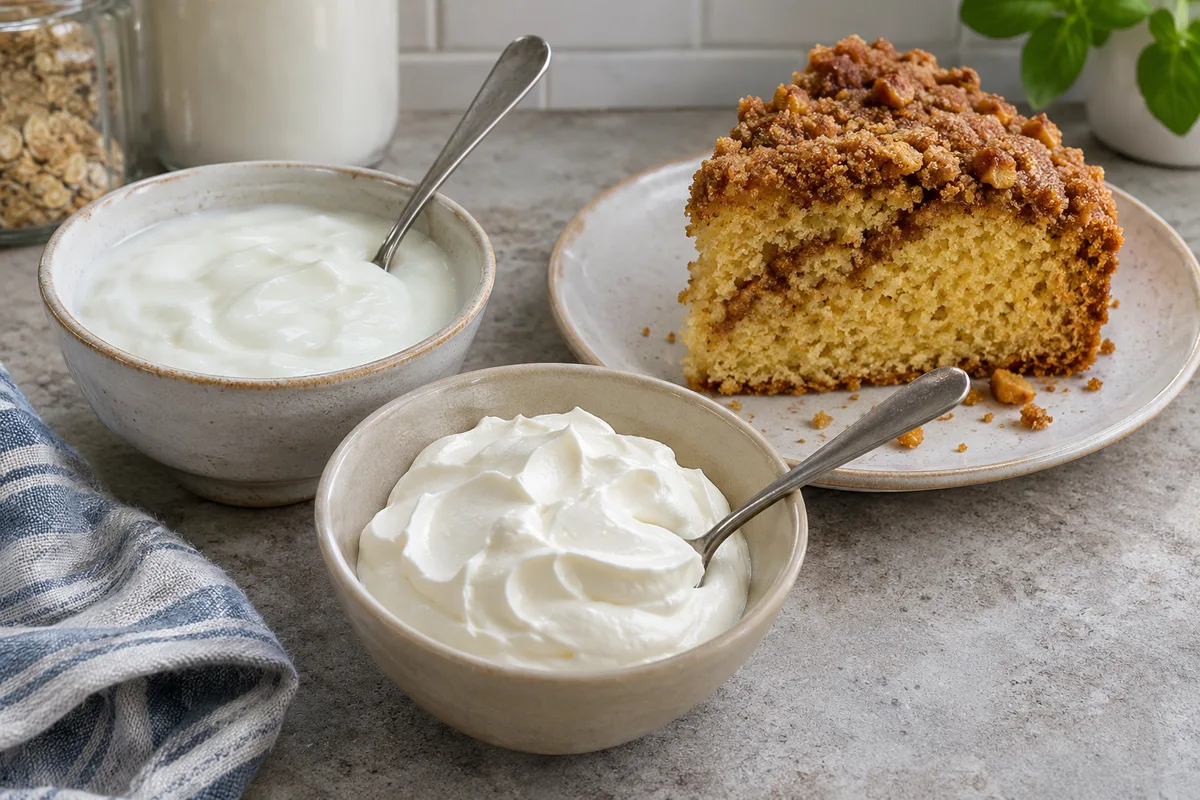
Spoon some regular yogurt into one bowl and thick sour cream into another. The difference you can see on the spoon matters in the batter, along with the fat, water and acidity you cannot see. The right starting point for a swap is the product the recipe was tested with.
What is sour cream?
Sour cream is a cultured dairy product made from cream and lactic acid bacteria, giving it tanginess and a relatively thick texture. Its fat content varies by product and country. Full-fat sour cream contributes richness as well as moisture, while reduced-fat versions may contain different stabilizers and water balances. In a cake designed for sour cream, that composition helps determine how thick the batter feels and how tender the finished crumb becomes.
What is yogurt?
Yogurt is made by fermenting milk with specific bacterial cultures. Plain whole-milk yogurt, low-fat yogurt and strained Greek-style yogurt differ in fat, protein, water content and thickness. Some sweetened yogurts contain substantial added sugar or flavorings. A recipe calling for plain unsweetened yogurt isn't automatically balanced for vanilla dessert yogurt with fruit syrup.
Why acidity matters
Cultured dairy has a lower pH than fresh milk. Acidity can affect proteins and gluten interactions and, when a recipe includes baking soda, can participate in carbon dioxide production. The effect depends on the amount and type of dairy and the remaining ingredients. Too much extra acid may alter leavening or flavor, so don't add lemon juice on top of a balanced sour-cream cake without checking the formula.
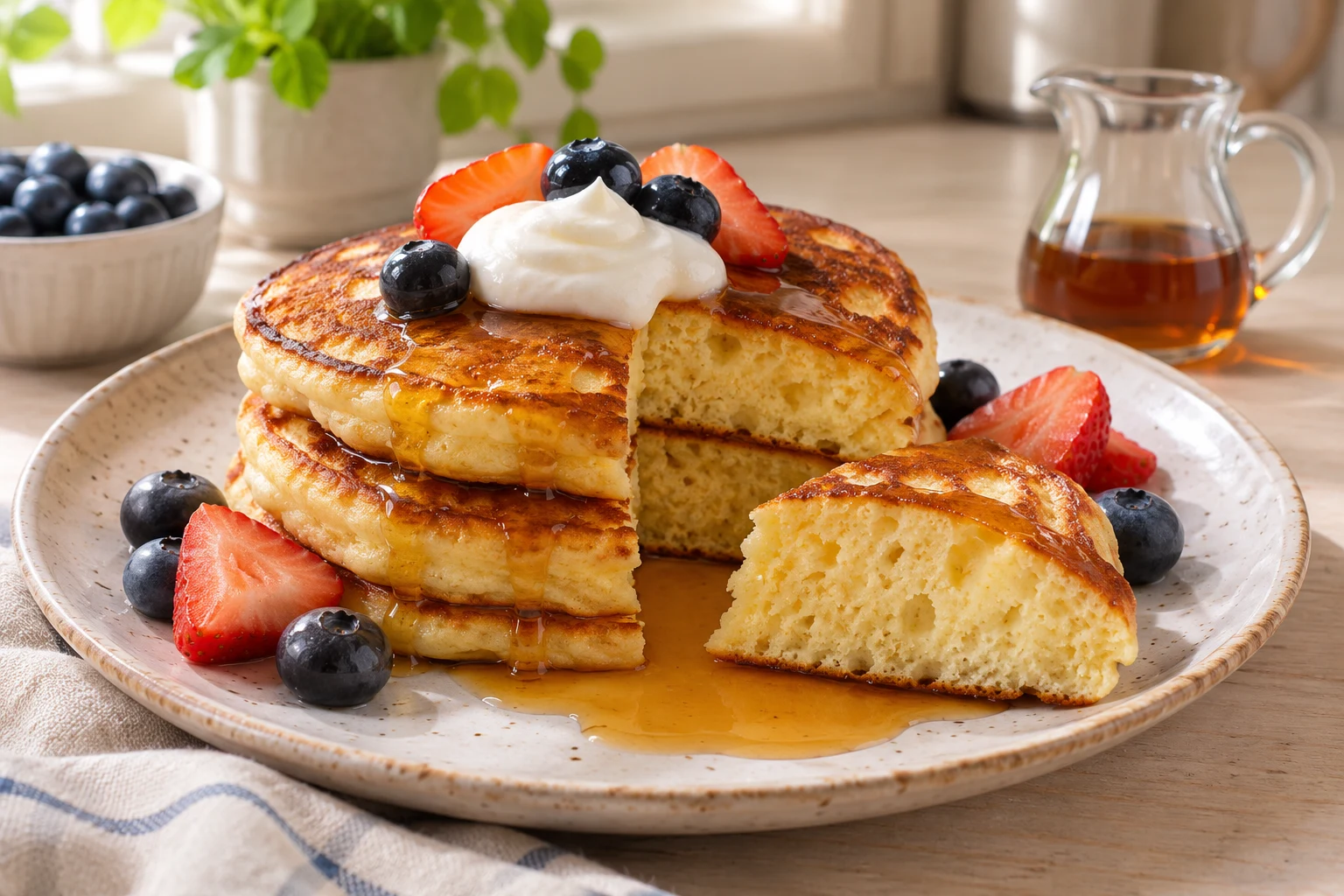
Observe the thickness of the batter for Greek Yogurt Pancakes before adding extra liquid.
How fat contributes tenderness
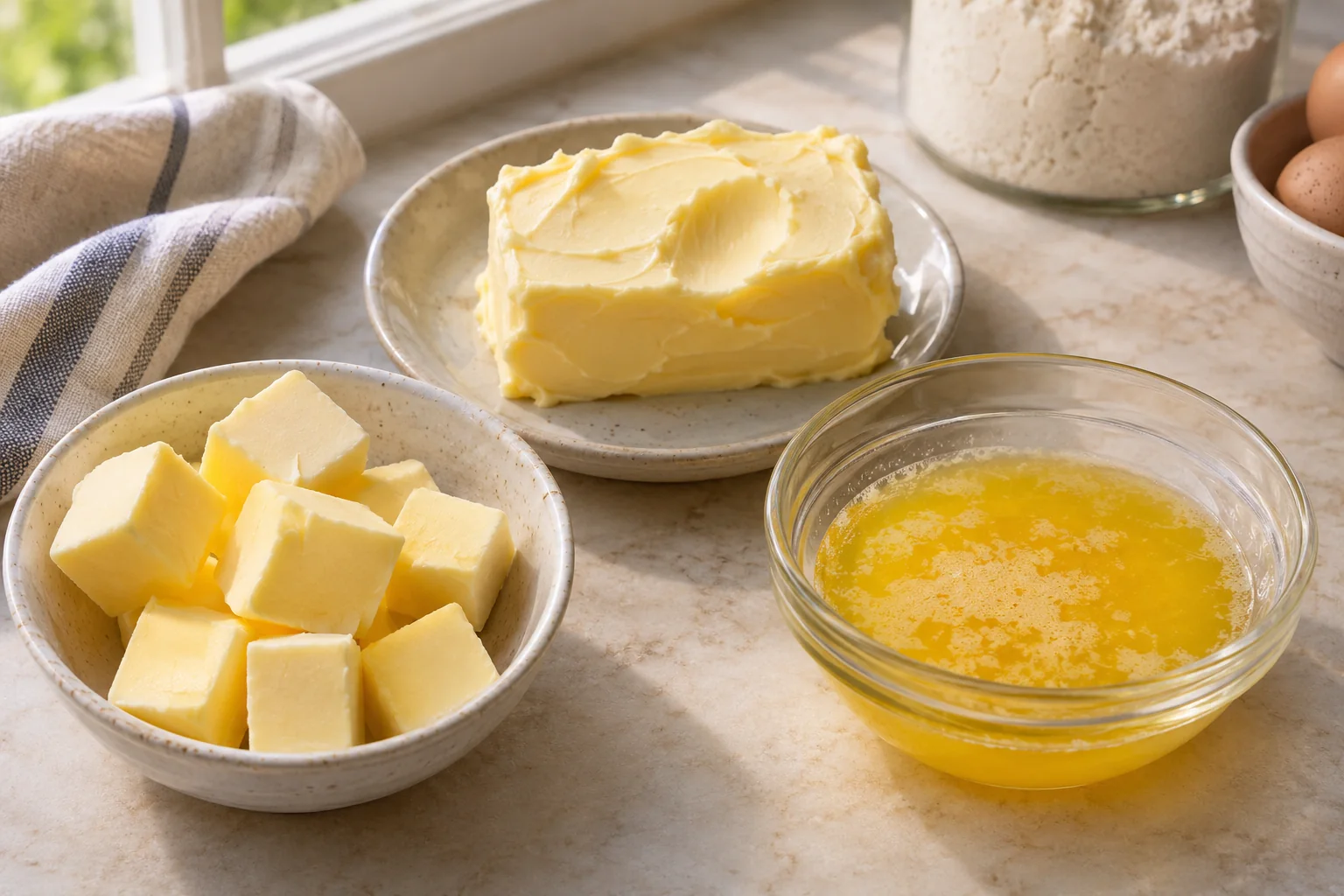
Fat can limit some gluten development and coat flour particles, encouraging a tender crumb. Sour cream often supplies more fat than ordinary low-fat yogurt, so equal-weight substitutions may change the eating texture. A recipe built around generous butter and sour cream can remain richer than one using nonfat yogurt. Tenderness is influenced by fat, sugar, hydration and mixing together rather than one magical ingredient.
Water keeps the crumb moist
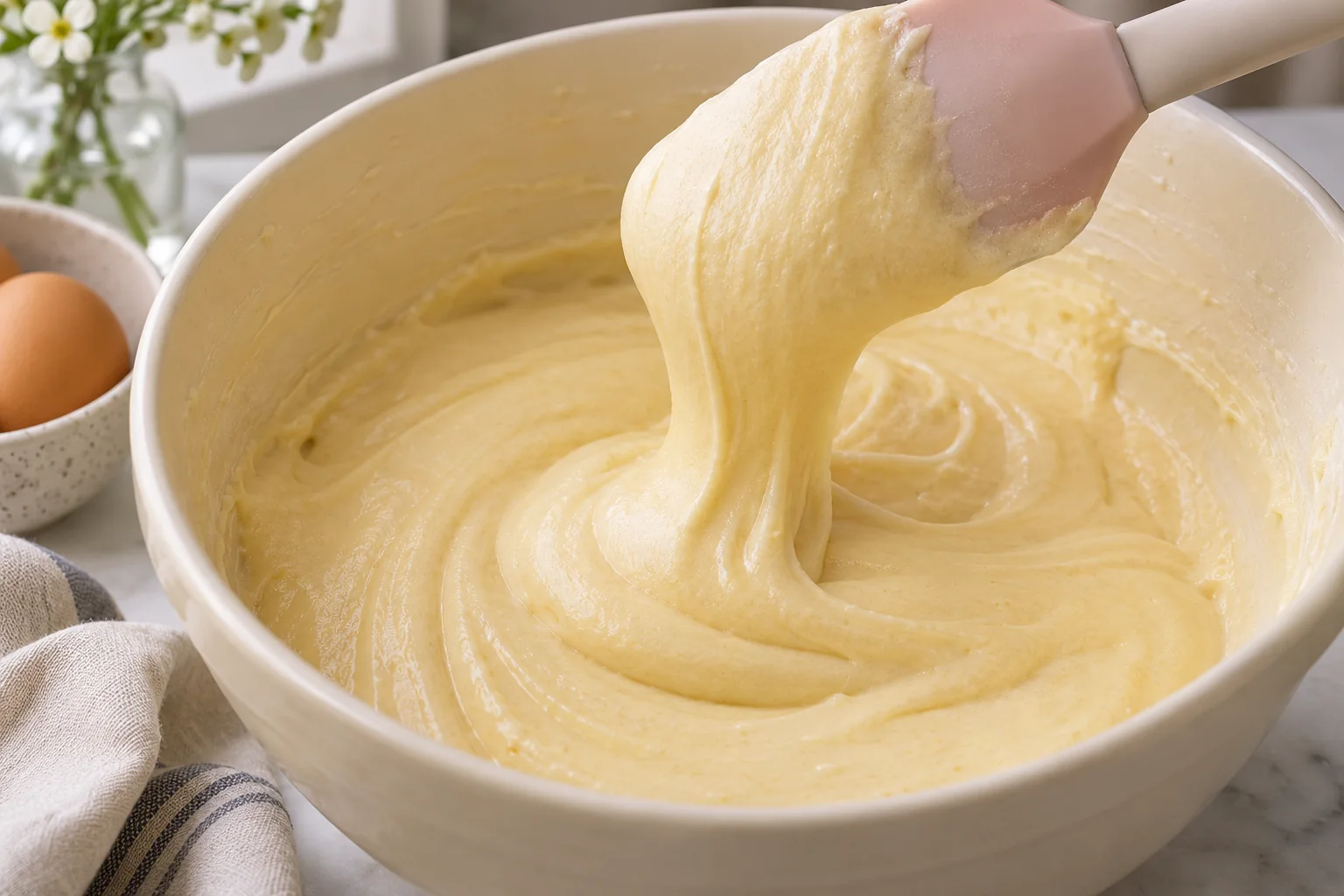
Both yogurt and sour cream contain significant water, which hydrates flour and supports batter structure. Their thick consistency can make a batter feel dense even though they contribute moisture. If you replace them with milk by equal volume, the batter may become much thinner. A thinner batter may rise and set differently, particularly in cupcakes or high-fruit muffins.
Protein and the batter
Yogurt contains milk proteins that contribute structure when heated, and strained yogurt can have a relatively high protein concentration. More protein doesn't simply mean a better cake; it can also change firmness and water absorption. If a cake made with Greek yogurt seems denser, check the recipe's intended yogurt style and fat level before increasing the leavener.
Why sour cream coffee cake is tender
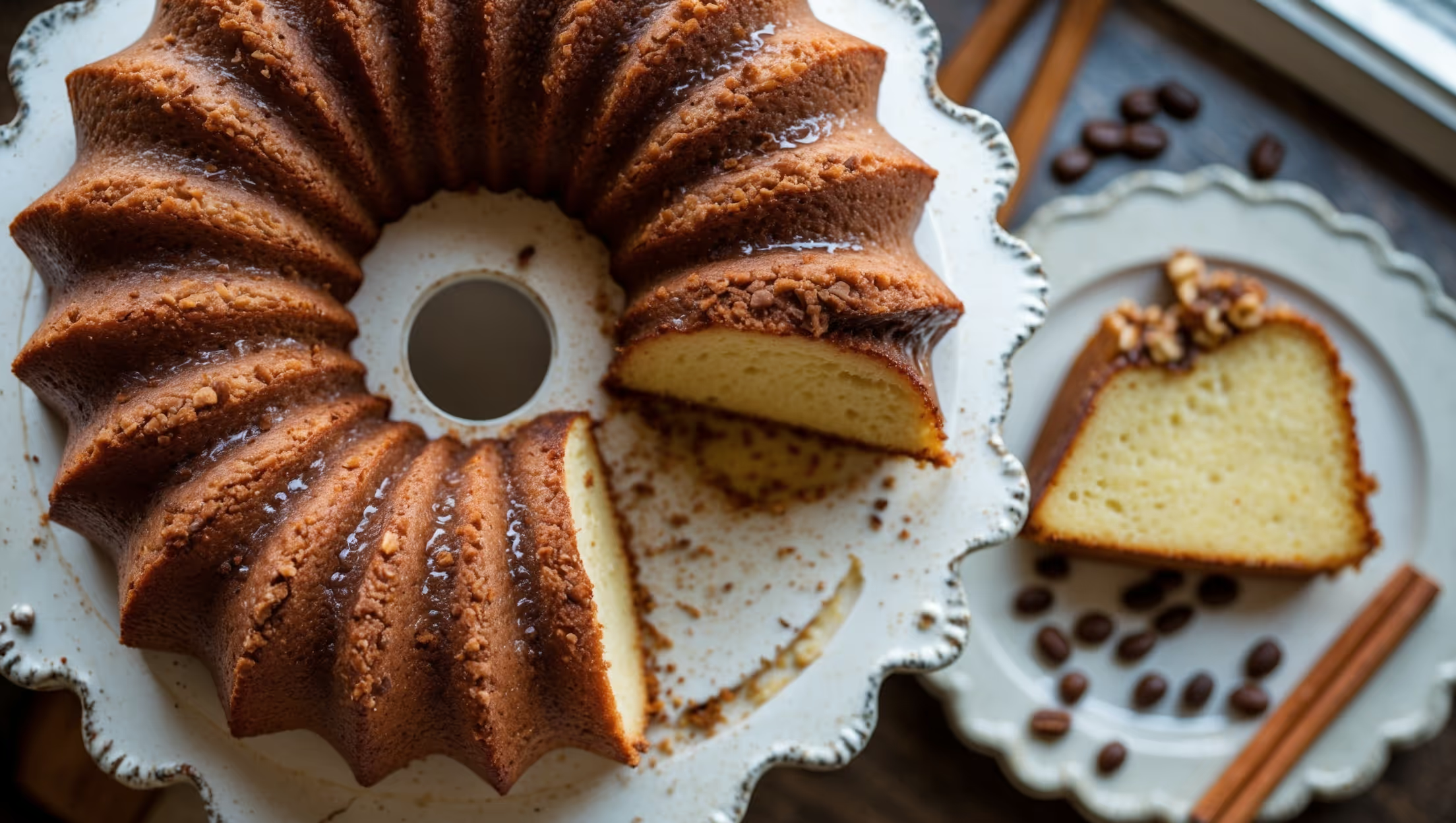
Sour cream contributes fat, water and acidity to a batter designed around it. In a coffee cake, that batter can support a cinnamon ribbon or crumb topping while baking to a tender interior. Keep the complete recipe’s proportions: a sour-cream formula is not simply a milk-based cake with a thicker liquid added.
Cut a cooled slice of Sour Cream Coffee Cake Bundt to compare the tender interior with its firmer crust.
Yogurt in muffins
Yogurt can add moisture and slight tang to muffins, pairing well with blueberries, lemon or apple. It also changes batter thickness, which may help suspend pieces of fruit. Use the yogurt and mixing method specified. Overmixing muffin batter can develop gluten and create tunnels, regardless of how much yogurt is present. Fill cups according to the recipe and bake fully.
Sour cream in pound cake
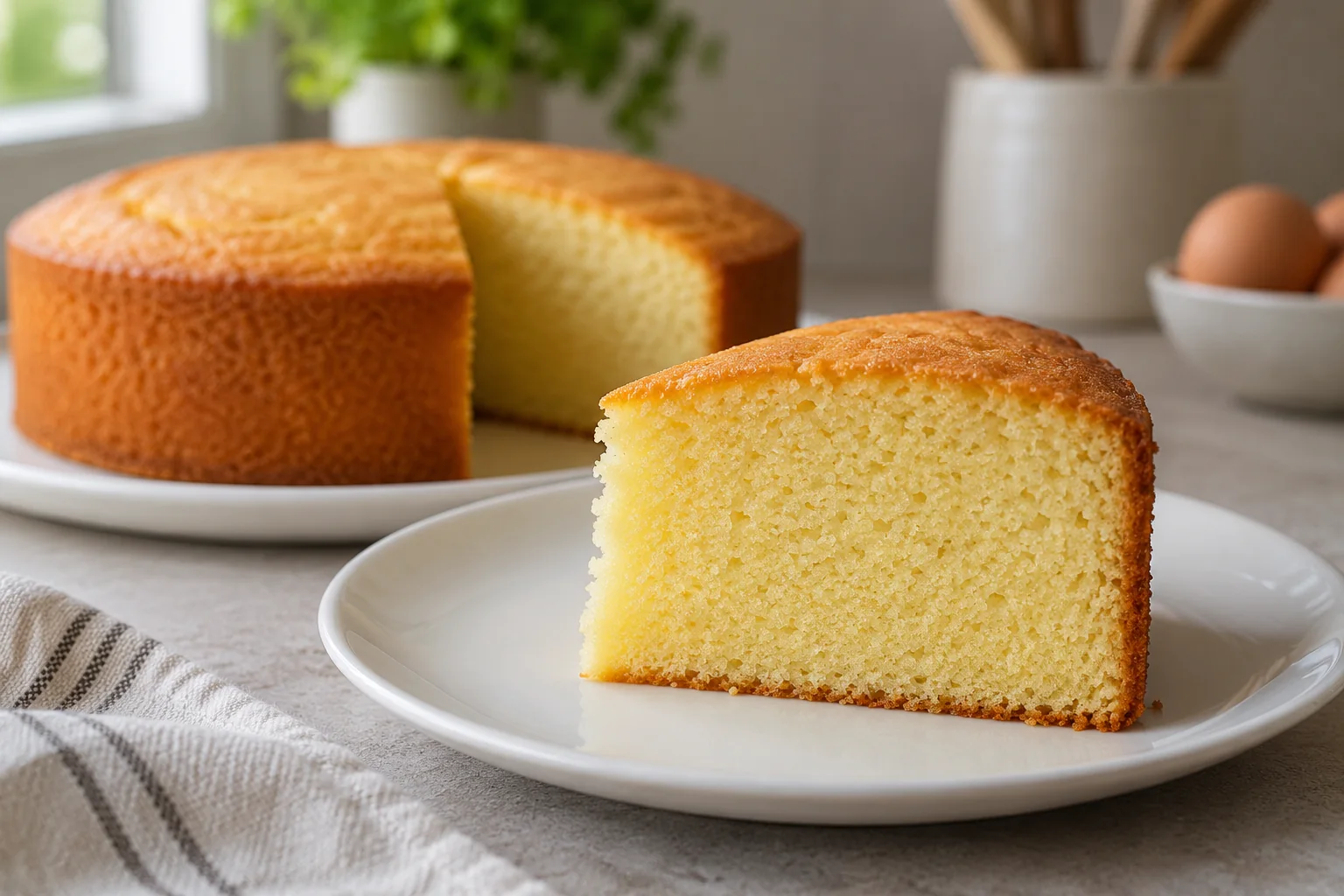
A rich pound-style cake may use sour cream to balance a high proportion of butter and sugar. The result can be velvety and pleasant after cooling. These dense batters often need thorough mixing according to their method and enough time for the center to bake. A dark exterior doesn't prove the middle is set, especially in a deep Bundt or tube pan.
Greek yogurt versus regular yogurt
Greek-style yogurt is usually thicker because some whey has been removed or the product is formulated differently. It can contain less free water and a different protein balance. Swapping it for regular yogurt may produce a thicker batter. Some recipes give a tested one-to-one substitution; others need a different ratio or a little additional liquid. Follow the specific formula rather than assuming the two behave identically.
Check the ingredient list before thinning a yogurt. If a recipe already blends Greek yogurt with milk, mix those two as directed first. Adding water to the yogurt and then adding all the milk changes the liquid twice.
In Yogurt Pancakes, Greek yogurt is whisked with milk. Follow that combination before judging whether the batter is too thick.

Full-fat versus nonfat
Full-fat cultured dairy often creates a richer tender texture, while nonfat products have less fat and may change flavor or moisture perception. Some recipes work well with low-fat yogurt; others depend on the fat from sour cream. If reducing fat is your goal, choose a recipe written for the lower-fat product instead of replacing every gram in a rich cake without adjustments.
Plain versus flavored yogurt
Sweetened vanilla, berry or fruit-on-the-bottom yogurt introduces extra sugar and potentially water, fruit solids or stabilizers. This can alter sweetness, rise and consistency. Use plain unsweetened yogurt for a recipe that specifies it. If you want fruit flavor, select a tested flavored-yogurt cake or add fruit using a formulation designed for its moisture content.
Substituting yogurt for sour cream
Some cake and quick-bread recipes tolerate an equal-weight substitution of plain full-fat Greek yogurt for sour cream, while others do not. Product thickness, fat and acidity differ, so performance is not universal. For a special cake, make a small test batch or choose a published yogurt variation. Avoid combining several substitutions at once, especially changing butter, flour and leavener too.
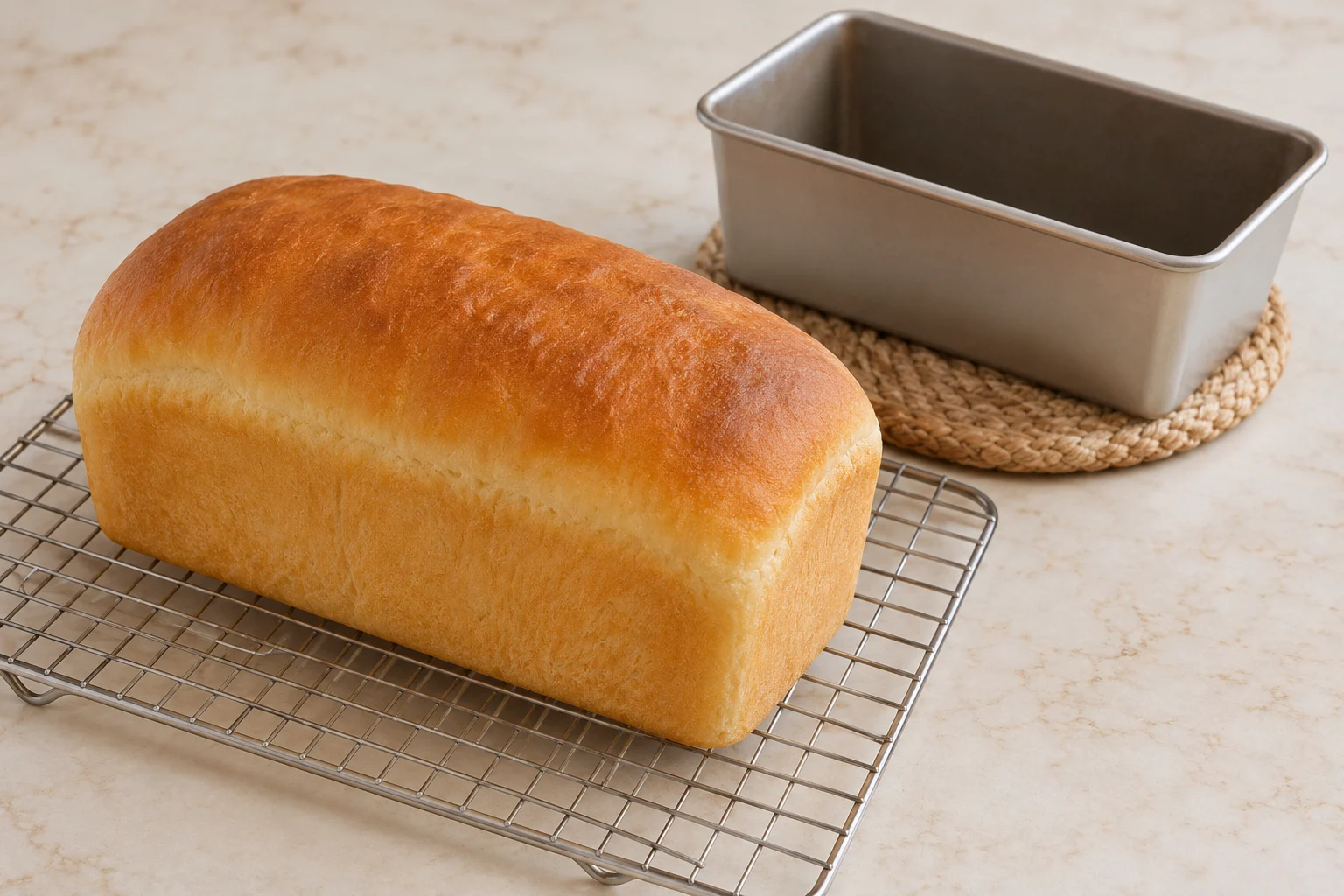
For Yogurt Sandwich Bread, use the yogurt called for before judging whether the dough needs extra water.
Buttermilk as an alternative
Buttermilk is also acidic, but it is much thinner than sour cream. A recipe that uses it may need a different quantity of flour or other liquid to produce the intended batter consistency. Buttermilk can work beautifully in cakes and biscuits when the formula expects it, but it isn't a universal equal-volume stand-in for thick cultured cream.
Compare the dough in Buttermilk Sandwich Bread when working with a thinner cultured ingredient.

Plant-based cultured products
Non-dairy yogurt and sour-cream alternatives vary widely in fat source, protein, starch, sugar and water content. A coconut yogurt may behave very differently from a soy-based high-protein product. If baking for dairy avoidance, use a tested plant-based recipe and read labels for other allergens. A dairy-free product with perishable ingredients still requires suitable storage.
Temperature for mixing
Many butter cake recipes ask for ingredients near room temperature to support smooth emulsification. Very cold sour cream added to softened butter may make the mixture look curdled, although some formulas account for this. Follow the recipe's temperature guidance and don't leave cultured dairy at room temperature for prolonged periods. Prepare only what you need and refrigerate the rest.
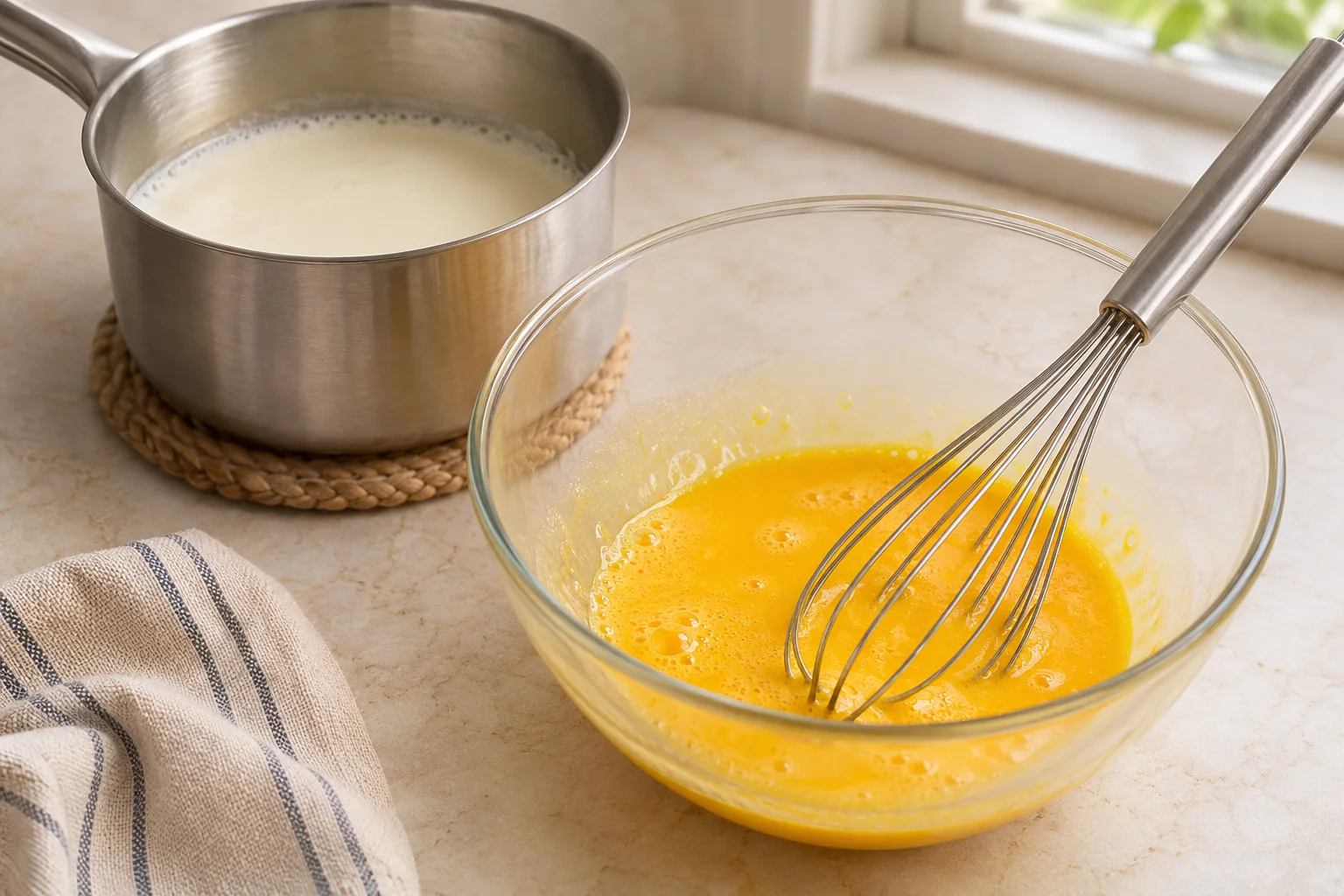
How cultured dairy affects baking soda
Baking soda is alkaline and can react with acids in yogurt or sour cream, creating carbon dioxide. But the amount of soda required depends on the recipe's total acidity and leavening design. Too little may impair lift, while excess can leave an alkaline flavor or affect browning. Don't add more baking soda merely because you've used tangy yogurt; follow a tested balance.
When the cake is dense
Check whether the yogurt was substantially thicker than specified, whether the batter was overmixed, and whether the leavener was measured correctly. A dense cake may also have been underbaked or made in a deeper pan. Replacing sour cream with fat-free yogurt changes more than acidity. Review one variable at a time rather than thinning batter indiscriminately after mixing.
Compare a dense trial with the deliberately close crumb of Pound Cake Bundt before blaming the dairy.

When the cake seems gummy
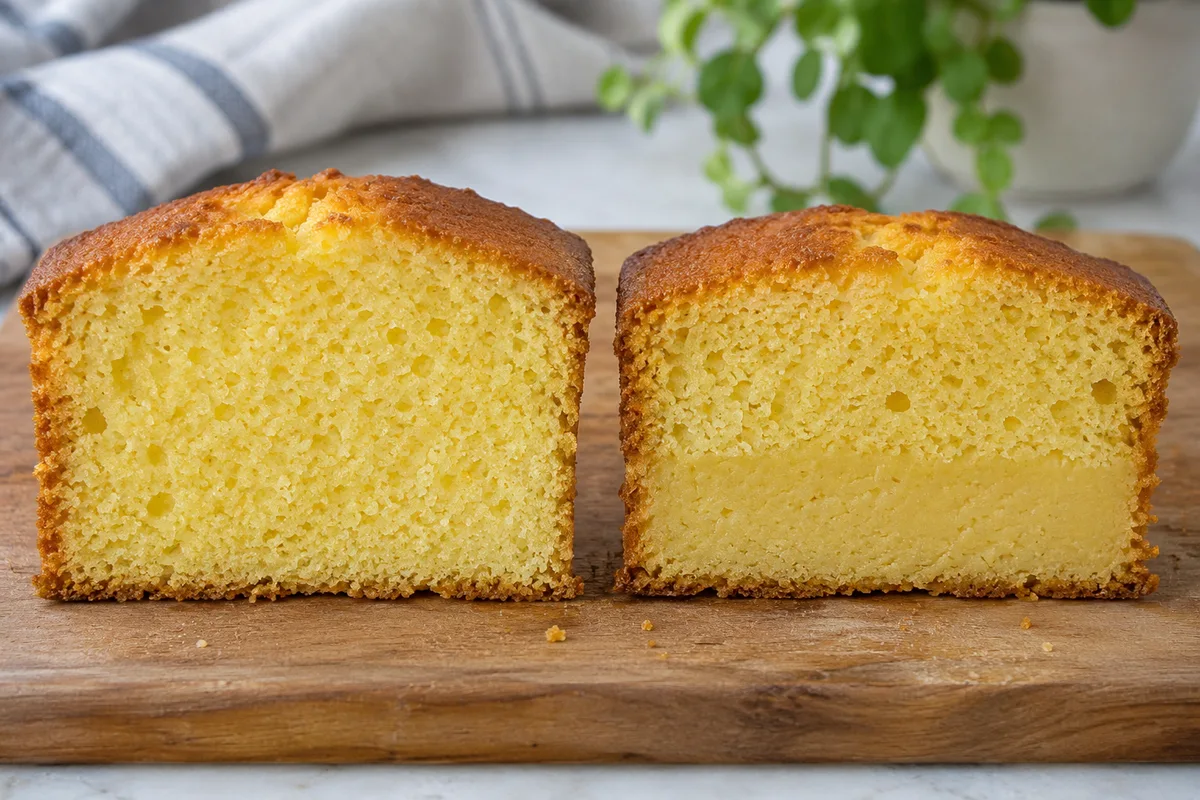
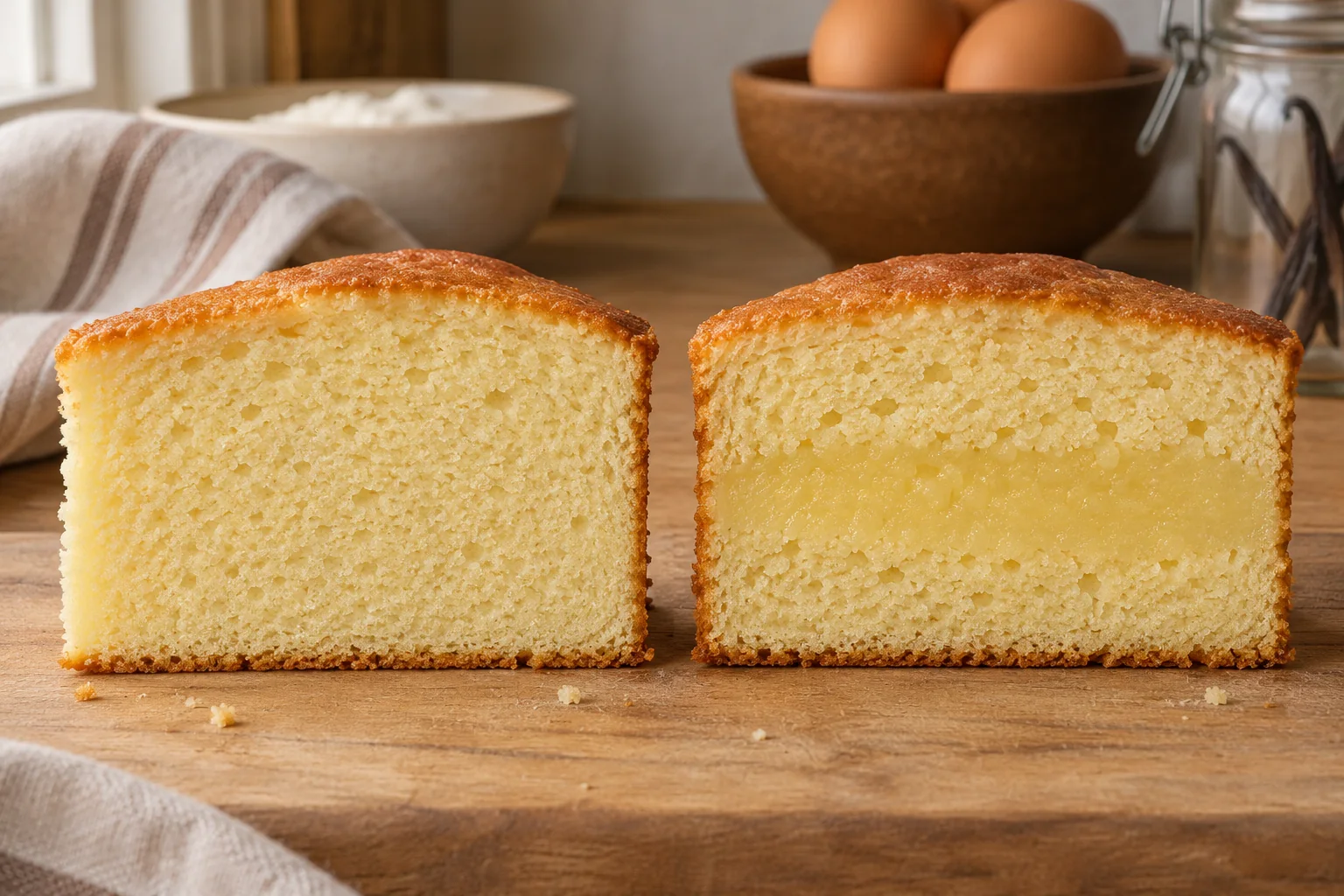
A wet dense band can reflect underbaking, excess liquid, inaccurate flour weight or incomplete mixing. Thick sour cream does not guarantee that the recipe can tolerate additional yogurt. Check center doneness and cooling, and measure ingredients by weight. Don't disguise a raw middle beneath frosting; it needs to have been fully baked.
What happens during storage
A properly baked cultured-dairy cake may remain pleasant and soft for several days depending on its recipe, but perishable frosting or filling changes storage requirements. Plain cake storage isn't identical to a dessert containing pastry cream, cream cheese icing or fresh fruit. Follow safe handling guidance and keep perishable finished components refrigerated.
A simple comparison experiment
Bake a trusted sour-cream cake once as written. Next, choose a published plain-yogurt adaptation rather than altering the original without guidance. Compare crumb tenderness, rise, perceived moisture and tang after cooling. The result helps reveal what you prefer while preserving recipe reliability.
IN PICTURES
From the baking notebook
FROM THE RECIPE BOX


