
On this page
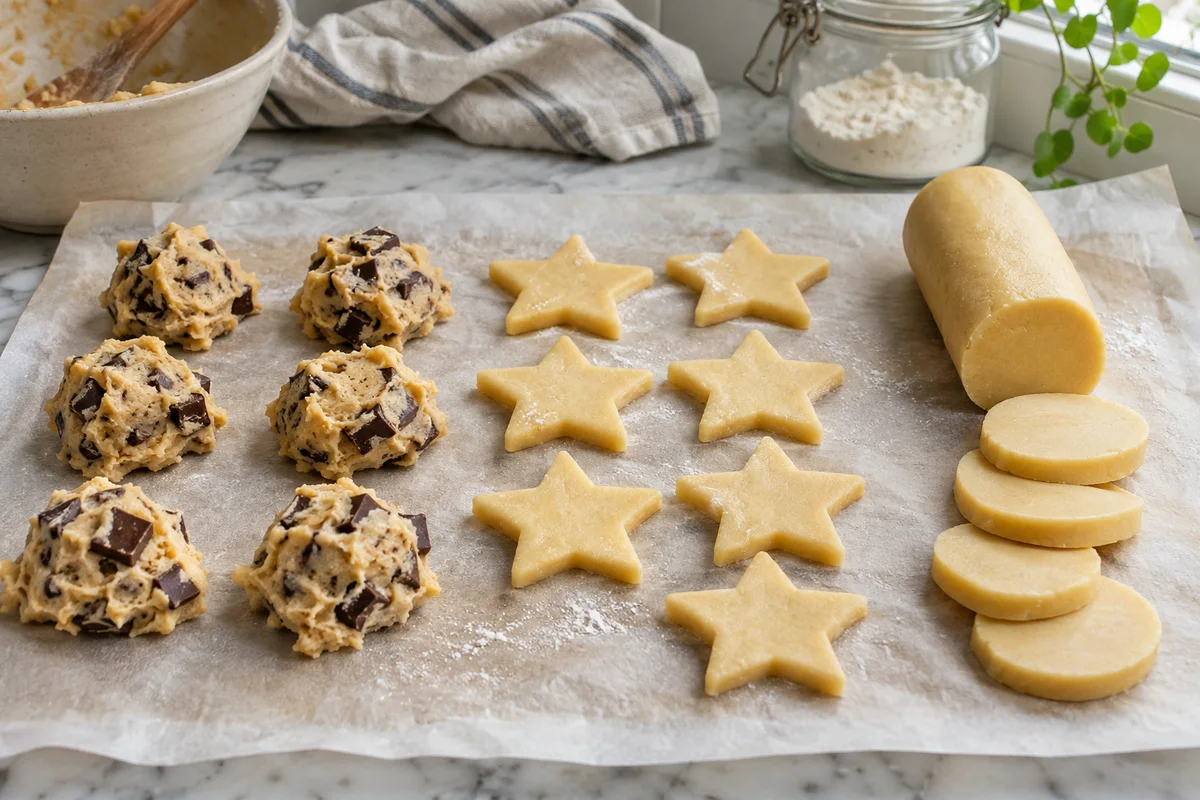
Think about what the dough needs to do next. A sticky sheet of cutout dough needs to roll cleanly, a log needs to slice without flattening, and a drop cookie may need just enough firmness to control its spread.
What cold does to butter
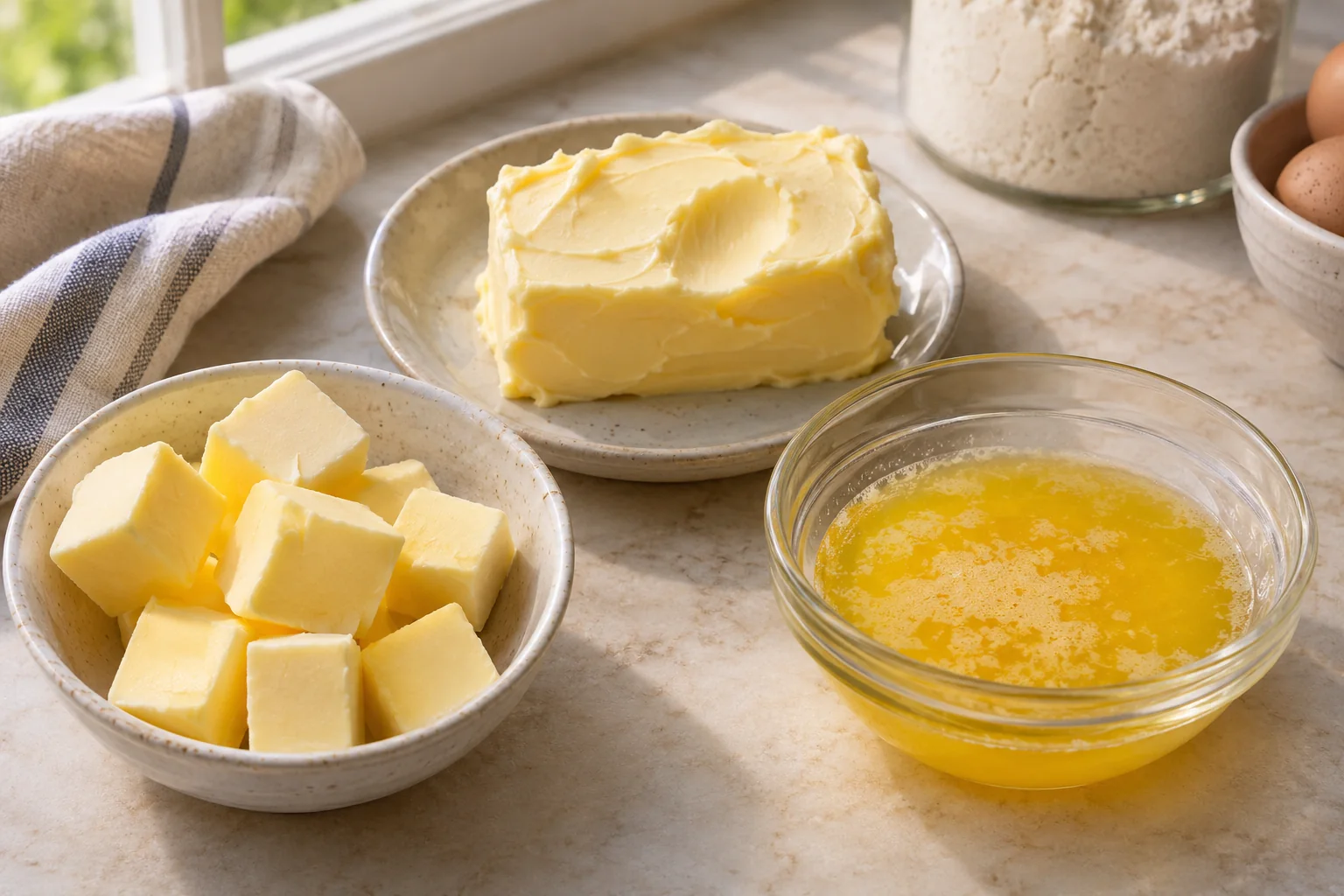
Butter becomes firmer at refrigerator temperatures. A colder dough portion may spread more slowly as the fat heats in the oven, changing thickness and edge shape. But the degree of spread also depends on sugar, flour, eggs, leavener and starting shape. A dough with far too little flour may still flatten after chilling; cold is a tool, not a replacement for correct ingredient ratios.
Hydration continues during resting
Flour and other dry ingredients absorb moisture over time. A refrigerated rest can give starch and proteins more opportunity to hydrate, sometimes producing a more cohesive dough and altering the final bite. Oats, cocoa and whole grain flours absorb moisture differently from refined wheat flour. The effect depends on the formula; some tender doughs need little or no rest.
Flavor can develop
Certain long-rest chocolate chip cookie recipes become more rounded in flavor after refrigerated hydration. Sugars and aromatic ingredients redistribute, and the baked result may brown or taste differently. This is not universal fermentation, and refrigerator time isn't an unlimited flavor booster. A plain butter cookie may taste excellent immediately, while prolonged storage can introduce stale odors or food-safety concerns.
For an extended rest that is part of the formula, follow 36-Hour Refrigerated Dough Ginger Cookies with Sugar Crystal Crust.

A method for controlling spread
If a trusted cookie recipe instructs chilling, follow its minimum rest and the desired starting temperature. Portioning dough into balls before refrigeration can make stiff dough easier to manage. Use a covered food-safe container so the dough doesn't dry at the edges. The goal is a consistent starting state, not freezing the dough into a rock-hard block and guessing at oven time.

Should sugar-cookie dough chill?
Rolled cutout cookies often benefit from chilling because firmer dough is easier to roll and cut cleanly. Some formulas chill before rolling, others chill already-cut shapes to preserve edges. A soft frosted drop sugar cookie may have entirely different instructions. Choose the method based on the style rather than assuming every sugar cookie needs twenty-four hours in the refrigerator.
For Gingerbread Cookies, chill the dough in the shape the recipe calls for before rolling.

Why rolled dough shrinks
Wheat dough can develop gluten tension as it is mixed and rolled. Resting allows that tension to relax and makes handling easier. Cold fat also helps define shapes. If cutouts repeatedly pull inward, check whether dough was overworked or repeatedly rerolled with lots of bench flour. More refrigeration may help certain recipes, but incorrect flour and mixing can still cause problems.
Chocolate chip cookies
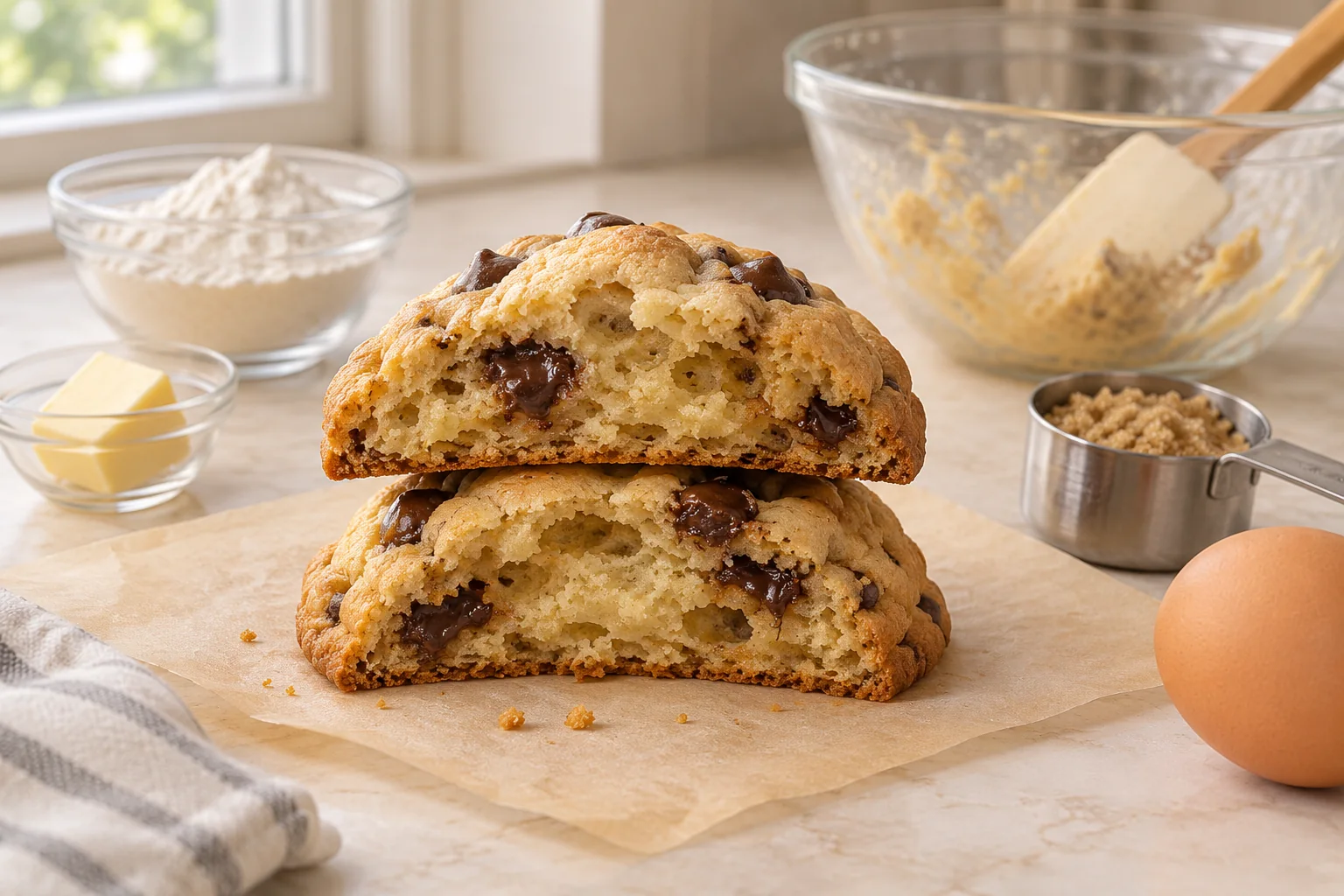
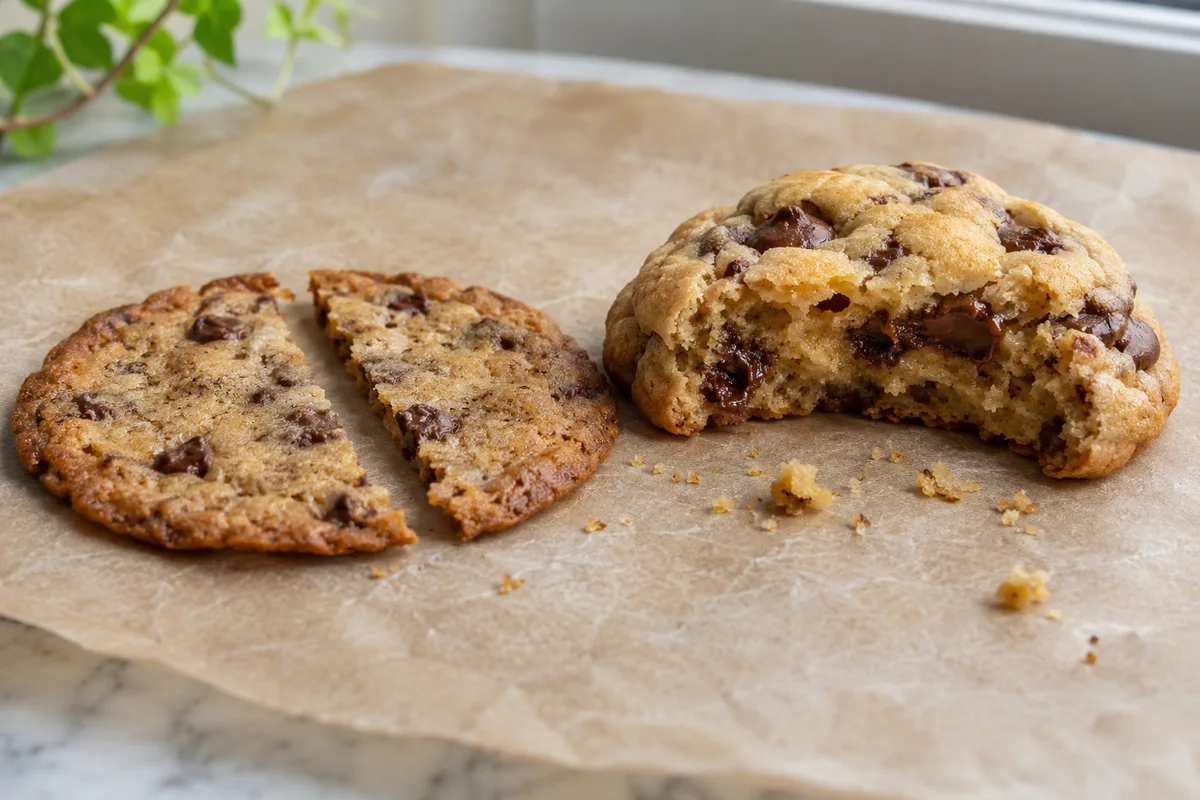
For a chewy chocolate chip formula, refrigerated dough may bake thicker and develop deeper flavor, depending on the author's design. Some classic recipes require little rest and rely on their butter and sugar balance. Don't judge an immediate-bake cookie against photographs of a formula designed for overnight chilling. Use the documented schedule before altering the recipe.
Begin with the stated rest in Classic Chocolate Chip Cookies before testing a shorter or longer chill.

Shortbread and slice-and-bake logs
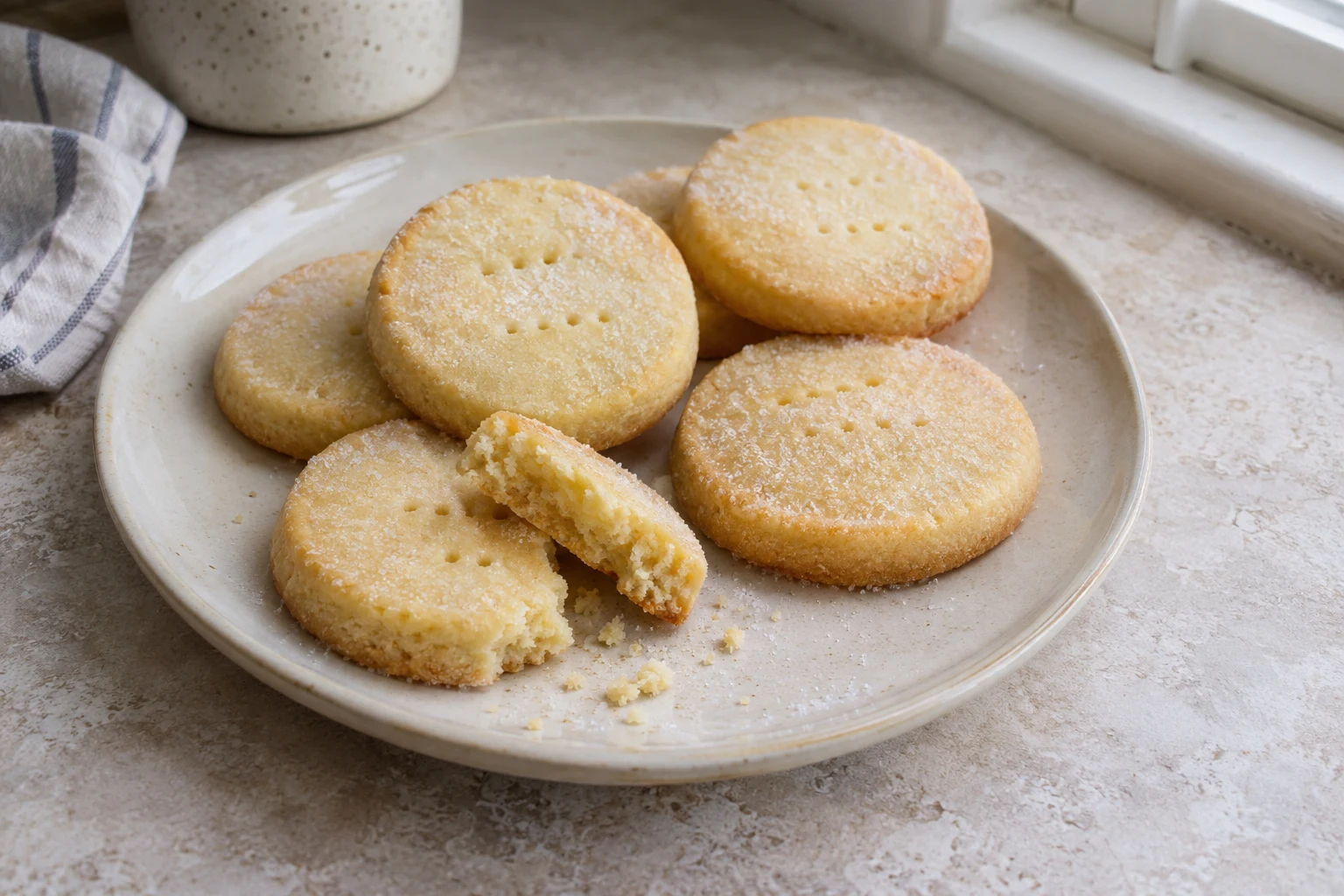
A slice-and-bake log often needs chilling to become firm enough for even clean slices. Very warm dough may squash under the knife rather than cut into rounds. Extremely cold dough may crack if forced. Let it reach the recipe's specified slicing condition. Shortbread that is rolled and cut may also require a rest, but the correct stage differs across formulas.
Read the shaping and chilling instructions for Vegan Shortbread Cookies before turning a shortbread dough into a log.
Brownie cookies and very soft batters
Some chocolate-rich cookies begin as a thick glossy batter and must cool to become scoopable. That rest is part of their structure. Other brownie cookies need immediate scooping before the batter sets too firmly. Follow recipe-specific timing, especially if melted chocolate is involved; an arbitrary overnight chill may not give the intended shiny cracked surface.
When to portion the dough
If dough is soft enough to scoop immediately, portioning before chilling creates uniform ready-to-bake pieces. For a dough meant to be rolled after chilling, keep it in a flat wrapped disk rather than a huge hard ball. Dividing thick dough into two disks can speed safe cooling and make rolling easier. Avoid leaving raw egg-containing dough out for prolonged softening.
Portion Ginger Spice Drop Cookies evenly when comparing freshly mixed and chilled dough.
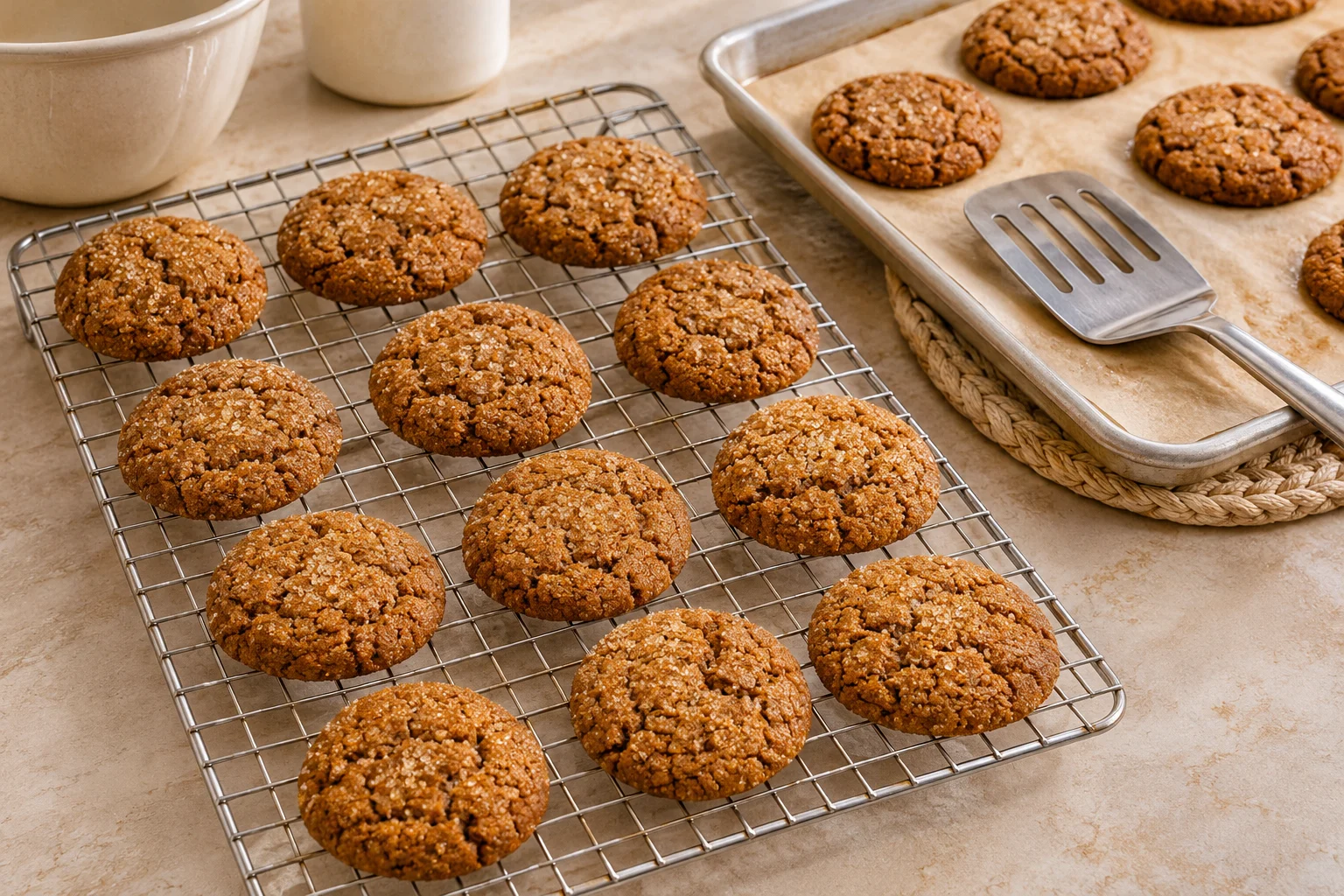
How chilling affects bake time
Cold dough starts at a lower temperature, so the center may require a different bake window than room-temperature dough. A recipe designed for chilled portions accounts for that. You cannot universally add two minutes to every cold cookie because portion mass and oven heat differ. Check the intended doneness, allowing the listed tray rest and carryover heat.
A baking sheet should also be cool
Placing chilled dough on a hot sheet from an earlier batch can melt the bottoms before the tray reaches the oven. Cookies then spread even though the dough was refrigerated. Use a second sheet or cool the pan safely between rounds. Record the pan material as well: dark coated sheets may brown undersides more strongly.
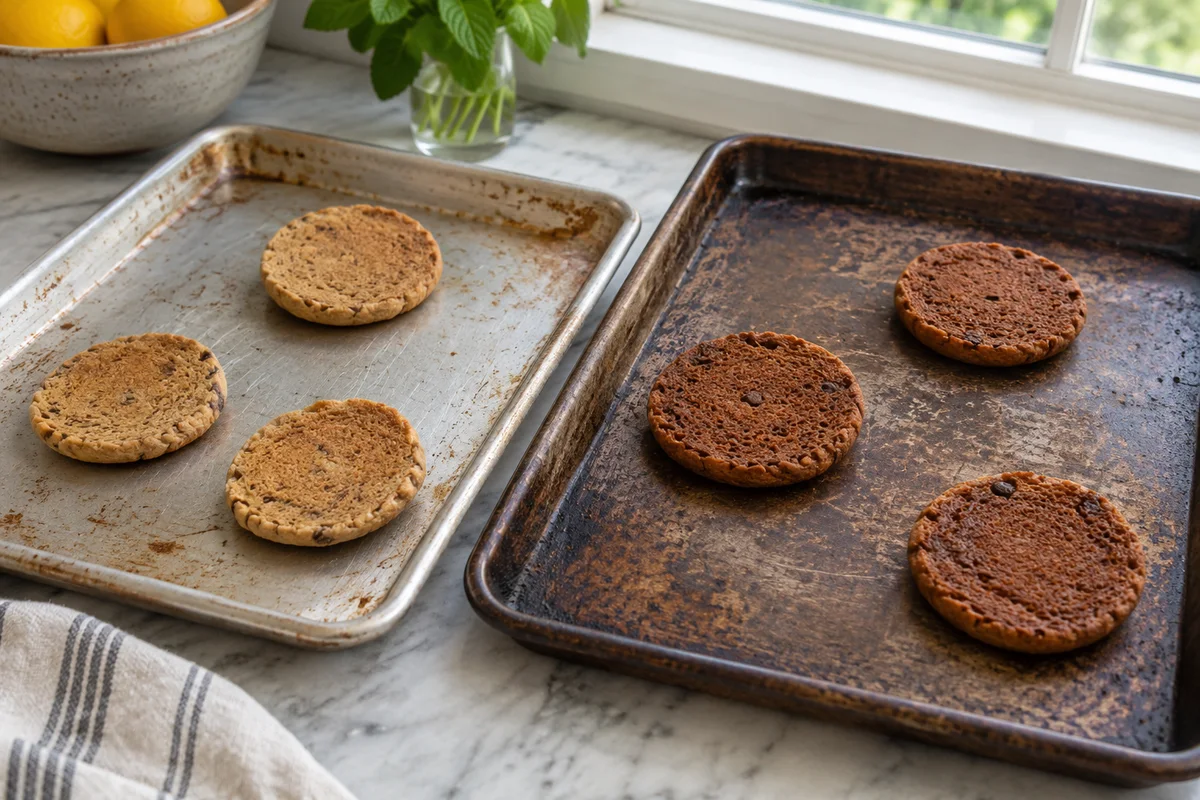
How long can dough stay refrigerated?
Storage guidance depends on the recipe, ingredients and food-safety limits. Raw dough containing eggs and untreated flour is not safe to taste. For longer storage, freezing may be appropriate where the formula permits. Label the preparation date and follow reliable refrigeration limits rather than assuming tightly covered dough lasts indefinitely.
Raw flour remains a concern
Chilling does not destroy pathogens that may be present in raw flour, and ordinary raw cookie dough may also contain eggs. Do not taste the dough to decide whether the flavors have matured. Use a tested edible-cookie-dough formulation with appropriate heat-treated ingredients if raw tasting is the goal. A refrigerated raw mixture isn't automatically ready to eat.
Freezing versus chilling
Refrigeration keeps fat firm while permitting more hydration over time. Freezing slows these changes and is useful for making dough ahead. Some recipes bake directly from frozen; others thaw under controlled conditions. Large frozen cookie balls may brown outside before the center finishes. Use specific instructions rather than treating frozen and refrigerator-cold dough as interchangeable.
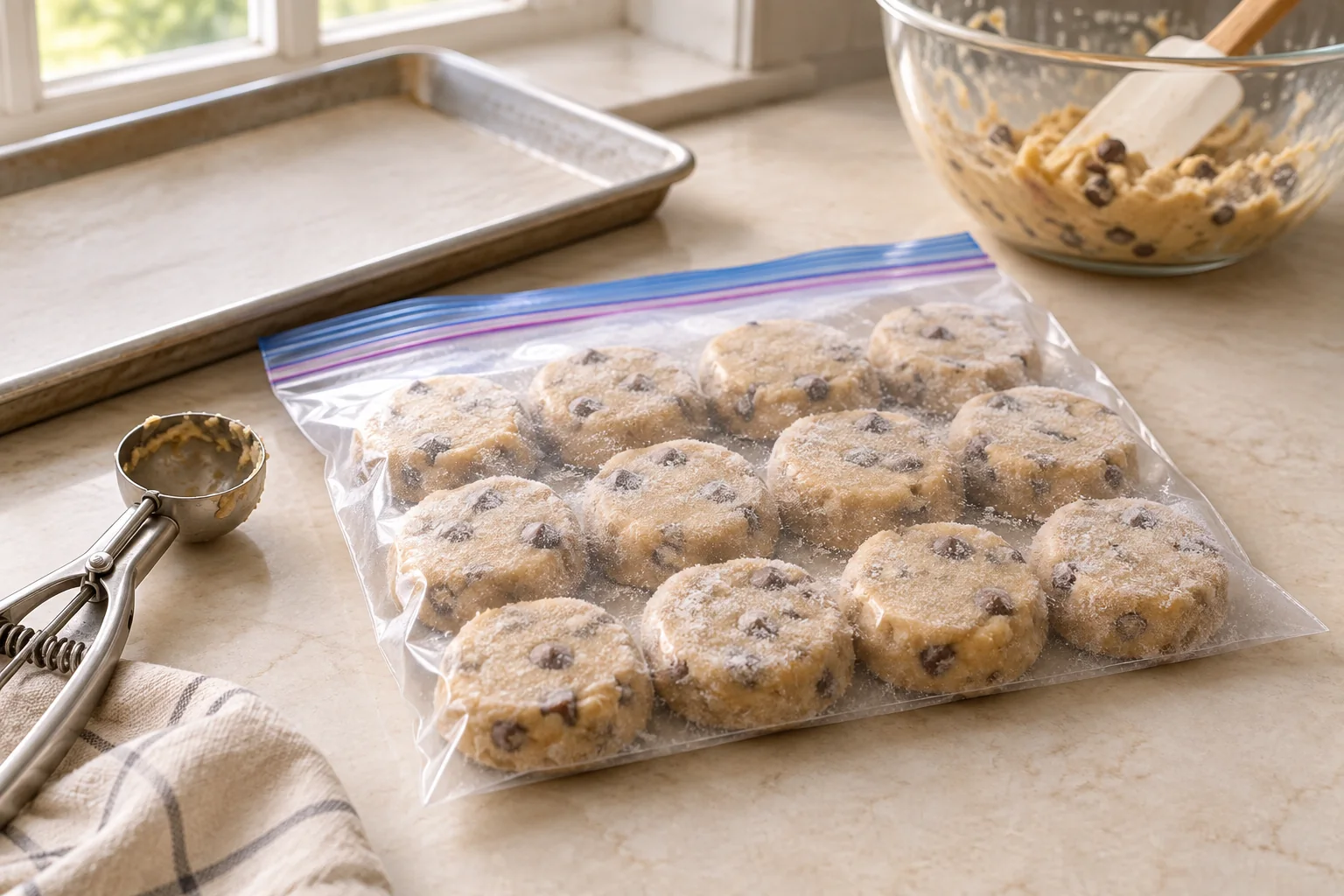
Can chilled dough be too hard?
Yes. A large solid mass may be difficult to scoop or roll, and forcing a mechanical scoop can damage it. If the formula permits, let it soften briefly under safe handling or portion before chilling next time. Do not microwave the entire dough until the butter melts, since this reverses the texture goal and can heat eggs unevenly.
Why cookies still spread excessively
Check flour weight, butter temperature during mixing, sugar proportion, leavener and oven calibration. Chilling alone cannot correct every recipe issue. If the dough contains significantly more fat than intended, it may flatten even when cold. Revisit the tested method before adding extra flour, which can create a dry cookie instead of the chewy thick result you want.
If Chewy Chocolate Chip Cookies spread more than expected, check the butter, portion size and tray temperature along with the chill.
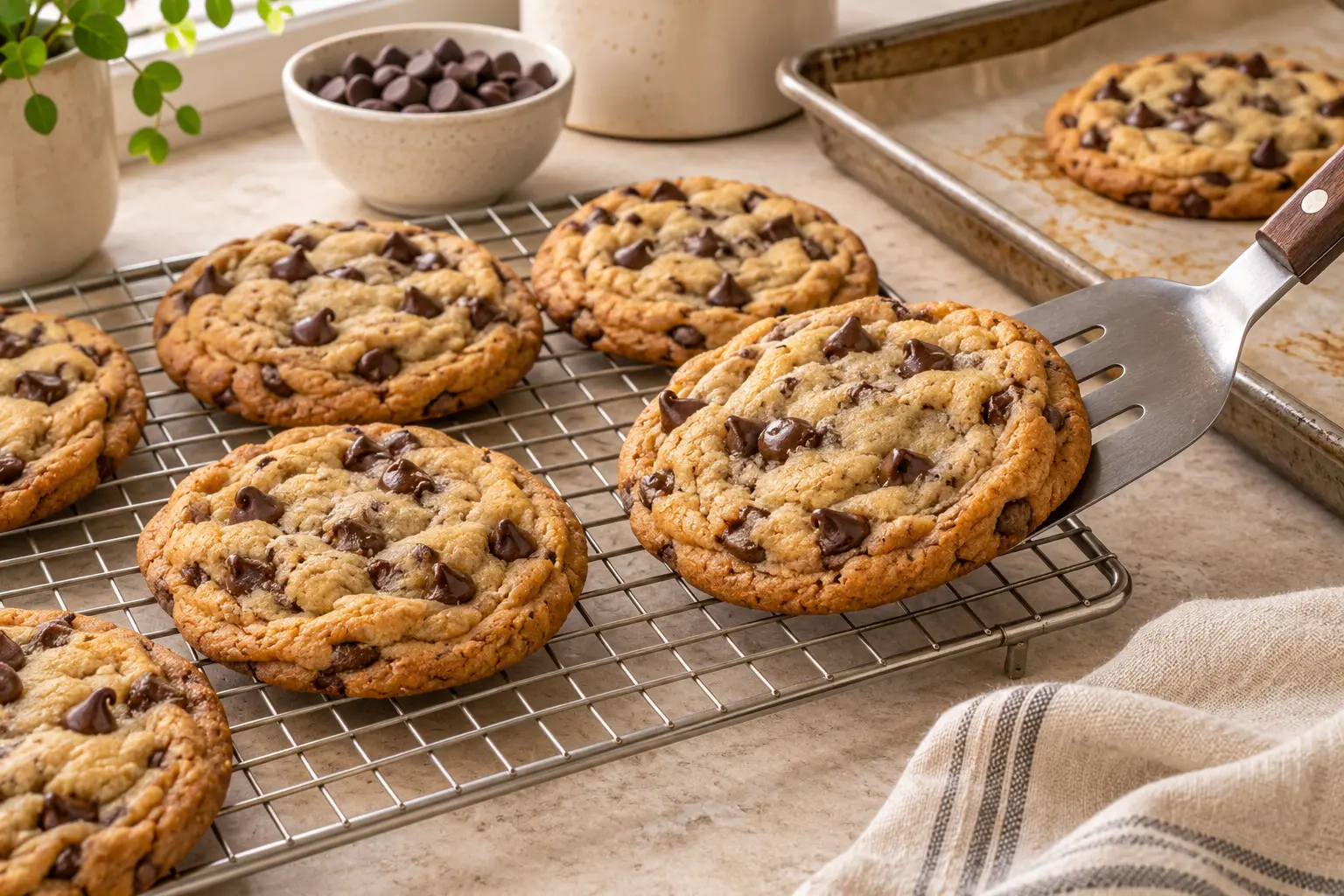
Why chilled cookies sometimes stay too tall
A very cold large mound may hold its shape longer and finish as a thick ball. If the center is also underbaked, the recipe's mass or timing may be mismatched. Some formulas specify flattening chilled balls before baking. Don't simply lower temperature and leave the tray longer without a reliable guide; dry exteriors and raw centers can result.
The role of dough covering
Uncovered dough can dry on the outside and absorb refrigerator odors. Wrap disks well and keep portioned balls in a suitable sealed container. Place parchment between layers if necessary. A dried skin may crack while baking and should not be confused with a naturally craggy bakery-style surface.
A controlled comparison test
Bake a small group from a trusted recipe immediately if its instructions allow, and another group after the recommended refrigerated rest. Use equal weights and the same cooled sheet. Compare diameter, height, flavor and fully cooled texture. Note differences without assuming they apply to every cookie type. The most reliable experiment changes only the resting condition.
IN PICTURES
From the baking notebook
FROM THE RECIPE BOX


