On this page
Classroom treats need to be easy to distribute, simple to eat and appropriate for the school's rules. The most elaborate cupcake isn't always the best option: sticky frosting, loose sprinkles and fragile filling can create a cleanup project for the teacher. A well-packed muffin or cookie may be far more welcome. Before baking anything, confirm whether the school allows homemade food and what ingredient, allergy and hygiene requirements apply.
Check the school's current rules first
Some schools prohibit shared homemade food or have specific labeling and allergen restrictions. Others permit food only for designated activities. Ask the teacher or organizer before selecting a recipe. A family recipe without obvious nuts may still fail a policy requiring commercially packaged or ingredient-labelled treats.
Never promise a treat is allergy-free
Foods may contain milk, eggs, wheat, soy, sesame, peanuts or tree nuts even when none is visible. Read every label and consider cross-contact in the home kitchen. For a child with a severe allergy, a separate approved food may be safer than an unverified homemade substitution.
Pick a truly low-mess format
Individual muffins, plain cookies, firm bars and small baked rolls are easier to handle than mousse cups or sticky caramel desserts. Choose foods that can be eaten without plates, forks and repeated topping stations. A small portion is often better for a classroom than a giant bakery cookie.
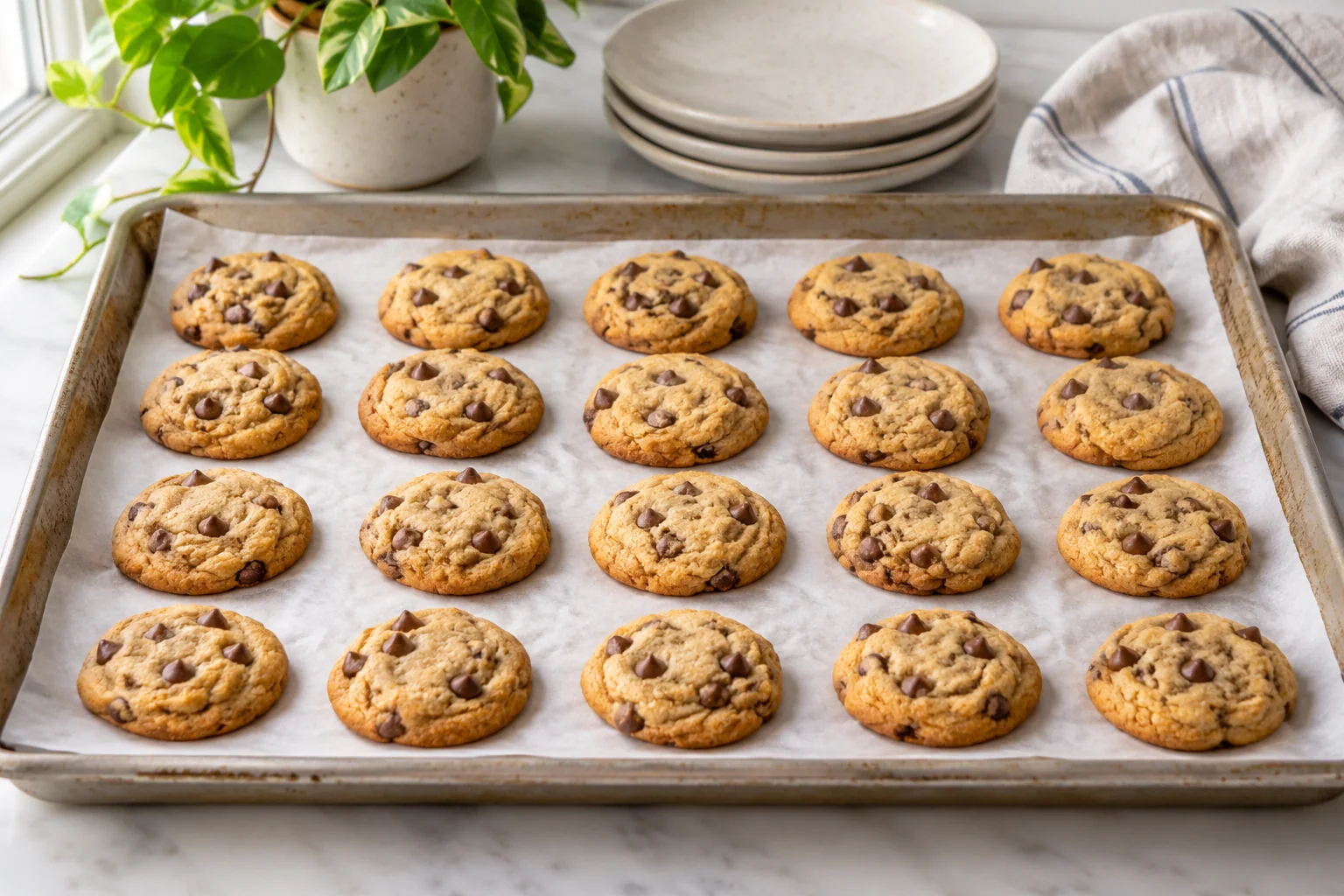
Plain chocolate chip cookies
Well-baked drop cookies have a familiar flavour and travel in layers when cooled. Choose a verified recipe and suitable chocolate chips for the classroom's restrictions. Avoid underbaked centres and let cookies cool fully before packaging so condensation doesn't soften them.
Recipe to try: Classic Chocolate Chip Cookies. Follow this recipe’s ingredient amounts and complete method.
Soft sugar cookies
A plain sugar cookie can be festive without wet icing. A lightly coloured dough or small approved sprinkle mix can add visual interest. If decorating, use a glaze that sets completely before stacking to prevent the cookies fusing in transit.
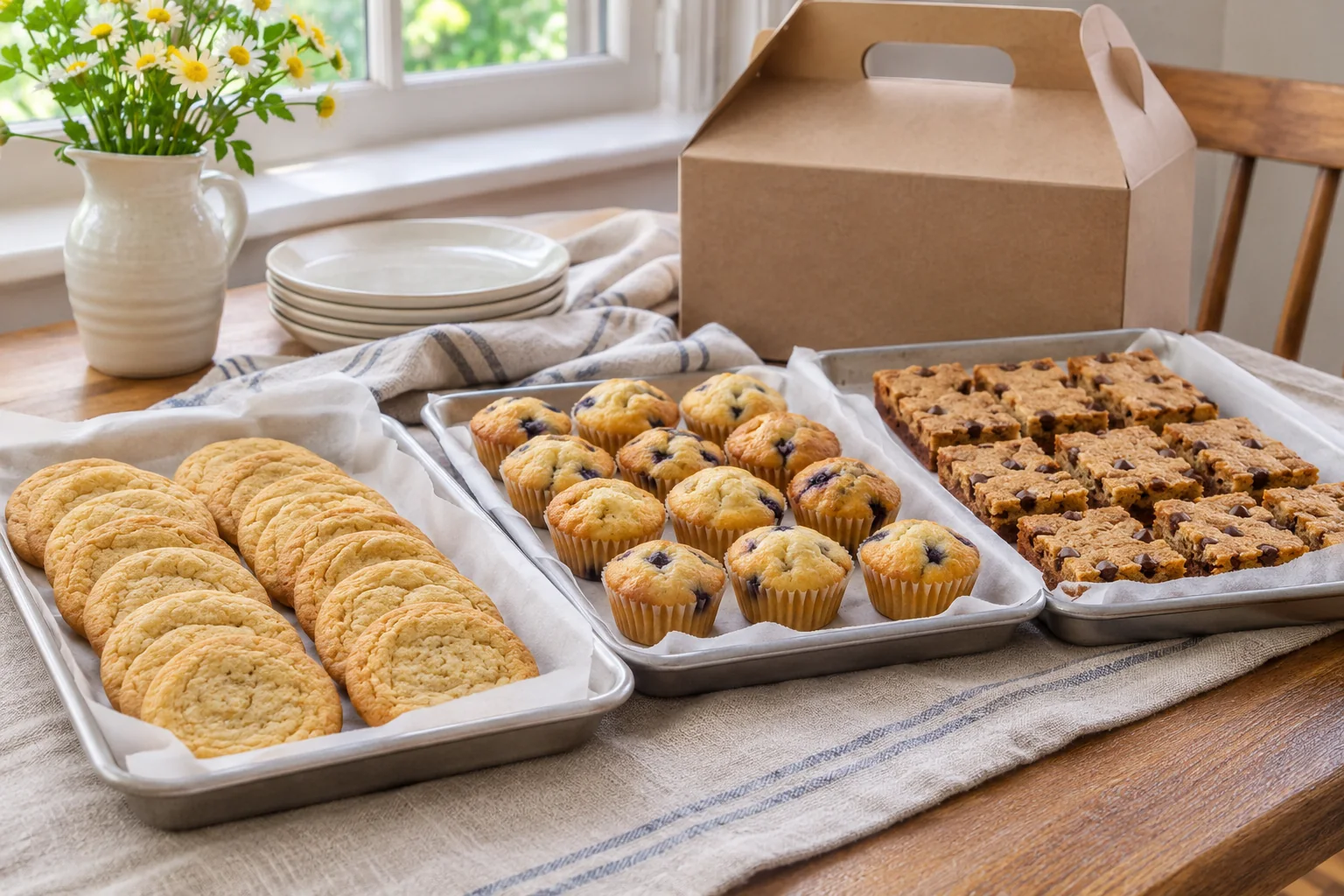
Mini vanilla muffins
Mini muffins are easy to portion and can often be transported in the original paper liners. Bake with a tested small-tin formula and confirm their centres are fully cooked. Keep frosting off the top when the goal is low mess; a little cinnamon sugar may be sufficient.
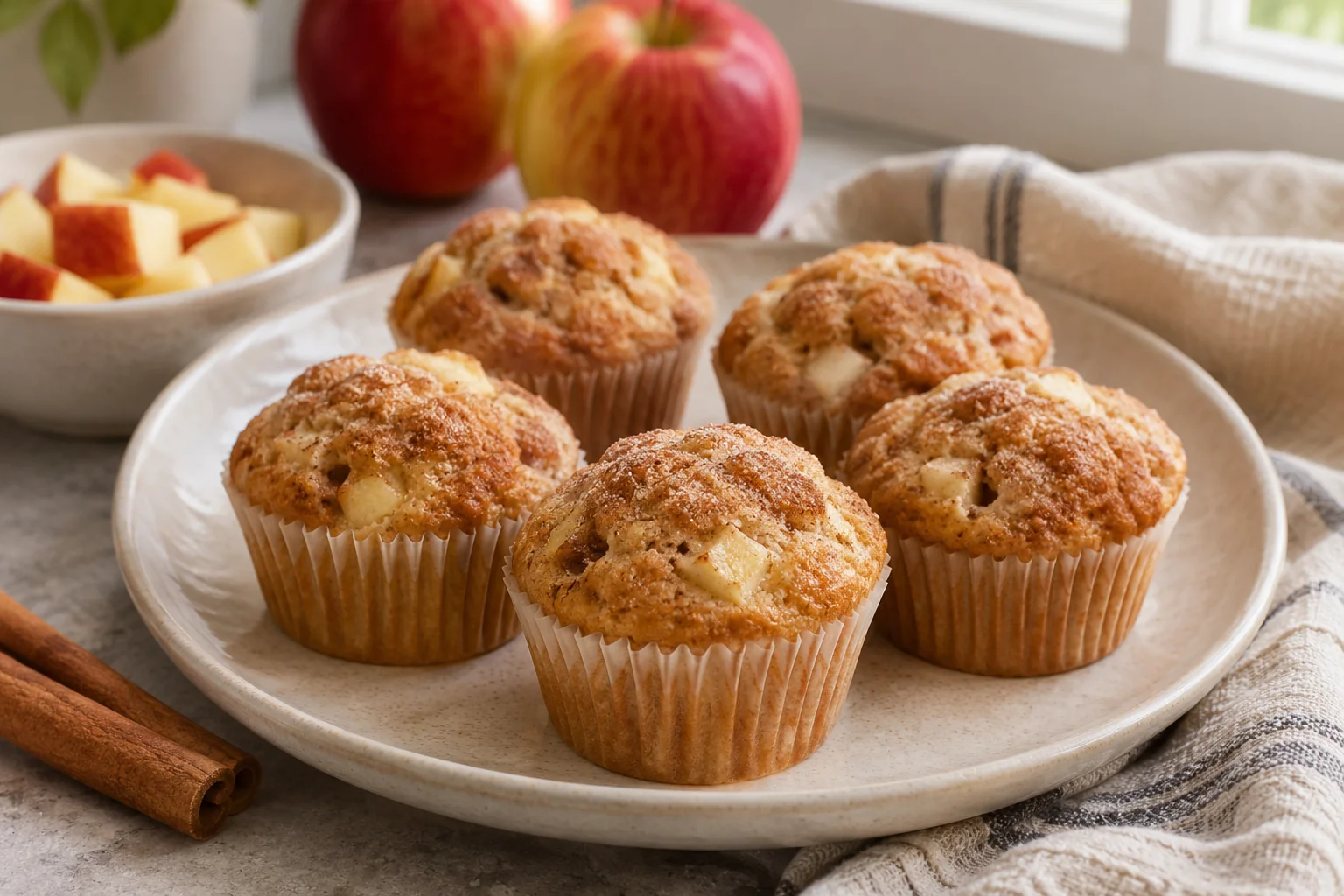
Cinnamon apple muffins
Finely prepared apples and cinnamon offer flavour without elaborate decoration. Use a recipe that balances fruit moisture. Pack after cooling, since hot fruit pieces and steaming muffin wrappers can create sogginess.
Recipe to try: Mini Muffins (Banana, Zucchini, or Apple). Follow this recipe’s ingredient amounts and complete method.
Simple lemon bars need care
Lemon bars can be delicious, but soft curd fillings are perishable and powdered sugar can scatter everywhere. For a low-mess classroom, firm lemon shortbread cookies may be preferable. If bars are chosen, verify refrigeration and serving arrangements with the school.
Brownie squares
Dense brownies cut into modest squares are convenient to count and pack. Chill or cool completely before slicing for neater edges. Avoid thick wet frosting and extra sticky sauces. Clearly identify dairy, egg and wheat ingredients where relevant.
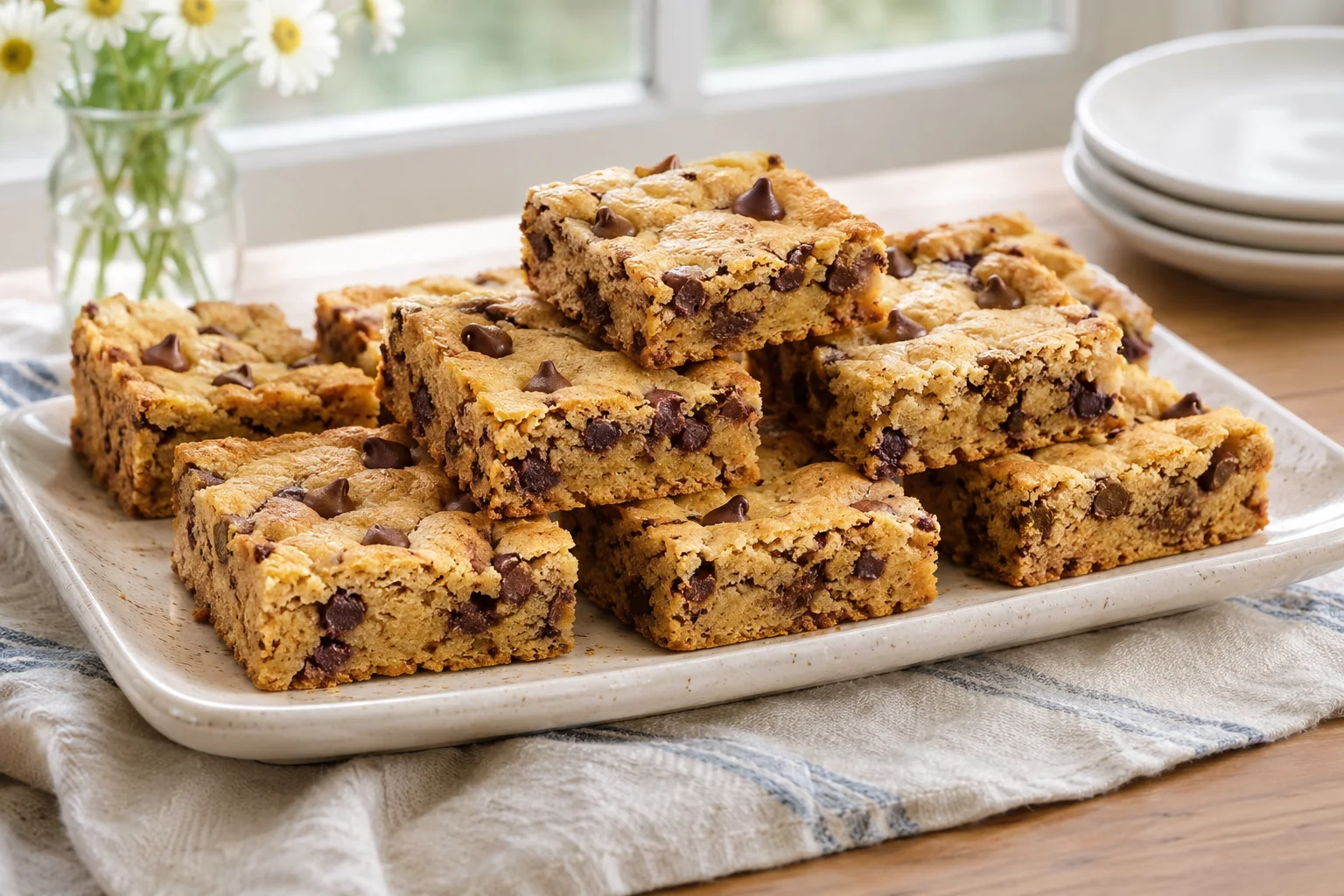
Recipe to try: Chocolate Chip Cookie Bars. For a different tray-bake option from brownies, cut these fully cooled bars into manageable portions. Check ingredients and school approval before packing.
Rice cereal bars
Some recipes use a cooked or melted binder with cereal to create compact bars. Check the binder, chocolate and cereal labels for allergens and dietary needs. Adults handle the hot marshmallow or syrup stage; let bars set completely before cutting and wrapping.
Baked oat bars
An oat-and-fruit bar can be sturdy for transport if the formula has enough structure. Oats must be verified for gluten-related restrictions where necessary. Avoid a crumbly topping that scatters over desks; choose a compact recipe instead.
Mini banana bread slices
Bake a loaf, cool fully and cut even portions or use individual mini loaf moulds. A firm banana bread is easier to carry than a soft cream-topped cake. Use a tested recipe with proper doneness and avoid serving slices still hot from the oven.
Why cupcake towers can be awkward
Tall buttercream swirls are beautiful but can smear on container lids and children's hands. A thin fully set icing or a plain topped cupcake may be more practical. If cupcakes are required, use a secure cupcake carrier with enough headroom.
Avoid sticky or drippy fillings
Jam-filled pastries, caramel desserts and cream puffs can leak in warm classrooms. Perishable fillings may need refrigeration that isn't available. If the teacher requests low-mess treats, prefer dry baked formats instead of trying to package every possible dessert.
Portion and count accurately
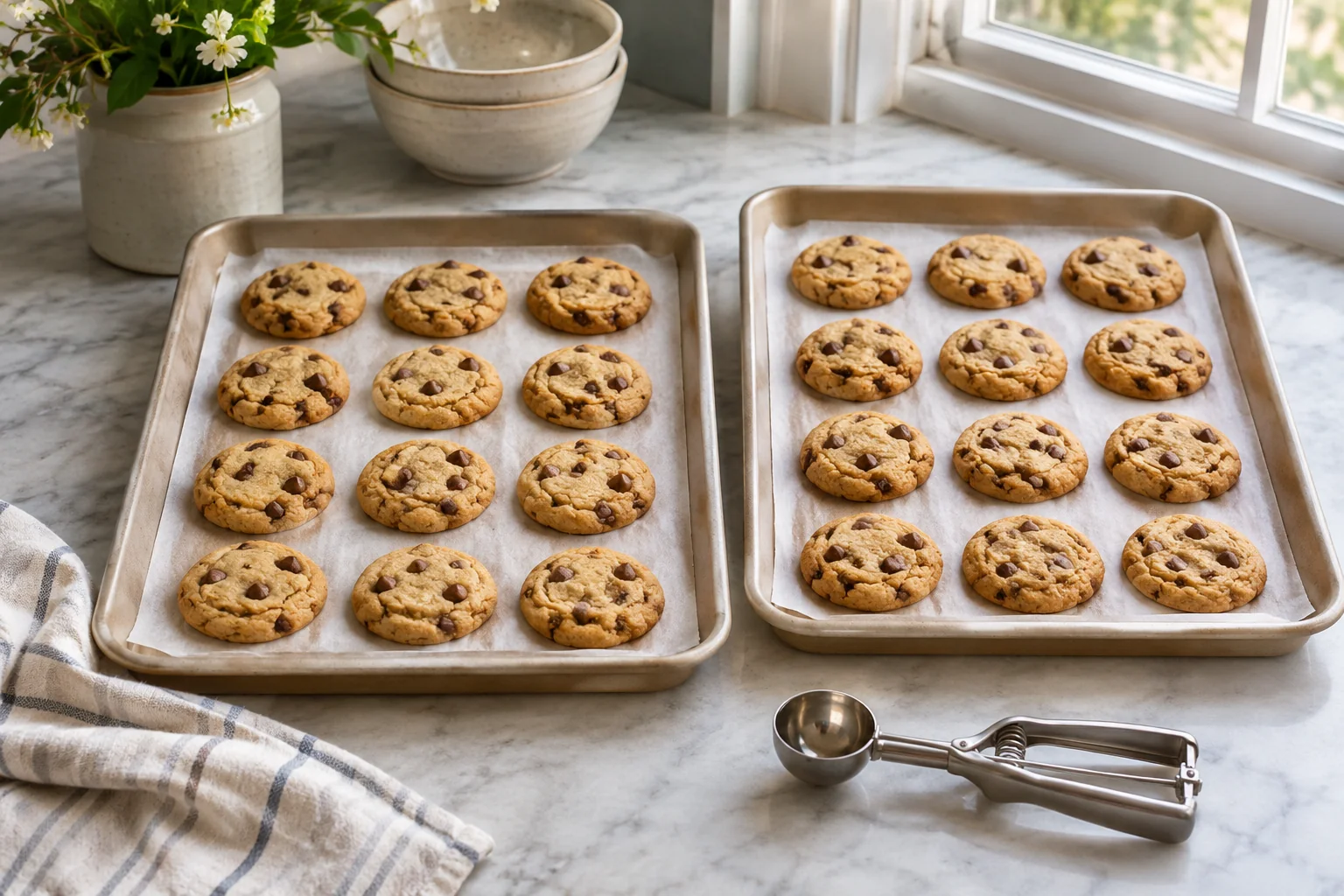
Confirm the number of children and staff before baking, and prepare a modest extra quantity if appropriate. Uniform small servings are easier to distribute fairly. Use the recipe's yield and a scoop or cutter rather than estimating how many cookies will emerge from one bowl of dough.
Use individual wrapping where requested
Food-safe paper sleeves, small bags or firm containers can help prevent handling during distribution. Keep ingredient information accessible. Do not assume individually wrapping food eliminates allergen cross-contact from the kitchen in which it was made.
Make packaging part of the plan
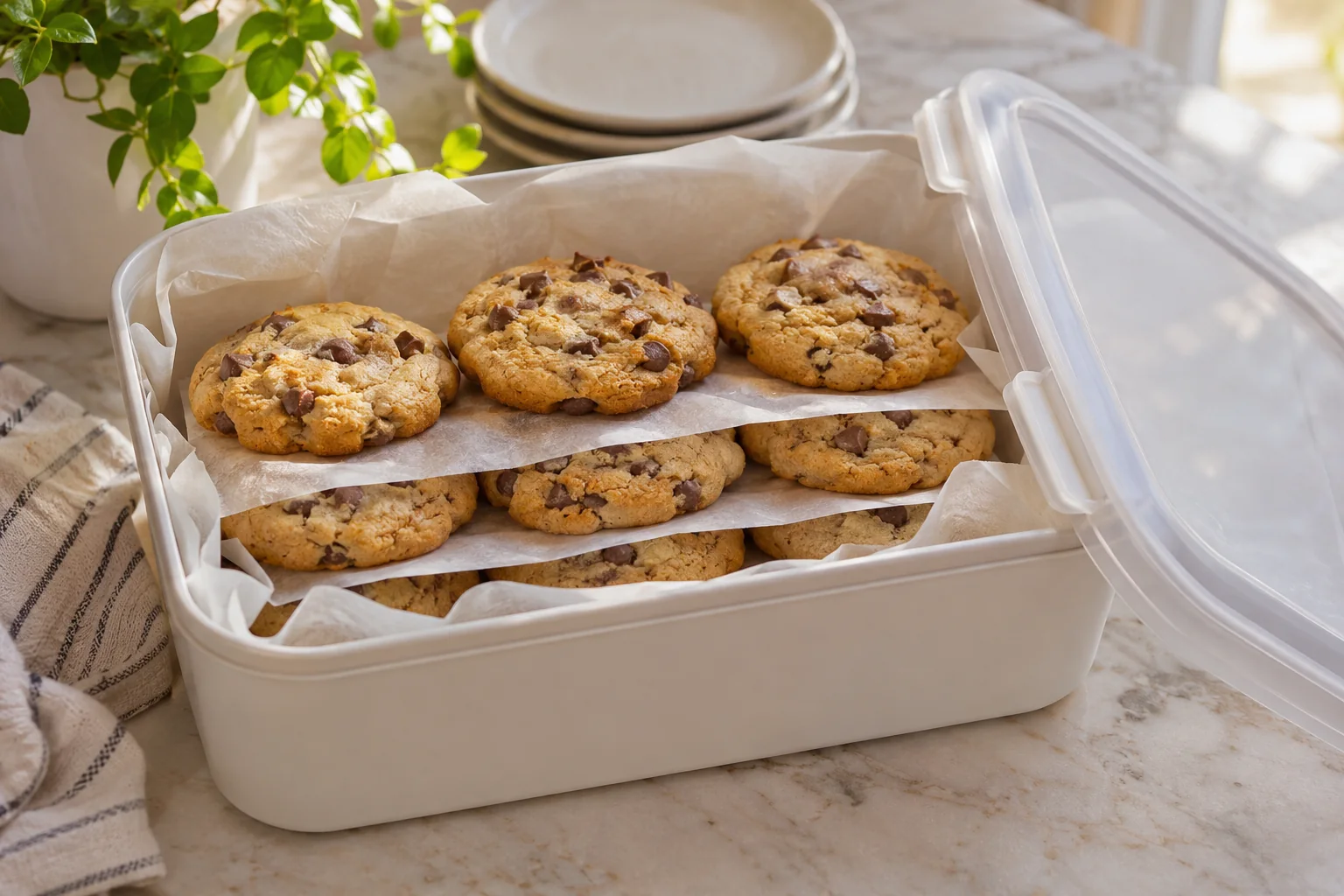
A shallow rigid container protects bars and cookies from being crushed in a school bag. Add parchment between layers of fully cooled treats. Avoid glass jars for classrooms or packaging that requires children to use sharp scissors.
Transport at safe temperatures
Plain baked cookies may be relatively straightforward, but cream-cheese fillings, custards and other perishables need temperature control. Keep cold food at 4°C (40°F) or colder and follow the school's service instructions. A school desk is not a substitute for a refrigerator.
The previous-day baking plan
Bake sturdy cookies or muffins the day before if their recipe allows. Cool and package them, count servings and check labels. Avoid making something that must stay chilled or freshly assembled if you know the teacher cannot accommodate it.
Avoid classroom decorating stations unless approved
An in-class icing activity creates raw ingredient, allergen, handwashing and cleanup considerations. If a teacher wants a decorating project, coordinate safe food and tool requirements ahead of time. Otherwise bring treats that are ready to distribute.
Use nonfood alternatives when needed
When homemade food isn't allowed, a simple card, bookmark or art activity can celebrate the occasion without circumventing a safety policy. This may be more inclusive for children with severe dietary restrictions.
A reliable classroom formula
Pick one tested plain cookie or mini muffin recipe, verify every ingredient, prepare enough evenly sized portions and pack them cleanly. The best classroom bake is one that makes the teacher's day easier while helping everyone feel included.
IN PICTURES
From the baking notebook
FROM THE RECIPE BOX


