
On this page
Molasses gives gingerbread, spice cookies and certain dark loaves their deep colour and unmistakable warmth. But the bottle matters. Light molasses has a comparatively mild sweetness, dark molasses adds more robust flavour and blackstrap can be markedly bitter. The categories come from sugar processing, and using the wrong variety can change the character of a recipe far more than a casual glance at two dark syrups suggests.
What molasses is
Molasses is the thick syrup remaining when sugar crystals are removed during sugar production, commonly from sugarcane or sugar beets. Its composition includes sugars, water and minerals, with flavour compounds influenced by processing. Different countries may use related labels, so read the product description carefully.
Light molasses
Light or mild molasses usually has a gentler, sweeter flavour than darker varieties. Product names differ, so check the label and use the type specified in your recipe. It suits bakes where molasses should support the spices rather than dominate them.
Dark molasses
Dark, robust or full-flavoured molasses is generally produced after further concentration and sugar extraction. It tends to have a stronger taste and more pronounced bitter edge than light molasses. It can work beautifully in dark gingerbread and assertive spice cakes when the formula balances the intensity.
Blackstrap molasses
Blackstrap molasses has a strong, often bitter flavour and is less sweet than many mild baking molasses. Use it when the recipe specifically calls for it. Substituting it for a mild variety can change the flavour dramatically even if the same volume is measured.
Why colour alone is unreliable
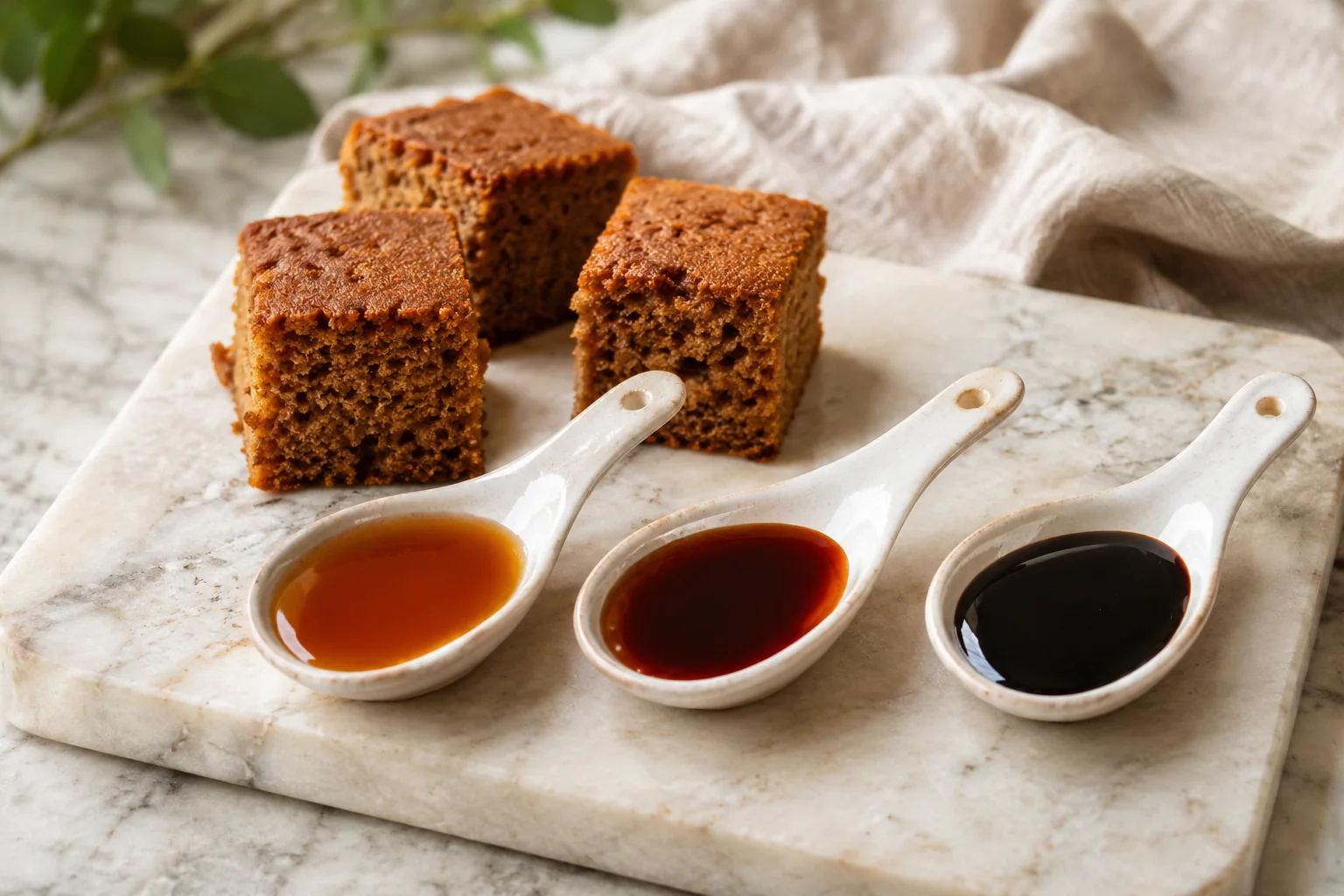
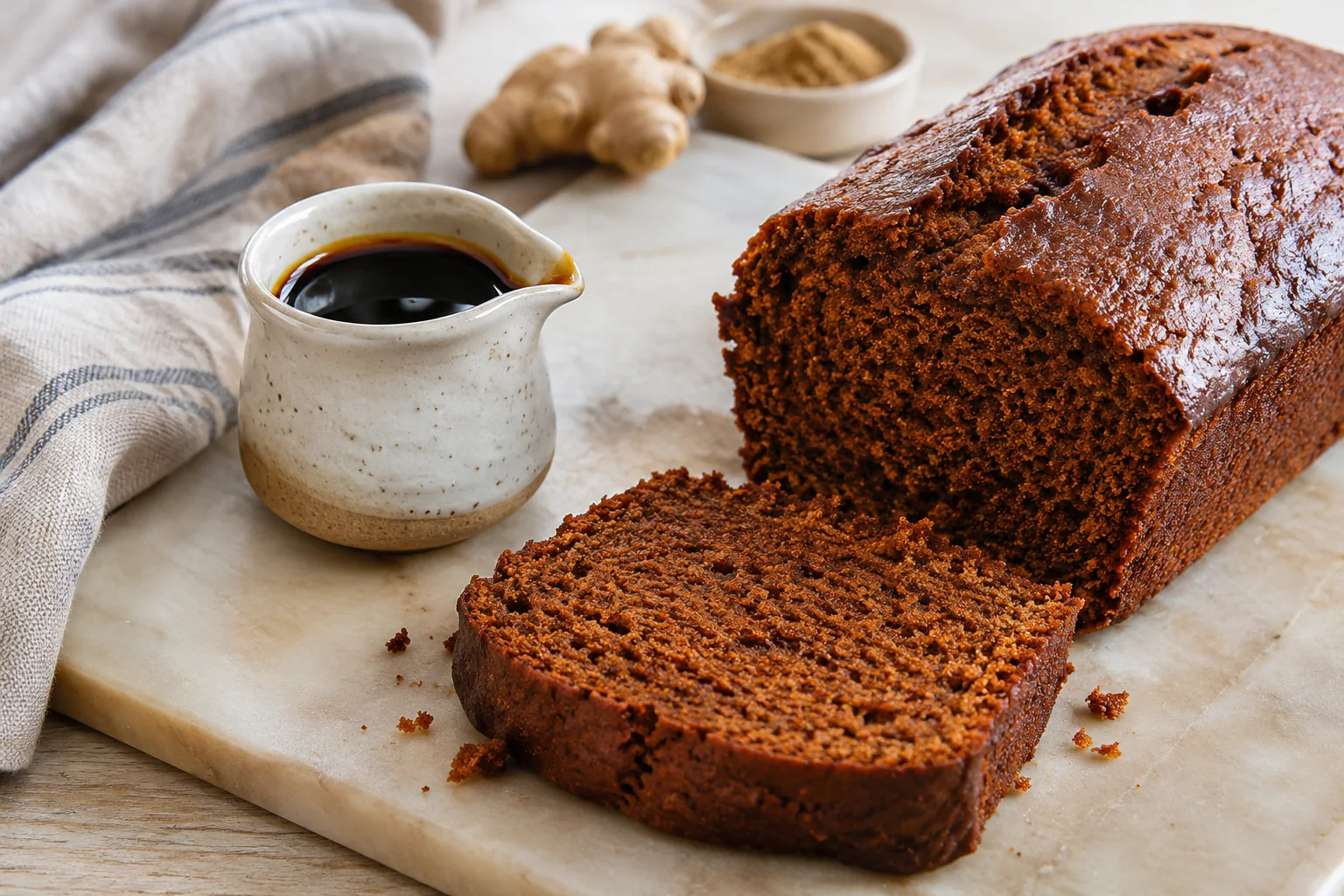
Molasses bottles can all look nearly black, even when their flavours differ substantially. Brand variation further complicates appearance. Use the label and a small taste of the product itself when appropriate, rather than selecting by darkness of the liquid.
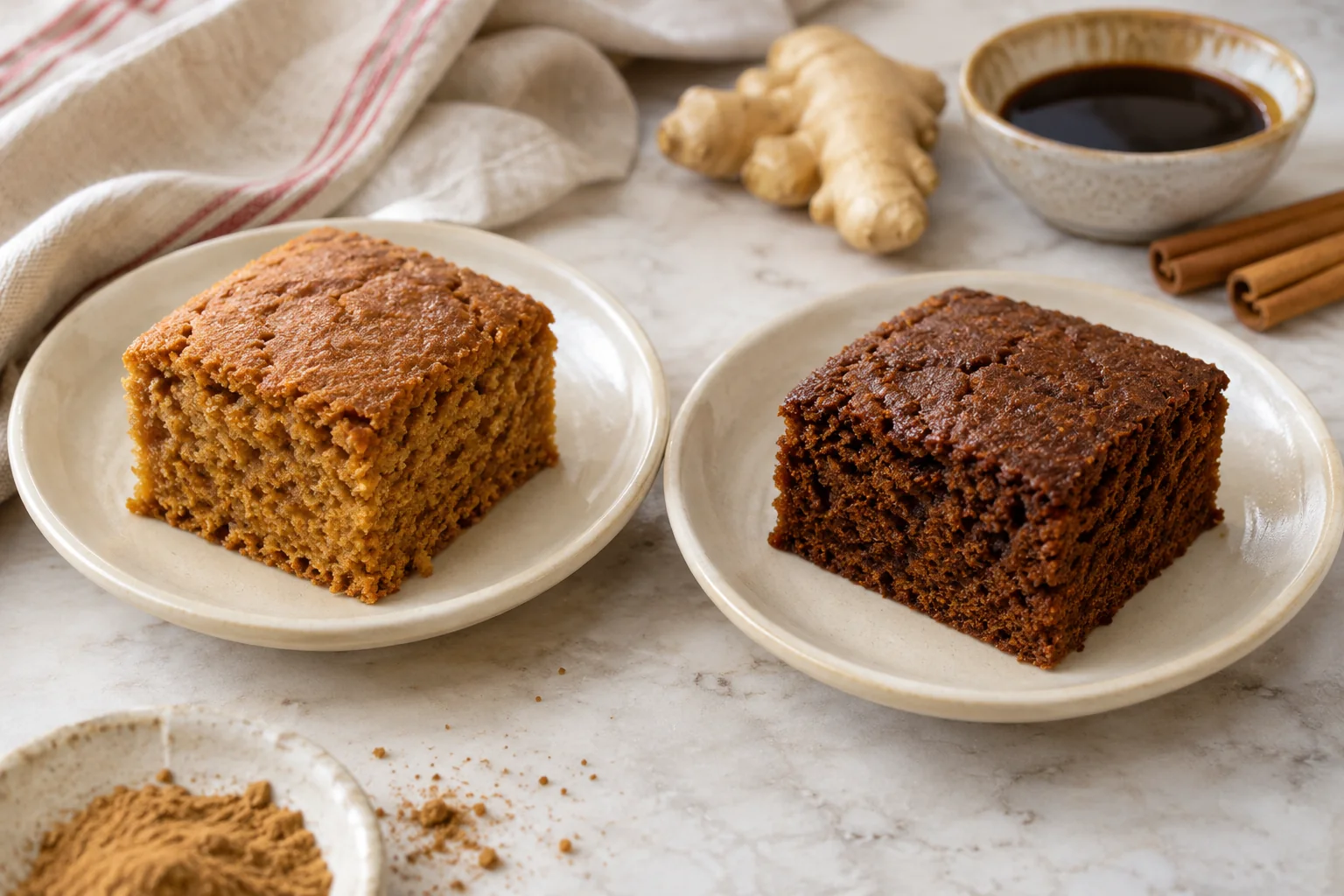
Light versus dark in gingerbread
A mild molasses gives a familiar warm sweetness, letting ginger and cinnamon remain prominent. Dark molasses produces a more intense spice-cake character. Some recipes allow either, but a very dark product can make an already assertive formula taste bitter.
Recipe to try: Molasses Ginger Cookies. Deeply aromatic and perfectly spiced molasses ginger cookies with a crackling sugar-crusted exterior and a soft, chewy center that melts in your mouth with every bite.
Blackstrap in traditional desserts
Certain puddings, breads and regionally specific sweets are deliberately formulated around blackstrap's robust mineral and bitter notes. The presence of blackstrap in those recipes is intentional. Adding it to a standard soft molasses-cookie recipe can overwhelm vanilla and spice.
Unsulphured versus sulphured
Unsulphured molasses generally comes from ripe cane processed without the sulphur-dioxide treatment historically used in some production. Sulphured versions may have a different flavour. These labels describe processing, not simply how dark or sweet the syrup is.
Does molasses contain sugar?
Yes. Molasses is a sugary syrup despite containing minerals, and it contributes sweetness, calories, moisture and flavour to baked goods. Its nutrient profile doesn't make a gingerbread cake sugar-free or negate the recipe's overall sugar content.
Why baking soda often appears with it
Molasses can add acidity to a batter, and some recipes use baking soda to react with acidic components and influence browning. Different molasses types vary, so altering them may change the leavening balance slightly. Follow the recipe rather than increasing soda to compensate for taste.
Moisture and texture
Molasses contains water and sugars that affect dough hydration and moisture retention. Replacing it with an equal measure of dry sugar makes cookies behave differently. A soft molasses cookie owes part of its texture to the syrup as well as to butter, flour and eggs.
How it affects spreading
Liquid sweeteners can alter dough viscosity, spread and browning. A ginger snap designed for a particular molasses may flatten or stay thicker with a substantial substitution. Don't adjust flour and baking soda simultaneously without a tested conversion.
Mixing sticky molasses
A lightly oiled measuring cup can help release syrup where the recipe permits, but a scale provides more consistent quantities. Scrape the cup thoroughly so you don't lose a noticeable fraction of a small recipe's sweetener.
When to use light molasses
Choose it for a versatile pantry ingredient suitable for mild gingerbread, oatmeal cookies and soft spice cakes. If a North American recipe simply states unsulphured molasses, light or regular is often a reasonable starting choice unless the author specifies a robust flavour.
When to use dark molasses
Dark syrup is useful when a formula wants strong spice and colour, such as intense gingerbread or selected dark breads. Evaluate the sweetness of the other ingredients; a large quantity may be overpowering when combined with black cocoa or bitter spices.
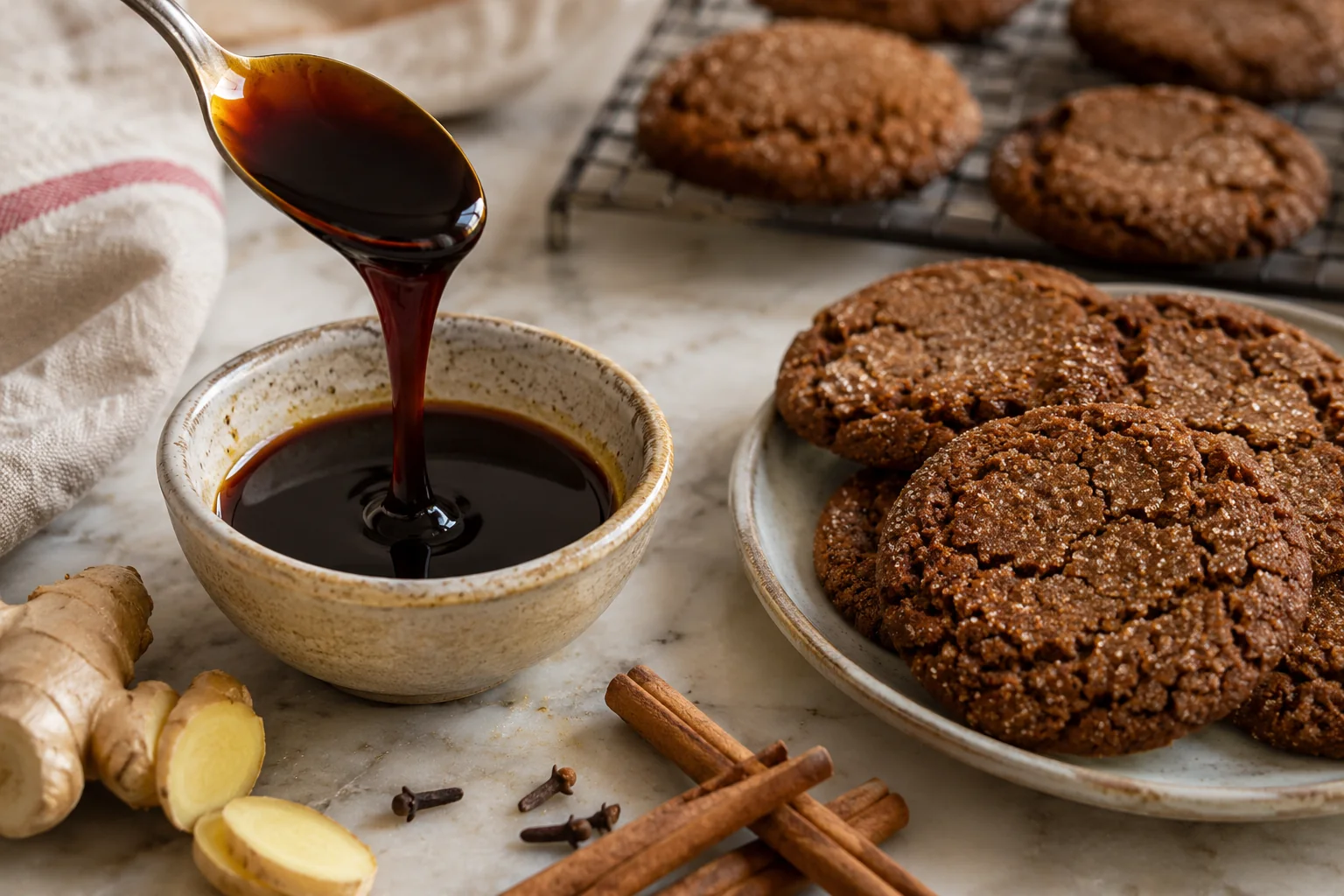
Recipe to try: Gingerbread Cookies. Perfectly spiced, delicately crisp-edged gingerbread cookies with a satisfying chew that balance warming spices with rich molasses for the quintessential holiday treat.
What about maple syrup or honey?
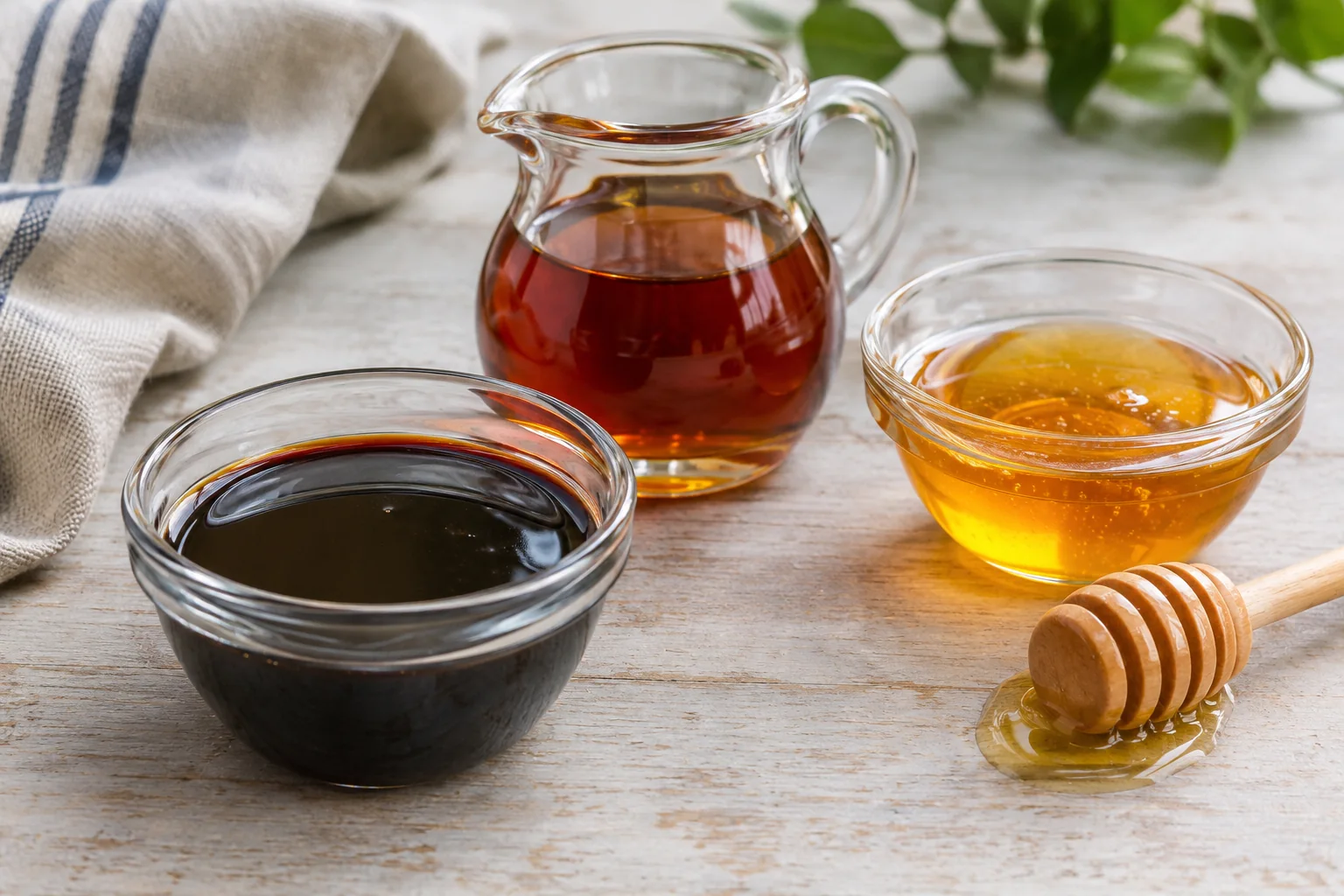
These liquid sweeteners have different sugars, acidity and water content and taste nothing like molasses. They may be compatible in specially adapted recipes, but a direct volume swap can change leavening and texture. Select an established alternative if you need to avoid molasses.
Storage and crystallization
Keep molasses sealed and follow the bottle's storage guidance. Sugar-rich syrup can thicken or crystallize over time. Use clean utensils and discard any product with abnormal spoilage signs. Do not microwave sealed bottles or heat glass unsafely.
A simple flavour comparison
Taste tiny separate samples of light and dark molasses, then compare two tested gingerbread versions when possible. Keep the flour, spices, pan and bake the same. Note bitterness, colour and next-day moisture rather than judging solely from the raw syrup.
Recipe to try: Maple Ginger Cookies. For comparison, this uses a maple flavour direction. It is a separate cookie formula rather than a molasses substitution rule.
Frequently asked questions
Is dark molasses better? Only for certain flavour goals. Can I replace light with blackstrap? Not casually. Is unsulphured the same as light? No, the terms describe different properties. Does molasses add moisture? Yes. Is blackstrap sugar-free? No.
Choose by intended intensity
Light molasses is mild and versatile; dark molasses provides a bolder statement; blackstrap belongs in formulas that embrace its bitterness. The right syrup should support ginger, spice and texture rather than overwhelm the whole bake.
Recipe to try: Gingerbread Maple Layer Cake. Keep the recipe’s sweeteners and liquid proportions as written; maple syrup and molasses are not casual one-for-one substitutes.
IN PICTURES
From the baking notebook
FROM THE RECIPE BOX


