
On this page
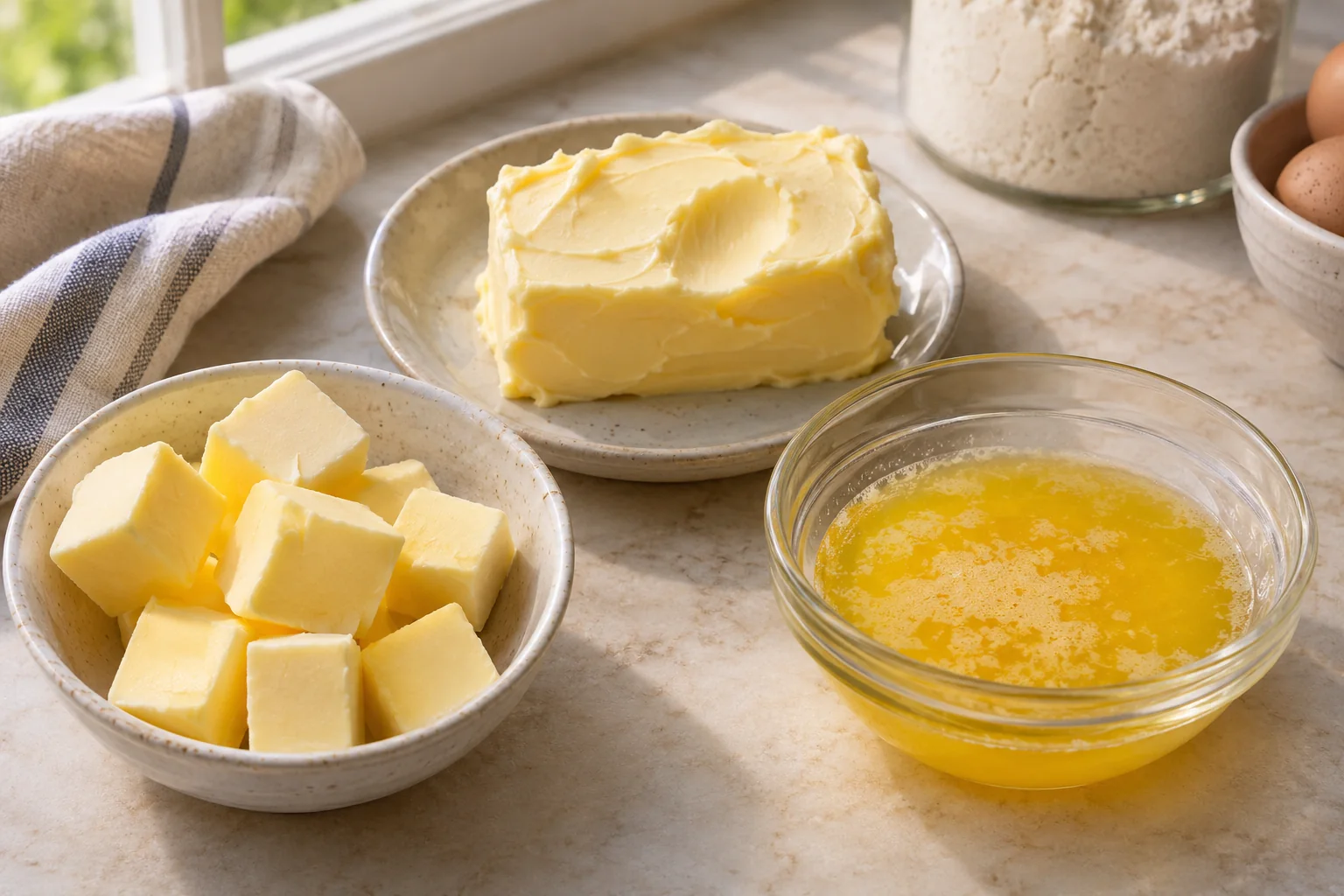
Cream softened butter with sugar and the mixture grows pale and holds small pockets of air. Melt the same butter and it blends into the batter as liquid fat. For a cake mixed by creaming, that missing air can change the rise. For a brownie, a melted-butter method can be exactly what gives the intended dense bite.
What creaming actually does
During traditional creaming, sugar crystals move through pliable solid butter and create tiny air pockets. A good mixture looks lighter and more aerated after appropriate mixing. These bubbles become part of the cake or cookie structure, expanding during baking along with gases from chemical leavening. Creaming requires butter that yields to pressure while remaining solid. Cold hard butter resists, while liquid butter cannot trap air in the same fashion.

What melting does
Melting turns the butter's fat component into liquid and changes how it can disperse through flour, sugar and eggs. It also changes the temperature of the mixture and how quickly sugar dissolves. A melted-butter cookie may have a tighter chew and a different spread pattern, depending on its formula. A batter designed for melted butter often includes its own mixing and resting approach to produce the intended structure.
Butter is not pure fat
Most dairy butter contains fat, some water and milk solids. Heating it simply until melted retains most of those components, while browning butter drives off water and develops toasted milk solids. They are not identical operations. If you replace regular melted butter with a weighed amount of brown butter, the water balance may change. Use a brown-butter recipe or tested water adjustment rather than assuming its flavor is the only difference.
Creamed butter in layer cake
Many butter cakes build early aeration from beating softened butter and sugar. Eggs are added in controlled portions and flour and liquid follow according to the method. A pale fluffy mixture supports a fine light crumb when the rest of the formula is balanced. Pouring melted butter into this system changes that initial aeration and may make the cake denser or greasy, even when every ingredient weight matches.
Use the butter state called for in Classic Vanilla Layer Cake before judging the height of the cooled layers.

Melted butter in brownies
Brownies frequently use melted butter with chocolate and sugar because a dense fudgy texture is desirable. The mixing method may rely on egg foam for a shiny crust rather than butter creaming. A chewy brownie can be excellent without the volume of a creamed butter cake. Following a brownie formula's order of melting, cooling and egg addition matters for texture and safety.
For Almond Flour Brownies, check how the fat joins the chocolate mixture before adding the eggs.

Melted butter in cookies
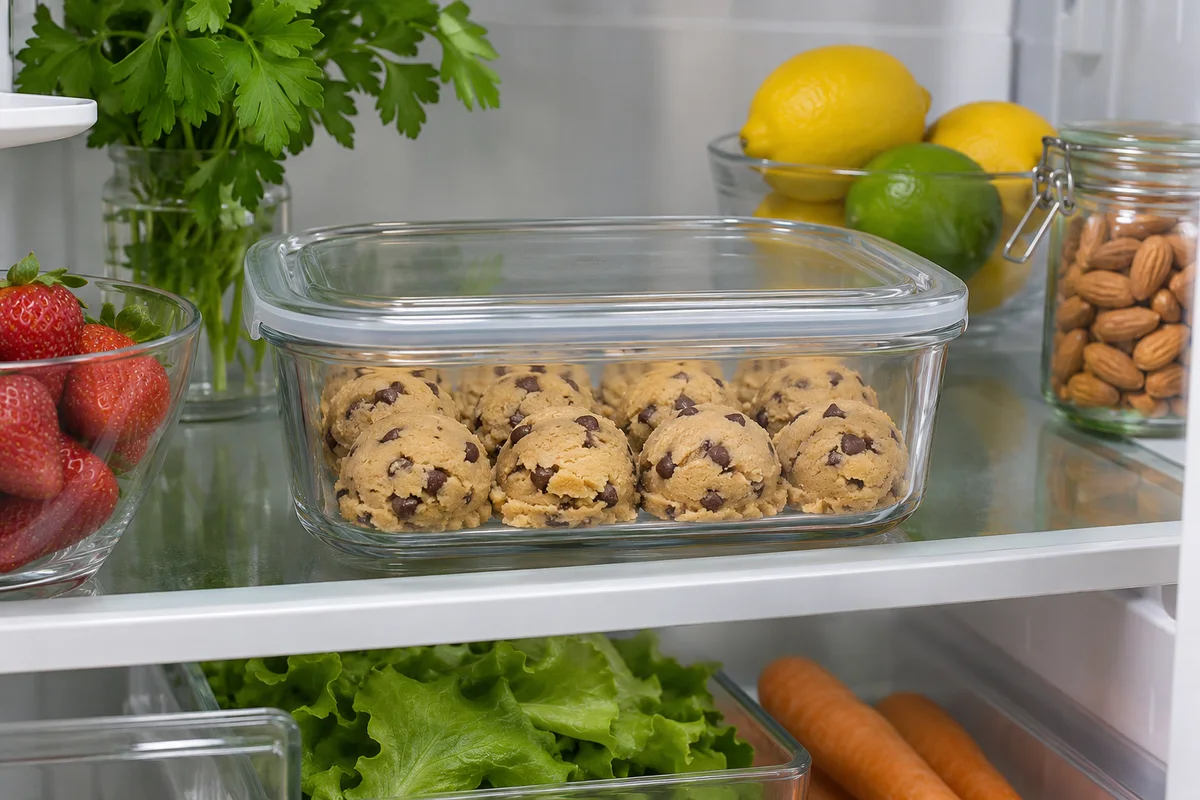
Many chocolate chip cookie recipes deliberately use melted or browned butter for flavor and chew. They may call for a dough rest so flour hydrates and fat cools before baking. A cookie made with melted butter may spread differently from a creamed version, but flour, sugar, egg and leavener proportions remain important. Changing the butter state without those compensating choices is not an exact substitution.
Creamed butter in cookies
A creamed cookie dough can trap air, often influencing thickness, spreading and a more aerated bite. The endpoint for cookie creaming may be less extensive than for a lofty cake. Some cookie recipes specify only a brief beat to avoid a cakey texture. Follow the stated visual cue rather than applying a universal five-minute mix to every dough.
The creaming stage in Classic Chocolate Chip Cookies gives a useful starting point for a cookie comparison.

The role of sugar crystals
Granulated sugar helps build creamed butter's air structure. Brown sugar contains molasses and moisture, changing how the mixture feels and tastes. With melted butter, sugar can dissolve differently, influencing chew and surface appearance. Powdered sugar has yet another particle size and sometimes contains starch. Swapping these while changing butter state makes it hard to identify which change caused a new cookie texture.

Temperature when adding eggs
Very hot melted butter can warm eggs rapidly, producing lumps or otherwise altering the desired mixing. Allow the mixture to reach the recipe's prescribed temperature before combining. With creamed butter, cold eggs may make the fat mixture look broken or curdled. Ingredient temperature is part of the mixing technique, not merely a convenience note.
How flour hydration changes
Liquid fat distributes differently from pliable creamed butter, and the amount of available water and mixing can affect flour hydration. A dough with melted butter may initially feel loose and become firmer after resting or chilling. Adding excessive flour immediately because the dough looks soft can leave a dry cookie after the fat cools. Follow the formula's rest before diagnosing.
What about muffin batters?
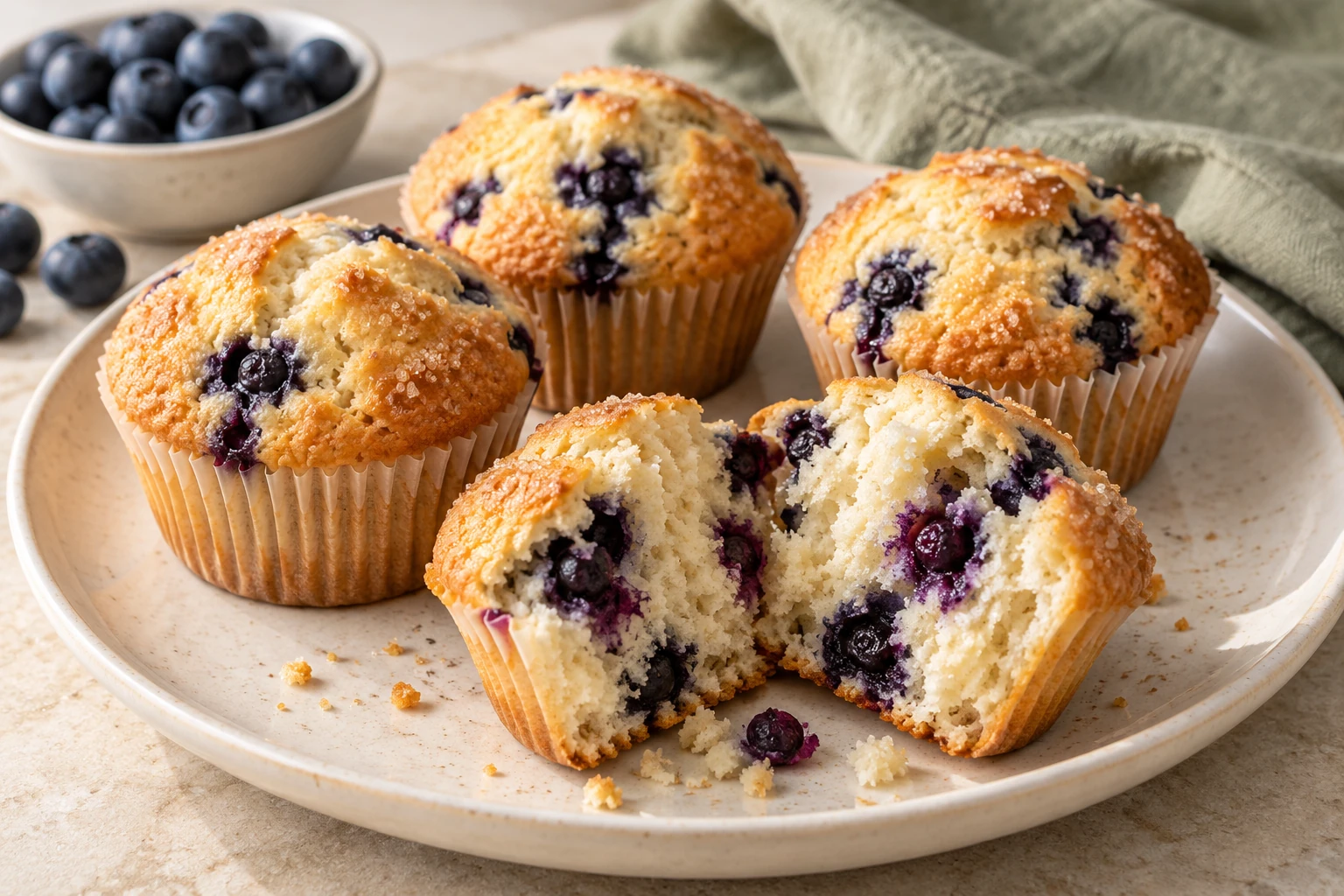
Some muffins use melted butter whisked with wet ingredients, following a quick-bread mixing approach rather than creaming. Others rely on softened butter to build a softer cake-like structure. The amount of mixing after flour addition matters; beating a melted-butter muffin batter excessively can develop gluten. Choose the recipe's method according to whether you want a tender quick bread or a more cake-like crumb.
Read the wet-ingredient sequence in Blueberry Muffins before deciding how to add butter to a muffin batter.
Pancakes and waffles
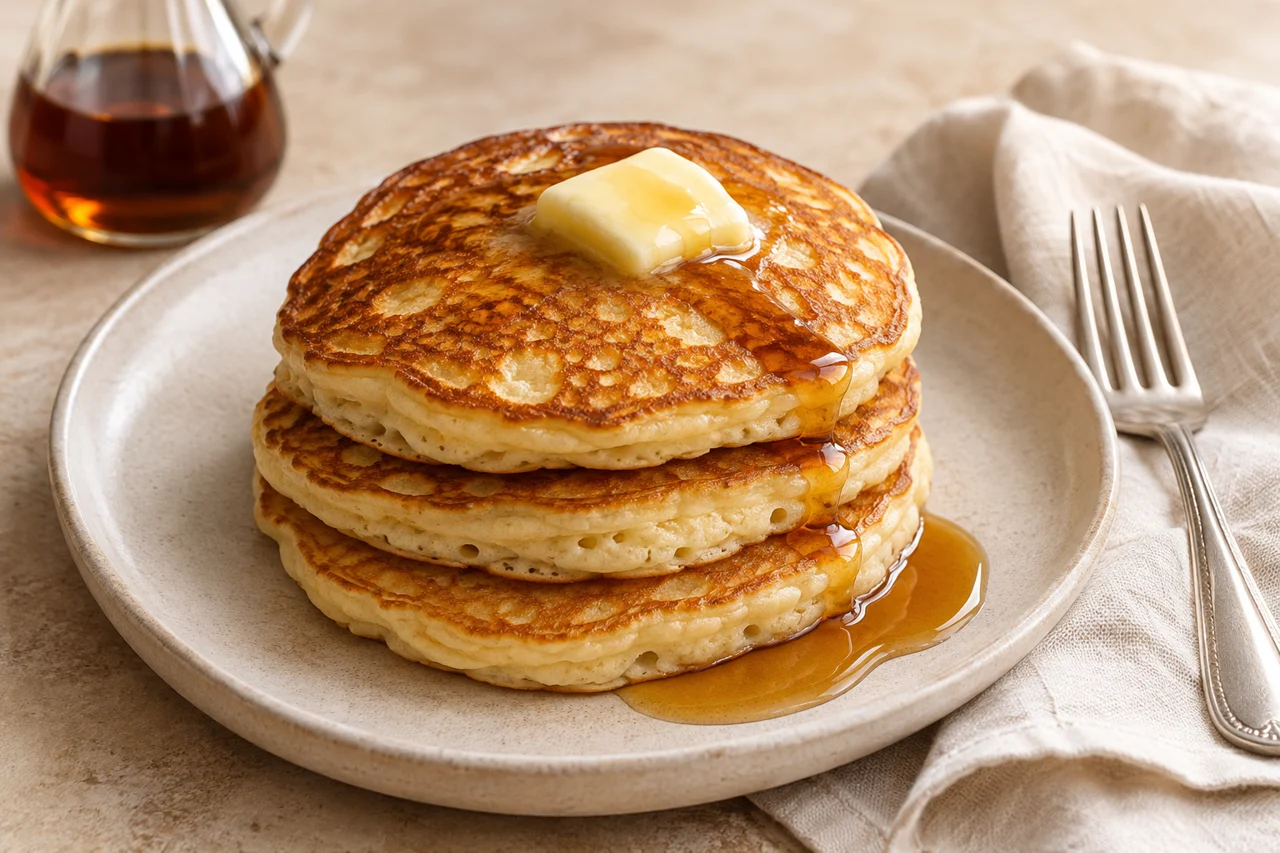
Many pancake or waffle batters incorporate melted butter into liquid ingredients. The fat enriches the batter without a separate creaming stage. Some waffle formulas use whipped egg whites or yeast for aeration instead. Butter should be cooled appropriately before adding to milk and eggs. Using softened creamed butter would require a different mixing method and may not disperse evenly.
With Basic Buttermilk Pancakes, mix the wet ingredients before they meet the flour.
Shortbread texture
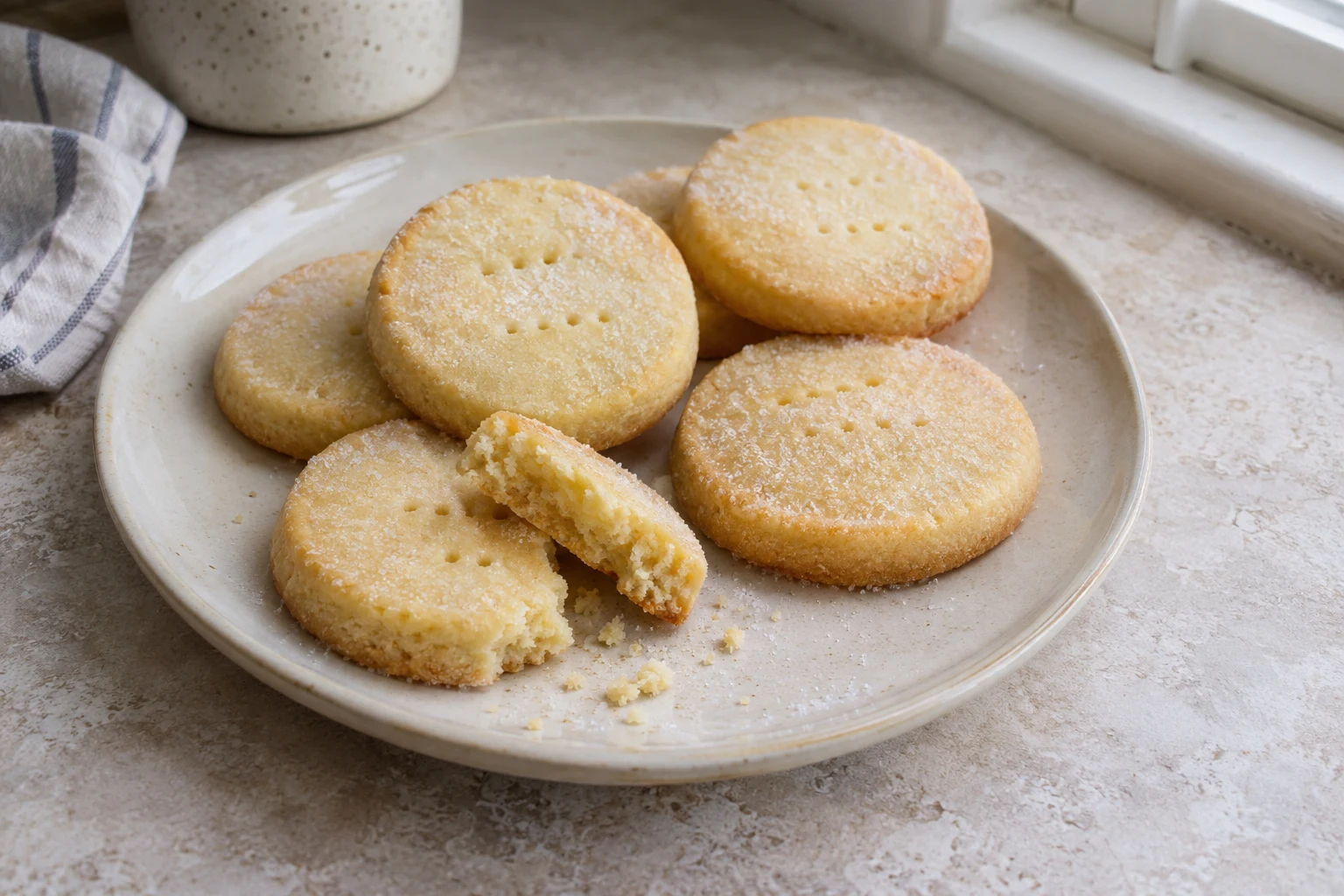
Traditional shortbread may involve creaming butter and sugar gently or rubbing fat into flour, depending on the intended texture. Melting butter can create a different distribution and may produce a less delicate crumb. A recipe with coarse flour-butter particles should not be reformulated by melting the fat simply to make mixing easier. The technique matters as much as the ratio.
Chilling doesn't undo every change
A melted-butter cookie dough can firm in the refrigerator and bake beautifully if it was designed for that method. But chilling an accidental melted-butter cake mixture doesn't recreate the air pockets lost during creaming. Likewise, a creamed dough that warms during mixing may spread despite a later rest. Preventing the wrong fat state is more dependable than an improvised cold rescue.
Browning and caramel flavor
Brown butter adds nutty flavor through browned milk solids, while plain melted butter retains a more straightforward dairy taste. In a cookie, the toasted notes pair with chocolate and brown sugar. In a delicate vanilla cake, they may overwhelm subtler flavors or change the crumb if water isn't accounted for. Choose a tested brown-butter formula before adapting a creamed-butter cake.
Try Brown Butter Ginger Cookies for a method built around butter that has been heated for flavour.
When to choose oil instead
Oil remains liquid at refrigerator temperature and doesn't cream like solid butter. It may help cakes feel tender and moist, but it contributes a different flavor and structure. Replacing melted butter with oil changes the amount of water and milk solids. Choose a tested oil-based recipe rather than assuming all liquid fats have identical baking behavior.
A small cookie experiment
Find two published chocolate chip cookie formulas: one creamed and one melted-butter, with similar basic flavor goals. Weigh ingredients and keep the oven and cooling method consistent. Compare finished spread, thickness, edge crispness and center chew. Don't simply change the butter state in the same formula and treat the result as a fair test of which approach is superior.
A cake mixing checklist
Before mixing, identify whether your cake uses traditional creaming, reverse creaming, an oil-based whisking method or melted butter. Set ingredient temperatures accordingly. Once eggs and flour are added, follow the specified timing and avoid beating beyond the endpoint. A different mixing sequence can change batter aeration and gluten development even if the written ingredient list is unchanged.
Common troubleshooting clues
A dense butter cake may have been made with overheated butter or inadequate creaming, but excess flour and weak leavening are other possibilities. A greasy spreading cookie may have been portioned while warm, or its formula may simply contain too much fat relative to flour. A dry cookie may be overbaked. Trace the actual method and weights before changing several ingredients.
IN PICTURES
From the baking notebook
FROM THE RECIPE BOX


